Support Groups in North Palm Beach, FL
This is a virtual group via Zoom for adult men seeking recovery from compulsive sexual behaviors including pornography use and other problematic sexual behaviors. The group focuses on reducing shame, increasing accountability, teaching recovery essentials, and processing underlying issues in a supportive group dynamic.

Hosted by Justin H McManus
Clinical Social Work/Therapist, LCSW, CAP, SATP, CSAT
Group meets in North Palm Beach, FL 33408
This is a virtual group via Zoom for adult men seeking recovery from compulsive sexual behaviors including pornography use and other problematic sexual behaviors. The group focuses on reducing shame, increasing accountability, teaching recovery essentials, and processing underlying issues in a supportive group dynamic.
A support and processing group for overcoming shame.

A support and processing group for overcoming shame.
This group is designed to support those working on addiction recovery and developing a positive life style. Supportive peers working together weekly to explore and create positive goals while holding each other accountable in a safe environment.

This group is designed to support those working on addiction recovery and developing a positive life style. Supportive peers working together weekly to explore and create positive goals while holding each other accountable in a safe environment.
A space where your child can develop social skills guided by a professional therapist.
A space where your child can develop social skills guided by a professional therapist.
A process group where you can learn to process your mental health concerns through art guided by a professional therapist.
A process group where you can learn to process your mental health concerns through art guided by a professional therapist.
More Groups Nearby
Is your relationship in trouble? Is your partner struggling with addiction? Is your partner lying to you? If you answered Yes to any of these questions, I can help get your relationship on track.

Hosted by Bout Me Healing
Drug & Alcohol Counselor, MS, PhD, CAP, License
Group meets in Boca Raton, FL 33496
Is your relationship in trouble? Is your partner struggling with addiction? Is your partner lying to you? If you answered Yes to any of these questions, I can help get your relationship on track.
Dialectical Behavior Therapy Groups allow clients to live their lives in a mindful way, by learning skills to help regulate emotions, handle distress and crisis, and to decrease interpersonal conflict.

Hosted by Stephanie Burstein
Marriage & Family Therapist, MS, LMFT, QS
Group meets in Delray Beach, FL 33445
Dialectical Behavior Therapy Groups allow clients to live their lives in a mindful way, by learning skills to help regulate emotions, handle distress and crisis, and to decrease interpersonal conflict.
This is a peer licensed therapist group. About 6 other local therapists and I meet 1x per month to staff cases. Call if you're interested in joining.

This is a peer licensed therapist group. About 6 other local therapists and I meet 1x per month to staff cases. Call if you're interested in joining.
Radiate assists teens in developing a life worth living by helping teens develop insight and skillfulness with their emotions, behaviors, and relationships. The group covers all DBT modules of: Mindfulness, Distress Tolerance, Emotional Regulation, Interpersonal Effectiveness, and Walking the Middle Path. Open-enrollment occurs at the start of each new module. Alyssa Hickey, LCSW-QS and Elizabeth Rubin, RCSWI co-lead this group.
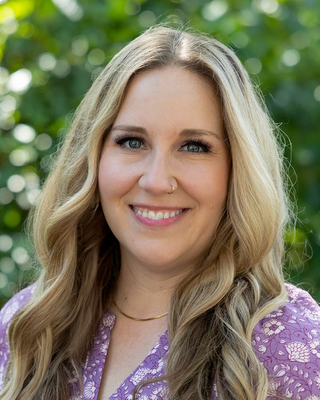
Hosted by Melissa Lichtenberger
Licensed Mental Health Counselor, LMHC
Group meets in Stuart, FL 34994
Radiate assists teens in developing a life worth living by helping teens develop insight and skillfulness with their emotions, behaviors, and relationships. The group covers all DBT modules of: Mindfulness, Distress Tolerance, Emotional Regulation, Interpersonal Effectiveness, and Walking the Middle Path. Open-enrollment occurs at the start of each new module. Alyssa Hickey, LCSW-QS and Elizabeth Rubin, RCSWI co-lead this group.
Designed for those clients who have completed our standardized DBT skills group and who demonstrate a willingness and capacity to engage in more advanced skills training to deepen their DBT practice.

Designed for those clients who have completed our standardized DBT skills group and who demonstrate a willingness and capacity to engage in more advanced skills training to deepen their DBT practice.
The Women’s Trauma Group is for women who have experienced trauma and related issues such as substance abuse and domestic violence, and are seeking a safer, healthier life. Sessions include both information and the opportunity to share. Group members will learn techniques to understand the relationships among thoughts, feelings and behaviors. Group therapy is effective because it reduces stigma and feeling of isolation; they know they are not alone, clients can learn from each other’s experiences, and mutual support is empowering to the individual.

Hosted by Fenix Recovery Center
Clinical Social Work/Therapist, LCSW, MCAP, EMDR
Group meets in West Palm Beach, FL 33405
The Women’s Trauma Group is for women who have experienced trauma and related issues such as substance abuse and domestic violence, and are seeking a safer, healthier life. Sessions include both information and the opportunity to share. Group members will learn techniques to understand the relationships among thoughts, feelings and behaviors. Group therapy is effective because it reduces stigma and feeling of isolation; they know they are not alone, clients can learn from each other’s experiences, and mutual support is empowering to the individual.
Embodying Hope provides a compassionate space to build coping skills, integrate mindfulness for symptom relief, foster connection, and cultivate hope despite the challenges of chronic conditions. Through a blend of DBT strategies, Psychodrama techniques, Mindfulness practices, and Psychoeducation, members will learn tools to navigate both the physical and emotional aspects of chronic illness/pain while feeling supported by others who understand their journey. This group is led by Alyssa Hickey, LCSW-QS and Raquel Rojas, RMFTI.

Embodying Hope provides a compassionate space to build coping skills, integrate mindfulness for symptom relief, foster connection, and cultivate hope despite the challenges of chronic conditions. Through a blend of DBT strategies, Psychodrama techniques, Mindfulness practices, and Psychoeducation, members will learn tools to navigate both the physical and emotional aspects of chronic illness/pain while feeling supported by others who understand their journey. This group is led by Alyssa Hickey, LCSW-QS and Raquel Rojas, RMFTI.
Join Doctor Maureen Condon Kelly, PhD, LCSW, PA
For a 6 Week Group Focusing on You and Self Care Optimization Discover Ways to Get to the TOP OF YOUR GAME!

Join Doctor Maureen Condon Kelly, PhD, LCSW, PA
For a 6 Week Group Focusing on You and Self Care Optimization Discover Ways to Get to the TOP OF YOUR GAME!
Living in Color is an immersive, experiential journey that invites you on a journey of self discovery through expert guidance, mindfulness, movement, creativity, and authentic connection-supporting insight, resilience, and lasting change. Women will leave feeling reset and recharged, but more importantly, connected to a steadier, wiser version of themselves—one that understands that feeling alive means living in color. Not bypassing emotion. Not being ruled by it. But allowing it to move through us so we can meet our lives with presence, clarity, and heart

Hosted by Maureen Delorenzo
Clinical Social Work/Therapist, LCSW
Group meets in Boynton Beach, FL 33437
Living in Color is an immersive, experiential journey that invites you on a journey of self discovery through expert guidance, mindfulness, movement, creativity, and authentic connection-supporting insight, resilience, and lasting change. Women will leave feeling reset and recharged, but more importantly, connected to a steadier, wiser version of themselves—one that understands that feeling alive means living in color. Not bypassing emotion. Not being ruled by it. But allowing it to move through us so we can meet our lives with presence, clarity, and heart
Couples, Parenting, Teenage, Older adult, Transgender, LGBT, Subtance Abuse, Trauma, PTSD and Asperger's issues. Do you have difficulties in social encounters, peer relationships, educational settings or communicating? Meltdowns, anxiety, depression? You may have ASPERGER's/Pervasive Developmental Disorder PDD, one of the most Un-diagnosed disorders! Looking for support and guidance? Don't let life weigh you down! daytime. For more information e-mail MindBodyTherapeuticsnow@gmail.com or call 772-486-4417

Hosted by Dr. B. Jane Statlander-Slote
Clinical Social Work/Therapist, LCSW, PhD, PsyD
Group meets in Stuart, FL 34994
Couples, Parenting, Teenage, Older adult, Transgender, LGBT, Subtance Abuse, Trauma, PTSD and Asperger's issues. Do you have difficulties in social encounters, peer relationships, educational settings or communicating? Meltdowns, anxiety, depression? You may have ASPERGER's/Pervasive Developmental Disorder PDD, one of the most Un-diagnosed disorders! Looking for support and guidance? Don't let life weigh you down! daytime. For more information e-mail MindBodyTherapeuticsnow@gmail.com or call 772-486-4417
In this group, you will learn to embrace the present moment and recognize the fluctuations in your emotions, strengthen your resilience to face and endure intense emotions without resorting to escape or impulsive reactions, discover proven techniques that can transform how you experience and manage your emotions, and develop healthy communication strategies to set boundaries, maintain self-respect, and confidently express your needs and desires.

In this group, you will learn to embrace the present moment and recognize the fluctuations in your emotions, strengthen your resilience to face and endure intense emotions without resorting to escape or impulsive reactions, discover proven techniques that can transform how you experience and manage your emotions, and develop healthy communication strategies to set boundaries, maintain self-respect, and confidently express your needs and desires.
A group that will give everyday behavioral skills including mindfulness, interpersonal effectiveness, emotional regulation, and distress tolerance. These skill will help over a lifetime in any situation. Be the master of your own life today.

A group that will give everyday behavioral skills including mindfulness, interpersonal effectiveness, emotional regulation, and distress tolerance. These skill will help over a lifetime in any situation. Be the master of your own life today.
Family constellations is a therapeutic approach that enables individuals to see the hidden dynamics in a family or relationship in order to locate and to remove conflicts and blockages. These many times have been repeated in families for generations. This therapeutic tool helps you to let go behavior that doesn't serve you anymore. Groups meet once per month, no long-term commitment is necessary. This group has a limited number of participants. Please call in advance. 772 828 8315

Family constellations is a therapeutic approach that enables individuals to see the hidden dynamics in a family or relationship in order to locate and to remove conflicts and blockages. These many times have been repeated in families for generations. This therapeutic tool helps you to let go behavior that doesn't serve you anymore. Groups meet once per month, no long-term commitment is necessary. This group has a limited number of participants. Please call in advance. 772 828 8315
Tuesday’s a Men's group for adults with a commitment to recovery. The focus of this group is to identify "stuck" areas in recovery, improve in areas of current family, work,employment,performance, physical health, spiritual growth, managing anger and impulsivity. The group will also address other addiction issues such as sex and gambling. The Tuesday group is for those in early recovery developing recovery tools.

Hosted by Michael A Herbert
Drug & Alcohol Counselor, CAC, CIP, CSFRC
Group meets in Delray Beach, FL 33444
Tuesday’s a Men's group for adults with a commitment to recovery. The focus of this group is to identify "stuck" areas in recovery, improve in areas of current family, work,employment,performance, physical health, spiritual growth, managing anger and impulsivity. The group will also address other addiction issues such as sex and gambling. The Tuesday group is for those in early recovery developing recovery tools.
Free group open To Kids and Teens with OCD and OC Related Disorders. Parents also invited to attend. We welcome attendees at any stage of recovery (e.g., recently diagnosed, in treatment, not in treatment). Usually on the 2nd Monday or Wednesday of the month, but please visit our events' calendar at https://goo.gl/Sq1qbj for exact dates.

Free group open To Kids and Teens with OCD and OC Related Disorders. Parents also invited to attend. We welcome attendees at any stage of recovery (e.g., recently diagnosed, in treatment, not in treatment). Usually on the 2nd Monday or Wednesday of the month, but please visit our events' calendar at https://goo.gl/Sq1qbj for exact dates.
See more therapy options for North Palm Beach


FAQs - About Group Therapy and Support Groups
How can I find a support group in North Palm Beach?
To find a support group in your area, start by entering your city, zip code, or the name of the group into the search bar at the top of the page. When searching, consider whether you prefer an in-person or virtual group. This can help you decide how broad your geographic search should be. If you are open to virtual groups, you might want to search by state instead of just your city, especially if there are limited options nearby.
Once you complete your search, you can use the filters to narrow the results by selecting specialties (such as grief, trauma, or eating disorders), therapeutic approaches, age groups, and other criteria to find a group that best fits your needs.
Once you complete your search, you can use the filters to narrow the results by selecting specialties (such as grief, trauma, or eating disorders), therapeutic approaches, age groups, and other criteria to find a group that best fits your needs.
How does group therapy work?
Group therapy is led by one or more trained therapists and provides a space where participants can process their experiences and learn from others facing similar challenges. Groups may focus on a specific issue—such as addiction, grief, physical illnesses, parenting, or caregiving—or they may center around a particular therapeutic approach, such as Cognitive Behavioral Therapy (CBT), social skill development, or Exposure Therapy. Some groups are also designed for specific populations, such as teens, veterans, or LGBTQ+ individuals.
It’s also important to distinguish group therapy from peer-led support groups, like Alcoholics Anonymous. While both can offer valuable support, therapy groups are typically led by licensed professionals and follow a more structured format. Therapy groups often meet for a fixed length of time with a consistent group of members, while many peer support groups meet for an indefinite period of time with members coming and going.
It’s also important to distinguish group therapy from peer-led support groups, like Alcoholics Anonymous. While both can offer valuable support, therapy groups are typically led by licensed professionals and follow a more structured format. Therapy groups often meet for a fixed length of time with a consistent group of members, while many peer support groups meet for an indefinite period of time with members coming and going.
What are the benefits of group therapy?
Group therapy offers several important benefits. It brings together people facing similar challenges—whether related to mental health, physical health, or life transitions—and creates a supportive environment where participants can exchange feedback, share experiences, and learn from one another. Hearing different perspectives can help individuals discover new coping strategies and practical tools they may not have encountered on their own. Sharing personal experiences, such as coping with a serious illness or navigating family struggles, can also reduce feelings of isolation and foster a sense of connection and understanding. In addition to emotional support, group members often gain useful, real-world advice from peers who have faced similar situations.
Group therapy is typically more affordable than individual therapy and, for certain conditions, can be equally effective. Many groups also include structured activities—such as guided journaling, cognitive-behavioral exercises, or role-playing—to help participants develop concrete skills they can apply in daily life.
Group therapy is typically more affordable than individual therapy and, for certain conditions, can be equally effective. Many groups also include structured activities—such as guided journaling, cognitive-behavioral exercises, or role-playing—to help participants develop concrete skills they can apply in daily life.
Is group therapy as effective as individual therapy?
It is difficult to make a blanket statement about the effectiveness of support groups, as they vary widely in focus and the conditions they address. However, support groups can be highly valuable in helping individuals gain emotional support and achieve meaningful treatment outcomes. For certain conditions, such as substance use, research has shown that group therapy can be particularly effective—sometimes just as effective as individual therapy—in supporting long-term recovery.
Many professionals attribute the effectiveness of group therapy to the unique benefits of the group setting, which fosters peer-to-peer learning and a sense of connection through shared experiences. Group settings also offer accountability and encouragement from both facilitators and fellow participants, which helps sustain motivation and supports continued progress. These factors together play a key role in promoting the overall effectiveness of group therapy.
Many professionals attribute the effectiveness of group therapy to the unique benefits of the group setting, which fosters peer-to-peer learning and a sense of connection through shared experiences. Group settings also offer accountability and encouragement from both facilitators and fellow participants, which helps sustain motivation and supports continued progress. These factors together play a key role in promoting the overall effectiveness of group therapy.
How much does group therapy cost?
Group therapy is typically less expensive than individual therapy, with sessions typically costing between $50 and $75 each. In comparison, individual therapy can cost anywhere from $100 to $200 or more per session, even with insurance. Some therapists or organizations offer low-cost or free group therapy options, particularly through community centers or nonprofit organizations. In some cases, groups may require payment upfront for a set number of sessions, such as paying for six weekly sessions at the first meeting. However, many providers offer payment plans to help make participation more accessible if this upfront payment is required.
Does insurance cover group therapy?
As with individual therapy, insurance coverage for group therapy varies based on factors such as your specific insurance plan, the purpose of the group, your diagnosis, and whether the group provider is in-network. Many insurance plans cover group therapy sessions that address diagnosable mental health conditions, such as substance use disorders, anxiety, or depression.
However, groups that focus on topics not directly tied to a mental health diagnosis—such as parenting support or divorce recovery—are less likely to be covered. Because coverage can vary widely, it’s important to check with your insurance provider before joining a group to confirm whether the sessions will be covered and what out-of-pocket costs you may be responsible for.
However, groups that focus on topics not directly tied to a mental health diagnosis—such as parenting support or divorce recovery—are less likely to be covered. Because coverage can vary widely, it’s important to check with your insurance provider before joining a group to confirm whether the sessions will be covered and what out-of-pocket costs you may be responsible for.
How long does group therapy last?
The length of each group therapy session typically ranges from 45 minutes to two hours, depending on the therapy approach, the group’s goals, and how often the group meets. In some cases, group therapy is part of a larger treatment program, such as an Intensive Outpatient Program (IOP), where group sessions complement individual therapy and are scheduled as part of the program’s overall structure.
The duration of participation in a group also varies. Some groups are designed to be short-term, lasting anywhere from 6 to 24 weeks—for example, bereavement groups or skills-based groups like those using Dialectical Behavioral Therapy (DBT). Other groups may be longer-term, lasting a year or more, and some ongoing support groups meet indefinitely, allowing participants to stay as long as they find the group helpful.
The duration of participation in a group also varies. Some groups are designed to be short-term, lasting anywhere from 6 to 24 weeks—for example, bereavement groups or skills-based groups like those using Dialectical Behavioral Therapy (DBT). Other groups may be longer-term, lasting a year or more, and some ongoing support groups meet indefinitely, allowing participants to stay as long as they find the group helpful.
What are the limitations of support groups?
Support groups offer many benefits, but they also have certain limitations. Unlike therapy groups, many support groups do not provide formal therapeutic treatment and are not led by licensed mental health professionals. For individuals seeking clinical treatment for specific mental health diagnoses—such as depression, eating disorders, or substance use—individual therapy or group therapy led by a licensed professional may offer more personalized and specialized care.
The effectiveness of a support group also depends heavily on the group’s participants and the overall group dynamic. When members engage respectfully and offer constructive support, the group can foster valuable peer-to-peer learning. However, if certain participants dominate discussions, provide inaccurate advice, or create conflict, it can disrupt the group’s sense of safety and reduce its effectiveness. Confidentiality can also be harder to maintain in support groups, particularly in open groups where participants can join or leave at any time. With new members regularly entering the group, it can be more difficult to build and sustain a consistent sense of trust and privacy.
The effectiveness of a support group also depends heavily on the group’s participants and the overall group dynamic. When members engage respectfully and offer constructive support, the group can foster valuable peer-to-peer learning. However, if certain participants dominate discussions, provide inaccurate advice, or create conflict, it can disrupt the group’s sense of safety and reduce its effectiveness. Confidentiality can also be harder to maintain in support groups, particularly in open groups where participants can join or leave at any time. With new members regularly entering the group, it can be more difficult to build and sustain a consistent sense of trust and privacy.