Support Groups in Gulfport, FL
Are you part of a triad relationship and looking for ways to navigate the unique challenges of triad dynamics, such as couple privilege, balancing time and attention, and overcoming jealousy or insecurity? I’ve been there myself, and I know how transformative the right support can be. That’s why I created the Thriving Throuples Group Coaching Program — an 8-week journey designed to help you and your partners grow closer, communicate better, and thrive together. Small, personalized groups (limited to 4 triads per group).
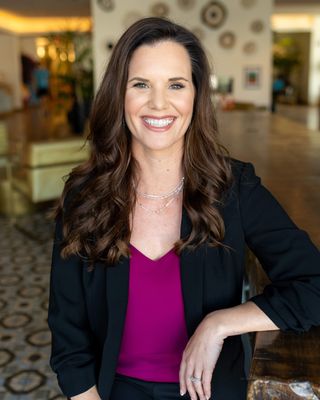
Are you part of a triad relationship and looking for ways to navigate the unique challenges of triad dynamics, such as couple privilege, balancing time and attention, and overcoming jealousy or insecurity? I’ve been there myself, and I know how transformative the right support can be. That’s why I created the Thriving Throuples Group Coaching Program — an 8-week journey designed to help you and your partners grow closer, communicate better, and thrive together. Small, personalized groups (limited to 4 triads per group).
Process driven group with various areas of specialization led by a licensed clinician. The group's participants may vary from week to week but thematically stays the same; any client is welcomed to attend any group.

Hosted by Mark Matthew Sieg
Clinical Social Work/Therapist, LCSW, CAP, QS
Group meets in Gulfport, FL 33707
Process driven group with various areas of specialization led by a licensed clinician. The group's participants may vary from week to week but thematically stays the same; any client is welcomed to attend any group.
This is a 5 week one hour processing group that will address displaced anger, and assist with identifying healthy coping skills and healthy expressions of feelings and emotions.

Hosted by Zaneta Ellison McGraw New Vision Behav
Counselor, LMHC, QS
Group meets in Gulfport, FL 33707
This is a 5 week one hour processing group that will address displaced anger, and assist with identifying healthy coping skills and healthy expressions of feelings and emotions.
More Groups Nearby
For ages 18 and up (Cost per group - $35.00) Fun interactive group that will use tabletop role-playing games as social therapy to help adolescents/adults. Through the use of imaginative role-playing games develop the social skills to build creativity, confidence, teamwork, anger management, problem-solving and interpersonal skills. Areas of therapy work will include PTSD, ASD, loss, grief, failure, overcoming fear, and trust issues. Each role-playing session will last 3 hours. Spaces are limited

For ages 18 and up (Cost per group - $35.00) Fun interactive group that will use tabletop role-playing games as social therapy to help adolescents/adults. Through the use of imaginative role-playing games develop the social skills to build creativity, confidence, teamwork, anger management, problem-solving and interpersonal skills. Areas of therapy work will include PTSD, ASD, loss, grief, failure, overcoming fear, and trust issues. Each role-playing session will last 3 hours. Spaces are limited
Boutique psychotherapy service providing client centered, culturally competent, holistic individual and group treatment to individuals, veterans and first responders, police, fire, corrections, dispatchers and EMS personnel – utilizing evidence based practices to address the trauma, addiction and mental health. We strive to guide each person through the healing and recovery process with the goal of facing traumas and living best life to full potential while learning to manage and live with challenges.
Boutique psychotherapy service providing client centered, culturally competent, holistic individual and group treatment to individuals, veterans and first responders, police, fire, corrections, dispatchers and EMS personnel – utilizing evidence based practices to address the trauma, addiction and mental health. We strive to guide each person through the healing and recovery process with the goal of facing traumas and living best life to full potential while learning to manage and live with challenges.
Positive support groups for teens who need emotional support, guidance, and healthy coping strategies. Different age brackets and gender groups. The groups will be facilitated by Cory Pacheck M.Ed. LMFT

Positive support groups for teens who need emotional support, guidance, and healthy coping strategies. Different age brackets and gender groups. The groups will be facilitated by Cory Pacheck M.Ed. LMFT
Understand where anxiety comes from, learn guided meditation techniques, share and develop adaptive coping strategies.

Hosted by Elizabeth Mahaney, South Tampa Therapy & Mediation
Counselor, LMHC, Q Suprv, NCC, MFT, PhD
Group meets in Tampa, FL 33606
Understand where anxiety comes from, learn guided meditation techniques, share and develop adaptive coping strategies.
Do you have a list of self-exploration books that you want to read? Are you looking for a place to discuss mental health theme books and hear others' insights? Are you looking for a community? Try A Therapeutic Book Club! This support style book club aims to provide connections between community members using words and shared experiences. A therapeutic book club provides a safe place for self-exploration in a supportive environment with a licensed therapist. PLEASE NOTE: Though hosted by a licensed mental health clinician, this is not a substitute for psychotherapy or group counseling.
Do you have a list of self-exploration books that you want to read? Are you looking for a place to discuss mental health theme books and hear others' insights? Are you looking for a community? Try A Therapeutic Book Club! This support style book club aims to provide connections between community members using words and shared experiences. A therapeutic book club provides a safe place for self-exploration in a supportive environment with a licensed therapist. PLEASE NOTE: Though hosted by a licensed mental health clinician, this is not a substitute for psychotherapy or group counseling.
This is a place to identify your most important goals, the barriers that stand between them, and how to push forward. In this group, you will participate in activities and discussions that help you develop a better understanding of your goals, needs, and challenges. We will share support and knowledge, as well as make plans for working towards intentions and staying accountable. Here we celebrate professional and personal journeys while connecting with others on similar paths. This is an open group and it meets 1 Sunday a month from 10am-11:30am/12pm (depending on size of group)

This is a place to identify your most important goals, the barriers that stand between them, and how to push forward. In this group, you will participate in activities and discussions that help you develop a better understanding of your goals, needs, and challenges. We will share support and knowledge, as well as make plans for working towards intentions and staying accountable. Here we celebrate professional and personal journeys while connecting with others on similar paths. This is an open group and it meets 1 Sunday a month from 10am-11:30am/12pm (depending on size of group)
Divorce/Separation Support Group: Healing from a Divorce/Separation/Breakup or finding out about Infidelity is not easy. It's a long, sometimes painful process. Don't try to go through it alone. This group addresses the needs of those who are stuck in any stage of the process and want to move forward. With the help of others in your same situation. The benefit of this Group is the development of becoming capable of applying new techniques when feeling overwhelmed or alone. Discussed amongst peers, we begin to feel less guilty, shameful or lonely.

Divorce/Separation Support Group: Healing from a Divorce/Separation/Breakup or finding out about Infidelity is not easy. It's a long, sometimes painful process. Don't try to go through it alone. This group addresses the needs of those who are stuck in any stage of the process and want to move forward. With the help of others in your same situation. The benefit of this Group is the development of becoming capable of applying new techniques when feeling overwhelmed or alone. Discussed amongst peers, we begin to feel less guilty, shameful or lonely.
This group is intended for our kiddos who struggle with social skills. In this group, kids will learn to communicate, learn to ask for help, have needs met in appropriate ways, get along with others, make friends, develop healthy relationships.

This group is intended for our kiddos who struggle with social skills. In this group, kids will learn to communicate, learn to ask for help, have needs met in appropriate ways, get along with others, make friends, develop healthy relationships.
This group provides a safe and inclusive space for adults on the spectrum to connect, share experiences, and find support in their unique journeys. Learn valuable coping strategies and embrace your true self by attending this biweekly virtual support group. Please contact our office at 727-241-7555 or info@shareofflorida.com to enroll today!

Hosted by Yma Campozano
Clinical Social Work/Therapist, MSW, LCSW
Group meets in Clearwater, FL 33759
This group provides a safe and inclusive space for adults on the spectrum to connect, share experiences, and find support in their unique journeys. Learn valuable coping strategies and embrace your true self by attending this biweekly virtual support group. Please contact our office at 727-241-7555 or info@shareofflorida.com to enroll today!
It's scary, yet exhilarating when you, as a young person soon to be on your own, are starting to test and spread your wings. Realizing that you are not alone and that it's normal to be a bit overwhelmed, discovering who you are and want to become can be a huge relief. Learning lifelong skills that can guide and support you now and throughout your life will give you that head start you deserve!

Hosted by Coffee Counseling, Coaching, & Consulting, LLC
Marriage & Family Therapist, LMFT, PhD
Group meets in Saint Petersburg, FL 33701
It's scary, yet exhilarating when you, as a young person soon to be on your own, are starting to test and spread your wings. Realizing that you are not alone and that it's normal to be a bit overwhelmed, discovering who you are and want to become can be a huge relief. Learning lifelong skills that can guide and support you now and throughout your life will give you that head start you deserve!
We offer many groups for all ages to assist individuals with dealing with a wide variety of mental health issues.

Hosted by Dr. Lauren Roberts
Licensed Mental Health Counselor, LMHC
Group meets in Tarpon Springs, FL 34689
We offer many groups for all ages to assist individuals with dealing with a wide variety of mental health issues.
This is a NAMI run support group hosted at Windmoor Healthcare. NAMI's Connection Recovery Support Group is a free, peer-led support group for adults who have experienced symptoms of a mental health condition. You will gain insight from hearing the challenges and successes of others. The groups are led by trained leaders who've been there. NAMI’s groups are unique because they follow a structured model to ensure everyone in the group has an opportunity to be heard and to get what you need. No specific medical therapy or treatment is endorsed. All groups are confidential.

This is a NAMI run support group hosted at Windmoor Healthcare. NAMI's Connection Recovery Support Group is a free, peer-led support group for adults who have experienced symptoms of a mental health condition. You will gain insight from hearing the challenges and successes of others. The groups are led by trained leaders who've been there. NAMI’s groups are unique because they follow a structured model to ensure everyone in the group has an opportunity to be heard and to get what you need. No specific medical therapy or treatment is endorsed. All groups are confidential.
Every session is led by a licensed clinician with specialized training in OCD and anxiety. That means when reassurance-seeking comes up, it gets redirected. When the conversation drifts toward accommodation, someone names it. The group stays clinically grounded. Second, our groups are ERP-informed. We do not use the group to challenge OCD thoughts or debate whether obsessions are valid. We use it to reinforce the same principles that make ERP work tolerating uncertainty, resisting compulsions, and moving toward valued living. Groups is open to all adults regardless of where they reside.

Every session is led by a licensed clinician with specialized training in OCD and anxiety. That means when reassurance-seeking comes up, it gets redirected. When the conversation drifts toward accommodation, someone names it. The group stays clinically grounded. Second, our groups are ERP-informed. We do not use the group to challenge OCD thoughts or debate whether obsessions are valid. We use it to reinforce the same principles that make ERP work tolerating uncertainty, resisting compulsions, and moving toward valued living. Groups is open to all adults regardless of where they reside.
Living with chronic illness or chronic pain can feel isolating and unpredictable. Flares may be frightening, symptoms confusing, and the constant effort to manage it all exhausting. You may wonder if you’ll ever feel steadier or more in control. This therapist-led, retreat-style virtual group offers a supportive space for adults navigating autoimmune, neurological, fatigue-related, or other invisible conditions. Over eight weeks, we explore the stress–symptom cycle, practice realistic pacing, and build practical tools for responding more calmly to flares. The goal is meaningful relief, renewed steadiness, and rebuilding trust in yourself.

Living with chronic illness or chronic pain can feel isolating and unpredictable. Flares may be frightening, symptoms confusing, and the constant effort to manage it all exhausting. You may wonder if you’ll ever feel steadier or more in control. This therapist-led, retreat-style virtual group offers a supportive space for adults navigating autoimmune, neurological, fatigue-related, or other invisible conditions. Over eight weeks, we explore the stress–symptom cycle, practice realistic pacing, and build practical tools for responding more calmly to flares. The goal is meaningful relief, renewed steadiness, and rebuilding trust in yourself.
FAS Annual Virtual Conference, March 5th and 6 th, 2021. Register Online at: www..adler florida.org. Workshops on marriage, fitness, workplace, cooperation in the family, and psychology of money.

Hosted by Timothy D. Evans, Ph.D.
Marriage & Family Therapist, PhD, AAMFT, LMFT
Group meets in Safety Harbor, FL 34695
FAS Annual Virtual Conference, March 5th and 6 th, 2021. Register Online at: www..adler florida.org. Workshops on marriage, fitness, workplace, cooperation in the family, and psychology of money.
Adherent DBT Skills group for teens and their parent. Family must be committed to the full DBT program which includes individual DBT and family therapy, and skills coaching for a minimum of 7 months. Program runs for approximately 6 months with a re-evaluation of clinical needs at that time and an option to repeat or graduate. Group is 1 hour and 45 minutes weekly and one parent is required to attend with teen. There are three groups available, Capacity is five teens and parents. Teens need to be in individual DBT therapy to be in group.

Hosted by Tampa Bay Ctr for Cognitive Behavior Therapy Inc.
Clinical Social Work/Therapist, LCSW
Group meets in Brandon, FL 33511
Adherent DBT Skills group for teens and their parent. Family must be committed to the full DBT program which includes individual DBT and family therapy, and skills coaching for a minimum of 7 months. Program runs for approximately 6 months with a re-evaluation of clinical needs at that time and an option to repeat or graduate. Group is 1 hour and 45 minutes weekly and one parent is required to attend with teen. There are three groups available, Capacity is five teens and parents. Teens need to be in individual DBT therapy to be in group.
You've had all summer with your children.. wait all 2020 AND all summer ? You may have noticed it's time to examine new strategies to become the parent that you want to be. It's time to learn some serious behavior modification to change how they behave but listen to what's being said in their actions. #parenting #parentingfail #changemychild #patientparenting #resilience #weareinthistogether

You've had all summer with your children.. wait all 2020 AND all summer ? You may have noticed it's time to examine new strategies to become the parent that you want to be. It's time to learn some serious behavior modification to change how they behave but listen to what's being said in their actions. #parenting #parentingfail #changemychild #patientparenting #resilience #weareinthistogether
See more therapy options for Gulfport


FAQs - About Group Therapy and Support Groups
How can I find a support group in Gulfport?
To find a support group in your area, start by entering your city, zip code, or the name of the group into the search bar at the top of the page. When searching, consider whether you prefer an in-person or virtual group. This can help you decide how broad your geographic search should be. If you are open to virtual groups, you might want to search by state instead of just your city, especially if there are limited options nearby.
Once you complete your search, you can use the filters to narrow the results by selecting specialties (such as grief, trauma, or eating disorders), therapeutic approaches, age groups, and other criteria to find a group that best fits your needs.
Once you complete your search, you can use the filters to narrow the results by selecting specialties (such as grief, trauma, or eating disorders), therapeutic approaches, age groups, and other criteria to find a group that best fits your needs.
How does group therapy work?
Group therapy is led by one or more trained therapists and provides a space where participants can process their experiences and learn from others facing similar challenges. Groups may focus on a specific issue—such as addiction, grief, physical illnesses, parenting, or caregiving—or they may center around a particular therapeutic approach, such as Cognitive Behavioral Therapy (CBT), social skill development, or Exposure Therapy. Some groups are also designed for specific populations, such as teens, veterans, or LGBTQ+ individuals.
It’s also important to distinguish group therapy from peer-led support groups, like Alcoholics Anonymous. While both can offer valuable support, therapy groups are typically led by licensed professionals and follow a more structured format. Therapy groups often meet for a fixed length of time with a consistent group of members, while many peer support groups meet for an indefinite period of time with members coming and going.
It’s also important to distinguish group therapy from peer-led support groups, like Alcoholics Anonymous. While both can offer valuable support, therapy groups are typically led by licensed professionals and follow a more structured format. Therapy groups often meet for a fixed length of time with a consistent group of members, while many peer support groups meet for an indefinite period of time with members coming and going.
What are the benefits of group therapy?
Group therapy offers several important benefits. It brings together people facing similar challenges—whether related to mental health, physical health, or life transitions—and creates a supportive environment where participants can exchange feedback, share experiences, and learn from one another. Hearing different perspectives can help individuals discover new coping strategies and practical tools they may not have encountered on their own. Sharing personal experiences, such as coping with a serious illness or navigating family struggles, can also reduce feelings of isolation and foster a sense of connection and understanding. In addition to emotional support, group members often gain useful, real-world advice from peers who have faced similar situations.
Group therapy is typically more affordable than individual therapy and, for certain conditions, can be equally effective. Many groups also include structured activities—such as guided journaling, cognitive-behavioral exercises, or role-playing—to help participants develop concrete skills they can apply in daily life.
Group therapy is typically more affordable than individual therapy and, for certain conditions, can be equally effective. Many groups also include structured activities—such as guided journaling, cognitive-behavioral exercises, or role-playing—to help participants develop concrete skills they can apply in daily life.
Is group therapy as effective as individual therapy?
It is difficult to make a blanket statement about the effectiveness of support groups, as they vary widely in focus and the conditions they address. However, support groups can be highly valuable in helping individuals gain emotional support and achieve meaningful treatment outcomes. For certain conditions, such as substance use, research has shown that group therapy can be particularly effective—sometimes just as effective as individual therapy—in supporting long-term recovery.
Many professionals attribute the effectiveness of group therapy to the unique benefits of the group setting, which fosters peer-to-peer learning and a sense of connection through shared experiences. Group settings also offer accountability and encouragement from both facilitators and fellow participants, which helps sustain motivation and supports continued progress. These factors together play a key role in promoting the overall effectiveness of group therapy.
Many professionals attribute the effectiveness of group therapy to the unique benefits of the group setting, which fosters peer-to-peer learning and a sense of connection through shared experiences. Group settings also offer accountability and encouragement from both facilitators and fellow participants, which helps sustain motivation and supports continued progress. These factors together play a key role in promoting the overall effectiveness of group therapy.
How much does group therapy cost?
Group therapy is typically less expensive than individual therapy, with sessions typically costing between $50 and $75 each. In comparison, individual therapy can cost anywhere from $100 to $200 or more per session, even with insurance. Some therapists or organizations offer low-cost or free group therapy options, particularly through community centers or nonprofit organizations. In some cases, groups may require payment upfront for a set number of sessions, such as paying for six weekly sessions at the first meeting. However, many providers offer payment plans to help make participation more accessible if this upfront payment is required.
Does insurance cover group therapy?
As with individual therapy, insurance coverage for group therapy varies based on factors such as your specific insurance plan, the purpose of the group, your diagnosis, and whether the group provider is in-network. Many insurance plans cover group therapy sessions that address diagnosable mental health conditions, such as substance use disorders, anxiety, or depression.
However, groups that focus on topics not directly tied to a mental health diagnosis—such as parenting support or divorce recovery—are less likely to be covered. Because coverage can vary widely, it’s important to check with your insurance provider before joining a group to confirm whether the sessions will be covered and what out-of-pocket costs you may be responsible for.
However, groups that focus on topics not directly tied to a mental health diagnosis—such as parenting support or divorce recovery—are less likely to be covered. Because coverage can vary widely, it’s important to check with your insurance provider before joining a group to confirm whether the sessions will be covered and what out-of-pocket costs you may be responsible for.
How long does group therapy last?
The length of each group therapy session typically ranges from 45 minutes to two hours, depending on the therapy approach, the group’s goals, and how often the group meets. In some cases, group therapy is part of a larger treatment program, such as an Intensive Outpatient Program (IOP), where group sessions complement individual therapy and are scheduled as part of the program’s overall structure.
The duration of participation in a group also varies. Some groups are designed to be short-term, lasting anywhere from 6 to 24 weeks—for example, bereavement groups or skills-based groups like those using Dialectical Behavioral Therapy (DBT). Other groups may be longer-term, lasting a year or more, and some ongoing support groups meet indefinitely, allowing participants to stay as long as they find the group helpful.
The duration of participation in a group also varies. Some groups are designed to be short-term, lasting anywhere from 6 to 24 weeks—for example, bereavement groups or skills-based groups like those using Dialectical Behavioral Therapy (DBT). Other groups may be longer-term, lasting a year or more, and some ongoing support groups meet indefinitely, allowing participants to stay as long as they find the group helpful.
What are the limitations of support groups?
Support groups offer many benefits, but they also have certain limitations. Unlike therapy groups, many support groups do not provide formal therapeutic treatment and are not led by licensed mental health professionals. For individuals seeking clinical treatment for specific mental health diagnoses—such as depression, eating disorders, or substance use—individual therapy or group therapy led by a licensed professional may offer more personalized and specialized care.
The effectiveness of a support group also depends heavily on the group’s participants and the overall group dynamic. When members engage respectfully and offer constructive support, the group can foster valuable peer-to-peer learning. However, if certain participants dominate discussions, provide inaccurate advice, or create conflict, it can disrupt the group’s sense of safety and reduce its effectiveness. Confidentiality can also be harder to maintain in support groups, particularly in open groups where participants can join or leave at any time. With new members regularly entering the group, it can be more difficult to build and sustain a consistent sense of trust and privacy.
The effectiveness of a support group also depends heavily on the group’s participants and the overall group dynamic. When members engage respectfully and offer constructive support, the group can foster valuable peer-to-peer learning. However, if certain participants dominate discussions, provide inaccurate advice, or create conflict, it can disrupt the group’s sense of safety and reduce its effectiveness. Confidentiality can also be harder to maintain in support groups, particularly in open groups where participants can join or leave at any time. With new members regularly entering the group, it can be more difficult to build and sustain a consistent sense of trust and privacy.