Support Groups in Greenacres, FL
The therapy group provides a safe environment where women of all ages can work on healing and recovering from the impact of their trauma. This is an unconditionally supportive group.

Hosted by Kogan Counseling Services, LLC
Counselor, LMHC, CSA, CDV, CFT
Group meets in Greenacres, FL 33463
The therapy group provides a safe environment where women of all ages can work on healing and recovering from the impact of their trauma. This is an unconditionally supportive group.
More Groups Nearby
The group focuses on issues pertaining to life in recovery from addiction, such as cross-addictions, self-care, and healthy supports/relationships.

The group focuses on issues pertaining to life in recovery from addiction, such as cross-addictions, self-care, and healthy supports/relationships.
Being raised in a nuclear, non-blended family, I can relate to wanting to treat my blended family like a typical family. Imagining it blending in a blender, all ingredients mixing easily and quickly. I've learned that a blended family is more like a crockpot recipe, each ingredient needing it's own cooking time. Still makes a yummy meal, just takes patience and time. And sometimes needs some extra guidance.

Being raised in a nuclear, non-blended family, I can relate to wanting to treat my blended family like a typical family. Imagining it blending in a blender, all ingredients mixing easily and quickly. I've learned that a blended family is more like a crockpot recipe, each ingredient needing it's own cooking time. Still makes a yummy meal, just takes patience and time. And sometimes needs some extra guidance.
Are you struggling with unwanted, intrusive thoughts, images, or urges (obsessions) and repetitive behaviors or mental acts (compulsions)? Do these symptoms interfere with daily life, relationships, or work? If so, you may be experiencing Obsessive-Compulsive Disorder (OCD). Our specialized treatment group can help. This group utilizes Exposure and Response Prevention (ERP) therapy, the gold-standard treatment for OCD. It gradually exposes you to your fears (obsessions) while preventing you from engaging in compulsive behaviors (responses). This process helps you learn that feared consequences don’t actually happen, reducing the power of the obsessions and the urge to perform compulsions.

Hosted by Jussara Silva
Registered Mental Health Counselor Intern, JD, MEd, NCC
Group meets in Palm Beach Gardens, FL 33410
Are you struggling with unwanted, intrusive thoughts, images, or urges (obsessions) and repetitive behaviors or mental acts (compulsions)? Do these symptoms interfere with daily life, relationships, or work? If so, you may be experiencing Obsessive-Compulsive Disorder (OCD). Our specialized treatment group can help. This group utilizes Exposure and Response Prevention (ERP) therapy, the gold-standard treatment for OCD. It gradually exposes you to your fears (obsessions) while preventing you from engaging in compulsive behaviors (responses). This process helps you learn that feared consequences don’t actually happen, reducing the power of the obsessions and the urge to perform compulsions.
Join teens just like yourself in a safe and supportive environment to interpersonally process a variety of emotions, while utilizing the dialectic of acceptance and change. In addition to social and emotional components, this open group is grounded in the application of dialectical behavior therapy (DBT) skills, including mindfulness, emotion regulation, distress tolerance, and interpersonal effectiveness. Offered both in-person and via videoconference, the age range for the group is 13 to 17 years old. Each group is “coed” and gender-neutral, being open to both girls and guys.
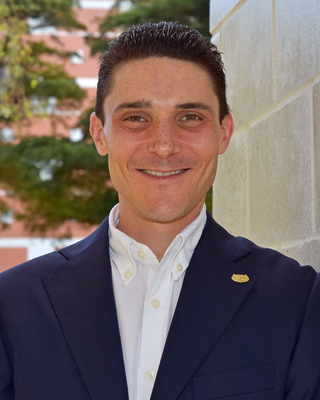
Join teens just like yourself in a safe and supportive environment to interpersonally process a variety of emotions, while utilizing the dialectic of acceptance and change. In addition to social and emotional components, this open group is grounded in the application of dialectical behavior therapy (DBT) skills, including mindfulness, emotion regulation, distress tolerance, and interpersonal effectiveness. Offered both in-person and via videoconference, the age range for the group is 13 to 17 years old. Each group is “coed” and gender-neutral, being open to both girls and guys.
Women's Intimacy, Sex and Empowerment Group! Safe, non-judgmental, small group setting focusing on issues & challenges of relationships, dating, Intimacy & sexuality. Objectives: Feel more alive, self-aware, Learn to love In the moment, Awaken your Inner passion, How to nurture Intimacy, Being true to the sexual you! Topics include: Relationships, Intimacy, Inhibitions, Spice It Up, Low Libido, Sexuality & More! Multiple groups, locations and times available, inquire if interested. Dates vary and ONLINE groups available too!
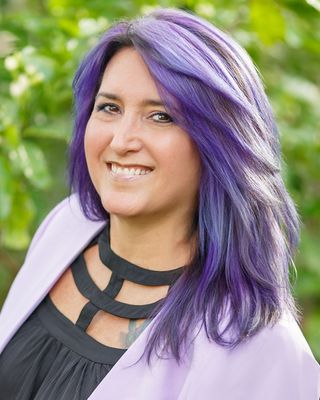
Women's Intimacy, Sex and Empowerment Group! Safe, non-judgmental, small group setting focusing on issues & challenges of relationships, dating, Intimacy & sexuality. Objectives: Feel more alive, self-aware, Learn to love In the moment, Awaken your Inner passion, How to nurture Intimacy, Being true to the sexual you! Topics include: Relationships, Intimacy, Inhibitions, Spice It Up, Low Libido, Sexuality & More! Multiple groups, locations and times available, inquire if interested. Dates vary and ONLINE groups available too!
Group therapy is effective for young children. Children this age have a limited understanding of emotions and can often be very labile and reactive. Guided interactions with peers can increase emotional intelligence and develop social skills that are critical developmental goals for this age group.

Hosted by Patrice Migliori-Farnes
Clinical Social Work/Therapist, LCSW, RPT-S
Group meets in Wellington, FL 33414
Group therapy is effective for young children. Children this age have a limited understanding of emotions and can often be very labile and reactive. Guided interactions with peers can increase emotional intelligence and develop social skills that are critical developmental goals for this age group.
Divorce and separation can feel overwhelming, painful, and isolating. This supportive therapy group provides a compassionate space to process grief, manage stress, rebuild confidence, and develop healthy coping strategies during major relationship transitions. Connect with others who understand the emotional impact of divorce while gaining practical tools for healing, communication, co-parenting, emotional resilience, and moving forward with clarity and strength. Whether your divorce is recent or ongoing, this group is designed to help you feel supported, empowered, and less alone as you begin a new chapter. Now enrolling for adults seeking support, healing, and meaningful personal growth after divorce.

Divorce and separation can feel overwhelming, painful, and isolating. This supportive therapy group provides a compassionate space to process grief, manage stress, rebuild confidence, and develop healthy coping strategies during major relationship transitions. Connect with others who understand the emotional impact of divorce while gaining practical tools for healing, communication, co-parenting, emotional resilience, and moving forward with clarity and strength. Whether your divorce is recent or ongoing, this group is designed to help you feel supported, empowered, and less alone as you begin a new chapter. Now enrolling for adults seeking support, healing, and meaningful personal growth after divorce.
Facilitated by a team of carefully selected, trained and supervised recovery coaches, our Men's Relationship Recovery Group provides clients with a unique and imperative approach to sex addiction recovery. With two online group sessions each week, our coaches help recovering sex addicts to integrate CORE's signature "we-ness" paradigm for sustainable emotional health and recovery, with focus on four key areas: trauma, betrayal, compulsive sexual behavior and intimacy avoidance. Unlike many recovery programs, CORE invites men to prioritize and integrate their loved ones' safety and healing (aka relational work) into the very foundation of their recovery lifestyle.

Hosted by James Annear
Counselor, LMHC, CSAT-S, CCTP, EMDR-II, FQS
Group meets in West Palm Beach, FL 33407
Facilitated by a team of carefully selected, trained and supervised recovery coaches, our Men's Relationship Recovery Group provides clients with a unique and imperative approach to sex addiction recovery. With two online group sessions each week, our coaches help recovering sex addicts to integrate CORE's signature "we-ness" paradigm for sustainable emotional health and recovery, with focus on four key areas: trauma, betrayal, compulsive sexual behavior and intimacy avoidance. Unlike many recovery programs, CORE invites men to prioritize and integrate their loved ones' safety and healing (aka relational work) into the very foundation of their recovery lifestyle.
Parent-child relationships are among the most important factors that contribute to children's adjustment and well-being. We invite you to a special art therapy experience between you and your child guided by a certified art therapist. Through a joint art experience you get to create your individual story, strengthen your family bond & increase connections.
FRIDAY, NOVEMBER 11th -- 6pm-8pm Call Reflections Creative Therapies - 561.810.6631

Hosted by Reflections Creative Therapies - Wellington
Clinical Social Work/Therapist, LCSW, LMHC, RPT-S, MCAP, EMDR
Group meets in Boynton Beach, FL 33472
Parent-child relationships are among the most important factors that contribute to children's adjustment and well-being. We invite you to a special art therapy experience between you and your child guided by a certified art therapist. Through a joint art experience you get to create your individual story, strengthen your family bond & increase connections.
FRIDAY, NOVEMBER 11th -- 6pm-8pm Call Reflections Creative Therapies - 561.810.6631
This group was created to discuss women's issues as it relates to the different hats we wear as mothers, spouces, homemakers and more. Moms are encourage to take time for themselves and this group is one way they can find support in the hardest job in the world in which there is no handbook.

Hosted by Boca Raton Counseling Center
Marriage & Family Therapist, MA, LMFT
Group meets in Boca Raton, FL 33487
This group was created to discuss women's issues as it relates to the different hats we wear as mothers, spouces, homemakers and more. Moms are encourage to take time for themselves and this group is one way they can find support in the hardest job in the world in which there is no handbook.
This is a Russian-speaking online therapy group using the Soul Therapy method of group constellations. The group focuses on trauma, relationships, emotional regulation, and money-related blocks rooted in unconscious patterns. Meetings take place multiple times per week, allowing participants to choose a schedule that works best for them. The online format provides safety, accessibility, and continuity, while the group setting offers support, reflection, and depth. Participants may join with a personal concern or simply take part in the group process. No prior experience is required.

Hosted by Dr. Katia Tikhonravova ESA Letter FL & NJ
Marriage & Family Therapist, PhD, LMFT
Group meets in Pompano Beach, FL 33062
This is a Russian-speaking online therapy group using the Soul Therapy method of group constellations. The group focuses on trauma, relationships, emotional regulation, and money-related blocks rooted in unconscious patterns. Meetings take place multiple times per week, allowing participants to choose a schedule that works best for them. The online format provides safety, accessibility, and continuity, while the group setting offers support, reflection, and depth. Participants may join with a personal concern or simply take part in the group process. No prior experience is required.
Art therapy is a non-verbal therapy that promotes healing, self-awareness, self-esteem, and self expression. Getting to know ourselves in a group setting can feel less threatening and be an enjoyable beginning to our personal journeys; Great for women, children, adolescents, couples and seniors. Please contact me for more information or to attend/schedule a personalized art Creative Art Expression Group in your area. I look forward to helping you!

Art therapy is a non-verbal therapy that promotes healing, self-awareness, self-esteem, and self expression. Getting to know ourselves in a group setting can feel less threatening and be an enjoyable beginning to our personal journeys; Great for women, children, adolescents, couples and seniors. Please contact me for more information or to attend/schedule a personalized art Creative Art Expression Group in your area. I look forward to helping you!
This group is currently active. Group meets monthly. Time & day of week vary based on needs of the group. Dr. Charette facilitates a group for widowed men and women. This group is focused on creating a space for individuals who have lost their spouse at a point in life where they are simultaneously managing other significant life responsibilities: raising/supporting young children, exploring the possibility of future relationships/blended families and having to navigate new financial dynamics, etc. Pre-screening intake session required with Dr. Charette.

This group is currently active. Group meets monthly. Time & day of week vary based on needs of the group. Dr. Charette facilitates a group for widowed men and women. This group is focused on creating a space for individuals who have lost their spouse at a point in life where they are simultaneously managing other significant life responsibilities: raising/supporting young children, exploring the possibility of future relationships/blended families and having to navigate new financial dynamics, etc. Pre-screening intake session required with Dr. Charette.
This elementary school group provides a safe, supportive space where children can build friendships, improve communication, and grow in confidence. Through fun, interactive activities like art, mindfulness, relaxation, and games, kids learn how to manage stress, improve focus, and strengthen emotional regulation. The group also teaches conflict resolution, compassion, and cooperation, while encouraging a growth mindset—helping children see challenges as opportunities and celebrate progress. With guidance in a caring environment, children practice real-life skills that boost self-esteem, decrease anxiety, and support success at school, at home, and with peers—all while having fun and feeling understood.

Hosted by Manda Galin
Clinical Social Work/Therapist, LCSW, CIMP
Group meets in Wellington, FL 33414
This elementary school group provides a safe, supportive space where children can build friendships, improve communication, and grow in confidence. Through fun, interactive activities like art, mindfulness, relaxation, and games, kids learn how to manage stress, improve focus, and strengthen emotional regulation. The group also teaches conflict resolution, compassion, and cooperation, while encouraging a growth mindset—helping children see challenges as opportunities and celebrate progress. With guidance in a caring environment, children practice real-life skills that boost self-esteem, decrease anxiety, and support success at school, at home, and with peers—all while having fun and feeling understood.
Group premarital therapy for those going into a committed relationship!

Group premarital therapy for those going into a committed relationship!
This women’s process group supports those with anxious attachment and codependent patterns in developing a more secure, self-led way of relating. Through attachment-informed and somatic practices, participants build emotional regulation, internal safety, and self-trust — creating the foundation for healthier relationships and a stronger sense of self.

Hosted by Maureen Delorenzo
Clinical Social Work/Therapist, LCSW
Group meets in Boynton Beach, FL 33437
This women’s process group supports those with anxious attachment and codependent patterns in developing a more secure, self-led way of relating. Through attachment-informed and somatic practices, participants build emotional regulation, internal safety, and self-trust — creating the foundation for healthier relationships and a stronger sense of self.
Are you currently navigating a complex fertility or infertility process? This set of workshops will offer you guidance and skills for managing the overwhelm and uncertainty that often accompany infertility. Suggested cost per workshop is $30 but you’re free to pay what you can. Workshop is virtual and open to all people from all locations. Lead by reproductive mental health specialist, Rachael Alba, LMHC, PMH-C. Learn more here or contact Rachael at rachael@rachaelalba.com with questions.

Hosted by Rachael Alba
Licensed Mental Health Counselor, MA, LMHC, PMH-C, ISTT
Group meets in Boca Raton, FL 33433
Are you currently navigating a complex fertility or infertility process? This set of workshops will offer you guidance and skills for managing the overwhelm and uncertainty that often accompany infertility. Suggested cost per workshop is $30 but you’re free to pay what you can. Workshop is virtual and open to all people from all locations. Lead by reproductive mental health specialist, Rachael Alba, LMHC, PMH-C. Learn more here or contact Rachael at rachael@rachaelalba.com with questions.
Topics include health, wellness, stress, anxiety, depression, mindfulness, positive relationships....and much more.

Hosted by Stacie Boyar
Licensed Mental Health Counselor, MSEd, LMHC
Group meets in Coral Springs, FL 33067
Topics include health, wellness, stress, anxiety, depression, mindfulness, positive relationships....and much more.
Clients can also attend via Zoom encrypted video

Hosted by Sharon Rinearson
Clinical Social Work/Therapist, LCSW, CCPS, CCTP, CST, FQS
Group meets in West Palm Beach, FL 33407
Clients can also attend via Zoom encrypted video
See more therapy options for Greenacres


FAQs - About Group Therapy and Support Groups
How can I find a support group in Greenacres?
To find a support group in your area, start by entering your city, zip code, or the name of the group into the search bar at the top of the page. When searching, consider whether you prefer an in-person or virtual group. This can help you decide how broad your geographic search should be. If you are open to virtual groups, you might want to search by state instead of just your city, especially if there are limited options nearby.
Once you complete your search, you can use the filters to narrow the results by selecting specialties (such as grief, trauma, or eating disorders), therapeutic approaches, age groups, and other criteria to find a group that best fits your needs.
Once you complete your search, you can use the filters to narrow the results by selecting specialties (such as grief, trauma, or eating disorders), therapeutic approaches, age groups, and other criteria to find a group that best fits your needs.
How does group therapy work?
Group therapy is led by one or more trained therapists and provides a space where participants can process their experiences and learn from others facing similar challenges. Groups may focus on a specific issue—such as addiction, grief, physical illnesses, parenting, or caregiving—or they may center around a particular therapeutic approach, such as Cognitive Behavioral Therapy (CBT), social skill development, or Exposure Therapy. Some groups are also designed for specific populations, such as teens, veterans, or LGBTQ+ individuals.
It’s also important to distinguish group therapy from peer-led support groups, like Alcoholics Anonymous. While both can offer valuable support, therapy groups are typically led by licensed professionals and follow a more structured format. Therapy groups often meet for a fixed length of time with a consistent group of members, while many peer support groups meet for an indefinite period of time with members coming and going.
It’s also important to distinguish group therapy from peer-led support groups, like Alcoholics Anonymous. While both can offer valuable support, therapy groups are typically led by licensed professionals and follow a more structured format. Therapy groups often meet for a fixed length of time with a consistent group of members, while many peer support groups meet for an indefinite period of time with members coming and going.
What are the benefits of group therapy?
Group therapy offers several important benefits. It brings together people facing similar challenges—whether related to mental health, physical health, or life transitions—and creates a supportive environment where participants can exchange feedback, share experiences, and learn from one another. Hearing different perspectives can help individuals discover new coping strategies and practical tools they may not have encountered on their own. Sharing personal experiences, such as coping with a serious illness or navigating family struggles, can also reduce feelings of isolation and foster a sense of connection and understanding. In addition to emotional support, group members often gain useful, real-world advice from peers who have faced similar situations.
Group therapy is typically more affordable than individual therapy and, for certain conditions, can be equally effective. Many groups also include structured activities—such as guided journaling, cognitive-behavioral exercises, or role-playing—to help participants develop concrete skills they can apply in daily life.
Group therapy is typically more affordable than individual therapy and, for certain conditions, can be equally effective. Many groups also include structured activities—such as guided journaling, cognitive-behavioral exercises, or role-playing—to help participants develop concrete skills they can apply in daily life.
Is group therapy as effective as individual therapy?
It is difficult to make a blanket statement about the effectiveness of support groups, as they vary widely in focus and the conditions they address. However, support groups can be highly valuable in helping individuals gain emotional support and achieve meaningful treatment outcomes. For certain conditions, such as substance use, research has shown that group therapy can be particularly effective—sometimes just as effective as individual therapy—in supporting long-term recovery.
Many professionals attribute the effectiveness of group therapy to the unique benefits of the group setting, which fosters peer-to-peer learning and a sense of connection through shared experiences. Group settings also offer accountability and encouragement from both facilitators and fellow participants, which helps sustain motivation and supports continued progress. These factors together play a key role in promoting the overall effectiveness of group therapy.
Many professionals attribute the effectiveness of group therapy to the unique benefits of the group setting, which fosters peer-to-peer learning and a sense of connection through shared experiences. Group settings also offer accountability and encouragement from both facilitators and fellow participants, which helps sustain motivation and supports continued progress. These factors together play a key role in promoting the overall effectiveness of group therapy.
How much does group therapy cost?
Group therapy is typically less expensive than individual therapy, with sessions typically costing between $50 and $75 each. In comparison, individual therapy can cost anywhere from $100 to $200 or more per session, even with insurance. Some therapists or organizations offer low-cost or free group therapy options, particularly through community centers or nonprofit organizations. In some cases, groups may require payment upfront for a set number of sessions, such as paying for six weekly sessions at the first meeting. However, many providers offer payment plans to help make participation more accessible if this upfront payment is required.
Does insurance cover group therapy?
As with individual therapy, insurance coverage for group therapy varies based on factors such as your specific insurance plan, the purpose of the group, your diagnosis, and whether the group provider is in-network. Many insurance plans cover group therapy sessions that address diagnosable mental health conditions, such as substance use disorders, anxiety, or depression.
However, groups that focus on topics not directly tied to a mental health diagnosis—such as parenting support or divorce recovery—are less likely to be covered. Because coverage can vary widely, it’s important to check with your insurance provider before joining a group to confirm whether the sessions will be covered and what out-of-pocket costs you may be responsible for.
However, groups that focus on topics not directly tied to a mental health diagnosis—such as parenting support or divorce recovery—are less likely to be covered. Because coverage can vary widely, it’s important to check with your insurance provider before joining a group to confirm whether the sessions will be covered and what out-of-pocket costs you may be responsible for.
How long does group therapy last?
The length of each group therapy session typically ranges from 45 minutes to two hours, depending on the therapy approach, the group’s goals, and how often the group meets. In some cases, group therapy is part of a larger treatment program, such as an Intensive Outpatient Program (IOP), where group sessions complement individual therapy and are scheduled as part of the program’s overall structure.
The duration of participation in a group also varies. Some groups are designed to be short-term, lasting anywhere from 6 to 24 weeks—for example, bereavement groups or skills-based groups like those using Dialectical Behavioral Therapy (DBT). Other groups may be longer-term, lasting a year or more, and some ongoing support groups meet indefinitely, allowing participants to stay as long as they find the group helpful.
The duration of participation in a group also varies. Some groups are designed to be short-term, lasting anywhere from 6 to 24 weeks—for example, bereavement groups or skills-based groups like those using Dialectical Behavioral Therapy (DBT). Other groups may be longer-term, lasting a year or more, and some ongoing support groups meet indefinitely, allowing participants to stay as long as they find the group helpful.
What are the limitations of support groups?
Support groups offer many benefits, but they also have certain limitations. Unlike therapy groups, many support groups do not provide formal therapeutic treatment and are not led by licensed mental health professionals. For individuals seeking clinical treatment for specific mental health diagnoses—such as depression, eating disorders, or substance use—individual therapy or group therapy led by a licensed professional may offer more personalized and specialized care.
The effectiveness of a support group also depends heavily on the group’s participants and the overall group dynamic. When members engage respectfully and offer constructive support, the group can foster valuable peer-to-peer learning. However, if certain participants dominate discussions, provide inaccurate advice, or create conflict, it can disrupt the group’s sense of safety and reduce its effectiveness. Confidentiality can also be harder to maintain in support groups, particularly in open groups where participants can join or leave at any time. With new members regularly entering the group, it can be more difficult to build and sustain a consistent sense of trust and privacy.
The effectiveness of a support group also depends heavily on the group’s participants and the overall group dynamic. When members engage respectfully and offer constructive support, the group can foster valuable peer-to-peer learning. However, if certain participants dominate discussions, provide inaccurate advice, or create conflict, it can disrupt the group’s sense of safety and reduce its effectiveness. Confidentiality can also be harder to maintain in support groups, particularly in open groups where participants can join or leave at any time. With new members regularly entering the group, it can be more difficult to build and sustain a consistent sense of trust and privacy.