Support Groups in Deerfield Beach, FL
Letting Go weekend.. A weekend to change your life.
Letting Go is a workshop designed to help individuals release the emotional and mental blocks that hold them back from becoming their true self. This workshop enhances your self-esteem and gives you the necessary tools to take charge of your life by helping you recognize how you can break free from the victim triangle. Using didactic presentations and experiential processes the workshop explores how to empower yourself and how to enhance and create healthy personal relationships with your spouse, significant other, children, family and friends.

Hosted by Maria Alvarez
Licensed Mental Health Counselor, LMHC
Group meets in Deerfield Beach, FL 33441
Letting Go weekend.. A weekend to change your life.
Letting Go is a workshop designed to help individuals release the emotional and mental blocks that hold them back from becoming their true self. This workshop enhances your self-esteem and gives you the necessary tools to take charge of your life by helping you recognize how you can break free from the victim triangle. Using didactic presentations and experiential processes the workshop explores how to empower yourself and how to enhance and create healthy personal relationships with your spouse, significant other, children, family and friends.
Includes: introduction to DBT skills, mood disorders, family dynamics, trauma resolution, behavioral issues
Hosted by Rosemarie (Rose) Lyons
Clinical Social Work/Therapist, LCSW, ICGC
Group meets in Deerfield Beach, FL 33442
Includes: introduction to DBT skills, mood disorders, family dynamics, trauma resolution, behavioral issues
Hosted by Rosemarie (Rose) Lyons
Clinical Social Work/Therapist, LCSW, ICGC
Group meets in Deerfield Beach, FL 33442
More Groups Nearby
Lose track of time, start projects you never finish, or feel like you’re working twice as hard to keep up? You’re not lazy, and you’re not alone. This group is for adults with ADHD and the ways it affects daily life and relationships, from missed plans and interrupting to conflict with partners, family, and friends. We’ll cover time management, focus, overwhelm, communication, rebuilding trust, and self-compassion through brief teaching, skill practice, and supportive discussion. Led by a clinician trained in CBT and DBT. Educational and supportive; not a replacement for individual therapy or medication management.

Hosted by Will James - Couples Therapy
Marriage & Family Therapist Intern
Group meets in Fort Lauderdale, FL 33301
Lose track of time, start projects you never finish, or feel like you’re working twice as hard to keep up? You’re not lazy, and you’re not alone. This group is for adults with ADHD and the ways it affects daily life and relationships, from missed plans and interrupting to conflict with partners, family, and friends. We’ll cover time management, focus, overwhelm, communication, rebuilding trust, and self-compassion through brief teaching, skill practice, and supportive discussion. Led by a clinician trained in CBT and DBT. Educational and supportive; not a replacement for individual therapy or medication management.
The group focuses on issues pertaining to life in recovery from addiction, such as cross-addictions, self-care, and healthy supports/relationships.

The group focuses on issues pertaining to life in recovery from addiction, such as cross-addictions, self-care, and healthy supports/relationships.
Are you sick of living with the physical and emotional impact of endometriosis alone? Feel like the people in your life just don't get it? Sick of having the same conversations with doctors and ending your appointments feeling defeated? This space is for you. This group will be all things endo- chronic pelvic pain, fertility journeys, medical advocacy, and more. Led by an LMHC/NCC who has been through it herself, this group will combine coping skills, validation, community building, resource sharing, and a soft place to land amid the frustrating journey that is endo.
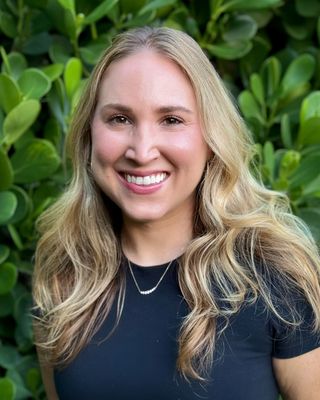
Are you sick of living with the physical and emotional impact of endometriosis alone? Feel like the people in your life just don't get it? Sick of having the same conversations with doctors and ending your appointments feeling defeated? This space is for you. This group will be all things endo- chronic pelvic pain, fertility journeys, medical advocacy, and more. Led by an LMHC/NCC who has been through it herself, this group will combine coping skills, validation, community building, resource sharing, and a soft place to land amid the frustrating journey that is endo.
CORE Therapy Intensives are concentrated opportunities for clients to tackle a meaningful, measurable amount of therapy in record time. During a therapy intensive at CORE, clients spend 6-8 hours a day with our team, usually for a sequential period of 5-14 days. CORE offers exclusive intensives (one individual or couple at a time) and small-group intensives (3-6 participants) for men, women and couples. Intensives aren't a quick fix. However, therapy intensives will motivate, accelerate and invigorate your quest toward inner health, with results that rarely materialize from traditional, weekly therapy.

Hosted by James Annear
Counselor, LMHC, CSAT-S, CCTP, EMDR-II, FQS
Group meets in West Palm Beach, FL 33407
CORE Therapy Intensives are concentrated opportunities for clients to tackle a meaningful, measurable amount of therapy in record time. During a therapy intensive at CORE, clients spend 6-8 hours a day with our team, usually for a sequential period of 5-14 days. CORE offers exclusive intensives (one individual or couple at a time) and small-group intensives (3-6 participants) for men, women and couples. Intensives aren't a quick fix. However, therapy intensives will motivate, accelerate and invigorate your quest toward inner health, with results that rarely materialize from traditional, weekly therapy.
We have a variety of social skills groups running during the week. Groups are organized by age and functioning levels with intent to match clients with others who have similar or complimentary needs. Groups run weekly for 60 minutes. New group members are able to join at anytime following an initial intake session to establish clinical and social needs.

We have a variety of social skills groups running during the week. Groups are organized by age and functioning levels with intent to match clients with others who have similar or complimentary needs. Groups run weekly for 60 minutes. New group members are able to join at anytime following an initial intake session to establish clinical and social needs.
This elementary school group provides a safe, supportive space where children can build friendships, improve communication, and grow in confidence. Through fun, interactive activities like art, mindfulness, relaxation, and games, kids learn how to manage stress, improve focus, and strengthen emotional regulation. The group also teaches conflict resolution, compassion, and cooperation, while encouraging a growth mindset—helping children see challenges as opportunities and celebrate progress. With guidance in a caring environment, children practice real-life skills that boost self-esteem, decrease anxiety, and support success at school, at home, and with peers—all while having fun and feeling understood.
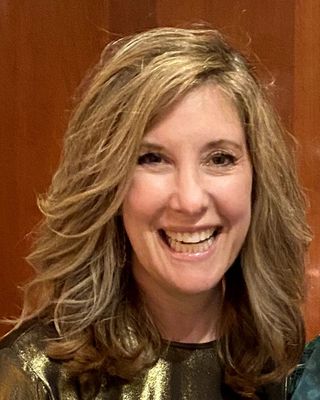
Hosted by Manda Galin
Clinical Social Work/Therapist, LCSW, CIMP
Group meets in Wellington, FL 33414
This elementary school group provides a safe, supportive space where children can build friendships, improve communication, and grow in confidence. Through fun, interactive activities like art, mindfulness, relaxation, and games, kids learn how to manage stress, improve focus, and strengthen emotional regulation. The group also teaches conflict resolution, compassion, and cooperation, while encouraging a growth mindset—helping children see challenges as opportunities and celebrate progress. With guidance in a caring environment, children practice real-life skills that boost self-esteem, decrease anxiety, and support success at school, at home, and with peers—all while having fun and feeling understood.
Is your child or teenager having problems actualizing their academic potential? Is their behavior or lack of belief in one's self interfering with academic achievement? Let's talk about it and do something about it,TOGETHER!

Hosted by Fort Lauderdale Therapy Center, LLC
Treatment Center
Group meets in Fort Lauderdale, FL 33304
Is your child or teenager having problems actualizing their academic potential? Is their behavior or lack of belief in one's self interfering with academic achievement? Let's talk about it and do something about it,TOGETHER!
A Women's Skills group offering new approaches to coping with daily stressors.. Please call for information at 561-699-8896

Hosted by Amy Effman Therapy Services, LLC
Marriage & Family Therapist, LMFT, MCAP
Group meets in Boca Raton, FL 33432
A Women's Skills group offering new approaches to coping with daily stressors.. Please call for information at 561-699-8896
The Men’s Healing Circle- Is a supportive group for men who grew up in environments where love and trust were complicated. Many carry patterns such as self-doubt, people-pleasing, emotional numbness, or fear of intimacy. This group offers a confidential space to break those patterns using evidence-based approaches, including: PSYCHODRAMA COGNITIVE REFRAMING DIALECTICAL BEHAVIORAL THERAPY (DBT) ACCEPTANCE & COMMITMENT THERAPY (ACT) All work is grounded in the recovery principles of the Adult Children of Alcoholics and Dysfunctional Families (ACoA) 12-Step–friendly approach.

Hosted by Carlos O San Inocencio
Clinical Social Work/Therapist, LCSW, MCAP, ICADC, QS, CP/PAT
Group meets in Boynton Beach, FL 33472
The Men’s Healing Circle- Is a supportive group for men who grew up in environments where love and trust were complicated. Many carry patterns such as self-doubt, people-pleasing, emotional numbness, or fear of intimacy. This group offers a confidential space to break those patterns using evidence-based approaches, including: PSYCHODRAMA COGNITIVE REFRAMING DIALECTICAL BEHAVIORAL THERAPY (DBT) ACCEPTANCE & COMMITMENT THERAPY (ACT) All work is grounded in the recovery principles of the Adult Children of Alcoholics and Dysfunctional Families (ACoA) 12-Step–friendly approach.
Parenting a child who is anxious, emotionally reactive, or frequently dysregulated can feel exhausting and isolating. Many parents know what they should do, but struggle to stay calm, consistent, and connected in the moment. The Calm and Connected Family is a focused, short-term coaching program designed to reduce daily stress, strengthen the parent–child relationship, and help families move out of survival mode and into steadier, calmer routines.
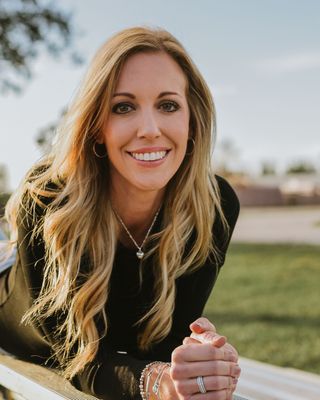
Hosted by Dr. Jamie-Lee Conner
Clinical Social Work/Therapist, DSW, MSW , LCSW
Group meets in West Palm Beach, FL 33411
Parenting a child who is anxious, emotionally reactive, or frequently dysregulated can feel exhausting and isolating. Many parents know what they should do, but struggle to stay calm, consistent, and connected in the moment. The Calm and Connected Family is a focused, short-term coaching program designed to reduce daily stress, strengthen the parent–child relationship, and help families move out of survival mode and into steadier, calmer routines.
Approximately one Thursday a month from 700pm to 9:30pm at Ghezzi Psychotherapy Services Fee: $38 A gathering of those that share a curiosity, fondness or connection with the Angels. A brief introduction to the literary history of Angels Develop your intuition to better hear divine messages A group meditation to clarify how you receive your individual messages .A safe and open forum to engage in the topic of the Angel realm. Angel Card readings too!

Approximately one Thursday a month from 700pm to 9:30pm at Ghezzi Psychotherapy Services Fee: $38 A gathering of those that share a curiosity, fondness or connection with the Angels. A brief introduction to the literary history of Angels Develop your intuition to better hear divine messages A group meditation to clarify how you receive your individual messages .A safe and open forum to engage in the topic of the Angel realm. Angel Card readings too!
A skills-based group for women who've spent a lifetime being "the responsible one", ready to feel less weighed down and more like themselves. Led by Veltimar Dossat, LMHC. All eldest daughters are welcome, even if you were not born first. Accepting client virtually across Florida.

A skills-based group for women who've spent a lifetime being "the responsible one", ready to feel less weighed down and more like themselves. Led by Veltimar Dossat, LMHC. All eldest daughters are welcome, even if you were not born first. Accepting client virtually across Florida.
This is a Russian-speaking online therapy group using the Soul Therapy method of group constellations. The group focuses on trauma, relationships, emotional regulation, and money-related blocks rooted in unconscious patterns. Meetings take place multiple times per week, allowing participants to choose a schedule that works best for them. The online format provides safety, accessibility, and continuity, while the group setting offers support, reflection, and depth. Participants may join with a personal concern or simply take part in the group process. No prior experience is required.

Hosted by Dr. Katia Tikhonravova ESA Letter FL & NJ
Marriage & Family Therapist, PhD, LMFT
Group meets in Pompano Beach, FL 33062
This is a Russian-speaking online therapy group using the Soul Therapy method of group constellations. The group focuses on trauma, relationships, emotional regulation, and money-related blocks rooted in unconscious patterns. Meetings take place multiple times per week, allowing participants to choose a schedule that works best for them. The online format provides safety, accessibility, and continuity, while the group setting offers support, reflection, and depth. Participants may join with a personal concern or simply take part in the group process. No prior experience is required.
A space for women to work through their struggles by realizing they are not alone, supporting each other, practicing new skills, and ultimately feel more balanced. This is not a therapy group and it's not based on medical necessity or diagnosis. No therapy will be conducted and therefore, this service is not billable/covered by medical insurance. The fee per session per participant is $30.

Hosted by Dr. Marisol Blanco-ADHD Testing/Autism Evaluations
Psychologist, PsyD, LMHC
Group meets in Hollywood, FL 33019
A space for women to work through their struggles by realizing they are not alone, supporting each other, practicing new skills, and ultimately feel more balanced. This is not a therapy group and it's not based on medical necessity or diagnosis. No therapy will be conducted and therefore, this service is not billable/covered by medical insurance. The fee per session per participant is $30.
Feeling overwhelmed by the demands of life? This group is designed for adults who want to learn tools to improve their stress management practices and create more balance in their lives. In this supportive environment, you'll: Explore practical self-care techniques that fit into your busy life Learn mindfulness strategies to reduce stress in the moment; Develop personalized routines that promote mental and emotional wellness; this group offers a space to check in, reset, and focus on what matters—your health and happiness.

Hosted by Emergent Counseling & Consulting LLC
Clinical Social Work/Therapist
Group meets in Fort Lauderdale, FL 33311
Feeling overwhelmed by the demands of life? This group is designed for adults who want to learn tools to improve their stress management practices and create more balance in their lives. In this supportive environment, you'll: Explore practical self-care techniques that fit into your busy life Learn mindfulness strategies to reduce stress in the moment; Develop personalized routines that promote mental and emotional wellness; this group offers a space to check in, reset, and focus on what matters—your health and happiness.
This Dialectical Behavior Therapy themed group helps individuals learn skills to communicate more effectively, while being able to discuss and in a group setting. Register online at: www.renovationoflife.com
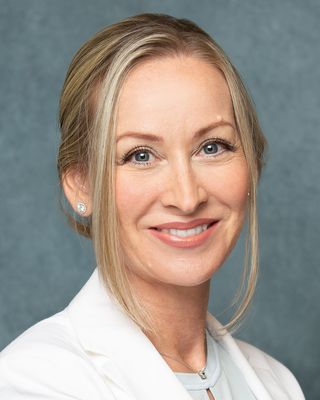
This Dialectical Behavior Therapy themed group helps individuals learn skills to communicate more effectively, while being able to discuss and in a group setting. Register online at: www.renovationoflife.com
This group provides therapists with a supportive, collaborative, and nonjudgmental space to connect with fellow mental health professionals. Whether you're navigating stress, managing the demands of clinical work, seeking consultation, or looking to build meaningful professional relationships, this community is here to support you. Through peer connection, shared experiences, and discussion, we foster professional growth, clinical insight, and therapist well-being while reducing the isolation that can accompany helping professions. Together, we create a space for learning, reflection, encouragement, and mutual support as we continue serving others.

This group provides therapists with a supportive, collaborative, and nonjudgmental space to connect with fellow mental health professionals. Whether you're navigating stress, managing the demands of clinical work, seeking consultation, or looking to build meaningful professional relationships, this community is here to support you. Through peer connection, shared experiences, and discussion, we foster professional growth, clinical insight, and therapist well-being while reducing the isolation that can accompany helping professions. Together, we create a space for learning, reflection, encouragement, and mutual support as we continue serving others.
See more therapy options for Deerfield Beach


FAQs - About Group Therapy and Support Groups
How can I find a support group in Deerfield Beach?
To find a support group in your area, start by entering your city, zip code, or the name of the group into the search bar at the top of the page. When searching, consider whether you prefer an in-person or virtual group. This can help you decide how broad your geographic search should be. If you are open to virtual groups, you might want to search by state instead of just your city, especially if there are limited options nearby.
Once you complete your search, you can use the filters to narrow the results by selecting specialties (such as grief, trauma, or eating disorders), therapeutic approaches, age groups, and other criteria to find a group that best fits your needs.
How does group therapy work?
Group therapy is led by one or more trained therapists and provides a space where participants can process their experiences and learn from others facing similar challenges. Groups may focus on a specific issue—such as addiction, grief, physical illnesses, parenting, or caregiving—or they may center around a particular therapeutic approach, such as Cognitive Behavioral Therapy (CBT), social skill development, or Exposure Therapy. Some groups are also designed for specific populations, such as teens, veterans, or LGBTQ+ individuals.
It’s also important to distinguish group therapy from peer-led support groups, like Alcoholics Anonymous. While both can offer valuable support, therapy groups are typically led by licensed professionals and follow a more structured format. Therapy groups often meet for a fixed length of time with a consistent group of members, while many peer support groups meet for an indefinite period of time with members coming and going.
What are the benefits of group therapy?
Group therapy offers several important benefits. It brings together people facing similar challenges—whether related to mental health, physical health, or life transitions—and creates a supportive environment where participants can exchange feedback, share experiences, and learn from one another. Hearing different perspectives can help individuals discover new coping strategies and practical tools they may not have encountered on their own. Sharing personal experiences, such as coping with a serious illness or navigating family struggles, can also reduce feelings of isolation and foster a sense of connection and understanding. In addition to emotional support, group members often gain useful, real-world advice from peers who have faced similar situations.
Group therapy is typically more affordable than individual therapy and, for certain conditions, can be equally effective. Many groups also include structured activities—such as guided journaling, cognitive-behavioral exercises, or role-playing—to help participants develop concrete skills they can apply in daily life.
Is group therapy as effective as individual therapy?
It is difficult to make a blanket statement about the effectiveness of support groups, as they vary widely in focus and the conditions they address. However, support groups can be highly valuable in helping individuals gain emotional support and achieve meaningful treatment outcomes. For certain conditions, such as substance use, research has shown that group therapy can be particularly effective—sometimes just as effective as individual therapy—in supporting long-term recovery.
Many professionals attribute the effectiveness of group therapy to the unique benefits of the group setting, which fosters peer-to-peer learning and a sense of connection through shared experiences. Group settings also offer accountability and encouragement from both facilitators and fellow participants, which helps sustain motivation and supports continued progress. These factors together play a key role in promoting the overall effectiveness of group therapy.
How much does group therapy cost?
Group therapy is typically less expensive than individual therapy, with sessions typically costing between $50 and $75 each. In comparison, individual therapy can cost anywhere from $100 to $200 or more per session, even with insurance. Some therapists or organizations offer low-cost or free group therapy options, particularly through community centers or nonprofit organizations. In some cases, groups may require payment upfront for a set number of sessions, such as paying for six weekly sessions at the first meeting. However, many providers offer payment plans to help make participation more accessible if this upfront payment is required.
Does insurance cover group therapy?
As with individual therapy, insurance coverage for group therapy varies based on factors such as your specific insurance plan, the purpose of the group, your diagnosis, and whether the group provider is in-network. Many insurance plans cover group therapy sessions that address diagnosable mental health conditions, such as substance use disorders, anxiety, or depression.
However, groups that focus on topics not directly tied to a mental health diagnosis—such as parenting support or divorce recovery—are less likely to be covered. Because coverage can vary widely, it’s important to check with your insurance provider before joining a group to confirm whether the sessions will be covered and what out-of-pocket costs you may be responsible for.
How long does group therapy last?
The length of each group therapy session typically ranges from 45 minutes to two hours, depending on the therapy approach, the group’s goals, and how often the group meets. In some cases, group therapy is part of a larger treatment program, such as an Intensive Outpatient Program (IOP), where group sessions complement individual therapy and are scheduled as part of the program’s overall structure.
The duration of participation in a group also varies. Some groups are designed to be short-term, lasting anywhere from 6 to 24 weeks—for example, bereavement groups or skills-based groups like those using Dialectical Behavioral Therapy (DBT). Other groups may be longer-term, lasting a year or more, and some ongoing support groups meet indefinitely, allowing participants to stay as long as they find the group helpful.
What are the limitations of support groups?
Support groups offer many benefits, but they also have certain limitations. Unlike therapy groups, many support groups do not provide formal therapeutic treatment and are not led by licensed mental health professionals. For individuals seeking clinical treatment for specific mental health diagnoses—such as depression, eating disorders, or substance use—individual therapy or group therapy led by a licensed professional may offer more personalized and specialized care.
The effectiveness of a support group also depends heavily on the group’s participants and the overall group dynamic. When members engage respectfully and offer constructive support, the group can foster valuable peer-to-peer learning. However, if certain participants dominate discussions, provide inaccurate advice, or create conflict, it can disrupt the group’s sense of safety and reduce its effectiveness. Confidentiality can also be harder to maintain in support groups, particularly in open groups where participants can join or leave at any time. With new members regularly entering the group, it can be more difficult to build and sustain a consistent sense of trust and privacy.