Support Groups in Southington, CT
More Groups Nearby
This 6 week group commitment covers topics of boundaries, anxiety, communication skills and what self-care looks like and why it’s important for life balance in recovery.

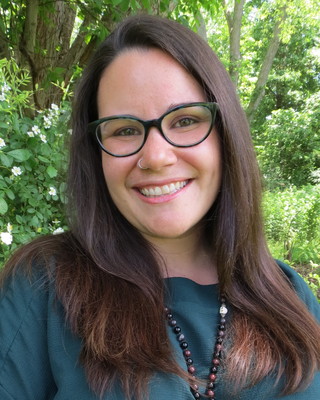
Hosted by Dr. Tina MacInnis
Drug & Alcohol Counselor, DHA, LPC, LADC, NCC, CGCS
Group meets in Newtown, CT 06470
This 6 week group commitment covers topics of boundaries, anxiety, communication skills and what self-care looks like and why it’s important for life balance in recovery.
Parents, this group offers you education and support to help you effectively parent your child who is struggling with varied mental health difficulties. You will be taught various strategies to help you avoid feelings of overwhelm and helplessness. Feel free to share your particular distress, as well as seek and offer support.
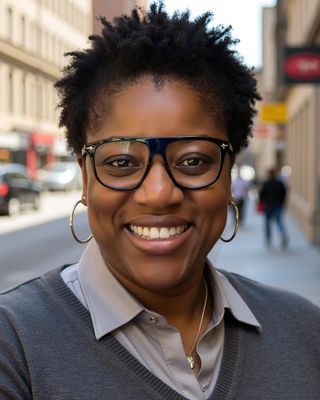
Hosted by Dr. Charmaine Samuda
Clinical Social Work/Therapist, DSW, LCSW
Group meets in Woodbridge, CT 06525
Parents, this group offers you education and support to help you effectively parent your child who is struggling with varied mental health difficulties. You will be taught various strategies to help you avoid feelings of overwhelm and helplessness. Feel free to share your particular distress, as well as seek and offer support.
Our Online Relapse Prevention Group for Women will be laughing on 6/15/2021. We are accepting new clients. Give us a call. More information to come.

Hosted by SMPsychotherapy & Counseling Services
Drug & Alcohol Counselor, MA, LADC, LPC
Group meets in Hartford, CT 06103
Our Online Relapse Prevention Group for Women will be laughing on 6/15/2021. We are accepting new clients. Give us a call. More information to come.
Leaving high school for college brings real change, new independence, new expectations, and new pressure to figure things out fast. This group gives incoming and current college students a consistent space to process that shift with peers facing the same adjustment. Sessions focus on building coping skills for academic stress, navigating identity and relationships away from home, strengthening decision-making and independence, and developing a realistic plan for managing anxiety, homesickness, or overwhelm before it becomes a crisis. Members leave with concrete strategies they can apply immediately on campus, along with a support network that continues beyond the group itself.

Leaving high school for college brings real change, new independence, new expectations, and new pressure to figure things out fast. This group gives incoming and current college students a consistent space to process that shift with peers facing the same adjustment. Sessions focus on building coping skills for academic stress, navigating identity and relationships away from home, strengthening decision-making and independence, and developing a realistic plan for managing anxiety, homesickness, or overwhelm before it becomes a crisis. Members leave with concrete strategies they can apply immediately on campus, along with a support network that continues beyond the group itself.
I will be facilitating psycho educational groups for all people ( M/F) that struggle with Anger Mgmt, Domestic Violence, Co Dependency, Relapse prevention and Relationship issues.

Hosted by Rhonda L Watson-DeJesus
Drug & Alcohol Counselor, MS, LADC, ICAADC
Group meets in Waterbury, CT 06708
I will be facilitating psycho educational groups for all people ( M/F) that struggle with Anger Mgmt, Domestic Violence, Co Dependency, Relapse prevention and Relationship issues.
In a safe, welcoming environment, we help you navigate your personal journey toward growth and healing. We have helped individuals restore balance and joy to their lives through exploring with them what is causing a sense of uncertainty, communication barriers, intimacy loss, or general dis-ease. ?Trust, compassion, and collaboration is the basis of our therapeutic relationship and at the heart of the healing process. We adhere to the highest professional and ethical standards in my field. We provide a caring and responsive therapeutic space for you to feel safe, respected, supported, and heard.

In a safe, welcoming environment, we help you navigate your personal journey toward growth and healing. We have helped individuals restore balance and joy to their lives through exploring with them what is causing a sense of uncertainty, communication barriers, intimacy loss, or general dis-ease. ?Trust, compassion, and collaboration is the basis of our therapeutic relationship and at the heart of the healing process. We adhere to the highest professional and ethical standards in my field. We provide a caring and responsive therapeutic space for you to feel safe, respected, supported, and heard.
Collaborative Medicine is a primary care and behavioral health medication management practice comprised solely by Advanced Practice Registered Nurses (APRNs), who provide expert, patient-centered care with a compassionate touch. APRNs are highly trained healthcare professionals and just like doctors are fully equipped to diagnose, treat, prescribe and manage a wide range of conditions. Known for their commitment to listening, educating, and building strong patient relationships, our providers deliver a level of personalized care that is truly unmatched, ensuring every patient feels heard, valued, and empowered in their health journey.
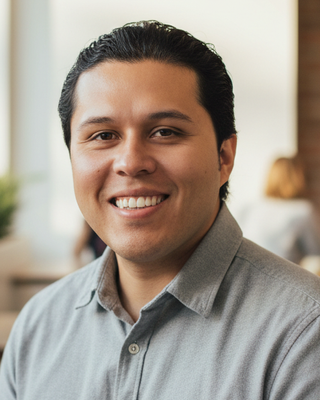
Hosted by Wilber Espinosa @ Collaborative Medicine
Psychiatric Nurse Practitioner, PMHNP, FNP
Group meets in Canton, CT 06019
Collaborative Medicine is a primary care and behavioral health medication management practice comprised solely by Advanced Practice Registered Nurses (APRNs), who provide expert, patient-centered care with a compassionate touch. APRNs are highly trained healthcare professionals and just like doctors are fully equipped to diagnose, treat, prescribe and manage a wide range of conditions. Known for their commitment to listening, educating, and building strong patient relationships, our providers deliver a level of personalized care that is truly unmatched, ensuring every patient feels heard, valued, and empowered in their health journey.
An in-person support group for adults 18+ who are dealing with the loss of a loved one. Topics Covered: processing the feelings of grief, finding the new normal, learning to cope, getting through firsts. **For more information about this group, please contact me directly**

Hosted by Anne Sansone
Licensed Professional Counselor, MS, NCC, LPC
Group meets in Cheshire, CT 06410
An in-person support group for adults 18+ who are dealing with the loss of a loved one. Topics Covered: processing the feelings of grief, finding the new normal, learning to cope, getting through firsts. **For more information about this group, please contact me directly**
**NEXT CYCLE STARTS OCT 6, 2026** This virtual group is intended for those who want to continue rebuilding their lives in the aftermath of trauma. This group is a good fit if you are addressing childhood trauma, workplace harm, assault, illness, or injury in your individual therapy work and are looking for deeper trauma-centered interpersonal work. Led by a trauma-centered psychotherapist, combines interpersonal work and creative arts therapy to help build resilience, meaningful relationships, and explore new ways of living beyond survival. Open to anyone who identifies as a woman. Evaluation required before joining the group.

Hosted by Katrina L Sanyal
Licensed Professional Counselor, LPC, RDT, MA
Group meets in New Haven, CT 06515
**NEXT CYCLE STARTS OCT 6, 2026** This virtual group is intended for those who want to continue rebuilding their lives in the aftermath of trauma. This group is a good fit if you are addressing childhood trauma, workplace harm, assault, illness, or injury in your individual therapy work and are looking for deeper trauma-centered interpersonal work. Led by a trauma-centered psychotherapist, combines interpersonal work and creative arts therapy to help build resilience, meaningful relationships, and explore new ways of living beyond survival. Open to anyone who identifies as a woman. Evaluation required before joining the group.
Psychiatric Medication Management
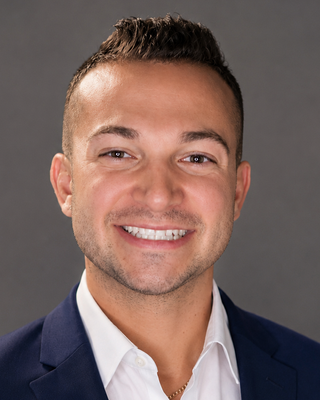
Hosted by JS Therapeutic Solutions LLC
Physician Assistant, PA-C
Group meets in East Windsor, CT 06088
Psychiatric Medication Management
Do you lose your temper and wonder why? Are there days when you feel like you wake up angry? One thing is sure - you will at some time in your life feel anger. Everyone does. Anger is a normal emotion, there's nothing wrong with feeling mad. What counts is how you handle it when you are angry. Poor anger management can also lead to depression, which can affect all areas of your life home, family, and your work environment. This course is ideal for court requirements, businesses, probation departments, human resources, law offices, diversion programs, families, couples, and individuals.

Hosted by Janet Lanci
Licensed Professional Counselor, MS, MOT, LPC, BCETS
Group meets in Beacon Falls, CT 06403
Do you lose your temper and wonder why? Are there days when you feel like you wake up angry? One thing is sure - you will at some time in your life feel anger. Everyone does. Anger is a normal emotion, there's nothing wrong with feeling mad. What counts is how you handle it when you are angry. Poor anger management can also lead to depression, which can affect all areas of your life home, family, and your work environment. This course is ideal for court requirements, businesses, probation departments, human resources, law offices, diversion programs, families, couples, and individuals.
This group provides a creative and profound way to see the hidden dynamics in your family that shape your life and the challenges you experience. It is an experiential approach with the potential to touch you and your family in a deep way. You can come to observe or participate. Either way, the work can have a profound impact.

This group provides a creative and profound way to see the hidden dynamics in your family that shape your life and the challenges you experience. It is an experiential approach with the potential to touch you and your family in a deep way. You can come to observe or participate. Either way, the work can have a profound impact.
Being in a relationship can have challenges at times, this six week group is designed to get us back in alignment with our individual selves and with our significant other. Getting back to love starts with loving yourself and being aware of who you are as an individual. Knowing this will allow you to be open to doing work on self and in your relationship, so you can get back to love, and stay in love! Through fun, sometimes deep and challenging activities, we focus on love, friendship, intimacy, spirituality, authenticity, forgiveness, breaking patterns and more!

Hosted by Venice Garner Moore
Clinical Social Work/Therapist, LCSW
Group meets in North Haven, CT 06473
Being in a relationship can have challenges at times, this six week group is designed to get us back in alignment with our individual selves and with our significant other. Getting back to love starts with loving yourself and being aware of who you are as an individual. Knowing this will allow you to be open to doing work on self and in your relationship, so you can get back to love, and stay in love! Through fun, sometimes deep and challenging activities, we focus on love, friendship, intimacy, spirituality, authenticity, forgiveness, breaking patterns and more!
Come join other women going through a separation, divorce and navigating the next stage of life

Come join other women going through a separation, divorce and navigating the next stage of life
Are you struggling with the emotional pain of infidelity, an affair, or betrayal in your relationship? This confidential group offers support for men experiencing betrayal trauma, relationship trauma, broken trust, and the aftermath of a partner’s infidelity. Members can process anger, grief, anxiety, shame, and confusion while connecting with other men who understand. Through guided discussion and peer support, you can develop healthy coping skills, rebuild self-esteem, establish boundaries, and regain clarity. Whether you are considering reconciliation, navigating affair recovery, or deciding what comes next, this group provides a supportive path toward healing, emotional resilience, & healthier relationships.

Hosted by Betrayal Trauma Specialist in Connecticut/Floridia
Licensed Professional Counselor, CCPS, LPC, LMHC, SATP, NCC
Group meets in Southbury, CT 06488
Are you struggling with the emotional pain of infidelity, an affair, or betrayal in your relationship? This confidential group offers support for men experiencing betrayal trauma, relationship trauma, broken trust, and the aftermath of a partner’s infidelity. Members can process anger, grief, anxiety, shame, and confusion while connecting with other men who understand. Through guided discussion and peer support, you can develop healthy coping skills, rebuild self-esteem, establish boundaries, and regain clarity. Whether you are considering reconciliation, navigating affair recovery, or deciding what comes next, this group provides a supportive path toward healing, emotional resilience, & healthier relationships.
Our small groups consist of 6 people, lasting up to 60 minutes and are led by a licensed clinician who works to create a safe, collaborative, and confidential environment amongst group members. Groups are effective in helping individuals acquire better-coping skills, find support in their day-to-day difficulties, overcome anxieties about social interactions, explore past traumas,explore past traumas, heal from internal feelings of shame and guilt, and modify problematic behaviors. Group at Prosperity Counseling can be a great space for you to start practicing new coping and life skills

Hosted by Karen Tyson
Drug & Alcohol Counselor, LADC, ICAADC, AADC, MA
Group meets in New Haven, CT 06511
Our small groups consist of 6 people, lasting up to 60 minutes and are led by a licensed clinician who works to create a safe, collaborative, and confidential environment amongst group members. Groups are effective in helping individuals acquire better-coping skills, find support in their day-to-day difficulties, overcome anxieties about social interactions, explore past traumas,explore past traumas, heal from internal feelings of shame and guilt, and modify problematic behaviors. Group at Prosperity Counseling can be a great space for you to start practicing new coping and life skills
Taking care of your mental health is no easy task and should not be addressed alone. Having a community of people who can relate can help! Come join us for an environment to build relationships, engage in activities, practice, and use mindfulness for an hour of your time Details: • When: Mondays at 6 PM • Insurance Accepted: Aetna, Cigna, Anthem BCBS, Husky, United Healthcare

Taking care of your mental health is no easy task and should not be addressed alone. Having a community of people who can relate can help! Come join us for an environment to build relationships, engage in activities, practice, and use mindfulness for an hour of your time Details: • When: Mondays at 6 PM • Insurance Accepted: Aetna, Cigna, Anthem BCBS, Husky, United Healthcare
This group offers support to SURVIVORS of domestic and narcissistic abuse. The group is a safe and non-judgmental environment where SURVIVORS can connect with others who have experienced similar situations. This group is facilitated by a trained professional who has extensive experience in treating survivors of physical and emotional abuse.
This group offers support to SURVIVORS of domestic and narcissistic abuse. The group is a safe and non-judgmental environment where SURVIVORS can connect with others who have experienced similar situations. This group is facilitated by a trained professional who has extensive experience in treating survivors of physical and emotional abuse.
The Behavioral Health Center for Counseling & Learning's primary goal is to provide the highest quality of care for children, adolescents and adults. This includes the identification, remediation and treatment of difficulties that interfere with an individual, couple, family or organization's ability to grow, develop and achieve success. We believe that information fosters empowerment and that compassion enhances confidence, to address the issues that act as barriers to positive development and the attainment of personal growth. Our goals also include helping our clients to become the strongest advocates possible for themselves and their family or organizational members.
Hosted by Noel Federle
Licensed Professional Counselor, MA, NCC, LPC
Group meets in Middlebury, CT 06762
The Behavioral Health Center for Counseling & Learning's primary goal is to provide the highest quality of care for children, adolescents and adults. This includes the identification, remediation and treatment of difficulties that interfere with an individual, couple, family or organization's ability to grow, develop and achieve success. We believe that information fosters empowerment and that compassion enhances confidence, to address the issues that act as barriers to positive development and the attainment of personal growth. Our goals also include helping our clients to become the strongest advocates possible for themselves and their family or organizational members.
See more therapy options for Southington


Nearby Searches for Southington
- Avon
- Bristol
- Cheshire
- Farmington
- Meriden
- Middletown
- New Britain
- Newington
- Rocky Hill
- Unionville
- Wallingford
- Watertown
FAQs - About Group Therapy and Support Groups
How can I find a support group in Southington?
To find a support group in your area, start by entering your city, zip code, or the name of the group into the search bar at the top of the page. When searching, consider whether you prefer an in-person or virtual group. This can help you decide how broad your geographic search should be. If you are open to virtual groups, you might want to search by state instead of just your city, especially if there are limited options nearby.
Once you complete your search, you can use the filters to narrow the results by selecting specialties (such as grief, trauma, or eating disorders), therapeutic approaches, age groups, and other criteria to find a group that best fits your needs.
How does group therapy work?
Group therapy is led by one or more trained therapists and provides a space where participants can process their experiences and learn from others facing similar challenges. Groups may focus on a specific issue—such as addiction, grief, physical illnesses, parenting, or caregiving—or they may center around a particular therapeutic approach, such as Cognitive Behavioral Therapy (CBT), social skill development, or Exposure Therapy. Some groups are also designed for specific populations, such as teens, veterans, or LGBTQ+ individuals.
It’s also important to distinguish group therapy from peer-led support groups, like Alcoholics Anonymous. While both can offer valuable support, therapy groups are typically led by licensed professionals and follow a more structured format. Therapy groups often meet for a fixed length of time with a consistent group of members, while many peer support groups meet for an indefinite period of time with members coming and going.
What are the benefits of group therapy?
Group therapy offers several important benefits. It brings together people facing similar challenges—whether related to mental health, physical health, or life transitions—and creates a supportive environment where participants can exchange feedback, share experiences, and learn from one another. Hearing different perspectives can help individuals discover new coping strategies and practical tools they may not have encountered on their own. Sharing personal experiences, such as coping with a serious illness or navigating family struggles, can also reduce feelings of isolation and foster a sense of connection and understanding. In addition to emotional support, group members often gain useful, real-world advice from peers who have faced similar situations.
Group therapy is typically more affordable than individual therapy and, for certain conditions, can be equally effective. Many groups also include structured activities—such as guided journaling, cognitive-behavioral exercises, or role-playing—to help participants develop concrete skills they can apply in daily life.
Is group therapy as effective as individual therapy?
It is difficult to make a blanket statement about the effectiveness of support groups, as they vary widely in focus and the conditions they address. However, support groups can be highly valuable in helping individuals gain emotional support and achieve meaningful treatment outcomes. For certain conditions, such as substance use, research has shown that group therapy can be particularly effective—sometimes just as effective as individual therapy—in supporting long-term recovery.
Many professionals attribute the effectiveness of group therapy to the unique benefits of the group setting, which fosters peer-to-peer learning and a sense of connection through shared experiences. Group settings also offer accountability and encouragement from both facilitators and fellow participants, which helps sustain motivation and supports continued progress. These factors together play a key role in promoting the overall effectiveness of group therapy.
How much does group therapy cost?
Group therapy is typically less expensive than individual therapy, with sessions typically costing between $50 and $75 each. In comparison, individual therapy can cost anywhere from $100 to $200 or more per session, even with insurance. Some therapists or organizations offer low-cost or free group therapy options, particularly through community centers or nonprofit organizations. In some cases, groups may require payment upfront for a set number of sessions, such as paying for six weekly sessions at the first meeting. However, many providers offer payment plans to help make participation more accessible if this upfront payment is required.
Does insurance cover group therapy?
As with individual therapy, insurance coverage for group therapy varies based on factors such as your specific insurance plan, the purpose of the group, your diagnosis, and whether the group provider is in-network. Many insurance plans cover group therapy sessions that address diagnosable mental health conditions, such as substance use disorders, anxiety, or depression.
However, groups that focus on topics not directly tied to a mental health diagnosis—such as parenting support or divorce recovery—are less likely to be covered. Because coverage can vary widely, it’s important to check with your insurance provider before joining a group to confirm whether the sessions will be covered and what out-of-pocket costs you may be responsible for.
How long does group therapy last?
The length of each group therapy session typically ranges from 45 minutes to two hours, depending on the therapy approach, the group’s goals, and how often the group meets. In some cases, group therapy is part of a larger treatment program, such as an Intensive Outpatient Program (IOP), where group sessions complement individual therapy and are scheduled as part of the program’s overall structure.
The duration of participation in a group also varies. Some groups are designed to be short-term, lasting anywhere from 6 to 24 weeks—for example, bereavement groups or skills-based groups like those using Dialectical Behavioral Therapy (DBT). Other groups may be longer-term, lasting a year or more, and some ongoing support groups meet indefinitely, allowing participants to stay as long as they find the group helpful.
What are the limitations of support groups?
Support groups offer many benefits, but they also have certain limitations. Unlike therapy groups, many support groups do not provide formal therapeutic treatment and are not led by licensed mental health professionals. For individuals seeking clinical treatment for specific mental health diagnoses—such as depression, eating disorders, or substance use—individual therapy or group therapy led by a licensed professional may offer more personalized and specialized care.
The effectiveness of a support group also depends heavily on the group’s participants and the overall group dynamic. When members engage respectfully and offer constructive support, the group can foster valuable peer-to-peer learning. However, if certain participants dominate discussions, provide inaccurate advice, or create conflict, it can disrupt the group’s sense of safety and reduce its effectiveness. Confidentiality can also be harder to maintain in support groups, particularly in open groups where participants can join or leave at any time. With new members regularly entering the group, it can be more difficult to build and sustain a consistent sense of trust and privacy.