Support Groups in Old Greenwich, CT
A support group for blended families. Get support from others who are experiencing the challenges associated with blended families.
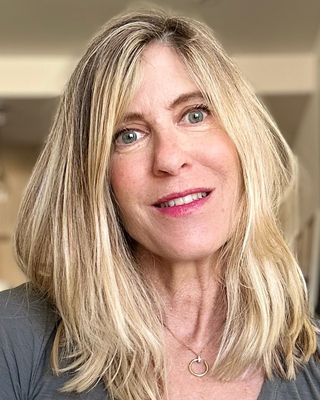
Hosted by Mary Elizabeth Karlan
Clinical Social Work/Therapist, LCSW
Group meets in Old Greenwich, CT 06870
A support group for blended families. Get support from others who are experiencing the challenges associated with blended families.

More Groups Nearby
Group starting in March 2017- Saturday mornings- men and women. Share your fears and anxieties in a safe small group of 8. Learn how to set yourself free.

Hosted by Susan Brody MSW LCSW
Clinical Social Work/Therapist, MSW, LCSW
Group meets in Westport, CT 06880
Group starting in March 2017- Saturday mornings- men and women. Share your fears and anxieties in a safe small group of 8. Learn how to set yourself free.
Girls Empowerment Circle is an online support group for teen girls aged 13-17, starting November 6, 2024. This group is designed to help girls build self-awareness, confidence, and emotional resilience while addressing challenges like anxiety, depression, and low self-esteem. Our experienced licensed therapist will use therapeutic approaches such as Mindfulness, Cognitive Behavioral Therapy (CBT), Emotional Algebra (Emotional Equations), and Art Therapy to guide participants through emotional challenges, helping them develop healthy coping strategies and improve self-love. This group is perfect for teen girls seeking to manage anxiety, increase self-esteem, and connect with peers in a safe and supportive space.

Hosted by SMPsychotherapy & Counseling Services
Drug & Alcohol Counselor, MA, LADC, LPC
Group meets in Danbury, CT 06811
Girls Empowerment Circle is an online support group for teen girls aged 13-17, starting November 6, 2024. This group is designed to help girls build self-awareness, confidence, and emotional resilience while addressing challenges like anxiety, depression, and low self-esteem. Our experienced licensed therapist will use therapeutic approaches such as Mindfulness, Cognitive Behavioral Therapy (CBT), Emotional Algebra (Emotional Equations), and Art Therapy to guide participants through emotional challenges, helping them develop healthy coping strategies and improve self-love. This group is perfect for teen girls seeking to manage anxiety, increase self-esteem, and connect with peers in a safe and supportive space.
This experiential group offers a powerful and transformative space to explore family dynamics, ancestral influences, and hidden patterns that shape our lives. Using the Family Constellations approach, participants are gently guided to uncover the unseen bonds and loyalties within their family systems that may be impacting their relationships, health, and sense of self. In a supportive and respectful environment, each session allows for both personal constellations and collective healing experiences. This group is ideal for those seeking clarity, resolution, and a deeper sense of connection—to themselves and their family lineage. It will be offered monthly. For more information or to participate, please contact directly.

This experiential group offers a powerful and transformative space to explore family dynamics, ancestral influences, and hidden patterns that shape our lives. Using the Family Constellations approach, participants are gently guided to uncover the unseen bonds and loyalties within their family systems that may be impacting their relationships, health, and sense of self. In a supportive and respectful environment, each session allows for both personal constellations and collective healing experiences. This group is ideal for those seeking clarity, resolution, and a deeper sense of connection—to themselves and their family lineage. It will be offered monthly. For more information or to participate, please contact directly.
A Cadence Wellness Men’s Group Purpose: A structured group for men who are carrying stress, responsibility, grief, anger, trauma, leadership pressure, or transition — and need a place to rebuild rhythm without pretending they are fine.

A Cadence Wellness Men’s Group Purpose: A structured group for men who are carrying stress, responsibility, grief, anger, trauma, leadership pressure, or transition — and need a place to rebuild rhythm without pretending they are fine.
This therapist-led support group for new moms provides a safe, validating space to process the emotional challenges of the postpartum period. Topics include anxiety, mood changes, identity shifts, relationship stress, and self-care. The group focuses on the emotional realities of early parenthood, including identity shifts, anxiety, mood changes, relationship stress, exhaustion, and the pressure to “do it right.” This group is appropriate for new moms in the postpartum period who are seeking support, connection, and space to process their experience with others who understand.

This therapist-led support group for new moms provides a safe, validating space to process the emotional challenges of the postpartum period. Topics include anxiety, mood changes, identity shifts, relationship stress, and self-care. The group focuses on the emotional realities of early parenthood, including identity shifts, anxiety, mood changes, relationship stress, exhaustion, and the pressure to “do it right.” This group is appropriate for new moms in the postpartum period who are seeking support, connection, and space to process their experience with others who understand.
Our IOP is designed for adults who are struggling with Addiction or Dual Diagnosis. This structured group therapy takes place on average over the course of 6 to 8 weeks. ? Topics covered: Addiction and recovery, mindfulness, DBT, forgiveness, relationships, CBT, self-acceptance, trauma and seeking safety, emotional wellbeing and relapse prevention. IOP meets three days per week, in person, for three hours at a time. Group meets every Monday, Wednesday and Thursday from 12pm - 3pm. Our IOP groups are facilitated by a talented team of experienced and licensed clinicians. In network with insurance.

Hosted by Elevate residential mental health in Connecticut
Psychiatrist, MD
Group meets in Westport, CT 06880
Our IOP is designed for adults who are struggling with Addiction or Dual Diagnosis. This structured group therapy takes place on average over the course of 6 to 8 weeks. ? Topics covered: Addiction and recovery, mindfulness, DBT, forgiveness, relationships, CBT, self-acceptance, trauma and seeking safety, emotional wellbeing and relapse prevention. IOP meets three days per week, in person, for three hours at a time. Group meets every Monday, Wednesday and Thursday from 12pm - 3pm. Our IOP groups are facilitated by a talented team of experienced and licensed clinicians. In network with insurance.
Make your marriage better. Learn how to improve your levels of satisfaction with your partner; and make your marriage last and last well.
This is a one day workshop in a small group setting. Enrollment is very limited.

Hosted by Patty Schein, M.Ed., LMFT, LPC
Marriage & Family Therapist, MEd, LMFT, LPC
Group meets in Milford, CT 06460
Make your marriage better. Learn how to improve your levels of satisfaction with your partner; and make your marriage last and last well.
This is a one day workshop in a small group setting. Enrollment is very limited.
Recovery is about more than putting down a substance. It’s also about learning how to navigate emotions, relationships, and everyday life without relying on alcohol or drugs to cope. Recovery Beyond Sobriety offers a supportive, judgment-free space to connect with others, explore the challenges that come up in recovery, and build practical tools for moving forward. Whether you’re newly sober, working toward change, or looking for meaningful support in your recovery, you don’t have to figure it all out alone.

Recovery is about more than putting down a substance. It’s also about learning how to navigate emotions, relationships, and everyday life without relying on alcohol or drugs to cope. Recovery Beyond Sobriety offers a supportive, judgment-free space to connect with others, explore the challenges that come up in recovery, and build practical tools for moving forward. Whether you’re newly sober, working toward change, or looking for meaningful support in your recovery, you don’t have to figure it all out alone.
FREE! Learn beginning methods of Meditation for free! Meditation is the number one stress reducing agent known to humankind. And it is catalytic to the evolution of consciousness. These group classes have been going on for over 40 years for effectively and easily learning how to meditate. FREE! For experienced meditators, call for times and more information. Or e-mail: allevy2326@gmail.com

Hosted by Allen Levy, PhD, LCSW, PC
Clinical Social Work/Therapist, PhD, LCSW, CGP, NCPsyA
Group meets in Westport, CT 06880
FREE! Learn beginning methods of Meditation for free! Meditation is the number one stress reducing agent known to humankind. And it is catalytic to the evolution of consciousness. These group classes have been going on for over 40 years for effectively and easily learning how to meditate. FREE! For experienced meditators, call for times and more information. Or e-mail: allevy2326@gmail.com
Please join us for an honest conversation about the experience of becoming a mother. This is not about sleep schedules and when to start solids. This is a forum focused on YOU. Through moderated discussion we will address the real process of incorporating a new baby into your life, we will challenge the myth of the "perfect mother", and we will remind you that you will be "you" again. The Mom-Me group hopes to bring forth others' experiences while empowering you to share yours so you will see that the challenges you face are not yours alone.

Please join us for an honest conversation about the experience of becoming a mother. This is not about sleep schedules and when to start solids. This is a forum focused on YOU. Through moderated discussion we will address the real process of incorporating a new baby into your life, we will challenge the myth of the "perfect mother", and we will remind you that you will be "you" again. The Mom-Me group hopes to bring forth others' experiences while empowering you to share yours so you will see that the challenges you face are not yours alone.
I am a Peer Support provider for the International Association for Premenstrual Disorders. At IAPMD, volunteers give their time to support others living with premenstrual disorders via online chat. All of the providers have lived experience of PMDD, PME, and/or other reproductive health challenges and draw upon their personal experience to help others. Volunteers have completed our Peer Support Provider Training and are skilled at providing support, sharing resources and information and helping in moments of crisis. Premenstrual disorders are too often overlooked; therefore, we strive to educate and advocate for proper and treatable diagnoses.

Hosted by Christen Bucknall Ryan
Professional Counselor Associate, MA, LPCA, NCC
Group meets in Norwalk, CT 06851
I am a Peer Support provider for the International Association for Premenstrual Disorders. At IAPMD, volunteers give their time to support others living with premenstrual disorders via online chat. All of the providers have lived experience of PMDD, PME, and/or other reproductive health challenges and draw upon their personal experience to help others. Volunteers have completed our Peer Support Provider Training and are skilled at providing support, sharing resources and information and helping in moments of crisis. Premenstrual disorders are too often overlooked; therefore, we strive to educate and advocate for proper and treatable diagnoses.
Our Parenting Empowerment Series is a supportive, structured 3-part in-person group designed to help you feel more confident and effective at home. We’ll cover the real-life challenges many parents face and walk through practical ways to handle them. Group sessions will be held in Westport.

Hosted by Embrace Psychotherapy LLC
Clinical Social Work/Therapist, LCSW, LICSW
Group meets in Westport, CT 06880
Our Parenting Empowerment Series is a supportive, structured 3-part in-person group designed to help you feel more confident and effective at home. We’ll cover the real-life challenges many parents face and walk through practical ways to handle them. Group sessions will be held in Westport.
This support group educates adolescent girls and young women on self, connecting with others, healthy living, and the journey ahead. Today we are hearing more about girls and bullying, the pressures of social media, early puberty, gender exploration, human sex trafficking, and binge drinking. It encourages them to seek and celebrate their “true selves” by providing a safe space, encouragement, structure, and the support they need to embrace their journeys of self-discovery.

Hosted by Head Up: A New Direction In Healing, LLC
Licensed Professional Counselor, LPC
Group meets in Monroe, CT 06468
This support group educates adolescent girls and young women on self, connecting with others, healthy living, and the journey ahead. Today we are hearing more about girls and bullying, the pressures of social media, early puberty, gender exploration, human sex trafficking, and binge drinking. It encourages them to seek and celebrate their “true selves” by providing a safe space, encouragement, structure, and the support they need to embrace their journeys of self-discovery.
Greenwich Psychology Group offers Dialectical Behavior Therapy (DBT) to adolescents. Our clinicians have specialized training in providing DBT for individuals struggling with anxiety, depression, addiction, eating disorders, and emotional regulation. We focus on the core principals of DBT: Mindfulness, Emotional regulation, Interpersonal Efficacy, and Distress Tolerance skills. These skills target reactivity and negative behavior by teaching individuals how to remain balanced and making the moment more tolerable and meaningful. We tailor groups to address the unique circumstance by focusing on challenges that interfere with quality of life.

Greenwich Psychology Group offers Dialectical Behavior Therapy (DBT) to adolescents. Our clinicians have specialized training in providing DBT for individuals struggling with anxiety, depression, addiction, eating disorders, and emotional regulation. We focus on the core principals of DBT: Mindfulness, Emotional regulation, Interpersonal Efficacy, and Distress Tolerance skills. These skills target reactivity and negative behavior by teaching individuals how to remain balanced and making the moment more tolerable and meaningful. We tailor groups to address the unique circumstance by focusing on challenges that interfere with quality of life.
This weekly support group will focus on building and sustaining women’s empowerment through exploration of self in a supportive group environment. The focus of the group will be include reflecting on relationships, self-esteem, personal values, stress management, and resilience in self. It offers an opportunity to engage with others who share similar experiences, fostering discussions around building a stronger sense of self, improving self-confidence, and nurturing personal growth. The group will meet weekly on Mondays at 6pm virtually and is open to women ages 18 and older.
Hosted by Elevate residential mental health in Connecticut
Psychiatrist, MD
Group meets in Westport, CT 06880
This weekly support group will focus on building and sustaining women’s empowerment through exploration of self in a supportive group environment. The focus of the group will be include reflecting on relationships, self-esteem, personal values, stress management, and resilience in self. It offers an opportunity to engage with others who share similar experiences, fostering discussions around building a stronger sense of self, improving self-confidence, and nurturing personal growth. The group will meet weekly on Mondays at 6pm virtually and is open to women ages 18 and older.
A group-based treatment program designed for adults ages 18 and older in need of intensive therapeutic services following a psychiatric hospitalization or to prevent a hospitalization. The program is structured, supportive and uses a variety of group therapy interventions to help increase coping skills to manage symptoms, improve interpersonal and problem-solving skills and prevent relapse. The IOP provides three hours of group-based treatment 4 days a week for a period of 6-8 weeks.
A group-based treatment program designed for adults ages 18 and older in need of intensive therapeutic services following a psychiatric hospitalization or to prevent a hospitalization. The program is structured, supportive and uses a variety of group therapy interventions to help increase coping skills to manage symptoms, improve interpersonal and problem-solving skills and prevent relapse. The IOP provides three hours of group-based treatment 4 days a week for a period of 6-8 weeks.
This group is for 14-15 boys, who struggle with substance use, anxiety, relationships, anger management, and motivation. Uses media like music, movies, and TV to facilitate discussions and get at underlying emotions that motivate behavior.
This group will help teens to identify and manage emotions, build and maintain a support system, gain insight into current living patterns, learn new life skills, and form and solidify plans for the future.
Brown Girl Bloom is a 12-week empowering mentoring, mental health, and wellness program for Black and Brown girls in Connecticut. It is designed to nurture identity development, emotional healing, and personal empowerment motivating each girl to discover her strength, embrace her voice, and blossom into her fullest potential. Girls are grouped by age for developmentally appropriate care: Blossoming Roots: Ages 12-14 Rising Bloom: Ages 15-16 Full Bloom: Ages 17-18 Programs include: Weekly 60-minute sessions ln person session; Creative expression, identify mapping, and vision.
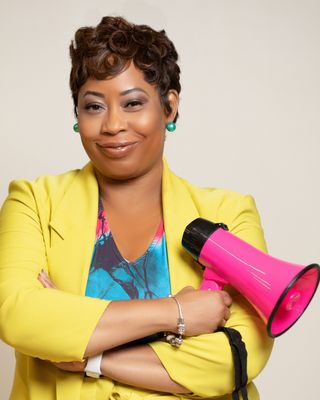
Hosted by Tonya Irby-Langley
Licensed Master Social Worker, LMSW, BS, PCC
Group meets in Bridgeport, CT 06606
Brown Girl Bloom is a 12-week empowering mentoring, mental health, and wellness program for Black and Brown girls in Connecticut. It is designed to nurture identity development, emotional healing, and personal empowerment motivating each girl to discover her strength, embrace her voice, and blossom into her fullest potential. Girls are grouped by age for developmentally appropriate care: Blossoming Roots: Ages 12-14 Rising Bloom: Ages 15-16 Full Bloom: Ages 17-18 Programs include: Weekly 60-minute sessions ln person session; Creative expression, identify mapping, and vision.
See more therapy options for Old Greenwich


Nearby Searches for Old Greenwich
See More Support Groups FAQs - About Group Therapy and Support Groups
How can I find a support group in Old Greenwich?
To find a support group in your area, start by entering your city, zip code, or the name of the group into the search bar at the top of the page. When searching, consider whether you prefer an in-person or virtual group. This can help you decide how broad your geographic search should be. If you are open to virtual groups, you might want to search by state instead of just your city, especially if there are limited options nearby.
Once you complete your search, you can use the filters to narrow the results by selecting specialties (such as grief, trauma, or eating disorders), therapeutic approaches, age groups, and other criteria to find a group that best fits your needs.
How does group therapy work?
Group therapy is led by one or more trained therapists and provides a space where participants can process their experiences and learn from others facing similar challenges. Groups may focus on a specific issue—such as addiction, grief, physical illnesses, parenting, or caregiving—or they may center around a particular therapeutic approach, such as Cognitive Behavioral Therapy (CBT), social skill development, or Exposure Therapy. Some groups are also designed for specific populations, such as teens, veterans, or LGBTQ+ individuals.
It’s also important to distinguish group therapy from peer-led support groups, like Alcoholics Anonymous. While both can offer valuable support, therapy groups are typically led by licensed professionals and follow a more structured format. Therapy groups often meet for a fixed length of time with a consistent group of members, while many peer support groups meet for an indefinite period of time with members coming and going.
What are the benefits of group therapy?
Group therapy offers several important benefits. It brings together people facing similar challenges—whether related to mental health, physical health, or life transitions—and creates a supportive environment where participants can exchange feedback, share experiences, and learn from one another. Hearing different perspectives can help individuals discover new coping strategies and practical tools they may not have encountered on their own. Sharing personal experiences, such as coping with a serious illness or navigating family struggles, can also reduce feelings of isolation and foster a sense of connection and understanding. In addition to emotional support, group members often gain useful, real-world advice from peers who have faced similar situations.
Group therapy is typically more affordable than individual therapy and, for certain conditions, can be equally effective. Many groups also include structured activities—such as guided journaling, cognitive-behavioral exercises, or role-playing—to help participants develop concrete skills they can apply in daily life.
Is group therapy as effective as individual therapy?
It is difficult to make a blanket statement about the effectiveness of support groups, as they vary widely in focus and the conditions they address. However, support groups can be highly valuable in helping individuals gain emotional support and achieve meaningful treatment outcomes. For certain conditions, such as substance use, research has shown that group therapy can be particularly effective—sometimes just as effective as individual therapy—in supporting long-term recovery.
Many professionals attribute the effectiveness of group therapy to the unique benefits of the group setting, which fosters peer-to-peer learning and a sense of connection through shared experiences. Group settings also offer accountability and encouragement from both facilitators and fellow participants, which helps sustain motivation and supports continued progress. These factors together play a key role in promoting the overall effectiveness of group therapy.
How much does group therapy cost?
Group therapy is typically less expensive than individual therapy, with sessions typically costing between $50 and $75 each. In comparison, individual therapy can cost anywhere from $100 to $200 or more per session, even with insurance. Some therapists or organizations offer low-cost or free group therapy options, particularly through community centers or nonprofit organizations. In some cases, groups may require payment upfront for a set number of sessions, such as paying for six weekly sessions at the first meeting. However, many providers offer payment plans to help make participation more accessible if this upfront payment is required.
Does insurance cover group therapy?
As with individual therapy, insurance coverage for group therapy varies based on factors such as your specific insurance plan, the purpose of the group, your diagnosis, and whether the group provider is in-network. Many insurance plans cover group therapy sessions that address diagnosable mental health conditions, such as substance use disorders, anxiety, or depression.
However, groups that focus on topics not directly tied to a mental health diagnosis—such as parenting support or divorce recovery—are less likely to be covered. Because coverage can vary widely, it’s important to check with your insurance provider before joining a group to confirm whether the sessions will be covered and what out-of-pocket costs you may be responsible for.
How long does group therapy last?
The length of each group therapy session typically ranges from 45 minutes to two hours, depending on the therapy approach, the group’s goals, and how often the group meets. In some cases, group therapy is part of a larger treatment program, such as an Intensive Outpatient Program (IOP), where group sessions complement individual therapy and are scheduled as part of the program’s overall structure.
The duration of participation in a group also varies. Some groups are designed to be short-term, lasting anywhere from 6 to 24 weeks—for example, bereavement groups or skills-based groups like those using Dialectical Behavioral Therapy (DBT). Other groups may be longer-term, lasting a year or more, and some ongoing support groups meet indefinitely, allowing participants to stay as long as they find the group helpful.
What are the limitations of support groups?
Support groups offer many benefits, but they also have certain limitations. Unlike therapy groups, many support groups do not provide formal therapeutic treatment and are not led by licensed mental health professionals. For individuals seeking clinical treatment for specific mental health diagnoses—such as depression, eating disorders, or substance use—individual therapy or group therapy led by a licensed professional may offer more personalized and specialized care.
The effectiveness of a support group also depends heavily on the group’s participants and the overall group dynamic. When members engage respectfully and offer constructive support, the group can foster valuable peer-to-peer learning. However, if certain participants dominate discussions, provide inaccurate advice, or create conflict, it can disrupt the group’s sense of safety and reduce its effectiveness. Confidentiality can also be harder to maintain in support groups, particularly in open groups where participants can join or leave at any time. With new members regularly entering the group, it can be more difficult to build and sustain a consistent sense of trust and privacy.