Support Groups in Darien, CT
The Inner Life of Women: Understanding Ourselves in Relationships is a relational therapy group for women who want to better understand themselves in connection with others. Many women hold a great deal for those around them while quietly feeling overwhelmed, unseen, or disconnected. This group offers a steady, supportive space to explore relational patterns and emotional experiences that shape how you feel about yourself and others. Together, we reflect on how relationships influence your inner world, creating space for greater clarity, self-understanding, and more meaningful connection. This group is currently forming. Please reach out to learn more.

Hosted by Relational Psychotherapist for Adults CT & NY
Clinical Social Work/Therapist, LCSW
Group meets in Darien, CT 06820
The Inner Life of Women: Understanding Ourselves in Relationships is a relational therapy group for women who want to better understand themselves in connection with others. Many women hold a great deal for those around them while quietly feeling overwhelmed, unseen, or disconnected. This group offers a steady, supportive space to explore relational patterns and emotional experiences that shape how you feel about yourself and others. Together, we reflect on how relationships influence your inner world, creating space for greater clarity, self-understanding, and more meaningful connection. This group is currently forming. Please reach out to learn more.

More Groups Nearby
Women in Transition is a supportive and empowering group for women navigating significant life changes and seeking a safe space to connect, heal, and rediscover themselves. Through meaningful conversation, psychoeducation, reflection, and practical tools, we will explore identity, emotional well-being, relationships, boundaries, purpose, confidence, and personal growth. This group offers an opportunity to pause, reflect, reconnect with yourself, and discover what is possible in the chapter ahead. You do not have to navigate change alone. Your next chapter can be different—meaningful, purposeful, and authentically yours.

Women in Transition is a supportive and empowering group for women navigating significant life changes and seeking a safe space to connect, heal, and rediscover themselves. Through meaningful conversation, psychoeducation, reflection, and practical tools, we will explore identity, emotional well-being, relationships, boundaries, purpose, confidence, and personal growth. This group offers an opportunity to pause, reflect, reconnect with yourself, and discover what is possible in the chapter ahead. You do not have to navigate change alone. Your next chapter can be different—meaningful, purposeful, and authentically yours.
Orientation, Mindfulness, Interpersonal Effectiveness, Emotional Regulation, Distress Tolerance skills taught to Stage 1-3 BPD. Intake required. Commitment to full program of about 6 months required. Members need to be in DBT therapy or another type of ongoing therapy.

Hosted by Myrna Hill, MS, LPC,
Licensed Professional Counselor, MS, LPC
Group meets in Norwalk, CT 06851
Orientation, Mindfulness, Interpersonal Effectiveness, Emotional Regulation, Distress Tolerance skills taught to Stage 1-3 BPD. Intake required. Commitment to full program of about 6 months required. Members need to be in DBT therapy or another type of ongoing therapy.
This group will be forming this coming October 2014. A maximum of five children ages 7 to 10 are eligible for participation in the group after an initial screening. Please call as soon as possible if you are thinking of enrolling your child in this group for the coming Fall.
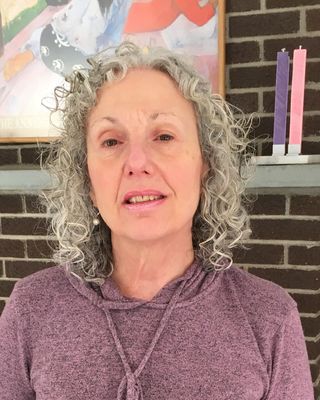
Hosted by Ellen Turner Lacko
Clinical Social Work/Therapist, MSW, LCSW
Group meets in Trumbull, CT 06611
This group will be forming this coming October 2014. A maximum of five children ages 7 to 10 are eligible for participation in the group after an initial screening. Please call as soon as possible if you are thinking of enrolling your child in this group for the coming Fall.
Weekly on-line facilitated forum for young adults ages 25 - 45 to discuss neurodiversity, compare notes, share resources, develop friendships and support each others' goals. Meetings are virtual. Please contact me to learn more and see if the group is right for you.

Hosted by Amanda Hirsch Geffner
Clinical Social Work/Therapist, MA, LCSW
Group meets in Stamford, CT 06905
Weekly on-line facilitated forum for young adults ages 25 - 45 to discuss neurodiversity, compare notes, share resources, develop friendships and support each others' goals. Meetings are virtual. Please contact me to learn more and see if the group is right for you.
Are you a young adult who would benefit from positive therapeutic and social support? If you could use a self-esteem boost, supportive peer culture, and a welcoming place to process and relieve stressors in an inclusive setting, this group is for you! All LIFT Wellness Groups are open to individuals in therapy treatment as well as individuals who not have a clinician at this time. Group is $55 and is held both virtually and in person. HSA cards can be utilized. We do provide superbill receipts for reimbursement.

Are you a young adult who would benefit from positive therapeutic and social support? If you could use a self-esteem boost, supportive peer culture, and a welcoming place to process and relieve stressors in an inclusive setting, this group is for you! All LIFT Wellness Groups are open to individuals in therapy treatment as well as individuals who not have a clinician at this time. Group is $55 and is held both virtually and in person. HSA cards can be utilized. We do provide superbill receipts for reimbursement.
Are you a teen experiencing personal anxiety or anxiety in school and social situations? Let's talk. In this group we will discuss coping with school, peers, and peer pressure and social relationships in the teenage world! Teenager Ages 14-17. Facilitated by Dr. Allen Levy, PhD, LCSW at 10 Bay St, Westport, CT 06880 and via Telehealth. Mondays 6 - 7 PM. Sliding scale fee available and insurance reimbursable.

Hosted by Allen Levy, PhD, LCSW, PC
Clinical Social Work/Therapist, PhD, LCSW, CGP, NCPsyA
Group meets in Westport, CT 06880
Are you a teen experiencing personal anxiety or anxiety in school and social situations? Let's talk. In this group we will discuss coping with school, peers, and peer pressure and social relationships in the teenage world! Teenager Ages 14-17. Facilitated by Dr. Allen Levy, PhD, LCSW at 10 Bay St, Westport, CT 06880 and via Telehealth. Mondays 6 - 7 PM. Sliding scale fee available and insurance reimbursable.
Looking for a vibrant, supportive community of sober women? Ladies Who Lunch explores the unique challenges women face in sobriety, from navigating social gatherings sober to building a routine that nourishes your mind, body, and spirit. Led by our experienced facilitators, join a warm and welcoming environment for all women to share their challenges and successes with a supportive network of peers on a similar journey.

Hosted by Mountainside Addiction Treatment Center
Treatment Center, LCSW, LADC, CASAC
Group meets in Wilton, CT 06897
Looking for a vibrant, supportive community of sober women? Ladies Who Lunch explores the unique challenges women face in sobriety, from navigating social gatherings sober to building a routine that nourishes your mind, body, and spirit. Led by our experienced facilitators, join a warm and welcoming environment for all women to share their challenges and successes with a supportive network of peers on a similar journey.
A support group for blended families. Get support from others who are experiencing the challenges associated with blended families.

Hosted by Mary Elizabeth Karlan
Clinical Social Work/Therapist, LCSW
Group meets in Old Greenwich, CT 06870
A support group for blended families. Get support from others who are experiencing the challenges associated with blended families.
An 8 week program based on the Grief Recovery Handbook from the Grief Recovery Institute. Meetings are 2 hours and focused on helping grievers take specific action steps to move beyond their pain to a more fulfilling life. Grief may be from death, divorce, a broken relationship, loss of job, loss of health, or any other of the many losses people experience.

An 8 week program based on the Grief Recovery Handbook from the Grief Recovery Institute. Meetings are 2 hours and focused on helping grievers take specific action steps to move beyond their pain to a more fulfilling life. Grief may be from death, divorce, a broken relationship, loss of job, loss of health, or any other of the many losses people experience.
Unsafe driving is associated with a lack of sleep. Obesity, poor immunity even early death have been attributed to problems of no sleep. This group helps to explore for individuals in a group setting ways you can be empowered to win the war on insomnia.

Hosted by Dr. Dammy Bamisile
Clinical Social Work/Therapist, LCSW, DPA
Group meets in Shelton, CT 06484
Unsafe driving is associated with a lack of sleep. Obesity, poor immunity even early death have been attributed to problems of no sleep. This group helps to explore for individuals in a group setting ways you can be empowered to win the war on insomnia.
*Starts April 9th 2026* Losing a parent can be disorienting, painful, and life-altering, no matter your age or the circumstances of the loss. This therapist-led group offers a supportive, confidential space for adults grieving the death of a parent to connect with others who understand the complexity of this experience. This group welcomes all forms of grief, including complicated, traumatic, or disenfranchised grief. The group focuses on sharing, bearing witness, and finding ways to live alongside loss while honoring your relationship with your parent.

*Starts April 9th 2026* Losing a parent can be disorienting, painful, and life-altering, no matter your age or the circumstances of the loss. This therapist-led group offers a supportive, confidential space for adults grieving the death of a parent to connect with others who understand the complexity of this experience. This group welcomes all forms of grief, including complicated, traumatic, or disenfranchised grief. The group focuses on sharing, bearing witness, and finding ways to live alongside loss while honoring your relationship with your parent.
This will be an adult therapy group aiming to help people in their pursuit of meaning and purpose in their lives. In this time of great division and overstimulation our desire and need to find a purpose to sustain us is critical. Most insurance plans are accepted. please contact me with interest or further questions.

Hosted by Nicholas Despoelberch
Licensed Professional Counselor, LPC
Group meets in Stamford, CT 06906
This will be an adult therapy group aiming to help people in their pursuit of meaning and purpose in their lives. In this time of great division and overstimulation our desire and need to find a purpose to sustain us is critical. Most insurance plans are accepted. please contact me with interest or further questions.
I run a virtual Women's DBT skills groups that meets once a week and run on Tuesday evenings from 6-7 pm. The group covers Linehan's, "DBT Skills Training: Handouts and Worksheets," and is appropriate for ages 18 +. The group is in-network with insurance for NJ, NY, FL and CT and $65 out-of-network. Monthly superbills are available for reimbursement. *The group is open to anyone who identifies as female.

I run a virtual Women's DBT skills groups that meets once a week and run on Tuesday evenings from 6-7 pm. The group covers Linehan's, "DBT Skills Training: Handouts and Worksheets," and is appropriate for ages 18 +. The group is in-network with insurance for NJ, NY, FL and CT and $65 out-of-network. Monthly superbills are available for reimbursement. *The group is open to anyone who identifies as female.
DUI/DWI Evidenced Based Level 1- Level 2
Program starting soon and accepting participants. Approx. 16 weeks.
Scheduled days and frequency to be determined

Hosted by Four Seasons Therapy, LLC
Licensed Professional Counselor, SAP, LPC, LADC, CCDP-D, NCC
Group meets in Bridgeport, CT 06610
DUI/DWI Evidenced Based Level 1- Level 2
Program starting soon and accepting participants. Approx. 16 weeks.
Scheduled days and frequency to be determined
I volunteer thru the wonderful organization "One Tough Cookie" (https://www.supportonetoughcookie.com/) which is a non profit organization helping those who are dealing with cancer. The groups run weekly for one hour for 4 weeks. I facilitate this support group and there is no charge to attend. It is via teletherapy - no in person meetings at this time. If you are interested, please send me an email with your information and I will get back to you to share when the next group starts. Must be a resident of Connecticut to attend.

I volunteer thru the wonderful organization "One Tough Cookie" (https://www.supportonetoughcookie.com/) which is a non profit organization helping those who are dealing with cancer. The groups run weekly for one hour for 4 weeks. I facilitate this support group and there is no charge to attend. It is via teletherapy - no in person meetings at this time. If you are interested, please send me an email with your information and I will get back to you to share when the next group starts. Must be a resident of Connecticut to attend.
Support group for moms coming soon! Online. Give us a call. Group forming now.

Hosted by SMPsychotherapy & Counseling Services
Clinical Social Work/Therapist, LCSW
Group meets in Danbury, CT 06811
Support group for moms coming soon! Online. Give us a call. Group forming now.
Being a preteen or teenager, from a divorced home, can prove to have its own challenges. From the start of the divorce, and wondering what the future will look like, to integrating into a step family or a single parent home, the journey can be a rocky for teens. There are many hurdles that teens face when confronted with divorced parents. This is a supportive, educational group aimed to help teens with challenges such as communication, self esteem, relationship navigation, and expression of emotion. Group open to 11- 15 year olds

Hosted by Dr. Bonnie Luft
Licensed Professional Counselor, LPC, LMHC, NCC, DBH
Group meets in Ridgefield, CT 06877
Being a preteen or teenager, from a divorced home, can prove to have its own challenges. From the start of the divorce, and wondering what the future will look like, to integrating into a step family or a single parent home, the journey can be a rocky for teens. There are many hurdles that teens face when confronted with divorced parents. This is a supportive, educational group aimed to help teens with challenges such as communication, self esteem, relationship navigation, and expression of emotion. Group open to 11- 15 year olds
A confidential Peer to Peer Support Group offered weekly on Fridays in-person and via Zoom from 10:00 a.m. to 11:00 a.m. ALL First Responders are welcome (Law Enforcement, Fire, EMS, Corrections, Animal Control, Dispatch etc.). NO COST.

Hosted by Bonnie C. Rumilly
Clinical Social Work/Therapist, LCSW, EMT-B
Group meets in Redding, CT 06896
A confidential Peer to Peer Support Group offered weekly on Fridays in-person and via Zoom from 10:00 a.m. to 11:00 a.m. ALL First Responders are welcome (Law Enforcement, Fire, EMS, Corrections, Animal Control, Dispatch etc.). NO COST.
See more therapy options for Darien


FAQs - About Group Therapy and Support Groups
How can I find a support group in Darien?
To find a support group in your area, start by entering your city, zip code, or the name of the group into the search bar at the top of the page. When searching, consider whether you prefer an in-person or virtual group. This can help you decide how broad your geographic search should be. If you are open to virtual groups, you might want to search by state instead of just your city, especially if there are limited options nearby.
Once you complete your search, you can use the filters to narrow the results by selecting specialties (such as grief, trauma, or eating disorders), therapeutic approaches, age groups, and other criteria to find a group that best fits your needs.
Once you complete your search, you can use the filters to narrow the results by selecting specialties (such as grief, trauma, or eating disorders), therapeutic approaches, age groups, and other criteria to find a group that best fits your needs.
How does group therapy work?
Group therapy is led by one or more trained therapists and provides a space where participants can process their experiences and learn from others facing similar challenges. Groups may focus on a specific issue—such as addiction, grief, physical illnesses, parenting, or caregiving—or they may center around a particular therapeutic approach, such as Cognitive Behavioral Therapy (CBT), social skill development, or Exposure Therapy. Some groups are also designed for specific populations, such as teens, veterans, or LGBTQ+ individuals.
It’s also important to distinguish group therapy from peer-led support groups, like Alcoholics Anonymous. While both can offer valuable support, therapy groups are typically led by licensed professionals and follow a more structured format. Therapy groups often meet for a fixed length of time with a consistent group of members, while many peer support groups meet for an indefinite period of time with members coming and going.
It’s also important to distinguish group therapy from peer-led support groups, like Alcoholics Anonymous. While both can offer valuable support, therapy groups are typically led by licensed professionals and follow a more structured format. Therapy groups often meet for a fixed length of time with a consistent group of members, while many peer support groups meet for an indefinite period of time with members coming and going.
What are the benefits of group therapy?
Group therapy offers several important benefits. It brings together people facing similar challenges—whether related to mental health, physical health, or life transitions—and creates a supportive environment where participants can exchange feedback, share experiences, and learn from one another. Hearing different perspectives can help individuals discover new coping strategies and practical tools they may not have encountered on their own. Sharing personal experiences, such as coping with a serious illness or navigating family struggles, can also reduce feelings of isolation and foster a sense of connection and understanding. In addition to emotional support, group members often gain useful, real-world advice from peers who have faced similar situations.
Group therapy is typically more affordable than individual therapy and, for certain conditions, can be equally effective. Many groups also include structured activities—such as guided journaling, cognitive-behavioral exercises, or role-playing—to help participants develop concrete skills they can apply in daily life.
Group therapy is typically more affordable than individual therapy and, for certain conditions, can be equally effective. Many groups also include structured activities—such as guided journaling, cognitive-behavioral exercises, or role-playing—to help participants develop concrete skills they can apply in daily life.
Is group therapy as effective as individual therapy?
It is difficult to make a blanket statement about the effectiveness of support groups, as they vary widely in focus and the conditions they address. However, support groups can be highly valuable in helping individuals gain emotional support and achieve meaningful treatment outcomes. For certain conditions, such as substance use, research has shown that group therapy can be particularly effective—sometimes just as effective as individual therapy—in supporting long-term recovery.
Many professionals attribute the effectiveness of group therapy to the unique benefits of the group setting, which fosters peer-to-peer learning and a sense of connection through shared experiences. Group settings also offer accountability and encouragement from both facilitators and fellow participants, which helps sustain motivation and supports continued progress. These factors together play a key role in promoting the overall effectiveness of group therapy.
Many professionals attribute the effectiveness of group therapy to the unique benefits of the group setting, which fosters peer-to-peer learning and a sense of connection through shared experiences. Group settings also offer accountability and encouragement from both facilitators and fellow participants, which helps sustain motivation and supports continued progress. These factors together play a key role in promoting the overall effectiveness of group therapy.
How much does group therapy cost?
Group therapy is typically less expensive than individual therapy, with sessions typically costing between $50 and $75 each. In comparison, individual therapy can cost anywhere from $100 to $200 or more per session, even with insurance. Some therapists or organizations offer low-cost or free group therapy options, particularly through community centers or nonprofit organizations. In some cases, groups may require payment upfront for a set number of sessions, such as paying for six weekly sessions at the first meeting. However, many providers offer payment plans to help make participation more accessible if this upfront payment is required.
Does insurance cover group therapy?
As with individual therapy, insurance coverage for group therapy varies based on factors such as your specific insurance plan, the purpose of the group, your diagnosis, and whether the group provider is in-network. Many insurance plans cover group therapy sessions that address diagnosable mental health conditions, such as substance use disorders, anxiety, or depression.
However, groups that focus on topics not directly tied to a mental health diagnosis—such as parenting support or divorce recovery—are less likely to be covered. Because coverage can vary widely, it’s important to check with your insurance provider before joining a group to confirm whether the sessions will be covered and what out-of-pocket costs you may be responsible for.
However, groups that focus on topics not directly tied to a mental health diagnosis—such as parenting support or divorce recovery—are less likely to be covered. Because coverage can vary widely, it’s important to check with your insurance provider before joining a group to confirm whether the sessions will be covered and what out-of-pocket costs you may be responsible for.
How long does group therapy last?
The length of each group therapy session typically ranges from 45 minutes to two hours, depending on the therapy approach, the group’s goals, and how often the group meets. In some cases, group therapy is part of a larger treatment program, such as an Intensive Outpatient Program (IOP), where group sessions complement individual therapy and are scheduled as part of the program’s overall structure.
The duration of participation in a group also varies. Some groups are designed to be short-term, lasting anywhere from 6 to 24 weeks—for example, bereavement groups or skills-based groups like those using Dialectical Behavioral Therapy (DBT). Other groups may be longer-term, lasting a year or more, and some ongoing support groups meet indefinitely, allowing participants to stay as long as they find the group helpful.
The duration of participation in a group also varies. Some groups are designed to be short-term, lasting anywhere from 6 to 24 weeks—for example, bereavement groups or skills-based groups like those using Dialectical Behavioral Therapy (DBT). Other groups may be longer-term, lasting a year or more, and some ongoing support groups meet indefinitely, allowing participants to stay as long as they find the group helpful.
What are the limitations of support groups?
Support groups offer many benefits, but they also have certain limitations. Unlike therapy groups, many support groups do not provide formal therapeutic treatment and are not led by licensed mental health professionals. For individuals seeking clinical treatment for specific mental health diagnoses—such as depression, eating disorders, or substance use—individual therapy or group therapy led by a licensed professional may offer more personalized and specialized care.
The effectiveness of a support group also depends heavily on the group’s participants and the overall group dynamic. When members engage respectfully and offer constructive support, the group can foster valuable peer-to-peer learning. However, if certain participants dominate discussions, provide inaccurate advice, or create conflict, it can disrupt the group’s sense of safety and reduce its effectiveness. Confidentiality can also be harder to maintain in support groups, particularly in open groups where participants can join or leave at any time. With new members regularly entering the group, it can be more difficult to build and sustain a consistent sense of trust and privacy.
The effectiveness of a support group also depends heavily on the group’s participants and the overall group dynamic. When members engage respectfully and offer constructive support, the group can foster valuable peer-to-peer learning. However, if certain participants dominate discussions, provide inaccurate advice, or create conflict, it can disrupt the group’s sense of safety and reduce its effectiveness. Confidentiality can also be harder to maintain in support groups, particularly in open groups where participants can join or leave at any time. With new members regularly entering the group, it can be more difficult to build and sustain a consistent sense of trust and privacy.