Support Groups in Canton, CT
Pet loss is a type of what's called, "disenfranchised" grief. That's a clinical way of saying you're treated like the death of your beloved companion doesn't count and you shouldn't talk about it or show it. Your pain and loss count and don't need to be justified. Your grief needs nonjudgmental acknowledgment, skillful compassion and a safe space to be expressed. Contact Cara at getcnconnected.com if interested. Available online to anyone in CT, FL, MA & ME
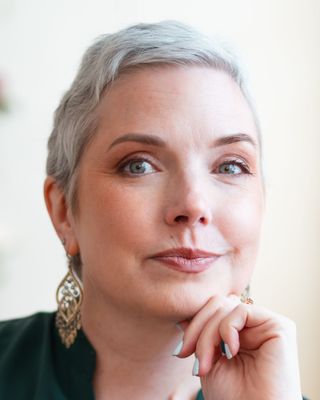
Hosted by Cara Donahue
Clinical Social Work/Therapist, MA, LCSW, LICSW
Group meets in Canton, CT 06019
Pet loss is a type of what's called, "disenfranchised" grief. That's a clinical way of saying you're treated like the death of your beloved companion doesn't count and you shouldn't talk about it or show it. Your pain and loss count and don't need to be justified. Your grief needs nonjudgmental acknowledgment, skillful compassion and a safe space to be expressed. Contact Cara at getcnconnected.com if interested. Available online to anyone in CT, FL, MA & ME
Come to a group where we will discuss positive coping skills for anxiety in a nonjudgmental and supportive manner. The group will prepare you for the holiday season as there will be particular discussion on holiday food / gathering related issues. Group will be led by a food allergy parent and a marriage and family therapist, who is uniquely qualified to understand the anxiety related to food allergy parenting. Medical advice will not be provided. Tuesday Evenings 7-8pm for 8 consecutive weeks September 25th-November 13th, 2018.

Come to a group where we will discuss positive coping skills for anxiety in a nonjudgmental and supportive manner. The group will prepare you for the holiday season as there will be particular discussion on holiday food / gathering related issues. Group will be led by a food allergy parent and a marriage and family therapist, who is uniquely qualified to understand the anxiety related to food allergy parenting. Medical advice will not be provided. Tuesday Evenings 7-8pm for 8 consecutive weeks September 25th-November 13th, 2018.
Collaborative Medicine is a primary care and behavioral health medication management practice comprised solely by Advanced Practice Registered Nurses (APRNs), who provide expert, patient-centered care with a compassionate touch. APRNs are highly trained healthcare professionals and just like doctors are fully equipped to diagnose, treat, prescribe and manage a wide range of conditions. Known for their commitment to listening, educating, and building strong patient relationships, our providers deliver a level of personalized care that is truly unmatched, ensuring every patient feels heard, valued, and empowered in their health journey.

Hosted by Wilber Espinosa @ Collaborative Medicine
Psychiatric Nurse Practitioner, PMHNP, FNP
Group meets in Canton, CT 06019
Collaborative Medicine is a primary care and behavioral health medication management practice comprised solely by Advanced Practice Registered Nurses (APRNs), who provide expert, patient-centered care with a compassionate touch. APRNs are highly trained healthcare professionals and just like doctors are fully equipped to diagnose, treat, prescribe and manage a wide range of conditions. Known for their commitment to listening, educating, and building strong patient relationships, our providers deliver a level of personalized care that is truly unmatched, ensuring every patient feels heard, valued, and empowered in their health journey.
Join a group seeking to cultivate health, happiness, and personal freedom following a divorce or significant breakup. Consults, workshop, and weekly group. Rolling admission. Visit toowiwellness.com for more info.

Join a group seeking to cultivate health, happiness, and personal freedom following a divorce or significant breakup. Consults, workshop, and weekly group. Rolling admission. Visit toowiwellness.com for more info.
Led by an experienced recovery facilitator, these groups support parents, spouses, family members, and partners of loved ones struggling with addiction. Info session, workshop, and weekly group. Rolling admission. Visit toowiwellness.com for more info
Led by an experienced recovery facilitator, these groups support parents, spouses, family members, and partners of loved ones struggling with addiction. Info session, workshop, and weekly group. Rolling admission. Visit toowiwellness.com for more info
Join couples seeking to clear a path to change and increase intimacy, connection, and trust. Weekend workshop - rolling admission. Visit toowiwellness.com for more info.
Join couples seeking to clear a path to change and increase intimacy, connection, and trust. Weekend workshop - rolling admission. Visit toowiwellness.com for more info.
More Groups Nearby
Women led group for women who have experienced the negative impacts from being in relationships with toxic people. We cover psychoeducation, identifying red flags, establishing and mainting healthy boundaries, family influence, and more to help women heal and prevent future harm from toxic people and relationships with them. This group is not limited to romantic partners...it includes parents, friends, bosses, siblings, etc.

Hosted by Meghan Geary-Strenk
Clinical Social Work/Therapist, LCSW
Group meets in Unionville, CT 06085
Women led group for women who have experienced the negative impacts from being in relationships with toxic people. We cover psychoeducation, identifying red flags, establishing and mainting healthy boundaries, family influence, and more to help women heal and prevent future harm from toxic people and relationships with them. This group is not limited to romantic partners...it includes parents, friends, bosses, siblings, etc.
Held Center for Healing provides remote and in-person psychotherapy, reiki and yoga therapy services

Held Center for Healing provides remote and in-person psychotherapy, reiki and yoga therapy services
Are you interested in expanding your skills and/or on expanding on the self as therapist. Togather with Ed Federici we will provide a safe nurturing environment for professionals and peers to heal and grow as a professional.

Are you interested in expanding your skills and/or on expanding on the self as therapist. Togather with Ed Federici we will provide a safe nurturing environment for professionals and peers to heal and grow as a professional.
Group held in Enfield or in your space/office/home with like-minded colleagues who want to develop one's sacred intuitive pathways. I teach nine essential beliefs for opening the portal to a life of abundance. Practice exercises each week are given for clairaudient, clairvoyant and clairsentient development.
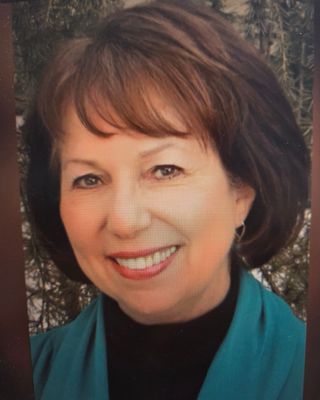
Hosted by Sharon R Massoth
Clinical Social Work/Therapist, LCSW, LICSW
Group meets in Enfield, CT 06082
Group held in Enfield or in your space/office/home with like-minded colleagues who want to develop one's sacred intuitive pathways. I teach nine essential beliefs for opening the portal to a life of abundance. Practice exercises each week are given for clairaudient, clairvoyant and clairsentient development.
Monthly sessions discussion various topics that professionals in private practice can learn about and enhance in their private practice.

Monthly sessions discussion various topics that professionals in private practice can learn about and enhance in their private practice.
In CT, I work out of a meditation center. So if you are interested in learning about mindfulness, participating in a guided meditation or learning how to find purpose, join various meditation groups I have here. I also help people strengthen their intuition
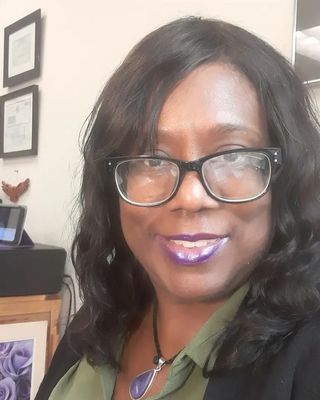
Hosted by Carolyn Coleridge
Clinical Social Work/Therapist, LCSW
Group meets in Bloomfield, CT 06002
In CT, I work out of a meditation center. So if you are interested in learning about mindfulness, participating in a guided meditation or learning how to find purpose, join various meditation groups I have here. I also help people strengthen their intuition
This group is designed to help teen girls STRESS LESS & come home to their I N N E R peace & serenity. Members will learn: +how thoughts and feelings lead to behavior that keeps us small, voiceless and unhappy +how to take better care of and honor ourselves +how to draw on the wisdom and love that is inside each and every one of us but isn't always accessible. Mind/Body Wellness activities: *yoga *breath work *mindfulness *soulful arts

This group is designed to help teen girls STRESS LESS & come home to their I N N E R peace & serenity. Members will learn: +how thoughts and feelings lead to behavior that keeps us small, voiceless and unhappy +how to take better care of and honor ourselves +how to draw on the wisdom and love that is inside each and every one of us but isn't always accessible. Mind/Body Wellness activities: *yoga *breath work *mindfulness *soulful arts
Weeks 1-2: Focus on understanding anger as an emotion and identifying personal triggers and patterns. Weeks 3-4: Introduce cognitive restructuring to challenge and reframe unhelpful thought processes that escalate anger. Weeks 5-6: Teach behavioral coping skills, such as relaxation techniques (deep breathing, progressive muscle relaxation) and effective communication strategies (assertiveness training). Weeks 7-8: Focus on problem-solving, conflict resolution, and developing relapse prevention plans to maintain progress outside the group setting. This format provides participants with a comprehensive toolkit for managing anger constructively

Hosted by Obadiah Judah Muhammad
Clinical Social Work/Therapist, LCSW, LICSW
Group meets in Woodbury, CT 06798
Weeks 1-2: Focus on understanding anger as an emotion and identifying personal triggers and patterns. Weeks 3-4: Introduce cognitive restructuring to challenge and reframe unhelpful thought processes that escalate anger. Weeks 5-6: Teach behavioral coping skills, such as relaxation techniques (deep breathing, progressive muscle relaxation) and effective communication strategies (assertiveness training). Weeks 7-8: Focus on problem-solving, conflict resolution, and developing relapse prevention plans to maintain progress outside the group setting. This format provides participants with a comprehensive toolkit for managing anger constructively
The group is structured to empower parents by building on their strengths and improving coping skills in parenting. Parents are taught to parent each child based on their individualized needs; reduce comparison between children; increase relationships with their children; increase structure, consistency, guidance and foster independence when appropriate. Opportunity for psychoeducation and self-awareness is embedded throughout the group curriculum to reduce transference of parental experience onto their relationship with the child(ren).

Hosted by D Alers Counseling & Consulting
Clinical Social Work/Therapist, EdD, LCSW, MSW
Group meets in Hartford, CT 06105
The group is structured to empower parents by building on their strengths and improving coping skills in parenting. Parents are taught to parent each child based on their individualized needs; reduce comparison between children; increase relationships with their children; increase structure, consistency, guidance and foster independence when appropriate. Opportunity for psychoeducation and self-awareness is embedded throughout the group curriculum to reduce transference of parental experience onto their relationship with the child(ren).
Adolescence brings sudden change, new schools, new expectations, and new versions of yourself to figure out. This group gives young teens, ages 13 to 15, a supportive space to work through transitions alongside peers facing similar struggles. Middle school and the move into high school bring new social dynamics, identity questions, academic pressure, and family change, often all at once. Members build coping skills, manage emotions, and practice healthy communication while connecting with peers who understand. Sessions blend discussion with activities, sometimes held outside the office in interactive settings, building self awareness and confidence in social situations.

Adolescence brings sudden change, new schools, new expectations, and new versions of yourself to figure out. This group gives young teens, ages 13 to 15, a supportive space to work through transitions alongside peers facing similar struggles. Middle school and the move into high school bring new social dynamics, identity questions, academic pressure, and family change, often all at once. Members build coping skills, manage emotions, and practice healthy communication while connecting with peers who understand. Sessions blend discussion with activities, sometimes held outside the office in interactive settings, building self awareness and confidence in social situations.
You are Bigger!! The I Am Bigger is a Support Group that empowers individuals to Think Bigger, Plan Bigger and Live Bigger. Clients will have the opportunity to develop their Bigger Game Pan in eight of the following areas of their life: Health, Finance, Spiritual Walk, Relationships, Self-Care, Career/Training, Personal Development and Love/Romance. Narrative Therapy is a critical component of this practice. Clients will be engaged in journal writing as they share their stories and journey towards the next best version of themselves.

Hosted by Jacqueline Evans Phillips
Pre-Licensed Professional, LPCA
Group meets in Hartford, CT 06112
You are Bigger!! The I Am Bigger is a Support Group that empowers individuals to Think Bigger, Plan Bigger and Live Bigger. Clients will have the opportunity to develop their Bigger Game Pan in eight of the following areas of their life: Health, Finance, Spiritual Walk, Relationships, Self-Care, Career/Training, Personal Development and Love/Romance. Narrative Therapy is a critical component of this practice. Clients will be engaged in journal writing as they share their stories and journey towards the next best version of themselves.
Do you suffer from a chronic medical condition, pain, or physical disability that has impacted your functioning, happiness, and overall wellbeing? Do you feel lost and alone? How do you cope? Countless of individuals suffer alone with many unanswered questions about their condition and future. This group is meant to be a supportive and safe environment to discuss the many emotions that arise and also to identify coping strategies amongst other individuals who understand what it means to have a chronic illness. Facilitator, Dr. Laura Toce. Maximum of 10 group members. Please call/text Dr. Toce (860-987-2181) for more information.

Do you suffer from a chronic medical condition, pain, or physical disability that has impacted your functioning, happiness, and overall wellbeing? Do you feel lost and alone? How do you cope? Countless of individuals suffer alone with many unanswered questions about their condition and future. This group is meant to be a supportive and safe environment to discuss the many emotions that arise and also to identify coping strategies amongst other individuals who understand what it means to have a chronic illness. Facilitator, Dr. Laura Toce. Maximum of 10 group members. Please call/text Dr. Toce (860-987-2181) for more information.
Guaranteed to provide your Organizations' (Employees, Students, Group/Club Members) new insights and opportunities for personal and professional growth. NUMEROUS "grief-inducing" life events can hinder people from being able to remain engaged in life and work. This presentation will engage and inspire your attendees and provide them results-oriented options to move beyond what hinders them from forward-movement personally and professionally, and recover from what sometimes feels like the unrecoverable events in their lives. Participant Experiential Reviews can be viewed at www.clearlifect.com [Client Participant Reviews]. Contact Jackie to inquire about speaking availability.

Hosted by Clear Life Counseling & Grief Recovery Center
Licensed Professional Counselor, MA, LPC, AGRS
Group meets in Unionville, CT 06085
Guaranteed to provide your Organizations' (Employees, Students, Group/Club Members) new insights and opportunities for personal and professional growth. NUMEROUS "grief-inducing" life events can hinder people from being able to remain engaged in life and work. This presentation will engage and inspire your attendees and provide them results-oriented options to move beyond what hinders them from forward-movement personally and professionally, and recover from what sometimes feels like the unrecoverable events in their lives. Participant Experiential Reviews can be viewed at www.clearlifect.com [Client Participant Reviews]. Contact Jackie to inquire about speaking availability.
The Women's Trauma Group is a structured, clinician-facilitated therapeutic group designed to support women who have experienced trauma. The group provides a safe, confidential, and gender-specific space where participants can explore the impact of trauma while building skills for healing and recovery.
The Women's Trauma Group is a structured, clinician-facilitated therapeutic group designed to support women who have experienced trauma. The group provides a safe, confidential, and gender-specific space where participants can explore the impact of trauma while building skills for healing and recovery.
See more therapy options for Canton


FAQs - About Group Therapy and Support Groups
How can I find a support group in Canton?
To find a support group in your area, start by entering your city, zip code, or the name of the group into the search bar at the top of the page. When searching, consider whether you prefer an in-person or virtual group. This can help you decide how broad your geographic search should be. If you are open to virtual groups, you might want to search by state instead of just your city, especially if there are limited options nearby.
Once you complete your search, you can use the filters to narrow the results by selecting specialties (such as grief, trauma, or eating disorders), therapeutic approaches, age groups, and other criteria to find a group that best fits your needs.
How does group therapy work?
Group therapy is led by one or more trained therapists and provides a space where participants can process their experiences and learn from others facing similar challenges. Groups may focus on a specific issue—such as addiction, grief, physical illnesses, parenting, or caregiving—or they may center around a particular therapeutic approach, such as Cognitive Behavioral Therapy (CBT), social skill development, or Exposure Therapy. Some groups are also designed for specific populations, such as teens, veterans, or LGBTQ+ individuals.
It’s also important to distinguish group therapy from peer-led support groups, like Alcoholics Anonymous. While both can offer valuable support, therapy groups are typically led by licensed professionals and follow a more structured format. Therapy groups often meet for a fixed length of time with a consistent group of members, while many peer support groups meet for an indefinite period of time with members coming and going.
What are the benefits of group therapy?
Group therapy offers several important benefits. It brings together people facing similar challenges—whether related to mental health, physical health, or life transitions—and creates a supportive environment where participants can exchange feedback, share experiences, and learn from one another. Hearing different perspectives can help individuals discover new coping strategies and practical tools they may not have encountered on their own. Sharing personal experiences, such as coping with a serious illness or navigating family struggles, can also reduce feelings of isolation and foster a sense of connection and understanding. In addition to emotional support, group members often gain useful, real-world advice from peers who have faced similar situations.
Group therapy is typically more affordable than individual therapy and, for certain conditions, can be equally effective. Many groups also include structured activities—such as guided journaling, cognitive-behavioral exercises, or role-playing—to help participants develop concrete skills they can apply in daily life.
Is group therapy as effective as individual therapy?
It is difficult to make a blanket statement about the effectiveness of support groups, as they vary widely in focus and the conditions they address. However, support groups can be highly valuable in helping individuals gain emotional support and achieve meaningful treatment outcomes. For certain conditions, such as substance use, research has shown that group therapy can be particularly effective—sometimes just as effective as individual therapy—in supporting long-term recovery.
Many professionals attribute the effectiveness of group therapy to the unique benefits of the group setting, which fosters peer-to-peer learning and a sense of connection through shared experiences. Group settings also offer accountability and encouragement from both facilitators and fellow participants, which helps sustain motivation and supports continued progress. These factors together play a key role in promoting the overall effectiveness of group therapy.
How much does group therapy cost?
Group therapy is typically less expensive than individual therapy, with sessions typically costing between $50 and $75 each. In comparison, individual therapy can cost anywhere from $100 to $200 or more per session, even with insurance. Some therapists or organizations offer low-cost or free group therapy options, particularly through community centers or nonprofit organizations. In some cases, groups may require payment upfront for a set number of sessions, such as paying for six weekly sessions at the first meeting. However, many providers offer payment plans to help make participation more accessible if this upfront payment is required.
Does insurance cover group therapy?
As with individual therapy, insurance coverage for group therapy varies based on factors such as your specific insurance plan, the purpose of the group, your diagnosis, and whether the group provider is in-network. Many insurance plans cover group therapy sessions that address diagnosable mental health conditions, such as substance use disorders, anxiety, or depression.
However, groups that focus on topics not directly tied to a mental health diagnosis—such as parenting support or divorce recovery—are less likely to be covered. Because coverage can vary widely, it’s important to check with your insurance provider before joining a group to confirm whether the sessions will be covered and what out-of-pocket costs you may be responsible for.
How long does group therapy last?
The length of each group therapy session typically ranges from 45 minutes to two hours, depending on the therapy approach, the group’s goals, and how often the group meets. In some cases, group therapy is part of a larger treatment program, such as an Intensive Outpatient Program (IOP), where group sessions complement individual therapy and are scheduled as part of the program’s overall structure.
The duration of participation in a group also varies. Some groups are designed to be short-term, lasting anywhere from 6 to 24 weeks—for example, bereavement groups or skills-based groups like those using Dialectical Behavioral Therapy (DBT). Other groups may be longer-term, lasting a year or more, and some ongoing support groups meet indefinitely, allowing participants to stay as long as they find the group helpful.
What are the limitations of support groups?
Support groups offer many benefits, but they also have certain limitations. Unlike therapy groups, many support groups do not provide formal therapeutic treatment and are not led by licensed mental health professionals. For individuals seeking clinical treatment for specific mental health diagnoses—such as depression, eating disorders, or substance use—individual therapy or group therapy led by a licensed professional may offer more personalized and specialized care.
The effectiveness of a support group also depends heavily on the group’s participants and the overall group dynamic. When members engage respectfully and offer constructive support, the group can foster valuable peer-to-peer learning. However, if certain participants dominate discussions, provide inaccurate advice, or create conflict, it can disrupt the group’s sense of safety and reduce its effectiveness. Confidentiality can also be harder to maintain in support groups, particularly in open groups where participants can join or leave at any time. With new members regularly entering the group, it can be more difficult to build and sustain a consistent sense of trust and privacy.