Support Groups in Frisco, CO
Caregiving is hard, even under the best of conditions. Some caregivers find themselves caring for individuals with whom they didn't have a positive relationship. 20% of caregivers are providing care to individuals who neglected or abused them. This added complexity is often unaddressed in traditional caregiver support groups. This group supports those in unconventional caregiver relationships and focuses on past attachment patterns, finding your voice, setting boundaries, mixed feelings of loss, grieving the past relationship, and making the best of the current relationship. Group therapy builds relationships and helps caregivers feel less alone and less isolated.
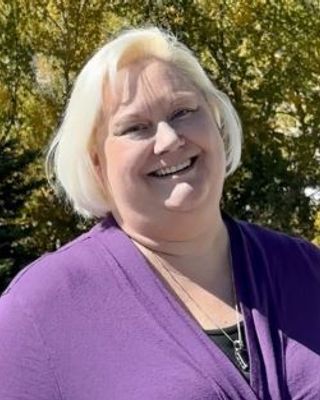
Hosted by Good Grief
Licensed Professional Counselor Candidate, LPCC
Group meets in Frisco, CO 80443
Caregiving is hard, even under the best of conditions. Some caregivers find themselves caring for individuals with whom they didn't have a positive relationship. 20% of caregivers are providing care to individuals who neglected or abused them. This added complexity is often unaddressed in traditional caregiver support groups. This group supports those in unconventional caregiver relationships and focuses on past attachment patterns, finding your voice, setting boundaries, mixed feelings of loss, grieving the past relationship, and making the best of the current relationship. Group therapy builds relationships and helps caregivers feel less alone and less isolated.
Providing care for an older adult in need can be profoundly rewarding. It is also really, really hard. 87% of caregivers struggle with stress and anxiety at some point, and roughly 64% report moderate to high emotional stress. 1 in 4 caregivers feel completely alone. This group provides connection with others who "get it." Topics include improved communication, complicated relationships, boundaries, stress reduction, respite resources, anticipatory grief, and exploring your identity as a caregiver. Caregiving is hard, but it's easier to blaze a trail with companions.
Hosted by Good Grief
Licensed Professional Counselor Candidate, LPCC
Group meets in Frisco, CO 80443
Providing care for an older adult in need can be profoundly rewarding. It is also really, really hard. 87% of caregivers struggle with stress and anxiety at some point, and roughly 64% report moderate to high emotional stress. 1 in 4 caregivers feel completely alone. This group provides connection with others who "get it." Topics include improved communication, complicated relationships, boundaries, stress reduction, respite resources, anticipatory grief, and exploring your identity as a caregiver. Caregiving is hard, but it's easier to blaze a trail with companions.
"The reality is that you will grieve forever. You will not 'get over' the loss of a loved one; you will learn to live with it. You will heal, and you will rebuild yourself around the loss you have suffered."-Elisabeth Kübler-Ross We connect to explore our relationship with grief, the different types of grief, and the ways it shows up in our bodies and our minds. We focus on who we were before and who we are now. We explore ways to honor our past connections, make meaning, and carry forward our personal values.
Hosted by Good Grief
Licensed Professional Counselor Candidate, LPCC
Group meets in Frisco, CO 80443
"The reality is that you will grieve forever. You will not 'get over' the loss of a loved one; you will learn to live with it. You will heal, and you will rebuild yourself around the loss you have suffered."-Elisabeth Kübler-Ross We connect to explore our relationship with grief, the different types of grief, and the ways it shows up in our bodies and our minds. We focus on who we were before and who we are now. We explore ways to honor our past connections, make meaning, and carry forward our personal values.
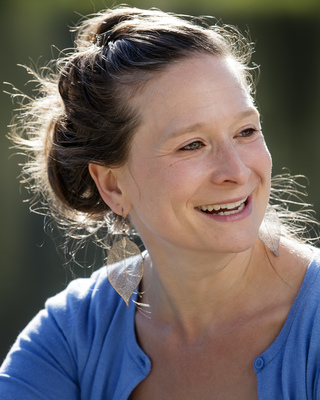
More Groups Nearby
This ANAD (Anorexia Nervosa and Associated Disorders) support group is open to people who suffer from anorexia nervosa and/or bulimia. Group members will be able to give and receive support, encouragement, and motivation for recovery in a safe and confidential setting. There is no charge to attend.

Hosted by Jill S. Zimmerman Rutledge
Clinical Social Work/Therapist, MSW, LCSW
Group meets in Vail, CO 81657
This ANAD (Anorexia Nervosa and Associated Disorders) support group is open to people who suffer from anorexia nervosa and/or bulimia. Group members will be able to give and receive support, encouragement, and motivation for recovery in a safe and confidential setting. There is no charge to attend.
The IOP in Edwards, CO is an offering from All Points North for individuals who have experienced substance dependence, mental health challenges, overwhelming stress, or emotional dysregulation. With three 3-hour therapy groups each week, clients participate in an integrative program designed to guide them through processing the past and learning how to move forward with tangible skills and tools. The program is held in the beautiful Cordillera mountain neighborhood, and lasts for 8 weeks with rolling admission. Sober living is also available nearby. For more information, please reach out to our team today.

The IOP in Edwards, CO is an offering from All Points North for individuals who have experienced substance dependence, mental health challenges, overwhelming stress, or emotional dysregulation. With three 3-hour therapy groups each week, clients participate in an integrative program designed to guide them through processing the past and learning how to move forward with tangible skills and tools. The program is held in the beautiful Cordillera mountain neighborhood, and lasts for 8 weeks with rolling admission. Sober living is also available nearby. For more information, please reach out to our team today.
This group is for women (cis and trans) navigating life with neurodivergence (diagnosed or self-identified are welcome). This is a low-pressure, non-performative space where neurodivergent women don’t have to mask. This group offers a space to slow down and connect where your way of thinking, feeling, and processing is welcomed. We focus on acceptance, not fixing. Come as you are - when you have capacity. There is no expectation to share. We will explore: navigating overwhelm, identity, masking, relationships, capacity, etc. Drop-in, 1st & 3rd Tuesdays monthly.

This group is for women (cis and trans) navigating life with neurodivergence (diagnosed or self-identified are welcome). This is a low-pressure, non-performative space where neurodivergent women don’t have to mask. This group offers a space to slow down and connect where your way of thinking, feeling, and processing is welcomed. We focus on acceptance, not fixing. Come as you are - when you have capacity. There is no expectation to share. We will explore: navigating overwhelm, identity, masking, relationships, capacity, etc. Drop-in, 1st & 3rd Tuesdays monthly.
If you are looking for DBT skills training groups, I offer individual skills training which is a one on one version of the DBT skills group. This provides more of a personal and flexible application of standard DBT skills training group.

If you are looking for DBT skills training groups, I offer individual skills training which is a one on one version of the DBT skills group. This provides more of a personal and flexible application of standard DBT skills training group.
This group is for people who would like to cope more effectively with intense emotions, addictive behaviors, and/or relationship struggles. Problematic behaviors evolve as a way to cope with a situation or attempt to solve a problem. DBT helps to develop better skills and behaviors. Four skills taught in DBT are mindfulness (the practice of being fully aware and present at this moment), distress tolerance (how to tolerate pain in difficult situations), interpersonal effectiveness (how to ask for what you want and say no while maintaining self-respect and relationships), and emotion regulation (how to change emotions when desired)..
This group is for people who would like to cope more effectively with intense emotions, addictive behaviors, and/or relationship struggles. Problematic behaviors evolve as a way to cope with a situation or attempt to solve a problem. DBT helps to develop better skills and behaviors. Four skills taught in DBT are mindfulness (the practice of being fully aware and present at this moment), distress tolerance (how to tolerate pain in difficult situations), interpersonal effectiveness (how to ask for what you want and say no while maintaining self-respect and relationships), and emotion regulation (how to change emotions when desired)..
Head up to our beautiful chalet at All Points North Lodge for an AA meeting every Saturday at 7 PM. Please reach out for more information.
Head up to our beautiful chalet at All Points North Lodge for an AA meeting every Saturday at 7 PM. Please reach out for more information.
I run a weekly women's Dialectical Behavior Therapy group in Dillon, Colorado. We meet 5:30-7pm weekly, and meet in nature-based settings when the weather allows (on beaches, hiking trails, horticultural therapy gardens.

I run a weekly women's Dialectical Behavior Therapy group in Dillon, Colorado. We meet 5:30-7pm weekly, and meet in nature-based settings when the weather allows (on beaches, hiking trails, horticultural therapy gardens.
Lean into lasting change by joining with others who have been in psychedelic spaces for personal growth and healing. This group aims help make sense of your experiences and move forward by integrating what was learned. Therapeutic, clinical, recreational, personal, or group experiences are welcome. Learn to shift perspectives and move forward. Heal from difficult experiences. Address what is lingering or left open. Connect with a like-minded community.
Lean into lasting change by joining with others who have been in psychedelic spaces for personal growth and healing. This group aims help make sense of your experiences and move forward by integrating what was learned. Therapeutic, clinical, recreational, personal, or group experiences are welcome. Learn to shift perspectives and move forward. Heal from difficult experiences. Address what is lingering or left open. Connect with a like-minded community.

Hosted by Andrea L Brown
Registered Psychotherapist, MS, LAC, DVAP, SAP
Group meets in Dillon, CO 80435
Online Groups
Springbok Health, Inc. is committed to supporting individuals through behavioral health challenges with compassion, dignity, and respect. We strive to protect our clients’ privacy and empower them to improve their quality of life. By combining high standards of mental health and nursing care with the latest research, we foster a safe, welcoming environment where clients feel comfortable opening up and building trust with their providers. Our Services Clinical Services • Psychiatric Evaluations • Psychiatry & Medication

Hosted by Springbok Health, Inc
Psychiatric Nurse Practitioner, PMHNPBC
Group meets in Englewood, CO 80110
Springbok Health, Inc. is committed to supporting individuals through behavioral health challenges with compassion, dignity, and respect. We strive to protect our clients’ privacy and empower them to improve their quality of life. By combining high standards of mental health and nursing care with the latest research, we foster a safe, welcoming environment where clients feel comfortable opening up and building trust with their providers. Our Services Clinical Services • Psychiatric Evaluations • Psychiatry & Medication
This group is for people who need help with their sobriety and would like to learn the skills to help them cope with their ineffective use of substances.

Hosted by Nikki Tolle
Licensed Professional Counselor, PhD, LPC, CAS, EMDR
Group meets in Loveland, CO 80537
This group is for people who need help with their sobriety and would like to learn the skills to help them cope with their ineffective use of substances.
This group meets weekly to discuss the challenges of step parenting. The group will have specific topics that we cover but will also be designed to create space for individuals to seek support regarding their specific struggles in a supportive environment.

This group meets weekly to discuss the challenges of step parenting. The group will have specific topics that we cover but will also be designed to create space for individuals to seek support regarding their specific struggles in a supportive environment.
Permission to Be Uncertain™ is an online psychoeducational group for women exhausted by overthinking, second-guessing, perfectionism, and trying to get everything “right.” Grounded in Acceptance and Commitment Therapy (ACT), this group gives you a structured place to practice making decisions, taking action, and moving toward what matters—even when you can’t know for sure. Sessions combine education, experiential practice, reflection, discussion, and feedback. $45/session | 12-session commitment | Max 7 participants | Online. Choose your weekly group: Thursdays at 7 AM MST or Sundays at 2 PM MST. Continuous enrollment—join when a seat is available.
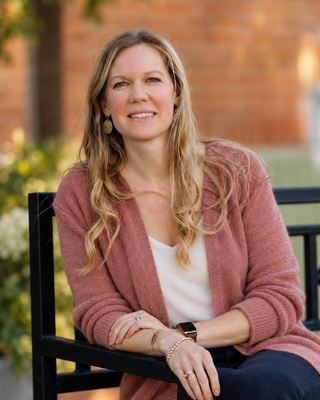
Permission to Be Uncertain™ is an online psychoeducational group for women exhausted by overthinking, second-guessing, perfectionism, and trying to get everything “right.” Grounded in Acceptance and Commitment Therapy (ACT), this group gives you a structured place to practice making decisions, taking action, and moving toward what matters—even when you can’t know for sure. Sessions combine education, experiential practice, reflection, discussion, and feedback. $45/session | 12-session commitment | Max 7 participants | Online. Choose your weekly group: Thursdays at 7 AM MST or Sundays at 2 PM MST. Continuous enrollment—join when a seat is available.
Community Reinforcement and Family Training (CRAFT) is a free resource that supports the family members and friends of people struggling with addiction, also known as a substance use disorder. Research has shown that 7 out of 10 CRAFT group participants are successful at getting their loved ones struggling with addiction to treatment. Research has also shown that CRAFT participants reported lower levels of anger, anxiety, and depression after joining the program, independent of whether or not their loved one gets help.

Hosted by Caeleigh Shellhart
Licensed Professional Counselor, MA, LPC
Group meets in Littleton, CO 80120
Community Reinforcement and Family Training (CRAFT) is a free resource that supports the family members and friends of people struggling with addiction, also known as a substance use disorder. Research has shown that 7 out of 10 CRAFT group participants are successful at getting their loved ones struggling with addiction to treatment. Research has also shown that CRAFT participants reported lower levels of anger, anxiety, and depression after joining the program, independent of whether or not their loved one gets help.
This group is for adults navigating the devastation of infidelity — whether through a partner’s affair, emotional betrayal, or the collapse of trust in a primary relationship. If you feel disoriented, angry, or broken open, you don’t have to face it alone.

Hosted by Dr. Xochitl Vallejos
Licensed Professional Counselor, PhD, LPC
Group meets in Colorado Springs, CO 80905
This group is for adults navigating the devastation of infidelity — whether through a partner’s affair, emotional betrayal, or the collapse of trust in a primary relationship. If you feel disoriented, angry, or broken open, you don’t have to face it alone.
We are reading Worrying Is Optional: Break the Cycle of Anxiety and Rumination That Keeps You Stuck Book by Ben Eckstein. Group is virtual and includes access to online community.
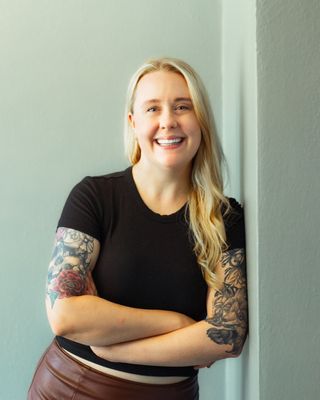
Hosted by Madeline B DeBoer
Clinical Social Work/Therapist, MA, LISW, YT-200
Group meets in Colorado Springs, CO 80903
We are reading Worrying Is Optional: Break the Cycle of Anxiety and Rumination That Keeps You Stuck Book by Ben Eckstein. Group is virtual and includes access to online community.
See more therapy options for Frisco


FAQs - About Group Therapy and Support Groups
How can I find a support group in Frisco?
To find a support group in your area, start by entering your city, zip code, or the name of the group into the search bar at the top of the page. When searching, consider whether you prefer an in-person or virtual group. This can help you decide how broad your geographic search should be. If you are open to virtual groups, you might want to search by state instead of just your city, especially if there are limited options nearby.
Once you complete your search, you can use the filters to narrow the results by selecting specialties (such as grief, trauma, or eating disorders), therapeutic approaches, age groups, and other criteria to find a group that best fits your needs.
Once you complete your search, you can use the filters to narrow the results by selecting specialties (such as grief, trauma, or eating disorders), therapeutic approaches, age groups, and other criteria to find a group that best fits your needs.
How does group therapy work?
Group therapy is led by one or more trained therapists and provides a space where participants can process their experiences and learn from others facing similar challenges. Groups may focus on a specific issue—such as addiction, grief, physical illnesses, parenting, or caregiving—or they may center around a particular therapeutic approach, such as Cognitive Behavioral Therapy (CBT), social skill development, or Exposure Therapy. Some groups are also designed for specific populations, such as teens, veterans, or LGBTQ+ individuals.
It’s also important to distinguish group therapy from peer-led support groups, like Alcoholics Anonymous. While both can offer valuable support, therapy groups are typically led by licensed professionals and follow a more structured format. Therapy groups often meet for a fixed length of time with a consistent group of members, while many peer support groups meet for an indefinite period of time with members coming and going.
It’s also important to distinguish group therapy from peer-led support groups, like Alcoholics Anonymous. While both can offer valuable support, therapy groups are typically led by licensed professionals and follow a more structured format. Therapy groups often meet for a fixed length of time with a consistent group of members, while many peer support groups meet for an indefinite period of time with members coming and going.
What are the benefits of group therapy?
Group therapy offers several important benefits. It brings together people facing similar challenges—whether related to mental health, physical health, or life transitions—and creates a supportive environment where participants can exchange feedback, share experiences, and learn from one another. Hearing different perspectives can help individuals discover new coping strategies and practical tools they may not have encountered on their own. Sharing personal experiences, such as coping with a serious illness or navigating family struggles, can also reduce feelings of isolation and foster a sense of connection and understanding. In addition to emotional support, group members often gain useful, real-world advice from peers who have faced similar situations.
Group therapy is typically more affordable than individual therapy and, for certain conditions, can be equally effective. Many groups also include structured activities—such as guided journaling, cognitive-behavioral exercises, or role-playing—to help participants develop concrete skills they can apply in daily life.
Group therapy is typically more affordable than individual therapy and, for certain conditions, can be equally effective. Many groups also include structured activities—such as guided journaling, cognitive-behavioral exercises, or role-playing—to help participants develop concrete skills they can apply in daily life.
Is group therapy as effective as individual therapy?
It is difficult to make a blanket statement about the effectiveness of support groups, as they vary widely in focus and the conditions they address. However, support groups can be highly valuable in helping individuals gain emotional support and achieve meaningful treatment outcomes. For certain conditions, such as substance use, research has shown that group therapy can be particularly effective—sometimes just as effective as individual therapy—in supporting long-term recovery.
Many professionals attribute the effectiveness of group therapy to the unique benefits of the group setting, which fosters peer-to-peer learning and a sense of connection through shared experiences. Group settings also offer accountability and encouragement from both facilitators and fellow participants, which helps sustain motivation and supports continued progress. These factors together play a key role in promoting the overall effectiveness of group therapy.
Many professionals attribute the effectiveness of group therapy to the unique benefits of the group setting, which fosters peer-to-peer learning and a sense of connection through shared experiences. Group settings also offer accountability and encouragement from both facilitators and fellow participants, which helps sustain motivation and supports continued progress. These factors together play a key role in promoting the overall effectiveness of group therapy.
How much does group therapy cost?
Group therapy is typically less expensive than individual therapy, with sessions typically costing between $50 and $75 each. In comparison, individual therapy can cost anywhere from $100 to $200 or more per session, even with insurance. Some therapists or organizations offer low-cost or free group therapy options, particularly through community centers or nonprofit organizations. In some cases, groups may require payment upfront for a set number of sessions, such as paying for six weekly sessions at the first meeting. However, many providers offer payment plans to help make participation more accessible if this upfront payment is required.
Does insurance cover group therapy?
As with individual therapy, insurance coverage for group therapy varies based on factors such as your specific insurance plan, the purpose of the group, your diagnosis, and whether the group provider is in-network. Many insurance plans cover group therapy sessions that address diagnosable mental health conditions, such as substance use disorders, anxiety, or depression.
However, groups that focus on topics not directly tied to a mental health diagnosis—such as parenting support or divorce recovery—are less likely to be covered. Because coverage can vary widely, it’s important to check with your insurance provider before joining a group to confirm whether the sessions will be covered and what out-of-pocket costs you may be responsible for.
However, groups that focus on topics not directly tied to a mental health diagnosis—such as parenting support or divorce recovery—are less likely to be covered. Because coverage can vary widely, it’s important to check with your insurance provider before joining a group to confirm whether the sessions will be covered and what out-of-pocket costs you may be responsible for.
How long does group therapy last?
The length of each group therapy session typically ranges from 45 minutes to two hours, depending on the therapy approach, the group’s goals, and how often the group meets. In some cases, group therapy is part of a larger treatment program, such as an Intensive Outpatient Program (IOP), where group sessions complement individual therapy and are scheduled as part of the program’s overall structure.
The duration of participation in a group also varies. Some groups are designed to be short-term, lasting anywhere from 6 to 24 weeks—for example, bereavement groups or skills-based groups like those using Dialectical Behavioral Therapy (DBT). Other groups may be longer-term, lasting a year or more, and some ongoing support groups meet indefinitely, allowing participants to stay as long as they find the group helpful.
The duration of participation in a group also varies. Some groups are designed to be short-term, lasting anywhere from 6 to 24 weeks—for example, bereavement groups or skills-based groups like those using Dialectical Behavioral Therapy (DBT). Other groups may be longer-term, lasting a year or more, and some ongoing support groups meet indefinitely, allowing participants to stay as long as they find the group helpful.
What are the limitations of support groups?
Support groups offer many benefits, but they also have certain limitations. Unlike therapy groups, many support groups do not provide formal therapeutic treatment and are not led by licensed mental health professionals. For individuals seeking clinical treatment for specific mental health diagnoses—such as depression, eating disorders, or substance use—individual therapy or group therapy led by a licensed professional may offer more personalized and specialized care.
The effectiveness of a support group also depends heavily on the group’s participants and the overall group dynamic. When members engage respectfully and offer constructive support, the group can foster valuable peer-to-peer learning. However, if certain participants dominate discussions, provide inaccurate advice, or create conflict, it can disrupt the group’s sense of safety and reduce its effectiveness. Confidentiality can also be harder to maintain in support groups, particularly in open groups where participants can join or leave at any time. With new members regularly entering the group, it can be more difficult to build and sustain a consistent sense of trust and privacy.
The effectiveness of a support group also depends heavily on the group’s participants and the overall group dynamic. When members engage respectfully and offer constructive support, the group can foster valuable peer-to-peer learning. However, if certain participants dominate discussions, provide inaccurate advice, or create conflict, it can disrupt the group’s sense of safety and reduce its effectiveness. Confidentiality can also be harder to maintain in support groups, particularly in open groups where participants can join or leave at any time. With new members regularly entering the group, it can be more difficult to build and sustain a consistent sense of trust and privacy.