Support Groups in Arvada, CO
When emotions feel overwhelming or relationships become difficult to navigate, having practical tools can make a meaningful difference. This supportive DBT skills training group offers a welcoming space to learn and practice skills for managing emotions, coping with stress, and building healthier relationships. We’ll explore core DBT skills including mindfulness, emotion regulation, distress tolerance, and interpersonal effectiveness, with an emphasis on applying these tools in everyday life. Whether you’re looking to feel more balanced, respond to challenges with greater confidence, or strengthen your relationships, this group provides a supportive environment to learn and grow.

Hosted by Tamara M Masters
Clinical Social Work/Therapist, MSW, LCSW
Group meets in Arvada, CO 80002
When emotions feel overwhelming or relationships become difficult to navigate, having practical tools can make a meaningful difference. This supportive DBT skills training group offers a welcoming space to learn and practice skills for managing emotions, coping with stress, and building healthier relationships. We’ll explore core DBT skills including mindfulness, emotion regulation, distress tolerance, and interpersonal effectiveness, with an emphasis on applying these tools in everyday life. Whether you’re looking to feel more balanced, respond to challenges with greater confidence, or strengthen your relationships, this group provides a supportive environment to learn and grow.
Looking for a space to express yourself, feel supported, and reconnect with your body? This group blends art-making with simple movement and body-awareness practices to help you explore your emotions, manage stress, plan for the future, and feel more like yourself. In this group, you'll get to: Use art and creativity to explore who you are; Learn calming tools for your body and nervous system; Explore what you want for the future; Build confidence in expressing your feelings; Connect with others who get it; Leave each week feeling more grounded and less alone.

Looking for a space to express yourself, feel supported, and reconnect with your body? This group blends art-making with simple movement and body-awareness practices to help you explore your emotions, manage stress, plan for the future, and feel more like yourself. In this group, you'll get to: Use art and creativity to explore who you are; Learn calming tools for your body and nervous system; Explore what you want for the future; Build confidence in expressing your feelings; Connect with others who get it; Leave each week feeling more grounded and less alone.
Increase your awareness to prevent child sexual abuse! This is a two hour FREE training for adults. Date & time are flexible to your needs! Call Lisa @ 303-968-0952 to arrange for you or a group! For more info on the program go to www.darknesstolight.org.
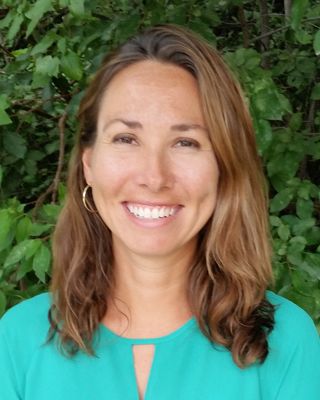
Hosted by Lisa Parker
Clinical Social Work/Therapist, MSW, LCSW, CAS, EMDR
Group meets in Arvada, CO 80002
Increase your awareness to prevent child sexual abuse! This is a two hour FREE training for adults. Date & time are flexible to your needs! Call Lisa @ 303-968-0952 to arrange for you or a group! For more info on the program go to www.darknesstolight.org.
This group will begin in summer 2024 and will be a dedicated process group for relational therapists in training entering their clinical phase of their masters programs. Participants will have a chance to explore and deepen their understanding of their own family of origin, socio-political-economic contexts, and personal experiences impact their experience of being a relational therapist. We will focus on cultivating self-understanding, addressing conflict/boundary issues, healing our intergenerational patterns, and understanding relational dynamics.

This group will begin in summer 2024 and will be a dedicated process group for relational therapists in training entering their clinical phase of their masters programs. Participants will have a chance to explore and deepen their understanding of their own family of origin, socio-political-economic contexts, and personal experiences impact their experience of being a relational therapist. We will focus on cultivating self-understanding, addressing conflict/boundary issues, healing our intergenerational patterns, and understanding relational dynamics.
iSeek Counseling is offering a DBT Group for teens ages 13-17 years. It will be a closed 6 week group that will start 9/26/24 and will take place every Thursday from 5:30PM to 6:30PM. Email scheduling@iseekcounseling.com if you are interested! All 6 weeks are being offered for only $200.

iSeek Counseling is offering a DBT Group for teens ages 13-17 years. It will be a closed 6 week group that will start 9/26/24 and will take place every Thursday from 5:30PM to 6:30PM. Email scheduling@iseekcounseling.com if you are interested! All 6 weeks are being offered for only $200.
Intimate Partners of survivors complex, relational trauma, despite their desires to be loving and supportive, often feel confused, angry, disappointed, emotionally, and sexually frustrated, starved for intimacy and touch. Beneath the surface and often beyond their awareness, they may also experience depression, loss of energy, loneliness, isolation, fear, anxiety, resentment, lowered self-esteem, impatience, impotence, and a general sense of powerlessness to help themselves or their survivor mate. Group support, self-discovery, creative and individualized problem solving, interweaving of broader knowledge of the abuse experience and that of Partners provides the basis for greater, "response-ability".

Intimate Partners of survivors complex, relational trauma, despite their desires to be loving and supportive, often feel confused, angry, disappointed, emotionally, and sexually frustrated, starved for intimacy and touch. Beneath the surface and often beyond their awareness, they may also experience depression, loss of energy, loneliness, isolation, fear, anxiety, resentment, lowered self-esteem, impatience, impotence, and a general sense of powerlessness to help themselves or their survivor mate. Group support, self-discovery, creative and individualized problem solving, interweaving of broader knowledge of the abuse experience and that of Partners provides the basis for greater, "response-ability".
The Injured Athlete Group is a dedicated community providing emotional and practical support for athletes recovering from injuries. Our group offers a space to share experiences, access resources, and receive encouragement from fellow athletes who understand the unique challenges of injury and rehabilitation. Through regular meetings and individualized guidance, we aim to foster resilience, positivity, and a strong network to help athletes on their journey to recovery and beyond.

The Injured Athlete Group is a dedicated community providing emotional and practical support for athletes recovering from injuries. Our group offers a space to share experiences, access resources, and receive encouragement from fellow athletes who understand the unique challenges of injury and rehabilitation. Through regular meetings and individualized guidance, we aim to foster resilience, positivity, and a strong network to help athletes on their journey to recovery and beyond.
Scott Ulrich MS LPC CACIII

Hosted by Altitude Behavioral Health
Licensed Professional Counselor, MS, LPC, LAC, EMDR
Group meets in Arvada, CO 80002
Scott Ulrich MS LPC CACIII
This is a pro bono, one hour virtual guided meditation offered as an opening into experiential Andean medicine practices for the well-being of self, community, and planet. Drawing on twenty five years of practice in the Andes, the meditation offers direct experience of Andean cosmology, ayni (sacred reciprocity), and connection to the living energies of nature, the mountains, and the elements, opening a felt sense of relationship with the earth itself. Rooted in a living lineage rather than scholarship, this is a silent, led meditation; discussion among participants is not part of the format. No prior experience is necessary.

Hosted by Deborah Bryon, Psychologist, Jungian Psychoanalyst
Psychologist, PhD, NCPsyA
Group meets in Arvada, CO 80002
This is a pro bono, one hour virtual guided meditation offered as an opening into experiential Andean medicine practices for the well-being of self, community, and planet. Drawing on twenty five years of practice in the Andes, the meditation offers direct experience of Andean cosmology, ayni (sacred reciprocity), and connection to the living energies of nature, the mountains, and the elements, opening a felt sense of relationship with the earth itself. Rooted in a living lineage rather than scholarship, this is a silent, led meditation; discussion among participants is not part of the format. No prior experience is necessary.
iSeek Counseling is offering a DBT Group for teens ages 13-17 years. It is a closed 6 week group that will start takes place every Thursday from 5:30PM to 6:30PM. Email scheduling@iseekcounseling.com if you are interested! All 6 weeks are being offered for only $200.

Hosted by Meredith McCormick
Licensed Professional Counselor Candidate
Group meets in Arvada, CO 80002
iSeek Counseling is offering a DBT Group for teens ages 13-17 years. It is a closed 6 week group that will start takes place every Thursday from 5:30PM to 6:30PM. Email scheduling@iseekcounseling.com if you are interested! All 6 weeks are being offered for only $200.
In today’s divisive times, the importance of a third place is becoming not just a luxury, but a necessity. We need more than just a quick meet up or random activity. We need our third place to be an antidote to the fear, hopelessness, and isolation that is driving our culture to implode on itself. We need our third place to offer deep belonging and a sense of community. We are offering such a place! Check out my website for more info!

Hosted by Rachel Smith
Licensed Professional Counselor, MA, LPC, NCC, CAS
Group meets in Arvada, CO 80003
In today’s divisive times, the importance of a third place is becoming not just a luxury, but a necessity. We need more than just a quick meet up or random activity. We need our third place to be an antidote to the fear, hopelessness, and isolation that is driving our culture to implode on itself. We need our third place to offer deep belonging and a sense of community. We are offering such a place! Check out my website for more info!
GriefShare is a nationally acclaimed group therapy curriculum for those suffering after the loss of a loved one. GriefShare is based on a Christian Worldview and biblical teachings; however, you do not need to be a Christian to attend or benefit from this dynamic healing journey!

Hosted by 70 West Counseling
Licensed Professional Counselor, MA, LPC
Group meets in Arvada, CO 80002
GriefShare is a nationally acclaimed group therapy curriculum for those suffering after the loss of a loved one. GriefShare is based on a Christian Worldview and biblical teachings; however, you do not need to be a Christian to attend or benefit from this dynamic healing journey!
Our group is 9 counselors who have a variety of expertise serving ages 0-100, specializing in anxiety, depression, ADHD, and much more! Call us today to get paired with a great counselor!

Hosted by Life's Hope Therapeutic Services PLLC
Licensed Professional Counselor, MA, LPC, NCC, CPP
Group meets in Arvada, CO 80003
Our group is 9 counselors who have a variety of expertise serving ages 0-100, specializing in anxiety, depression, ADHD, and much more! Call us today to get paired with a great counselor!
This group will provide a safe space facilitated by a therapist to focus on: Building relationships We will create a network of support to overcome today's challenges together. Participants will gain new insights, find coping strategies, increase confidence, develop self-worth, expand overall happiness, and learn how to set SMART goals for life beyond high school.
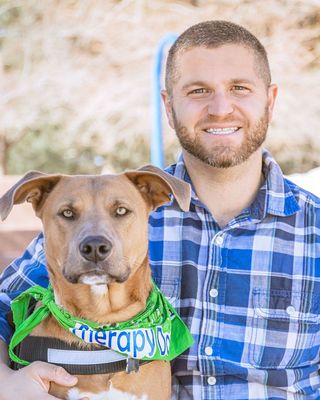
This group will provide a safe space facilitated by a therapist to focus on: Building relationships We will create a network of support to overcome today's challenges together. Participants will gain new insights, find coping strategies, increase confidence, develop self-worth, expand overall happiness, and learn how to set SMART goals for life beyond high school.
Enrollment is now open for our Adult Men’s Group! This virtual group meets Thursdays from 12–1pm and supports men in building emotional and relational well-being. Each week focuses on a practical topic like emotional awareness, anger, stress, relationships, substance use, and more. It’s a great complement to individual or couples therapy. Please share with men who may benefit: partners, friends, or clients. For questions, contact David Hall by phone or email.

Hosted by David Hall
Licensed Professional Counselor Candidate, MA, LPCC, NCC
Group meets in Arvada, CO 80007
Enrollment is now open for our Adult Men’s Group! This virtual group meets Thursdays from 12–1pm and supports men in building emotional and relational well-being. Each week focuses on a practical topic like emotional awareness, anger, stress, relationships, substance use, and more. It’s a great complement to individual or couples therapy. Please share with men who may benefit: partners, friends, or clients. For questions, contact David Hall by phone or email.
GriefShare is a nationally acclaimed group therapy curriculum for those suffering after the loss of a loved one. GriefShare is based on a Christian Worldview and biblical teachings; however, you do not need to be a Christian to attend or benefit from this dynamic healing journey!

Hosted by Daniel Meyer
Pre-Licensed Professional, BA, MCDB, MA, LPCC
Group meets in Arvada, CO 80002
GriefShare is a nationally acclaimed group therapy curriculum for those suffering after the loss of a loved one. GriefShare is based on a Christian Worldview and biblical teachings; however, you do not need to be a Christian to attend or benefit from this dynamic healing journey!
Experiencing a divorce or breakup? You are not alone. Join our free, online, weekly support group facilitated by a skilled counseling professional. Email **onebeingcounseling@gmail.com** to sign up and obtain the link to join the online meeting. This is a co-ed counseling group.

Hosted by Lisa Maynard
Licensed Professional Counselor Candidate, LPCC
Group meets in Arvada, CO 80003
Experiencing a divorce or breakup? You are not alone. Join our free, online, weekly support group facilitated by a skilled counseling professional. Email **onebeingcounseling@gmail.com** to sign up and obtain the link to join the online meeting. This is a co-ed counseling group.
In attending Relapse Prevention Group, we are passionate about giving our clients the tools to succeed in their recovery process, which includes learning skills and being able to connect with others on challenges. Relapse Prevention Group is designed to help individuals identify risky situations, develop coping skills, and connect with others. To accomplish this, the group curriculum involves components of psychoeducation, experiential exercises, and process therapy.

In attending Relapse Prevention Group, we are passionate about giving our clients the tools to succeed in their recovery process, which includes learning skills and being able to connect with others on challenges. Relapse Prevention Group is designed to help individuals identify risky situations, develop coping skills, and connect with others. To accomplish this, the group curriculum involves components of psychoeducation, experiential exercises, and process therapy.
iSeek Counseling is offering a DBT Group for teens ages 13-17 years. It will be a closed 6 week group that will start 9/26/24 and will take place every Thursday from 5:30PM to 6:30PM. Email scheduling@iseekcounseling.com if you are interested! All 6 weeks are being offered for only $200.
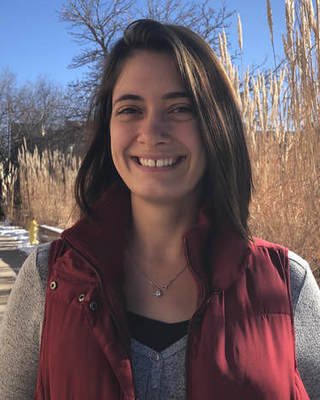
iSeek Counseling is offering a DBT Group for teens ages 13-17 years. It will be a closed 6 week group that will start 9/26/24 and will take place every Thursday from 5:30PM to 6:30PM. Email scheduling@iseekcounseling.com if you are interested! All 6 weeks are being offered for only $200.
Mindfulness meditation and breathing practices; Compassion-based healing and self-kindness; Sharing circle (optional); Psychoeducation on trauma, anxiety, and depression; Practical tools for daily life; A non-judgemental, supportive community
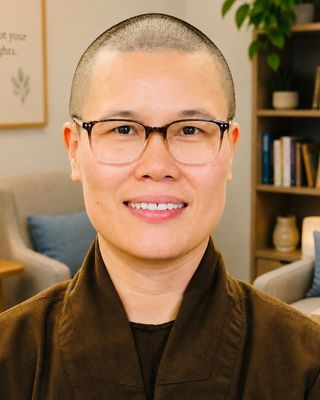
Mindfulness meditation and breathing practices; Compassion-based healing and self-kindness; Sharing circle (optional); Psychoeducation on trauma, anxiety, and depression; Practical tools for daily life; A non-judgemental, supportive community
See more therapy options for Arvada


FAQs - About Group Therapy and Support Groups
How can I find a support group in Arvada?
To find a support group in your area, start by entering your city, zip code, or the name of the group into the search bar at the top of the page. When searching, consider whether you prefer an in-person or virtual group. This can help you decide how broad your geographic search should be. If you are open to virtual groups, you might want to search by state instead of just your city, especially if there are limited options nearby.
Once you complete your search, you can use the filters to narrow the results by selecting specialties (such as grief, trauma, or eating disorders), therapeutic approaches, age groups, and other criteria to find a group that best fits your needs.
Once you complete your search, you can use the filters to narrow the results by selecting specialties (such as grief, trauma, or eating disorders), therapeutic approaches, age groups, and other criteria to find a group that best fits your needs.
How does group therapy work?
Group therapy is led by one or more trained therapists and provides a space where participants can process their experiences and learn from others facing similar challenges. Groups may focus on a specific issue—such as addiction, grief, physical illnesses, parenting, or caregiving—or they may center around a particular therapeutic approach, such as Cognitive Behavioral Therapy (CBT), social skill development, or Exposure Therapy. Some groups are also designed for specific populations, such as teens, veterans, or LGBTQ+ individuals.
It’s also important to distinguish group therapy from peer-led support groups, like Alcoholics Anonymous. While both can offer valuable support, therapy groups are typically led by licensed professionals and follow a more structured format. Therapy groups often meet for a fixed length of time with a consistent group of members, while many peer support groups meet for an indefinite period of time with members coming and going.
It’s also important to distinguish group therapy from peer-led support groups, like Alcoholics Anonymous. While both can offer valuable support, therapy groups are typically led by licensed professionals and follow a more structured format. Therapy groups often meet for a fixed length of time with a consistent group of members, while many peer support groups meet for an indefinite period of time with members coming and going.
What are the benefits of group therapy?
Group therapy offers several important benefits. It brings together people facing similar challenges—whether related to mental health, physical health, or life transitions—and creates a supportive environment where participants can exchange feedback, share experiences, and learn from one another. Hearing different perspectives can help individuals discover new coping strategies and practical tools they may not have encountered on their own. Sharing personal experiences, such as coping with a serious illness or navigating family struggles, can also reduce feelings of isolation and foster a sense of connection and understanding. In addition to emotional support, group members often gain useful, real-world advice from peers who have faced similar situations.
Group therapy is typically more affordable than individual therapy and, for certain conditions, can be equally effective. Many groups also include structured activities—such as guided journaling, cognitive-behavioral exercises, or role-playing—to help participants develop concrete skills they can apply in daily life.
Group therapy is typically more affordable than individual therapy and, for certain conditions, can be equally effective. Many groups also include structured activities—such as guided journaling, cognitive-behavioral exercises, or role-playing—to help participants develop concrete skills they can apply in daily life.
Is group therapy as effective as individual therapy?
It is difficult to make a blanket statement about the effectiveness of support groups, as they vary widely in focus and the conditions they address. However, support groups can be highly valuable in helping individuals gain emotional support and achieve meaningful treatment outcomes. For certain conditions, such as substance use, research has shown that group therapy can be particularly effective—sometimes just as effective as individual therapy—in supporting long-term recovery.
Many professionals attribute the effectiveness of group therapy to the unique benefits of the group setting, which fosters peer-to-peer learning and a sense of connection through shared experiences. Group settings also offer accountability and encouragement from both facilitators and fellow participants, which helps sustain motivation and supports continued progress. These factors together play a key role in promoting the overall effectiveness of group therapy.
Many professionals attribute the effectiveness of group therapy to the unique benefits of the group setting, which fosters peer-to-peer learning and a sense of connection through shared experiences. Group settings also offer accountability and encouragement from both facilitators and fellow participants, which helps sustain motivation and supports continued progress. These factors together play a key role in promoting the overall effectiveness of group therapy.
How much does group therapy cost?
Group therapy is typically less expensive than individual therapy, with sessions typically costing between $50 and $75 each. In comparison, individual therapy can cost anywhere from $100 to $200 or more per session, even with insurance. Some therapists or organizations offer low-cost or free group therapy options, particularly through community centers or nonprofit organizations. In some cases, groups may require payment upfront for a set number of sessions, such as paying for six weekly sessions at the first meeting. However, many providers offer payment plans to help make participation more accessible if this upfront payment is required.
Does insurance cover group therapy?
As with individual therapy, insurance coverage for group therapy varies based on factors such as your specific insurance plan, the purpose of the group, your diagnosis, and whether the group provider is in-network. Many insurance plans cover group therapy sessions that address diagnosable mental health conditions, such as substance use disorders, anxiety, or depression.
However, groups that focus on topics not directly tied to a mental health diagnosis—such as parenting support or divorce recovery—are less likely to be covered. Because coverage can vary widely, it’s important to check with your insurance provider before joining a group to confirm whether the sessions will be covered and what out-of-pocket costs you may be responsible for.
However, groups that focus on topics not directly tied to a mental health diagnosis—such as parenting support or divorce recovery—are less likely to be covered. Because coverage can vary widely, it’s important to check with your insurance provider before joining a group to confirm whether the sessions will be covered and what out-of-pocket costs you may be responsible for.
How long does group therapy last?
The length of each group therapy session typically ranges from 45 minutes to two hours, depending on the therapy approach, the group’s goals, and how often the group meets. In some cases, group therapy is part of a larger treatment program, such as an Intensive Outpatient Program (IOP), where group sessions complement individual therapy and are scheduled as part of the program’s overall structure.
The duration of participation in a group also varies. Some groups are designed to be short-term, lasting anywhere from 6 to 24 weeks—for example, bereavement groups or skills-based groups like those using Dialectical Behavioral Therapy (DBT). Other groups may be longer-term, lasting a year or more, and some ongoing support groups meet indefinitely, allowing participants to stay as long as they find the group helpful.
The duration of participation in a group also varies. Some groups are designed to be short-term, lasting anywhere from 6 to 24 weeks—for example, bereavement groups or skills-based groups like those using Dialectical Behavioral Therapy (DBT). Other groups may be longer-term, lasting a year or more, and some ongoing support groups meet indefinitely, allowing participants to stay as long as they find the group helpful.
What are the limitations of support groups?
Support groups offer many benefits, but they also have certain limitations. Unlike therapy groups, many support groups do not provide formal therapeutic treatment and are not led by licensed mental health professionals. For individuals seeking clinical treatment for specific mental health diagnoses—such as depression, eating disorders, or substance use—individual therapy or group therapy led by a licensed professional may offer more personalized and specialized care.
The effectiveness of a support group also depends heavily on the group’s participants and the overall group dynamic. When members engage respectfully and offer constructive support, the group can foster valuable peer-to-peer learning. However, if certain participants dominate discussions, provide inaccurate advice, or create conflict, it can disrupt the group’s sense of safety and reduce its effectiveness. Confidentiality can also be harder to maintain in support groups, particularly in open groups where participants can join or leave at any time. With new members regularly entering the group, it can be more difficult to build and sustain a consistent sense of trust and privacy.
The effectiveness of a support group also depends heavily on the group’s participants and the overall group dynamic. When members engage respectfully and offer constructive support, the group can foster valuable peer-to-peer learning. However, if certain participants dominate discussions, provide inaccurate advice, or create conflict, it can disrupt the group’s sense of safety and reduce its effectiveness. Confidentiality can also be harder to maintain in support groups, particularly in open groups where participants can join or leave at any time. With new members regularly entering the group, it can be more difficult to build and sustain a consistent sense of trust and privacy.