Support Groups in Visalia, CA
A beginner-friendly creative healing circle integrating creativity, culture, and embodied healing. A supportive space to explore personal and family stories through needlework. Reconnect with inner wisdom and embodied narratives through gentle stitching, reflection, and shared storytelling — fostering creative, transformational healing.

Hosted by Claudia Martinez Cisneros
Marriage & Family Therapist, PhD(c), MS, LMFT
Group meets in Visalia, CA 93291
A beginner-friendly creative healing circle integrating creativity, culture, and embodied healing. A supportive space to explore personal and family stories through needlework. Reconnect with inner wisdom and embodied narratives through gentle stitching, reflection, and shared storytelling — fostering creative, transformational healing.
This Teletherapy group is for women struggling with Anxiety /Depression. We take a holistic approach focusing on mind, body, and soul to decrease and manage symptoms and help promote a healthier balanced spiritual lifestyle. This group meets once a month on the third Friday of each month. This group offers a safe, confidential, supportive healing atmosphere. SPACE IS LIMITED. Please call for more information and Reserve your spot.

This Teletherapy group is for women struggling with Anxiety /Depression. We take a holistic approach focusing on mind, body, and soul to decrease and manage symptoms and help promote a healthier balanced spiritual lifestyle. This group meets once a month on the third Friday of each month. This group offers a safe, confidential, supportive healing atmosphere. SPACE IS LIMITED. Please call for more information and Reserve your spot.
Through an interview process and personality assessments children and adolescents are grouped with similar interests, areas of need, and skill deficits to create small 5-7 groups for anger management, children with autism, low self-esteem, and impulsivity in a controlled setting or through telehealth sessions. The adult groups are centered around co-parenting issues, divorce, low self-esteem, co-dependency, and other adult-relational issues.
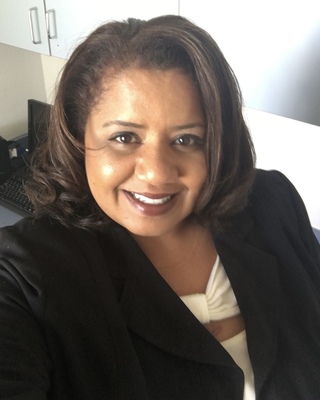
Through an interview process and personality assessments children and adolescents are grouped with similar interests, areas of need, and skill deficits to create small 5-7 groups for anger management, children with autism, low self-esteem, and impulsivity in a controlled setting or through telehealth sessions. The adult groups are centered around co-parenting issues, divorce, low self-esteem, co-dependency, and other adult-relational issues.
Premier Family counseling Group is a group of experienced licensed therapist. Our therapist have a minimum of three years post license experience. Our goal is to provide exceptional care to our clients and their families. Our dedicated CEO has a rigorous hiring/screening process and listens to client feedback.
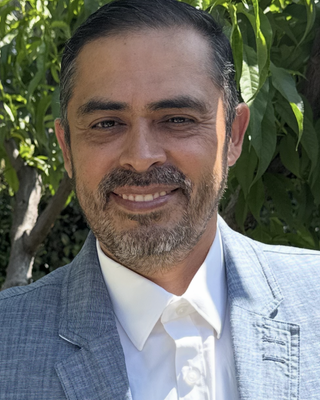
Premier Family counseling Group is a group of experienced licensed therapist. Our therapist have a minimum of three years post license experience. Our goal is to provide exceptional care to our clients and their families. Our dedicated CEO has a rigorous hiring/screening process and listens to client feedback.
Therapy room available on Wednesdays and weekends in Visalia CA of off Demaree/Mineral King. Price is $35 daily. Amenities : Fully furnished, play room, waiting room, soundproof, Wi-Fi, parking. Feel free to text or call 559-2728282.
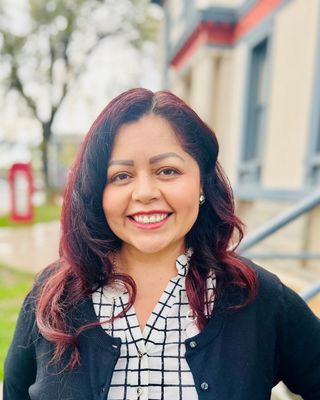
Therapy room available on Wednesdays and weekends in Visalia CA of off Demaree/Mineral King. Price is $35 daily. Amenities : Fully furnished, play room, waiting room, soundproof, Wi-Fi, parking. Feel free to text or call 559-2728282.
DBT Skills Group teaches: Mindfulness: being present in the moment instead of focusing on things the past or the future. Emotion Regulation: how to manage your emotions and help you feel in control of your emotions. Interpersonal Effectiveness: how to interact with people and manage conflict while getting your needs met and maintaining both the relationship and your self-respect. Distress Tolerance: how to get through stressful situations without engaging in behaviors that negatively impact you in the long-term.

DBT Skills Group teaches: Mindfulness: being present in the moment instead of focusing on things the past or the future. Emotion Regulation: how to manage your emotions and help you feel in control of your emotions. Interpersonal Effectiveness: how to interact with people and manage conflict while getting your needs met and maintaining both the relationship and your self-respect. Distress Tolerance: how to get through stressful situations without engaging in behaviors that negatively impact you in the long-term.
DBT Skills Group teaches: Mindfulness: being present in the moment instead of focusing on things the past or the future. Emotion Regulation: how to manage your emotions and help you feel in control of your emotions. Interpersonal Effectiveness: how to interact with people and manage conflict while getting your needs met and maintaining both the relationship and your self-respect. Distress Tolerance: how to get through stressful situations without engaging in behaviors that negatively impact you in the long-term.
DBT Skills Group teaches: Mindfulness: being present in the moment instead of focusing on things the past or the future. Emotion Regulation: how to manage your emotions and help you feel in control of your emotions. Interpersonal Effectiveness: how to interact with people and manage conflict while getting your needs met and maintaining both the relationship and your self-respect. Distress Tolerance: how to get through stressful situations without engaging in behaviors that negatively impact you in the long-term.
In Person Somatic women's healing circle

In Person Somatic women's healing circle
DBT-A is a DBT skills group for teenagers. This is designed to help teens who have intense emotions, manage stress from school, stress from family, stress from peers, impulsive behavior and self-esteem challenges.
DBT-A is a DBT skills group for teenagers. This is designed to help teens who have intense emotions, manage stress from school, stress from family, stress from peers, impulsive behavior and self-esteem challenges.
Online Groups
We have two separate Anger management groups; one for adults and one for teens 14-17 y.o. This is a 12 week group facilitated by our staff, utilizing a curriculum. What to expect: Learn and master strategies for handling anger when it hits suddenly. Recognize what sets off anger and explore the feelings underneath. Develop confident and positive ways to express yourself. Get support from others who "get it!" Please sign up for our interest list. Date/Time will be determined once we have 5+ members.

Hosted by Bao Mai Moua Vue
Marriage & Family Therapist Associate, AMFT
Group meets in Fresno, CA 93711
We have two separate Anger management groups; one for adults and one for teens 14-17 y.o. This is a 12 week group facilitated by our staff, utilizing a curriculum. What to expect: Learn and master strategies for handling anger when it hits suddenly. Recognize what sets off anger and explore the feelings underneath. Develop confident and positive ways to express yourself. Get support from others who "get it!" Please sign up for our interest list. Date/Time will be determined once we have 5+ members.
If you repeatedly struggle in relationships, Pure Love offers a safe, structured space to heal and grow alongside other women on the same journey. Please note that Pure Love is a fee-based therapy group led by a mental health professional, rather than a peer support group, allowing for deep, clinical guidance and lasting transformation. We meet once a week for 13 to 15 months (on average). We open new cohorts throughout the year. Give me a call today to learn about our fee structure, enrollment details, and when our next therapy group begins!

If you repeatedly struggle in relationships, Pure Love offers a safe, structured space to heal and grow alongside other women on the same journey. Please note that Pure Love is a fee-based therapy group led by a mental health professional, rather than a peer support group, allowing for deep, clinical guidance and lasting transformation. We meet once a week for 13 to 15 months (on average). We open new cohorts throughout the year. Give me a call today to learn about our fee structure, enrollment details, and when our next therapy group begins!
At Vue Family Therapy Inc., we provide culturally sensitive, collaborative, and affirming care that supports the wellness of every individual and family we serve. Guided by our belief in diversity, collaboration, trust, and respect, we honor each person’s unique background and life experiences while creating a safe and inclusive space for growth. Our goal is to empower clients to build meaningful lives, strengthen relationships, and navigate life’s challenges with confidence and clarity.

At Vue Family Therapy Inc., we provide culturally sensitive, collaborative, and affirming care that supports the wellness of every individual and family we serve. Guided by our belief in diversity, collaboration, trust, and respect, we honor each person’s unique background and life experiences while creating a safe and inclusive space for growth. Our goal is to empower clients to build meaningful lives, strengthen relationships, and navigate life’s challenges with confidence and clarity.
If you are looking to do testing or have completed testing for ADHD, Autism, and/or a cognitive issue, this is a psychoeducational group in which I will answer all questions about the process of testing. If you are looking to do testing first, you can call me at 559-387-4230 or email me at anthonyngopsyd@gmail.com to set up an appointment. We can complete the whole process within one to two weeks.

Hosted by Psychological Testing-Autism, ADHD, Mood, and more
Psychologist, PsyD
Group meets in Fresno, CA 93704
If you are looking to do testing or have completed testing for ADHD, Autism, and/or a cognitive issue, this is a psychoeducational group in which I will answer all questions about the process of testing. If you are looking to do testing first, you can call me at 559-387-4230 or email me at anthonyngopsyd@gmail.com to set up an appointment. We can complete the whole process within one to two weeks.
Now enrolling for Empowering ADHD Minds, a 15-week closed Adult ADHD Skills Group beginning September 29, 2026. We accept Optimum Health and Aetna.

Now enrolling for Empowering ADHD Minds, a 15-week closed Adult ADHD Skills Group beginning September 29, 2026. We accept Optimum Health and Aetna.
One in four females in the U.S. will suffer the staggering effects of sexual abuse before they reach the age of eighteen; a majority of which will be at the hands of someone they know and trust. KCM wants you to know that you are not alone, and that you do not need to continue suffering the crippling effects that result from sexual abuse. The Bold Love program is bringing about God's healing and transformation in the lives of our Counselees.

Hosted by Kingdom Community Ministries
Pastoral Counselor, DMin
Group meets in Bakersfield, CA 93309
One in four females in the U.S. will suffer the staggering effects of sexual abuse before they reach the age of eighteen; a majority of which will be at the hands of someone they know and trust. KCM wants you to know that you are not alone, and that you do not need to continue suffering the crippling effects that result from sexual abuse. The Bold Love program is bringing about God's healing and transformation in the lives of our Counselees.
Hope & Healing Family Therapy Center has a mission to offer premium, accessible therapy services to the community. We are systemic therapists focused on family and community health. We hope to promote social justice, improve quality of personal and family life, and support community functioning, one person/family at a time. We are intergenerational trauma informed, intersectional in our understanding, and promote equality and thriving for people who have endured oppression. We use evidence informed practices to serve people aged birth to senior adult.

Hosted by Dr. Watts, Hope & Healing Family Therapy Center
Marriage & Family Therapist, MS, MFT, PhD
Group meets in Fresno, CA 93710
Hope & Healing Family Therapy Center has a mission to offer premium, accessible therapy services to the community. We are systemic therapists focused on family and community health. We hope to promote social justice, improve quality of personal and family life, and support community functioning, one person/family at a time. We are intergenerational trauma informed, intersectional in our understanding, and promote equality and thriving for people who have endured oppression. We use evidence informed practices to serve people aged birth to senior adult.
One Heart, Two Homes is an solution-focused co-parenting program that offers solutions and strategies co-parents can use to prevent parental conflict. This is the ONLY court approved weekend program in the Central Valley. This 12 hour court approved weekend program is designed to promote effective co-parenting for divorced, separating, and unmarried parents while educating them about their child's issues with family separation. We aim to help parents strengthen their ability to think clearly to make healthy decisions for themselves and their children. For more information check out our website www.livewellbhc.com.

Hosted by Livewell Behavioral Health Counseling Center
Marriage & Family Therapist
Group meets in Fresno, CA 93710
One Heart, Two Homes is an solution-focused co-parenting program that offers solutions and strategies co-parents can use to prevent parental conflict. This is the ONLY court approved weekend program in the Central Valley. This 12 hour court approved weekend program is designed to promote effective co-parenting for divorced, separating, and unmarried parents while educating them about their child's issues with family separation. We aim to help parents strengthen their ability to think clearly to make healthy decisions for themselves and their children. For more information check out our website www.livewellbhc.com.
DBT skills to move from surviving to thriving

Hosted by Janelle Raynor
Licensed Professional Clinical Counselor, LPCC
Group meets in Madera, CA 93636
DBT skills to move from surviving to thriving
(DISCLAIMER: Not psychotherapy) Mental skills consulting for athletes, performers, and entrepreneurs who are looking to strengthen the skills needed to maintain peak performance in high-stake sports and life situations. Using techniques and interventions collected from my experiences as a clinical psychotherapist, doctorate level Sport and Performance Psychology education, and my associations with both the Association for Applied Sport Psychology (AASP) and National Strength and Conditioning Association (NSCA).

Hosted by STONE Mental Health Services
Marriage & Family Therapist, Ed D, LMFT
Group meets in Bakersfield, CA 93306
(DISCLAIMER: Not psychotherapy) Mental skills consulting for athletes, performers, and entrepreneurs who are looking to strengthen the skills needed to maintain peak performance in high-stake sports and life situations. Using techniques and interventions collected from my experiences as a clinical psychotherapist, doctorate level Sport and Performance Psychology education, and my associations with both the Association for Applied Sport Psychology (AASP) and National Strength and Conditioning Association (NSCA).
Group therapy is for those who are feeling lonely, have a communication problem, have social phobia, depression, anger, and anxiety. People who want to feel respected, be listened to, give & receive support from others, someone who wants to feel like they belong. In other words, I treat most problems in group therapy: depression, anxiety, social phobia, grief and loss, personality disorders, communication problems, mental-emotional-social-behavior issue..Based on the work of Dr. Irvin Yalom, the group is open-minded, accepting, insightful, relational, and emotionally supportive.

Group therapy is for those who are feeling lonely, have a communication problem, have social phobia, depression, anger, and anxiety. People who want to feel respected, be listened to, give & receive support from others, someone who wants to feel like they belong. In other words, I treat most problems in group therapy: depression, anxiety, social phobia, grief and loss, personality disorders, communication problems, mental-emotional-social-behavior issue..Based on the work of Dr. Irvin Yalom, the group is open-minded, accepting, insightful, relational, and emotionally supportive.
See more therapy options for Visalia


FAQs - About Group Therapy and Support Groups
How can I find a support group in Visalia?
To find a support group in your area, start by entering your city, zip code, or the name of the group into the search bar at the top of the page. When searching, consider whether you prefer an in-person or virtual group. This can help you decide how broad your geographic search should be. If you are open to virtual groups, you might want to search by state instead of just your city, especially if there are limited options nearby.
Once you complete your search, you can use the filters to narrow the results by selecting specialties (such as grief, trauma, or eating disorders), therapeutic approaches, age groups, and other criteria to find a group that best fits your needs.
How does group therapy work?
Group therapy is led by one or more trained therapists and provides a space where participants can process their experiences and learn from others facing similar challenges. Groups may focus on a specific issue—such as addiction, grief, physical illnesses, parenting, or caregiving—or they may center around a particular therapeutic approach, such as Cognitive Behavioral Therapy (CBT), social skill development, or Exposure Therapy. Some groups are also designed for specific populations, such as teens, veterans, or LGBTQ+ individuals.
It’s also important to distinguish group therapy from peer-led support groups, like Alcoholics Anonymous. While both can offer valuable support, therapy groups are typically led by licensed professionals and follow a more structured format. Therapy groups often meet for a fixed length of time with a consistent group of members, while many peer support groups meet for an indefinite period of time with members coming and going.
What are the benefits of group therapy?
Group therapy offers several important benefits. It brings together people facing similar challenges—whether related to mental health, physical health, or life transitions—and creates a supportive environment where participants can exchange feedback, share experiences, and learn from one another. Hearing different perspectives can help individuals discover new coping strategies and practical tools they may not have encountered on their own. Sharing personal experiences, such as coping with a serious illness or navigating family struggles, can also reduce feelings of isolation and foster a sense of connection and understanding. In addition to emotional support, group members often gain useful, real-world advice from peers who have faced similar situations.
Group therapy is typically more affordable than individual therapy and, for certain conditions, can be equally effective. Many groups also include structured activities—such as guided journaling, cognitive-behavioral exercises, or role-playing—to help participants develop concrete skills they can apply in daily life.
Is group therapy as effective as individual therapy?
It is difficult to make a blanket statement about the effectiveness of support groups, as they vary widely in focus and the conditions they address. However, support groups can be highly valuable in helping individuals gain emotional support and achieve meaningful treatment outcomes. For certain conditions, such as substance use, research has shown that group therapy can be particularly effective—sometimes just as effective as individual therapy—in supporting long-term recovery.
Many professionals attribute the effectiveness of group therapy to the unique benefits of the group setting, which fosters peer-to-peer learning and a sense of connection through shared experiences. Group settings also offer accountability and encouragement from both facilitators and fellow participants, which helps sustain motivation and supports continued progress. These factors together play a key role in promoting the overall effectiveness of group therapy.
How much does group therapy cost?
Group therapy is typically less expensive than individual therapy, with sessions typically costing between $50 and $75 each. In comparison, individual therapy can cost anywhere from $100 to $200 or more per session, even with insurance. Some therapists or organizations offer low-cost or free group therapy options, particularly through community centers or nonprofit organizations. In some cases, groups may require payment upfront for a set number of sessions, such as paying for six weekly sessions at the first meeting. However, many providers offer payment plans to help make participation more accessible if this upfront payment is required.
Does insurance cover group therapy?
As with individual therapy, insurance coverage for group therapy varies based on factors such as your specific insurance plan, the purpose of the group, your diagnosis, and whether the group provider is in-network. Many insurance plans cover group therapy sessions that address diagnosable mental health conditions, such as substance use disorders, anxiety, or depression.
However, groups that focus on topics not directly tied to a mental health diagnosis—such as parenting support or divorce recovery—are less likely to be covered. Because coverage can vary widely, it’s important to check with your insurance provider before joining a group to confirm whether the sessions will be covered and what out-of-pocket costs you may be responsible for.
How long does group therapy last?
The length of each group therapy session typically ranges from 45 minutes to two hours, depending on the therapy approach, the group’s goals, and how often the group meets. In some cases, group therapy is part of a larger treatment program, such as an Intensive Outpatient Program (IOP), where group sessions complement individual therapy and are scheduled as part of the program’s overall structure.
The duration of participation in a group also varies. Some groups are designed to be short-term, lasting anywhere from 6 to 24 weeks—for example, bereavement groups or skills-based groups like those using Dialectical Behavioral Therapy (DBT). Other groups may be longer-term, lasting a year or more, and some ongoing support groups meet indefinitely, allowing participants to stay as long as they find the group helpful.
What are the limitations of support groups?
Support groups offer many benefits, but they also have certain limitations. Unlike therapy groups, many support groups do not provide formal therapeutic treatment and are not led by licensed mental health professionals. For individuals seeking clinical treatment for specific mental health diagnoses—such as depression, eating disorders, or substance use—individual therapy or group therapy led by a licensed professional may offer more personalized and specialized care.
The effectiveness of a support group also depends heavily on the group’s participants and the overall group dynamic. When members engage respectfully and offer constructive support, the group can foster valuable peer-to-peer learning. However, if certain participants dominate discussions, provide inaccurate advice, or create conflict, it can disrupt the group’s sense of safety and reduce its effectiveness. Confidentiality can also be harder to maintain in support groups, particularly in open groups where participants can join or leave at any time. With new members regularly entering the group, it can be more difficult to build and sustain a consistent sense of trust and privacy.