Support Groups in Sonoma, CA
This is a group limited to 5 people, with a general focus on supporting women in their relationships. It is also open to women who are currently trying to date new people.

This is a group limited to 5 people, with a general focus on supporting women in their relationships. It is also open to women who are currently trying to date new people.
Ongoing online group for women with sexual trauma history. A professionally lead group where safety, support, finding and giving voice, learning to rebuild relationships are some basic goals. We focus on a variety of topics and experiences: dealing with states of trauma activation, experimenting with boundaries, living with rage and grief. Through the group process we deepen knowledge of each other and ourselves. We learn which coping strategies are best suited and needed along our unique healing journey.

Ongoing online group for women with sexual trauma history. A professionally lead group where safety, support, finding and giving voice, learning to rebuild relationships are some basic goals. We focus on a variety of topics and experiences: dealing with states of trauma activation, experimenting with boundaries, living with rage and grief. Through the group process we deepen knowledge of each other and ourselves. We learn which coping strategies are best suited and needed along our unique healing journey.
A women's therapeutic process circle is forming in Sonoma, CA, early 2026. The group will invite individual and group based explorations and engagement in psychotherapeutic healing practices inspired by Gestalt and mindfulness based approaches. Let me know if you are interested.
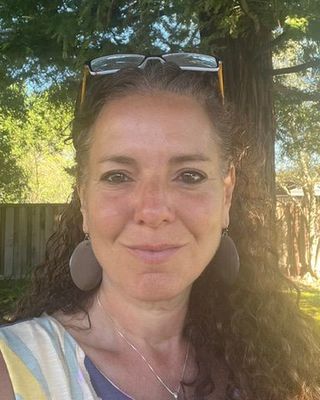
A women's therapeutic process circle is forming in Sonoma, CA, early 2026. The group will invite individual and group based explorations and engagement in psychotherapeutic healing practices inspired by Gestalt and mindfulness based approaches. Let me know if you are interested.
This virtual support group offers a compassionate space for Asian American Pacific Islander, (AAPI) caregivers to connect, share, and heal. Whether you’re caring for aging parents, a spouse, children with medical conditions, or other loved ones, this group provides understanding for the emotional and cultural complexities. Caregiving can be isolating, especially when balancing family expectations, cultural values, and your own well-being. Together, we’ll explore topics such as worries about loved ones, barriers to services, long-term planning, self-care and burnout, and anticipatory grief. Learn practical tools, build resilience, and find community with others who understand.

This virtual support group offers a compassionate space for Asian American Pacific Islander, (AAPI) caregivers to connect, share, and heal. Whether you’re caring for aging parents, a spouse, children with medical conditions, or other loved ones, this group provides understanding for the emotional and cultural complexities. Caregiving can be isolating, especially when balancing family expectations, cultural values, and your own well-being. Together, we’ll explore topics such as worries about loved ones, barriers to services, long-term planning, self-care and burnout, and anticipatory grief. Learn practical tools, build resilience, and find community with others who understand.
More Groups Nearby
This highly successful group provides the rare opportunity for men to meet together in a safe, supportive and challenging environment and explore a wide range of issues that are effecting their personal lives, their careers, and relationships. Since 1993 the group has helped many men be more successful in their careers, to navigate difficult life changes, to re-invigorate their personal relationships, and to work through issues regarding the complexities of their roles as men in our society and in their relationships with other men.

This highly successful group provides the rare opportunity for men to meet together in a safe, supportive and challenging environment and explore a wide range of issues that are effecting their personal lives, their careers, and relationships. Since 1993 the group has helped many men be more successful in their careers, to navigate difficult life changes, to re-invigorate their personal relationships, and to work through issues regarding the complexities of their roles as men in our society and in their relationships with other men.
Learn new and effective ways to communicate while engaging in relationship strengthening activities.

Learn new and effective ways to communicate while engaging in relationship strengthening activities.
The Anxiety Group provides a supportive space to learn coping strategies, build self-awareness, and reduce anxiety. Members explore the thoughts and behaviors that fuel anxiety while practicing communication and relationship skills. The group encourages goal setting, personal growth, and the development of effective life tools. Through connection and shared experiences, participants gain confidence, improve daily functioning, and take meaningful steps toward long-term emotional well-being.

The Anxiety Group provides a supportive space to learn coping strategies, build self-awareness, and reduce anxiety. Members explore the thoughts and behaviors that fuel anxiety while practicing communication and relationship skills. The group encourages goal setting, personal growth, and the development of effective life tools. Through connection and shared experiences, participants gain confidence, improve daily functioning, and take meaningful steps toward long-term emotional well-being.
Groups for Mental Health Professionals and Trainees. Groups meet weekly, online: Tuesday morning, Wednesday afternoon, Thursday morning, and Thursday afternoon These groups are intended to promote a richer understanding of oneself through the perceptions of other members; greater awareness of one's impact on others in both personal and professional relationships; deeper insight into one's own psychological needs and defenses; increased ability to utilize countertransference reactions for therapeutic purposes; exploration and working through of trauma and other longstanding emotional conflicts; and professional growth and identity.

Groups for Mental Health Professionals and Trainees. Groups meet weekly, online: Tuesday morning, Wednesday afternoon, Thursday morning, and Thursday afternoon These groups are intended to promote a richer understanding of oneself through the perceptions of other members; greater awareness of one's impact on others in both personal and professional relationships; deeper insight into one's own psychological needs and defenses; increased ability to utilize countertransference reactions for therapeutic purposes; exploration and working through of trauma and other longstanding emotional conflicts; and professional growth and identity.
At Ebb and Flow Family Counseling, I provide compassionate therapy for individuals, couples, and families seeking support with anxiety, ADHD, depression, relationship challenges, parenting struggles, grief, and major life transitions. I specialize in helping clients improve emotional regulation, communication, self-understanding, and relationships through personalized treatment. My approach integrates evidence-based therapies including Cognitive Behavioral Therapy (CBT), Dialectical Behavior Therapy (DBT), attachment-based therapy, and family systems therapy. I offer a safe space where clients can explore challenges, develop coping skills, and create meaningful change. Whether you need anxiety therapy, couples counseling, or family support, I am here to help.

Hosted by Ebb and Flow Family Counseling
Marriage & Family Therapist, MA, LMFT, LPCC
Group meets in Martinez, CA 94553
At Ebb and Flow Family Counseling, I provide compassionate therapy for individuals, couples, and families seeking support with anxiety, ADHD, depression, relationship challenges, parenting struggles, grief, and major life transitions. I specialize in helping clients improve emotional regulation, communication, self-understanding, and relationships through personalized treatment. My approach integrates evidence-based therapies including Cognitive Behavioral Therapy (CBT), Dialectical Behavior Therapy (DBT), attachment-based therapy, and family systems therapy. I offer a safe space where clients can explore challenges, develop coping skills, and create meaningful change. Whether you need anxiety therapy, couples counseling, or family support, I am here to help.
Process/Educational group focused on sobriety and early recovery from sex and porn addiction.
Hosted by Willow Tree | Sex Addiction & Betrayal Trauma
Treatment Center, CSAT, CCPS, CPTT
Group meets in Santa Rosa, CA 95404
Process/Educational group focused on sobriety and early recovery from sex and porn addiction.
This group focuses on basic Dialectical Behavioral tenants. Many people in active addiction use substances to change the way they feel. Experiencing emotions in sobriety can present new challenges. The aim for this coaching group is to help its members learn and practice new strategies to regulate their emotions without the use of substances.

Hosted by Alana Van Zanten
Marriage & Family Therapist, MA, LPCC, LAADC-S, ACRPS
Group meets in Mill Valley, CA 94941
This group focuses on basic Dialectical Behavioral tenants. Many people in active addiction use substances to change the way they feel. Experiencing emotions in sobriety can present new challenges. The aim for this coaching group is to help its members learn and practice new strategies to regulate their emotions without the use of substances.
CASE CONSULTATION GROUP FOR THERAPISTS- PSYCHODYNAMIC, DEPTH ORIENTED- BOTH CHILD AND ADULT CASES WELCOME. Each week a group member presents a case for discussion. 6 members.

CASE CONSULTATION GROUP FOR THERAPISTS- PSYCHODYNAMIC, DEPTH ORIENTED- BOTH CHILD AND ADULT CASES WELCOME. Each week a group member presents a case for discussion. 6 members.
Stress resilience for people in this time of high anxiety and depression about COVID 19. Intensive 4 week support group offered on Wednesdays, 12:30 pm till 2:00 pm. Cost is $150.00 per 4 week session. This 28 day program includes effective approaches to increase your resilience to cope with your anxious and depressed responses to the stressors in your life. Learn new recipes for positive ways to feel better about yourself as you manage your stress. Group co-leaders: Bano Cummings, LMFT and Nancy Mena-Bell, LMFT. Please call Bano Cummings, LMFT.

Stress resilience for people in this time of high anxiety and depression about COVID 19. Intensive 4 week support group offered on Wednesdays, 12:30 pm till 2:00 pm. Cost is $150.00 per 4 week session. This 28 day program includes effective approaches to increase your resilience to cope with your anxious and depressed responses to the stressors in your life. Learn new recipes for positive ways to feel better about yourself as you manage your stress. Group co-leaders: Bano Cummings, LMFT and Nancy Mena-Bell, LMFT. Please call Bano Cummings, LMFT.
This group is fun and relaxing for both parent and baby. Come and connect with other parents. This Infant Massage Communication class is 90 mins long and is designed for infants 2 weeks to 8 months. You will learn to respond to your baby's specific non verbal cues with techniques for stimulation and playfulness as well as quiet time holding. The small class size allows for individual attention. Participants will learn a full baby massage with techniques specifically addressing: gas and colic; colds and congestion; healthy sleep patterns; and playful stretches which encourage healthy physical and emotional development.

This group is fun and relaxing for both parent and baby. Come and connect with other parents. This Infant Massage Communication class is 90 mins long and is designed for infants 2 weeks to 8 months. You will learn to respond to your baby's specific non verbal cues with techniques for stimulation and playfulness as well as quiet time holding. The small class size allows for individual attention. Participants will learn a full baby massage with techniques specifically addressing: gas and colic; colds and congestion; healthy sleep patterns; and playful stretches which encourage healthy physical and emotional development.
Learn Anger Management & Stress Management techniques to help reduce angry outburts that hurt the important relationships in your life.
www.SecondNatureBHS.com for more information on Anger Management Classes
Hosted by Maria A Garay
Marriage & Family Therapist, MA, LMFT, CAMF
Group meets in Richmond, CA 94805
Learn Anger Management & Stress Management techniques to help reduce angry outburts that hurt the important relationships in your life.
www.SecondNatureBHS.com for more information on Anger Management Classes
Reclaiming the Body: Menopause, Identity & Healing Through Altered Books: A 6 Week Art Therapy Support Group in Sebastopol, CA. Menopause is a time of change, but it can also be a time of growth. This art therapy group offers a supportive space to create, connect, and explore body acceptance through creative expression. Discover new ways to build self compassion, embrace your changing body, and celebrate the wisdom and resilience within you. All art supplies are included. No artistic experience is necessary. 6 Saturdays - September 12, September 19, October 3, October 10, October 24, November 7

Hosted by Victoria Dobbins
Marriage & Family Therapist, PhD, LMFT, ATR-BC
Group meets in Sebastopol, CA 95472
Reclaiming the Body: Menopause, Identity & Healing Through Altered Books: A 6 Week Art Therapy Support Group in Sebastopol, CA. Menopause is a time of change, but it can also be a time of growth. This art therapy group offers a supportive space to create, connect, and explore body acceptance through creative expression. Discover new ways to build self compassion, embrace your changing body, and celebrate the wisdom and resilience within you. All art supplies are included. No artistic experience is necessary. 6 Saturdays - September 12, September 19, October 3, October 10, October 24, November 7
4-6 week experiential art therapy group including various methods for self discovery and stress relief. Each week will be a different example of an expressive arts medium. This group is not intended to be for high risk clients. The goal is to inspire creativity, enhance communication skills, spread joy in a safe therapeutic environment,

Hosted by Dr. Lisa Hirsch
Licensed Professional Clinical Counselor, MC, EdD, LPCC
Group meets in Petaluma, CA 94952
4-6 week experiential art therapy group including various methods for self discovery and stress relief. Each week will be a different example of an expressive arts medium. This group is not intended to be for high risk clients. The goal is to inspire creativity, enhance communication skills, spread joy in a safe therapeutic environment,
Stress resilience for people in this time of high anxiety and depression about COVID19. Intensive 4 weeks support group offered on Wednesdays, 12:30 pm till 2:00 pm. Cost is $150.00. This 28 day program includes effective approaches to increase your resilience to cope with your anxious and depressed responses to the stressors in your life. Learn new recipes for positive ways to feel better as you manage your stress. Group co-leaders: Nancy Mena-Bell, LMFT and Bano Cummings, LMFT. Please call Nancy Mena-Bell, LMFT

Stress resilience for people in this time of high anxiety and depression about COVID19. Intensive 4 weeks support group offered on Wednesdays, 12:30 pm till 2:00 pm. Cost is $150.00. This 28 day program includes effective approaches to increase your resilience to cope with your anxious and depressed responses to the stressors in your life. Learn new recipes for positive ways to feel better as you manage your stress. Group co-leaders: Nancy Mena-Bell, LMFT and Bano Cummings, LMFT. Please call Nancy Mena-Bell, LMFT
Do you feel stuck in your personal relationships but don’t understand why? Are you curious about how others experience you? Are you lonely, self-critical, afraid to be vulnerable? A process group may be just the thing for you. In group we build trust and safety to practice social interactions. We share life's joys and sorrows. We work together to explore what comes up about ourselves and each other. Join us and you can bring what you learn back to your relationships, your family, your work.

Do you feel stuck in your personal relationships but don’t understand why? Are you curious about how others experience you? Are you lonely, self-critical, afraid to be vulnerable? A process group may be just the thing for you. In group we build trust and safety to practice social interactions. We share life's joys and sorrows. We work together to explore what comes up about ourselves and each other. Join us and you can bring what you learn back to your relationships, your family, your work.
One spot open in the Fall ‘26 Circle! Visit wiselifetherapy.com/writing-circle for info or reach out to me. We’re a warm and welcoming community of women who join together every other week to pause and practice reflective writing together. This journaling process enhances self-care, self-compassion, and personal growth, with additional mental health benefits. You'll be in the circle with about 8 other women, meeting every other week over a period of 4 months. Soulful journaling holds space for you to show up just as you are. You needn't be a writer to participate.

One spot open in the Fall ‘26 Circle! Visit wiselifetherapy.com/writing-circle for info or reach out to me. We’re a warm and welcoming community of women who join together every other week to pause and practice reflective writing together. This journaling process enhances self-care, self-compassion, and personal growth, with additional mental health benefits. You'll be in the circle with about 8 other women, meeting every other week over a period of 4 months. Soulful journaling holds space for you to show up just as you are. You needn't be a writer to participate.
See more therapy options for Sonoma


FAQs - About Group Therapy and Support Groups
How can I find a support group in Sonoma?
To find a support group in your area, start by entering your city, zip code, or the name of the group into the search bar at the top of the page. When searching, consider whether you prefer an in-person or virtual group. This can help you decide how broad your geographic search should be. If you are open to virtual groups, you might want to search by state instead of just your city, especially if there are limited options nearby.
Once you complete your search, you can use the filters to narrow the results by selecting specialties (such as grief, trauma, or eating disorders), therapeutic approaches, age groups, and other criteria to find a group that best fits your needs.
Once you complete your search, you can use the filters to narrow the results by selecting specialties (such as grief, trauma, or eating disorders), therapeutic approaches, age groups, and other criteria to find a group that best fits your needs.
How does group therapy work?
Group therapy is led by one or more trained therapists and provides a space where participants can process their experiences and learn from others facing similar challenges. Groups may focus on a specific issue—such as addiction, grief, physical illnesses, parenting, or caregiving—or they may center around a particular therapeutic approach, such as Cognitive Behavioral Therapy (CBT), social skill development, or Exposure Therapy. Some groups are also designed for specific populations, such as teens, veterans, or LGBTQ+ individuals.
It’s also important to distinguish group therapy from peer-led support groups, like Alcoholics Anonymous. While both can offer valuable support, therapy groups are typically led by licensed professionals and follow a more structured format. Therapy groups often meet for a fixed length of time with a consistent group of members, while many peer support groups meet for an indefinite period of time with members coming and going.
It’s also important to distinguish group therapy from peer-led support groups, like Alcoholics Anonymous. While both can offer valuable support, therapy groups are typically led by licensed professionals and follow a more structured format. Therapy groups often meet for a fixed length of time with a consistent group of members, while many peer support groups meet for an indefinite period of time with members coming and going.
What are the benefits of group therapy?
Group therapy offers several important benefits. It brings together people facing similar challenges—whether related to mental health, physical health, or life transitions—and creates a supportive environment where participants can exchange feedback, share experiences, and learn from one another. Hearing different perspectives can help individuals discover new coping strategies and practical tools they may not have encountered on their own. Sharing personal experiences, such as coping with a serious illness or navigating family struggles, can also reduce feelings of isolation and foster a sense of connection and understanding. In addition to emotional support, group members often gain useful, real-world advice from peers who have faced similar situations.
Group therapy is typically more affordable than individual therapy and, for certain conditions, can be equally effective. Many groups also include structured activities—such as guided journaling, cognitive-behavioral exercises, or role-playing—to help participants develop concrete skills they can apply in daily life.
Group therapy is typically more affordable than individual therapy and, for certain conditions, can be equally effective. Many groups also include structured activities—such as guided journaling, cognitive-behavioral exercises, or role-playing—to help participants develop concrete skills they can apply in daily life.
Is group therapy as effective as individual therapy?
It is difficult to make a blanket statement about the effectiveness of support groups, as they vary widely in focus and the conditions they address. However, support groups can be highly valuable in helping individuals gain emotional support and achieve meaningful treatment outcomes. For certain conditions, such as substance use, research has shown that group therapy can be particularly effective—sometimes just as effective as individual therapy—in supporting long-term recovery.
Many professionals attribute the effectiveness of group therapy to the unique benefits of the group setting, which fosters peer-to-peer learning and a sense of connection through shared experiences. Group settings also offer accountability and encouragement from both facilitators and fellow participants, which helps sustain motivation and supports continued progress. These factors together play a key role in promoting the overall effectiveness of group therapy.
Many professionals attribute the effectiveness of group therapy to the unique benefits of the group setting, which fosters peer-to-peer learning and a sense of connection through shared experiences. Group settings also offer accountability and encouragement from both facilitators and fellow participants, which helps sustain motivation and supports continued progress. These factors together play a key role in promoting the overall effectiveness of group therapy.
How much does group therapy cost?
Group therapy is typically less expensive than individual therapy, with sessions typically costing between $50 and $75 each. In comparison, individual therapy can cost anywhere from $100 to $200 or more per session, even with insurance. Some therapists or organizations offer low-cost or free group therapy options, particularly through community centers or nonprofit organizations. In some cases, groups may require payment upfront for a set number of sessions, such as paying for six weekly sessions at the first meeting. However, many providers offer payment plans to help make participation more accessible if this upfront payment is required.
Does insurance cover group therapy?
As with individual therapy, insurance coverage for group therapy varies based on factors such as your specific insurance plan, the purpose of the group, your diagnosis, and whether the group provider is in-network. Many insurance plans cover group therapy sessions that address diagnosable mental health conditions, such as substance use disorders, anxiety, or depression.
However, groups that focus on topics not directly tied to a mental health diagnosis—such as parenting support or divorce recovery—are less likely to be covered. Because coverage can vary widely, it’s important to check with your insurance provider before joining a group to confirm whether the sessions will be covered and what out-of-pocket costs you may be responsible for.
However, groups that focus on topics not directly tied to a mental health diagnosis—such as parenting support or divorce recovery—are less likely to be covered. Because coverage can vary widely, it’s important to check with your insurance provider before joining a group to confirm whether the sessions will be covered and what out-of-pocket costs you may be responsible for.
How long does group therapy last?
The length of each group therapy session typically ranges from 45 minutes to two hours, depending on the therapy approach, the group’s goals, and how often the group meets. In some cases, group therapy is part of a larger treatment program, such as an Intensive Outpatient Program (IOP), where group sessions complement individual therapy and are scheduled as part of the program’s overall structure.
The duration of participation in a group also varies. Some groups are designed to be short-term, lasting anywhere from 6 to 24 weeks—for example, bereavement groups or skills-based groups like those using Dialectical Behavioral Therapy (DBT). Other groups may be longer-term, lasting a year or more, and some ongoing support groups meet indefinitely, allowing participants to stay as long as they find the group helpful.
The duration of participation in a group also varies. Some groups are designed to be short-term, lasting anywhere from 6 to 24 weeks—for example, bereavement groups or skills-based groups like those using Dialectical Behavioral Therapy (DBT). Other groups may be longer-term, lasting a year or more, and some ongoing support groups meet indefinitely, allowing participants to stay as long as they find the group helpful.
What are the limitations of support groups?
Support groups offer many benefits, but they also have certain limitations. Unlike therapy groups, many support groups do not provide formal therapeutic treatment and are not led by licensed mental health professionals. For individuals seeking clinical treatment for specific mental health diagnoses—such as depression, eating disorders, or substance use—individual therapy or group therapy led by a licensed professional may offer more personalized and specialized care.
The effectiveness of a support group also depends heavily on the group’s participants and the overall group dynamic. When members engage respectfully and offer constructive support, the group can foster valuable peer-to-peer learning. However, if certain participants dominate discussions, provide inaccurate advice, or create conflict, it can disrupt the group’s sense of safety and reduce its effectiveness. Confidentiality can also be harder to maintain in support groups, particularly in open groups where participants can join or leave at any time. With new members regularly entering the group, it can be more difficult to build and sustain a consistent sense of trust and privacy.
The effectiveness of a support group also depends heavily on the group’s participants and the overall group dynamic. When members engage respectfully and offer constructive support, the group can foster valuable peer-to-peer learning. However, if certain participants dominate discussions, provide inaccurate advice, or create conflict, it can disrupt the group’s sense of safety and reduce its effectiveness. Confidentiality can also be harder to maintain in support groups, particularly in open groups where participants can join or leave at any time. With new members regularly entering the group, it can be more difficult to build and sustain a consistent sense of trust and privacy.