Support Groups in San Marcos, CA
This neurodivergent-affirming therapy group is a supportive space for children and teens who identify as autistic, ADHD, or neurodivergent in other ways to feel understood, accepted, and empowered. Group members will build social-emotional skills, strengthen self-esteem, and develop healthy coping strategies through interactive activities, mindfulness practices, and collaborative discussions. The group emphasizes strengths-based growth, emotional regulation, and authentic self-expression while fostering meaningful peer connections in a safe, welcoming environment. Participants will learn tools to manage stress, navigate relationships, and build confidence at school and home — all while being celebrated for who they are.

Hosted by Integrative Mental Health: Accepting New Clients
Marriage & Family Therapist Associate, AMFT
Group meets in San Marcos, CA 92069
This neurodivergent-affirming therapy group is a supportive space for children and teens who identify as autistic, ADHD, or neurodivergent in other ways to feel understood, accepted, and empowered. Group members will build social-emotional skills, strengthen self-esteem, and develop healthy coping strategies through interactive activities, mindfulness practices, and collaborative discussions. The group emphasizes strengths-based growth, emotional regulation, and authentic self-expression while fostering meaningful peer connections in a safe, welcoming environment. Participants will learn tools to manage stress, navigate relationships, and build confidence at school and home — all while being celebrated for who they are.
Do you know a struggling teen? Our online therapy group is available to teens anywhere in California. Led by Tiffany Mead, AMFT, (supervised by Cory Anderson, LMFT) the group will teach your teen how to recognize and overcome depression using CBT, mindfulness, and other types of therapy. They will also form deep relationships with other teens facing the same issues, so they will stop feeling alone and find hope and meaning even when life is hard. Tiffany has a strong background in leading CBT groups. Spots are limited. Call (619) 378-3988 to sign up.

Hosted by Integrity Counseling Group
Marriage & Family Therapist, LMFT, CSAT, CMAT
Group meets in San Marcos, CA 92078
Do you know a struggling teen? Our online therapy group is available to teens anywhere in California. Led by Tiffany Mead, AMFT, (supervised by Cory Anderson, LMFT) the group will teach your teen how to recognize and overcome depression using CBT, mindfulness, and other types of therapy. They will also form deep relationships with other teens facing the same issues, so they will stop feeling alone and find hope and meaning even when life is hard. Tiffany has a strong background in leading CBT groups. Spots are limited. Call (619) 378-3988 to sign up.
Men are often told “don’t ask for help” or “don’t feel,” leaving many disconnected—from themselves & others—and unsure how to reach out. This online interpersonal process group helps men build genuine brotherhood: to be seen, heard, & supported while exploring relationships, stress, life transitions, & mental health. Together we examine what keeps us silent or withdrawn & learn to express emotions safely, practice assertiveness, & relate with honesty. Real conversation, mutual respect, & emotional safety. Pre-screening required.

Hosted by Suddenly Normal Psychotherapy, Inc.
Marriage & Family Therapist, PhD, LMFT
Group meets in San Marcos, CA 92078
Men are often told “don’t ask for help” or “don’t feel,” leaving many disconnected—from themselves & others—and unsure how to reach out. This online interpersonal process group helps men build genuine brotherhood: to be seen, heard, & supported while exploring relationships, stress, life transitions, & mental health. Together we examine what keeps us silent or withdrawn & learn to express emotions safely, practice assertiveness, & relate with honesty. Real conversation, mutual respect, & emotional safety. Pre-screening required.
This group is designed specifically for men ages 20–24 who are facing the unique challenges of early adulthood. This interactive, open-format group that encourages members to bring real-life challenges and concerns for discussion. Participants will have the opportunity to receive support, feedback, perspective, and problem-solving from both the facilitator and fellow group members. Through shared experiences and honest conversations, members can gain valuable insights, develop new skills, and realize they are not alone in what they are facing. You don't have to have everything figured out to belong here.

Hosted by Therapeutic and Wellness Solution Center
Marriage & Family Therapist, PhD, LMFT, AMFT, CST
Group meets in San Marcos, CA 92069
This group is designed specifically for men ages 20–24 who are facing the unique challenges of early adulthood. This interactive, open-format group that encourages members to bring real-life challenges and concerns for discussion. Participants will have the opportunity to receive support, feedback, perspective, and problem-solving from both the facilitator and fellow group members. Through shared experiences and honest conversations, members can gain valuable insights, develop new skills, and realize they are not alone in what they are facing. You don't have to have everything figured out to belong here.
A Integrity Counseling Group, we are a team of compassionate, skilled therapists dedicated to walking alongside individuals, couples, and families through life’s most challenging seasons. Our group offers a variety of specialties and approaches to support clients in their healing journey — whether navigating trauma, relationship struggles, anxiety, or major life transitions. Our clinicians offer both in-person and online therapy. Our team brings a wide range of modalities, including EMDR, somatic work, emotionally focused therapy (EFT), cognitive-behavioral therapy (CBT), and trauma-informed approaches. Some of our therapists also integrate faith-based counseling, when desired.
Hosted by Integrity Counseling Group
Marriage & Family Therapist, LMFT, CSAT, CMAT
Group meets in San Marcos, CA 92078
A Integrity Counseling Group, we are a team of compassionate, skilled therapists dedicated to walking alongside individuals, couples, and families through life’s most challenging seasons. Our group offers a variety of specialties and approaches to support clients in their healing journey — whether navigating trauma, relationship struggles, anxiety, or major life transitions. Our clinicians offer both in-person and online therapy. Our team brings a wide range of modalities, including EMDR, somatic work, emotionally focused therapy (EFT), cognitive-behavioral therapy (CBT), and trauma-informed approaches. Some of our therapists also integrate faith-based counseling, when desired.
You’re constantly ruminating and can’t stop the bombardment of thoughts and images. You’re experiencing waves of resentment, anger, and fear. You were told you were ‘crazy’ and have been told to ‘move on and get over it’. You desire to re-build trust but feel overwhelmed, lost, angry, and a profound sense of betrayal. You’ve expressed your desires and identified boundaries but struggle to overcome fear of leaving. This virtual group is designed for female partners who have been betrayed through infidelity. by affairs and/or sex addicts. Females - ages 30+.

Hosted by Hamsa Healing Space
Licensed Professional Clinical Counselor, MS, CRC, LPCC, LMHC, LPC
Group meets in San Marcos, CA 92069
You’re constantly ruminating and can’t stop the bombardment of thoughts and images. You’re experiencing waves of resentment, anger, and fear. You were told you were ‘crazy’ and have been told to ‘move on and get over it’. You desire to re-build trust but feel overwhelmed, lost, angry, and a profound sense of betrayal. You’ve expressed your desires and identified boundaries but struggle to overcome fear of leaving. This virtual group is designed for female partners who have been betrayed through infidelity. by affairs and/or sex addicts. Females - ages 30+.
Private, fully furnished office suites available—ideal for therapists and professionals seeking a polished, flexible workspace without long-term leases. Enjoy soundproof rooms, high-speed Wi-Fi, utilities, and free parking in a calm, professional setting. Optional access to our brand and referral network available. Pricing: $1,000–$2,000/month (depending on package). Designed for independence—no supervision, no pressure—just a supportive environment to run your practice your way. ? admin@mindbodyology.org | ? (833) 444-MIND

Hosted by Integrative Mental Health & Wellness
Marriage & Family Therapist, MA, LMFT
Group meets in San Marcos, CA 92069
Private, fully furnished office suites available—ideal for therapists and professionals seeking a polished, flexible workspace without long-term leases. Enjoy soundproof rooms, high-speed Wi-Fi, utilities, and free parking in a calm, professional setting. Optional access to our brand and referral network available. Pricing: $1,000–$2,000/month (depending on package). Designed for independence—no supervision, no pressure—just a supportive environment to run your practice your way. ? admin@mindbodyology.org | ? (833) 444-MIND
This group consists of females who are ready to process unresolved emotional pain associated with sexual trauma. This support group is designed for female survivors of sexual trauma (Childhood and/or as an Adult). Participants will be led through a series of focused topics, in which target the development of coping skills by examining how to navigate: consent and autonomy, sex and intimacy after trauma, and an establishment with the body connection. Group members will learn skills to help advocate for needs and develop self-soothing interventions for continued healing after trauma. This virtual group meets once per week
Hosted by Hamsa Healing Space
Licensed Professional Clinical Counselor, MS, CRC, LPCC, LMHC, LPC
Group meets in San Marcos, CA 92069
This group consists of females who are ready to process unresolved emotional pain associated with sexual trauma. This support group is designed for female survivors of sexual trauma (Childhood and/or as an Adult). Participants will be led through a series of focused topics, in which target the development of coping skills by examining how to navigate: consent and autonomy, sex and intimacy after trauma, and an establishment with the body connection. Group members will learn skills to help advocate for needs and develop self-soothing interventions for continued healing after trauma. This virtual group meets once per week
More Groups Nearby
At Personal Evolution Psychotherapy (PEP), we offer DBT Skills Groups designed to help you manage emotions, reduce stress, and improve relationships. You will learn about: - Mindfulness: Staying present and managing daily emotions. - Distress Tolerance: Coping with stress without increasing distress or causing harm. - Interpersonal Effectiveness: Improving communication, setting boundaries, and advocating for yourself. - Emotional Regulation: Gaining control over your emotions, changing emotion-driven thinking, and problem-solving effectively. Using these skills can improve every aspect of your life. Call or email PEP today for more information! Phone:

Hosted by Personal Evolution Psychotherapy
Clinical Social Work/Therapist, LCSW, PhD, LMFT
Group meets in San Diego, CA 92108
At Personal Evolution Psychotherapy (PEP), we offer DBT Skills Groups designed to help you manage emotions, reduce stress, and improve relationships. You will learn about: - Mindfulness: Staying present and managing daily emotions. - Distress Tolerance: Coping with stress without increasing distress or causing harm. - Interpersonal Effectiveness: Improving communication, setting boundaries, and advocating for yourself. - Emotional Regulation: Gaining control over your emotions, changing emotion-driven thinking, and problem-solving effectively. Using these skills can improve every aspect of your life. Call or email PEP today for more information! Phone:
Weekly intensive group therapy focused on living with sexual integrity. Each session is 50 minutes and is conducted via Zoom. Topics discussed include infidelity, porn/lust, risky sexual behaviors, and other unwanted behaviors. This is a safe space for men to take off their “mask,” practice honesty/vulnerability, develop an accountability network, and learn from others on the same journey. During the sessions, we share our struggles and successes. We develop solutions for difficult situations. We delve deeper into the underlying issues that hinder growth. We study books and selected readings to gain greater understanding.
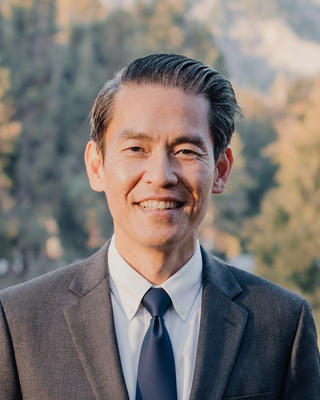
Hosted by Men's Issues - Dr. Dean
Psychologist, PsyD, QME, Author
Group meets in Oceanside, CA 92054
Weekly intensive group therapy focused on living with sexual integrity. Each session is 50 minutes and is conducted via Zoom. Topics discussed include infidelity, porn/lust, risky sexual behaviors, and other unwanted behaviors. This is a safe space for men to take off their “mask,” practice honesty/vulnerability, develop an accountability network, and learn from others on the same journey. During the sessions, we share our struggles and successes. We develop solutions for difficult situations. We delve deeper into the underlying issues that hinder growth. We study books and selected readings to gain greater understanding.
In this group, you will find support and understanding while learning about how sexually compulsive behaviors affect you emotionally, physically and relationally. Expert group facilitation will help you heal and make critical decisions about yourself in a non-judgmental atmosphere. This group is available to residents of Texas and California, is on Weds. at 4:00 pm PST/6:00 pm Central Time. This group is for adult males and is 90 minutes. To find out more about joining, please contact Dr. Dye today.

In this group, you will find support and understanding while learning about how sexually compulsive behaviors affect you emotionally, physically and relationally. Expert group facilitation will help you heal and make critical decisions about yourself in a non-judgmental atmosphere. This group is available to residents of Texas and California, is on Weds. at 4:00 pm PST/6:00 pm Central Time. This group is for adult males and is 90 minutes. To find out more about joining, please contact Dr. Dye today.
PTSD is one of the most debilitating injuries to suffer from. It affects all areas of your life regardless of how you sustained the injury (e.g., sexual assault, physical assault, cumulative traumas, acute trauma, chronic, or complex, single incident, learning about a sudden and violent incident to a family member or friend, etc.). The devastation of such an injury is overwhelming and it is destructive to all areas of the person's life. This group will help you retake your life and grow from PTSD instead of being hindered by PTSD.

PTSD is one of the most debilitating injuries to suffer from. It affects all areas of your life regardless of how you sustained the injury (e.g., sexual assault, physical assault, cumulative traumas, acute trauma, chronic, or complex, single incident, learning about a sudden and violent incident to a family member or friend, etc.). The devastation of such an injury is overwhelming and it is destructive to all areas of the person's life. This group will help you retake your life and grow from PTSD instead of being hindered by PTSD.
Mental Health First Aid is a national, evidence-based course that teaches people to recognize the signs of a mental health or substance use challenge and connect someone to help. Participants complete online self-study, then join a live virtual session with Dr. Alexis, a certified MHFA instructor. The course covers the five-step action plan, how to start the conversation, and where to refer. Participants leave with practical language for crisis and everyday moments. Educational training and certification, not therapy. Dr. Alexis is not a licensed psychologist or therapist and does not diagnose or treat anything.

Mental Health First Aid is a national, evidence-based course that teaches people to recognize the signs of a mental health or substance use challenge and connect someone to help. Participants complete online self-study, then join a live virtual session with Dr. Alexis, a certified MHFA instructor. The course covers the five-step action plan, how to start the conversation, and where to refer. Participants leave with practical language for crisis and everyday moments. Educational training and certification, not therapy. Dr. Alexis is not a licensed psychologist or therapist and does not diagnose or treat anything.
Grief is the natural reaction to loss. Grief is both a universal and a personal experience. This is a support group for those who have experienced personal losses. Participants will explore, within a trusting and nurturing environment, their reactions to loss, learn about the grieving process, develop strategies for coping and begin to integrate this change into their lives in order to move forward. We will explore topics such as the stages of grief, common grief reactions, myths about grieving and moving forward.

Grief is the natural reaction to loss. Grief is both a universal and a personal experience. This is a support group for those who have experienced personal losses. Participants will explore, within a trusting and nurturing environment, their reactions to loss, learn about the grieving process, develop strategies for coping and begin to integrate this change into their lives in order to move forward. We will explore topics such as the stages of grief, common grief reactions, myths about grieving and moving forward.
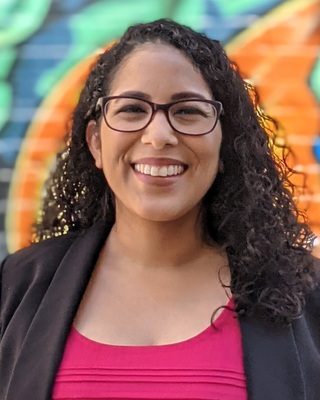
Heroes Within: A Geek Community Educational Group is open for registration! Open to adults ages 18-24. This six-week group runs from June 30th to August 4th will be held via Zoom and is open to those in California. Weekly topics include: 1) What's your poison? 2) Inner heroes, 3) The Dark Side, 4) Antiheroes, 5) Breaking the Fourth Wall, 6) The Journey of Finding Community. Interested in this group for a different age range or a different date? Contact me to be added to the interest list.
Heroes Within: A Geek Community Educational Group is open for registration! Open to adults ages 18-24. This six-week group runs from June 30th to August 4th will be held via Zoom and is open to those in California. Weekly topics include: 1) What's your poison? 2) Inner heroes, 3) The Dark Side, 4) Antiheroes, 5) Breaking the Fourth Wall, 6) The Journey of Finding Community. Interested in this group for a different age range or a different date? Contact me to be added to the interest list.
In this 6-group series, parents will learn and practice skills to effectively and compassionately support their child during recovery. Parents will get the benefit of participating in an online community of other parents with similar struggles for support. If you are interested in participating in this virtual group, or would like to find out more, please reply to this email. *To learn more about group leaders, visit us at https://brightmindtherapy.com/about/

In this 6-group series, parents will learn and practice skills to effectively and compassionately support their child during recovery. Parents will get the benefit of participating in an online community of other parents with similar struggles for support. If you are interested in participating in this virtual group, or would like to find out more, please reply to this email. *To learn more about group leaders, visit us at https://brightmindtherapy.com/about/
Are you a victim of coercive control from a high-demand/high-control group? This is sometimes referred to as a 'cult'. Recovering from trauma with these types of individuals is unique and requires an understanding of coercion and cults beyond traditional therapy. This group is to help people process their trauma, grief, fears, worries, and experiences in the 'outside' world as they recover. They learn that they are not alone in their experiences and begin to create trust in society again through the mutual bonds between participants.
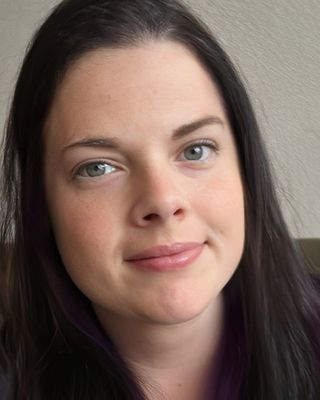
Hosted by Dr. Tabitha M Chapman
Marriage & Family Therapist Associate, PhD, MA, AMFT, CDVA
Group meets in Murrieta, CA 92562
Are you a victim of coercive control from a high-demand/high-control group? This is sometimes referred to as a 'cult'. Recovering from trauma with these types of individuals is unique and requires an understanding of coercion and cults beyond traditional therapy. This group is to help people process their trauma, grief, fears, worries, and experiences in the 'outside' world as they recover. They learn that they are not alone in their experiences and begin to create trust in society again through the mutual bonds between participants.
Weekly professionally facilitated outpatient group psychotherapy is an essential aspect of treatment and healing for men with Out of Control Sexual Behavior. A central skill for sexual health and Out of Control Sexual Behavior recovery is to regain control of sexual behavior, strengthen relationships and confidently learn and maintain a personal vision of sexual health. Group assessment prior to selection for group membership is required. All group members must attend individual therapy with a therapist of their choice throughout group membership. Group size maximum 8 members.

Hosted by Douglas Braun-Harvey
Marriage & Family Therapist, MFT, CST, CST-S
Group meets in San Diego, CA 92108
Weekly professionally facilitated outpatient group psychotherapy is an essential aspect of treatment and healing for men with Out of Control Sexual Behavior. A central skill for sexual health and Out of Control Sexual Behavior recovery is to regain control of sexual behavior, strengthen relationships and confidently learn and maintain a personal vision of sexual health. Group assessment prior to selection for group membership is required. All group members must attend individual therapy with a therapist of their choice throughout group membership. Group size maximum 8 members.
This virtual parent coaching group is designed to help you handle everyday parenting challenges with more clarity, confidence, and consistency. Focused on practical skills rather than therapy, the group offers tools for setting effective boundaries, reducing power struggles, and improving communication with your child or teen. You will learn how to stay regulated in high-stress moments, respond instead of react, and build stronger connection while maintaining structure. Sessions are interactive, skills-based, and grounded in evidence-informed coaching strategies. The goal is simple: a calmer home, more effective parenting, and greater confidence.

Hosted by Laura Muensterer
Licensed Professional Clinical Counselor, LPCC
Group meets in San Diego, CA 92108
This virtual parent coaching group is designed to help you handle everyday parenting challenges with more clarity, confidence, and consistency. Focused on practical skills rather than therapy, the group offers tools for setting effective boundaries, reducing power struggles, and improving communication with your child or teen. You will learn how to stay regulated in high-stress moments, respond instead of react, and build stronger connection while maintaining structure. Sessions are interactive, skills-based, and grounded in evidence-informed coaching strategies. The goal is simple: a calmer home, more effective parenting, and greater confidence.
This group was designed to assist individuals struggling with a distorted body image and eating disorder. Topics that will be addressed include: develop a sense of hope about one's future, healing and recovery, healthy living, support-system, self-esteem, stress-management, intimate relationships, and healthy body image.

Hosted by Association for Compassionate Transformation
Psychologist, PsyD
Group meets in San Diego, CA 92130
This group was designed to assist individuals struggling with a distorted body image and eating disorder. Topics that will be addressed include: develop a sense of hope about one's future, healing and recovery, healthy living, support-system, self-esteem, stress-management, intimate relationships, and healthy body image.
See more therapy options for San Marcos


FAQs - About Group Therapy and Support Groups
How can I find a support group in San Marcos?
To find a support group in your area, start by entering your city, zip code, or the name of the group into the search bar at the top of the page. When searching, consider whether you prefer an in-person or virtual group. This can help you decide how broad your geographic search should be. If you are open to virtual groups, you might want to search by state instead of just your city, especially if there are limited options nearby.
Once you complete your search, you can use the filters to narrow the results by selecting specialties (such as grief, trauma, or eating disorders), therapeutic approaches, age groups, and other criteria to find a group that best fits your needs.
Once you complete your search, you can use the filters to narrow the results by selecting specialties (such as grief, trauma, or eating disorders), therapeutic approaches, age groups, and other criteria to find a group that best fits your needs.
How does group therapy work?
Group therapy is led by one or more trained therapists and provides a space where participants can process their experiences and learn from others facing similar challenges. Groups may focus on a specific issue—such as addiction, grief, physical illnesses, parenting, or caregiving—or they may center around a particular therapeutic approach, such as Cognitive Behavioral Therapy (CBT), social skill development, or Exposure Therapy. Some groups are also designed for specific populations, such as teens, veterans, or LGBTQ+ individuals.
It’s also important to distinguish group therapy from peer-led support groups, like Alcoholics Anonymous. While both can offer valuable support, therapy groups are typically led by licensed professionals and follow a more structured format. Therapy groups often meet for a fixed length of time with a consistent group of members, while many peer support groups meet for an indefinite period of time with members coming and going.
It’s also important to distinguish group therapy from peer-led support groups, like Alcoholics Anonymous. While both can offer valuable support, therapy groups are typically led by licensed professionals and follow a more structured format. Therapy groups often meet for a fixed length of time with a consistent group of members, while many peer support groups meet for an indefinite period of time with members coming and going.
What are the benefits of group therapy?
Group therapy offers several important benefits. It brings together people facing similar challenges—whether related to mental health, physical health, or life transitions—and creates a supportive environment where participants can exchange feedback, share experiences, and learn from one another. Hearing different perspectives can help individuals discover new coping strategies and practical tools they may not have encountered on their own. Sharing personal experiences, such as coping with a serious illness or navigating family struggles, can also reduce feelings of isolation and foster a sense of connection and understanding. In addition to emotional support, group members often gain useful, real-world advice from peers who have faced similar situations.
Group therapy is typically more affordable than individual therapy and, for certain conditions, can be equally effective. Many groups also include structured activities—such as guided journaling, cognitive-behavioral exercises, or role-playing—to help participants develop concrete skills they can apply in daily life.
Group therapy is typically more affordable than individual therapy and, for certain conditions, can be equally effective. Many groups also include structured activities—such as guided journaling, cognitive-behavioral exercises, or role-playing—to help participants develop concrete skills they can apply in daily life.
Is group therapy as effective as individual therapy?
It is difficult to make a blanket statement about the effectiveness of support groups, as they vary widely in focus and the conditions they address. However, support groups can be highly valuable in helping individuals gain emotional support and achieve meaningful treatment outcomes. For certain conditions, such as substance use, research has shown that group therapy can be particularly effective—sometimes just as effective as individual therapy—in supporting long-term recovery.
Many professionals attribute the effectiveness of group therapy to the unique benefits of the group setting, which fosters peer-to-peer learning and a sense of connection through shared experiences. Group settings also offer accountability and encouragement from both facilitators and fellow participants, which helps sustain motivation and supports continued progress. These factors together play a key role in promoting the overall effectiveness of group therapy.
Many professionals attribute the effectiveness of group therapy to the unique benefits of the group setting, which fosters peer-to-peer learning and a sense of connection through shared experiences. Group settings also offer accountability and encouragement from both facilitators and fellow participants, which helps sustain motivation and supports continued progress. These factors together play a key role in promoting the overall effectiveness of group therapy.
How much does group therapy cost?
Group therapy is typically less expensive than individual therapy, with sessions typically costing between $50 and $75 each. In comparison, individual therapy can cost anywhere from $100 to $200 or more per session, even with insurance. Some therapists or organizations offer low-cost or free group therapy options, particularly through community centers or nonprofit organizations. In some cases, groups may require payment upfront for a set number of sessions, such as paying for six weekly sessions at the first meeting. However, many providers offer payment plans to help make participation more accessible if this upfront payment is required.
Does insurance cover group therapy?
As with individual therapy, insurance coverage for group therapy varies based on factors such as your specific insurance plan, the purpose of the group, your diagnosis, and whether the group provider is in-network. Many insurance plans cover group therapy sessions that address diagnosable mental health conditions, such as substance use disorders, anxiety, or depression.
However, groups that focus on topics not directly tied to a mental health diagnosis—such as parenting support or divorce recovery—are less likely to be covered. Because coverage can vary widely, it’s important to check with your insurance provider before joining a group to confirm whether the sessions will be covered and what out-of-pocket costs you may be responsible for.
However, groups that focus on topics not directly tied to a mental health diagnosis—such as parenting support or divorce recovery—are less likely to be covered. Because coverage can vary widely, it’s important to check with your insurance provider before joining a group to confirm whether the sessions will be covered and what out-of-pocket costs you may be responsible for.
How long does group therapy last?
The length of each group therapy session typically ranges from 45 minutes to two hours, depending on the therapy approach, the group’s goals, and how often the group meets. In some cases, group therapy is part of a larger treatment program, such as an Intensive Outpatient Program (IOP), where group sessions complement individual therapy and are scheduled as part of the program’s overall structure.
The duration of participation in a group also varies. Some groups are designed to be short-term, lasting anywhere from 6 to 24 weeks—for example, bereavement groups or skills-based groups like those using Dialectical Behavioral Therapy (DBT). Other groups may be longer-term, lasting a year or more, and some ongoing support groups meet indefinitely, allowing participants to stay as long as they find the group helpful.
The duration of participation in a group also varies. Some groups are designed to be short-term, lasting anywhere from 6 to 24 weeks—for example, bereavement groups or skills-based groups like those using Dialectical Behavioral Therapy (DBT). Other groups may be longer-term, lasting a year or more, and some ongoing support groups meet indefinitely, allowing participants to stay as long as they find the group helpful.
What are the limitations of support groups?
Support groups offer many benefits, but they also have certain limitations. Unlike therapy groups, many support groups do not provide formal therapeutic treatment and are not led by licensed mental health professionals. For individuals seeking clinical treatment for specific mental health diagnoses—such as depression, eating disorders, or substance use—individual therapy or group therapy led by a licensed professional may offer more personalized and specialized care.
The effectiveness of a support group also depends heavily on the group’s participants and the overall group dynamic. When members engage respectfully and offer constructive support, the group can foster valuable peer-to-peer learning. However, if certain participants dominate discussions, provide inaccurate advice, or create conflict, it can disrupt the group’s sense of safety and reduce its effectiveness. Confidentiality can also be harder to maintain in support groups, particularly in open groups where participants can join or leave at any time. With new members regularly entering the group, it can be more difficult to build and sustain a consistent sense of trust and privacy.
The effectiveness of a support group also depends heavily on the group’s participants and the overall group dynamic. When members engage respectfully and offer constructive support, the group can foster valuable peer-to-peer learning. However, if certain participants dominate discussions, provide inaccurate advice, or create conflict, it can disrupt the group’s sense of safety and reduce its effectiveness. Confidentiality can also be harder to maintain in support groups, particularly in open groups where participants can join or leave at any time. With new members regularly entering the group, it can be more difficult to build and sustain a consistent sense of trust and privacy.