Support Groups in San Bernardino County, CA
This group supports individuals who experience anger, irritability, emotional reactivity, or difficulty managing stress in high-pressure environments. Anger is understood as a learned survival response often linked to trauma, chronic stress, or unmet emotional needs. Sessions focus on building emotional awareness, nervous system regulation, and healthier expression of anger in personal and professional relationships. Interventions integrate MMA and Boxing skills, somatic regulation skills, cognitive reframing, relational processing, and psychoeducation to help participants identify triggers, reduce reactivity, and respond with intention. The group provides a structured, confidential space that promotes accountability, insight, emotional control, improved communication, and reduced conflict.
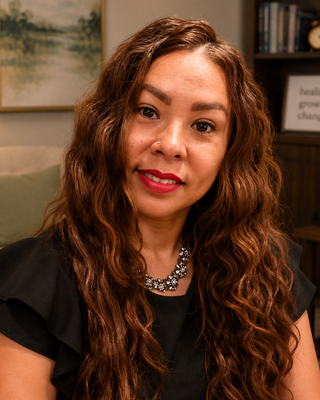
Hosted by Tonia Ferguson
Marriage & Family Therapist Associate, AMFT
Group meets in Victorville, CA 92395
This group supports individuals who experience anger, irritability, emotional reactivity, or difficulty managing stress in high-pressure environments. Anger is understood as a learned survival response often linked to trauma, chronic stress, or unmet emotional needs. Sessions focus on building emotional awareness, nervous system regulation, and healthier expression of anger in personal and professional relationships. Interventions integrate MMA and Boxing skills, somatic regulation skills, cognitive reframing, relational processing, and psychoeducation to help participants identify triggers, reduce reactivity, and respond with intention. The group provides a structured, confidential space that promotes accountability, insight, emotional control, improved communication, and reduced conflict.
Living in a mountain community is often isolating, and there is a need for newcomers and old-timers to get together to support one another. The group must be limited to 8 people, since that number works best. Confidentiality will be stressed and it will be closed, once formed, in order to assure that all who participate can gain trust that their issues will never leave the group setting. Phone #'s can be shared, if there is consensus. Much of the topic focus will be determined by the members.

Hosted by Nancy Lewis Lappen
Clinical Social Work/Therapist, LCSW, CPCC
Group meets in Lake Arrowhead, CA 92352
Living in a mountain community is often isolating, and there is a need for newcomers and old-timers to get together to support one another. The group must be limited to 8 people, since that number works best. Confidentiality will be stressed and it will be closed, once formed, in order to assure that all who participate can gain trust that their issues will never leave the group setting. Phone #'s can be shared, if there is consensus. Much of the topic focus will be determined by the members.
Anger is a normal emotion, but when it gets out of control and becomes damaging to your relationships, job and overall quality of life, it may be time to seek help. We offer a 52 week Anger Management / Emotional Intelligence program which provides valuable information and cognitive tools to assist in developing cognitive skills which allows one to express and maintain control over your emotions to prevent undesired consequences due to abrupt reactions.

Anger is a normal emotion, but when it gets out of control and becomes damaging to your relationships, job and overall quality of life, it may be time to seek help. We offer a 52 week Anger Management / Emotional Intelligence program which provides valuable information and cognitive tools to assist in developing cognitive skills which allows one to express and maintain control over your emotions to prevent undesired consequences due to abrupt reactions.
In our anxiety skills group, participants will understand how anxiety manifests in both mind and body while teaching practical, holistic tools to regulate the nervous system. Clients learn to identify triggers, shift unhelpful thought patterns, and build emotional awareness. The group integrates evidence-based strategies with somatic exercises, mindfulness meditation, and sound bowl practices to support relaxation and body connection. Participants practice grounding, breathwork, and gentle movement to release tension and increase resilience. Within a supportive environment, individuals develop personalized tools to manage anxiety, reconnect with themselves, and cultivate lasting calm, confidence, and overall emotional well-being in daily life.

Hosted by Wendi Baptist-McGehee, MS, LMFT
Marriage & Family Therapist, MS, LMFT
Group meets in Apple Valley, CA 92307
In our anxiety skills group, participants will understand how anxiety manifests in both mind and body while teaching practical, holistic tools to regulate the nervous system. Clients learn to identify triggers, shift unhelpful thought patterns, and build emotional awareness. The group integrates evidence-based strategies with somatic exercises, mindfulness meditation, and sound bowl practices to support relaxation and body connection. Participants practice grounding, breathwork, and gentle movement to release tension and increase resilience. Within a supportive environment, individuals develop personalized tools to manage anxiety, reconnect with themselves, and cultivate lasting calm, confidence, and overall emotional well-being in daily life.
Is anger creating distance in your relationship? Living Hope Counseling Center’s Christian Couples Anger Management Group helps couples recognize unhealthy conflict patterns, understand the emotions beneath anger, and communicate more respectfully. Couples learn practical skills for managing triggers, reducing escalation, listening without defensiveness, setting healthy boundaries, repairing emotional injuries, and rebuilding trust. Christian principles—including compassion, self-control, accountability, forgiveness, wisdom, and grace—are thoughtfully integrated. The goal is not to eliminate disagreements, but to handle them without damaging the relationship. Contact us at 909-774-1137 or visit www.livinghopecounseling.us to register. 8 weekly sessions

Hosted by Dr. Yvonne Jackson
Marriage & Family Therapist, DMFT, LMFT, BSN, PHN
Group meets in Rancho Cucamonga, CA 91701
Is anger creating distance in your relationship? Living Hope Counseling Center’s Christian Couples Anger Management Group helps couples recognize unhealthy conflict patterns, understand the emotions beneath anger, and communicate more respectfully. Couples learn practical skills for managing triggers, reducing escalation, listening without defensiveness, setting healthy boundaries, repairing emotional injuries, and rebuilding trust. Christian principles—including compassion, self-control, accountability, forgiveness, wisdom, and grace—are thoughtfully integrated. The goal is not to eliminate disagreements, but to handle them without damaging the relationship. Contact us at 909-774-1137 or visit www.livinghopecounseling.us to register. 8 weekly sessions
Adolescence can be tough but it's better when you know there are other people out there who may be going through some of the same things as you. Topics and workshops include: Rediscovering your Purpose, There can ony be one Queen Bey, Channeling your "Nikki", Coping with School and Junk. ASB, ColorGuard and Football can be fun while in high school but what if you are a part of that and you still feel lonely, stuck, bullied or you just want it all to end. Come to Positive Steps and find strategies that may be helpful!!!!

Adolescence can be tough but it's better when you know there are other people out there who may be going through some of the same things as you. Topics and workshops include: Rediscovering your Purpose, There can ony be one Queen Bey, Channeling your "Nikki", Coping with School and Junk. ASB, ColorGuard and Football can be fun while in high school but what if you are a part of that and you still feel lonely, stuck, bullied or you just want it all to end. Come to Positive Steps and find strategies that may be helpful!!!!
Redlands Family Counseling is a mental health private practice who sees, individuals, couples and families using various treatment modalities.

Redlands Family Counseling is a mental health private practice who sees, individuals, couples and families using various treatment modalities.
We are a group practice consisting of licensed clinicians who can assist you in making definitive decisions, gain insight into your psychological processing, provide tools to manage your problems, and much more. Put your trust in us and we will take care of you. We provide individual, family, couple, and group counseling. We can provide psychological testing to help you get the accommodations you need. For instance, maybe your child needs more time when taking tests, such as the SAT to enter college. We have many workshops, such as Alcohol Meditation, Adolescence Anxiety, and more! Don't wait, call now!

Hosted by PsychHealing Counseling Center, Inc.
Psychologist, PsyD, QME
Group meets in Ontario, CA 91762
We are a group practice consisting of licensed clinicians who can assist you in making definitive decisions, gain insight into your psychological processing, provide tools to manage your problems, and much more. Put your trust in us and we will take care of you. We provide individual, family, couple, and group counseling. We can provide psychological testing to help you get the accommodations you need. For instance, maybe your child needs more time when taking tests, such as the SAT to enter college. We have many workshops, such as Alcohol Meditation, Adolescence Anxiety, and more! Don't wait, call now!
This group offers anger management skills for personal development and also to fulfill court requirement. The group runs for 12 weeks but can be modified if a shorter time frame is needed. This group will be conducted via video. Days and times will be determine once enrollment is complete.

Hosted by Lumina Serene Counseling
Clinical Social Work/Therapist, MSW, LCSW, CAMS II, CPTS II
Group meets in Rancho Cucamonga, CA 91739
This group offers anger management skills for personal development and also to fulfill court requirement. The group runs for 12 weeks but can be modified if a shorter time frame is needed. This group will be conducted via video. Days and times will be determine once enrollment is complete.
Meeting you where you are, helping you cope and implement the skills necessary to be the best version of you.

Meeting you where you are, helping you cope and implement the skills necessary to be the best version of you.
Details TBD. Please contact us if you are interested!

Details TBD. Please contact us if you are interested!
Who? Adults pursuing eating disorder recovery What? A safe place to share the benefits and challenges of recovery from an eating disorder. When? Wednesdays, 6pm-7:15pm Where? 12 Nevada Street, Suite B, Redlands, CA 92373 Why? Because recovery is possible! How much? $60 per group *Some insurance accepted. For details, inquire with Jackie

Who? Adults pursuing eating disorder recovery What? A safe place to share the benefits and challenges of recovery from an eating disorder. When? Wednesdays, 6pm-7:15pm Where? 12 Nevada Street, Suite B, Redlands, CA 92373 Why? Because recovery is possible! How much? $60 per group *Some insurance accepted. For details, inquire with Jackie
Many of us find it hard to juggle career demands while being present and engaged with family. This group aims to help men explore what it means to maintain a sense of manhood in the context of family dynamics and work expectations. Participants will meaningfully examine the stressors surrounding societal expectations of masculinity, including the pressures that can lead to feelings of inadequacy, anger and frustration, confusion, substance abuse and, in some cases, suicidal thoughts. Through shared experiences and guided discussions, members will gain insights into their own beliefs, behaviors, and how to achieve a healthy and balanced life.

Many of us find it hard to juggle career demands while being present and engaged with family. This group aims to help men explore what it means to maintain a sense of manhood in the context of family dynamics and work expectations. Participants will meaningfully examine the stressors surrounding societal expectations of masculinity, including the pressures that can lead to feelings of inadequacy, anger and frustration, confusion, substance abuse and, in some cases, suicidal thoughts. Through shared experiences and guided discussions, members will gain insights into their own beliefs, behaviors, and how to achieve a healthy and balanced life.
The purpose of this Program is to provide a loving, supportive environment to nurture your spiritual growth. During the Program, you will learn how to receive Inner Guidance more clearly and how to apply it in your daily life experience. You will uncover your own innate Wisdom in a nurturing environment of safety and trust. With the loving support of a trained counselor, you can let down your defenses, your shields, even your denials as you realize you are not alone. You can allow yourself to experience unconditional Love, joy and inner peace, which is your true Nature.
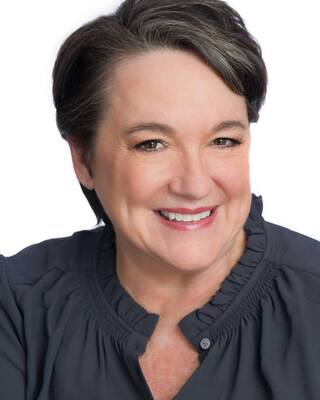
Hosted by Miracle Activation Center
Pastoral Counselor, OMC, CHT
Group meets in Chino Hills, CA 91709
The purpose of this Program is to provide a loving, supportive environment to nurture your spiritual growth. During the Program, you will learn how to receive Inner Guidance more clearly and how to apply it in your daily life experience. You will uncover your own innate Wisdom in a nurturing environment of safety and trust. With the loving support of a trained counselor, you can let down your defenses, your shields, even your denials as you realize you are not alone. You can allow yourself to experience unconditional Love, joy and inner peace, which is your true Nature.
Self-esteem shapes how you see yourself and influences your decisions, relationships, and emotional well-being. When it’s low, you may feel stuck, overly self-critical, or unsure of your potential. This group helps you build a stronger, more balanced sense of self through guided discussions and practical tools. You’ll learn to challenge negative thoughts, increase self-awareness, and develop confidence and resilience. With consistent practice, you can begin to feel more grounded, recognize your strengths, and approach life’s challenges with greater clarity and confidence.

Self-esteem shapes how you see yourself and influences your decisions, relationships, and emotional well-being. When it’s low, you may feel stuck, overly self-critical, or unsure of your potential. This group helps you build a stronger, more balanced sense of self through guided discussions and practical tools. You’ll learn to challenge negative thoughts, increase self-awareness, and develop confidence and resilience. With consistent practice, you can begin to feel more grounded, recognize your strengths, and approach life’s challenges with greater clarity and confidence.
Agimg is an Adventure - Not a Diagnosis! This is a supportive interactive group for those aged 55+ facing real-life challenges that may include parenting grandchildren, chronic illness, caregiving issues, working after retirement age and living alone. The group is "ENERGIZING" and provides tools and education to encourage new healthy, hopeful aging. Participate on Zoom. Group cost is 10.00 Contact us at 909-291-9349 or email jheri@wisdomtreecounseling.com

Hosted by Jeraleen M Peterson
Clinical Social Work/Therapist, MSW, LCSW
Group meets in Rancho Cucamonga, CA 91730
Agimg is an Adventure - Not a Diagnosis! This is a supportive interactive group for those aged 55+ facing real-life challenges that may include parenting grandchildren, chronic illness, caregiving issues, working after retirement age and living alone. The group is "ENERGIZING" and provides tools and education to encourage new healthy, hopeful aging. Participate on Zoom. Group cost is 10.00 Contact us at 909-291-9349 or email jheri@wisdomtreecounseling.com
An educational course for males and females. The 10-week course tackles topics like relationship roles, communication skills, triggers, and changing self-defeating behaviors. During the weekly group session, participants learn they cannot always change their external environment, but they can change how they react to it. The participants apply learned skills to their own personal experiences and are encouraged to talk about those experiences. Evidence-based principles and cognitive-based strategies are also used to help the participants understand their current behavior. The focus of the group is to help the participants identify behaviors that keep them from forming and maintaining positive relationships.
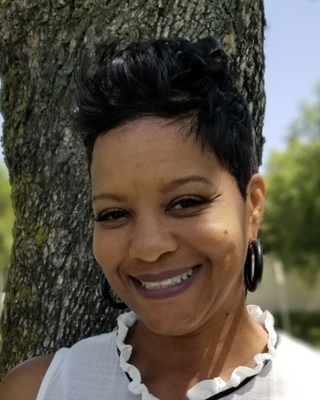
Hosted by I AM Solutions Counseling Services
Marriage & Family Therapist, MA, LMFT
Group meets in San Bernardino, CA 92408
An educational course for males and females. The 10-week course tackles topics like relationship roles, communication skills, triggers, and changing self-defeating behaviors. During the weekly group session, participants learn they cannot always change their external environment, but they can change how they react to it. The participants apply learned skills to their own personal experiences and are encouraged to talk about those experiences. Evidence-based principles and cognitive-based strategies are also used to help the participants understand their current behavior. The focus of the group is to help the participants identify behaviors that keep them from forming and maintaining positive relationships.
Group provides a safe space for community members to come and make health connections and work on processing our stressors

Hosted by C&C Center For Healing
Clinical Social Work/Therapist, LCSW
Group meets in Redlands, CA 92373
Group provides a safe space for community members to come and make health connections and work on processing our stressors
HeartMath for Perimenopause & Menopause is a 4-week online group experience that will help you tap into the power and intelligence of your heart, guiding you to the best version of yourself. Through HeartMath, you can awaken your heart's intuition and experience profound transformations in your journey through perimenopause and menopause. Join us to unlock the secrets of your heart's wisdom as we empower ourselves to achieve hormonal balance, one heart-centered step at a time. Next group begins Wednesday, May 20, 2026 at 12pm PST! $150 for the 4-week session.
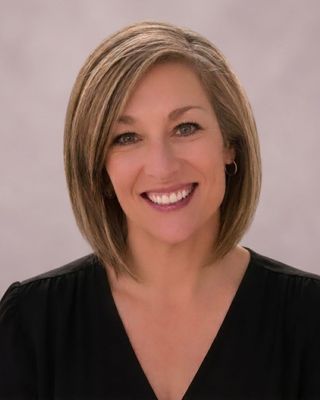
HeartMath for Perimenopause & Menopause is a 4-week online group experience that will help you tap into the power and intelligence of your heart, guiding you to the best version of yourself. Through HeartMath, you can awaken your heart's intuition and experience profound transformations in your journey through perimenopause and menopause. Join us to unlock the secrets of your heart's wisdom as we empower ourselves to achieve hormonal balance, one heart-centered step at a time. Next group begins Wednesday, May 20, 2026 at 12pm PST! $150 for the 4-week session.
"Relationships are the agents of change and the most powerful therapy is human love". -Bruce Perry. The purpose of the group is to create a supportive environment to talk through various struggles and successes (including issues related to Domestic Violence, Anxiety, Depression, Trauma and Grief) to create a sense of connectedness, foster hope and decrease feelings of isolation. Group sizes: 4 to 5 individuals Age ranges: Group 1.) high schoolers Group 2.) young adults Group 3.) Adults Location: Zoom

"Relationships are the agents of change and the most powerful therapy is human love". -Bruce Perry. The purpose of the group is to create a supportive environment to talk through various struggles and successes (including issues related to Domestic Violence, Anxiety, Depression, Trauma and Grief) to create a sense of connectedness, foster hope and decrease feelings of isolation. Group sizes: 4 to 5 individuals Age ranges: Group 1.) high schoolers Group 2.) young adults Group 3.) Adults Location: Zoom
See more therapy options for San Bernardino County


FAQs - About Group Therapy and Support Groups
How can I find a support group in San Bernardino County?
To find a support group in your area, start by entering your city, zip code, or the name of the group into the search bar at the top of the page. When searching, consider whether you prefer an in-person or virtual group. This can help you decide how broad your geographic search should be. If you are open to virtual groups, you might want to search by state instead of just your city, especially if there are limited options nearby.
Once you complete your search, you can use the filters to narrow the results by selecting specialties (such as grief, trauma, or eating disorders), therapeutic approaches, age groups, and other criteria to find a group that best fits your needs.
Once you complete your search, you can use the filters to narrow the results by selecting specialties (such as grief, trauma, or eating disorders), therapeutic approaches, age groups, and other criteria to find a group that best fits your needs.
How does group therapy work?
Group therapy is led by one or more trained therapists and provides a space where participants can process their experiences and learn from others facing similar challenges. Groups may focus on a specific issue—such as addiction, grief, physical illnesses, parenting, or caregiving—or they may center around a particular therapeutic approach, such as Cognitive Behavioral Therapy (CBT), social skill development, or Exposure Therapy. Some groups are also designed for specific populations, such as teens, veterans, or LGBTQ+ individuals.
It’s also important to distinguish group therapy from peer-led support groups, like Alcoholics Anonymous. While both can offer valuable support, therapy groups are typically led by licensed professionals and follow a more structured format. Therapy groups often meet for a fixed length of time with a consistent group of members, while many peer support groups meet for an indefinite period of time with members coming and going.
It’s also important to distinguish group therapy from peer-led support groups, like Alcoholics Anonymous. While both can offer valuable support, therapy groups are typically led by licensed professionals and follow a more structured format. Therapy groups often meet for a fixed length of time with a consistent group of members, while many peer support groups meet for an indefinite period of time with members coming and going.
What are the benefits of group therapy?
Group therapy offers several important benefits. It brings together people facing similar challenges—whether related to mental health, physical health, or life transitions—and creates a supportive environment where participants can exchange feedback, share experiences, and learn from one another. Hearing different perspectives can help individuals discover new coping strategies and practical tools they may not have encountered on their own. Sharing personal experiences, such as coping with a serious illness or navigating family struggles, can also reduce feelings of isolation and foster a sense of connection and understanding. In addition to emotional support, group members often gain useful, real-world advice from peers who have faced similar situations.
Group therapy is typically more affordable than individual therapy and, for certain conditions, can be equally effective. Many groups also include structured activities—such as guided journaling, cognitive-behavioral exercises, or role-playing—to help participants develop concrete skills they can apply in daily life.
Group therapy is typically more affordable than individual therapy and, for certain conditions, can be equally effective. Many groups also include structured activities—such as guided journaling, cognitive-behavioral exercises, or role-playing—to help participants develop concrete skills they can apply in daily life.
Is group therapy as effective as individual therapy?
It is difficult to make a blanket statement about the effectiveness of support groups, as they vary widely in focus and the conditions they address. However, support groups can be highly valuable in helping individuals gain emotional support and achieve meaningful treatment outcomes. For certain conditions, such as substance use, research has shown that group therapy can be particularly effective—sometimes just as effective as individual therapy—in supporting long-term recovery.
Many professionals attribute the effectiveness of group therapy to the unique benefits of the group setting, which fosters peer-to-peer learning and a sense of connection through shared experiences. Group settings also offer accountability and encouragement from both facilitators and fellow participants, which helps sustain motivation and supports continued progress. These factors together play a key role in promoting the overall effectiveness of group therapy.
Many professionals attribute the effectiveness of group therapy to the unique benefits of the group setting, which fosters peer-to-peer learning and a sense of connection through shared experiences. Group settings also offer accountability and encouragement from both facilitators and fellow participants, which helps sustain motivation and supports continued progress. These factors together play a key role in promoting the overall effectiveness of group therapy.
How much does group therapy cost?
Group therapy is typically less expensive than individual therapy, with sessions typically costing between $50 and $75 each. In comparison, individual therapy can cost anywhere from $100 to $200 or more per session, even with insurance. Some therapists or organizations offer low-cost or free group therapy options, particularly through community centers or nonprofit organizations. In some cases, groups may require payment upfront for a set number of sessions, such as paying for six weekly sessions at the first meeting. However, many providers offer payment plans to help make participation more accessible if this upfront payment is required.
Does insurance cover group therapy?
As with individual therapy, insurance coverage for group therapy varies based on factors such as your specific insurance plan, the purpose of the group, your diagnosis, and whether the group provider is in-network. Many insurance plans cover group therapy sessions that address diagnosable mental health conditions, such as substance use disorders, anxiety, or depression.
However, groups that focus on topics not directly tied to a mental health diagnosis—such as parenting support or divorce recovery—are less likely to be covered. Because coverage can vary widely, it’s important to check with your insurance provider before joining a group to confirm whether the sessions will be covered and what out-of-pocket costs you may be responsible for.
However, groups that focus on topics not directly tied to a mental health diagnosis—such as parenting support or divorce recovery—are less likely to be covered. Because coverage can vary widely, it’s important to check with your insurance provider before joining a group to confirm whether the sessions will be covered and what out-of-pocket costs you may be responsible for.
How long does group therapy last?
The length of each group therapy session typically ranges from 45 minutes to two hours, depending on the therapy approach, the group’s goals, and how often the group meets. In some cases, group therapy is part of a larger treatment program, such as an Intensive Outpatient Program (IOP), where group sessions complement individual therapy and are scheduled as part of the program’s overall structure.
The duration of participation in a group also varies. Some groups are designed to be short-term, lasting anywhere from 6 to 24 weeks—for example, bereavement groups or skills-based groups like those using Dialectical Behavioral Therapy (DBT). Other groups may be longer-term, lasting a year or more, and some ongoing support groups meet indefinitely, allowing participants to stay as long as they find the group helpful.
The duration of participation in a group also varies. Some groups are designed to be short-term, lasting anywhere from 6 to 24 weeks—for example, bereavement groups or skills-based groups like those using Dialectical Behavioral Therapy (DBT). Other groups may be longer-term, lasting a year or more, and some ongoing support groups meet indefinitely, allowing participants to stay as long as they find the group helpful.
What are the limitations of support groups?
Support groups offer many benefits, but they also have certain limitations. Unlike therapy groups, many support groups do not provide formal therapeutic treatment and are not led by licensed mental health professionals. For individuals seeking clinical treatment for specific mental health diagnoses—such as depression, eating disorders, or substance use—individual therapy or group therapy led by a licensed professional may offer more personalized and specialized care.
The effectiveness of a support group also depends heavily on the group’s participants and the overall group dynamic. When members engage respectfully and offer constructive support, the group can foster valuable peer-to-peer learning. However, if certain participants dominate discussions, provide inaccurate advice, or create conflict, it can disrupt the group’s sense of safety and reduce its effectiveness. Confidentiality can also be harder to maintain in support groups, particularly in open groups where participants can join or leave at any time. With new members regularly entering the group, it can be more difficult to build and sustain a consistent sense of trust and privacy.
The effectiveness of a support group also depends heavily on the group’s participants and the overall group dynamic. When members engage respectfully and offer constructive support, the group can foster valuable peer-to-peer learning. However, if certain participants dominate discussions, provide inaccurate advice, or create conflict, it can disrupt the group’s sense of safety and reduce its effectiveness. Confidentiality can also be harder to maintain in support groups, particularly in open groups where participants can join or leave at any time. With new members regularly entering the group, it can be more difficult to build and sustain a consistent sense of trust and privacy.