Support Groups in Rialto, CA
The objective of Dynamic group is to increase self awareness, increase social comfort, allow exploration of new behaviors, provide support, develop skills, and promote more genuine interactions with others and learn to identify and communicate in the present moment.

The objective of Dynamic group is to increase self awareness, increase social comfort, allow exploration of new behaviors, provide support, develop skills, and promote more genuine interactions with others and learn to identify and communicate in the present moment.

Hosted by Dr. Lisa L Vaughn
Marriage & Family Therapist, DCC, MA, LMFT
Group meets in Rialto, CA 92376
More Groups Nearby
Dealing with emotional issues concerning infertility for couples.

Hosted by ACT Family Counseling
Marriage & Family Therapist, MA, MFT, DCHT
Group meets in Ontario, CA 91762
Dealing with emotional issues concerning infertility for couples.
Éste grupo terapeutico es para padres con hijas(os) adolecentes que desean aprender a liderar en una manera más positiva, más producente, y con menos ansiedad.

Hosted by Terapia En Espanol Family Counseling APC
Marriage & Family Therapist, MS, LMFT
Group meets in Riverside, CA 92505
Éste grupo terapeutico es para padres con hijas(os) adolecentes que desean aprender a liderar en una manera más positiva, más producente, y con menos ansiedad.
This is a virtual group to help with learning coping skills to remain safe, address trauma symptoms, and reduce substance use.

Hosted by Burgos Psychological Services
Psychologist, PsyD
Group meets in Rancho Cucamonga, CA 91730
This is a virtual group to help with learning coping skills to remain safe, address trauma symptoms, and reduce substance use.
Dialectical Behavioral Therapy (DBT) offers structured support for emotional regulation, stress coping, and improved relationships in individuals struggling with various issues, including depression, anxiety, trauma, OCD, and personality disorders. This group can assist you in learning effective mindfulness practices, distress tolerance, and communication skills. Group sessions focus on sharing experiences, validating each other, and learning DBT techniques. The group setting encourages connection, empowerment, and consistent practice of therapeutic tools. The eight-session program covers various DBT skills, ultimately aiming to promote healing and reclaiming a sense of self-control.

Hosted by Elizabeth Huck
Associate Clinical Social Worker, EMDR, DBT, IFS
Group meets in West Covina, CA 91791
Dialectical Behavioral Therapy (DBT) offers structured support for emotional regulation, stress coping, and improved relationships in individuals struggling with various issues, including depression, anxiety, trauma, OCD, and personality disorders. This group can assist you in learning effective mindfulness practices, distress tolerance, and communication skills. Group sessions focus on sharing experiences, validating each other, and learning DBT techniques. The group setting encourages connection, empowerment, and consistent practice of therapeutic tools. The eight-session program covers various DBT skills, ultimately aiming to promote healing and reclaiming a sense of self-control.
Offerring Co-Parenting Classes that satisfy the court orders from Riverside Family Law Court. Classes are available by the hour and in full day sessions. Lead by Life Source Training Institute Interns and Practicum Students. Supervised by Avis Cole Attaway, LMFT. Classes are scheduled as needed - call for information.

Hosted by Dr. Avis Attaway
Marriage & Family Therapist, PsyD, LMFT, MS
Group meets in Riverside, CA 92506
Offerring Co-Parenting Classes that satisfy the court orders from Riverside Family Law Court. Classes are available by the hour and in full day sessions. Lead by Life Source Training Institute Interns and Practicum Students. Supervised by Avis Cole Attaway, LMFT. Classes are scheduled as needed - call for information.
This anger management group is the only group that encourages parents and their children to attend together. Our lessons go beyond counting to 10 and deep breathing. This is a dynamic group with content online to complement the work you do in group.

This anger management group is the only group that encourages parents and their children to attend together. Our lessons go beyond counting to 10 and deep breathing. This is a dynamic group with content online to complement the work you do in group.
Foresight helps you find your path to mental wellness. We’re a community of mental health experts who offer a dynamic range of care that flexes with your particular needs and goals. Our team includes licensed therapists, psychiatric providers, researchers, a dedicated care team & more who bring you a thoughtful experience that blends traditional therapy with a technology-backed approach. Our providers build meaningful relationships with you, & our digital member experience helps enhance your care in between sessions. We help you go deeper inward, getting to know you well, & heal and grow on the path that feels right for you.

Foresight helps you find your path to mental wellness. We’re a community of mental health experts who offer a dynamic range of care that flexes with your particular needs and goals. Our team includes licensed therapists, psychiatric providers, researchers, a dedicated care team & more who bring you a thoughtful experience that blends traditional therapy with a technology-backed approach. Our providers build meaningful relationships with you, & our digital member experience helps enhance your care in between sessions. We help you go deeper inward, getting to know you well, & heal and grow on the path that feels right for you.
Dialectical Behavioral Therapy (DBT) offers structured support for emotional regulation, stress coping, and improved relationships in individuals struggling with various issues, including depression, anxiety, trauma, OCD, and personality disorders. This group can assist you in learning effective mindfulness practices, distress tolerance, and communication skills. Group sessions focus on sharing experiences, validating each other, and learning DBT techniques. The group setting encourages connection, empowerment, and consistent practice of therapeutic tools. The eight-session program covers various DBT skills, ultimately aiming to promote healing and reclaiming a sense of self-control.

Hosted by Jiyoung Kim
Clinical Social Work/Therapist, LCSW, EMDR, IFS
Group meets in West Covina, CA 91791
Dialectical Behavioral Therapy (DBT) offers structured support for emotional regulation, stress coping, and improved relationships in individuals struggling with various issues, including depression, anxiety, trauma, OCD, and personality disorders. This group can assist you in learning effective mindfulness practices, distress tolerance, and communication skills. Group sessions focus on sharing experiences, validating each other, and learning DBT techniques. The group setting encourages connection, empowerment, and consistent practice of therapeutic tools. The eight-session program covers various DBT skills, ultimately aiming to promote healing and reclaiming a sense of self-control.
Learn practical, science-based skills to support getting started, focus, and follow through on tasks. Each week, we will focus on a specific area of executive functioning: Week 1: Planning & Time Awareness Week 2: Task Initiation & Sequencing Week 3: Working Memory & Organization Week 4: Stress & Emotion Regulation Week 5: Flexibility & Procrastination Week 6: Habits, Motivation, & Energy Week 7: Communication & Self-Advocacy Week 8: Burnout Prevention & Maintenance. If you’re interested in joining the next cohort, please visit bit.ly/EF-Waitlist or scan the QR code.

Hosted by Dr. Blied {Autism/ADHD Testing -youth 5+ & adults}
Psychologist, PhD, MACL, BSP
Group meets in Claremont, CA 91711
Learn practical, science-based skills to support getting started, focus, and follow through on tasks. Each week, we will focus on a specific area of executive functioning: Week 1: Planning & Time Awareness Week 2: Task Initiation & Sequencing Week 3: Working Memory & Organization Week 4: Stress & Emotion Regulation Week 5: Flexibility & Procrastination Week 6: Habits, Motivation, & Energy Week 7: Communication & Self-Advocacy Week 8: Burnout Prevention & Maintenance. If you’re interested in joining the next cohort, please visit bit.ly/EF-Waitlist or scan the QR code.
I have training and experience with Forensic assessment, risk assessment tools, and evidence-based practices. I assist in reducing the recidivism of sex offenses by ensuring community safety, and compassionately hold a safe space for survivors of sexual assault to navigate their healing journey and process their experiences, and regain control.

Hosted by Benita Revies
Marriage & Family Therapist Associate, MS, AMFT
Group meets in Riverside, CA 92507
I have training and experience with Forensic assessment, risk assessment tools, and evidence-based practices. I assist in reducing the recidivism of sex offenses by ensuring community safety, and compassionately hold a safe space for survivors of sexual assault to navigate their healing journey and process their experiences, and regain control.
Starting May 7, 2016 at 1pm. Are you wondering about: How to understand your sexual orientation? How to understand your gender identity? How to come out to friends and family? Finding acceptance? Where to go now that you know? If you have struggled with any of these issues, the LGBTQIAP Group can help empower you to make decisions in a safe and non-judgmental environment. You will be encouraged to move towards individual goals at your own pace while gaining support from others facing similar issues.

Starting May 7, 2016 at 1pm. Are you wondering about: How to understand your sexual orientation? How to understand your gender identity? How to come out to friends and family? Finding acceptance? Where to go now that you know? If you have struggled with any of these issues, the LGBTQIAP Group can help empower you to make decisions in a safe and non-judgmental environment. You will be encouraged to move towards individual goals at your own pace while gaining support from others facing similar issues.
A coed group designed to help teens ages 14-19 learn to control their temper and decrease angry outbursts as well as reduce impulsive complications. Saturdays 1-3 PM

Hosted by Advanced Psychological Associates & Wellness Cen
Psychologist, PhD
Group meets in Rancho Cucamonga, CA 91730
A coed group designed to help teens ages 14-19 learn to control their temper and decrease angry outbursts as well as reduce impulsive complications. Saturdays 1-3 PM
"Authentically Us" is an in-person support group for young adults (ages 18–25) on the autism spectrum. This semi-structured group provides a safe, neurodiversity-affirming space where participants can connect with others who share similar experiences. Group members will receive support around navigating social relationships, managing stress, and addressing everyday life challenges, while also building skills related to communication, self-advocacy, and emotional regulation. This group runs for 8 weeks, beginning Tuesday, March 31 and ending May 19, 2026. We accept most insurances! If you have any questions, please email vlieb16@apu.edu.

"Authentically Us" is an in-person support group for young adults (ages 18–25) on the autism spectrum. This semi-structured group provides a safe, neurodiversity-affirming space where participants can connect with others who share similar experiences. Group members will receive support around navigating social relationships, managing stress, and addressing everyday life challenges, while also building skills related to communication, self-advocacy, and emotional regulation. This group runs for 8 weeks, beginning Tuesday, March 31 and ending May 19, 2026. We accept most insurances! If you have any questions, please email vlieb16@apu.edu.
The Parenting Support Groups for parents of school ages kids and parents is teens ! The parent support groups reinforce Practical, yet Effective parenting strategies in everyday interactions with their child/teen. Sessions focus on positive strategies to communicate; set boundaries in an effective manner; while also addressing essential ways to take care of yourself as the parent or caregiver in the process. YOU CAN DO IT!!! LEARN SKILLS and get support in the process for skills that you will practice daily!! Call or email for more details. We have Telehealth support groups and In-Person available!

The Parenting Support Groups for parents of school ages kids and parents is teens ! The parent support groups reinforce Practical, yet Effective parenting strategies in everyday interactions with their child/teen. Sessions focus on positive strategies to communicate; set boundaries in an effective manner; while also addressing essential ways to take care of yourself as the parent or caregiver in the process. YOU CAN DO IT!!! LEARN SKILLS and get support in the process for skills that you will practice daily!! Call or email for more details. We have Telehealth support groups and In-Person available!
My anger management groups are relaxed and informative. We get a lot done. We discuss ideas involving moral implications, being in the other persons shoes, feeling the anger but controlling the aggression, role playing new behaviors and dealing with being accused. You wont leave the same as you came if you are open to change.

Hosted by Terence Westbrook - EMDR Intensives
Marriage & Family Therapist Associate, AMFT
Group meets in Rancho Cucamonga, CA 91730
My anger management groups are relaxed and informative. We get a lot done. We discuss ideas involving moral implications, being in the other persons shoes, feeling the anger but controlling the aggression, role playing new behaviors and dealing with being accused. You wont leave the same as you came if you are open to change.
Join our 8-week Brainspotting Group to heal from trauma and reduce symptoms like anxiety, depression, relationship issues, avoidance, nightmares, and flashbacks. Using Brainspotting, a somatic therapy that targets where trauma is stored in the brain, you’ll process deep emotional pain that talk therapy often can’t reach. Each session blends psychoeducation, group discussions, and Brainspotting exercises to help alleviate trauma symptoms and activate the brain’s natural healing abilities. Connect with others on a similar journey, share experiences, and work through challenges in a safe, supportive environment. Experience the transformative power of trauma healing and recovery.

Join our 8-week Brainspotting Group to heal from trauma and reduce symptoms like anxiety, depression, relationship issues, avoidance, nightmares, and flashbacks. Using Brainspotting, a somatic therapy that targets where trauma is stored in the brain, you’ll process deep emotional pain that talk therapy often can’t reach. Each session blends psychoeducation, group discussions, and Brainspotting exercises to help alleviate trauma symptoms and activate the brain’s natural healing abilities. Connect with others on a similar journey, share experiences, and work through challenges in a safe, supportive environment. Experience the transformative power of trauma healing and recovery.
Stress Reduction Circle to learn and practice healthy soul searching tools for managing stress!
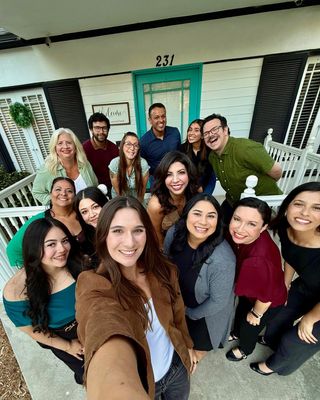
Hosted by Norina Verduzco-Murphy MSW, LCSW & Associates
Clinical Social Work/Therapist, LCSW
Group meets in Upland, CA 91786
Stress Reduction Circle to learn and practice healthy soul searching tools for managing stress!
12-WEEK ANXIETY SKILLS GROUP MEETS IN PERSON and TELEHEALTH Anxiety Skills Group is a therapeutic skills group designed to help individuals better understand and manage their anxiety. In this group, participants will learn practical coping strategies, relaxation techniques, and cognitive-behavioral tools to address anxious thoughts and physical symptoms. The group provides a safe, supportive environment to explore common triggers of anxiety, share personal experiences, and practice new skills with the guidance of a trained therapist. Participants will gain insights into the physiological and psychological aspects of anxiety while building confidence in managing stress in everyday life.

Hosted by Jocelyn Aleiadih
Clinical Social Work/Therapist, MSW, LCSW
Group meets in Riverside, CA 92506
12-WEEK ANXIETY SKILLS GROUP MEETS IN PERSON and TELEHEALTH Anxiety Skills Group is a therapeutic skills group designed to help individuals better understand and manage their anxiety. In this group, participants will learn practical coping strategies, relaxation techniques, and cognitive-behavioral tools to address anxious thoughts and physical symptoms. The group provides a safe, supportive environment to explore common triggers of anxiety, share personal experiences, and practice new skills with the guidance of a trained therapist. Participants will gain insights into the physiological and psychological aspects of anxiety while building confidence in managing stress in everyday life.
See more therapy options for Rialto


FAQs - About Group Therapy and Support Groups
How can I find a support group in Rialto?
To find a support group in your area, start by entering your city, zip code, or the name of the group into the search bar at the top of the page. When searching, consider whether you prefer an in-person or virtual group. This can help you decide how broad your geographic search should be. If you are open to virtual groups, you might want to search by state instead of just your city, especially if there are limited options nearby.
Once you complete your search, you can use the filters to narrow the results by selecting specialties (such as grief, trauma, or eating disorders), therapeutic approaches, age groups, and other criteria to find a group that best fits your needs.
Once you complete your search, you can use the filters to narrow the results by selecting specialties (such as grief, trauma, or eating disorders), therapeutic approaches, age groups, and other criteria to find a group that best fits your needs.
How does group therapy work?
Group therapy is led by one or more trained therapists and provides a space where participants can process their experiences and learn from others facing similar challenges. Groups may focus on a specific issue—such as addiction, grief, physical illnesses, parenting, or caregiving—or they may center around a particular therapeutic approach, such as Cognitive Behavioral Therapy (CBT), social skill development, or Exposure Therapy. Some groups are also designed for specific populations, such as teens, veterans, or LGBTQ+ individuals.
It’s also important to distinguish group therapy from peer-led support groups, like Alcoholics Anonymous. While both can offer valuable support, therapy groups are typically led by licensed professionals and follow a more structured format. Therapy groups often meet for a fixed length of time with a consistent group of members, while many peer support groups meet for an indefinite period of time with members coming and going.
It’s also important to distinguish group therapy from peer-led support groups, like Alcoholics Anonymous. While both can offer valuable support, therapy groups are typically led by licensed professionals and follow a more structured format. Therapy groups often meet for a fixed length of time with a consistent group of members, while many peer support groups meet for an indefinite period of time with members coming and going.
What are the benefits of group therapy?
Group therapy offers several important benefits. It brings together people facing similar challenges—whether related to mental health, physical health, or life transitions—and creates a supportive environment where participants can exchange feedback, share experiences, and learn from one another. Hearing different perspectives can help individuals discover new coping strategies and practical tools they may not have encountered on their own. Sharing personal experiences, such as coping with a serious illness or navigating family struggles, can also reduce feelings of isolation and foster a sense of connection and understanding. In addition to emotional support, group members often gain useful, real-world advice from peers who have faced similar situations.
Group therapy is typically more affordable than individual therapy and, for certain conditions, can be equally effective. Many groups also include structured activities—such as guided journaling, cognitive-behavioral exercises, or role-playing—to help participants develop concrete skills they can apply in daily life.
Group therapy is typically more affordable than individual therapy and, for certain conditions, can be equally effective. Many groups also include structured activities—such as guided journaling, cognitive-behavioral exercises, or role-playing—to help participants develop concrete skills they can apply in daily life.
Is group therapy as effective as individual therapy?
It is difficult to make a blanket statement about the effectiveness of support groups, as they vary widely in focus and the conditions they address. However, support groups can be highly valuable in helping individuals gain emotional support and achieve meaningful treatment outcomes. For certain conditions, such as substance use, research has shown that group therapy can be particularly effective—sometimes just as effective as individual therapy—in supporting long-term recovery.
Many professionals attribute the effectiveness of group therapy to the unique benefits of the group setting, which fosters peer-to-peer learning and a sense of connection through shared experiences. Group settings also offer accountability and encouragement from both facilitators and fellow participants, which helps sustain motivation and supports continued progress. These factors together play a key role in promoting the overall effectiveness of group therapy.
Many professionals attribute the effectiveness of group therapy to the unique benefits of the group setting, which fosters peer-to-peer learning and a sense of connection through shared experiences. Group settings also offer accountability and encouragement from both facilitators and fellow participants, which helps sustain motivation and supports continued progress. These factors together play a key role in promoting the overall effectiveness of group therapy.
How much does group therapy cost?
Group therapy is typically less expensive than individual therapy, with sessions typically costing between $50 and $75 each. In comparison, individual therapy can cost anywhere from $100 to $200 or more per session, even with insurance. Some therapists or organizations offer low-cost or free group therapy options, particularly through community centers or nonprofit organizations. In some cases, groups may require payment upfront for a set number of sessions, such as paying for six weekly sessions at the first meeting. However, many providers offer payment plans to help make participation more accessible if this upfront payment is required.
Does insurance cover group therapy?
As with individual therapy, insurance coverage for group therapy varies based on factors such as your specific insurance plan, the purpose of the group, your diagnosis, and whether the group provider is in-network. Many insurance plans cover group therapy sessions that address diagnosable mental health conditions, such as substance use disorders, anxiety, or depression.
However, groups that focus on topics not directly tied to a mental health diagnosis—such as parenting support or divorce recovery—are less likely to be covered. Because coverage can vary widely, it’s important to check with your insurance provider before joining a group to confirm whether the sessions will be covered and what out-of-pocket costs you may be responsible for.
However, groups that focus on topics not directly tied to a mental health diagnosis—such as parenting support or divorce recovery—are less likely to be covered. Because coverage can vary widely, it’s important to check with your insurance provider before joining a group to confirm whether the sessions will be covered and what out-of-pocket costs you may be responsible for.
How long does group therapy last?
The length of each group therapy session typically ranges from 45 minutes to two hours, depending on the therapy approach, the group’s goals, and how often the group meets. In some cases, group therapy is part of a larger treatment program, such as an Intensive Outpatient Program (IOP), where group sessions complement individual therapy and are scheduled as part of the program’s overall structure.
The duration of participation in a group also varies. Some groups are designed to be short-term, lasting anywhere from 6 to 24 weeks—for example, bereavement groups or skills-based groups like those using Dialectical Behavioral Therapy (DBT). Other groups may be longer-term, lasting a year or more, and some ongoing support groups meet indefinitely, allowing participants to stay as long as they find the group helpful.
The duration of participation in a group also varies. Some groups are designed to be short-term, lasting anywhere from 6 to 24 weeks—for example, bereavement groups or skills-based groups like those using Dialectical Behavioral Therapy (DBT). Other groups may be longer-term, lasting a year or more, and some ongoing support groups meet indefinitely, allowing participants to stay as long as they find the group helpful.
What are the limitations of support groups?
Support groups offer many benefits, but they also have certain limitations. Unlike therapy groups, many support groups do not provide formal therapeutic treatment and are not led by licensed mental health professionals. For individuals seeking clinical treatment for specific mental health diagnoses—such as depression, eating disorders, or substance use—individual therapy or group therapy led by a licensed professional may offer more personalized and specialized care.
The effectiveness of a support group also depends heavily on the group’s participants and the overall group dynamic. When members engage respectfully and offer constructive support, the group can foster valuable peer-to-peer learning. However, if certain participants dominate discussions, provide inaccurate advice, or create conflict, it can disrupt the group’s sense of safety and reduce its effectiveness. Confidentiality can also be harder to maintain in support groups, particularly in open groups where participants can join or leave at any time. With new members regularly entering the group, it can be more difficult to build and sustain a consistent sense of trust and privacy.
The effectiveness of a support group also depends heavily on the group’s participants and the overall group dynamic. When members engage respectfully and offer constructive support, the group can foster valuable peer-to-peer learning. However, if certain participants dominate discussions, provide inaccurate advice, or create conflict, it can disrupt the group’s sense of safety and reduce its effectiveness. Confidentiality can also be harder to maintain in support groups, particularly in open groups where participants can join or leave at any time. With new members regularly entering the group, it can be more difficult to build and sustain a consistent sense of trust and privacy.