Support Groups in La Canada Flintridge, CA
I specialize in work with males of all ages, races, sexual orientations & identities. As a helping professional for over 20 years, loving husband, doting father, grateful son, avid motorcyclist, experimental artist & former competitive fighter, I have seen the confusion, dissatisfaction & shame that can be related with what it means to be male in our society. This atmosphere also represents opportunity for rediscovering, redefining & affirming what it means to be a man. I partner with men in a virtual environment to cultivate their values, recognize helpful & harmful thoughts/emotions/behaviors, & achieve an authentic & fulfilling life.

Hosted by Search and Create Counseling
Marriage & Family Therapist, LMFT
Group meets in La Canada Flintridge, CA 91011
I specialize in work with males of all ages, races, sexual orientations & identities. As a helping professional for over 20 years, loving husband, doting father, grateful son, avid motorcyclist, experimental artist & former competitive fighter, I have seen the confusion, dissatisfaction & shame that can be related with what it means to be male in our society. This atmosphere also represents opportunity for rediscovering, redefining & affirming what it means to be a man. I partner with men in a virtual environment to cultivate their values, recognize helpful & harmful thoughts/emotions/behaviors, & achieve an authentic & fulfilling life.
American Association of Marriage and Family Therapists is a national organization that monitors the professionalism and qualifications of the therapists from all over America.They help maintain the highest standards for therapy in the United States.

Hosted by Diane R Isaacs
Marriage & Family Therapist, AA, BA, MA, MFT, PhD
Group meets in La Canada Flintridge, CA 91011
American Association of Marriage and Family Therapists is a national organization that monitors the professionalism and qualifications of the therapists from all over America.They help maintain the highest standards for therapy in the United States.
More Groups Nearby
This is an open, weekly, virtual group designed to help bring women together to share, connect, and support one another. This group is open to all California residents. The group is an open-ended group that allows space for each individual group member to check-in before the group ultimately selects a topic for the day. Sample topics may include: Managing relationships (partners, friends, family), coping with emotions, experiencing shame, cultivating strength and vulnerability, navigating intimacy, building connection, etc.

This is an open, weekly, virtual group designed to help bring women together to share, connect, and support one another. This group is open to all California residents. The group is an open-ended group that allows space for each individual group member to check-in before the group ultimately selects a topic for the day. Sample topics may include: Managing relationships (partners, friends, family), coping with emotions, experiencing shame, cultivating strength and vulnerability, navigating intimacy, building connection, etc.
The Triple P - Positive Parenting Program ® is one of the world's most effective parenting programs. It gives parents the skills they need to raise confident, healthy children and teenagers and to build stronger family relationships. It also helps parents manage misbehavior and prevent problems occurring in the first place. Triple P has been found to work for most families within a wide variety of cultures, countries and individual situations. Groups forming now for parents of children and teens! Contact Ashley Jones, LMFT for more information and to secure your spot.
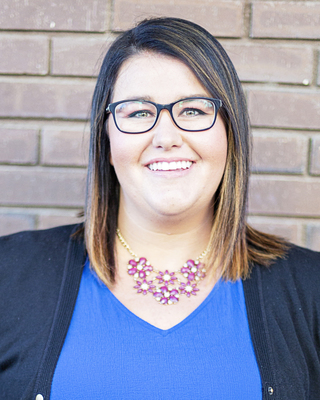
The Triple P - Positive Parenting Program ® is one of the world's most effective parenting programs. It gives parents the skills they need to raise confident, healthy children and teenagers and to build stronger family relationships. It also helps parents manage misbehavior and prevent problems occurring in the first place. Triple P has been found to work for most families within a wide variety of cultures, countries and individual situations. Groups forming now for parents of children and teens! Contact Ashley Jones, LMFT for more information and to secure your spot.
Ongoing process group for girls in grades 9-12 in Hermosa Beach! Goals include: build connections, learn coping skills, increase self-esteem, process life changes, explore identity. Facilitated by Michelle Parker, ASW - mparkertherapy@gmail.com.

Hosted by Michelle Parker
Clinical Social Work/Therapist, LCSW
Group meets in Hermosa Beach, CA 90254
Ongoing process group for girls in grades 9-12 in Hermosa Beach! Goals include: build connections, learn coping skills, increase self-esteem, process life changes, explore identity. Facilitated by Michelle Parker, ASW - mparkertherapy@gmail.com.
Transcranial Magnetic Stimulation (TMS) is an incredibly effective, safe, and high-tech alternative to medication for the treatment of Depression, OCD, and Anxiety.

Transcranial Magnetic Stimulation (TMS) is an incredibly effective, safe, and high-tech alternative to medication for the treatment of Depression, OCD, and Anxiety.
This 8-week online educational workshop is designed for Highly Sensitive People (HSPs) who want to better understand their sensitivity and learn practical ways to navigate everyday life. We’ll explore overstimulation, relationships, work, communication and boundaries, self-care, identity, and more. Each 90-minute workshop provides a combination of psychoeducation, guided reflection, experiential activities, group discussion, practical strategies, and grounding practices. The workshop offers a supportive space to better understand your sensitivity, connect with others who share similar experiences, and develop a more compassionate and empowered relationship with sensitivity. Please note this is an educational workshop and not therapy
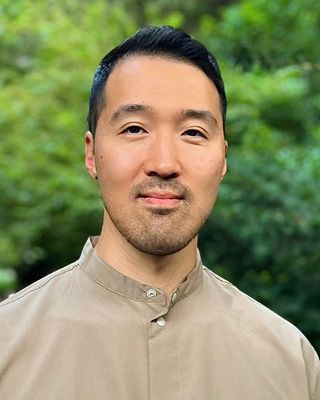
This 8-week online educational workshop is designed for Highly Sensitive People (HSPs) who want to better understand their sensitivity and learn practical ways to navigate everyday life. We’ll explore overstimulation, relationships, work, communication and boundaries, self-care, identity, and more. Each 90-minute workshop provides a combination of psychoeducation, guided reflection, experiential activities, group discussion, practical strategies, and grounding practices. The workshop offers a supportive space to better understand your sensitivity, connect with others who share similar experiences, and develop a more compassionate and empowered relationship with sensitivity. Please note this is an educational workshop and not therapy
Have you recently lost someone close to you very suddenly or under traumatic circumstances? Do you feel disoriented, confused, unable to function, or have flashbacks of the loss? Maybe you feel like you're coming in and out of denial, or that you're going back and forth between the stages of grief. You may benefit from the supportive environment of a group. You don't have to be alone in your feelings of loss. The world is a strange and crazy place right now. Reach out for support because sometimes it takes a village.

Hosted by Negar Khaefi/OCD and Trauma Specialist
Marriage & Family Therapist, LMFT, LPCC
Group meets in Los Angeles, CA 90024
Have you recently lost someone close to you very suddenly or under traumatic circumstances? Do you feel disoriented, confused, unable to function, or have flashbacks of the loss? Maybe you feel like you're coming in and out of denial, or that you're going back and forth between the stages of grief. You may benefit from the supportive environment of a group. You don't have to be alone in your feelings of loss. The world is a strange and crazy place right now. Reach out for support because sometimes it takes a village.
Support group for late diagnosed women with ADHD and AuDHD. Engaging in nonjudgmental support and self-discovery. Offered 1x a quarter depending on if I have enough participants. Contact if interested.

Hosted by Patricia O'Laughlin
Marriage & Family Therapist, LMFT, ATR
Group meets in Los Angeles, CA 90026
Support group for late diagnosed women with ADHD and AuDHD. Engaging in nonjudgmental support and self-discovery. Offered 1x a quarter depending on if I have enough participants. Contact if interested.
Due to their unstructured nature, weekends can be a difficult time for many people in recovery from depression, anxiety or substance abuse. The "I Hate Weekends" group is an ongoing weekly therapy group that meets on Sundays to provide the support and structure needed to keep you on track and make your weekends better.

Hosted by Jesse Sandler
Clinical Social Work/Therapist, MSW, LCSW
Group meets in Sherman Oaks, CA 91423
Due to their unstructured nature, weekends can be a difficult time for many people in recovery from depression, anxiety or substance abuse. The "I Hate Weekends" group is an ongoing weekly therapy group that meets on Sundays to provide the support and structure needed to keep you on track and make your weekends better.
Chronic Illness & Emotional Resilience is a 6-week virtual group for adults living with chronic pain, fatigue, or invisible illnesses who want emotional support, validation, and coping tools. Led by Dr. Karla Mayorga, a trauma-informed psychologist, this group provides a compassionate space to explore grief, self-worth, boundaries, and mind-body stress. Each 90-minute session includes grounding, peer support, and strategies for navigating life with more clarity and resilience. Open to all genders and diagnoses. No insurance required. Fridays from 1:00–2:30 PM via Zoom. Space is limited to 6–8 participants. Sliding scale available.

Chronic Illness & Emotional Resilience is a 6-week virtual group for adults living with chronic pain, fatigue, or invisible illnesses who want emotional support, validation, and coping tools. Led by Dr. Karla Mayorga, a trauma-informed psychologist, this group provides a compassionate space to explore grief, self-worth, boundaries, and mind-body stress. Each 90-minute session includes grounding, peer support, and strategies for navigating life with more clarity and resilience. Open to all genders and diagnoses. No insurance required. Fridays from 1:00–2:30 PM via Zoom. Space is limited to 6–8 participants. Sliding scale available.
Counseling & support group for women: Knowing when and how to put your own needs first without guilt. Untangling yourself from society's do's and don'ts that control your thoughts, behaviors, and feelings. Learning to access your sexual, emotional and spiritual power. Here are some of the main points that will be covered: Co-dependency - Assertiveness - Self-esteem - Self-worth - Sexuality - Sexual difficulties - Intimacy - Healthy relationships - Authenticity.

Hosted by Mitra Rashidian
Marriage & Family Therapist, PhD, LMFT, CST, ABS
Group meets in Encino, CA 91436
Counseling & support group for women: Knowing when and how to put your own needs first without guilt. Untangling yourself from society's do's and don'ts that control your thoughts, behaviors, and feelings. Learning to access your sexual, emotional and spiritual power. Here are some of the main points that will be covered: Co-dependency - Assertiveness - Self-esteem - Self-worth - Sexuality - Sexual difficulties - Intimacy - Healthy relationships - Authenticity.
A 10-week grief support group for those who had a parent or primary caregiver die during their childhood/adolescence. This group weaves together various grief practices, psychoeducation, creative exercises, and group processing to explore the many layers of early loss and its impact over time. Begins January 13th 2027.

Hosted by Isabella P. Tudisco-Sadacca
Marriage & Family Therapist, MA, LMFT, CMT
Group meets in Los Angeles, CA 90042
A 10-week grief support group for those who had a parent or primary caregiver die during their childhood/adolescence. This group weaves together various grief practices, psychoeducation, creative exercises, and group processing to explore the many layers of early loss and its impact over time. Begins January 13th 2027.
Based on the research of psychologist Dr. John Gottman, this virtual workshop was designed for pre-engaged, pre-marital, and married couples. Two hours allows for presenting an overview of the research on relationships and permits couples to do a friendship building exercise. However, please note that this workshop is psychoeducational. It is not couples therapy, and it is not appropriate for all couples, including those with severe relationship distress, emotional abuse, domestic violence, active addictions, and serious mental health problems.
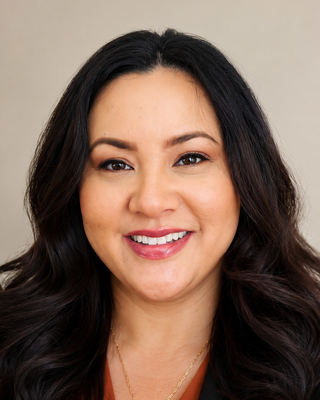
Hosted by Kristine San Mateo-Virgen
Marriage & Family Therapist, MA, LMFT
Group meets in Santa Clarita, CA 91350
Based on the research of psychologist Dr. John Gottman, this virtual workshop was designed for pre-engaged, pre-marital, and married couples. Two hours allows for presenting an overview of the research on relationships and permits couples to do a friendship building exercise. However, please note that this workshop is psychoeducational. It is not couples therapy, and it is not appropriate for all couples, including those with severe relationship distress, emotional abuse, domestic violence, active addictions, and serious mental health problems.
Weekly intensive group therapy focused on living with sexual integrity. Each session is 50 minutes and is conducted via Zoom. Topics discussed include infidelity, porn/lust, risky sexual behaviors, and other unwanted behaviors. This is a safe space for men to take off their “mask,” practice honesty/vulnerability, develop an accountability network, and learn from others on the same journey. During the sessions, we share our struggles and successes. We develop solutions for difficult situations. We delve deeper into the underlying issues that hinder growth. We study books and selected readings to gain greater understanding.

Hosted by Men's Issues - Dr. Dean
Psychologist, PsyD, QME, Author
Group meets in Culver City, CA 90230
Weekly intensive group therapy focused on living with sexual integrity. Each session is 50 minutes and is conducted via Zoom. Topics discussed include infidelity, porn/lust, risky sexual behaviors, and other unwanted behaviors. This is a safe space for men to take off their “mask,” practice honesty/vulnerability, develop an accountability network, and learn from others on the same journey. During the sessions, we share our struggles and successes. We develop solutions for difficult situations. We delve deeper into the underlying issues that hinder growth. We study books and selected readings to gain greater understanding.
This groups' aim is to bring together individuals navigating ADHD and it's challenges. Here we invite exploration of ourselves, coping strategies, and the underlying emotional experiences accompanying living with ADHD. The group promotes self-reflection, connection, and community while providing clients with tools to aid their own personal journey. Sessions consist of about 6-8 individuals, last about 90 minutes, and occur once per week.

Hosted by Reilly Plaisance
Marriage & Family Therapist Associate, AMFT, APCC
Group meets in Los Angeles, CA 90035
This groups' aim is to bring together individuals navigating ADHD and it's challenges. Here we invite exploration of ourselves, coping strategies, and the underlying emotional experiences accompanying living with ADHD. The group promotes self-reflection, connection, and community while providing clients with tools to aid their own personal journey. Sessions consist of about 6-8 individuals, last about 90 minutes, and occur once per week.
Introduction to DBT Skills Group will consist of (4) separate 4-week Modules including: Module 1: Mindfulness Module 2: Distress Tolerance Module 3: Emotional Regulation Module 4: Interpersonal Effectiveness. Mindfulness Skills incorporated throughout and at the beginning of each session.

Hosted by Uche Okolie
Clinical Social Work/Therapist, MSW, LCSW
Group meets in Los Angeles, CA 90017
Introduction to DBT Skills Group will consist of (4) separate 4-week Modules including: Module 1: Mindfulness Module 2: Distress Tolerance Module 3: Emotional Regulation Module 4: Interpersonal Effectiveness. Mindfulness Skills incorporated throughout and at the beginning of each session.
I lead and co-facilitate consultation groups for clinicians seeking certification as practitioners of the Trauma Resiliency Model (TRM). Groups can be 1,2,3 hrs in duration and may include case consultations, practice dyads and triads, demonstrations, and psycho-education. Optional adjunct sessions may extend to include individual practice for clinicians in the role of client. Please see the Trauma Resource Institute or contact me for details.

I lead and co-facilitate consultation groups for clinicians seeking certification as practitioners of the Trauma Resiliency Model (TRM). Groups can be 1,2,3 hrs in duration and may include case consultations, practice dyads and triads, demonstrations, and psycho-education. Optional adjunct sessions may extend to include individual practice for clinicians in the role of client. Please see the Trauma Resource Institute or contact me for details.
Parenting Our Parents™ (POP) is the personal tale of millions of men and women who thought they’d finished parenting but have been drawn back in; this time, to care for their own elderly parents and other family members. By joining, you will also be instantly connected to this growing community. You’ll have access to Jane and countless other caring people who've made the same choice you have, and who are on a similar family journey. The results will be clear when you see yourself as more effective, less stressed and less isolated while doing POP.

Hosted by Jane Wolf Frances, JD, MSW, Master Coach
Clinical Social Work/Therapist, MSW, JD
Group meets in Los Angeles, CA 90025
Parenting Our Parents™ (POP) is the personal tale of millions of men and women who thought they’d finished parenting but have been drawn back in; this time, to care for their own elderly parents and other family members. By joining, you will also be instantly connected to this growing community. You’ll have access to Jane and countless other caring people who've made the same choice you have, and who are on a similar family journey. The results will be clear when you see yourself as more effective, less stressed and less isolated while doing POP.
A virtual group for adults with chronic pain, mind- body symptoms, and nervous system sensitization. The group combines education, skills and community to help decrease fear, calm the nervous system and live better.

A virtual group for adults with chronic pain, mind- body symptoms, and nervous system sensitization. The group combines education, skills and community to help decrease fear, calm the nervous system and live better.
See more therapy options for La Canada Flintridge


Nearby Searches for La Canada Flintridge
- Altadena
- Arcadia
- Burbank
- Glendale
- Los Angeles
- North Hollywood
- Pasadena
- San Marino
- Sierra Madre
- South Pasadena
- Studio City
- Valley Village
FAQs - About Group Therapy and Support Groups
How can I find a support group in La Canada Flintridge?
To find a support group in your area, start by entering your city, zip code, or the name of the group into the search bar at the top of the page. When searching, consider whether you prefer an in-person or virtual group. This can help you decide how broad your geographic search should be. If you are open to virtual groups, you might want to search by state instead of just your city, especially if there are limited options nearby.
Once you complete your search, you can use the filters to narrow the results by selecting specialties (such as grief, trauma, or eating disorders), therapeutic approaches, age groups, and other criteria to find a group that best fits your needs.
How does group therapy work?
Group therapy is led by one or more trained therapists and provides a space where participants can process their experiences and learn from others facing similar challenges. Groups may focus on a specific issue—such as addiction, grief, physical illnesses, parenting, or caregiving—or they may center around a particular therapeutic approach, such as Cognitive Behavioral Therapy (CBT), social skill development, or Exposure Therapy. Some groups are also designed for specific populations, such as teens, veterans, or LGBTQ+ individuals.
It’s also important to distinguish group therapy from peer-led support groups, like Alcoholics Anonymous. While both can offer valuable support, therapy groups are typically led by licensed professionals and follow a more structured format. Therapy groups often meet for a fixed length of time with a consistent group of members, while many peer support groups meet for an indefinite period of time with members coming and going.
What are the benefits of group therapy?
Group therapy offers several important benefits. It brings together people facing similar challenges—whether related to mental health, physical health, or life transitions—and creates a supportive environment where participants can exchange feedback, share experiences, and learn from one another. Hearing different perspectives can help individuals discover new coping strategies and practical tools they may not have encountered on their own. Sharing personal experiences, such as coping with a serious illness or navigating family struggles, can also reduce feelings of isolation and foster a sense of connection and understanding. In addition to emotional support, group members often gain useful, real-world advice from peers who have faced similar situations.
Group therapy is typically more affordable than individual therapy and, for certain conditions, can be equally effective. Many groups also include structured activities—such as guided journaling, cognitive-behavioral exercises, or role-playing—to help participants develop concrete skills they can apply in daily life.
Is group therapy as effective as individual therapy?
It is difficult to make a blanket statement about the effectiveness of support groups, as they vary widely in focus and the conditions they address. However, support groups can be highly valuable in helping individuals gain emotional support and achieve meaningful treatment outcomes. For certain conditions, such as substance use, research has shown that group therapy can be particularly effective—sometimes just as effective as individual therapy—in supporting long-term recovery.
Many professionals attribute the effectiveness of group therapy to the unique benefits of the group setting, which fosters peer-to-peer learning and a sense of connection through shared experiences. Group settings also offer accountability and encouragement from both facilitators and fellow participants, which helps sustain motivation and supports continued progress. These factors together play a key role in promoting the overall effectiveness of group therapy.
How much does group therapy cost?
Group therapy is typically less expensive than individual therapy, with sessions typically costing between $50 and $75 each. In comparison, individual therapy can cost anywhere from $100 to $200 or more per session, even with insurance. Some therapists or organizations offer low-cost or free group therapy options, particularly through community centers or nonprofit organizations. In some cases, groups may require payment upfront for a set number of sessions, such as paying for six weekly sessions at the first meeting. However, many providers offer payment plans to help make participation more accessible if this upfront payment is required.
Does insurance cover group therapy?
As with individual therapy, insurance coverage for group therapy varies based on factors such as your specific insurance plan, the purpose of the group, your diagnosis, and whether the group provider is in-network. Many insurance plans cover group therapy sessions that address diagnosable mental health conditions, such as substance use disorders, anxiety, or depression.
However, groups that focus on topics not directly tied to a mental health diagnosis—such as parenting support or divorce recovery—are less likely to be covered. Because coverage can vary widely, it’s important to check with your insurance provider before joining a group to confirm whether the sessions will be covered and what out-of-pocket costs you may be responsible for.
How long does group therapy last?
The length of each group therapy session typically ranges from 45 minutes to two hours, depending on the therapy approach, the group’s goals, and how often the group meets. In some cases, group therapy is part of a larger treatment program, such as an Intensive Outpatient Program (IOP), where group sessions complement individual therapy and are scheduled as part of the program’s overall structure.
The duration of participation in a group also varies. Some groups are designed to be short-term, lasting anywhere from 6 to 24 weeks—for example, bereavement groups or skills-based groups like those using Dialectical Behavioral Therapy (DBT). Other groups may be longer-term, lasting a year or more, and some ongoing support groups meet indefinitely, allowing participants to stay as long as they find the group helpful.
What are the limitations of support groups?
Support groups offer many benefits, but they also have certain limitations. Unlike therapy groups, many support groups do not provide formal therapeutic treatment and are not led by licensed mental health professionals. For individuals seeking clinical treatment for specific mental health diagnoses—such as depression, eating disorders, or substance use—individual therapy or group therapy led by a licensed professional may offer more personalized and specialized care.
The effectiveness of a support group also depends heavily on the group’s participants and the overall group dynamic. When members engage respectfully and offer constructive support, the group can foster valuable peer-to-peer learning. However, if certain participants dominate discussions, provide inaccurate advice, or create conflict, it can disrupt the group’s sense of safety and reduce its effectiveness. Confidentiality can also be harder to maintain in support groups, particularly in open groups where participants can join or leave at any time. With new members regularly entering the group, it can be more difficult to build and sustain a consistent sense of trust and privacy.