Support Groups in Gold River, CA
I facilitate an on-going men’s group on the 1st and 3rd Tuesday evenings of each month. It is open to any men who wish to meet regularly with other men to examine what it means to be a man in today’s society. I facilitate very lightly and let the group decide how it will run and what topics they will examine together. We have a core of men that participate regularly and also welcome walk-ins on any meeting night. The fee is $180 for six months or $20 per night.

I facilitate an on-going men’s group on the 1st and 3rd Tuesday evenings of each month. It is open to any men who wish to meet regularly with other men to examine what it means to be a man in today’s society. I facilitate very lightly and let the group decide how it will run and what topics they will examine together. We have a core of men that participate regularly and also welcome walk-ins on any meeting night. The fee is $180 for six months or $20 per night.
Regarding recovery from sex addiction and betrayal trauma, who you see matters. We are the experts in the field with 3 CSAT therapists/specialty trained staff. For over 2 decades the Lifestar program has been providing recovery treatment/therapy groups for those struggling with compulsive sexual behaviors and for their partners who are faced with relational betrayal trauma. Often have clients come to us when they have tried other methods but have not had positive results. Our workbooks are time tested and our structured process of recovery and healing have helped thousands of clients to recovery and heal their relationships.

Regarding recovery from sex addiction and betrayal trauma, who you see matters. We are the experts in the field with 3 CSAT therapists/specialty trained staff. For over 2 decades the Lifestar program has been providing recovery treatment/therapy groups for those struggling with compulsive sexual behaviors and for their partners who are faced with relational betrayal trauma. Often have clients come to us when they have tried other methods but have not had positive results. Our workbooks are time tested and our structured process of recovery and healing have helped thousands of clients to recovery and heal their relationships.
Discover the neuroscience behind why we get stuck in negative mental cycles of depression/ anxiety/ emotional distress as a result of strong associations that get formed between our negative feelings, thoughts, behavior patterns & physiology/body. Learn Mindfulness practices that offer new ways to respond to our thoughts & feelings to help us get unstuck, break the negative spirals/cycles and free us from chronic unhappiness & emotional suffering. Based on the widely researched and highly effective treatment approach for emotional, mental and physical wellbeing - Mindfulness Based Cognitive Therapy (MBCT) for Depression by John Teasdale, PhD, Mark Williams DPhil and Zindel Segal, PhD.

Discover the neuroscience behind why we get stuck in negative mental cycles of depression/ anxiety/ emotional distress as a result of strong associations that get formed between our negative feelings, thoughts, behavior patterns & physiology/body. Learn Mindfulness practices that offer new ways to respond to our thoughts & feelings to help us get unstuck, break the negative spirals/cycles and free us from chronic unhappiness & emotional suffering. Based on the widely researched and highly effective treatment approach for emotional, mental and physical wellbeing - Mindfulness Based Cognitive Therapy (MBCT) for Depression by John Teasdale, PhD, Mark Williams DPhil and Zindel Segal, PhD.
This online 9-week small-group program helps adults who struggle with anxiety, chronic stress, or strong emotional reactions that feel hard to control. Many people notice racing thoughts, tension in the body, disrupted sleep, or feeling overwhelmed even when they are doing everything “right.” In this group you will learn how the nervous system responds to stress and how to work with those responses rather than fight them. Through guided breathwork, movement, and psychological tools, participants practice safely moving into activation and back into regulation, building real resilience, steadiness, and confidence in everyday life. Medicare, Cigna and Aetna insurance accepted.

This online 9-week small-group program helps adults who struggle with anxiety, chronic stress, or strong emotional reactions that feel hard to control. Many people notice racing thoughts, tension in the body, disrupted sleep, or feeling overwhelmed even when they are doing everything “right.” In this group you will learn how the nervous system responds to stress and how to work with those responses rather than fight them. Through guided breathwork, movement, and psychological tools, participants practice safely moving into activation and back into regulation, building real resilience, steadiness, and confidence in everyday life. Medicare, Cigna and Aetna insurance accepted.
Gold River Christian Counseling Associates was founded in 2007 as an affiliated group of licensed therapists from a wide variety of backgrounds. We are Christians who integrate our personal faith with our professional practice. Our clients represent the broad diversity of the community, however, and we respect and work with people regardless of their faith perspective. GRCCA therapists offer a wide range of expertise in our work with adults, children and teens, and we look forward to speaking with you about how we might be of assistance. https://grcca.com

Gold River Christian Counseling Associates was founded in 2007 as an affiliated group of licensed therapists from a wide variety of backgrounds. We are Christians who integrate our personal faith with our professional practice. Our clients represent the broad diversity of the community, however, and we respect and work with people regardless of their faith perspective. GRCCA therapists offer a wide range of expertise in our work with adults, children and teens, and we look forward to speaking with you about how we might be of assistance. https://grcca.com
This 12-week online group offers a supportive space to process grief while learning simple, breath-based tools to help your nervous system stay grounded. Grief can feel overwhelming, isolating, or unpredictable—this group helps you move through it with more steadiness and support. Each session includes gentle guidance, optional sharing, and practical tools you can use outside of group. Open to adults experiencing any form of loss (death, relationship, life transitions). No prior experience with breathwork or meditation needed. Medicare, Cigna and Aetna insurance accepted for group participants.
This 12-week online group offers a supportive space to process grief while learning simple, breath-based tools to help your nervous system stay grounded. Grief can feel overwhelming, isolating, or unpredictable—this group helps you move through it with more steadiness and support. Each session includes gentle guidance, optional sharing, and practical tools you can use outside of group. Open to adults experiencing any form of loss (death, relationship, life transitions). No prior experience with breathwork or meditation needed. Medicare, Cigna and Aetna insurance accepted for group participants.
Join us for a Relationship Enrichment experience of growth, healing, discovery & fun! Based on the teachings of mindfulness, Imago Couples Relationship Therapy by Dr. Harville Hendrix and Emotionally Focused Therapy for couples by Dr. Sue Johnson. It involves an integration of latest research from neuroscience, psychology and spirituality. Suitable for couples want to rekindle love & intimacy as well as couples who are questioning their relationship. Sessions include couples meditations, short lectures, video clips of real couples and time to practice new skills with your partner in a safe and intimate setting. 4 couples max. Same sex couples welcome!
Join us for a Relationship Enrichment experience of growth, healing, discovery & fun! Based on the teachings of mindfulness, Imago Couples Relationship Therapy by Dr. Harville Hendrix and Emotionally Focused Therapy for couples by Dr. Sue Johnson. It involves an integration of latest research from neuroscience, psychology and spirituality. Suitable for couples want to rekindle love & intimacy as well as couples who are questioning their relationship. Sessions include couples meditations, short lectures, video clips of real couples and time to practice new skills with your partner in a safe and intimate setting. 4 couples max. Same sex couples welcome!
Lifestar Sacramento provides group therapy for people in your situation. If the term addict may not apply to you but problematic sexual behaviors does, you need specialty trained therapists. If your life has become unmanageable, know that hope, healing, and recovery are within reach. Lifestar Sacramento has been serving our recovery community since 2005. We are the experts; We know the recovery map like no other professionals and have helped hundreds of clients restore trust, faith and hope for themselves and create a better relationship than they every hoped they could have. Call us today for a free 15 minute consultation.

Hosted by LifeSTAR Sacramento
Marriage & Family Therapist, LMFT, CSAT, CMAT
Group meets in Gold River, CA 95670
Lifestar Sacramento provides group therapy for people in your situation. If the term addict may not apply to you but problematic sexual behaviors does, you need specialty trained therapists. If your life has become unmanageable, know that hope, healing, and recovery are within reach. Lifestar Sacramento has been serving our recovery community since 2005. We are the experts; We know the recovery map like no other professionals and have helped hundreds of clients restore trust, faith and hope for themselves and create a better relationship than they every hoped they could have. Call us today for a free 15 minute consultation.
Discover the neuroscience behind why we get stuck in negative mental cycles of depression/ anxiety/ emotional distress as a result of strong associations that get formed between our negative feelings, thoughts, behavior patterns & physiology/body. Learn Mindfulness practices that offer new ways to respond to our thoughts & feelings to help us get unstuck, break the negative spirals/cycles and free us from chronic unhappiness & emotional suffering. Based on the widely researched and highly effective treatment approach for emotional, mental and physical wellbeing - Mindfulness Based Cognitive Therapy (MBCT) for Depression by John Teasdale, PhD, Mark Williams DPhil and Zindel Segal, PhD.

Discover the neuroscience behind why we get stuck in negative mental cycles of depression/ anxiety/ emotional distress as a result of strong associations that get formed between our negative feelings, thoughts, behavior patterns & physiology/body. Learn Mindfulness practices that offer new ways to respond to our thoughts & feelings to help us get unstuck, break the negative spirals/cycles and free us from chronic unhappiness & emotional suffering. Based on the widely researched and highly effective treatment approach for emotional, mental and physical wellbeing - Mindfulness Based Cognitive Therapy (MBCT) for Depression by John Teasdale, PhD, Mark Williams DPhil and Zindel Segal, PhD.
If you are the partner of an addict, there are some very common tendencies and behaviors that you may be experiencing. We want you to know that you are not alone, and that most partners of addicts experience denial, hurt, anger, and guilt. Some even feel responsible for their partner's sexual compulsive behavior. It is important for you to know that your partner's sexual acting out IS NOT YOUR FAULT. YOU ARE NOT TO BLAME!
Hosted by LifeSTAR Sacramento
Marriage & Family Therapist, LMFT, CSAT, CMAT
Group meets in Gold River, CA 95670
If you are the partner of an addict, there are some very common tendencies and behaviors that you may be experiencing. We want you to know that you are not alone, and that most partners of addicts experience denial, hurt, anger, and guilt. Some even feel responsible for their partner's sexual compulsive behavior. It is important for you to know that your partner's sexual acting out IS NOT YOUR FAULT. YOU ARE NOT TO BLAME!
Join us for a Relationship Enrichment experience of growth, healing, discovery & fun! Based on the teachings of mindfulness, Imago Couples Relationship Therapy by Dr. Harville Hendrix and Emotionally Focused Therapy for couples by Dr. Sue Johnson. It involves an integration of latest research from neuroscience, psychology and spirituality. Suitable for couples want to rekindle love & intimacy as well as couples who are questioning their relationship. Sessions include couples meditations, short lectures, video clips of real couples and time to practice new skills with your partner in a safe and intimate setting. 4 couples max. Same sex couples welcome!
Join us for a Relationship Enrichment experience of growth, healing, discovery & fun! Based on the teachings of mindfulness, Imago Couples Relationship Therapy by Dr. Harville Hendrix and Emotionally Focused Therapy for couples by Dr. Sue Johnson. It involves an integration of latest research from neuroscience, psychology and spirituality. Suitable for couples want to rekindle love & intimacy as well as couples who are questioning their relationship. Sessions include couples meditations, short lectures, video clips of real couples and time to practice new skills with your partner in a safe and intimate setting. 4 couples max. Same sex couples welcome!
Many of us struggle to give ourselves the same compassion that we give others. If you expect yourself to be perfect and you often put everyone else’s needs before your own, this is the group for you. In a supportive and non judgmental environment, you can meet other women struggling with the same inner critic. You can learn to become more aware of your own feelings and needs and learn tools to express yourself in a more authentic way. Next group starts in April. Please contact me for details.
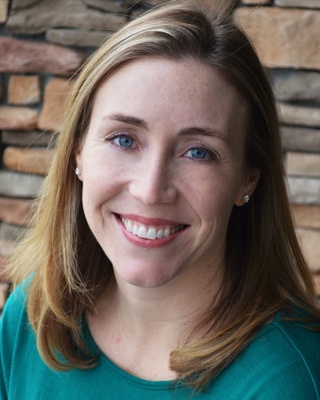
Hosted by Jenna Ghazanfari
Marriage & Family Therapist, MS, LMFT
Group meets in Gold River, CA 95670
Many of us struggle to give ourselves the same compassion that we give others. If you expect yourself to be perfect and you often put everyone else’s needs before your own, this is the group for you. In a supportive and non judgmental environment, you can meet other women struggling with the same inner critic. You can learn to become more aware of your own feelings and needs and learn tools to express yourself in a more authentic way. Next group starts in April. Please contact me for details.
More Groups Nearby
Cultivating a Better Me Psychotherapy is excited to present a transformative six-session group therapy program designed specifically for women navigating the complex journey of self-identity in midlife and beyond. This program addresses pivotal life changes such as menopause, empty nest syndrome, retirement, and career transitions. In a supportive and nurturing environment, participants will explore their personal experiences, rediscover their passions, and reconnect with their sense of self. Join us on this empowering journey to embrace the next chapter of life with confidence and clarity.

Cultivating a Better Me Psychotherapy is excited to present a transformative six-session group therapy program designed specifically for women navigating the complex journey of self-identity in midlife and beyond. This program addresses pivotal life changes such as menopause, empty nest syndrome, retirement, and career transitions. In a supportive and nurturing environment, participants will explore their personal experiences, rediscover their passions, and reconnect with their sense of self. Join us on this empowering journey to embrace the next chapter of life with confidence and clarity.
A safe place for teens to process COVID isolation and the impact of online school. Here we provide art and experiential therapy and group processing. Groups are set quarterly depending on the needs of the community

Hosted by Insights Counseling Group
Marriage & Family Therapist, MA, MFT, ED
Group meets in Roseville, CA 95661
A safe place for teens to process COVID isolation and the impact of online school. Here we provide art and experiential therapy and group processing. Groups are set quarterly depending on the needs of the community
Our processing group is designed to support a wide range of individuals, especially those who feel most at ease in a welcoming and interactive setting. These groups offer a safe space to connect with others while working through your challenges. If you’re struggling with grief, loss, or unresolved past traumas, this group can help you find the emotional support you truly need to heal. It’s also ideal if you feel isolated or misunderstood and are looking to connect with others who get what you’re going through.

Hosted by Attune Counseling Center
Clinical Social Work/Therapist
Group meets in Sacramento, CA 95827
Our processing group is designed to support a wide range of individuals, especially those who feel most at ease in a welcoming and interactive setting. These groups offer a safe space to connect with others while working through your challenges. If you’re struggling with grief, loss, or unresolved past traumas, this group can help you find the emotional support you truly need to heal. It’s also ideal if you feel isolated or misunderstood and are looking to connect with others who get what you’re going through.
Give your teen the tools to thrive—even under pressure. In this two day four-hours per day individual intensive, your teens will learn 10 essential skills to bounce back from setbacks and turn stress into success. This research-based program draws from The Resilient Teen by Sheela Raja and proven Cognitive Behavioral Therapy techniques to help them create real change. Participants will identify and challenge the thought patterns that may be holding them back, building confidence, resilience, and a healthier mindset they can use in everyday life. Parenting session included to understand intensive strategies.

Hosted by Blue Sky Counseling Center Pediatric Specialist
Counselor, PsyD, LPCC
Group meets in Rocklin, CA 95765
Give your teen the tools to thrive—even under pressure. In this two day four-hours per day individual intensive, your teens will learn 10 essential skills to bounce back from setbacks and turn stress into success. This research-based program draws from The Resilient Teen by Sheela Raja and proven Cognitive Behavioral Therapy techniques to help them create real change. Participants will identify and challenge the thought patterns that may be holding them back, building confidence, resilience, and a healthier mindset they can use in everyday life. Parenting session included to understand intensive strategies.
This support group aims to provide a safe and nurturing space for women to share their experiences, receive support, and work towards healing from trauma and addiction.

This support group aims to provide a safe and nurturing space for women to share their experiences, receive support, and work towards healing from trauma and addiction.
Your past doesn’t define you. This 6-week trauma-processing group provides a safe space for adult survivors of childhood physical, emotional, or sexual abuse. Through guided discussions, coping strategies, and inner child healing, you’ll gain tools to manage triggers, set boundaries, and build resilience. Connect with others who understand your journey and reclaim control over your life. You are stronger than you think. Reach out for a free diagnostic tool and a 20-minute consultation to see if this group is right for you. Healing is possible—you don’t have to do it alone.

Hosted by Veronica Ghabour
Licensed Professional Counselor, LPCC
Group meets in Sacramento, CA 95816
Your past doesn’t define you. This 6-week trauma-processing group provides a safe space for adult survivors of childhood physical, emotional, or sexual abuse. Through guided discussions, coping strategies, and inner child healing, you’ll gain tools to manage triggers, set boundaries, and build resilience. Connect with others who understand your journey and reclaim control over your life. You are stronger than you think. Reach out for a free diagnostic tool and a 20-minute consultation to see if this group is right for you. Healing is possible—you don’t have to do it alone.
See more therapy options for Gold River


Nearby Searches for Gold River
See More Support Groups FAQs - About Group Therapy and Support Groups
How can I find a support group in Gold River?
To find a support group in your area, start by entering your city, zip code, or the name of the group into the search bar at the top of the page. When searching, consider whether you prefer an in-person or virtual group. This can help you decide how broad your geographic search should be. If you are open to virtual groups, you might want to search by state instead of just your city, especially if there are limited options nearby.
Once you complete your search, you can use the filters to narrow the results by selecting specialties (such as grief, trauma, or eating disorders), therapeutic approaches, age groups, and other criteria to find a group that best fits your needs.
Once you complete your search, you can use the filters to narrow the results by selecting specialties (such as grief, trauma, or eating disorders), therapeutic approaches, age groups, and other criteria to find a group that best fits your needs.
How does group therapy work?
Group therapy is led by one or more trained therapists and provides a space where participants can process their experiences and learn from others facing similar challenges. Groups may focus on a specific issue—such as addiction, grief, physical illnesses, parenting, or caregiving—or they may center around a particular therapeutic approach, such as Cognitive Behavioral Therapy (CBT), social skill development, or Exposure Therapy. Some groups are also designed for specific populations, such as teens, veterans, or LGBTQ+ individuals.
It’s also important to distinguish group therapy from peer-led support groups, like Alcoholics Anonymous. While both can offer valuable support, therapy groups are typically led by licensed professionals and follow a more structured format. Therapy groups often meet for a fixed length of time with a consistent group of members, while many peer support groups meet for an indefinite period of time with members coming and going.
It’s also important to distinguish group therapy from peer-led support groups, like Alcoholics Anonymous. While both can offer valuable support, therapy groups are typically led by licensed professionals and follow a more structured format. Therapy groups often meet for a fixed length of time with a consistent group of members, while many peer support groups meet for an indefinite period of time with members coming and going.
What are the benefits of group therapy?
Group therapy offers several important benefits. It brings together people facing similar challenges—whether related to mental health, physical health, or life transitions—and creates a supportive environment where participants can exchange feedback, share experiences, and learn from one another. Hearing different perspectives can help individuals discover new coping strategies and practical tools they may not have encountered on their own. Sharing personal experiences, such as coping with a serious illness or navigating family struggles, can also reduce feelings of isolation and foster a sense of connection and understanding. In addition to emotional support, group members often gain useful, real-world advice from peers who have faced similar situations.
Group therapy is typically more affordable than individual therapy and, for certain conditions, can be equally effective. Many groups also include structured activities—such as guided journaling, cognitive-behavioral exercises, or role-playing—to help participants develop concrete skills they can apply in daily life.
Group therapy is typically more affordable than individual therapy and, for certain conditions, can be equally effective. Many groups also include structured activities—such as guided journaling, cognitive-behavioral exercises, or role-playing—to help participants develop concrete skills they can apply in daily life.
Is group therapy as effective as individual therapy?
It is difficult to make a blanket statement about the effectiveness of support groups, as they vary widely in focus and the conditions they address. However, support groups can be highly valuable in helping individuals gain emotional support and achieve meaningful treatment outcomes. For certain conditions, such as substance use, research has shown that group therapy can be particularly effective—sometimes just as effective as individual therapy—in supporting long-term recovery.
Many professionals attribute the effectiveness of group therapy to the unique benefits of the group setting, which fosters peer-to-peer learning and a sense of connection through shared experiences. Group settings also offer accountability and encouragement from both facilitators and fellow participants, which helps sustain motivation and supports continued progress. These factors together play a key role in promoting the overall effectiveness of group therapy.
Many professionals attribute the effectiveness of group therapy to the unique benefits of the group setting, which fosters peer-to-peer learning and a sense of connection through shared experiences. Group settings also offer accountability and encouragement from both facilitators and fellow participants, which helps sustain motivation and supports continued progress. These factors together play a key role in promoting the overall effectiveness of group therapy.
How much does group therapy cost?
Group therapy is typically less expensive than individual therapy, with sessions typically costing between $50 and $75 each. In comparison, individual therapy can cost anywhere from $100 to $200 or more per session, even with insurance. Some therapists or organizations offer low-cost or free group therapy options, particularly through community centers or nonprofit organizations. In some cases, groups may require payment upfront for a set number of sessions, such as paying for six weekly sessions at the first meeting. However, many providers offer payment plans to help make participation more accessible if this upfront payment is required.
Does insurance cover group therapy?
As with individual therapy, insurance coverage for group therapy varies based on factors such as your specific insurance plan, the purpose of the group, your diagnosis, and whether the group provider is in-network. Many insurance plans cover group therapy sessions that address diagnosable mental health conditions, such as substance use disorders, anxiety, or depression.
However, groups that focus on topics not directly tied to a mental health diagnosis—such as parenting support or divorce recovery—are less likely to be covered. Because coverage can vary widely, it’s important to check with your insurance provider before joining a group to confirm whether the sessions will be covered and what out-of-pocket costs you may be responsible for.
However, groups that focus on topics not directly tied to a mental health diagnosis—such as parenting support or divorce recovery—are less likely to be covered. Because coverage can vary widely, it’s important to check with your insurance provider before joining a group to confirm whether the sessions will be covered and what out-of-pocket costs you may be responsible for.
How long does group therapy last?
The length of each group therapy session typically ranges from 45 minutes to two hours, depending on the therapy approach, the group’s goals, and how often the group meets. In some cases, group therapy is part of a larger treatment program, such as an Intensive Outpatient Program (IOP), where group sessions complement individual therapy and are scheduled as part of the program’s overall structure.
The duration of participation in a group also varies. Some groups are designed to be short-term, lasting anywhere from 6 to 24 weeks—for example, bereavement groups or skills-based groups like those using Dialectical Behavioral Therapy (DBT). Other groups may be longer-term, lasting a year or more, and some ongoing support groups meet indefinitely, allowing participants to stay as long as they find the group helpful.
The duration of participation in a group also varies. Some groups are designed to be short-term, lasting anywhere from 6 to 24 weeks—for example, bereavement groups or skills-based groups like those using Dialectical Behavioral Therapy (DBT). Other groups may be longer-term, lasting a year or more, and some ongoing support groups meet indefinitely, allowing participants to stay as long as they find the group helpful.
What are the limitations of support groups?
Support groups offer many benefits, but they also have certain limitations. Unlike therapy groups, many support groups do not provide formal therapeutic treatment and are not led by licensed mental health professionals. For individuals seeking clinical treatment for specific mental health diagnoses—such as depression, eating disorders, or substance use—individual therapy or group therapy led by a licensed professional may offer more personalized and specialized care.
The effectiveness of a support group also depends heavily on the group’s participants and the overall group dynamic. When members engage respectfully and offer constructive support, the group can foster valuable peer-to-peer learning. However, if certain participants dominate discussions, provide inaccurate advice, or create conflict, it can disrupt the group’s sense of safety and reduce its effectiveness. Confidentiality can also be harder to maintain in support groups, particularly in open groups where participants can join or leave at any time. With new members regularly entering the group, it can be more difficult to build and sustain a consistent sense of trust and privacy.
The effectiveness of a support group also depends heavily on the group’s participants and the overall group dynamic. When members engage respectfully and offer constructive support, the group can foster valuable peer-to-peer learning. However, if certain participants dominate discussions, provide inaccurate advice, or create conflict, it can disrupt the group’s sense of safety and reduce its effectiveness. Confidentiality can also be harder to maintain in support groups, particularly in open groups where participants can join or leave at any time. With new members regularly entering the group, it can be more difficult to build and sustain a consistent sense of trust and privacy.