Support Groups in Bellflower, CA
This Therapy Group is for Adults who experienced a hard winter of depression or grief aka "The Winter Blues." If you are struggling with seasonal or longterm depression, loss, grief, non-death related losses, break-up's, burnout, divorce, job-loss, health emergencies, & lack of a support system, these factors impact your mood & overall functioning. If any of these stressors have held you in a winter, & you are ready to emotionally experience the joy of spring, then this group is for you. Learn to process the pain, cope, & get your joy back. Your Spring season begins NOW!

Hosted by Ahneishia Washington
Marriage & Family Therapist, MS, LMFT
Group meets in Bellflower, CA 90706
This Therapy Group is for Adults who experienced a hard winter of depression or grief aka "The Winter Blues." If you are struggling with seasonal or longterm depression, loss, grief, non-death related losses, break-up's, burnout, divorce, job-loss, health emergencies, & lack of a support system, these factors impact your mood & overall functioning. If any of these stressors have held you in a winter, & you are ready to emotionally experience the joy of spring, then this group is for you. Learn to process the pain, cope, & get your joy back. Your Spring season begins NOW!
Coming Soon Summer 2023. Interest request accepted now by email.
Hosted by Ahneishia Washington
Marriage & Family Therapist, MS, LMFT
Group meets in Bellflower, CA 90706
Coming Soon Summer 2023. Interest request accepted now by email.
More Groups Nearby
This group is for men who want a space to talk honestly about stress, relationships, anger, loneliness, identity, and emotional overwhelm. Many men join feeling isolated or unsure how to open up; you don’t need the right words or prior therapy experience. The group offers connection, support, and reflection in a respectful, nonjudgmental setting. We focus on real-life challenges, not quick fixes or performance. Build community with other men and masc-identifying folks. In-person in Highland Park, L.A. Adult men. Ongoing enrollment. We have two different groups--one every other friday and another every other thursday!

This group is for men who want a space to talk honestly about stress, relationships, anger, loneliness, identity, and emotional overwhelm. Many men join feeling isolated or unsure how to open up; you don’t need the right words or prior therapy experience. The group offers connection, support, and reflection in a respectful, nonjudgmental setting. We focus on real-life challenges, not quick fixes or performance. Build community with other men and masc-identifying folks. In-person in Highland Park, L.A. Adult men. Ongoing enrollment. We have two different groups--one every other friday and another every other thursday!
An online process-oriented training group for aspiring therapists. The group meets once per month for 3 hours one Saturday per month based on the group members availability.

Hosted by Jeffrey T. Middleton, LCSW
Clinical Social Work/Therapist, LCSW
Group meets in Whittier, CA 90601
An online process-oriented training group for aspiring therapists. The group meets once per month for 3 hours one Saturday per month based on the group members availability.
This IFS (Internal Family Systems) and mindfulness-based therapy group offers a safe, supportive space to heal from trauma, grief, anxiety, depression, relationship challenges, work stress, and life transitions. You’ll explore your inner world, understand your “parts,” and cultivate deep self-compassion. Through experiential practices and meaningful group connection, you’ll gain practical tools to process unresolved emotions and navigate daily stress with greater clarity and resilience—while feeling truly seen, supported, and empowered. Schedule your free consultation to get started.
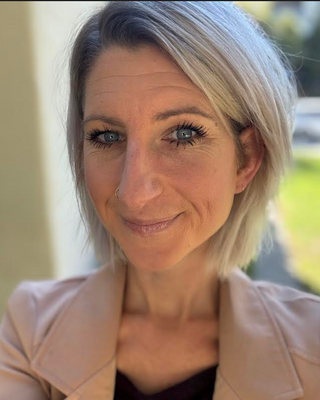
Hosted by Sara Minter
Marriage & Family Therapist Associate, AMFT, DBT
Group meets in Van Nuys, CA 91405
This IFS (Internal Family Systems) and mindfulness-based therapy group offers a safe, supportive space to heal from trauma, grief, anxiety, depression, relationship challenges, work stress, and life transitions. You’ll explore your inner world, understand your “parts,” and cultivate deep self-compassion. Through experiential practices and meaningful group connection, you’ll gain practical tools to process unresolved emotions and navigate daily stress with greater clarity and resilience—while feeling truly seen, supported, and empowered. Schedule your free consultation to get started.
This all woman, 8 week closed group, teaches you how to work with your anxiety or perfectionism. Many people can feel alone in their relationships with food and their body. This is an opportunity to connect to others in similar situations and find out how this external struggle about food and body might be connected to an internal dissatisfaction about life, loss of meaning, unresolved emotional issues, or unspoken desires. Join us in Irvine today! Email me to find out more.

Hosted by Share Holland
Licensed Professional Clinical Counselor, CPC, LPCC, LPC, LCMHC
Group meets in Irvine, CA 92614
This all woman, 8 week closed group, teaches you how to work with your anxiety or perfectionism. Many people can feel alone in their relationships with food and their body. This is an opportunity to connect to others in similar situations and find out how this external struggle about food and body might be connected to an internal dissatisfaction about life, loss of meaning, unresolved emotional issues, or unspoken desires. Join us in Irvine today! Email me to find out more.
This group will focus on building girls' self esteem and body image through a variety of activities. The girls will explore their current views about themselves and identify more adaptive ways of coping with teen issues. They will learn to work with each other and gain support from one another while they build confidence in who they are.

This group will focus on building girls' self esteem and body image through a variety of activities. The girls will explore their current views about themselves and identify more adaptive ways of coping with teen issues. They will learn to work with each other and gain support from one another while they build confidence in who they are.
Taking requests for video-stream support group to be made available (for all Arizona and California residents)! The groups offer life-changing moments that include equal opportunity to share and get feedback from the group and myself regarding mental and relationship health. Whatever is keeping you 'stuck' in the past and present, can be brought to light in a caring, safe and trauma-informed environment.

Hosted by S. Kelli Forsythe
Marriage & Family Therapist, MS/MFCT, LMFT
Group meets in Los Angeles, CA 90018
Taking requests for video-stream support group to be made available (for all Arizona and California residents)! The groups offer life-changing moments that include equal opportunity to share and get feedback from the group and myself regarding mental and relationship health. Whatever is keeping you 'stuck' in the past and present, can be brought to light in a caring, safe and trauma-informed environment.
A Dialectical Behavior Therapy (DBT) Skills Group is designed to teach a range of practical skills to manage emotions, improve relationships, and enhance overall well-being. DBT integrates mindfulness practices with effective strategies for emotion regulation, distress tolerance, and interpersonal effectiveness. Learn to identify and change self-destructive patterns, cultivate a deeper understanding of your emotions, and develop healthier ways of interacting with others. Join a supportive environment where you can share experiences, receive feedback, and practice new skills. Whether facing mental health challenges or pursuing personal growth, a DBT Skills Group will empower you to navigate life's challenges with greater resilience and balance.

Hosted by Ruth Ann Alpert
Marriage & Family Therapist Associate, AMFT, APCC
Group meets in Los Angeles, CA 90046
A Dialectical Behavior Therapy (DBT) Skills Group is designed to teach a range of practical skills to manage emotions, improve relationships, and enhance overall well-being. DBT integrates mindfulness practices with effective strategies for emotion regulation, distress tolerance, and interpersonal effectiveness. Learn to identify and change self-destructive patterns, cultivate a deeper understanding of your emotions, and develop healthier ways of interacting with others. Join a supportive environment where you can share experiences, receive feedback, and practice new skills. Whether facing mental health challenges or pursuing personal growth, a DBT Skills Group will empower you to navigate life's challenges with greater resilience and balance.
Pockets of Presence are 2–3 hour outdoor gatherings led by psychotherapist and nature therapy guide Marina Mendes. Through breathwork, guided meditation, forest bathing, and somatic practices, participants are invited to slow down and reconnect—with themselves, one another, and the natural world. Each gathering includes nature-based invitations, optional group sharing, and closes with sound healing, tea, and community connection. When & Where April 12 & 26: Griffith Park | May 10: Topanga Canyon (1–3pm) Exact location shared after registration. To join: marina@therapyonfig.com

Pockets of Presence are 2–3 hour outdoor gatherings led by psychotherapist and nature therapy guide Marina Mendes. Through breathwork, guided meditation, forest bathing, and somatic practices, participants are invited to slow down and reconnect—with themselves, one another, and the natural world. Each gathering includes nature-based invitations, optional group sharing, and closes with sound healing, tea, and community connection. When & Where April 12 & 26: Griffith Park | May 10: Topanga Canyon (1–3pm) Exact location shared after registration. To join: marina@therapyonfig.com
My group has a trauma and attachment focus consisting of a mix of psychoeducation, skills building and processing. A sensorimotor (somatic/mind/body) approach is integrated into the group material. All female-identified, non-binary and genderqueer persons are welcome. Groups run for 8 weeks. Commitment to the full 8 weeks is required. Group meets on Zoom. Enrollment for the next round is open. Reach out for a consult if interested.

My group has a trauma and attachment focus consisting of a mix of psychoeducation, skills building and processing. A sensorimotor (somatic/mind/body) approach is integrated into the group material. All female-identified, non-binary and genderqueer persons are welcome. Groups run for 8 weeks. Commitment to the full 8 weeks is required. Group meets on Zoom. Enrollment for the next round is open. Reach out for a consult if interested.
This group is for adults who struggle with ADHD, anxiety, overwhelm, or difficulty staying focused. We work on emotional regulation, routines, structure, time management, and coping skills. Members gain tools for daily life, support from others who understand, and strategies that help you feel more grounded and confident.

Hosted by Angela J Jones
Marriage & Family Therapist, MS, Psy, LMFT
Group meets in Culver City, CA 90232
This group is for adults who struggle with ADHD, anxiety, overwhelm, or difficulty staying focused. We work on emotional regulation, routines, structure, time management, and coping skills. Members gain tools for daily life, support from others who understand, and strategies that help you feel more grounded and confident.
PEERS Social Skills Treatment Program Develop evidence-based skills to achieve social success! About PEERS (Program for the Education and Enrichment of Relational Skills): this successful 14-week evidence-based program is designed for parents and motivated teenagers (7th-12th grade) who are interested in learning ways to help them make and keep friends. · appropriate conversational skills · find common interests · appropriate use of humor · enter and exit conversations · handle rejection, teasing, and bullying · handle rumors and gossip · good sportsmanship · choosing appropriate friends · successful get-togethers · handling arguments and disagreements · changing a bad reputation · follow "theory of mind" and perspective taking

PEERS Social Skills Treatment Program Develop evidence-based skills to achieve social success! About PEERS (Program for the Education and Enrichment of Relational Skills): this successful 14-week evidence-based program is designed for parents and motivated teenagers (7th-12th grade) who are interested in learning ways to help them make and keep friends. · appropriate conversational skills · find common interests · appropriate use of humor · enter and exit conversations · handle rejection, teasing, and bullying · handle rumors and gossip · good sportsmanship · choosing appropriate friends · successful get-togethers · handling arguments and disagreements · changing a bad reputation · follow "theory of mind" and perspective taking
It's time to make a change. Don't suffer alone. In this group you will learn to tame your fears and *Overcome anxiety, depression and loss; *Conquer self-esteem and assertiveness issues; *Manage through life transitions; * Develop more effective ways to get what you want; * Learn relationship skills that work. Dr. Gilbert works in a very collaborative and participatory manner. You'll get constant feedback, advice and valuable life skills in each session. Complementary consultation required to meet group requirements and ensure psychotherapy is right for you.

Hosted by Reconnect Relationship - Dr. Gilbert Chalepas
Psychologist, PsyD
Group meets in Beverly Hills, CA 90210
It's time to make a change. Don't suffer alone. In this group you will learn to tame your fears and *Overcome anxiety, depression and loss; *Conquer self-esteem and assertiveness issues; *Manage through life transitions; * Develop more effective ways to get what you want; * Learn relationship skills that work. Dr. Gilbert works in a very collaborative and participatory manner. You'll get constant feedback, advice and valuable life skills in each session. Complementary consultation required to meet group requirements and ensure psychotherapy is right for you.
Join our 8-week Brainspotting Group to heal from trauma and reduce symptoms like anxiety, depression, relationship issues, avoidance, nightmares, and flashbacks. Using Brainspotting, a somatic therapy that targets where trauma is stored in the brain, you’ll process deep emotional pain that talk therapy often can’t reach. Each session blends psychoeducation, group discussions, and Brainspotting exercises to help alleviate trauma symptoms and activate the brain’s natural healing abilities. Connect with others on a similar journey, share experiences, and work through challenges in a safe, supportive environment. Experience the transformative power of trauma healing and recovery.

Hosted by Sheron Gershelis
Clinical Social Work/Therapist, LCSW, EMDR
Group meets in Santa Ana, CA 92701
Join our 8-week Brainspotting Group to heal from trauma and reduce symptoms like anxiety, depression, relationship issues, avoidance, nightmares, and flashbacks. Using Brainspotting, a somatic therapy that targets where trauma is stored in the brain, you’ll process deep emotional pain that talk therapy often can’t reach. Each session blends psychoeducation, group discussions, and Brainspotting exercises to help alleviate trauma symptoms and activate the brain’s natural healing abilities. Connect with others on a similar journey, share experiences, and work through challenges in a safe, supportive environment. Experience the transformative power of trauma healing and recovery.
This group is a six-week therapy group for women, blending the Internal Family Systems (IFS) model and mindfulness. This group is tailored for those navigating grief, trauma, relationship shifts, and career challenges along with a safe space for exploration. I offer guided exercises, discussions, & compassionate support to empower you to deepen your self-awareness and resilience. Each session delves into parts recognition, self-compassion, healing exiled parts, and integrating the inner self. Join this transformative journey, celebrating progress and setting intentions for ongoing transformation. 'Embracing Change' offers women strength, solace, and authentic resilience. Contact me for a free consultation.

This group is a six-week therapy group for women, blending the Internal Family Systems (IFS) model and mindfulness. This group is tailored for those navigating grief, trauma, relationship shifts, and career challenges along with a safe space for exploration. I offer guided exercises, discussions, & compassionate support to empower you to deepen your self-awareness and resilience. Each session delves into parts recognition, self-compassion, healing exiled parts, and integrating the inner self. Join this transformative journey, celebrating progress and setting intentions for ongoing transformation. 'Embracing Change' offers women strength, solace, and authentic resilience. Contact me for a free consultation.
I am a certified parenting instructor and I would like to share my expertise to parents who want to learn how effectively parent their children in the twenty-first century.My model of intervention is based on an educational and Cognitive Behavioral approach which help parents to learn concrete skills in a variety of areas. Some of the skills are empathy, communication, stress management, and positive discipline. The purpose of the parenting group can be self-referral, court or probation, CPS or DCFS.

I am a certified parenting instructor and I would like to share my expertise to parents who want to learn how effectively parent their children in the twenty-first century.My model of intervention is based on an educational and Cognitive Behavioral approach which help parents to learn concrete skills in a variety of areas. Some of the skills are empathy, communication, stress management, and positive discipline. The purpose of the parenting group can be self-referral, court or probation, CPS or DCFS.
Do you feel anxious about your safety or your family's safety? Have you been treated differently by people around you because of hate rhetoric that has accused the AAPI community for being the cause of this pandemic? Your feelings are valid and you are not alone. The media coverage may have died down but hate crimes are still happening. If you're looking to process your trauma and looking for answers on why you're experiencing this, come join this group starting March 19th. (Group held via Telehealth only.)

Do you feel anxious about your safety or your family's safety? Have you been treated differently by people around you because of hate rhetoric that has accused the AAPI community for being the cause of this pandemic? Your feelings are valid and you are not alone. The media coverage may have died down but hate crimes are still happening. If you're looking to process your trauma and looking for answers on why you're experiencing this, come join this group starting March 19th. (Group held via Telehealth only.)
** (213) 448-6605 - Immigration Evaluations

Hosted by Immigration Evaluations
Clinical Social Work/Therapist, LCSW, PPSC
Group meets in Hawthorne, CA 90250
** (213) 448-6605 - Immigration Evaluations
Sex & Somatics is an experiential group focused on practicing trauma-informed somatic exercises with the guidance of a master’s-level clinician. Through gentle mind-body practices, members build nervous system awareness and regulation, strengthen connection with their bodies, and explore new ways of relating to sensation, intimacy, sexuality, and pleasure. Practices support greater safety, choice, curiosity, and capacity to stay present with sensations and experiences that may previously have felt difficult or overwhelming. This group is exclusively for members enrolled in the Overcoming Painful Sex or Libido Liberation programs. Learn more at cassardcenter.com/coaching

Sex & Somatics is an experiential group focused on practicing trauma-informed somatic exercises with the guidance of a master’s-level clinician. Through gentle mind-body practices, members build nervous system awareness and regulation, strengthen connection with their bodies, and explore new ways of relating to sensation, intimacy, sexuality, and pleasure. Practices support greater safety, choice, curiosity, and capacity to stay present with sensations and experiences that may previously have felt difficult or overwhelming. This group is exclusively for members enrolled in the Overcoming Painful Sex or Libido Liberation programs. Learn more at cassardcenter.com/coaching
See more therapy options for Bellflower


Nearby Searches for Bellflower
- Artesia
- Cerritos
- Downey
- Fullerton
- Gardena
- La Habra
- La Mirada
- Long Beach
- Los Alamitos
- Norwalk
- Seal Beach
- Whittier
FAQs - About Group Therapy and Support Groups
How can I find a support group in Bellflower?
To find a support group in your area, start by entering your city, zip code, or the name of the group into the search bar at the top of the page. When searching, consider whether you prefer an in-person or virtual group. This can help you decide how broad your geographic search should be. If you are open to virtual groups, you might want to search by state instead of just your city, especially if there are limited options nearby.
Once you complete your search, you can use the filters to narrow the results by selecting specialties (such as grief, trauma, or eating disorders), therapeutic approaches, age groups, and other criteria to find a group that best fits your needs.
Once you complete your search, you can use the filters to narrow the results by selecting specialties (such as grief, trauma, or eating disorders), therapeutic approaches, age groups, and other criteria to find a group that best fits your needs.
How does group therapy work?
Group therapy is led by one or more trained therapists and provides a space where participants can process their experiences and learn from others facing similar challenges. Groups may focus on a specific issue—such as addiction, grief, physical illnesses, parenting, or caregiving—or they may center around a particular therapeutic approach, such as Cognitive Behavioral Therapy (CBT), social skill development, or Exposure Therapy. Some groups are also designed for specific populations, such as teens, veterans, or LGBTQ+ individuals.
It’s also important to distinguish group therapy from peer-led support groups, like Alcoholics Anonymous. While both can offer valuable support, therapy groups are typically led by licensed professionals and follow a more structured format. Therapy groups often meet for a fixed length of time with a consistent group of members, while many peer support groups meet for an indefinite period of time with members coming and going.
It’s also important to distinguish group therapy from peer-led support groups, like Alcoholics Anonymous. While both can offer valuable support, therapy groups are typically led by licensed professionals and follow a more structured format. Therapy groups often meet for a fixed length of time with a consistent group of members, while many peer support groups meet for an indefinite period of time with members coming and going.
What are the benefits of group therapy?
Group therapy offers several important benefits. It brings together people facing similar challenges—whether related to mental health, physical health, or life transitions—and creates a supportive environment where participants can exchange feedback, share experiences, and learn from one another. Hearing different perspectives can help individuals discover new coping strategies and practical tools they may not have encountered on their own. Sharing personal experiences, such as coping with a serious illness or navigating family struggles, can also reduce feelings of isolation and foster a sense of connection and understanding. In addition to emotional support, group members often gain useful, real-world advice from peers who have faced similar situations.
Group therapy is typically more affordable than individual therapy and, for certain conditions, can be equally effective. Many groups also include structured activities—such as guided journaling, cognitive-behavioral exercises, or role-playing—to help participants develop concrete skills they can apply in daily life.
Group therapy is typically more affordable than individual therapy and, for certain conditions, can be equally effective. Many groups also include structured activities—such as guided journaling, cognitive-behavioral exercises, or role-playing—to help participants develop concrete skills they can apply in daily life.
Is group therapy as effective as individual therapy?
It is difficult to make a blanket statement about the effectiveness of support groups, as they vary widely in focus and the conditions they address. However, support groups can be highly valuable in helping individuals gain emotional support and achieve meaningful treatment outcomes. For certain conditions, such as substance use, research has shown that group therapy can be particularly effective—sometimes just as effective as individual therapy—in supporting long-term recovery.
Many professionals attribute the effectiveness of group therapy to the unique benefits of the group setting, which fosters peer-to-peer learning and a sense of connection through shared experiences. Group settings also offer accountability and encouragement from both facilitators and fellow participants, which helps sustain motivation and supports continued progress. These factors together play a key role in promoting the overall effectiveness of group therapy.
Many professionals attribute the effectiveness of group therapy to the unique benefits of the group setting, which fosters peer-to-peer learning and a sense of connection through shared experiences. Group settings also offer accountability and encouragement from both facilitators and fellow participants, which helps sustain motivation and supports continued progress. These factors together play a key role in promoting the overall effectiveness of group therapy.
How much does group therapy cost?
Group therapy is typically less expensive than individual therapy, with sessions typically costing between $50 and $75 each. In comparison, individual therapy can cost anywhere from $100 to $200 or more per session, even with insurance. Some therapists or organizations offer low-cost or free group therapy options, particularly through community centers or nonprofit organizations. In some cases, groups may require payment upfront for a set number of sessions, such as paying for six weekly sessions at the first meeting. However, many providers offer payment plans to help make participation more accessible if this upfront payment is required.
Does insurance cover group therapy?
As with individual therapy, insurance coverage for group therapy varies based on factors such as your specific insurance plan, the purpose of the group, your diagnosis, and whether the group provider is in-network. Many insurance plans cover group therapy sessions that address diagnosable mental health conditions, such as substance use disorders, anxiety, or depression.
However, groups that focus on topics not directly tied to a mental health diagnosis—such as parenting support or divorce recovery—are less likely to be covered. Because coverage can vary widely, it’s important to check with your insurance provider before joining a group to confirm whether the sessions will be covered and what out-of-pocket costs you may be responsible for.
However, groups that focus on topics not directly tied to a mental health diagnosis—such as parenting support or divorce recovery—are less likely to be covered. Because coverage can vary widely, it’s important to check with your insurance provider before joining a group to confirm whether the sessions will be covered and what out-of-pocket costs you may be responsible for.
How long does group therapy last?
The length of each group therapy session typically ranges from 45 minutes to two hours, depending on the therapy approach, the group’s goals, and how often the group meets. In some cases, group therapy is part of a larger treatment program, such as an Intensive Outpatient Program (IOP), where group sessions complement individual therapy and are scheduled as part of the program’s overall structure.
The duration of participation in a group also varies. Some groups are designed to be short-term, lasting anywhere from 6 to 24 weeks—for example, bereavement groups or skills-based groups like those using Dialectical Behavioral Therapy (DBT). Other groups may be longer-term, lasting a year or more, and some ongoing support groups meet indefinitely, allowing participants to stay as long as they find the group helpful.
The duration of participation in a group also varies. Some groups are designed to be short-term, lasting anywhere from 6 to 24 weeks—for example, bereavement groups or skills-based groups like those using Dialectical Behavioral Therapy (DBT). Other groups may be longer-term, lasting a year or more, and some ongoing support groups meet indefinitely, allowing participants to stay as long as they find the group helpful.
What are the limitations of support groups?
Support groups offer many benefits, but they also have certain limitations. Unlike therapy groups, many support groups do not provide formal therapeutic treatment and are not led by licensed mental health professionals. For individuals seeking clinical treatment for specific mental health diagnoses—such as depression, eating disorders, or substance use—individual therapy or group therapy led by a licensed professional may offer more personalized and specialized care.
The effectiveness of a support group also depends heavily on the group’s participants and the overall group dynamic. When members engage respectfully and offer constructive support, the group can foster valuable peer-to-peer learning. However, if certain participants dominate discussions, provide inaccurate advice, or create conflict, it can disrupt the group’s sense of safety and reduce its effectiveness. Confidentiality can also be harder to maintain in support groups, particularly in open groups where participants can join or leave at any time. With new members regularly entering the group, it can be more difficult to build and sustain a consistent sense of trust and privacy.
The effectiveness of a support group also depends heavily on the group’s participants and the overall group dynamic. When members engage respectfully and offer constructive support, the group can foster valuable peer-to-peer learning. However, if certain participants dominate discussions, provide inaccurate advice, or create conflict, it can disrupt the group’s sense of safety and reduce its effectiveness. Confidentiality can also be harder to maintain in support groups, particularly in open groups where participants can join or leave at any time. With new members regularly entering the group, it can be more difficult to build and sustain a consistent sense of trust and privacy.