Support Groups in Beaumont, CA
Get access to powerful mental health and wellness tools for less than the cost of a latte a day! Only $47/month. What you'll get: * One powerful pre-recorded educational session per week for the first 20 weeks, each chocked full of tools you can use right away. * 2 Dynamic, Live Q&A Zoom Sessions every month on the 2nd and 4th Thursdays - Ask any questions you want of licensed therapist Rich Wayne, LMFT. * 2 Brief pre-recorded hypnotherapy sessions every month to make change even easier. Info: dowhatworksFAST.com

Hosted by Rich Wayne
Marriage & Family Therapist, MA, MS, LMFT, CCHt
Group meets in Beaumont, CA 92223
Get access to powerful mental health and wellness tools for less than the cost of a latte a day! Only $47/month. What you'll get: * One powerful pre-recorded educational session per week for the first 20 weeks, each chocked full of tools you can use right away. * 2 Dynamic, Live Q&A Zoom Sessions every month on the 2nd and 4th Thursdays - Ask any questions you want of licensed therapist Rich Wayne, LMFT. * 2 Brief pre-recorded hypnotherapy sessions every month to make change even easier. Info: dowhatworksFAST.com
More Groups Nearby
Virtual Groups for BIPOC individuals offers a safe space to explore issues that impact young professionals of color. It provides affirming and culturally competent facilitators that addresses common issues at the intersection of identity and mental health. The goal of the group us create a common and safe space that helps clients manage their mental health, achieve lasting recovery, and maintain their daily routines.
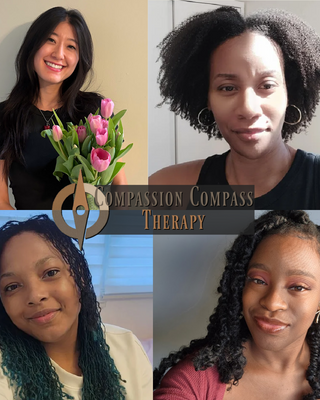
Hosted by Compassion Compass Therapy
Clinical Social Work/Therapist, LCSW
Group meets in Riverside, CA 92506
Virtual Groups for BIPOC individuals offers a safe space to explore issues that impact young professionals of color. It provides affirming and culturally competent facilitators that addresses common issues at the intersection of identity and mental health. The goal of the group us create a common and safe space that helps clients manage their mental health, achieve lasting recovery, and maintain their daily routines.
This is a process group where we engage through relational dynamics and triggers that have stemmed from growing up in a dysfunctional family environment. We explore boundary setting, process reactiveness and learn to make change through the experience of group dynamics and shared experiences. We often engage with internal family systems and use the children from dysfunctional families language to identify parts that impact interpersonal interactions and gain empowerment for the grounded Self. $110 per group. Commitment is required. Email for more information. We are currently accepting new members.

This is a process group where we engage through relational dynamics and triggers that have stemmed from growing up in a dysfunctional family environment. We explore boundary setting, process reactiveness and learn to make change through the experience of group dynamics and shared experiences. We often engage with internal family systems and use the children from dysfunctional families language to identify parts that impact interpersonal interactions and gain empowerment for the grounded Self. $110 per group. Commitment is required. Email for more information. We are currently accepting new members.
WHEREAS, The Mission of the American Counseling Association calls for using the profession and practice of counseling to promote respect for human dignity and diversity; and WHEREAS, Many Native American students and allies have stated that use of Native American Imagery as mascots and sports symbols creates a hostile environment for their development and dignity; and WHEREAS, Many organizations, including the U. S. Commission on Civil Rights, the National Association for the Advancement of Colored People, the National Education Association, and the National Organization for Women, have called on educational institutions to cease the use of such imagery.;

Hosted by One Stop Conflict Resolutions/Counseling Center
Counselor, MA, MS, CRE, Chapl
Group meets in Moreno Valley, CA 92553
WHEREAS, The Mission of the American Counseling Association calls for using the profession and practice of counseling to promote respect for human dignity and diversity; and WHEREAS, Many Native American students and allies have stated that use of Native American Imagery as mascots and sports symbols creates a hostile environment for their development and dignity; and WHEREAS, Many organizations, including the U. S. Commission on Civil Rights, the National Association for the Advancement of Colored People, the National Education Association, and the National Organization for Women, have called on educational institutions to cease the use of such imagery.;
Radiant Path Therapy is a compassionate, client-centered mental health practice dedicated to helping individuals, couples, and families navigate life’s challenges and discover lasting growth. Our team of experienced therapists specializes in trauma recovery, addiction, anxiety, depression, relationship issues, and personal development. We offer a supportive environment where clients empowered to create meaningful change. With a range of evidence-based approaches, including CBT, DBT, trauma-informed care, and holistic interventions, we tailor treatment to each client’s unique needs and goals. We provide both in-person sessions at our Grand Terrace office and secure telehealth options across California, ensuring accessibility and flexibility.

Hosted by Mak Ehtesham
Marriage & Family Therapist Associate, MRAS, CSC
Group meets in Grand Terrace, CA 92313
Radiant Path Therapy is a compassionate, client-centered mental health practice dedicated to helping individuals, couples, and families navigate life’s challenges and discover lasting growth. Our team of experienced therapists specializes in trauma recovery, addiction, anxiety, depression, relationship issues, and personal development. We offer a supportive environment where clients empowered to create meaningful change. With a range of evidence-based approaches, including CBT, DBT, trauma-informed care, and holistic interventions, we tailor treatment to each client’s unique needs and goals. We provide both in-person sessions at our Grand Terrace office and secure telehealth options across California, ensuring accessibility and flexibility.
Our next meeting is TBA. This group supports those who are struggling after the birth of their baby due to a traumatic childbirth experience. Here, supported by others with similar experiences, we’ll focus on building understanding and coping skills to support healing and growth. All exercises are trauma-informed, and members do not share in-depth about traumatic experiences in order to reduce activation and protect against re-traumatization. There are a limited number of spots available. Pre-register is required for this group. $50/meeting. Reach out today! (members must be CA residents)
Our next meeting is TBA. This group supports those who are struggling after the birth of their baby due to a traumatic childbirth experience. Here, supported by others with similar experiences, we’ll focus on building understanding and coping skills to support healing and growth. All exercises are trauma-informed, and members do not share in-depth about traumatic experiences in order to reduce activation and protect against re-traumatization. There are a limited number of spots available. Pre-register is required for this group. $50/meeting. Reach out today! (members must be CA residents)
R.I.S.E. offers women an opportunity for self-discovery, empowerment, and embracing personal growth. R.I.S.E. will help you develop coping skills, inner strengths and build community support. R.I.S.E. offers the opportunity to connect with other women going through divorce journey, to let you know you are not alone. R.I.S.E. will help in aligning with your values, goals, and aspirations, separate from our marital status, while also building skills of wellness and internal strengths.

Hosted by Valeria Arias-Scott
Marriage & Family Therapist, MS, LMFT
Group meets in Loma Linda, CA 92354
R.I.S.E. offers women an opportunity for self-discovery, empowerment, and embracing personal growth. R.I.S.E. will help you develop coping skills, inner strengths and build community support. R.I.S.E. offers the opportunity to connect with other women going through divorce journey, to let you know you are not alone. R.I.S.E. will help in aligning with your values, goals, and aspirations, separate from our marital status, while also building skills of wellness and internal strengths.
Our program helps you to understand and cope with the loss of a loved one in a healthy manner as well as bring awareness to the emotions you are dealing with. I will help identify the stages of grief, how to manage life after a loss, improve coping skills, and provide support through the process. Grief is a life-changing event that can be very challenging and this program was created to help you learn to live with your loss and begin moving forward.
Hosted by Terra Vista Counseling/TaKenya Clark-Jefferies
Clinical Social Work/Therapist, DBH, LCSW, MSW
Group meets in Grand Terrace, CA 92313
Our program helps you to understand and cope with the loss of a loved one in a healthy manner as well as bring awareness to the emotions you are dealing with. I will help identify the stages of grief, how to manage life after a loss, improve coping skills, and provide support through the process. Grief is a life-changing event that can be very challenging and this program was created to help you learn to live with your loss and begin moving forward.
I do Co-Parenting Classes with the two parents. I try to help people parent in a similar manner to make it less confusing for the child or children. The goal of the class is to resolve family court matters in a positive and quick manner to benefit all parties involved.

I do Co-Parenting Classes with the two parents. I try to help people parent in a similar manner to make it less confusing for the child or children. The goal of the class is to resolve family court matters in a positive and quick manner to benefit all parties involved.
Offering Co-Parenting Classes that satisfy the court orders from Riverside Family Law Court. Classes are available by the hour and in full day sessions. Lead by myself and Supervised by Avis Cole Attaway, LMFT. Classes are scheduled as needed - call for information. Expertise Divorce Family Conflict Parenting Types of Therapy Cognitive Behavioral (CBT) Age Adults Session Cost $125 per class
Hosted by Benita Revies
Marriage & Family Therapist Associate, MS, AMFT
Group meets in Riverside, CA 92507
Offering Co-Parenting Classes that satisfy the court orders from Riverside Family Law Court. Classes are available by the hour and in full day sessions. Lead by myself and Supervised by Avis Cole Attaway, LMFT. Classes are scheduled as needed - call for information. Expertise Divorce Family Conflict Parenting Types of Therapy Cognitive Behavioral (CBT) Age Adults Session Cost $125 per class
This is a weekly online support group for people caregiving for a loved one with symptoms of cumulative stress, burnout, compassion fatigue, anticipatory grief, and suicidal ideation.

Hosted by Kirby Maus
Marriage & Family Therapist, MC, LMFT, MBA
Group meets in Palm Springs, CA 92264
This is a weekly online support group for people caregiving for a loved one with symptoms of cumulative stress, burnout, compassion fatigue, anticipatory grief, and suicidal ideation.
Learn to cope with difficult feelings by experiencing a greater understanding of your beliefs, needs and expectations. Develop coping skills through mindfulness and meditative techniques. Increase your capacity for self empathy and empathy for others while learning more effective ways of communicating and developing tools to help avoid hurting yourself, others and things.

Learn to cope with difficult feelings by experiencing a greater understanding of your beliefs, needs and expectations. Develop coping skills through mindfulness and meditative techniques. Increase your capacity for self empathy and empathy for others while learning more effective ways of communicating and developing tools to help avoid hurting yourself, others and things.
Group designed as a support and preventative group for spouses or former spouses of first responders. For this group first responders can include spouses of police officers, fire fighters, dispatchers, and correctional officers. Membership to one of these organizations is necessary to join this group. Group will be facilitated by a spouse of a first responder (LCSW) and a retired LEO (psychologist). $75.00 per one hour and 45 minutes session.

Group designed as a support and preventative group for spouses or former spouses of first responders. For this group first responders can include spouses of police officers, fire fighters, dispatchers, and correctional officers. Membership to one of these organizations is necessary to join this group. Group will be facilitated by a spouse of a first responder (LCSW) and a retired LEO (psychologist). $75.00 per one hour and 45 minutes session.
I have training and experience with Forensic assessment, risk assessment tools, and evidence-based practices. I assist in reducing the recidivism of sex offenses by ensuring community safety, and compassionately hold a safe space for survivors of sexual assault to navigate their healing journey and process their experiences, and regain control.
Hosted by Benita Revies
Marriage & Family Therapist Associate, MS, AMFT
Group meets in Riverside, CA 92507
I have training and experience with Forensic assessment, risk assessment tools, and evidence-based practices. I assist in reducing the recidivism of sex offenses by ensuring community safety, and compassionately hold a safe space for survivors of sexual assault to navigate their healing journey and process their experiences, and regain control.
From detoxification and social model medical stabilization to counseling and skill-building, our rehab program focuses on healing the mind, body, and spirit. Our state-of-the-art clean facility, offers a peaceful and nurturing atmosphere, allowing individuals to rebuild their lives and reclaim their independence. With a commitment to holistic care and long-term success, Reviving You Recovery is the place where positive transformation begins.

Hosted by Reviving You Recovery Detox and Rehab-Menifee
Treatment Center
Group meets in Menifee, CA 92585
From detoxification and social model medical stabilization to counseling and skill-building, our rehab program focuses on healing the mind, body, and spirit. Our state-of-the-art clean facility, offers a peaceful and nurturing atmosphere, allowing individuals to rebuild their lives and reclaim their independence. With a commitment to holistic care and long-term success, Reviving You Recovery is the place where positive transformation begins.
C.A.L.M. (Choices for Anxious Lifestyle Management)
Modern life is full of hassles, deadlines, frustrations, and demands. For many people, stress is so commonplace that it has become a way of life. Stress isn't always bad. In small doses, it can help you perform under pressure and motivate you, but when you're constantly running in emergency mode, your mind and body pay the price. If you frequently find yourself feeling frazzled and overwhelmed, it's time to take action to bring your nervous system back into balance.
Over 20 years specializing in anxiety treatment.

C.A.L.M. (Choices for Anxious Lifestyle Management)
Modern life is full of hassles, deadlines, frustrations, and demands. For many people, stress is so commonplace that it has become a way of life. Stress isn't always bad. In small doses, it can help you perform under pressure and motivate you, but when you're constantly running in emergency mode, your mind and body pay the price. If you frequently find yourself feeling frazzled and overwhelmed, it's time to take action to bring your nervous system back into balance.
Over 20 years specializing in anxiety treatment.
An educational course for males and females. The 10-week course tackles topics like relationship roles, communication skills, triggers, and changing self-defeating behaviors. During the weekly group session, participants learn they cannot always change their external environment, but they can change how they react to it. The participants apply learned skills to their own personal experiences and are encouraged to talk about those experiences. Evidence-based principles and cognitive-based strategies are also used to help the participants understand their current behavior. The focus of the group is to help the participants identify behaviors that keep them from forming and maintaining positive relationships.
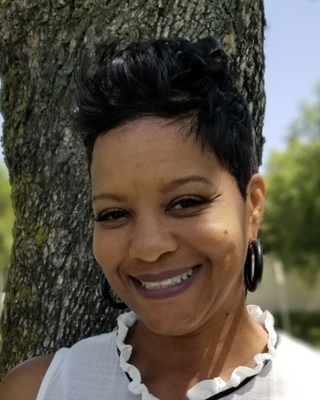
Hosted by I AM Solutions Counseling Services
Marriage & Family Therapist, MA, LMFT
Group meets in San Bernardino, CA 92408
An educational course for males and females. The 10-week course tackles topics like relationship roles, communication skills, triggers, and changing self-defeating behaviors. During the weekly group session, participants learn they cannot always change their external environment, but they can change how they react to it. The participants apply learned skills to their own personal experiences and are encouraged to talk about those experiences. Evidence-based principles and cognitive-based strategies are also used to help the participants understand their current behavior. The focus of the group is to help the participants identify behaviors that keep them from forming and maintaining positive relationships.
A support group focused on the unique challenges men encounter. Utilizing the support of peers and a licensed therapist, take a deep look at the areas that often keep men stuck, lacking direction/purpose, or unproductive. Join to find community and new approaches to shared challenges. Proposed Topics (subject to change): Family Life Relationships Work Balance Meaning and Purpose Anger Coping Lifestyle Factors Diet/Nutrition/Exercise
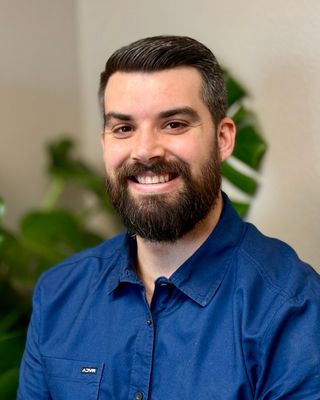
A support group focused on the unique challenges men encounter. Utilizing the support of peers and a licensed therapist, take a deep look at the areas that often keep men stuck, lacking direction/purpose, or unproductive. Join to find community and new approaches to shared challenges. Proposed Topics (subject to change): Family Life Relationships Work Balance Meaning and Purpose Anger Coping Lifestyle Factors Diet/Nutrition/Exercise
Therapy Center

Hosted by Family Matters Counseling Services
Treatment Center, PhD, LMFT
Group meets in Moreno Valley, CA 92553
Therapy Center
This is a non-profit providing individual, couple, and family therapy. Play therapy and Equine and Animal Assist Therapy is also offered.

Hosted by Dr. Aine Bergin
Marriage & Family Therapist, PsyD, LMFT
Group meets in Riverside, CA 92506
This is a non-profit providing individual, couple, and family therapy. Play therapy and Equine and Animal Assist Therapy is also offered.
See more therapy options for Beaumont


FAQs - About Group Therapy and Support Groups
How can I find a support group in Beaumont?
To find a support group in your area, start by entering your city, zip code, or the name of the group into the search bar at the top of the page. When searching, consider whether you prefer an in-person or virtual group. This can help you decide how broad your geographic search should be. If you are open to virtual groups, you might want to search by state instead of just your city, especially if there are limited options nearby.
Once you complete your search, you can use the filters to narrow the results by selecting specialties (such as grief, trauma, or eating disorders), therapeutic approaches, age groups, and other criteria to find a group that best fits your needs.
Once you complete your search, you can use the filters to narrow the results by selecting specialties (such as grief, trauma, or eating disorders), therapeutic approaches, age groups, and other criteria to find a group that best fits your needs.
How does group therapy work?
Group therapy is led by one or more trained therapists and provides a space where participants can process their experiences and learn from others facing similar challenges. Groups may focus on a specific issue—such as addiction, grief, physical illnesses, parenting, or caregiving—or they may center around a particular therapeutic approach, such as Cognitive Behavioral Therapy (CBT), social skill development, or Exposure Therapy. Some groups are also designed for specific populations, such as teens, veterans, or LGBTQ+ individuals.
It’s also important to distinguish group therapy from peer-led support groups, like Alcoholics Anonymous. While both can offer valuable support, therapy groups are typically led by licensed professionals and follow a more structured format. Therapy groups often meet for a fixed length of time with a consistent group of members, while many peer support groups meet for an indefinite period of time with members coming and going.
It’s also important to distinguish group therapy from peer-led support groups, like Alcoholics Anonymous. While both can offer valuable support, therapy groups are typically led by licensed professionals and follow a more structured format. Therapy groups often meet for a fixed length of time with a consistent group of members, while many peer support groups meet for an indefinite period of time with members coming and going.
What are the benefits of group therapy?
Group therapy offers several important benefits. It brings together people facing similar challenges—whether related to mental health, physical health, or life transitions—and creates a supportive environment where participants can exchange feedback, share experiences, and learn from one another. Hearing different perspectives can help individuals discover new coping strategies and practical tools they may not have encountered on their own. Sharing personal experiences, such as coping with a serious illness or navigating family struggles, can also reduce feelings of isolation and foster a sense of connection and understanding. In addition to emotional support, group members often gain useful, real-world advice from peers who have faced similar situations.
Group therapy is typically more affordable than individual therapy and, for certain conditions, can be equally effective. Many groups also include structured activities—such as guided journaling, cognitive-behavioral exercises, or role-playing—to help participants develop concrete skills they can apply in daily life.
Group therapy is typically more affordable than individual therapy and, for certain conditions, can be equally effective. Many groups also include structured activities—such as guided journaling, cognitive-behavioral exercises, or role-playing—to help participants develop concrete skills they can apply in daily life.
Is group therapy as effective as individual therapy?
It is difficult to make a blanket statement about the effectiveness of support groups, as they vary widely in focus and the conditions they address. However, support groups can be highly valuable in helping individuals gain emotional support and achieve meaningful treatment outcomes. For certain conditions, such as substance use, research has shown that group therapy can be particularly effective—sometimes just as effective as individual therapy—in supporting long-term recovery.
Many professionals attribute the effectiveness of group therapy to the unique benefits of the group setting, which fosters peer-to-peer learning and a sense of connection through shared experiences. Group settings also offer accountability and encouragement from both facilitators and fellow participants, which helps sustain motivation and supports continued progress. These factors together play a key role in promoting the overall effectiveness of group therapy.
Many professionals attribute the effectiveness of group therapy to the unique benefits of the group setting, which fosters peer-to-peer learning and a sense of connection through shared experiences. Group settings also offer accountability and encouragement from both facilitators and fellow participants, which helps sustain motivation and supports continued progress. These factors together play a key role in promoting the overall effectiveness of group therapy.
How much does group therapy cost?
Group therapy is typically less expensive than individual therapy, with sessions typically costing between $50 and $75 each. In comparison, individual therapy can cost anywhere from $100 to $200 or more per session, even with insurance. Some therapists or organizations offer low-cost or free group therapy options, particularly through community centers or nonprofit organizations. In some cases, groups may require payment upfront for a set number of sessions, such as paying for six weekly sessions at the first meeting. However, many providers offer payment plans to help make participation more accessible if this upfront payment is required.
Does insurance cover group therapy?
As with individual therapy, insurance coverage for group therapy varies based on factors such as your specific insurance plan, the purpose of the group, your diagnosis, and whether the group provider is in-network. Many insurance plans cover group therapy sessions that address diagnosable mental health conditions, such as substance use disorders, anxiety, or depression.
However, groups that focus on topics not directly tied to a mental health diagnosis—such as parenting support or divorce recovery—are less likely to be covered. Because coverage can vary widely, it’s important to check with your insurance provider before joining a group to confirm whether the sessions will be covered and what out-of-pocket costs you may be responsible for.
However, groups that focus on topics not directly tied to a mental health diagnosis—such as parenting support or divorce recovery—are less likely to be covered. Because coverage can vary widely, it’s important to check with your insurance provider before joining a group to confirm whether the sessions will be covered and what out-of-pocket costs you may be responsible for.
How long does group therapy last?
The length of each group therapy session typically ranges from 45 minutes to two hours, depending on the therapy approach, the group’s goals, and how often the group meets. In some cases, group therapy is part of a larger treatment program, such as an Intensive Outpatient Program (IOP), where group sessions complement individual therapy and are scheduled as part of the program’s overall structure.
The duration of participation in a group also varies. Some groups are designed to be short-term, lasting anywhere from 6 to 24 weeks—for example, bereavement groups or skills-based groups like those using Dialectical Behavioral Therapy (DBT). Other groups may be longer-term, lasting a year or more, and some ongoing support groups meet indefinitely, allowing participants to stay as long as they find the group helpful.
The duration of participation in a group also varies. Some groups are designed to be short-term, lasting anywhere from 6 to 24 weeks—for example, bereavement groups or skills-based groups like those using Dialectical Behavioral Therapy (DBT). Other groups may be longer-term, lasting a year or more, and some ongoing support groups meet indefinitely, allowing participants to stay as long as they find the group helpful.
What are the limitations of support groups?
Support groups offer many benefits, but they also have certain limitations. Unlike therapy groups, many support groups do not provide formal therapeutic treatment and are not led by licensed mental health professionals. For individuals seeking clinical treatment for specific mental health diagnoses—such as depression, eating disorders, or substance use—individual therapy or group therapy led by a licensed professional may offer more personalized and specialized care.
The effectiveness of a support group also depends heavily on the group’s participants and the overall group dynamic. When members engage respectfully and offer constructive support, the group can foster valuable peer-to-peer learning. However, if certain participants dominate discussions, provide inaccurate advice, or create conflict, it can disrupt the group’s sense of safety and reduce its effectiveness. Confidentiality can also be harder to maintain in support groups, particularly in open groups where participants can join or leave at any time. With new members regularly entering the group, it can be more difficult to build and sustain a consistent sense of trust and privacy.
The effectiveness of a support group also depends heavily on the group’s participants and the overall group dynamic. When members engage respectfully and offer constructive support, the group can foster valuable peer-to-peer learning. However, if certain participants dominate discussions, provide inaccurate advice, or create conflict, it can disrupt the group’s sense of safety and reduce its effectiveness. Confidentiality can also be harder to maintain in support groups, particularly in open groups where participants can join or leave at any time. With new members regularly entering the group, it can be more difficult to build and sustain a consistent sense of trust and privacy.