Support Groups in Alhambra, CA
We are a diverse and experienced group of licensed and pre-licensed therapists who have specialities in anxiety, depression, complex trauma, LGBTQ+, veterans, API communities, divorce, unhealthy relationships, and Spanish and French speaking communities. We utilize CBT, trauma-informed, DBT, EMDR and Gottman to name a few of our approaches but most of all we are a welcoming and warm group who want nothing more than to see you thrive and achieve your goals. Please reach out, we will look forward to connecting with you!

We are a diverse and experienced group of licensed and pre-licensed therapists who have specialities in anxiety, depression, complex trauma, LGBTQ+, veterans, API communities, divorce, unhealthy relationships, and Spanish and French speaking communities. We utilize CBT, trauma-informed, DBT, EMDR and Gottman to name a few of our approaches but most of all we are a welcoming and warm group who want nothing more than to see you thrive and achieve your goals. Please reach out, we will look forward to connecting with you!
More Groups Nearby
Here at Insightful Matters, we frequently offer groups for different ages dealing with various mental health issues. Please contact us to learn more about active groups currently running by one of our elite mental health professionals.

Hosted by Alison Lynn Johnson
Marriage & Family Therapist, LMFT
Group meets in Huntington Beach, CA 92648
Here at Insightful Matters, we frequently offer groups for different ages dealing with various mental health issues. Please contact us to learn more about active groups currently running by one of our elite mental health professionals.
This small group meets once a week to help group members be educated about anxiety, learn coping strategies to handle their anxiety, and gain support from the group members. The young adult women are all between the ages of 18 and 22 transitioning from high school and living with family to living on their own and pursuing career and college goals. The group is welcoming new members at this time and will never exceed 6 members. Please contact Stella Zweben Samuel, LCSW with any questions about this group.

Hosted by Stella Zweben Samuel
Clinical Social Work/Therapist, LCSW
Group meets in Sherman Oaks, CA 91423
This small group meets once a week to help group members be educated about anxiety, learn coping strategies to handle their anxiety, and gain support from the group members. The young adult women are all between the ages of 18 and 22 transitioning from high school and living with family to living on their own and pursuing career and college goals. The group is welcoming new members at this time and will never exceed 6 members. Please contact Stella Zweben Samuel, LCSW with any questions about this group.
A small, thoughtful consultation group for psychotherapists who want a deeper space to think about their clinical work. We will attend closely to the therapeutic relationship and to moments in treatment that feel difficult, stuck, or hard to understand. Discussion will include clinical material, treatment impasses, transference and countertransference, enactments, dreams, associations, and unconscious processes. The group offers a space for sustained reflection rather than simple problem-solving, with the aim of making difficult clinical material more thinkable. Currently forming in Silver Lake in-person or online. Group size: 3–6 participants. Fee: $65–85/session.

A small, thoughtful consultation group for psychotherapists who want a deeper space to think about their clinical work. We will attend closely to the therapeutic relationship and to moments in treatment that feel difficult, stuck, or hard to understand. Discussion will include clinical material, treatment impasses, transference and countertransference, enactments, dreams, associations, and unconscious processes. The group offers a space for sustained reflection rather than simple problem-solving, with the aim of making difficult clinical material more thinkable. Currently forming in Silver Lake in-person or online. Group size: 3–6 participants. Fee: $65–85/session.
This group is a six-week therapy group for women, blending the Internal Family Systems (IFS) model and mindfulness. This group is tailored for those navigating grief, trauma, relationship shifts, and career challenges along with a safe space for exploration. I offer guided exercises, discussions, & compassionate support to empower you to deepen your self-awareness and resilience. Each session delves into parts recognition, self-compassion, healing exiled parts, and integrating the inner self. Join this transformative journey, celebrating progress and setting intentions for ongoing transformation. 'Embracing Change' offers women strength, solace, and authentic resilience. Contact me for a free consultation.

Hosted by Kelly Albrecht
Clinical Social Work/Therapist, ASW, IFS
Group meets in Los Angeles, CA 90025
This group is a six-week therapy group for women, blending the Internal Family Systems (IFS) model and mindfulness. This group is tailored for those navigating grief, trauma, relationship shifts, and career challenges along with a safe space for exploration. I offer guided exercises, discussions, & compassionate support to empower you to deepen your self-awareness and resilience. Each session delves into parts recognition, self-compassion, healing exiled parts, and integrating the inner self. Join this transformative journey, celebrating progress and setting intentions for ongoing transformation. 'Embracing Change' offers women strength, solace, and authentic resilience. Contact me for a free consultation.
Processing depression, anxiety, and relational stress. Developing skills utilizing CBT & DBT to alleviate symptoms and build resilience. 8-10 weeks; $75 weekly Meet virtually on Saturdays at 10 am Beginning January 11, 2025 Our Men’s Group provides a safe, non-judgmental space where men come together to share their experiences, challenges, and victories. 818 458-9324; Ben@siliconbeachtx.com

Processing depression, anxiety, and relational stress. Developing skills utilizing CBT & DBT to alleviate symptoms and build resilience. 8-10 weeks; $75 weekly Meet virtually on Saturdays at 10 am Beginning January 11, 2025 Our Men’s Group provides a safe, non-judgmental space where men come together to share their experiences, challenges, and victories. 818 458-9324; Ben@siliconbeachtx.com
This online group is for men struggling with compulsive or self-medicating behaviors who are tired of facing them alone. Common struggles include pornography, sex, alcohol, drugs, food, gaming, work,, technology, gambling, etc. Groups are limited to 8–10 men and meet weekly to build practical tools, emotional awareness, and relational strength that support lasting change. Participation includes access to one weekly connection group, plus unlimited content groups and community resources for daily support. The focus is not just sobriety, but connection. Men heal in community, not isolation.

Hosted by Chris Chandler
Licensed Professional Counselor, LPCC, LPC, CSAT-S
Group meets in Los Angeles, CA 90007
This online group is for men struggling with compulsive or self-medicating behaviors who are tired of facing them alone. Common struggles include pornography, sex, alcohol, drugs, food, gaming, work,, technology, gambling, etc. Groups are limited to 8–10 men and meet weekly to build practical tools, emotional awareness, and relational strength that support lasting change. Participation includes access to one weekly connection group, plus unlimited content groups and community resources for daily support. The focus is not just sobriety, but connection. Men heal in community, not isolation.
As a group we learn the mental skills that are scientifically proven to increase performance. Here, sport performance, tactical performance, performing art, and business performance can benefit from this specialized training. Topics may include but are not limited to: arousal control, goal setting, imagery, self-talk, attention and mental focus, burn-out and over-training, along with peak performance consciousness.

As a group we learn the mental skills that are scientifically proven to increase performance. Here, sport performance, tactical performance, performing art, and business performance can benefit from this specialized training. Topics may include but are not limited to: arousal control, goal setting, imagery, self-talk, attention and mental focus, burn-out and over-training, along with peak performance consciousness.
This 12-week, 60 minute group uses the 12-Steps, Somatic Skills, psychodynamic and cognitive-behavioral techniques to nurture those living with the affects of a loved one's addiction and those dealing with adictions.

Hosted by Melody Anderson
Clinical Social Work/Therapist, LCSW, EMDR-II, TRM-II, BSP, NAT
Group meets in Los Angeles, CA 90025
This 12-week, 60 minute group uses the 12-Steps, Somatic Skills, psychodynamic and cognitive-behavioral techniques to nurture those living with the affects of a loved one's addiction and those dealing with adictions.
Free support group for people suffering from eating disorders. Specially targeted to men and women struggling with bulimia nervosa, binge eating disorder and compulsive overeating.
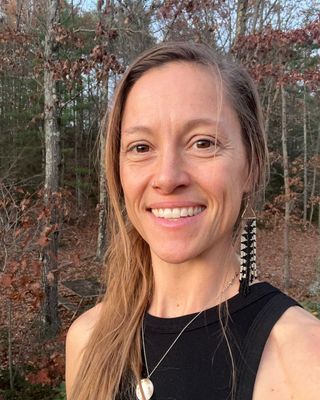
Hosted by Dr. Angela Taylor
Clinical Social Work/Therapist, PhD, LCSW
Group meets in Los Angeles, CA 90025
Free support group for people suffering from eating disorders. Specially targeted to men and women struggling with bulimia nervosa, binge eating disorder and compulsive overeating.
Virtual Group - TBA. Please email Maria Liu at support@marialiu.com to get more details.
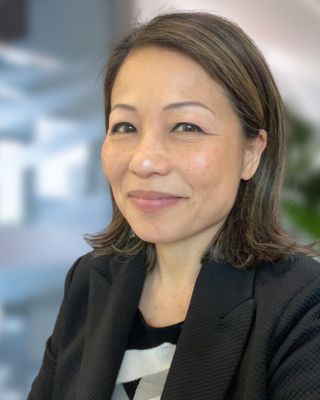
Hosted by Maria Liu
Clinical Social Work/Therapist, MSW, LCSW
Group meets in Woodland Hills, CA 91364
Virtual Group - TBA. Please email Maria Liu at support@marialiu.com to get more details.
Creative Pathways is designed to facilitate a deeper connection with your creativity. Artists and non-artists alike are invited to participate. By participating in the Creative Pathways group, you will have the opportunity to: ~ Release blocks that stand in the way of greater artistic and life fulfillment. ~ Learn how to give voice, form and movement to your inner discoveries. ~ Experience greater levels of fulfillment in your life through the full expression of your creative energy. For more info, please see: magicofhealing.com/creativepathways.htm

Hosted by Darcy Lubbers
Marriage & Family Therapist, PhD, MFT, ATR-BC
Group meets in Santa Monica, CA 90405
Creative Pathways is designed to facilitate a deeper connection with your creativity. Artists and non-artists alike are invited to participate. By participating in the Creative Pathways group, you will have the opportunity to: ~ Release blocks that stand in the way of greater artistic and life fulfillment. ~ Learn how to give voice, form and movement to your inner discoveries. ~ Experience greater levels of fulfillment in your life through the full expression of your creative energy. For more info, please see: magicofhealing.com/creativepathways.htm
A Support Group for Neurodivergent folks to be unapologetically themselves TOGETHER!

A Support Group for Neurodivergent folks to be unapologetically themselves TOGETHER!
Foresight helps you find your path to mental wellness. We’re a community of mental health experts who offer a dynamic range of care that flexes with your particular needs and goals. Our team includes licensed therapists, psychiatric providers, researchers, a dedicated care team & more who bring you a thoughtful experience that blends traditional therapy with a technology-backed approach. Our providers build meaningful relationships with you, & our digital member experience helps enhance your care in between sessions. We help you go deeper inward, getting to know you well, & heal and grow on the path that feels right for you.

Hosted by Arturo Palos-Chavez
Marriage & Family Therapist, LMFT
Group meets in Los Angeles, CA 90017
Foresight helps you find your path to mental wellness. We’re a community of mental health experts who offer a dynamic range of care that flexes with your particular needs and goals. Our team includes licensed therapists, psychiatric providers, researchers, a dedicated care team & more who bring you a thoughtful experience that blends traditional therapy with a technology-backed approach. Our providers build meaningful relationships with you, & our digital member experience helps enhance your care in between sessions. We help you go deeper inward, getting to know you well, & heal and grow on the path that feels right for you.
This group is a six-week therapy group for women, blending the Internal Family Systems (IFS) model and mindfulness. This group is tailored for those navigating grief, trauma, relationship shifts, and career challenges along with a safe space for exploration. I offer guided exercises, discussions, & compassionate support to empower you to deepen your self-awareness and resilience. Each session delves into parts recognition, self-compassion, healing exiled parts, and integrating the inner self. Join this transformative journey, celebrating progress and setting intentions for ongoing transformation. 'Embracing Change' offers women strength, solace, and authentic resilience. Contact me for a free consultation.

This group is a six-week therapy group for women, blending the Internal Family Systems (IFS) model and mindfulness. This group is tailored for those navigating grief, trauma, relationship shifts, and career challenges along with a safe space for exploration. I offer guided exercises, discussions, & compassionate support to empower you to deepen your self-awareness and resilience. Each session delves into parts recognition, self-compassion, healing exiled parts, and integrating the inner self. Join this transformative journey, celebrating progress and setting intentions for ongoing transformation. 'Embracing Change' offers women strength, solace, and authentic resilience. Contact me for a free consultation.
This group provides a supportive space for teens to discuss their relationship with food, body image, and the pressures of diet culture. We promote a Health at Every Size (HAES®) informed, weight-inclusive approach that challenges diet culture, body size stigmas, and stereotypes. Teens of all genders between the ages of 13-17 in different stages of recovery from chronic dieting, disordered eating, and eating disorders are welcome. The group's focus is on building self-esteem, improving body image, and establishing a strong community of support.

Hosted by Alyshia Marcelletti
Pre-Licensed Professional, MA, AMFT, APCC
Group meets in Encino, CA 91316
This group provides a supportive space for teens to discuss their relationship with food, body image, and the pressures of diet culture. We promote a Health at Every Size (HAES®) informed, weight-inclusive approach that challenges diet culture, body size stigmas, and stereotypes. Teens of all genders between the ages of 13-17 in different stages of recovery from chronic dieting, disordered eating, and eating disorders are welcome. The group's focus is on building self-esteem, improving body image, and establishing a strong community of support.
If you are struggling in your dating life or to find a romantic partner, join our group and process the difficult maze in LA!

Hosted by Clarity Family Therapy Services
Marriage & Family Therapist, MA, LMFT
Group meets in Los Angeles, CA 90025
If you are struggling in your dating life or to find a romantic partner, join our group and process the difficult maze in LA!
This chronic pain group is facilitated by a clinician diagnosed with Lupus, becoming a therapist supporting others facing chronic illness and pain. Members learn practical mind/body strategies navigating daily challenges, manage distressing emotions, improve emotional regulation, and build resilience living with long-term pain. The group emphasizes shared experiences, highlighting life stories and useful insights that can be applied directly to participants’ lives. Additionally, it explores the impact chronic pain has on loved ones through an engaging interview with the clinician’s spouse, who provides the caregiver perspective. The group costs $495 and runs from 10/6–11/8. Some insurances accepted for groups!

Hosted by Kristen Johnson
Licensed Professional Counselor, MS, LPCC
Group meets in Fullerton, CA 92831
This chronic pain group is facilitated by a clinician diagnosed with Lupus, becoming a therapist supporting others facing chronic illness and pain. Members learn practical mind/body strategies navigating daily challenges, manage distressing emotions, improve emotional regulation, and build resilience living with long-term pain. The group emphasizes shared experiences, highlighting life stories and useful insights that can be applied directly to participants’ lives. Additionally, it explores the impact chronic pain has on loved ones through an engaging interview with the clinician’s spouse, who provides the caregiver perspective. The group costs $495 and runs from 10/6–11/8. Some insurances accepted for groups!
Lifeforce yoga uses a combination of breath, chanting, hand gestures and movement practices to work with symptoms of anxiety and depression. There will be a 6 week class focusing on anxiety and stress at Santa Monica Yoga starting on October. Please see www.santamonicayoga.com for details and registration. Please note this is not group therapy.

Lifeforce yoga uses a combination of breath, chanting, hand gestures and movement practices to work with symptoms of anxiety and depression. There will be a 6 week class focusing on anxiety and stress at Santa Monica Yoga starting on October. Please see www.santamonicayoga.com for details and registration. Please note this is not group therapy.
Claremont Counseling & Support Center, A Psychological Corporation has an office in Claremont and in Chino California. We have several clinicians working with us to provide services to a variety of clients. We also provide counseling and educational services to those struggling with substance addiction themselves or in their relationships.

Claremont Counseling & Support Center, A Psychological Corporation has an office in Claremont and in Chino California. We have several clinicians working with us to provide services to a variety of clients. We also provide counseling and educational services to those struggling with substance addiction themselves or in their relationships.
See more therapy options for Alhambra


FAQs - About Group Therapy and Support Groups
How can I find a support group in Alhambra?
To find a support group in your area, start by entering your city, zip code, or the name of the group into the search bar at the top of the page. When searching, consider whether you prefer an in-person or virtual group. This can help you decide how broad your geographic search should be. If you are open to virtual groups, you might want to search by state instead of just your city, especially if there are limited options nearby.
Once you complete your search, you can use the filters to narrow the results by selecting specialties (such as grief, trauma, or eating disorders), therapeutic approaches, age groups, and other criteria to find a group that best fits your needs.
Once you complete your search, you can use the filters to narrow the results by selecting specialties (such as grief, trauma, or eating disorders), therapeutic approaches, age groups, and other criteria to find a group that best fits your needs.
How does group therapy work?
Group therapy is led by one or more trained therapists and provides a space where participants can process their experiences and learn from others facing similar challenges. Groups may focus on a specific issue—such as addiction, grief, physical illnesses, parenting, or caregiving—or they may center around a particular therapeutic approach, such as Cognitive Behavioral Therapy (CBT), social skill development, or Exposure Therapy. Some groups are also designed for specific populations, such as teens, veterans, or LGBTQ+ individuals.
It’s also important to distinguish group therapy from peer-led support groups, like Alcoholics Anonymous. While both can offer valuable support, therapy groups are typically led by licensed professionals and follow a more structured format. Therapy groups often meet for a fixed length of time with a consistent group of members, while many peer support groups meet for an indefinite period of time with members coming and going.
It’s also important to distinguish group therapy from peer-led support groups, like Alcoholics Anonymous. While both can offer valuable support, therapy groups are typically led by licensed professionals and follow a more structured format. Therapy groups often meet for a fixed length of time with a consistent group of members, while many peer support groups meet for an indefinite period of time with members coming and going.
What are the benefits of group therapy?
Group therapy offers several important benefits. It brings together people facing similar challenges—whether related to mental health, physical health, or life transitions—and creates a supportive environment where participants can exchange feedback, share experiences, and learn from one another. Hearing different perspectives can help individuals discover new coping strategies and practical tools they may not have encountered on their own. Sharing personal experiences, such as coping with a serious illness or navigating family struggles, can also reduce feelings of isolation and foster a sense of connection and understanding. In addition to emotional support, group members often gain useful, real-world advice from peers who have faced similar situations.
Group therapy is typically more affordable than individual therapy and, for certain conditions, can be equally effective. Many groups also include structured activities—such as guided journaling, cognitive-behavioral exercises, or role-playing—to help participants develop concrete skills they can apply in daily life.
Group therapy is typically more affordable than individual therapy and, for certain conditions, can be equally effective. Many groups also include structured activities—such as guided journaling, cognitive-behavioral exercises, or role-playing—to help participants develop concrete skills they can apply in daily life.
Is group therapy as effective as individual therapy?
It is difficult to make a blanket statement about the effectiveness of support groups, as they vary widely in focus and the conditions they address. However, support groups can be highly valuable in helping individuals gain emotional support and achieve meaningful treatment outcomes. For certain conditions, such as substance use, research has shown that group therapy can be particularly effective—sometimes just as effective as individual therapy—in supporting long-term recovery.
Many professionals attribute the effectiveness of group therapy to the unique benefits of the group setting, which fosters peer-to-peer learning and a sense of connection through shared experiences. Group settings also offer accountability and encouragement from both facilitators and fellow participants, which helps sustain motivation and supports continued progress. These factors together play a key role in promoting the overall effectiveness of group therapy.
Many professionals attribute the effectiveness of group therapy to the unique benefits of the group setting, which fosters peer-to-peer learning and a sense of connection through shared experiences. Group settings also offer accountability and encouragement from both facilitators and fellow participants, which helps sustain motivation and supports continued progress. These factors together play a key role in promoting the overall effectiveness of group therapy.
How much does group therapy cost?
Group therapy is typically less expensive than individual therapy, with sessions typically costing between $50 and $75 each. In comparison, individual therapy can cost anywhere from $100 to $200 or more per session, even with insurance. Some therapists or organizations offer low-cost or free group therapy options, particularly through community centers or nonprofit organizations. In some cases, groups may require payment upfront for a set number of sessions, such as paying for six weekly sessions at the first meeting. However, many providers offer payment plans to help make participation more accessible if this upfront payment is required.
Does insurance cover group therapy?
As with individual therapy, insurance coverage for group therapy varies based on factors such as your specific insurance plan, the purpose of the group, your diagnosis, and whether the group provider is in-network. Many insurance plans cover group therapy sessions that address diagnosable mental health conditions, such as substance use disorders, anxiety, or depression.
However, groups that focus on topics not directly tied to a mental health diagnosis—such as parenting support or divorce recovery—are less likely to be covered. Because coverage can vary widely, it’s important to check with your insurance provider before joining a group to confirm whether the sessions will be covered and what out-of-pocket costs you may be responsible for.
However, groups that focus on topics not directly tied to a mental health diagnosis—such as parenting support or divorce recovery—are less likely to be covered. Because coverage can vary widely, it’s important to check with your insurance provider before joining a group to confirm whether the sessions will be covered and what out-of-pocket costs you may be responsible for.
How long does group therapy last?
The length of each group therapy session typically ranges from 45 minutes to two hours, depending on the therapy approach, the group’s goals, and how often the group meets. In some cases, group therapy is part of a larger treatment program, such as an Intensive Outpatient Program (IOP), where group sessions complement individual therapy and are scheduled as part of the program’s overall structure.
The duration of participation in a group also varies. Some groups are designed to be short-term, lasting anywhere from 6 to 24 weeks—for example, bereavement groups or skills-based groups like those using Dialectical Behavioral Therapy (DBT). Other groups may be longer-term, lasting a year or more, and some ongoing support groups meet indefinitely, allowing participants to stay as long as they find the group helpful.
The duration of participation in a group also varies. Some groups are designed to be short-term, lasting anywhere from 6 to 24 weeks—for example, bereavement groups or skills-based groups like those using Dialectical Behavioral Therapy (DBT). Other groups may be longer-term, lasting a year or more, and some ongoing support groups meet indefinitely, allowing participants to stay as long as they find the group helpful.
What are the limitations of support groups?
Support groups offer many benefits, but they also have certain limitations. Unlike therapy groups, many support groups do not provide formal therapeutic treatment and are not led by licensed mental health professionals. For individuals seeking clinical treatment for specific mental health diagnoses—such as depression, eating disorders, or substance use—individual therapy or group therapy led by a licensed professional may offer more personalized and specialized care.
The effectiveness of a support group also depends heavily on the group’s participants and the overall group dynamic. When members engage respectfully and offer constructive support, the group can foster valuable peer-to-peer learning. However, if certain participants dominate discussions, provide inaccurate advice, or create conflict, it can disrupt the group’s sense of safety and reduce its effectiveness. Confidentiality can also be harder to maintain in support groups, particularly in open groups where participants can join or leave at any time. With new members regularly entering the group, it can be more difficult to build and sustain a consistent sense of trust and privacy.
The effectiveness of a support group also depends heavily on the group’s participants and the overall group dynamic. When members engage respectfully and offer constructive support, the group can foster valuable peer-to-peer learning. However, if certain participants dominate discussions, provide inaccurate advice, or create conflict, it can disrupt the group’s sense of safety and reduce its effectiveness. Confidentiality can also be harder to maintain in support groups, particularly in open groups where participants can join or leave at any time. With new members regularly entering the group, it can be more difficult to build and sustain a consistent sense of trust and privacy.