Support Groups in McCalla, AL
Think of your grief as a wilderness—a vast, inhospitable forest. You must journey through this wilderness. To find your way out, you must become acquainted with its terrain and learn to follow the sometimes hard-to-find trail that leads to healing. In the wilderness of your grief, the touchstones are your trail markers. They are the signs that let you know you are on the right path. When you learn to identify and rely on the touchstones, you will find your way to hope and healing.

Hosted by Belinda Kock
Licensed Professional Counselor, LPC, NCC, CT
Group meets in McCalla, AL 35111
Think of your grief as a wilderness—a vast, inhospitable forest. You must journey through this wilderness. To find your way out, you must become acquainted with its terrain and learn to follow the sometimes hard-to-find trail that leads to healing. In the wilderness of your grief, the touchstones are your trail markers. They are the signs that let you know you are on the right path. When you learn to identify and rely on the touchstones, you will find your way to hope and healing.
More Groups Nearby
We are a court approved agency offering anger management, domestic violence groups. We also offer anger management assessments and domestic violence assessments.

Hosted by Janet Stoudenmire-Smith
Licensed Professional Counselor, MS, NCC, LPC-S, ICADC, MAC SAP, MBA
Group meets in Bessemer, AL 35020
We are a court approved agency offering anger management, domestic violence groups. We also offer anger management assessments and domestic violence assessments.
Join Diggs Deeper Counseling & Consulting for an interactive, therapist-led workshop exploring six interconnected dimensions of wellness: emotional, psychological, physiological, social, behavioral, and spiritual. Through guided discussions, small-group activities, and self-reflection, participants will gain insight into their mental well-being, identify opportunities for personal growth, and learn practical strategies to support everyday wellness. This workshop offers a welcoming, supportive environment to connect with others, share experiences, and develop intentional wellness goals. Open to anyone interested in strengthening their mental health, self-awareness, and overall well-being.

Hosted by Diggs Deeper Counseling & Consulting
Clinical Social Work/Therapist, LICSW
Group meets in Vestavia Hills, AL 35216
Join Diggs Deeper Counseling & Consulting for an interactive, therapist-led workshop exploring six interconnected dimensions of wellness: emotional, psychological, physiological, social, behavioral, and spiritual. Through guided discussions, small-group activities, and self-reflection, participants will gain insight into their mental well-being, identify opportunities for personal growth, and learn practical strategies to support everyday wellness. This workshop offers a welcoming, supportive environment to connect with others, share experiences, and develop intentional wellness goals. Open to anyone interested in strengthening their mental health, self-awareness, and overall well-being.
Group is for individuals with anger issues through self admittance or through the courts

Hosted by Ronald E Douglas
Licensed Professional Counselor, LPC-S, LPC, NCC
Group meets in Birmingham, AL 35203
Group is for individuals with anger issues through self admittance or through the courts
We are a clinically sound and biblically based therapy group consisting of three African American women who strive to educate the African American community and church on the importance of addressing mental health challenges.
Hosted by Restoration Faith Based Counseling, Inc
Clinical Social Work/Therapist, LICSW, PIP, MPH, MDiv, DMin
Group meets in Bessemer, AL 35022
We are a clinically sound and biblically based therapy group consisting of three African American women who strive to educate the African American community and church on the importance of addressing mental health challenges.
Begins: February 4th We will provide a warm and welcoming environment to build upon their coping mechanisms to overcome their social anxiety. Here are a few of the lessons: stress/emotion regulation; Communication skills, problem-solving skills, and self-esteem enrichment. Call us today to set up an interview - 205-558-9898
Hosted by Strickland Counseling, PLLC
Licensed Professional Counselor, LPC
Group meets in Hoover, AL 35244
Begins: February 4th We will provide a warm and welcoming environment to build upon their coping mechanisms to overcome their social anxiety. Here are a few of the lessons: stress/emotion regulation; Communication skills, problem-solving skills, and self-esteem enrichment. Call us today to set up an interview - 205-558-9898
The sex offender group provides therapeutic services in a group setting, to adult males who exhibit abusive, offending behaviors that are sexually inappropriate. The goal of the SOT group is to provide individuals who have been convicted of a sexual offense with perspective and tools to prevent repeat offenses. All prospective clients must meet with a counselor on our staff to be evaluated for participation in the group.
The sex offender group provides therapeutic services in a group setting, to adult males who exhibit abusive, offending behaviors that are sexually inappropriate. The goal of the SOT group is to provide individuals who have been convicted of a sexual offense with perspective and tools to prevent repeat offenses. All prospective clients must meet with a counselor on our staff to be evaluated for participation in the group.
Begins: February 4th We will provide a warm and welcoming environment to build upon their coping mechanisms to overcome their social anxiety. Here are a few of the lessons: stress/emotion regulation; Communication skills, problem-solving skills, and self-esteem enrichment. Call us today to set up an interview - 205-558-9898
Hosted by Jill D. Strickland
Licensed Clinical Mental Health Counselor, MA, LCMHC
Group meets in Hoover, AL 35244
Begins: February 4th We will provide a warm and welcoming environment to build upon their coping mechanisms to overcome their social anxiety. Here are a few of the lessons: stress/emotion regulation; Communication skills, problem-solving skills, and self-esteem enrichment. Call us today to set up an interview - 205-558-9898
You’re not broken. You’re rebuilding. Divorce can tear you apart, but you don’t have to put yourself back together alone. REBUILD is a weekly, therapist-led group for men navigating the emotional aftermath of divorce. We talk honestly. We feel what’s real. We move forward. This group is for you if you feel lost, angry, numb, or ashamed; miss your kids or feel like a stranger to them; or struggle with identity, alcohol, or emotional control. Are you tired of hiding and ready to be real? Come as you are. Leave with clarity, strength, and connection.
You’re not broken. You’re rebuilding. Divorce can tear you apart, but you don’t have to put yourself back together alone. REBUILD is a weekly, therapist-led group for men navigating the emotional aftermath of divorce. We talk honestly. We feel what’s real. We move forward. This group is for you if you feel lost, angry, numb, or ashamed; miss your kids or feel like a stranger to them; or struggle with identity, alcohol, or emotional control. Are you tired of hiding and ready to be real? Come as you are. Leave with clarity, strength, and connection.
An 8-week educational and growth-oriented group for husbands who feel stuck or frustrated in their relationships with their wives and family. If you've already tried individual or couples counseling and are looking for something different, this may be it.

An 8-week educational and growth-oriented group for husbands who feel stuck or frustrated in their relationships with their wives and family. If you've already tried individual or couples counseling and are looking for something different, this may be it.
Parenting is tough especially when you feel unsupported and alone. It takes two and sometimes a village to raise healthy, happy, successful children. But it is not always easy to parent following a breakup or divorce. I am here to help you learn & implement skills that lead to healthy co-parenting relationships with your child's "other parent". You might not think this is important: but, your child(ren) will love you for it! Groups are limited to 10; preferably 5 couples but not required. Individual parents are welcome. Call to see how you can begin parenting "better together".
Hosted by Sharon Middleton McGinnis
Clinical Social Work/Therapist, LICSW-S, PIP
Group meets in Birmingham, AL 35209
Parenting is tough especially when you feel unsupported and alone. It takes two and sometimes a village to raise healthy, happy, successful children. But it is not always easy to parent following a breakup or divorce. I am here to help you learn & implement skills that lead to healthy co-parenting relationships with your child's "other parent". You might not think this is important: but, your child(ren) will love you for it! Groups are limited to 10; preferably 5 couples but not required. Individual parents are welcome. Call to see how you can begin parenting "better together".
Designed for mothers experiencing pregnancy, stillbirth, or infant loss.
Designed for mothers experiencing pregnancy, stillbirth, or infant loss.
This group will help men help their wives heal post betrayal. Exercises focus on empathy to understand the feelings of the betrayed partner and to rebuild trust and intimacy, lost in the damage of betrayal.
This group will help men help their wives heal post betrayal. Exercises focus on empathy to understand the feelings of the betrayed partner and to rebuild trust and intimacy, lost in the damage of betrayal.
We are committed to offering you the best therapy science has to offer. We specialize in evidence-based treatments for insomnia, anxiety, depression, and PTSD. We offer services via telehealth so you can get the help you need without needing to factor in travel time. We offer both group classes and individual therapy for ages 14 and up. We also offer ADHD evaluations for ages 14 and up. Our primary goal is for you to leave your first session filled with hope that you can live the life you want.

We are committed to offering you the best therapy science has to offer. We specialize in evidence-based treatments for insomnia, anxiety, depression, and PTSD. We offer services via telehealth so you can get the help you need without needing to factor in travel time. We offer both group classes and individual therapy for ages 14 and up. We also offer ADHD evaluations for ages 14 and up. Our primary goal is for you to leave your first session filled with hope that you can live the life you want.
Using Patrick Carnes’ book “Facing The Shadow” we will engage focused skill building, completing specific exercises that link together to form a cohesive whole toward sexual relationship integrity. Some of the exercises group members will complete are Learning and inventorying 14 ways to distort reality. Practice accountability and empathy. Learn different ways to define sex addiction. Chart and evaluate your personal addictive cycle. Practice relapse prevention skills. Learn to engage a culture of support. Learn about replacing addictive sexual fantasy with healthy sexual fantasy. Learn and apply neuropathways of addiction. Identify sexual arousal template, addictive sexual matrix, healthy sexual matrix

Hosted by Garrett Brent Irby
Licensed Professional Counselor, MDiv, LPC, CSAT, CPTT, EMDR
Group meets in Birmingham, AL 35226
Using Patrick Carnes’ book “Facing The Shadow” we will engage focused skill building, completing specific exercises that link together to form a cohesive whole toward sexual relationship integrity. Some of the exercises group members will complete are Learning and inventorying 14 ways to distort reality. Practice accountability and empathy. Learn different ways to define sex addiction. Chart and evaluate your personal addictive cycle. Practice relapse prevention skills. Learn to engage a culture of support. Learn about replacing addictive sexual fantasy with healthy sexual fantasy. Learn and apply neuropathways of addiction. Identify sexual arousal template, addictive sexual matrix, healthy sexual matrix
ACA Counseling provides premier mental health care services to the greater Birmingham area. Our clinicians are licensed, nationally board certified, and experienced. At ACA Counseling we pride ourselves on providing a warm and caring environment, that lends support to the entire family.
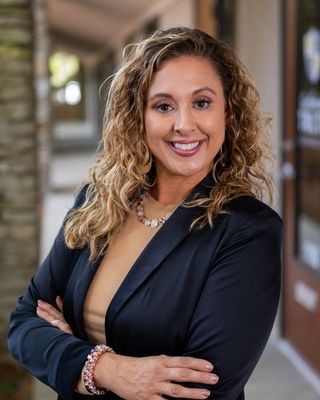
Hosted by ACA Counseling Alexis Sapp
Licensed Professional Counselor, NCC, LPC-S, LPC
Group meets in Birmingham, AL 35244
ACA Counseling provides premier mental health care services to the greater Birmingham area. Our clinicians are licensed, nationally board certified, and experienced. At ACA Counseling we pride ourselves on providing a warm and caring environment, that lends support to the entire family.
In this group participants will engage in a supportive environment aiming to foster self-awareness, enhance interpersonal skills, and promote emotional well-being. The learning objectives include enhancing self-esteem and identity, developing interpersonal skills, and building emotional awareness. Participants will explore attachment theory and its impact on relationships while learning how to foster healthy connections. The group focuses on teaching effective coping skills, self-care practices, and goal setting alongside discussing personal and digital safety. This includes one individual meeting, followed by nine group sessions. Refreshments will be provided.
Hosted by Diggs Deeper Counseling & Consulting
Clinical Social Work/Therapist, LICSW
Group meets in Vestavia Hills, AL 35216
In this group participants will engage in a supportive environment aiming to foster self-awareness, enhance interpersonal skills, and promote emotional well-being. The learning objectives include enhancing self-esteem and identity, developing interpersonal skills, and building emotional awareness. Participants will explore attachment theory and its impact on relationships while learning how to foster healthy connections. The group focuses on teaching effective coping skills, self-care practices, and goal setting alongside discussing personal and digital safety. This includes one individual meeting, followed by nine group sessions. Refreshments will be provided.
This workshop is designed to leave participants prepared to do the holiday season after a loss. They will gain skills, begin to think about new traditions and maybe even some community.

This workshop is designed to leave participants prepared to do the holiday season after a loss. They will gain skills, begin to think about new traditions and maybe even some community.
You invest in a lot of things...from your house, transportation, nails, hair, your job, other people, but who is investing in YOU! It's time for you to make yourself a priority and choose YOU! Coach K Korner is a safe place to come and process your life. Coach K Korner rotates its focus between discussing codependency and unhealthy relationship dynamics, managing anxiety and stress and the development of self love. Come join Coach K in the Korner for support, guidance, education and the motivation to address these issues in your life. For dates/times, registration, payment and questions text 205-290-3458.
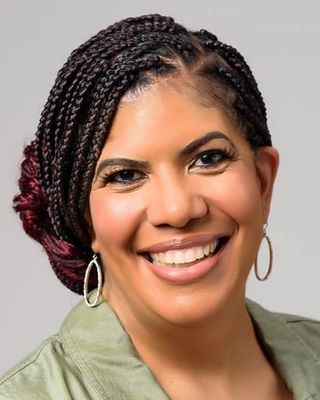
Hosted by Kimberly Marable Winters
Licensed Professional Counselor, LPCS, CEAP, SAP, CRC, NCC
Group meets in Birmingham, AL 35226
You invest in a lot of things...from your house, transportation, nails, hair, your job, other people, but who is investing in YOU! It's time for you to make yourself a priority and choose YOU! Coach K Korner is a safe place to come and process your life. Coach K Korner rotates its focus between discussing codependency and unhealthy relationship dynamics, managing anxiety and stress and the development of self love. Come join Coach K in the Korner for support, guidance, education and the motivation to address these issues in your life. For dates/times, registration, payment and questions text 205-290-3458.
Recent data indicate that roughly 1 in 5 veterans experience mental health issues. Group practice owner Matt McKenzie's dad (John L.) was a former U.S. Marine and Hoover fireman who tragically passed away in 2020. We know all too well that those who serve us are often underserved. The purpose of this group is to offer peer-led support groups to our veterans and first responders.

Hosted by Dr. Matt McKenzie
Licensed Professional Counselor, PhD, LPC-S, NCC
Group meets in Hoover, AL 35244
Recent data indicate that roughly 1 in 5 veterans experience mental health issues. Group practice owner Matt McKenzie's dad (John L.) was a former U.S. Marine and Hoover fireman who tragically passed away in 2020. We know all too well that those who serve us are often underserved. The purpose of this group is to offer peer-led support groups to our veterans and first responders.
See more therapy options for McCalla

Nearby Searches for McCalla
See More Support Groups FAQs - About Group Therapy and Support Groups
How can I find a support group in McCalla?
To find a support group in your area, start by entering your city, zip code, or the name of the group into the search bar at the top of the page. When searching, consider whether you prefer an in-person or virtual group. This can help you decide how broad your geographic search should be. If you are open to virtual groups, you might want to search by state instead of just your city, especially if there are limited options nearby.
Once you complete your search, you can use the filters to narrow the results by selecting specialties (such as grief, trauma, or eating disorders), therapeutic approaches, age groups, and other criteria to find a group that best fits your needs.
How does group therapy work?
Group therapy is led by one or more trained therapists and provides a space where participants can process their experiences and learn from others facing similar challenges. Groups may focus on a specific issue—such as addiction, grief, physical illnesses, parenting, or caregiving—or they may center around a particular therapeutic approach, such as Cognitive Behavioral Therapy (CBT), social skill development, or Exposure Therapy. Some groups are also designed for specific populations, such as teens, veterans, or LGBTQ+ individuals.
It’s also important to distinguish group therapy from peer-led support groups, like Alcoholics Anonymous. While both can offer valuable support, therapy groups are typically led by licensed professionals and follow a more structured format. Therapy groups often meet for a fixed length of time with a consistent group of members, while many peer support groups meet for an indefinite period of time with members coming and going.
What are the benefits of group therapy?
Group therapy offers several important benefits. It brings together people facing similar challenges—whether related to mental health, physical health, or life transitions—and creates a supportive environment where participants can exchange feedback, share experiences, and learn from one another. Hearing different perspectives can help individuals discover new coping strategies and practical tools they may not have encountered on their own. Sharing personal experiences, such as coping with a serious illness or navigating family struggles, can also reduce feelings of isolation and foster a sense of connection and understanding. In addition to emotional support, group members often gain useful, real-world advice from peers who have faced similar situations.
Group therapy is typically more affordable than individual therapy and, for certain conditions, can be equally effective. Many groups also include structured activities—such as guided journaling, cognitive-behavioral exercises, or role-playing—to help participants develop concrete skills they can apply in daily life.
Is group therapy as effective as individual therapy?
It is difficult to make a blanket statement about the effectiveness of support groups, as they vary widely in focus and the conditions they address. However, support groups can be highly valuable in helping individuals gain emotional support and achieve meaningful treatment outcomes. For certain conditions, such as substance use, research has shown that group therapy can be particularly effective—sometimes just as effective as individual therapy—in supporting long-term recovery.
Many professionals attribute the effectiveness of group therapy to the unique benefits of the group setting, which fosters peer-to-peer learning and a sense of connection through shared experiences. Group settings also offer accountability and encouragement from both facilitators and fellow participants, which helps sustain motivation and supports continued progress. These factors together play a key role in promoting the overall effectiveness of group therapy.
How much does group therapy cost?
Group therapy is typically less expensive than individual therapy, with sessions typically costing between $50 and $75 each. In comparison, individual therapy can cost anywhere from $100 to $200 or more per session, even with insurance. Some therapists or organizations offer low-cost or free group therapy options, particularly through community centers or nonprofit organizations. In some cases, groups may require payment upfront for a set number of sessions, such as paying for six weekly sessions at the first meeting. However, many providers offer payment plans to help make participation more accessible if this upfront payment is required.
Does insurance cover group therapy?
As with individual therapy, insurance coverage for group therapy varies based on factors such as your specific insurance plan, the purpose of the group, your diagnosis, and whether the group provider is in-network. Many insurance plans cover group therapy sessions that address diagnosable mental health conditions, such as substance use disorders, anxiety, or depression.
However, groups that focus on topics not directly tied to a mental health diagnosis—such as parenting support or divorce recovery—are less likely to be covered. Because coverage can vary widely, it’s important to check with your insurance provider before joining a group to confirm whether the sessions will be covered and what out-of-pocket costs you may be responsible for.
How long does group therapy last?
The length of each group therapy session typically ranges from 45 minutes to two hours, depending on the therapy approach, the group’s goals, and how often the group meets. In some cases, group therapy is part of a larger treatment program, such as an Intensive Outpatient Program (IOP), where group sessions complement individual therapy and are scheduled as part of the program’s overall structure.
The duration of participation in a group also varies. Some groups are designed to be short-term, lasting anywhere from 6 to 24 weeks—for example, bereavement groups or skills-based groups like those using Dialectical Behavioral Therapy (DBT). Other groups may be longer-term, lasting a year or more, and some ongoing support groups meet indefinitely, allowing participants to stay as long as they find the group helpful.
What are the limitations of support groups?
Support groups offer many benefits, but they also have certain limitations. Unlike therapy groups, many support groups do not provide formal therapeutic treatment and are not led by licensed mental health professionals. For individuals seeking clinical treatment for specific mental health diagnoses—such as depression, eating disorders, or substance use—individual therapy or group therapy led by a licensed professional may offer more personalized and specialized care.
The effectiveness of a support group also depends heavily on the group’s participants and the overall group dynamic. When members engage respectfully and offer constructive support, the group can foster valuable peer-to-peer learning. However, if certain participants dominate discussions, provide inaccurate advice, or create conflict, it can disrupt the group’s sense of safety and reduce its effectiveness. Confidentiality can also be harder to maintain in support groups, particularly in open groups where participants can join or leave at any time. With new members regularly entering the group, it can be more difficult to build and sustain a consistent sense of trust and privacy.