Support Groups in 97214
Designed for Ages 18-29! This group is for people who feel held back by their anxiety and whose anxiety makes them feel alone or isolated in this experience. If you're feeling motivated to develop new skills, practice new patterns, and support others navigating similar challenges, then this might be the right opportunity for you. This group offers support in the uncomfortable universality that is anxiety and provides an invitation to grow through its challenges. This group is usually partially or totally covered by in-network insurance policies!
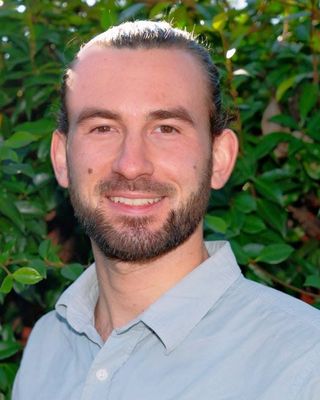
Hosted by Mitchell Passadore
Licensed Professional Counselor, LPC, MA
Group meets in Portland, OR 97214
Designed for Ages 18-29! This group is for people who feel held back by their anxiety and whose anxiety makes them feel alone or isolated in this experience. If you're feeling motivated to develop new skills, practice new patterns, and support others navigating similar challenges, then this might be the right opportunity for you. This group offers support in the uncomfortable universality that is anxiety and provides an invitation to grow through its challenges. This group is usually partially or totally covered by in-network insurance policies!
Who It's For: CSWAs in Oregon, Professional Counselor Associates in Oregon, and licensed psychotherapists of all backgrounds and locations. Focus Areas: Clinical skill development grounded in trauma-informed and culturally responsive practice, with opportunities for case consultation and ongoing professional growth. Meeting Time and Frequency: Biweekly (twice per month)

Hosted by Ase Counseling Services
Clinical Social Work/Therapist, PhD, MSW, LCSW
Group meets in Portland, OR 97214
Who It's For: CSWAs in Oregon, Professional Counselor Associates in Oregon, and licensed psychotherapists of all backgrounds and locations. Focus Areas: Clinical skill development grounded in trauma-informed and culturally responsive practice, with opportunities for case consultation and ongoing professional growth. Meeting Time and Frequency: Biweekly (twice per month)
I run an educational support group for physicians that focuses on problem solving communication difficulties with patients, clinical interviewing skills, self-care skills, and peer support. It is an effective way to improve clinical communication and problem skills, improve stress reduction and prevent burnout, and build community with other physicians.
The group I run meets on every 4th Tuesday from 6:45pm-8:15pm.
If you are a physician interested in joining this group, please contact me at 503-894-3068.
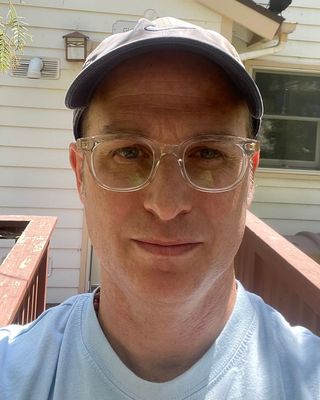
I run an educational support group for physicians that focuses on problem solving communication difficulties with patients, clinical interviewing skills, self-care skills, and peer support. It is an effective way to improve clinical communication and problem skills, improve stress reduction and prevent burnout, and build community with other physicians.
The group I run meets on every 4th Tuesday from 6:45pm-8:15pm.
If you are a physician interested in joining this group, please contact me at 503-894-3068.
Join us for a relaxing outdoor gathering exploring hypnosis through the lens of somatic awareness and nervous system regulation. Together, we'll explore how patterns such as anxiety, stress, overthinking, and the urge to constantly "fix" ourselves may be intelligent survival responses—and how hypnosis can support greater ease, flexibility, and resilience. No previous experience is necessary, and participation is always at your own pace. The Evening Will Include: • A talk on stress, regulation, and the brain-body connection • An introduction to hypnosis as a form of social learning • A guided hypnosis experience inspired by Somatic Experiencing® principles

Join us for a relaxing outdoor gathering exploring hypnosis through the lens of somatic awareness and nervous system regulation. Together, we'll explore how patterns such as anxiety, stress, overthinking, and the urge to constantly "fix" ourselves may be intelligent survival responses—and how hypnosis can support greater ease, flexibility, and resilience. No previous experience is necessary, and participation is always at your own pace. The Evening Will Include: • A talk on stress, regulation, and the brain-body connection • An introduction to hypnosis as a form of social learning • A guided hypnosis experience inspired by Somatic Experiencing® principles
Group participants and I participate in responding to writing prompts and reflecting on the responses shared with compassion and authentic curiosity. Together we explore the contours of our internal landscapes to make new meaning of sharing and receiving our experience with one another.

Group participants and I participate in responding to writing prompts and reflecting on the responses shared with compassion and authentic curiosity. Together we explore the contours of our internal landscapes to make new meaning of sharing and receiving our experience with one another.
This group challenges men to become less reactive during conflict, take responsibility for their own thoughts and behaviors, learn new conflict resolution skills, evaluate any "thinking errors" that may underly the problem,and become more aware of the negative effects of their abuse. I accept only voluntary clients, no court-mandated domestic violence offenders. The atmosphere is supportive, blending education and therapeutic "processing".
Group is more effective than individual or couples therapy for this issue. The group facilitates self-disclosure and accountability and provides a format in which men can support and challenge each other to change.

This group challenges men to become less reactive during conflict, take responsibility for their own thoughts and behaviors, learn new conflict resolution skills, evaluate any "thinking errors" that may underly the problem,and become more aware of the negative effects of their abuse. I accept only voluntary clients, no court-mandated domestic violence offenders. The atmosphere is supportive, blending education and therapeutic "processing".
Group is more effective than individual or couples therapy for this issue. The group facilitates self-disclosure and accountability and provides a format in which men can support and challenge each other to change.
This therapy group is for young adults struggling to manage aspects of daily life including finding work, completing college, managing finances and other responsibilities. Each week we will explore another skill area, develop strategies, discuss obstacles and make a plan toward fulfilling goals and commitments. This is a wonderful setting in which to connect with other like-minded young people and get support. I AM NOT CURRENTLY RUNNING THIS GROUP, but will be starting again summer 2024
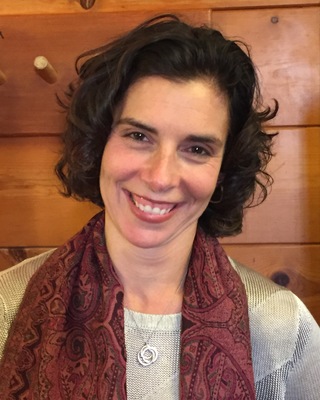
This therapy group is for young adults struggling to manage aspects of daily life including finding work, completing college, managing finances and other responsibilities. Each week we will explore another skill area, develop strategies, discuss obstacles and make a plan toward fulfilling goals and commitments. This is a wonderful setting in which to connect with other like-minded young people and get support. I AM NOT CURRENTLY RUNNING THIS GROUP, but will be starting again summer 2024
This group provides a supportive space for men to explore emotional health, build coping skills, and reduce daily stress. Participants learn practical tools from CBT and DBT to manage anger, anxiety, depression, work pressure, and family responsibilities. The group focuses on improving communication, strengthening self-esteem, and developing healthier routines. Through guided discussions and structured activities, members gain insight, connect with others facing similar challenges, and practice strategies that promote resilience and overall well-being. Ideal for men seeking personal growth, balance, and healthier ways to manage life’s demands.

Hosted by Healing Power Therapy, LLC
Pre-Licensed Professional, COA, LCSW, CSWA, CLSS, ICOD
Group meets in Portland, OR 97214
This group provides a supportive space for men to explore emotional health, build coping skills, and reduce daily stress. Participants learn practical tools from CBT and DBT to manage anger, anxiety, depression, work pressure, and family responsibilities. The group focuses on improving communication, strengthening self-esteem, and developing healthier routines. Through guided discussions and structured activities, members gain insight, connect with others facing similar challenges, and practice strategies that promote resilience and overall well-being. Ideal for men seeking personal growth, balance, and healthier ways to manage life’s demands.
Struggling with overwhelming emotions, difficult relationships, or the urge to react before you think? DBT (Dialectical Behavior Therapy) is one of the most effective, research-backed approaches for building real-world coping skills — and this group makes it accessible. Led by Morgan Diaz at Bridge to Relationship, this skills-based group teaches mindfulness, emotional regulation, distress tolerance, and interpersonal effectiveness in a supportive, structured setting. You'll leave each session with practical tools you can actually use. Open to adults. Sliding scale from 0-$150 available. In-person and telehealth options. Join anytime! Day/time flexible!
Hosted by Bridge To Relationship
Licensed Professional Counselor, LPC, LMFT
Group meets in Portland, OR 97214
Struggling with overwhelming emotions, difficult relationships, or the urge to react before you think? DBT (Dialectical Behavior Therapy) is one of the most effective, research-backed approaches for building real-world coping skills — and this group makes it accessible. Led by Morgan Diaz at Bridge to Relationship, this skills-based group teaches mindfulness, emotional regulation, distress tolerance, and interpersonal effectiveness in a supportive, structured setting. You'll leave each session with practical tools you can actually use. Open to adults. Sliding scale from 0-$150 available. In-person and telehealth options. Join anytime! Day/time flexible!
This (virtual) support group is for you if you're seeking a safe and nurturing space to express your experiences of religious trauma and faith deconstruction through the healing power of writing. The group will consist of writing time, small group sharing, and group discussion. Writing experience isn’t needed—only a willingness to show up and explore your lived experiences through writing and discussion with other group members who have shared lived experience. kindredholistictherapy.com/groups

Hosted by Julie Bloom
Licensed Professional Counselor, LPC, LMHC, NCC, MA
Group meets in Portland, OR 97214
This (virtual) support group is for you if you're seeking a safe and nurturing space to express your experiences of religious trauma and faith deconstruction through the healing power of writing. The group will consist of writing time, small group sharing, and group discussion. Writing experience isn’t needed—only a willingness to show up and explore your lived experiences through writing and discussion with other group members who have shared lived experience. kindredholistictherapy.com/groups
Struggling with overwhelming emotions, difficult relationships, or the urge to react before you think? DBT (Dialectical Behavior Therapy) is one of the most effective, research-backed approaches for building real-world coping skills — and this group makes it accessible. Led by Morgan Diaz at Bridge to Relationship, this skills-based group teaches mindfulness, emotional regulation, distress tolerance, and interpersonal effectiveness in a supportive, structured setting. You'll leave each session with practical tools you can actually use. Open to adults. Sliding scale from 0-$150 available. In-person and telehealth options. Join anytime! Day/time flexible!
Struggling with overwhelming emotions, difficult relationships, or the urge to react before you think? DBT (Dialectical Behavior Therapy) is one of the most effective, research-backed approaches for building real-world coping skills — and this group makes it accessible. Led by Morgan Diaz at Bridge to Relationship, this skills-based group teaches mindfulness, emotional regulation, distress tolerance, and interpersonal effectiveness in a supportive, structured setting. You'll leave each session with practical tools you can actually use. Open to adults. Sliding scale from 0-$150 available. In-person and telehealth options. Join anytime! Day/time flexible!
In this group we look at the members current life struggles and how to improve them. We also look at the emotional-relational dynamics unfolding within the group itself. We then compare all of this to the person's childhood experiences to see if they are repeating unhelpful patterns. Through this process the member is able to develop healthier patterns that attract more enjoyable and meaningful relationships.

Hosted by Sean Donahue
Licensed Professional Counselor, MA, LPC, CGP
Group meets in Portland, OR 97214
In this group we look at the members current life struggles and how to improve them. We also look at the emotional-relational dynamics unfolding within the group itself. We then compare all of this to the person's childhood experiences to see if they are repeating unhelpful patterns. Through this process the member is able to develop healthier patterns that attract more enjoyable and meaningful relationships.
Times are stressful. In this safe and supportive group, we will use a combination of the latest in evidence based treatment, energy healing, and seasonal wisdom to supercharge our ability to cope with stress and anxiety and level up our coping skills. If this group sounds like a fit for you, but the day or time doesn’t work, get in touch and let me know. If there is enough interest, we can may be able to start another group based on folks’ availability.

Hosted by Troy Montserrat-Gonzales
Licensed Professional Counselor, MA, LPC
Group meets in Portland, OR 97214
Times are stressful. In this safe and supportive group, we will use a combination of the latest in evidence based treatment, energy healing, and seasonal wisdom to supercharge our ability to cope with stress and anxiety and level up our coping skills. If this group sounds like a fit for you, but the day or time doesn’t work, get in touch and let me know. If there is enough interest, we can may be able to start another group based on folks’ availability.
Group therapy is a unique environment in which a group of people come together to both give and receive help from one another. If group members can completely understand and work out their relationships with the other group members, there will be an enormous carryover into their "real life." They will discover pathways to more rewarding relationships with significant people in their life now and with people they have yet to meet. What happens in the group mirrors life, but now with an opportunity to achieve a different outcome.

Hosted by Miranda Sofe Nelson
Clinical Social Work/Therapist, LCSW
Group meets in Portland, OR 97214
Group therapy is a unique environment in which a group of people come together to both give and receive help from one another. If group members can completely understand and work out their relationships with the other group members, there will be an enormous carryover into their "real life." They will discover pathways to more rewarding relationships with significant people in their life now and with people they have yet to meet. What happens in the group mirrors life, but now with an opportunity to achieve a different outcome.
This group is for men who want to explore what healthy masculinity is and what it feels like in this world. For men who want to increase their ability to be vulnerable and experience a full range of emotions. For men who want to be honest, share feedback and wholeheartedness with other men. For men who want to increase their engagement in their relationships, work and community. For men who want to increase their agency and increase the depth of their care. For men who want to increase the activity in their own lives.

This group is for men who want to explore what healthy masculinity is and what it feels like in this world. For men who want to increase their ability to be vulnerable and experience a full range of emotions. For men who want to be honest, share feedback and wholeheartedness with other men. For men who want to increase their engagement in their relationships, work and community. For men who want to increase their agency and increase the depth of their care. For men who want to increase the activity in their own lives.
This group is for people in their 30s who have 'made it' but still experience a sense of dissatisfaction. Group members will have a career, material things and some friendships, but there remains an underlying question of "is this all there is to life." Members will share experiences with depression, substance usage, anxiety and relational challenges. The group leader will help members to slowly move towards the here-and-now of their emotional experience with themselves and each other. This will assist the group member in their evolution towards a more meaningful existence.
Hosted by Sean Donahue
Licensed Professional Counselor, MA, LPC, CGP
Group meets in Portland, OR 97214
This group is for people in their 30s who have 'made it' but still experience a sense of dissatisfaction. Group members will have a career, material things and some friendships, but there remains an underlying question of "is this all there is to life." Members will share experiences with depression, substance usage, anxiety and relational challenges. The group leader will help members to slowly move towards the here-and-now of their emotional experience with themselves and each other. This will assist the group member in their evolution towards a more meaningful existence.
This structured group offers a supportive space to slow down, reflect, and deepen your relationship with yourself. Through psychoeducation, experiential exercises, writing, and sharing, participants explore attachment, survival responses, neuroscience, black-and-white thinking, boundaries, emotional regulation, mindfulness, and self-compassion. The group supports greater self-awareness, compassion, and connection with oneself and others. Groups are offered online or in person in inner SE Portland. Typically, meets twice a month, either on Monday night or on Saturday afternoon for 3 hours. A brief consultation meeting is required prior to enrollment.
Hosted by Goode Counseling
Licensed Professional Counselor, LPC, NCC, CADCI
Group meets in Portland, OR 97214
This structured group offers a supportive space to slow down, reflect, and deepen your relationship with yourself. Through psychoeducation, experiential exercises, writing, and sharing, participants explore attachment, survival responses, neuroscience, black-and-white thinking, boundaries, emotional regulation, mindfulness, and self-compassion. The group supports greater self-awareness, compassion, and connection with oneself and others. Groups are offered online or in person in inner SE Portland. Typically, meets twice a month, either on Monday night or on Saturday afternoon for 3 hours. A brief consultation meeting is required prior to enrollment.
This is designed as a closed group with a participant time commitment of 12 weeks. All you need is desire to actively participate–a willingness to listen, support without judgment, and show up bravely to conversations. The group will decide its own agreements, topics, and conversations. The facilitator will provide some structure through opening activities and collaborative group agreements. Members will bring their authenticity, experiences, perspectives, curiosity, and support. Whether you are questioning, early into transition, or have been living your truth for many years, you are welcome here!!

Hosted by Riley Kastenhuber
Licensed Professional Counselor, MA, LPC
Group meets in Portland, OR 97214
This is designed as a closed group with a participant time commitment of 12 weeks. All you need is desire to actively participate–a willingness to listen, support without judgment, and show up bravely to conversations. The group will decide its own agreements, topics, and conversations. The facilitator will provide some structure through opening activities and collaborative group agreements. Members will bring their authenticity, experiences, perspectives, curiosity, and support. Whether you are questioning, early into transition, or have been living your truth for many years, you are welcome here!!
*NEW GROUP BEGINS SEPT 2026*. This group is a process-oriented, time-limited experience in which 6-10 men will have facilitated discussions about common men's issues. This group will help men discuss and explore issues that affect their ability to connect with and support others, as well as manage common emotional experiences as a male. The experience of loneliness, grief, anger, and disconnection will be a central theme.
*NEW GROUP BEGINS SEPT 2026*. This group is a process-oriented, time-limited experience in which 6-10 men will have facilitated discussions about common men's issues. This group will help men discuss and explore issues that affect their ability to connect with and support others, as well as manage common emotional experiences as a male. The experience of loneliness, grief, anger, and disconnection will be a central theme.
"Deep Dive Saturday" meets on the third Saturday of each month from 9:00 - 11:30 a.m. Each month features a focus topic. Through self-reflection, writing, experiential exercises, and sharing with others, participants deepen their relationship with themselves and build safe connections with others. Prerequisite: completion of Level I or the Returning to You self-paced program. To support community, trust, and openness, participants are asked to commit to the group for five months. Participation may be extended for as long as desired.
Hosted by Goode Counseling
Licensed Professional Counselor, LPC, NCC, CADCI
Group meets in Portland, OR 97214
"Deep Dive Saturday" meets on the third Saturday of each month from 9:00 - 11:30 a.m. Each month features a focus topic. Through self-reflection, writing, experiential exercises, and sharing with others, participants deepen their relationship with themselves and build safe connections with others. Prerequisite: completion of Level I or the Returning to You self-paced program. To support community, trust, and openness, participants are asked to commit to the group for five months. Participation may be extended for as long as desired.
See more therapy options for 97214


FAQs - About Group Therapy and Support Groups
How can I find a support group in 97214?
To find a support group in your area, start by entering your city, zip code, or the name of the group into the search bar at the top of the page. When searching, consider whether you prefer an in-person or virtual group. This can help you decide how broad your geographic search should be. If you are open to virtual groups, you might want to search by state instead of just your city, especially if there are limited options nearby.
Once you complete your search, you can use the filters to narrow the results by selecting specialties (such as grief, trauma, or eating disorders), therapeutic approaches, age groups, and other criteria to find a group that best fits your needs.
Once you complete your search, you can use the filters to narrow the results by selecting specialties (such as grief, trauma, or eating disorders), therapeutic approaches, age groups, and other criteria to find a group that best fits your needs.
How does group therapy work?
Group therapy is led by one or more trained therapists and provides a space where participants can process their experiences and learn from others facing similar challenges. Groups may focus on a specific issue—such as addiction, grief, physical illnesses, parenting, or caregiving—or they may center around a particular therapeutic approach, such as Cognitive Behavioral Therapy (CBT), social skill development, or Exposure Therapy. Some groups are also designed for specific populations, such as teens, veterans, or LGBTQ+ individuals.
It’s also important to distinguish group therapy from peer-led support groups, like Alcoholics Anonymous. While both can offer valuable support, therapy groups are typically led by licensed professionals and follow a more structured format. Therapy groups often meet for a fixed length of time with a consistent group of members, while many peer support groups meet for an indefinite period of time with members coming and going.
It’s also important to distinguish group therapy from peer-led support groups, like Alcoholics Anonymous. While both can offer valuable support, therapy groups are typically led by licensed professionals and follow a more structured format. Therapy groups often meet for a fixed length of time with a consistent group of members, while many peer support groups meet for an indefinite period of time with members coming and going.
What are the benefits of group therapy?
Group therapy offers several important benefits. It brings together people facing similar challenges—whether related to mental health, physical health, or life transitions—and creates a supportive environment where participants can exchange feedback, share experiences, and learn from one another. Hearing different perspectives can help individuals discover new coping strategies and practical tools they may not have encountered on their own. Sharing personal experiences, such as coping with a serious illness or navigating family struggles, can also reduce feelings of isolation and foster a sense of connection and understanding. In addition to emotional support, group members often gain useful, real-world advice from peers who have faced similar situations.
Group therapy is typically more affordable than individual therapy and, for certain conditions, can be equally effective. Many groups also include structured activities—such as guided journaling, cognitive-behavioral exercises, or role-playing—to help participants develop concrete skills they can apply in daily life.
Group therapy is typically more affordable than individual therapy and, for certain conditions, can be equally effective. Many groups also include structured activities—such as guided journaling, cognitive-behavioral exercises, or role-playing—to help participants develop concrete skills they can apply in daily life.
Is group therapy as effective as individual therapy?
It is difficult to make a blanket statement about the effectiveness of support groups, as they vary widely in focus and the conditions they address. However, support groups can be highly valuable in helping individuals gain emotional support and achieve meaningful treatment outcomes. For certain conditions, such as substance use, research has shown that group therapy can be particularly effective—sometimes just as effective as individual therapy—in supporting long-term recovery.
Many professionals attribute the effectiveness of group therapy to the unique benefits of the group setting, which fosters peer-to-peer learning and a sense of connection through shared experiences. Group settings also offer accountability and encouragement from both facilitators and fellow participants, which helps sustain motivation and supports continued progress. These factors together play a key role in promoting the overall effectiveness of group therapy.
Many professionals attribute the effectiveness of group therapy to the unique benefits of the group setting, which fosters peer-to-peer learning and a sense of connection through shared experiences. Group settings also offer accountability and encouragement from both facilitators and fellow participants, which helps sustain motivation and supports continued progress. These factors together play a key role in promoting the overall effectiveness of group therapy.
How much does group therapy cost?
Group therapy is typically less expensive than individual therapy, with sessions typically costing between $50 and $75 each. In comparison, individual therapy can cost anywhere from $100 to $200 or more per session, even with insurance. Some therapists or organizations offer low-cost or free group therapy options, particularly through community centers or nonprofit organizations. In some cases, groups may require payment upfront for a set number of sessions, such as paying for six weekly sessions at the first meeting. However, many providers offer payment plans to help make participation more accessible if this upfront payment is required.
Does insurance cover group therapy?
As with individual therapy, insurance coverage for group therapy varies based on factors such as your specific insurance plan, the purpose of the group, your diagnosis, and whether the group provider is in-network. Many insurance plans cover group therapy sessions that address diagnosable mental health conditions, such as substance use disorders, anxiety, or depression.
However, groups that focus on topics not directly tied to a mental health diagnosis—such as parenting support or divorce recovery—are less likely to be covered. Because coverage can vary widely, it’s important to check with your insurance provider before joining a group to confirm whether the sessions will be covered and what out-of-pocket costs you may be responsible for.
However, groups that focus on topics not directly tied to a mental health diagnosis—such as parenting support or divorce recovery—are less likely to be covered. Because coverage can vary widely, it’s important to check with your insurance provider before joining a group to confirm whether the sessions will be covered and what out-of-pocket costs you may be responsible for.
How long does group therapy last?
The length of each group therapy session typically ranges from 45 minutes to two hours, depending on the therapy approach, the group’s goals, and how often the group meets. In some cases, group therapy is part of a larger treatment program, such as an Intensive Outpatient Program (IOP), where group sessions complement individual therapy and are scheduled as part of the program’s overall structure.
The duration of participation in a group also varies. Some groups are designed to be short-term, lasting anywhere from 6 to 24 weeks—for example, bereavement groups or skills-based groups like those using Dialectical Behavioral Therapy (DBT). Other groups may be longer-term, lasting a year or more, and some ongoing support groups meet indefinitely, allowing participants to stay as long as they find the group helpful.
The duration of participation in a group also varies. Some groups are designed to be short-term, lasting anywhere from 6 to 24 weeks—for example, bereavement groups or skills-based groups like those using Dialectical Behavioral Therapy (DBT). Other groups may be longer-term, lasting a year or more, and some ongoing support groups meet indefinitely, allowing participants to stay as long as they find the group helpful.
What are the limitations of support groups?
Support groups offer many benefits, but they also have certain limitations. Unlike therapy groups, many support groups do not provide formal therapeutic treatment and are not led by licensed mental health professionals. For individuals seeking clinical treatment for specific mental health diagnoses—such as depression, eating disorders, or substance use—individual therapy or group therapy led by a licensed professional may offer more personalized and specialized care.
The effectiveness of a support group also depends heavily on the group’s participants and the overall group dynamic. When members engage respectfully and offer constructive support, the group can foster valuable peer-to-peer learning. However, if certain participants dominate discussions, provide inaccurate advice, or create conflict, it can disrupt the group’s sense of safety and reduce its effectiveness. Confidentiality can also be harder to maintain in support groups, particularly in open groups where participants can join or leave at any time. With new members regularly entering the group, it can be more difficult to build and sustain a consistent sense of trust and privacy.
The effectiveness of a support group also depends heavily on the group’s participants and the overall group dynamic. When members engage respectfully and offer constructive support, the group can foster valuable peer-to-peer learning. However, if certain participants dominate discussions, provide inaccurate advice, or create conflict, it can disrupt the group’s sense of safety and reduce its effectiveness. Confidentiality can also be harder to maintain in support groups, particularly in open groups where participants can join or leave at any time. With new members regularly entering the group, it can be more difficult to build and sustain a consistent sense of trust and privacy.