Support Groups in 97005
We have experience working with youth, adults, couples, and families from many different cultures, socio-economic, sexual orientations, situations, and needs. We use different techniques and strategies to help you get to the root of the problem, make conscious change to find stability, growth, problem resolution, and emotional relief. Some of the techniques and interventions we use are:EMDR for trauma. Neurofeedback Person Focused Therapy Family Systems Therapy Psychodynamic Therapy Dialectical Behavioral Therapy Cognitive Therapy Solution Focused Therapy Interpersonal Techniques Collaborative Problem Solving Interventions Mindfulness Cognitive Behavioral Therapy Relaxation and Sleep Hygiene Technique ?

Hosted by Barcelona Counseling, LLC
Clinical Social Work/Therapist, LCSW
Group meets in Beaverton, OR 97005
We have experience working with youth, adults, couples, and families from many different cultures, socio-economic, sexual orientations, situations, and needs. We use different techniques and strategies to help you get to the root of the problem, make conscious change to find stability, growth, problem resolution, and emotional relief. Some of the techniques and interventions we use are:EMDR for trauma. Neurofeedback Person Focused Therapy Family Systems Therapy Psychodynamic Therapy Dialectical Behavioral Therapy Cognitive Therapy Solution Focused Therapy Interpersonal Techniques Collaborative Problem Solving Interventions Mindfulness Cognitive Behavioral Therapy Relaxation and Sleep Hygiene Technique ?
The Warrior Monk Men’s Group is a weekly online group dedicated to helping men cultivate the strength of the Warrior and the wisdom of the Monk. Through brotherhood, meaningful conversations, and personal accountability, we explore masculinity, mental health, emotional regulation, relationships, fatherhood, and servant leadership. Together, we challenge assumptions, confront personal struggles, develop self-awareness, and build the courage to become better men, husbands, fathers, and friends. This group offers a supportive environment where men can share experiences and grow together. The goal isn't perfection; it's developing the discipline, humility, and resilience to live with purpose.
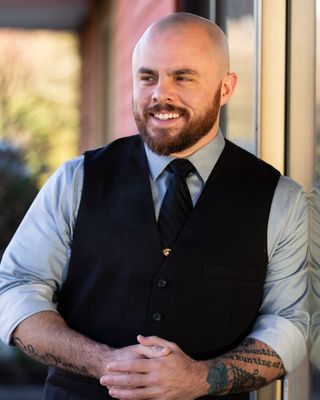
The Warrior Monk Men’s Group is a weekly online group dedicated to helping men cultivate the strength of the Warrior and the wisdom of the Monk. Through brotherhood, meaningful conversations, and personal accountability, we explore masculinity, mental health, emotional regulation, relationships, fatherhood, and servant leadership. Together, we challenge assumptions, confront personal struggles, develop self-awareness, and build the courage to become better men, husbands, fathers, and friends. This group offers a supportive environment where men can share experiences and grow together. The goal isn't perfection; it's developing the discipline, humility, and resilience to live with purpose.
If interested in joining a DBT group, please call 971.229.2009 to learn more about start dates. The four modules include Mindfulness, Interpersonal Effectiveness, Distress Tolerance, and Emotion Regulation.

If interested in joining a DBT group, please call 971.229.2009 to learn more about start dates. The four modules include Mindfulness, Interpersonal Effectiveness, Distress Tolerance, and Emotion Regulation.
This 5 week group, starting July 19th, is a judgment-free zone to unpack the baggage from harmful religious experiences. Figure out what healing looks like for you-whether that's rediscovering faith, exploring spirituality, or jest enjoying Sundays without guilt. All beliefs (or non-beliefs) welcome. Lead by Dawn Myers and Jason Morse, marriage and family counseling graduate interns.

This 5 week group, starting July 19th, is a judgment-free zone to unpack the baggage from harmful religious experiences. Figure out what healing looks like for you-whether that's rediscovering faith, exploring spirituality, or jest enjoying Sundays without guilt. All beliefs (or non-beliefs) welcome. Lead by Dawn Myers and Jason Morse, marriage and family counseling graduate interns.
Integrative, evidence-based care rooted in the mind-body connection. We specialize in comprehensive psychological assessment and personalized treatment to support your complete wellness journey.

Hosted by Megan Strickland
Licensed Professional Counselor, MS, LPC
Group meets in Beaverton, OR 97005
Integrative, evidence-based care rooted in the mind-body connection. We specialize in comprehensive psychological assessment and personalized treatment to support your complete wellness journey.
Being & Belonging is a bi-weekly support group for LGBTQIA+ teens who want a safe, welcoming space to connect, share, and grow. This group offers community for young people exploring identity, navigating school or family stress, or seeking others who understand their lived experience. Through guided discussion, mindfulness practices, expressive art activities, and shared reflection, teens build confidence, resilience, and a deeper sense of belonging. Being & Belonging is a supportive, affirming space for teens to feel seen, grounded, and not alone—while developing tools for emotional regulation, self-acceptance, and authentic connection.

Being & Belonging is a bi-weekly support group for LGBTQIA+ teens who want a safe, welcoming space to connect, share, and grow. This group offers community for young people exploring identity, navigating school or family stress, or seeking others who understand their lived experience. Through guided discussion, mindfulness practices, expressive art activities, and shared reflection, teens build confidence, resilience, and a deeper sense of belonging. Being & Belonging is a supportive, affirming space for teens to feel seen, grounded, and not alone—while developing tools for emotional regulation, self-acceptance, and authentic connection.
Hold Me Tight Couples Workshop is an in-person, psychoeducational weekend designed to help couples strengthen communication, deepen emotional connection, and move out of repetitive conflict patterns. Grounded in Emotionally Focused Therapy (EFT), this workshop helps couples understand the emotional cycles that keep them stuck and practice new ways of responding with clarity and care. It is well-suited for couples who want to reconnect, repair, and grow together. This workshop is supportive and experiential. For more information, email me at Lauren@willowandwavecollective.com

Hold Me Tight Couples Workshop is an in-person, psychoeducational weekend designed to help couples strengthen communication, deepen emotional connection, and move out of repetitive conflict patterns. Grounded in Emotionally Focused Therapy (EFT), this workshop helps couples understand the emotional cycles that keep them stuck and practice new ways of responding with clarity and care. It is well-suited for couples who want to reconnect, repair, and grow together. This workshop is supportive and experiential. For more information, email me at Lauren@willowandwavecollective.com
More Groups Nearby
Connect with others who get it: Curated specifically for teens who have lost a parent from a long term illness. Facilitated by a down-to-earth licensed professional counselor who specializes in grief to allow safe and comfortable processing, not just a peer support group. Mindfulness and art sprinkled throughout. Runs Sep. 6- Oct. 25, eight Tuesday evenings total. 14-18yo. Masks & COVID vaccines required. Register on or before August 15. Contact Maren today for your free consultation!

Connect with others who get it: Curated specifically for teens who have lost a parent from a long term illness. Facilitated by a down-to-earth licensed professional counselor who specializes in grief to allow safe and comfortable processing, not just a peer support group. Mindfulness and art sprinkled throughout. Runs Sep. 6- Oct. 25, eight Tuesday evenings total. 14-18yo. Masks & COVID vaccines required. Register on or before August 15. Contact Maren today for your free consultation!
Living with chronic pain can change more than your body. It can affect your relationships, sense of self, and what feels possible. More Than Pain is a 6-week therapy group for adults living with chronic pain who want to feel understood, connect with others who know what it’s like, and make room for more of what matters. Together, we’ll explore how pain has shaped your life, learn ways to respond to difficult moments, and consider how to keep growing, connecting, and living meaningfully—even when pain is still part of your story.

Living with chronic pain can change more than your body. It can affect your relationships, sense of self, and what feels possible. More Than Pain is a 6-week therapy group for adults living with chronic pain who want to feel understood, connect with others who know what it’s like, and make room for more of what matters. Together, we’ll explore how pain has shaped your life, learn ways to respond to difficult moments, and consider how to keep growing, connecting, and living meaningfully—even when pain is still part of your story.
[ 4-week ONLINE group ] This group is designed for those who have experienced medical trauma, neglect, dismissal, or other difficult encounters within the healthcare system. Together, we'll process experiences, learn practical advocacy and boundary-setting skills, and build connection and support with others who have walked a similar path.
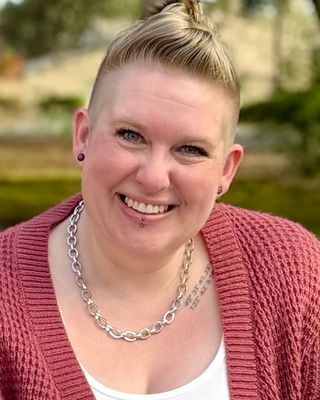
Hosted by Melissa Montello
Licensed Professional Counselor, LPC, MA, NCC, CCTS-I
Group meets in Sherwood, OR 97140
[ 4-week ONLINE group ] This group is designed for those who have experienced medical trauma, neglect, dismissal, or other difficult encounters within the healthcare system. Together, we'll process experiences, learn practical advocacy and boundary-setting skills, and build connection and support with others who have walked a similar path.
This group provides a space for those with OCD (and their loved ones) to offer support, provide feedback, and gain community.

Hosted by Holistic Healing Pdx
Licensed Professional Counselor, MA, LPC
Group meets in Portland, OR 97239
This group provides a space for those with OCD (and their loved ones) to offer support, provide feedback, and gain community.
This group is for men who want to explore what healthy masculinity is and what it feels like in this world. For men who want to increase their ability to be vulnerable and experience a full range of emotions. For men who want to be honest, share feedback and wholeheartedness with other men. For men who want to increase their engagement in their relationships, work and community. For men who want to increase their agency and increase the depth of their care. For men who want to increase the activity in their own lives.

This group is for men who want to explore what healthy masculinity is and what it feels like in this world. For men who want to increase their ability to be vulnerable and experience a full range of emotions. For men who want to be honest, share feedback and wholeheartedness with other men. For men who want to increase their engagement in their relationships, work and community. For men who want to increase their agency and increase the depth of their care. For men who want to increase the activity in their own lives.
This 8–10 week psychoeducational group offers a supportive, non-judgmental space for individuals coping with erectile dysfunction. Each week introduces a clear, accessible educational module focused on understanding erectile irregularity, contributing factors, emotional impact, and practical coping tools. Participants will explore how stress, relationships, health, and self-perception intersect with sexual functioning. Guided discussions allow members to share personal experiences, ask questions, and learn from one another in a respectful environment. The group emphasizes compassion, normalization, and skill-building, helping participants reduce shame, strengthen resilience, and develop effective strategies for navigating erectile challenges with greater confidence and understanding.

This 8–10 week psychoeducational group offers a supportive, non-judgmental space for individuals coping with erectile dysfunction. Each week introduces a clear, accessible educational module focused on understanding erectile irregularity, contributing factors, emotional impact, and practical coping tools. Participants will explore how stress, relationships, health, and self-perception intersect with sexual functioning. Guided discussions allow members to share personal experiences, ask questions, and learn from one another in a respectful environment. The group emphasizes compassion, normalization, and skill-building, helping participants reduce shame, strengthen resilience, and develop effective strategies for navigating erectile challenges with greater confidence and understanding.
This group focuses on helping to develop friendship skills, reduce social anxiety, improve the ability to manage feelings of frustration, and build confidence in social situations. Lessons and hands-on activities are used to help kids practice self-reflection, self-management, and social skills. This group is designed to teach critical social skills that your child is having difficulty picking up. In the group, participants learn these skills in an environment that’s structured, but feels natural. www.nhws.us

This group focuses on helping to develop friendship skills, reduce social anxiety, improve the ability to manage feelings of frustration, and build confidence in social situations. Lessons and hands-on activities are used to help kids practice self-reflection, self-management, and social skills. This group is designed to teach critical social skills that your child is having difficulty picking up. In the group, participants learn these skills in an environment that’s structured, but feels natural. www.nhws.us
Anyone between the ages of 18-35 is welcome. Groups of 8 people • Explore your stories of belonging and exclusion • Understand the parts of you that protect-and the parts that long to connect • Build self-compassion and authentic self-expression • Practice safe connection in a supportive community • Use creativity as a bridge to yourself and others. Facilitated by a board certified art therapist and counselor aligned with LGBTQ+ and neurodivergent experiences. This is an open and ongoing small group experience meeting twice monthly. See the flyer in the photos! Referrals welcome.

Hosted by Glynis 'glee' Lumb
Licensed Professional Counselor, ATR-BC, LPC, LCAT
Group meets in Portland, OR 97232
Anyone between the ages of 18-35 is welcome. Groups of 8 people • Explore your stories of belonging and exclusion • Understand the parts of you that protect-and the parts that long to connect • Build self-compassion and authentic self-expression • Practice safe connection in a supportive community • Use creativity as a bridge to yourself and others. Facilitated by a board certified art therapist and counselor aligned with LGBTQ+ and neurodivergent experiences. This is an open and ongoing small group experience meeting twice monthly. See the flyer in the photos! Referrals welcome.
This is a process group for 7 adults who want to learn more about themselves and their relationship with others; be it family, partnership, professional or friendships. It's a practice ground for real life with here and now support for putting feelings and thoughts into words. Stronger emotional flexibility increases one's choices in life. We meet each Wednesday evening from 5 to 6:30. A 3 month commitment suggested. $60/session. Some insurance reimbursement. Contact me with questions or to schedule an intake consultation. Since Covid we have been meeting online with occasional in person gatherings an option.
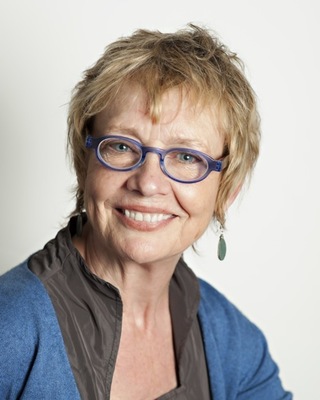
This is a process group for 7 adults who want to learn more about themselves and their relationship with others; be it family, partnership, professional or friendships. It's a practice ground for real life with here and now support for putting feelings and thoughts into words. Stronger emotional flexibility increases one's choices in life. We meet each Wednesday evening from 5 to 6:30. A 3 month commitment suggested. $60/session. Some insurance reimbursement. Contact me with questions or to schedule an intake consultation. Since Covid we have been meeting online with occasional in person gatherings an option.
Next group forming soon. Anyone who is struggling with addictive behaviors of any kind, relationship struggles or inability to break out of patterns could be a great fit for this group. The focus varies as the group desires and needs. Strong and consistent themes will be empowerment, increasing self understanding/ acceptance, underlying motivations for behavior that is unwanted or troublesome in some way, building resiliency to overcome barriers to more effective living and improving relationships and intimacy.

Next group forming soon. Anyone who is struggling with addictive behaviors of any kind, relationship struggles or inability to break out of patterns could be a great fit for this group. The focus varies as the group desires and needs. Strong and consistent themes will be empowerment, increasing self understanding/ acceptance, underlying motivations for behavior that is unwanted or troublesome in some way, building resiliency to overcome barriers to more effective living and improving relationships and intimacy.
This group is for clinicians working with children and adolescents in school or community settings. We share our work, celebrate successes, and gain guidance and perspective through case presentation and consultation. We discuss ethical dilemmas, biases, and blind spots, and explore the personal impact of this work on us personally. Topics include real-world school-system challenges, boundaries, equity, student mental health, parent and caregiver dynamics, resource sharing, record keeping, and school policies, plus whatever else matters most to the group. A space to feel supported and less alone in this work.

Hosted by Alycia Anne O'Connell
Clinical Social Work/Therapist, LCSW, LICSW, CADCIII
Group meets in Troutdale, OR 97060
This group is for clinicians working with children and adolescents in school or community settings. We share our work, celebrate successes, and gain guidance and perspective through case presentation and consultation. We discuss ethical dilemmas, biases, and blind spots, and explore the personal impact of this work on us personally. Topics include real-world school-system challenges, boundaries, equity, student mental health, parent and caregiver dynamics, resource sharing, record keeping, and school policies, plus whatever else matters most to the group. A space to feel supported and less alone in this work.
This is a monthly open group to all clinicians interested in deepening their understanding and utilization of Bowen natural family systems theory in their life and practice. This group has been in continuous existence for many years. The typical four hour meeting time frame includes discussion of Bowen theory, family of origin activity and case consultation.
This is a monthly open group to all clinicians interested in deepening their understanding and utilization of Bowen natural family systems theory in their life and practice. This group has been in continuous existence for many years. The typical four hour meeting time frame includes discussion of Bowen theory, family of origin activity and case consultation.
Confidential, therapist-led space for adult men to talk openly about stress, relationships, anger, anxiety, depression, loneliness, and other life challenges. This ongoing virtual group gives men an opportunity to connect with others, gain perspective, and work through difficult experiences in a supportive group setting.

Confidential, therapist-led space for adult men to talk openly about stress, relationships, anger, anxiety, depression, loneliness, and other life challenges. This ongoing virtual group gives men an opportunity to connect with others, gain perspective, and work through difficult experiences in a supportive group setting.
See more therapy options for 97005


FAQs - About Group Therapy and Support Groups
How can I find a support group in 97005?
To find a support group in your area, start by entering your city, zip code, or the name of the group into the search bar at the top of the page. When searching, consider whether you prefer an in-person or virtual group. This can help you decide how broad your geographic search should be. If you are open to virtual groups, you might want to search by state instead of just your city, especially if there are limited options nearby.
Once you complete your search, you can use the filters to narrow the results by selecting specialties (such as grief, trauma, or eating disorders), therapeutic approaches, age groups, and other criteria to find a group that best fits your needs.
Once you complete your search, you can use the filters to narrow the results by selecting specialties (such as grief, trauma, or eating disorders), therapeutic approaches, age groups, and other criteria to find a group that best fits your needs.
How does group therapy work?
Group therapy is led by one or more trained therapists and provides a space where participants can process their experiences and learn from others facing similar challenges. Groups may focus on a specific issue—such as addiction, grief, physical illnesses, parenting, or caregiving—or they may center around a particular therapeutic approach, such as Cognitive Behavioral Therapy (CBT), social skill development, or Exposure Therapy. Some groups are also designed for specific populations, such as teens, veterans, or LGBTQ+ individuals.
It’s also important to distinguish group therapy from peer-led support groups, like Alcoholics Anonymous. While both can offer valuable support, therapy groups are typically led by licensed professionals and follow a more structured format. Therapy groups often meet for a fixed length of time with a consistent group of members, while many peer support groups meet for an indefinite period of time with members coming and going.
It’s also important to distinguish group therapy from peer-led support groups, like Alcoholics Anonymous. While both can offer valuable support, therapy groups are typically led by licensed professionals and follow a more structured format. Therapy groups often meet for a fixed length of time with a consistent group of members, while many peer support groups meet for an indefinite period of time with members coming and going.
What are the benefits of group therapy?
Group therapy offers several important benefits. It brings together people facing similar challenges—whether related to mental health, physical health, or life transitions—and creates a supportive environment where participants can exchange feedback, share experiences, and learn from one another. Hearing different perspectives can help individuals discover new coping strategies and practical tools they may not have encountered on their own. Sharing personal experiences, such as coping with a serious illness or navigating family struggles, can also reduce feelings of isolation and foster a sense of connection and understanding. In addition to emotional support, group members often gain useful, real-world advice from peers who have faced similar situations.
Group therapy is typically more affordable than individual therapy and, for certain conditions, can be equally effective. Many groups also include structured activities—such as guided journaling, cognitive-behavioral exercises, or role-playing—to help participants develop concrete skills they can apply in daily life.
Group therapy is typically more affordable than individual therapy and, for certain conditions, can be equally effective. Many groups also include structured activities—such as guided journaling, cognitive-behavioral exercises, or role-playing—to help participants develop concrete skills they can apply in daily life.
Is group therapy as effective as individual therapy?
It is difficult to make a blanket statement about the effectiveness of support groups, as they vary widely in focus and the conditions they address. However, support groups can be highly valuable in helping individuals gain emotional support and achieve meaningful treatment outcomes. For certain conditions, such as substance use, research has shown that group therapy can be particularly effective—sometimes just as effective as individual therapy—in supporting long-term recovery.
Many professionals attribute the effectiveness of group therapy to the unique benefits of the group setting, which fosters peer-to-peer learning and a sense of connection through shared experiences. Group settings also offer accountability and encouragement from both facilitators and fellow participants, which helps sustain motivation and supports continued progress. These factors together play a key role in promoting the overall effectiveness of group therapy.
Many professionals attribute the effectiveness of group therapy to the unique benefits of the group setting, which fosters peer-to-peer learning and a sense of connection through shared experiences. Group settings also offer accountability and encouragement from both facilitators and fellow participants, which helps sustain motivation and supports continued progress. These factors together play a key role in promoting the overall effectiveness of group therapy.
How much does group therapy cost?
Group therapy is typically less expensive than individual therapy, with sessions typically costing between $50 and $75 each. In comparison, individual therapy can cost anywhere from $100 to $200 or more per session, even with insurance. Some therapists or organizations offer low-cost or free group therapy options, particularly through community centers or nonprofit organizations. In some cases, groups may require payment upfront for a set number of sessions, such as paying for six weekly sessions at the first meeting. However, many providers offer payment plans to help make participation more accessible if this upfront payment is required.
Does insurance cover group therapy?
As with individual therapy, insurance coverage for group therapy varies based on factors such as your specific insurance plan, the purpose of the group, your diagnosis, and whether the group provider is in-network. Many insurance plans cover group therapy sessions that address diagnosable mental health conditions, such as substance use disorders, anxiety, or depression.
However, groups that focus on topics not directly tied to a mental health diagnosis—such as parenting support or divorce recovery—are less likely to be covered. Because coverage can vary widely, it’s important to check with your insurance provider before joining a group to confirm whether the sessions will be covered and what out-of-pocket costs you may be responsible for.
However, groups that focus on topics not directly tied to a mental health diagnosis—such as parenting support or divorce recovery—are less likely to be covered. Because coverage can vary widely, it’s important to check with your insurance provider before joining a group to confirm whether the sessions will be covered and what out-of-pocket costs you may be responsible for.
How long does group therapy last?
The length of each group therapy session typically ranges from 45 minutes to two hours, depending on the therapy approach, the group’s goals, and how often the group meets. In some cases, group therapy is part of a larger treatment program, such as an Intensive Outpatient Program (IOP), where group sessions complement individual therapy and are scheduled as part of the program’s overall structure.
The duration of participation in a group also varies. Some groups are designed to be short-term, lasting anywhere from 6 to 24 weeks—for example, bereavement groups or skills-based groups like those using Dialectical Behavioral Therapy (DBT). Other groups may be longer-term, lasting a year or more, and some ongoing support groups meet indefinitely, allowing participants to stay as long as they find the group helpful.
The duration of participation in a group also varies. Some groups are designed to be short-term, lasting anywhere from 6 to 24 weeks—for example, bereavement groups or skills-based groups like those using Dialectical Behavioral Therapy (DBT). Other groups may be longer-term, lasting a year or more, and some ongoing support groups meet indefinitely, allowing participants to stay as long as they find the group helpful.
What are the limitations of support groups?
Support groups offer many benefits, but they also have certain limitations. Unlike therapy groups, many support groups do not provide formal therapeutic treatment and are not led by licensed mental health professionals. For individuals seeking clinical treatment for specific mental health diagnoses—such as depression, eating disorders, or substance use—individual therapy or group therapy led by a licensed professional may offer more personalized and specialized care.
The effectiveness of a support group also depends heavily on the group’s participants and the overall group dynamic. When members engage respectfully and offer constructive support, the group can foster valuable peer-to-peer learning. However, if certain participants dominate discussions, provide inaccurate advice, or create conflict, it can disrupt the group’s sense of safety and reduce its effectiveness. Confidentiality can also be harder to maintain in support groups, particularly in open groups where participants can join or leave at any time. With new members regularly entering the group, it can be more difficult to build and sustain a consistent sense of trust and privacy.
The effectiveness of a support group also depends heavily on the group’s participants and the overall group dynamic. When members engage respectfully and offer constructive support, the group can foster valuable peer-to-peer learning. However, if certain participants dominate discussions, provide inaccurate advice, or create conflict, it can disrupt the group’s sense of safety and reduce its effectiveness. Confidentiality can also be harder to maintain in support groups, particularly in open groups where participants can join or leave at any time. With new members regularly entering the group, it can be more difficult to build and sustain a consistent sense of trust and privacy.