Support Groups in 95816
Dialectical Behavioral Therapy (DBT) offers structured support for emotional regulation, stress coping, and improved relationships in individuals struggling with various issues, including depression, anxiety, trauma, OCD, and personality disorders. This group can assist you in learning effective mindfulness practices, distress tolerance, and communication skills. Group sessions focus on sharing experiences, validating each other, and learning DBT techniques. The group setting encourages connection, empowerment, and consistent practice of therapeutic tools. The eight-session program covers various DBT skills, ultimately aiming to promote healing and reclaiming a sense of self-control.

Hosted by Veronica Ghabour
Licensed Professional Counselor, LPCC
Group meets in Sacramento, CA 95816
Dialectical Behavioral Therapy (DBT) offers structured support for emotional regulation, stress coping, and improved relationships in individuals struggling with various issues, including depression, anxiety, trauma, OCD, and personality disorders. This group can assist you in learning effective mindfulness practices, distress tolerance, and communication skills. Group sessions focus on sharing experiences, validating each other, and learning DBT techniques. The group setting encourages connection, empowerment, and consistent practice of therapeutic tools. The eight-session program covers various DBT skills, ultimately aiming to promote healing and reclaiming a sense of self-control.
Group helps to identify core beliefs, projections and self limiting patterns of behavior that inhibit more meaningful relationships. Through cooperation, dialogue, and self-reflection, a safe respectful container is built whereby members can examine their style of relating to self and others. "Here and Now" interactions facilitate therapeutic change rather than prefab exercises and activities. Group involves: attention to current emotions, thoughts and sensations; receiving immediate direct feedback and validation on how you see yourself compared to how others see you, and learning to separate what is happening in the moment from what is expected to happen based on past experiences.

Group helps to identify core beliefs, projections and self limiting patterns of behavior that inhibit more meaningful relationships. Through cooperation, dialogue, and self-reflection, a safe respectful container is built whereby members can examine their style of relating to self and others. "Here and Now" interactions facilitate therapeutic change rather than prefab exercises and activities. Group involves: attention to current emotions, thoughts and sensations; receiving immediate direct feedback and validation on how you see yourself compared to how others see you, and learning to separate what is happening in the moment from what is expected to happen based on past experiences.
Your past doesn’t define you. This 6-week trauma-processing group provides a safe space for adult survivors of childhood physical, emotional, or sexual abuse. Through guided discussions, coping strategies, and inner child healing, you’ll gain tools to manage triggers, set boundaries, and build resilience. Connect with others who understand your journey and reclaim control over your life. You are stronger than you think. Reach out for a free diagnostic tool and a 20-minute consultation to see if this group is right for you. Healing is possible—you don’t have to do it alone.

Hosted by Jiyoung Kim
Clinical Social Work/Therapist, LCSW, EMDR, IFS
Group meets in Sacramento, CA 95816
Your past doesn’t define you. This 6-week trauma-processing group provides a safe space for adult survivors of childhood physical, emotional, or sexual abuse. Through guided discussions, coping strategies, and inner child healing, you’ll gain tools to manage triggers, set boundaries, and build resilience. Connect with others who understand your journey and reclaim control over your life. You are stronger than you think. Reach out for a free diagnostic tool and a 20-minute consultation to see if this group is right for you. Healing is possible—you don’t have to do it alone.
With over 15 years experience working in medical settings, I bring an institutional understanding of the unique challenges of practicing in today's medical system. In this group we will explore strategies for addressing both daily stressors and the intermittent crises that tax your coping strategies. We will also look at how to find optimal personal and professional balance. This group will be both educational and support-driven, as I facilitate group discussions centered around providing and receiving practical and emotional support. Please note that there is a sliding scale for early-career physicians and those in financial need.

With over 15 years experience working in medical settings, I bring an institutional understanding of the unique challenges of practicing in today's medical system. In this group we will explore strategies for addressing both daily stressors and the intermittent crises that tax your coping strategies. We will also look at how to find optimal personal and professional balance. This group will be both educational and support-driven, as I facilitate group discussions centered around providing and receiving practical and emotional support. Please note that there is a sliding scale for early-career physicians and those in financial need.
Mindfulness & yoga for girls ages 9-13 to help with stress and anxiety relief. Mind-body, arts, sound healing & experiential. See SolfirejStreet.com
Mindfulness & yoga for girls ages 9-13 to help with stress and anxiety relief. Mind-body, arts, sound healing & experiential. See SolfirejStreet.com
You may be aware that there were emotional problems in your family when you were growing up. However, you may not appreciate the ways in which these problems continue to affect you, even as an adult. Your emotional and psychological wellbeing, your work, and your present and future relationships may be affected by having grown up in a home where parental distress was a significant problem. This group is designed to provide a supportive environment to explore the specific ways that distress in your family continues to influence your life.

You may be aware that there were emotional problems in your family when you were growing up. However, you may not appreciate the ways in which these problems continue to affect you, even as an adult. Your emotional and psychological wellbeing, your work, and your present and future relationships may be affected by having grown up in a home where parental distress was a significant problem. This group is designed to provide a supportive environment to explore the specific ways that distress in your family continues to influence your life.
I provide small group therapy for those suffering from complex PTSD due to being in a relationship with a narcissist.

Hosted by Micaela Marie Van Dine
Marriage & Family Therapist, MS, MA
Group meets in Sacramento, CA 95816
I provide small group therapy for those suffering from complex PTSD due to being in a relationship with a narcissist.
Therapy group that has both a supportive, process, and educational element. Connect with others that understand the anxiety and angst that goes along with experiencing OCD. No matter your OCD theme you are welcome and understood. Welcomes individuals who are currently in or have been in therapy. Group is only for those struggling with OCD or phobias. Run by experts in treating OCD. There is a 12 week initial committment.
Therapy group that has both a supportive, process, and educational element. Connect with others that understand the anxiety and angst that goes along with experiencing OCD. No matter your OCD theme you are welcome and understood. Welcomes individuals who are currently in or have been in therapy. Group is only for those struggling with OCD or phobias. Run by experts in treating OCD. There is a 12 week initial committment.
Dialectical Behavioral Therapy (DBT) offers structured support for emotional regulation, stress coping, and improved relationships in individuals struggling with various issues, including depression, anxiety, trauma, OCD, and personality disorders. This group can assist you in learning effective mindfulness practices, distress tolerance, and communication skills. Group sessions focus on sharing experiences, validating each other, and learning DBT techniques. The group setting encourages connection, empowerment, and consistent practice of therapeutic tools. The eight-session program covers various DBT skills, ultimately aiming to promote healing and reclaiming a sense of self-control.

Hosted by Alexa Enyart
Marriage & Family Therapist Associate, AMFT
Group meets in Sacramento, CA 95816
Dialectical Behavioral Therapy (DBT) offers structured support for emotional regulation, stress coping, and improved relationships in individuals struggling with various issues, including depression, anxiety, trauma, OCD, and personality disorders. This group can assist you in learning effective mindfulness practices, distress tolerance, and communication skills. Group sessions focus on sharing experiences, validating each other, and learning DBT techniques. The group setting encourages connection, empowerment, and consistent practice of therapeutic tools. The eight-session program covers various DBT skills, ultimately aiming to promote healing and reclaiming a sense of self-control.
Therapy group that has both a supportive and educational element. Patients will utilize Exposure techniques as well as learn about mindfulness, relaxation, and how each member relates to each other. Welcomes individuals who are currently in or have been in therapy. Group is only for those struggling with OCD.

Hosted by Shelley Tirsbeck
Marriage & Family Therapist, MA, LMFT
Group meets in Sacramento, CA 95816
Therapy group that has both a supportive and educational element. Patients will utilize Exposure techniques as well as learn about mindfulness, relaxation, and how each member relates to each other. Welcomes individuals who are currently in or have been in therapy. Group is only for those struggling with OCD.
Adults struggling with emotional regulation challenges, unhealthy coping strategies, struggles with tolerating distress, self-harm or impulsive behaviors. We are currently accepting clients who are currently in or have been in therapy recently and can make a 12-week commitment. The group cycles through four modules and client's can enter at the beginning of each module.

Adults struggling with emotional regulation challenges, unhealthy coping strategies, struggles with tolerating distress, self-harm or impulsive behaviors. We are currently accepting clients who are currently in or have been in therapy recently and can make a 12-week commitment. The group cycles through four modules and client's can enter at the beginning of each module.
For caregivers of loved ones. Caregiving is a special role. When we are caregiving for others we often are not taking the time to care for ourselves. Just as, “you must put your oxygen mask on first before helping others” – if we are not taking time to care for ourselves we can not be there for others. This group is a place for caregivers to receive the support that is so important to them and their loved ones.
Hosted by Stephanie Brodsky
Clinical Social Work/Therapist, LCSW
Group meets in Sacramento, CA 95816
For caregivers of loved ones. Caregiving is a special role. When we are caregiving for others we often are not taking the time to care for ourselves. Just as, “you must put your oxygen mask on first before helping others” – if we are not taking time to care for ourselves we can not be there for others. This group is a place for caregivers to receive the support that is so important to them and their loved ones.
This is a process group for women struggling with ADHD. This world is complicated enough for NTs. Being a female with ADHD comes with unique challenges that often need support, validation, and some pro-tips from others. No, you're not crazy, or an idiot...you're living in a world that doesn't always support the way your brain works. Let's talk about that, together, and laugh!
This is a process group for women struggling with ADHD. This world is complicated enough for NTs. Being a female with ADHD comes with unique challenges that often need support, validation, and some pro-tips from others. No, you're not crazy, or an idiot...you're living in a world that doesn't always support the way your brain works. Let's talk about that, together, and laugh!
I run a group periodically in which up to seven men get together to talk about their challenges and how to find solutions, without the pressure of outside influences. The next begins January 30, 2019. If you're interested, reach out. Let's talk.
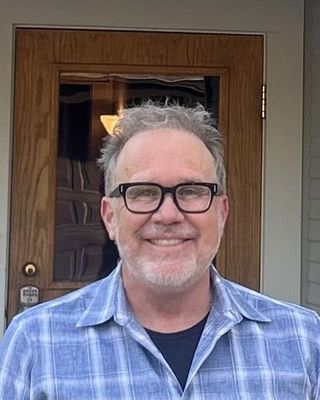
Hosted by Steve Debenedetti-Emanuel
Marriage & Family Therapist, LMFT
Group meets in Sacramento, CA 95816
I run a group periodically in which up to seven men get together to talk about their challenges and how to find solutions, without the pressure of outside influences. The next begins January 30, 2019. If you're interested, reach out. Let's talk.
This professionally facilitated support group focuses on the wonderful, scary and rewarding challenges that come with motherhood. The expectations and stress that are so much a part of this transition can throw off even the most prepared mom. In this non-judgemental group, we will address the issues and concerns that come with this new role as well as the changing interpersonal relationships. Topics discussed include: childcare concerns, sleep, isolation, depression, finding time to take care of personal needs and many, many others. Group is open to any new mom, whether this is your first child or not.
This professionally facilitated support group focuses on the wonderful, scary and rewarding challenges that come with motherhood. The expectations and stress that are so much a part of this transition can throw off even the most prepared mom. In this non-judgemental group, we will address the issues and concerns that come with this new role as well as the changing interpersonal relationships. Topics discussed include: childcare concerns, sleep, isolation, depression, finding time to take care of personal needs and many, many others. Group is open to any new mom, whether this is your first child or not.
This therapy group is for adults who are struggling with OCD. This group has both a supportive and educational component. The group will explore ERP techniques and the core tenants of ACT. We are currently accepting clients with OCD who are in therapy and can make a 12-week commitment.

This therapy group is for adults who are struggling with OCD. This group has both a supportive and educational component. The group will explore ERP techniques and the core tenants of ACT. We are currently accepting clients with OCD who are in therapy and can make a 12-week commitment.
A 6-week experiential therapy group for people in their mid 20s - mid 30s to explore the quarter-life transition. This group is for folks who may have checked off “traditional” early adult milestones but still feel lost, directionless, or untethered. Participants will build tools for self-connection and understanding, practice showing up authentically, and be with others who are in it too. Sessions will include a mix of learning about this season of life, group and individual reflection, and experiential, body-based practices. Visit centeredsacramento.com/groups to sign up and learn more.
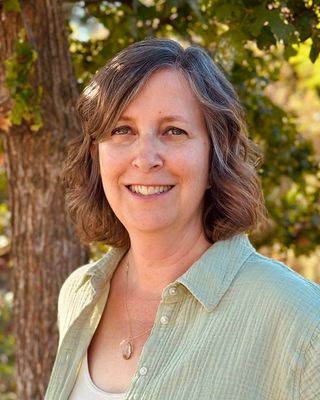
Hosted by Valerie Welk
Marriage & Family Therapist Associate, MA, AMFT, APCC
Group meets in Sacramento, CA 95816
A 6-week experiential therapy group for people in their mid 20s - mid 30s to explore the quarter-life transition. This group is for folks who may have checked off “traditional” early adult milestones but still feel lost, directionless, or untethered. Participants will build tools for self-connection and understanding, practice showing up authentically, and be with others who are in it too. Sessions will include a mix of learning about this season of life, group and individual reflection, and experiential, body-based practices. Visit centeredsacramento.com/groups to sign up and learn more.
This teen art-infused group is intended to be small, where I've allowed clients to select the issues they want to deal with (social media pressure, bullying from classmates, friends, adults, handling divorce and spread between 2 households, sexuality). This group will start in mid-October 2021 on Fridays from 530-7pm at the therapist's office and will continue every two weeks until mid-December 2021.

Hosted by Laurie Beth Richardson
Marriage & Family Therapist, MA
Group meets in Sacramento, CA 95816
This teen art-infused group is intended to be small, where I've allowed clients to select the issues they want to deal with (social media pressure, bullying from classmates, friends, adults, handling divorce and spread between 2 households, sexuality). This group will start in mid-October 2021 on Fridays from 530-7pm at the therapist's office and will continue every two weeks until mid-December 2021.
Phil has facilitated weekly supportive psychotherapy men's groups for over 15 years. The experience of men's groups can help overcome social and emotional isolation that often accompany many difficulties for men. It gives men a safe place to be understood, share without shame, and be more relational in their lives.
Men often enter the groups experiencing transitions such as ending a relationship or marriage: looking for more meaning from their lifes, going through a period of loss, depression, anxiety, or trauma; becoming a single father; or in the process of recovery (alcoholism, substance abuse, sexual addiction etc.)

Phil has facilitated weekly supportive psychotherapy men's groups for over 15 years. The experience of men's groups can help overcome social and emotional isolation that often accompany many difficulties for men. It gives men a safe place to be understood, share without shame, and be more relational in their lives.
Men often enter the groups experiencing transitions such as ending a relationship or marriage: looking for more meaning from their lifes, going through a period of loss, depression, anxiety, or trauma; becoming a single father; or in the process of recovery (alcoholism, substance abuse, sexual addiction etc.)
This therapy group is for adults who are struggling with OCD. This group has both a supportive and educational component. The group will explore ERP techniques and the core tenants of ACT. We are currently accepting clients with OCD who are in therapy and can make a 12-week commitment.
This therapy group is for adults who are struggling with OCD. This group has both a supportive and educational component. The group will explore ERP techniques and the core tenants of ACT. We are currently accepting clients with OCD who are in therapy and can make a 12-week commitment.
See more therapy options for 95816


FAQs - About Group Therapy and Support Groups
How can I find a support group in 95816?
To find a support group in your area, start by entering your city, zip code, or the name of the group into the search bar at the top of the page. When searching, consider whether you prefer an in-person or virtual group. This can help you decide how broad your geographic search should be. If you are open to virtual groups, you might want to search by state instead of just your city, especially if there are limited options nearby.
Once you complete your search, you can use the filters to narrow the results by selecting specialties (such as grief, trauma, or eating disorders), therapeutic approaches, age groups, and other criteria to find a group that best fits your needs.
How does group therapy work?
Group therapy is led by one or more trained therapists and provides a space where participants can process their experiences and learn from others facing similar challenges. Groups may focus on a specific issue—such as addiction, grief, physical illnesses, parenting, or caregiving—or they may center around a particular therapeutic approach, such as Cognitive Behavioral Therapy (CBT), social skill development, or Exposure Therapy. Some groups are also designed for specific populations, such as teens, veterans, or LGBTQ+ individuals.
It’s also important to distinguish group therapy from peer-led support groups, like Alcoholics Anonymous. While both can offer valuable support, therapy groups are typically led by licensed professionals and follow a more structured format. Therapy groups often meet for a fixed length of time with a consistent group of members, while many peer support groups meet for an indefinite period of time with members coming and going.
What are the benefits of group therapy?
Group therapy offers several important benefits. It brings together people facing similar challenges—whether related to mental health, physical health, or life transitions—and creates a supportive environment where participants can exchange feedback, share experiences, and learn from one another. Hearing different perspectives can help individuals discover new coping strategies and practical tools they may not have encountered on their own. Sharing personal experiences, such as coping with a serious illness or navigating family struggles, can also reduce feelings of isolation and foster a sense of connection and understanding. In addition to emotional support, group members often gain useful, real-world advice from peers who have faced similar situations.
Group therapy is typically more affordable than individual therapy and, for certain conditions, can be equally effective. Many groups also include structured activities—such as guided journaling, cognitive-behavioral exercises, or role-playing—to help participants develop concrete skills they can apply in daily life.
Is group therapy as effective as individual therapy?
It is difficult to make a blanket statement about the effectiveness of support groups, as they vary widely in focus and the conditions they address. However, support groups can be highly valuable in helping individuals gain emotional support and achieve meaningful treatment outcomes. For certain conditions, such as substance use, research has shown that group therapy can be particularly effective—sometimes just as effective as individual therapy—in supporting long-term recovery.
Many professionals attribute the effectiveness of group therapy to the unique benefits of the group setting, which fosters peer-to-peer learning and a sense of connection through shared experiences. Group settings also offer accountability and encouragement from both facilitators and fellow participants, which helps sustain motivation and supports continued progress. These factors together play a key role in promoting the overall effectiveness of group therapy.
How much does group therapy cost?
Group therapy is typically less expensive than individual therapy, with sessions typically costing between $50 and $75 each. In comparison, individual therapy can cost anywhere from $100 to $200 or more per session, even with insurance. Some therapists or organizations offer low-cost or free group therapy options, particularly through community centers or nonprofit organizations. In some cases, groups may require payment upfront for a set number of sessions, such as paying for six weekly sessions at the first meeting. However, many providers offer payment plans to help make participation more accessible if this upfront payment is required.
Does insurance cover group therapy?
As with individual therapy, insurance coverage for group therapy varies based on factors such as your specific insurance plan, the purpose of the group, your diagnosis, and whether the group provider is in-network. Many insurance plans cover group therapy sessions that address diagnosable mental health conditions, such as substance use disorders, anxiety, or depression.
However, groups that focus on topics not directly tied to a mental health diagnosis—such as parenting support or divorce recovery—are less likely to be covered. Because coverage can vary widely, it’s important to check with your insurance provider before joining a group to confirm whether the sessions will be covered and what out-of-pocket costs you may be responsible for.
How long does group therapy last?
The length of each group therapy session typically ranges from 45 minutes to two hours, depending on the therapy approach, the group’s goals, and how often the group meets. In some cases, group therapy is part of a larger treatment program, such as an Intensive Outpatient Program (IOP), where group sessions complement individual therapy and are scheduled as part of the program’s overall structure.
The duration of participation in a group also varies. Some groups are designed to be short-term, lasting anywhere from 6 to 24 weeks—for example, bereavement groups or skills-based groups like those using Dialectical Behavioral Therapy (DBT). Other groups may be longer-term, lasting a year or more, and some ongoing support groups meet indefinitely, allowing participants to stay as long as they find the group helpful.
What are the limitations of support groups?
Support groups offer many benefits, but they also have certain limitations. Unlike therapy groups, many support groups do not provide formal therapeutic treatment and are not led by licensed mental health professionals. For individuals seeking clinical treatment for specific mental health diagnoses—such as depression, eating disorders, or substance use—individual therapy or group therapy led by a licensed professional may offer more personalized and specialized care.
The effectiveness of a support group also depends heavily on the group’s participants and the overall group dynamic. When members engage respectfully and offer constructive support, the group can foster valuable peer-to-peer learning. However, if certain participants dominate discussions, provide inaccurate advice, or create conflict, it can disrupt the group’s sense of safety and reduce its effectiveness. Confidentiality can also be harder to maintain in support groups, particularly in open groups where participants can join or leave at any time. With new members regularly entering the group, it can be more difficult to build and sustain a consistent sense of trust and privacy.