Support Groups in 95070
DBT Skills Group lead as designed by Dialectical Behavior Therapy founder, Marsha Linehan, PhD. DBT Skills Trainers have been intensively trained by Behavioral Tech., LLC, in Seattle, WA.
DBT Skills Groups cover four main areas to help clients build a "life worth living": Distress Tolerance, Emotional Regulation, Interpersonal Effectiveness, and Mindfulness. DBT is scientifically proven to be effective in reducing suicidal and self-harm behaviors, but also addresses many issues, such as anxiety, depression, mood swings, and substance abuse.
Groups are primarily psycho-educational, rather than process oriented. An 8-week commitment is required. Please contact me for more information.

Hosted by Tricia J Mlnarik
Marriage & Family Therapist, MA, LMFT, LPCC
Group meets in Saratoga, CA 95070
DBT Skills Group lead as designed by Dialectical Behavior Therapy founder, Marsha Linehan, PhD. DBT Skills Trainers have been intensively trained by Behavioral Tech., LLC, in Seattle, WA.
DBT Skills Groups cover four main areas to help clients build a "life worth living": Distress Tolerance, Emotional Regulation, Interpersonal Effectiveness, and Mindfulness. DBT is scientifically proven to be effective in reducing suicidal and self-harm behaviors, but also addresses many issues, such as anxiety, depression, mood swings, and substance abuse.
Groups are primarily psycho-educational, rather than process oriented. An 8-week commitment is required. Please contact me for more information.
this is an introductory experiential group to become aware of the energy centers in our bodies. we will meditate on each of the centers, while chanting and learning about its properties and healing issues associated with them.

Hosted by Layers of Self
Marriage & Family Therapist, MA, LMFT, MPhil
Group meets in Saratoga, CA 95070
this is an introductory experiential group to become aware of the energy centers in our bodies. we will meditate on each of the centers, while chanting and learning about its properties and healing issues associated with them.
DBT Skills Training in Saratoga. Clients learn from skills modules on Emotion Regulation, Interpersonal Effectiveness, Distress Tolerance, and Mindfulness Skills. Skills taught are essential emotional skills for complex disorders, such as PTSD, Depression and BiPolar Disorder. Clients may participate in skills group as part of the DBT Center of Silicon Valley comprehensive DBT program or as an addition to their individual therapy.
Hosted by Tricia J Mlnarik
Marriage & Family Therapist, MA, LMFT, LPCC
Group meets in Saratoga, CA 95070
DBT Skills Training in Saratoga. Clients learn from skills modules on Emotion Regulation, Interpersonal Effectiveness, Distress Tolerance, and Mindfulness Skills. Skills taught are essential emotional skills for complex disorders, such as PTSD, Depression and BiPolar Disorder. Clients may participate in skills group as part of the DBT Center of Silicon Valley comprehensive DBT program or as an addition to their individual therapy.
we dive into one Kosha each month, focusing on and experiencing it through guided visualizations. The physical body that most consider to be the self is only the most dense layer. Subtler than that is the energy or pranic layer. Then comes the emotional-mental layer also seen by some as colors corresponding to different feelings. The intellectual/intuitive or the wisdom layer is next, subtler and more expansive than the prior three and encompassing them too. Finally the bliss layer is the subtlest of them all and it encompasses all the other layers and extends over and beyond them.
Hosted by Layers of Self
Marriage & Family Therapist, MA, LMFT, MPhil
Group meets in Saratoga, CA 95070
we dive into one Kosha each month, focusing on and experiencing it through guided visualizations. The physical body that most consider to be the self is only the most dense layer. Subtler than that is the energy or pranic layer. Then comes the emotional-mental layer also seen by some as colors corresponding to different feelings. The intellectual/intuitive or the wisdom layer is next, subtler and more expansive than the prior three and encompassing them too. Finally the bliss layer is the subtlest of them all and it encompasses all the other layers and extends over and beyond them.
Welcome to the group on 26 soul qualities. they are 1. Fearlessness 2. Purity of heart 3. Steadfastness 4. Almsgiving 5. Self-restraint 6. Sacred rites 7. Right study of scriptures/ self-study 8. Self-discipline 9. Straightforwardness 10. Non-injury 11. Truthfulness 12. Absence of wrath 13. Renunciation 14. Peacefulness 15. Non-condemnation 16. Compassion toward all beings 17. Absence of greed & envy 18. Gentleness 19. Modesty 20. Absence of restlessness 21. Radiance of character 22. Forgiveness 23. Cleanliness of body and purity of mind 24. Patience & fortitude 25. Non-hatred 26. Lack of conceit
Hosted by Layers of Self
Marriage & Family Therapist, MA, LMFT, MPhil
Group meets in Saratoga, CA 95070
Welcome to the group on 26 soul qualities. they are 1. Fearlessness 2. Purity of heart 3. Steadfastness 4. Almsgiving 5. Self-restraint 6. Sacred rites 7. Right study of scriptures/ self-study 8. Self-discipline 9. Straightforwardness 10. Non-injury 11. Truthfulness 12. Absence of wrath 13. Renunciation 14. Peacefulness 15. Non-condemnation 16. Compassion toward all beings 17. Absence of greed & envy 18. Gentleness 19. Modesty 20. Absence of restlessness 21. Radiance of character 22. Forgiveness 23. Cleanliness of body and purity of mind 24. Patience & fortitude 25. Non-hatred 26. Lack of conceit
Becoming conscious of our lives is what the turmoil of our world is asking of each of us. Discuss practical ways to plug into community resources so that we are not isolating from each other … remember there is power in numbers! Finding and allowing personal peace is the radical act of self love that is ESPECIALLY required during these times! The highest order of defense against cruelty is the relationship you have with yourself. Learning to not allow the chaos and cruelty to hijack your self regulatory system, triggers. etc. will be discussed and emphasized in these groups.

Becoming conscious of our lives is what the turmoil of our world is asking of each of us. Discuss practical ways to plug into community resources so that we are not isolating from each other … remember there is power in numbers! Finding and allowing personal peace is the radical act of self love that is ESPECIALLY required during these times! The highest order of defense against cruelty is the relationship you have with yourself. Learning to not allow the chaos and cruelty to hijack your self regulatory system, triggers. etc. will be discussed and emphasized in these groups.
Becoming conscious of our lives is what the turmoil of our world is asking of each of us. Discuss practical ways to plug into community resources so that we are not isolating from each other … remember there is power in numbers! Finding and allowing personal peace is the radical act of self love that is ESPECIALLY required during these times! The highest order of defense against cruelty is the relationship you have with yourself. Learning to not allow the chaos and cruelty to hijack your self regulatory system, triggers. etc. will be discussed and emphasized in these groups.
Becoming conscious of our lives is what the turmoil of our world is asking of each of us. Discuss practical ways to plug into community resources so that we are not isolating from each other … remember there is power in numbers! Finding and allowing personal peace is the radical act of self love that is ESPECIALLY required during these times! The highest order of defense against cruelty is the relationship you have with yourself. Learning to not allow the chaos and cruelty to hijack your self regulatory system, triggers. etc. will be discussed and emphasized in these groups.
Becoming conscious of our lives is what the turmoil of our world is asking of each of us. Discuss practical ways to plug into community resources so that we are not isolating from each other … remember there is power in numbers! Finding and allowing personal peace is the radical act of self love that is ESPECIALLY required during these times! The highest order of defense against cruelty is the relationship you have with yourself. Learning to not allow the chaos and cruelty to hijack your self regulatory system, triggers. etc. will be discussed and emphasized in these groups.
Becoming conscious of our lives is what the turmoil of our world is asking of each of us. Discuss practical ways to plug into community resources so that we are not isolating from each other … remember there is power in numbers! Finding and allowing personal peace is the radical act of self love that is ESPECIALLY required during these times! The highest order of defense against cruelty is the relationship you have with yourself. Learning to not allow the chaos and cruelty to hijack your self regulatory system, triggers. etc. will be discussed and emphasized in these groups.

More Groups Nearby
Group Dates: 9/11/26 - 10/30/26. This parent-only, 8-week online group is designed for caregivers of children and teens ages 6–18 who are struggling with anxiety. Grounded in the evidence-based SPACE (Supportive Parenting for Anxious Childhood Emotions) program developed by the Yale Child Study Center, the group helps parents understand patterns that unintentionally maintain anxiety and learn how to respond calmly and confidently. Caregivers will gain practical tools to support their child’s growth and resilience—without requiring the child to participate in therapy. The group focuses on creating meaningful, lasting change at home. Facilitated by Maria Bastardo, LMFT.

Group Dates: 9/11/26 - 10/30/26. This parent-only, 8-week online group is designed for caregivers of children and teens ages 6–18 who are struggling with anxiety. Grounded in the evidence-based SPACE (Supportive Parenting for Anxious Childhood Emotions) program developed by the Yale Child Study Center, the group helps parents understand patterns that unintentionally maintain anxiety and learn how to respond calmly and confidently. Caregivers will gain practical tools to support their child’s growth and resilience—without requiring the child to participate in therapy. The group focuses on creating meaningful, lasting change at home. Facilitated by Maria Bastardo, LMFT.
Appletree Psychological Services is a private multi-disciplinary mental health clinic. We provide professional mental health services to clients across all ages, sex and gender, ethnic backgrounds, and culture. We value your trust in us. We work together as a team to improve our clients’ emotional and psychological well-being.

Appletree Psychological Services is a private multi-disciplinary mental health clinic. We provide professional mental health services to clients across all ages, sex and gender, ethnic backgrounds, and culture. We value your trust in us. We work together as a team to improve our clients’ emotional and psychological well-being.
Are you pregnant after infertility? Are you experiencing feelings of anxiety, grief or cautious optimism? Does your identity feel in limbo (no longer fertility challenged- but not the average pregnant person)? Are you seeking community with other pregnant people who get it? Come join my monthly online support group and together we will: explore feelings related to pregnancy after infertility- anxiety, grief, etc; address the transitioning identity from fertility challenged to pregnant person; develop coping mechanisms; explore bonding with pregnancy/baby; and create a supportive community!

Are you pregnant after infertility? Are you experiencing feelings of anxiety, grief or cautious optimism? Does your identity feel in limbo (no longer fertility challenged- but not the average pregnant person)? Are you seeking community with other pregnant people who get it? Come join my monthly online support group and together we will: explore feelings related to pregnancy after infertility- anxiety, grief, etc; address the transitioning identity from fertility challenged to pregnant person; develop coping mechanisms; explore bonding with pregnancy/baby; and create a supportive community!
[Groups are on hold until I return from travel in February 2021.] In these groups, we create a safe place to explore the causes and cures for any type of food, weight or body image issue. There are 4 different groups, each with a maximum of 6 people. We provide a free 1/2 hour assessment session. If the group is right for you, we ask for a 16-week commitment.

Hosted by Marsea Marcus-Rotman
Marriage & Family Therapist, LMFT
Group meets in Scotts Valley, CA 95067
[Groups are on hold until I return from travel in February 2021.] In these groups, we create a safe place to explore the causes and cures for any type of food, weight or body image issue. There are 4 different groups, each with a maximum of 6 people. We provide a free 1/2 hour assessment session. If the group is right for you, we ask for a 16-week commitment.
Men describe it as a "safe place" to express feelings, resolve problems, form friendships, understand and improve relationships, and make lasting life changes. We meet for two hours each week. Minimum commitment is six weeks. The average stay is three+ years.

Men describe it as a "safe place" to express feelings, resolve problems, form friendships, understand and improve relationships, and make lasting life changes. We meet for two hours each week. Minimum commitment is six weeks. The average stay is three+ years.
This is group is for adult men who wish to explore themselves and how they relate in a safe and supportive environment. This is a process oriented group where opportunities to explore how we are in relationships happen in the “ here and now”.

Hosted by Raymond Scott Fortner
Marriage & Family Therapist, MFT
Group meets in Pleasanton, CA 94566
This is group is for adult men who wish to explore themselves and how they relate in a safe and supportive environment. This is a process oriented group where opportunities to explore how we are in relationships happen in the “ here and now”.
Looking for parents interested in starting a new group for collaborative discussion and peer support. Let me know your child(ren)'s age and your availability! A time to listen, learn, and voice the challenges and the highlights of being a parent in the bay area.
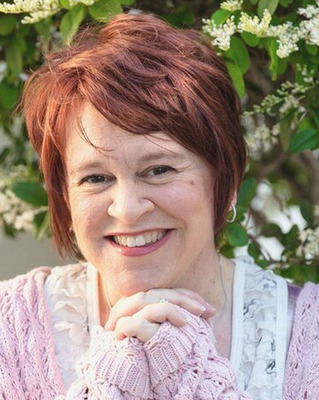
Hosted by Ursula Jorgensen
Marriage & Family Therapist, LMFT, ATR-BC
Group meets in Belmont, CA 94002
Looking for parents interested in starting a new group for collaborative discussion and peer support. Let me know your child(ren)'s age and your availability! A time to listen, learn, and voice the challenges and the highlights of being a parent in the bay area.
Shine a Light Counseling Center is starting a new DBT Skills Group for Female Identifying Teens. Some of the topics you will learn are: Understanding, managing and regulating emotions Tolerating distress and crises without making problems bigger Maintaining satisfying relationships with others Increasing self-awareness, expanding one’s ability to recognize alternative points of view and managing emotional situations Increasing problem-solving skills, learning validation and effectively managing differences of opinion with family members
Hosted by Shine a Light Counseling Center
Marriage & Family Therapist, PhD, LMFT
Group meets in Santa Cruz, CA 95062
Shine a Light Counseling Center is starting a new DBT Skills Group for Female Identifying Teens. Some of the topics you will learn are: Understanding, managing and regulating emotions Tolerating distress and crises without making problems bigger Maintaining satisfying relationships with others Increasing self-awareness, expanding one’s ability to recognize alternative points of view and managing emotional situations Increasing problem-solving skills, learning validation and effectively managing differences of opinion with family members
Interested in exploring your relationship to substance use in a non-judgmental, group, setting? Join our intimate group of people working to examine and change their relationship to substance use. Our group balances skill-development with processing and meets weekly for 90 minutes. You do not have to be ready to change your relationship to substances to be a part of the group, come as you are. An initial consultation is required before admitting to group sessions and all group sessions are conducted by video.

Interested in exploring your relationship to substance use in a non-judgmental, group, setting? Join our intimate group of people working to examine and change their relationship to substance use. Our group balances skill-development with processing and meets weekly for 90 minutes. You do not have to be ready to change your relationship to substances to be a part of the group, come as you are. An initial consultation is required before admitting to group sessions and all group sessions are conducted by video.
This in-person DBT Skills Group helps tweens ages 10–13 learn fun and effective ways to handle big feelings. Art becomes a tool for your child to explore emotions, build friendships, and grow emotionally.

Hosted by Michele Brister
Licensed Professional Clinical Counselor, MA, LPCC, PPSC
Group meets in San Jose, CA 95128
This in-person DBT Skills Group helps tweens ages 10–13 learn fun and effective ways to handle big feelings. Art becomes a tool for your child to explore emotions, build friendships, and grow emotionally.
Youth will learn the importance of using music to coping with trauma, self-esteem and build positive relationships. Groups will consist of but not limited to: 1: Creating Beats 2: Improving mental health through music exploration 3. Songs and Feelings.

Hosted by Isaac Abraham Gutierrez
Clinical Social Work/Therapist, LCSW
Group meets in San Jose, CA 95126
Youth will learn the importance of using music to coping with trauma, self-esteem and build positive relationships. Groups will consist of but not limited to: 1: Creating Beats 2: Improving mental health through music exploration 3. Songs and Feelings.
See more therapy options for 95070


FAQs - About Group Therapy and Support Groups
How can I find a support group in 95070?
To find a support group in your area, start by entering your city, zip code, or the name of the group into the search bar at the top of the page. When searching, consider whether you prefer an in-person or virtual group. This can help you decide how broad your geographic search should be. If you are open to virtual groups, you might want to search by state instead of just your city, especially if there are limited options nearby.
Once you complete your search, you can use the filters to narrow the results by selecting specialties (such as grief, trauma, or eating disorders), therapeutic approaches, age groups, and other criteria to find a group that best fits your needs.
Once you complete your search, you can use the filters to narrow the results by selecting specialties (such as grief, trauma, or eating disorders), therapeutic approaches, age groups, and other criteria to find a group that best fits your needs.
How does group therapy work?
Group therapy is led by one or more trained therapists and provides a space where participants can process their experiences and learn from others facing similar challenges. Groups may focus on a specific issue—such as addiction, grief, physical illnesses, parenting, or caregiving—or they may center around a particular therapeutic approach, such as Cognitive Behavioral Therapy (CBT), social skill development, or Exposure Therapy. Some groups are also designed for specific populations, such as teens, veterans, or LGBTQ+ individuals.
It’s also important to distinguish group therapy from peer-led support groups, like Alcoholics Anonymous. While both can offer valuable support, therapy groups are typically led by licensed professionals and follow a more structured format. Therapy groups often meet for a fixed length of time with a consistent group of members, while many peer support groups meet for an indefinite period of time with members coming and going.
It’s also important to distinguish group therapy from peer-led support groups, like Alcoholics Anonymous. While both can offer valuable support, therapy groups are typically led by licensed professionals and follow a more structured format. Therapy groups often meet for a fixed length of time with a consistent group of members, while many peer support groups meet for an indefinite period of time with members coming and going.
What are the benefits of group therapy?
Group therapy offers several important benefits. It brings together people facing similar challenges—whether related to mental health, physical health, or life transitions—and creates a supportive environment where participants can exchange feedback, share experiences, and learn from one another. Hearing different perspectives can help individuals discover new coping strategies and practical tools they may not have encountered on their own. Sharing personal experiences, such as coping with a serious illness or navigating family struggles, can also reduce feelings of isolation and foster a sense of connection and understanding. In addition to emotional support, group members often gain useful, real-world advice from peers who have faced similar situations.
Group therapy is typically more affordable than individual therapy and, for certain conditions, can be equally effective. Many groups also include structured activities—such as guided journaling, cognitive-behavioral exercises, or role-playing—to help participants develop concrete skills they can apply in daily life.
Group therapy is typically more affordable than individual therapy and, for certain conditions, can be equally effective. Many groups also include structured activities—such as guided journaling, cognitive-behavioral exercises, or role-playing—to help participants develop concrete skills they can apply in daily life.
Is group therapy as effective as individual therapy?
It is difficult to make a blanket statement about the effectiveness of support groups, as they vary widely in focus and the conditions they address. However, support groups can be highly valuable in helping individuals gain emotional support and achieve meaningful treatment outcomes. For certain conditions, such as substance use, research has shown that group therapy can be particularly effective—sometimes just as effective as individual therapy—in supporting long-term recovery.
Many professionals attribute the effectiveness of group therapy to the unique benefits of the group setting, which fosters peer-to-peer learning and a sense of connection through shared experiences. Group settings also offer accountability and encouragement from both facilitators and fellow participants, which helps sustain motivation and supports continued progress. These factors together play a key role in promoting the overall effectiveness of group therapy.
Many professionals attribute the effectiveness of group therapy to the unique benefits of the group setting, which fosters peer-to-peer learning and a sense of connection through shared experiences. Group settings also offer accountability and encouragement from both facilitators and fellow participants, which helps sustain motivation and supports continued progress. These factors together play a key role in promoting the overall effectiveness of group therapy.
How much does group therapy cost?
Group therapy is typically less expensive than individual therapy, with sessions typically costing between $50 and $75 each. In comparison, individual therapy can cost anywhere from $100 to $200 or more per session, even with insurance. Some therapists or organizations offer low-cost or free group therapy options, particularly through community centers or nonprofit organizations. In some cases, groups may require payment upfront for a set number of sessions, such as paying for six weekly sessions at the first meeting. However, many providers offer payment plans to help make participation more accessible if this upfront payment is required.
Does insurance cover group therapy?
As with individual therapy, insurance coverage for group therapy varies based on factors such as your specific insurance plan, the purpose of the group, your diagnosis, and whether the group provider is in-network. Many insurance plans cover group therapy sessions that address diagnosable mental health conditions, such as substance use disorders, anxiety, or depression.
However, groups that focus on topics not directly tied to a mental health diagnosis—such as parenting support or divorce recovery—are less likely to be covered. Because coverage can vary widely, it’s important to check with your insurance provider before joining a group to confirm whether the sessions will be covered and what out-of-pocket costs you may be responsible for.
However, groups that focus on topics not directly tied to a mental health diagnosis—such as parenting support or divorce recovery—are less likely to be covered. Because coverage can vary widely, it’s important to check with your insurance provider before joining a group to confirm whether the sessions will be covered and what out-of-pocket costs you may be responsible for.
How long does group therapy last?
The length of each group therapy session typically ranges from 45 minutes to two hours, depending on the therapy approach, the group’s goals, and how often the group meets. In some cases, group therapy is part of a larger treatment program, such as an Intensive Outpatient Program (IOP), where group sessions complement individual therapy and are scheduled as part of the program’s overall structure.
The duration of participation in a group also varies. Some groups are designed to be short-term, lasting anywhere from 6 to 24 weeks—for example, bereavement groups or skills-based groups like those using Dialectical Behavioral Therapy (DBT). Other groups may be longer-term, lasting a year or more, and some ongoing support groups meet indefinitely, allowing participants to stay as long as they find the group helpful.
The duration of participation in a group also varies. Some groups are designed to be short-term, lasting anywhere from 6 to 24 weeks—for example, bereavement groups or skills-based groups like those using Dialectical Behavioral Therapy (DBT). Other groups may be longer-term, lasting a year or more, and some ongoing support groups meet indefinitely, allowing participants to stay as long as they find the group helpful.
What are the limitations of support groups?
Support groups offer many benefits, but they also have certain limitations. Unlike therapy groups, many support groups do not provide formal therapeutic treatment and are not led by licensed mental health professionals. For individuals seeking clinical treatment for specific mental health diagnoses—such as depression, eating disorders, or substance use—individual therapy or group therapy led by a licensed professional may offer more personalized and specialized care.
The effectiveness of a support group also depends heavily on the group’s participants and the overall group dynamic. When members engage respectfully and offer constructive support, the group can foster valuable peer-to-peer learning. However, if certain participants dominate discussions, provide inaccurate advice, or create conflict, it can disrupt the group’s sense of safety and reduce its effectiveness. Confidentiality can also be harder to maintain in support groups, particularly in open groups where participants can join or leave at any time. With new members regularly entering the group, it can be more difficult to build and sustain a consistent sense of trust and privacy.
The effectiveness of a support group also depends heavily on the group’s participants and the overall group dynamic. When members engage respectfully and offer constructive support, the group can foster valuable peer-to-peer learning. However, if certain participants dominate discussions, provide inaccurate advice, or create conflict, it can disrupt the group’s sense of safety and reduce its effectiveness. Confidentiality can also be harder to maintain in support groups, particularly in open groups where participants can join or leave at any time. With new members regularly entering the group, it can be more difficult to build and sustain a consistent sense of trust and privacy.