Support Groups in 92118
Crownview Medical Group is a premier San Diego mental health practice, delivering a wide range of psychiatric and psychological services for you and your family. We focus on “areas of needed improvement,” developing and implementing a customized action plan providing services including psychiatry, various therapies, nutrition, life skills and case management. We believe that establishing trust between client and therapist is the foundation of recovery and a catalyst of transformation. We promise to offer you a nurturing environment where you feel safe. A full and rewarding life is possible for everyone, and we are dedicated to helping you achieve it.

Crownview Medical Group is a premier San Diego mental health practice, delivering a wide range of psychiatric and psychological services for you and your family. We focus on “areas of needed improvement,” developing and implementing a customized action plan providing services including psychiatry, various therapies, nutrition, life skills and case management. We believe that establishing trust between client and therapist is the foundation of recovery and a catalyst of transformation. We promise to offer you a nurturing environment where you feel safe. A full and rewarding life is possible for everyone, and we are dedicated to helping you achieve it.
After 25 years in the Navy, I retired and started my own psychiatry practice. I provide general outpatient psychiatry services directly to patients in a couple different locations in San Diego, but predominantly Coronado, CA. I also provide tele-Psychiatry appointments to individuals who are in the State of CA.

Hosted by Jamie M Sorenson
Psychiatric Nurse Practitioner, PMHNP, PMHCNS, APRN
Group meets in Coronado, CA 92118
After 25 years in the Navy, I retired and started my own psychiatry practice. I provide general outpatient psychiatry services directly to patients in a couple different locations in San Diego, but predominantly Coronado, CA. I also provide tele-Psychiatry appointments to individuals who are in the State of CA.
More Groups Nearby
I will be utilizing Acceptance and Commitment Therapy (ACT), an evidence based treatment modality that is effective in the treatment of anxiety and depression. ACT combines mindfulness and acceptance which helps reduce symptoms and improves emotional flexibility. Small groups provide a safe yet dynamic environment for change. I am splitting teen category into two groups, 13-16 and 17-19 years old.

Hosted by Barbara Stanforth
Marriage & Family Therapist, MA, LMFT, CCHT
Group meets in Encinitas, CA 92024
I will be utilizing Acceptance and Commitment Therapy (ACT), an evidence based treatment modality that is effective in the treatment of anxiety and depression. ACT combines mindfulness and acceptance which helps reduce symptoms and improves emotional flexibility. Small groups provide a safe yet dynamic environment for change. I am splitting teen category into two groups, 13-16 and 17-19 years old.
This online group is for parents who are learning to parent with love, presence, and intention, even if they were never shown how. Whether you're navigating reactivity, struggling with shame, or simply trying to do better, you're not alone. In this group, you will explore the impact of your own childhood on your parenting, and learn tools to regulate emotions and parent with intention. We will learn about conscious discipline techniques that don't inflict shame. You'll build a supportive community with like-minded parents, and reconnect with your inner child and grow self-compassion.
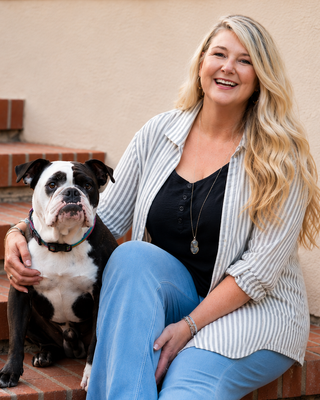
Hosted by Holly Pinto
Marriage & Family Therapist Associate, MA, AMFT
Group meets in San Diego, CA 92101
This online group is for parents who are learning to parent with love, presence, and intention, even if they were never shown how. Whether you're navigating reactivity, struggling with shame, or simply trying to do better, you're not alone. In this group, you will explore the impact of your own childhood on your parenting, and learn tools to regulate emotions and parent with intention. We will learn about conscious discipline techniques that don't inflict shame. You'll build a supportive community with like-minded parents, and reconnect with your inner child and grow self-compassion.
A 10-week support group for women who have experienced trauma from sexual betrayal (infidelity, sexual addiction, etc.). This group will be led by Kelly Robinson, LMFT and Certified Partner Trauma Therapist (CPTT) Candidate. Betrayal trauma is often an isolating and lonely experience. Our hope is for this group to be a safe haven for you to connect with others who have similar experiences so that, together, we can grieve, learn, heal and feel less alone. The cost of the group is $70/session. Space in this group is limited. An initial assessment session is required before joining the group.

A 10-week support group for women who have experienced trauma from sexual betrayal (infidelity, sexual addiction, etc.). This group will be led by Kelly Robinson, LMFT and Certified Partner Trauma Therapist (CPTT) Candidate. Betrayal trauma is often an isolating and lonely experience. Our hope is for this group to be a safe haven for you to connect with others who have similar experiences so that, together, we can grieve, learn, heal and feel less alone. The cost of the group is $70/session. Space in this group is limited. An initial assessment session is required before joining the group.
I am hosting a small group wellness retreat in Italy May 18-May 23 designed for women seeking rest, clarity, and deeper self connection. Set in the Italian countryside, this retreat includes therapeutic workshops, guided reflection, nervous system regulation practices, and intentional group connection, alongside beautiful meals, spacious downtime, and cultural experiences. This experience is for women who want to step away from daily demands and return home feeling grounded, emotionally clear, and deeply restored. Register Now on my Website!

I am hosting a small group wellness retreat in Italy May 18-May 23 designed for women seeking rest, clarity, and deeper self connection. Set in the Italian countryside, this retreat includes therapeutic workshops, guided reflection, nervous system regulation practices, and intentional group connection, alongside beautiful meals, spacious downtime, and cultural experiences. This experience is for women who want to step away from daily demands and return home feeling grounded, emotionally clear, and deeply restored. Register Now on my Website!
Applied behavior analysis for ADHD. We offer behavioral parent training, ADHD coaching, and professional development for other practices.

Applied behavior analysis for ADHD. We offer behavioral parent training, ADHD coaching, and professional development for other practices.
My Facilitation Skills Support Group is intended to support other therapists and life coaches who would like to become even better at their craft so that they can offer their clients an even wider array of tools and techniques to help them achieve their therapeutic goals. The therapists and life coaches in my group share and receive valuable therapeutic tools and techniques with each other in our collective effort to grow in our chosen profession.

My Facilitation Skills Support Group is intended to support other therapists and life coaches who would like to become even better at their craft so that they can offer their clients an even wider array of tools and techniques to help them achieve their therapeutic goals. The therapists and life coaches in my group share and receive valuable therapeutic tools and techniques with each other in our collective effort to grow in our chosen profession.
A workshop designed for individuals seeking to enhance their relationships, even if their partners are not interested in couples counseling. When: Four 90 min sessions, dates TBD. Where: In-person and zoom options. Cost: $160 for workshop ($40 per session). Learn about your attachment style, how to create a secure bond with your partner, and practical tools to resolve conflict. Group Facilitator: Meghan Semler, LMFT (#146508)

A workshop designed for individuals seeking to enhance their relationships, even if their partners are not interested in couples counseling. When: Four 90 min sessions, dates TBD. Where: In-person and zoom options. Cost: $160 for workshop ($40 per session). Learn about your attachment style, how to create a secure bond with your partner, and practical tools to resolve conflict. Group Facilitator: Meghan Semler, LMFT (#146508)
Dialectical Behavior Therapy (DBT) is an evidence-based approach designed to reduce emotion dysregulation, impulsive behavior, self-harm and suicidal ideation, and treat other mental health or behavioral issues. The goal of DBT is to help teens change ineffective behavior patterns by learning skills that will help them reach their goals. Our programs include four DBT skills groups a week that cover core mindfulness, interpersonal effectiveness, emotion regulation, and distress tolerance. Teens learn a new DBT skill in each group. Our staff help teens practice these skills so that they know how to use them in their daily lives.

Hosted by Evolve Teen Dual Diagnosis Residential Treatment
Treatment Center
Group meets in La Mesa, CA 91941
Dialectical Behavior Therapy (DBT) is an evidence-based approach designed to reduce emotion dysregulation, impulsive behavior, self-harm and suicidal ideation, and treat other mental health or behavioral issues. The goal of DBT is to help teens change ineffective behavior patterns by learning skills that will help them reach their goals. Our programs include four DBT skills groups a week that cover core mindfulness, interpersonal effectiveness, emotion regulation, and distress tolerance. Teens learn a new DBT skill in each group. Our staff help teens practice these skills so that they know how to use them in their daily lives.
Looking for a compatible, trusting, & mentoring clinical supervision experience? I meet the standards for clinical supervisor, defined by the Board of Behavioral Sciences of CA. Having served the mental health community for the past 35 years, I have the ethical, professional, knowledge & experience that trainees, interns, & associates need in a quality clinical supervisor. I provide feedback, opportunities to enhance your growth, & learn new skills. I really enjoy being a supervisor, asking questions & providing support. Past interns & trainees compliment on my easy going style & personable approach. I am confident you will too! Offered either In-Person or via Telehealth.

Looking for a compatible, trusting, & mentoring clinical supervision experience? I meet the standards for clinical supervisor, defined by the Board of Behavioral Sciences of CA. Having served the mental health community for the past 35 years, I have the ethical, professional, knowledge & experience that trainees, interns, & associates need in a quality clinical supervisor. I provide feedback, opportunities to enhance your growth, & learn new skills. I really enjoy being a supervisor, asking questions & providing support. Past interns & trainees compliment on my easy going style & personable approach. I am confident you will too! Offered either In-Person or via Telehealth.
Living with endometriosis, adenomyosis, & pelvic pain can lead to a deep disconnection from the body. As women, we are conditioned to ignore our bodies' symptoms or push past our needs. Your body has a story, and this space offers a trauma-informed, body-first path toward reconnection to the self. It will follow four phases: Stabilize, Nourish, Process, & Integrate, to support nervous system and somatic healing alongside connection. We'll meet weekly online for 8 weeks (open to CA residents). $80 per session (sliding scale option). Enrolling now for our upcoming cohort. Schedule a free 15-minute consult.

Hosted by Allie Masterson
Clinical Social Work/Therapist, LCSW, RYT-500, Somatic
Group meets in San Diego, CA 92107
Living with endometriosis, adenomyosis, & pelvic pain can lead to a deep disconnection from the body. As women, we are conditioned to ignore our bodies' symptoms or push past our needs. Your body has a story, and this space offers a trauma-informed, body-first path toward reconnection to the self. It will follow four phases: Stabilize, Nourish, Process, & Integrate, to support nervous system and somatic healing alongside connection. We'll meet weekly online for 8 weeks (open to CA residents). $80 per session (sliding scale option). Enrolling now for our upcoming cohort. Schedule a free 15-minute consult.
If you’re pregnant or postpartum struggling with depression or anxiety and you’re looking for a sense of community during these isolating times, join us for the Afterglow Support Group. We cover topics related to coping tools, self-care, what to expect, questions to ask your provider when considering medication, communicating with partners, and attachment with baby, as well as provide a safe, confidential, and non-judgmental space for each other. If you can’t join us, please go to my website to access the Afterglow Handouts, a resource I am happy to share with any mama for free!

Hosted by Ashley Hanna-Morgan
Clinical Social Work/Therapist, LCSW
Group meets in San Diego, CA 92109
If you’re pregnant or postpartum struggling with depression or anxiety and you’re looking for a sense of community during these isolating times, join us for the Afterglow Support Group. We cover topics related to coping tools, self-care, what to expect, questions to ask your provider when considering medication, communicating with partners, and attachment with baby, as well as provide a safe, confidential, and non-judgmental space for each other. If you can’t join us, please go to my website to access the Afterglow Handouts, a resource I am happy to share with any mama for free!
It’s a new decade. The perfect time to create the life we WANT, attract the relationships we DESERVE and become the BEST version of ourselves. Join a fantastic group of single women who are share common goals, feelings and experiences. Leave behind self doubt and codependency. Empower each other to focus on our own needs. Grow and transform with each other’s support. Learn “The Formula” for building healthy relationships. Have fun while practicing self awareness tools and communication skills. Laugh together. Find humor within the craziness and exhaustion of the current dating world. Trust your intuition. Change perspective and thus change our lives.

Hosted by UpThink Personal Solutions
Marriage & Family Therapist, LMFT
Group meets in San Diego, CA 92121
It’s a new decade. The perfect time to create the life we WANT, attract the relationships we DESERVE and become the BEST version of ourselves. Join a fantastic group of single women who are share common goals, feelings and experiences. Leave behind self doubt and codependency. Empower each other to focus on our own needs. Grow and transform with each other’s support. Learn “The Formula” for building healthy relationships. Have fun while practicing self awareness tools and communication skills. Laugh together. Find humor within the craziness and exhaustion of the current dating world. Trust your intuition. Change perspective and thus change our lives.
In an effort to support community healing and make therapy more financially accessible The Black Women’s Collective is back. This will be a space to learn and practice skills. An opportunity to build community. And a chance for personal growth. The goal is to support you in finding useful coping skills , moments of healing, and tap into self love all within community. For more information please reach out.

In an effort to support community healing and make therapy more financially accessible The Black Women’s Collective is back. This will be a space to learn and practice skills. An opportunity to build community. And a chance for personal growth. The goal is to support you in finding useful coping skills , moments of healing, and tap into self love all within community. For more information please reach out.
All of the members are males who are interested in working on some type of issue such as depression, anxiety, stress, relationship concerns, social isolation – and who want to get support as they do so. During group meetings, members work collaboratively to keep each other accountable and providing a mix of support and appropriate challenge for each other as they work toward their treatment goals. members regularly have between-session assignments to complete including readings, worksheets, or practicing techniques covered during sessions. Showing respect for each other and maintaining other members’ confidentiality are requirements to take part.

All of the members are males who are interested in working on some type of issue such as depression, anxiety, stress, relationship concerns, social isolation – and who want to get support as they do so. During group meetings, members work collaboratively to keep each other accountable and providing a mix of support and appropriate challenge for each other as they work toward their treatment goals. members regularly have between-session assignments to complete including readings, worksheets, or practicing techniques covered during sessions. Showing respect for each other and maintaining other members’ confidentiality are requirements to take part.
Coming Home Together is a group for Asian American adults who are interested in exploring the relationship between Asian American identity and mental health. It can be hard to discuss mental health in Asian American communities, which feels very isolating. This group can be a great place to build connections with other people who have similar life experiences or interests. You will get to process your experience as an Asian American navigating mental health amidst family expectations, cultural tensions, and other influential factors with the support of a therapist and other group members.

Coming Home Together is a group for Asian American adults who are interested in exploring the relationship between Asian American identity and mental health. It can be hard to discuss mental health in Asian American communities, which feels very isolating. This group can be a great place to build connections with other people who have similar life experiences or interests. You will get to process your experience as an Asian American navigating mental health amidst family expectations, cultural tensions, and other influential factors with the support of a therapist and other group members.
This powerful, weekend workshop has been attended by thousands of couples across the country. It was developed by Harville Hendrix, Ph.D., author of the best-selling book, "Getting the Love You Want". Through lecture, demonstration, and experiential practice, you will learn the essential skills to transform your relationship. This workshop is appropriate for couples at all stages of relationship, and will be helpful whether you are a couple "on the brink", or simply looking to have the best relationship possible. Please call for details, or go to www.relationshipgrowthcenter.com.

This powerful, weekend workshop has been attended by thousands of couples across the country. It was developed by Harville Hendrix, Ph.D., author of the best-selling book, "Getting the Love You Want". Through lecture, demonstration, and experiential practice, you will learn the essential skills to transform your relationship. This workshop is appropriate for couples at all stages of relationship, and will be helpful whether you are a couple "on the brink", or simply looking to have the best relationship possible. Please call for details, or go to www.relationshipgrowthcenter.com.
Parenting can bring love, stress, guilt, frustration, and uncertainty. This small support group offers a compassionate space for parents to feel less alone, gain insight, and explore healthier ways to respond to their children and themselves. Together, we focus on emotional regulation, connection, repair, and the real-life challenges of raising children without the pressure to be perfect. Small group. Limited spots available. Registration required.

Parenting can bring love, stress, guilt, frustration, and uncertainty. This small support group offers a compassionate space for parents to feel less alone, gain insight, and explore healthier ways to respond to their children and themselves. Together, we focus on emotional regulation, connection, repair, and the real-life challenges of raising children without the pressure to be perfect. Small group. Limited spots available. Registration required.
WSI has several clinicians with various specialties who each value genuineness with their patients. Clinicians in the group can consult with each other as needed to serve particular patients needs. Therapy groups are available on an interest basis.

WSI has several clinicians with various specialties who each value genuineness with their patients. Clinicians in the group can consult with each other as needed to serve particular patients needs. Therapy groups are available on an interest basis.
See more therapy options for 92118


FAQs - About Group Therapy and Support Groups
How can I find a support group in 92118?
To find a support group in your area, start by entering your city, zip code, or the name of the group into the search bar at the top of the page. When searching, consider whether you prefer an in-person or virtual group. This can help you decide how broad your geographic search should be. If you are open to virtual groups, you might want to search by state instead of just your city, especially if there are limited options nearby.
Once you complete your search, you can use the filters to narrow the results by selecting specialties (such as grief, trauma, or eating disorders), therapeutic approaches, age groups, and other criteria to find a group that best fits your needs.
Once you complete your search, you can use the filters to narrow the results by selecting specialties (such as grief, trauma, or eating disorders), therapeutic approaches, age groups, and other criteria to find a group that best fits your needs.
How does group therapy work?
Group therapy is led by one or more trained therapists and provides a space where participants can process their experiences and learn from others facing similar challenges. Groups may focus on a specific issue—such as addiction, grief, physical illnesses, parenting, or caregiving—or they may center around a particular therapeutic approach, such as Cognitive Behavioral Therapy (CBT), social skill development, or Exposure Therapy. Some groups are also designed for specific populations, such as teens, veterans, or LGBTQ+ individuals.
It’s also important to distinguish group therapy from peer-led support groups, like Alcoholics Anonymous. While both can offer valuable support, therapy groups are typically led by licensed professionals and follow a more structured format. Therapy groups often meet for a fixed length of time with a consistent group of members, while many peer support groups meet for an indefinite period of time with members coming and going.
It’s also important to distinguish group therapy from peer-led support groups, like Alcoholics Anonymous. While both can offer valuable support, therapy groups are typically led by licensed professionals and follow a more structured format. Therapy groups often meet for a fixed length of time with a consistent group of members, while many peer support groups meet for an indefinite period of time with members coming and going.
What are the benefits of group therapy?
Group therapy offers several important benefits. It brings together people facing similar challenges—whether related to mental health, physical health, or life transitions—and creates a supportive environment where participants can exchange feedback, share experiences, and learn from one another. Hearing different perspectives can help individuals discover new coping strategies and practical tools they may not have encountered on their own. Sharing personal experiences, such as coping with a serious illness or navigating family struggles, can also reduce feelings of isolation and foster a sense of connection and understanding. In addition to emotional support, group members often gain useful, real-world advice from peers who have faced similar situations.
Group therapy is typically more affordable than individual therapy and, for certain conditions, can be equally effective. Many groups also include structured activities—such as guided journaling, cognitive-behavioral exercises, or role-playing—to help participants develop concrete skills they can apply in daily life.
Group therapy is typically more affordable than individual therapy and, for certain conditions, can be equally effective. Many groups also include structured activities—such as guided journaling, cognitive-behavioral exercises, or role-playing—to help participants develop concrete skills they can apply in daily life.
Is group therapy as effective as individual therapy?
It is difficult to make a blanket statement about the effectiveness of support groups, as they vary widely in focus and the conditions they address. However, support groups can be highly valuable in helping individuals gain emotional support and achieve meaningful treatment outcomes. For certain conditions, such as substance use, research has shown that group therapy can be particularly effective—sometimes just as effective as individual therapy—in supporting long-term recovery.
Many professionals attribute the effectiveness of group therapy to the unique benefits of the group setting, which fosters peer-to-peer learning and a sense of connection through shared experiences. Group settings also offer accountability and encouragement from both facilitators and fellow participants, which helps sustain motivation and supports continued progress. These factors together play a key role in promoting the overall effectiveness of group therapy.
Many professionals attribute the effectiveness of group therapy to the unique benefits of the group setting, which fosters peer-to-peer learning and a sense of connection through shared experiences. Group settings also offer accountability and encouragement from both facilitators and fellow participants, which helps sustain motivation and supports continued progress. These factors together play a key role in promoting the overall effectiveness of group therapy.
How much does group therapy cost?
Group therapy is typically less expensive than individual therapy, with sessions typically costing between $50 and $75 each. In comparison, individual therapy can cost anywhere from $100 to $200 or more per session, even with insurance. Some therapists or organizations offer low-cost or free group therapy options, particularly through community centers or nonprofit organizations. In some cases, groups may require payment upfront for a set number of sessions, such as paying for six weekly sessions at the first meeting. However, many providers offer payment plans to help make participation more accessible if this upfront payment is required.
Does insurance cover group therapy?
As with individual therapy, insurance coverage for group therapy varies based on factors such as your specific insurance plan, the purpose of the group, your diagnosis, and whether the group provider is in-network. Many insurance plans cover group therapy sessions that address diagnosable mental health conditions, such as substance use disorders, anxiety, or depression.
However, groups that focus on topics not directly tied to a mental health diagnosis—such as parenting support or divorce recovery—are less likely to be covered. Because coverage can vary widely, it’s important to check with your insurance provider before joining a group to confirm whether the sessions will be covered and what out-of-pocket costs you may be responsible for.
However, groups that focus on topics not directly tied to a mental health diagnosis—such as parenting support or divorce recovery—are less likely to be covered. Because coverage can vary widely, it’s important to check with your insurance provider before joining a group to confirm whether the sessions will be covered and what out-of-pocket costs you may be responsible for.
How long does group therapy last?
The length of each group therapy session typically ranges from 45 minutes to two hours, depending on the therapy approach, the group’s goals, and how often the group meets. In some cases, group therapy is part of a larger treatment program, such as an Intensive Outpatient Program (IOP), where group sessions complement individual therapy and are scheduled as part of the program’s overall structure.
The duration of participation in a group also varies. Some groups are designed to be short-term, lasting anywhere from 6 to 24 weeks—for example, bereavement groups or skills-based groups like those using Dialectical Behavioral Therapy (DBT). Other groups may be longer-term, lasting a year or more, and some ongoing support groups meet indefinitely, allowing participants to stay as long as they find the group helpful.
The duration of participation in a group also varies. Some groups are designed to be short-term, lasting anywhere from 6 to 24 weeks—for example, bereavement groups or skills-based groups like those using Dialectical Behavioral Therapy (DBT). Other groups may be longer-term, lasting a year or more, and some ongoing support groups meet indefinitely, allowing participants to stay as long as they find the group helpful.
What are the limitations of support groups?
Support groups offer many benefits, but they also have certain limitations. Unlike therapy groups, many support groups do not provide formal therapeutic treatment and are not led by licensed mental health professionals. For individuals seeking clinical treatment for specific mental health diagnoses—such as depression, eating disorders, or substance use—individual therapy or group therapy led by a licensed professional may offer more personalized and specialized care.
The effectiveness of a support group also depends heavily on the group’s participants and the overall group dynamic. When members engage respectfully and offer constructive support, the group can foster valuable peer-to-peer learning. However, if certain participants dominate discussions, provide inaccurate advice, or create conflict, it can disrupt the group’s sense of safety and reduce its effectiveness. Confidentiality can also be harder to maintain in support groups, particularly in open groups where participants can join or leave at any time. With new members regularly entering the group, it can be more difficult to build and sustain a consistent sense of trust and privacy.
The effectiveness of a support group also depends heavily on the group’s participants and the overall group dynamic. When members engage respectfully and offer constructive support, the group can foster valuable peer-to-peer learning. However, if certain participants dominate discussions, provide inaccurate advice, or create conflict, it can disrupt the group’s sense of safety and reduce its effectiveness. Confidentiality can also be harder to maintain in support groups, particularly in open groups where participants can join or leave at any time. With new members regularly entering the group, it can be more difficult to build and sustain a consistent sense of trust and privacy.