Support Groups in 91007
This is a weekly online Gestalt process therapy group that supports individuals healing from head injury (including concussions) who identify as high performers before their injury, and are now experiencing overwhelm and challenges in one or more areas of life. Loved ones, friends, and coworkers may not understand as you're also re-learning and re-adapting into the new you. All participants must schedule an intake session prior to joining the group. Please schedule a consultation to register. Group meets for six weeks on Tuesdays. Next Session Begins: February 1, 2022.

This is a weekly online Gestalt process therapy group that supports individuals healing from head injury (including concussions) who identify as high performers before their injury, and are now experiencing overwhelm and challenges in one or more areas of life. Loved ones, friends, and coworkers may not understand as you're also re-learning and re-adapting into the new you. All participants must schedule an intake session prior to joining the group. Please schedule a consultation to register. Group meets for six weeks on Tuesdays. Next Session Begins: February 1, 2022.
Dealing with and combating fertility challenges can be such a lonely and isolating experience. First and foremost, this group provides a safe space for members to process their unique and/or similar experiences. By sharing personal stories and experiences, it can lead to members offering one another knowledge and trading resources. Things often feel more manageable with the right kind of support, and everyone deserves support on this sometimes unexpected part of life's journey.

Dealing with and combating fertility challenges can be such a lonely and isolating experience. First and foremost, this group provides a safe space for members to process their unique and/or similar experiences. By sharing personal stories and experiences, it can lead to members offering one another knowledge and trading resources. Things often feel more manageable with the right kind of support, and everyone deserves support on this sometimes unexpected part of life's journey.
More Groups Nearby
Weekly intensive group therapy focused on living with sexual integrity. Each session is 50 minutes and is conducted via Zoom. Topics discussed include infidelity, porn/lust, risky sexual behaviors, and other unwanted behaviors. This is a safe space for men to take off their “mask,” practice honesty/vulnerability, develop an accountability network, and learn from others on the same journey. During the sessions, we share our struggles and successes. We develop solutions for difficult situations. We delve deeper into the underlying issues that hinder growth. We study books and selected readings to gain greater understanding.
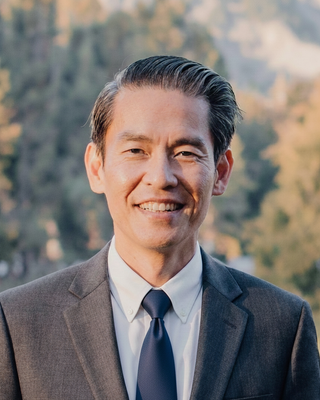
Hosted by Men's Issues - Dr. Dean
Psychologist, PsyD, QME, Author
Group meets in Santa Ana, CA 92705
Weekly intensive group therapy focused on living with sexual integrity. Each session is 50 minutes and is conducted via Zoom. Topics discussed include infidelity, porn/lust, risky sexual behaviors, and other unwanted behaviors. This is a safe space for men to take off their “mask,” practice honesty/vulnerability, develop an accountability network, and learn from others on the same journey. During the sessions, we share our struggles and successes. We develop solutions for difficult situations. We delve deeper into the underlying issues that hinder growth. We study books and selected readings to gain greater understanding.
This group provides compassionate, non-faith-based support in a safe space for individuals experiencing grief. Participants have opportunities to share, connect with others, and learn coping strategies to manage overwhelming emotions after losing a loved one. We emphasize self-care, offering practical tools and ideas to ensure participants nurture themselves during difficult times. Mindfulness techniques are taught to help ground and regulate the nervous system when waves of grief arise. The in person group meets weekly Saturdays @ 9:00am from 10/4 to 11/8. Cost is $495, some insurances are accepted for group! Call 714-485-7811 to register now!
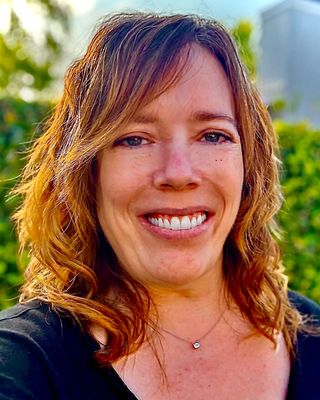
Hosted by Kristen Johnson
Licensed Professional Counselor, MS, LPCC
Group meets in Fullerton, CA 92831
This group provides compassionate, non-faith-based support in a safe space for individuals experiencing grief. Participants have opportunities to share, connect with others, and learn coping strategies to manage overwhelming emotions after losing a loved one. We emphasize self-care, offering practical tools and ideas to ensure participants nurture themselves during difficult times. Mindfulness techniques are taught to help ground and regulate the nervous system when waves of grief arise. The in person group meets weekly Saturdays @ 9:00am from 10/4 to 11/8. Cost is $495, some insurances are accepted for group! Call 714-485-7811 to register now!
This group is for people from Southeast Asia & North Africa carrying the weight of ongoing trauma; war, displacement, political violence, intergenerational grief, the daily toll of watching this unfold in real time. “Coping skills” and “thought reframing” can feel frustrating, even insulting. This group doesn’t pretend healing means moving on. It offers space for what’s real: the grief, rage, numbness, survival guilt, all of it. We’ll draw on psychodynamic and somatic approaches. Attending to what the body holds when words fail. Tending to the particular textures of SWANA identity, family, and spirituality

This group is for people from Southeast Asia & North Africa carrying the weight of ongoing trauma; war, displacement, political violence, intergenerational grief, the daily toll of watching this unfold in real time. “Coping skills” and “thought reframing” can feel frustrating, even insulting. This group doesn’t pretend healing means moving on. It offers space for what’s real: the grief, rage, numbness, survival guilt, all of it. We’ll draw on psychodynamic and somatic approaches. Attending to what the body holds when words fail. Tending to the particular textures of SWANA identity, family, and spirituality
Trauma-informed yoga is based on a particular understanding of trauma, one that emphasizes its impact on the entire mind-body system. "Trauma," Bessel van der Kolk explains, "is not just an event that took place sometime in the past; it is also the imprint left by that experience on mind, brain, and body." This slow, gentle style of yoga will incorporate practices utilized in EMDR therapy and help to active the parasympathetic nervous system, which is responsible for deep rest and relaxation. This class is open to all- whether you are healing from trauma or just looking to decompress from stress and anxiety.

Hosted by Jacklynne Marder
Marriage & Family Therapist, MA, LMFT
Group meets in Los Angeles, CA 90019
Trauma-informed yoga is based on a particular understanding of trauma, one that emphasizes its impact on the entire mind-body system. "Trauma," Bessel van der Kolk explains, "is not just an event that took place sometime in the past; it is also the imprint left by that experience on mind, brain, and body." This slow, gentle style of yoga will incorporate practices utilized in EMDR therapy and help to active the parasympathetic nervous system, which is responsible for deep rest and relaxation. This class is open to all- whether you are healing from trauma or just looking to decompress from stress and anxiety.
This therapy group is an opportunity to process grief in a warm and supportive environment. The group is open to anyone who needs a safe space, community and tools to facilitate the grief process. This group is for people dealing with a variety of losses, including the death of a loved one but also grief related to past or present circumstances such as the losses related to diminished health, painful relationship losses, unfulfilled dreams and difficult life transitions. The group will use The Grief Recovery Handbook.

This therapy group is an opportunity to process grief in a warm and supportive environment. The group is open to anyone who needs a safe space, community and tools to facilitate the grief process. This group is for people dealing with a variety of losses, including the death of a loved one but also grief related to past or present circumstances such as the losses related to diminished health, painful relationship losses, unfulfilled dreams and difficult life transitions. The group will use The Grief Recovery Handbook.
Zoom group; client’s may remain anonymous if desired. EMDR groups help client’s gain skills in mindfulness practice, attachment healing, and preparation if client’s ever wish to engage in individual EMDR. Sign up at https://PacificMindSpa.com/

Hosted by Veronica Calkins
Clinical Social Work/Therapist, LCSW
Group meets in Huntington Beach, CA 92649
Zoom group; client’s may remain anonymous if desired. EMDR groups help client’s gain skills in mindfulness practice, attachment healing, and preparation if client’s ever wish to engage in individual EMDR. Sign up at https://PacificMindSpa.com/
By participating in the DBT Skills Group, you can expect to learn and refine skills to enhance your capability to handle emotional situations more effectively. Improve your ability to communicate with others and maintain healthier relationships. Develop strategies to cope with and reduce crisis situations. Gain a deeper understanding of mindfulness and its application in everyday life.

By participating in the DBT Skills Group, you can expect to learn and refine skills to enhance your capability to handle emotional situations more effectively. Improve your ability to communicate with others and maintain healthier relationships. Develop strategies to cope with and reduce crisis situations. Gain a deeper understanding of mindfulness and its application in everyday life.
Your past doesn’t define you. This 6-week trauma-processing group provides a safe space for adult survivors of childhood physical, emotional, or sexual abuse. Through guided discussions, coping strategies, and inner child healing, you’ll gain tools to manage triggers, set boundaries, and build resilience. Connect with others who understand your journey and reclaim control over your life. You are stronger than you think. Reach out for a free diagnostic tool and a 20-minute consultation to see if this group is right for you. Healing is possible—you don’t have to do it alone.
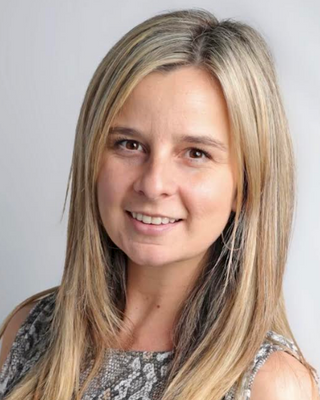
Hosted by Sierra Flynn
Marriage & Family Therapist, LMFT, EMDR, IFS
Group meets in Los Angeles, CA 90039
Your past doesn’t define you. This 6-week trauma-processing group provides a safe space for adult survivors of childhood physical, emotional, or sexual abuse. Through guided discussions, coping strategies, and inner child healing, you’ll gain tools to manage triggers, set boundaries, and build resilience. Connect with others who understand your journey and reclaim control over your life. You are stronger than you think. Reach out for a free diagnostic tool and a 20-minute consultation to see if this group is right for you. Healing is possible—you don’t have to do it alone.
Open-ended group for High School girls to help increase social skills, communication skills, and coping skills. Aim to assist with identity formation and decision making, boost self-esteem, and incorporate stress reduction/relaxation/meditation techniques. Monday nights 6-7:30, Tuesdays 4:30-6, or Wednesdays 4:30-6.

Open-ended group for High School girls to help increase social skills, communication skills, and coping skills. Aim to assist with identity formation and decision making, boost self-esteem, and incorporate stress reduction/relaxation/meditation techniques. Monday nights 6-7:30, Tuesdays 4:30-6, or Wednesdays 4:30-6.
THE DESIRE TO HAVE A CHILD CAN TAKE A TOLL ON YOU PHYSICALLY AND EMOTIONALLY. THIS 6-WEEK GROUP IS SPECIALLY DESIGNED FOR A WOMAN BEGINNING THEIR INFERTILITY JOURNEY.
Group Topics: mindfulness, navigating your relationship with your spouse, self-care, coping with grief/anxiety, depression finding emotional balance, and learning to forgive your body

Hosted by Dr. Leslie A Miles
Marriage & Family Therapist, PsyD, LMFT
Group meets in Rancho Cucamonga, CA 91730
THE DESIRE TO HAVE A CHILD CAN TAKE A TOLL ON YOU PHYSICALLY AND EMOTIONALLY. THIS 6-WEEK GROUP IS SPECIALLY DESIGNED FOR A WOMAN BEGINNING THEIR INFERTILITY JOURNEY.
Group Topics: mindfulness, navigating your relationship with your spouse, self-care, coping with grief/anxiety, depression finding emotional balance, and learning to forgive your body
This Group meets weekly on Thursdays at 6:00pm. It is a co-educational group that addresses the psychological origins of anger and focuses on behavioral adjustments to anger. We have a right to our feelings, including anger, but the way we express anger is something we can change. Please contact me for enrollment information. This group is a hybrid format, welcoming participants in person or online.

Hosted by Paul Gutrecht
Marriage & Family Therapist, MA, CAMS-I, LMFT
Group meets in Los Angeles, CA 90025
This Group meets weekly on Thursdays at 6:00pm. It is a co-educational group that addresses the psychological origins of anger and focuses on behavioral adjustments to anger. We have a right to our feelings, including anger, but the way we express anger is something we can change. Please contact me for enrollment information. This group is a hybrid format, welcoming participants in person or online.
A CIRCLE FOR JEWISH WOMEN SEEKING COMMUNITY, CONNECTION AND HEALING Topics include Processing current events and how they impact our lives and relationships. Historical trauma, how and where it lives for us today. Building tolerance for holding many feelings, truths and ideas at once. The complexity of identity and evolving sense of self and history. Sessions include space for sharing and reflection, somatic exercises led by Rachel and exchange of supportive resources.

Hosted by Rachel Eden Adler
Marriage & Family Therapist Associate, AMFT, MBA
Group meets in Los Angeles, CA 90027
A CIRCLE FOR JEWISH WOMEN SEEKING COMMUNITY, CONNECTION AND HEALING Topics include Processing current events and how they impact our lives and relationships. Historical trauma, how and where it lives for us today. Building tolerance for holding many feelings, truths and ideas at once. The complexity of identity and evolving sense of self and history. Sessions include space for sharing and reflection, somatic exercises led by Rachel and exchange of supportive resources.
Relationships can play a huge role in our well-being, and they can also be one of our biggest sources of stress. This group is for you if you are feeling alone, confused, isolated, and mourning a breakup, experiencing stress with relationships, platonic or romantic, you keep repeating painful patterns in relationships, wanting to heal old wounds, you are navigating dating and wanting to build healthier connections, struggling with letting go or setting boundaries.
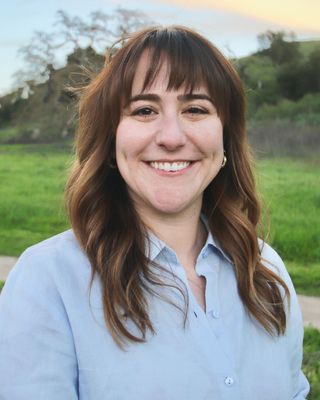
Hosted by Sara Lichstein
Marriage & Family Therapist, MA, LMFT
Group meets in Santa Monica, CA 90401
Relationships can play a huge role in our well-being, and they can also be one of our biggest sources of stress. This group is for you if you are feeling alone, confused, isolated, and mourning a breakup, experiencing stress with relationships, platonic or romantic, you keep repeating painful patterns in relationships, wanting to heal old wounds, you are navigating dating and wanting to build healthier connections, struggling with letting go or setting boundaries.
Children have difficulty with social skills for different reasons. Some children appear as they don't want friends but really, they do not have the necessary skills to engage in the process. Some children have friends but for some reason the relationships do not last or end in conflict. Others want friends but are riddled with anxiety/low self-esteem. This group assists in identifying and developing key social skills including but not limited to body language, conversation starters, reading between the lines, eye contact, knowing when/what to share, jumping into conversations and building self confidence in social situations.

Hosted by Sharon Carrigg Bailey
Marriage & Family Therapist, MA, MS, MFT, LEP
Group meets in Torrance, CA 90503
Children have difficulty with social skills for different reasons. Some children appear as they don't want friends but really, they do not have the necessary skills to engage in the process. Some children have friends but for some reason the relationships do not last or end in conflict. Others want friends but are riddled with anxiety/low self-esteem. This group assists in identifying and developing key social skills including but not limited to body language, conversation starters, reading between the lines, eye contact, knowing when/what to share, jumping into conversations and building self confidence in social situations.
Healing Individual & Family Counseling, Inc consists of licensed and associate therapists who are passionate about helping clients improve their mental health and live their lives fully.

Healing Individual & Family Counseling, Inc consists of licensed and associate therapists who are passionate about helping clients improve their mental health and live their lives fully.
Social skills groups and friendship making skills. Small group setting to enhance skills.

Social skills groups and friendship making skills. Small group setting to enhance skills.
This is a group for adolescents modeled after Drs. Marsha Linehan, Alec Miller, and Jill Rathus' Skills Training Manual for Treating Borderline Personality Disorder. The group offers DBT training to teens and their parents once weekly.

This is a group for adolescents modeled after Drs. Marsha Linehan, Alec Miller, and Jill Rathus' Skills Training Manual for Treating Borderline Personality Disorder. The group offers DBT training to teens and their parents once weekly.
HOW TO HAVE HAPPY, RESPONSIBLE AND SUCCESFUL CHILDREN. HOW TO ENJOY PARENTING.

HOW TO HAVE HAPPY, RESPONSIBLE AND SUCCESFUL CHILDREN. HOW TO ENJOY PARENTING.
See more therapy options for 91007


FAQs - About Group Therapy and Support Groups
How can I find a support group in 91007?
To find a support group in your area, start by entering your city, zip code, or the name of the group into the search bar at the top of the page. When searching, consider whether you prefer an in-person or virtual group. This can help you decide how broad your geographic search should be. If you are open to virtual groups, you might want to search by state instead of just your city, especially if there are limited options nearby.
Once you complete your search, you can use the filters to narrow the results by selecting specialties (such as grief, trauma, or eating disorders), therapeutic approaches, age groups, and other criteria to find a group that best fits your needs.
Once you complete your search, you can use the filters to narrow the results by selecting specialties (such as grief, trauma, or eating disorders), therapeutic approaches, age groups, and other criteria to find a group that best fits your needs.
How does group therapy work?
Group therapy is led by one or more trained therapists and provides a space where participants can process their experiences and learn from others facing similar challenges. Groups may focus on a specific issue—such as addiction, grief, physical illnesses, parenting, or caregiving—or they may center around a particular therapeutic approach, such as Cognitive Behavioral Therapy (CBT), social skill development, or Exposure Therapy. Some groups are also designed for specific populations, such as teens, veterans, or LGBTQ+ individuals.
It’s also important to distinguish group therapy from peer-led support groups, like Alcoholics Anonymous. While both can offer valuable support, therapy groups are typically led by licensed professionals and follow a more structured format. Therapy groups often meet for a fixed length of time with a consistent group of members, while many peer support groups meet for an indefinite period of time with members coming and going.
It’s also important to distinguish group therapy from peer-led support groups, like Alcoholics Anonymous. While both can offer valuable support, therapy groups are typically led by licensed professionals and follow a more structured format. Therapy groups often meet for a fixed length of time with a consistent group of members, while many peer support groups meet for an indefinite period of time with members coming and going.
What are the benefits of group therapy?
Group therapy offers several important benefits. It brings together people facing similar challenges—whether related to mental health, physical health, or life transitions—and creates a supportive environment where participants can exchange feedback, share experiences, and learn from one another. Hearing different perspectives can help individuals discover new coping strategies and practical tools they may not have encountered on their own. Sharing personal experiences, such as coping with a serious illness or navigating family struggles, can also reduce feelings of isolation and foster a sense of connection and understanding. In addition to emotional support, group members often gain useful, real-world advice from peers who have faced similar situations.
Group therapy is typically more affordable than individual therapy and, for certain conditions, can be equally effective. Many groups also include structured activities—such as guided journaling, cognitive-behavioral exercises, or role-playing—to help participants develop concrete skills they can apply in daily life.
Group therapy is typically more affordable than individual therapy and, for certain conditions, can be equally effective. Many groups also include structured activities—such as guided journaling, cognitive-behavioral exercises, or role-playing—to help participants develop concrete skills they can apply in daily life.
Is group therapy as effective as individual therapy?
It is difficult to make a blanket statement about the effectiveness of support groups, as they vary widely in focus and the conditions they address. However, support groups can be highly valuable in helping individuals gain emotional support and achieve meaningful treatment outcomes. For certain conditions, such as substance use, research has shown that group therapy can be particularly effective—sometimes just as effective as individual therapy—in supporting long-term recovery.
Many professionals attribute the effectiveness of group therapy to the unique benefits of the group setting, which fosters peer-to-peer learning and a sense of connection through shared experiences. Group settings also offer accountability and encouragement from both facilitators and fellow participants, which helps sustain motivation and supports continued progress. These factors together play a key role in promoting the overall effectiveness of group therapy.
Many professionals attribute the effectiveness of group therapy to the unique benefits of the group setting, which fosters peer-to-peer learning and a sense of connection through shared experiences. Group settings also offer accountability and encouragement from both facilitators and fellow participants, which helps sustain motivation and supports continued progress. These factors together play a key role in promoting the overall effectiveness of group therapy.
How much does group therapy cost?
Group therapy is typically less expensive than individual therapy, with sessions typically costing between $50 and $75 each. In comparison, individual therapy can cost anywhere from $100 to $200 or more per session, even with insurance. Some therapists or organizations offer low-cost or free group therapy options, particularly through community centers or nonprofit organizations. In some cases, groups may require payment upfront for a set number of sessions, such as paying for six weekly sessions at the first meeting. However, many providers offer payment plans to help make participation more accessible if this upfront payment is required.
Does insurance cover group therapy?
As with individual therapy, insurance coverage for group therapy varies based on factors such as your specific insurance plan, the purpose of the group, your diagnosis, and whether the group provider is in-network. Many insurance plans cover group therapy sessions that address diagnosable mental health conditions, such as substance use disorders, anxiety, or depression.
However, groups that focus on topics not directly tied to a mental health diagnosis—such as parenting support or divorce recovery—are less likely to be covered. Because coverage can vary widely, it’s important to check with your insurance provider before joining a group to confirm whether the sessions will be covered and what out-of-pocket costs you may be responsible for.
However, groups that focus on topics not directly tied to a mental health diagnosis—such as parenting support or divorce recovery—are less likely to be covered. Because coverage can vary widely, it’s important to check with your insurance provider before joining a group to confirm whether the sessions will be covered and what out-of-pocket costs you may be responsible for.
How long does group therapy last?
The length of each group therapy session typically ranges from 45 minutes to two hours, depending on the therapy approach, the group’s goals, and how often the group meets. In some cases, group therapy is part of a larger treatment program, such as an Intensive Outpatient Program (IOP), where group sessions complement individual therapy and are scheduled as part of the program’s overall structure.
The duration of participation in a group also varies. Some groups are designed to be short-term, lasting anywhere from 6 to 24 weeks—for example, bereavement groups or skills-based groups like those using Dialectical Behavioral Therapy (DBT). Other groups may be longer-term, lasting a year or more, and some ongoing support groups meet indefinitely, allowing participants to stay as long as they find the group helpful.
The duration of participation in a group also varies. Some groups are designed to be short-term, lasting anywhere from 6 to 24 weeks—for example, bereavement groups or skills-based groups like those using Dialectical Behavioral Therapy (DBT). Other groups may be longer-term, lasting a year or more, and some ongoing support groups meet indefinitely, allowing participants to stay as long as they find the group helpful.
What are the limitations of support groups?
Support groups offer many benefits, but they also have certain limitations. Unlike therapy groups, many support groups do not provide formal therapeutic treatment and are not led by licensed mental health professionals. For individuals seeking clinical treatment for specific mental health diagnoses—such as depression, eating disorders, or substance use—individual therapy or group therapy led by a licensed professional may offer more personalized and specialized care.
The effectiveness of a support group also depends heavily on the group’s participants and the overall group dynamic. When members engage respectfully and offer constructive support, the group can foster valuable peer-to-peer learning. However, if certain participants dominate discussions, provide inaccurate advice, or create conflict, it can disrupt the group’s sense of safety and reduce its effectiveness. Confidentiality can also be harder to maintain in support groups, particularly in open groups where participants can join or leave at any time. With new members regularly entering the group, it can be more difficult to build and sustain a consistent sense of trust and privacy.
The effectiveness of a support group also depends heavily on the group’s participants and the overall group dynamic. When members engage respectfully and offer constructive support, the group can foster valuable peer-to-peer learning. However, if certain participants dominate discussions, provide inaccurate advice, or create conflict, it can disrupt the group’s sense of safety and reduce its effectiveness. Confidentiality can also be harder to maintain in support groups, particularly in open groups where participants can join or leave at any time. With new members regularly entering the group, it can be more difficult to build and sustain a consistent sense of trust and privacy.