Support Groups in 90746
Kimberly Van Enk, is a licensed clinical social worker and therapist committed to helping people build resilience, heal from trauma, and navigate life’s challenges with greater confidence. She specializes in working with clients experiencing addiction, anxiety, depression, relationship difficulties, and personal or professional transitions. Her therapeutic style combines evidence-based practices—including cognitive-behavioral therapy, mindfulness, and trauma-informed care—with a collaborative and empowering approach. She believes in meeting clients where they are, valuing honesty and direct communication, while fostering an inclusive and nonjudgmental environment. At the core of her philosophy is the balance of acceptance and change.

Kimberly Van Enk, is a licensed clinical social worker and therapist committed to helping people build resilience, heal from trauma, and navigate life’s challenges with greater confidence. She specializes in working with clients experiencing addiction, anxiety, depression, relationship difficulties, and personal or professional transitions. Her therapeutic style combines evidence-based practices—including cognitive-behavioral therapy, mindfulness, and trauma-informed care—with a collaborative and empowering approach. She believes in meeting clients where they are, valuing honesty and direct communication, while fostering an inclusive and nonjudgmental environment. At the core of her philosophy is the balance of acceptance and change.
This group will focus on developing effective coping skills to respond and manage stressful life situations. This group is designed for emotional support and skill development.

This group will focus on developing effective coping skills to respond and manage stressful life situations. This group is designed for emotional support and skill development.
More Groups Nearby
The Men's Group at Abundance is designed to provide straight talk in a non-judgmental space. Clients looking to achieve satisfaction in life and relationships will enjoy learning from the facilitator, resources, and each other. Topics include anger management, mental health, emotional health (depression, anxiety), and relationship challenges (intimacy/sex, boundaries). The group is held virtually and is $45 per session. Visit abundancetherapycenter.com/services to submit an interest questionnaire.
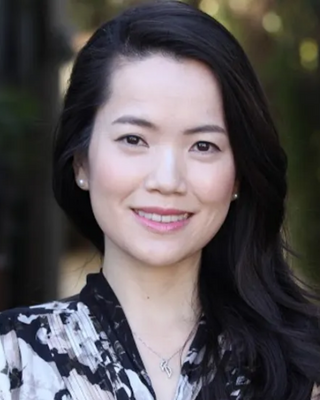
The Men's Group at Abundance is designed to provide straight talk in a non-judgmental space. Clients looking to achieve satisfaction in life and relationships will enjoy learning from the facilitator, resources, and each other. Topics include anger management, mental health, emotional health (depression, anxiety), and relationship challenges (intimacy/sex, boundaries). The group is held virtually and is $45 per session. Visit abundancetherapycenter.com/services to submit an interest questionnaire.
Living With Chronic Illness & Pain is a virtual support group for adults living with chronic illness and chronic pain in California. The group is focused on fostering connection with other people who share similar lived experiences. No unsolicited advice, no "fixing"-- just a space to show up as you are, in the body you have, and connect with others. Please reach out with any questions or accommodation requests.

Hosted by Nuala Schoen
Marriage & Family Therapist Associate, MA, AMFT
Group meets in Pasadena, CA 91101
Living With Chronic Illness & Pain is a virtual support group for adults living with chronic illness and chronic pain in California. The group is focused on fostering connection with other people who share similar lived experiences. No unsolicited advice, no "fixing"-- just a space to show up as you are, in the body you have, and connect with others. Please reach out with any questions or accommodation requests.
This support group will help the family members that have been affected by a traumatic brain injury. Our focus will be on stress reduction, an increase in patience and acceptance, and coping skills to deal with the client who is struggling. Being able to share our stories of our own experiences can dramatically reduce the feelings of isolation and sadness. Having a community of people who are going through similar issues helps to reduce anxiety and depression around the care of the TBI patient. We will discuss ways to manage our emotions, and create lists for self care.

Hosted by Kimberly Tollman, LMFT
Marriage & Family Therapist, MA, LMFT, RYT200
Group meets in Tustin, CA 92782
This support group will help the family members that have been affected by a traumatic brain injury. Our focus will be on stress reduction, an increase in patience and acceptance, and coping skills to deal with the client who is struggling. Being able to share our stories of our own experiences can dramatically reduce the feelings of isolation and sadness. Having a community of people who are going through similar issues helps to reduce anxiety and depression around the care of the TBI patient. We will discuss ways to manage our emotions, and create lists for self care.
This group is for women who are grieving miscarriage, stillbirth, newborn loss, selective reduction or pregnancy termination. Nearly one-third of all pregnancies end in some form of loss. Such losses often fall into the category of "disenfranchised grief" - grief that is not fully acknowledged by society and for which there are few support systems, traditions or institutions to help. You do not have to go through the grieving process alone. Many women are surprised by the depth of the pain and range of emotions they are experiencing - it is normal to be experiencing whatever you are experiencing.

This group is for women who are grieving miscarriage, stillbirth, newborn loss, selective reduction or pregnancy termination. Nearly one-third of all pregnancies end in some form of loss. Such losses often fall into the category of "disenfranchised grief" - grief that is not fully acknowledged by society and for which there are few support systems, traditions or institutions to help. You do not have to go through the grieving process alone. Many women are surprised by the depth of the pain and range of emotions they are experiencing - it is normal to be experiencing whatever you are experiencing.
Are you a Latinx graduate student training to become a therapist? Balancing your own journey while holding space for others can feel overwhelming—and you don’t have to navigate it alone. This group offers a supportive and affirming community where Latinx psychotherapist trainees can connect, share experiences, and grow together. Here, your voice matters, your culture is honored, and your healing is just as important as the healing you provide. Join us to build connection, resilience, and community.

Are you a Latinx graduate student training to become a therapist? Balancing your own journey while holding space for others can feel overwhelming—and you don’t have to navigate it alone. This group offers a supportive and affirming community where Latinx psychotherapist trainees can connect, share experiences, and grow together. Here, your voice matters, your culture is honored, and your healing is just as important as the healing you provide. Join us to build connection, resilience, and community.
Learn the skills needed to slow down and mindfully identify the different voices (or parts) within you. Understand what voice is emerging, the language that isn't serving you, and how to create space for a different story. This live online workshop synthesizes the most effective tools for changing negative internal voices while creating space for a different part to speak. We’ll utilize internal resources and move into a guided meditation to integrate and connect these parts. Adults who struggle with critical self-talk, rumination, intrusive thoughts, and self-compassion will benefit from this event.

Hosted by Sara Solomon Kerr I Couples and Family Specialist
Marriage & Family Therapist, LMFT
Group meets in Los Angeles, CA 90039
Learn the skills needed to slow down and mindfully identify the different voices (or parts) within you. Understand what voice is emerging, the language that isn't serving you, and how to create space for a different story. This live online workshop synthesizes the most effective tools for changing negative internal voices while creating space for a different part to speak. We’ll utilize internal resources and move into a guided meditation to integrate and connect these parts. Adults who struggle with critical self-talk, rumination, intrusive thoughts, and self-compassion will benefit from this event.
Our Mother's Support Group is a space to emotionally and socially support mothers with infants and toddlers (0-3yrs). Our support group provides a place for moms to share their experiences and feel validated while navigating the challenges that come with balancing motherhood and the many other roles we hold.

Hosted by Alexandria Tillard-Gates
Marriage & Family Therapist, MA, LMFT
Group meets in Los Angeles, CA 90038
Our Mother's Support Group is a space to emotionally and socially support mothers with infants and toddlers (0-3yrs). Our support group provides a place for moms to share their experiences and feel validated while navigating the challenges that come with balancing motherhood and the many other roles we hold.
Today’s boys juggle more than ever—school, sports, friendships, and screen time. This therapist-led group provides a safe space to: Build resilience in academics and athletics; Improve communication at home and with peers Develop confidence & identity Create healthier habits around digital wellness Give your teen the tools, support, and connection he needs to succeed.

Hosted by Nick Johnson
Marriage & Family Therapist Associate, AMFT
Group meets in Los Angeles, CA 90035
Today’s boys juggle more than ever—school, sports, friendships, and screen time. This therapist-led group provides a safe space to: Build resilience in academics and athletics; Improve communication at home and with peers Develop confidence & identity Create healthier habits around digital wellness Give your teen the tools, support, and connection he needs to succeed.
This IFS (Internal Family Systems) and mindfulness-based therapy group offers a safe, supportive space to heal from trauma, grief, anxiety, depression, relationship challenges, work stress, and life transitions. You’ll explore your inner world, understand your “parts,” and cultivate deep self-compassion. Through experiential practices and meaningful group connection, you’ll gain practical tools to process unresolved emotions and navigate daily stress with greater clarity and resilience—while feeling truly seen, supported, and empowered. Schedule your free consultation to get started.
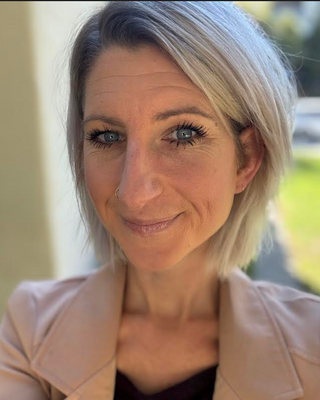
Hosted by Sara Minter
Marriage & Family Therapist Associate, AMFT, DBT
Group meets in Van Nuys, CA 91405
This IFS (Internal Family Systems) and mindfulness-based therapy group offers a safe, supportive space to heal from trauma, grief, anxiety, depression, relationship challenges, work stress, and life transitions. You’ll explore your inner world, understand your “parts,” and cultivate deep self-compassion. Through experiential practices and meaningful group connection, you’ll gain practical tools to process unresolved emotions and navigate daily stress with greater clarity and resilience—while feeling truly seen, supported, and empowered. Schedule your free consultation to get started.
The Recreative is an online expressive arts group for busy moms! We meet once a week, I lead you in a creative art prompt, and we explore what comes up with a delightful community. No art skills or experience required!

The Recreative is an online expressive arts group for busy moms! We meet once a week, I lead you in a creative art prompt, and we explore what comes up with a delightful community. No art skills or experience required!
This group is a safe place for Caregivers, Family, Friends, & Partners of people with Parkinson's disease to provide resources, share experiences & teach practical coping skills. This AMAZING support group is offered WEEKLY on ZOOM. This group is led by 2 clinical psychologists, Dana Lieberman, PsyD & Kelsey Holiday, PhD who have personal & professional connections, & a passion for working with those who have Parkinson’s Disease, their partners/family/friends or caregivers. Groups will often include guest speakers such as psychiatrists, physical therapists, speech therapists, occupational therapists, neuropsychologists, nutritionists, & movement disorder specialists. E-mail us to join or learn more!

This group is a safe place for Caregivers, Family, Friends, & Partners of people with Parkinson's disease to provide resources, share experiences & teach practical coping skills. This AMAZING support group is offered WEEKLY on ZOOM. This group is led by 2 clinical psychologists, Dana Lieberman, PsyD & Kelsey Holiday, PhD who have personal & professional connections, & a passion for working with those who have Parkinson’s Disease, their partners/family/friends or caregivers. Groups will often include guest speakers such as psychiatrists, physical therapists, speech therapists, occupational therapists, neuropsychologists, nutritionists, & movement disorder specialists. E-mail us to join or learn more!
Parents sometimes wish their babies would come with a manual with guidance, explanation and tips on how to approach challenging issues related to raising a good, decent and happy child. This group was created with caring parents in mind. I will address common issues faced by the majority of parents: How do I best meet my child's needs? Do technological devices, such as TV and cell phones, impact my child's development? Am I the only parent that does not know what to do? Call me for an initial consultation and to find out upcoming group dates. Looking forward to hearing from you.

Hosted by Hebe Leine De Mare
Marriage & Family Therapist, MA, LMFT
Group meets in Los Angeles, CA 90045
Parents sometimes wish their babies would come with a manual with guidance, explanation and tips on how to approach challenging issues related to raising a good, decent and happy child. This group was created with caring parents in mind. I will address common issues faced by the majority of parents: How do I best meet my child's needs? Do technological devices, such as TV and cell phones, impact my child's development? Am I the only parent that does not know what to do? Call me for an initial consultation and to find out upcoming group dates. Looking forward to hearing from you.
Weekly intensive group therapy focused on living with sexual integrity. Each session is 50 minutes and is conducted via Zoom. Topics discussed include infidelity, porn/lust, risky sexual behaviors, and other unwanted behaviors. This is a safe space for men to take off their “mask,” practice honesty/vulnerability, develop an accountability network, and learn from others on the same journey. During the sessions, we share our struggles and successes. We develop solutions for difficult situations. We delve deeper into the underlying issues that hinder growth. We study books and selected readings to gain greater understanding.

Hosted by Men’s Issues - Dr. Dean
Psychologist, PsyD, QME, Author
Group meets in Newport Beach, CA 92660
Weekly intensive group therapy focused on living with sexual integrity. Each session is 50 minutes and is conducted via Zoom. Topics discussed include infidelity, porn/lust, risky sexual behaviors, and other unwanted behaviors. This is a safe space for men to take off their “mask,” practice honesty/vulnerability, develop an accountability network, and learn from others on the same journey. During the sessions, we share our struggles and successes. We develop solutions for difficult situations. We delve deeper into the underlying issues that hinder growth. We study books and selected readings to gain greater understanding.
This group is co-facilitated by myself and a female colleague. The group offers a place of safety and support for women who are in relationship with a sex addict. We take a trauma approach in the group, understanding that the impact of sexual addiction on a relationship and on a partner is traumatic. Our goal is to help the women in our group receive support, and to empower themselves to thrive.

Hosted by Dan Drake
Marriage & Family Therapist, LMFT, LPCC, CSAT-S, CCPS-S, CCDG-M
Group meets in Studio City, CA 91604
This group is co-facilitated by myself and a female colleague. The group offers a place of safety and support for women who are in relationship with a sex addict. We take a trauma approach in the group, understanding that the impact of sexual addiction on a relationship and on a partner is traumatic. Our goal is to help the women in our group receive support, and to empower themselves to thrive.
This ongoing small group provides trainees, interns and therapists with experiential process healing and awareness and working through of countertransference via arts, poetry, imagery and more.

This ongoing small group provides trainees, interns and therapists with experiential process healing and awareness and working through of countertransference via arts, poetry, imagery and more.
The Southern California Therapy Collective is a growing network of therapists and healthcare professionals who practice independently and in community. Our focus is to nurture our own development to ensure that of our clients. Why? Because we believe this is how wholeness happens. For therapists, their colleagues, and their clients, the Southern California Therapy Collective delivers services, spaces, and resources. Our intentions are to advance safety, self-awareness, and social advocacy through our community of like-minded professionals.

The Southern California Therapy Collective is a growing network of therapists and healthcare professionals who practice independently and in community. Our focus is to nurture our own development to ensure that of our clients. Why? Because we believe this is how wholeness happens. For therapists, their colleagues, and their clients, the Southern California Therapy Collective delivers services, spaces, and resources. Our intentions are to advance safety, self-awareness, and social advocacy through our community of like-minded professionals.
DBT has long been considered a best practice in working with and supporting those who struggle with emotional regulation.

DBT has long been considered a best practice in working with and supporting those who struggle with emotional regulation.
Taking care of yourself and eating regularly is hard enough when you struggle with an eating disorder and it’s only become more difficult during social isolation. We want to support you in sitting with difficult emotions, staying accountable to your body’s nutritional needs, and changing disordered behaviors around mealtime that keep you in the destructive ED cycle. This meal support group is 90 minutes long and includes 30 minutes for eating together virtually, followed by 60 minutes of processing the emotional and behavioral responses to the meal.

Taking care of yourself and eating regularly is hard enough when you struggle with an eating disorder and it’s only become more difficult during social isolation. We want to support you in sitting with difficult emotions, staying accountable to your body’s nutritional needs, and changing disordered behaviors around mealtime that keep you in the destructive ED cycle. This meal support group is 90 minutes long and includes 30 minutes for eating together virtually, followed by 60 minutes of processing the emotional and behavioral responses to the meal.
See more therapy options for 90746


FAQs - About Group Therapy and Support Groups
How can I find a support group in 90746?
To find a support group in your area, start by entering your city, zip code, or the name of the group into the search bar at the top of the page. When searching, consider whether you prefer an in-person or virtual group. This can help you decide how broad your geographic search should be. If you are open to virtual groups, you might want to search by state instead of just your city, especially if there are limited options nearby.
Once you complete your search, you can use the filters to narrow the results by selecting specialties (such as grief, trauma, or eating disorders), therapeutic approaches, age groups, and other criteria to find a group that best fits your needs.
How does group therapy work?
Group therapy is led by one or more trained therapists and provides a space where participants can process their experiences and learn from others facing similar challenges. Groups may focus on a specific issue—such as addiction, grief, physical illnesses, parenting, or caregiving—or they may center around a particular therapeutic approach, such as Cognitive Behavioral Therapy (CBT), social skill development, or Exposure Therapy. Some groups are also designed for specific populations, such as teens, veterans, or LGBTQ+ individuals.
It’s also important to distinguish group therapy from peer-led support groups, like Alcoholics Anonymous. While both can offer valuable support, therapy groups are typically led by licensed professionals and follow a more structured format. Therapy groups often meet for a fixed length of time with a consistent group of members, while many peer support groups meet for an indefinite period of time with members coming and going.
What are the benefits of group therapy?
Group therapy offers several important benefits. It brings together people facing similar challenges—whether related to mental health, physical health, or life transitions—and creates a supportive environment where participants can exchange feedback, share experiences, and learn from one another. Hearing different perspectives can help individuals discover new coping strategies and practical tools they may not have encountered on their own. Sharing personal experiences, such as coping with a serious illness or navigating family struggles, can also reduce feelings of isolation and foster a sense of connection and understanding. In addition to emotional support, group members often gain useful, real-world advice from peers who have faced similar situations.
Group therapy is typically more affordable than individual therapy and, for certain conditions, can be equally effective. Many groups also include structured activities—such as guided journaling, cognitive-behavioral exercises, or role-playing—to help participants develop concrete skills they can apply in daily life.
Is group therapy as effective as individual therapy?
It is difficult to make a blanket statement about the effectiveness of support groups, as they vary widely in focus and the conditions they address. However, support groups can be highly valuable in helping individuals gain emotional support and achieve meaningful treatment outcomes. For certain conditions, such as substance use, research has shown that group therapy can be particularly effective—sometimes just as effective as individual therapy—in supporting long-term recovery.
Many professionals attribute the effectiveness of group therapy to the unique benefits of the group setting, which fosters peer-to-peer learning and a sense of connection through shared experiences. Group settings also offer accountability and encouragement from both facilitators and fellow participants, which helps sustain motivation and supports continued progress. These factors together play a key role in promoting the overall effectiveness of group therapy.
How much does group therapy cost?
Group therapy is typically less expensive than individual therapy, with sessions typically costing between $50 and $75 each. In comparison, individual therapy can cost anywhere from $100 to $200 or more per session, even with insurance. Some therapists or organizations offer low-cost or free group therapy options, particularly through community centers or nonprofit organizations. In some cases, groups may require payment upfront for a set number of sessions, such as paying for six weekly sessions at the first meeting. However, many providers offer payment plans to help make participation more accessible if this upfront payment is required.
Does insurance cover group therapy?
As with individual therapy, insurance coverage for group therapy varies based on factors such as your specific insurance plan, the purpose of the group, your diagnosis, and whether the group provider is in-network. Many insurance plans cover group therapy sessions that address diagnosable mental health conditions, such as substance use disorders, anxiety, or depression.
However, groups that focus on topics not directly tied to a mental health diagnosis—such as parenting support or divorce recovery—are less likely to be covered. Because coverage can vary widely, it’s important to check with your insurance provider before joining a group to confirm whether the sessions will be covered and what out-of-pocket costs you may be responsible for.
How long does group therapy last?
The length of each group therapy session typically ranges from 45 minutes to two hours, depending on the therapy approach, the group’s goals, and how often the group meets. In some cases, group therapy is part of a larger treatment program, such as an Intensive Outpatient Program (IOP), where group sessions complement individual therapy and are scheduled as part of the program’s overall structure.
The duration of participation in a group also varies. Some groups are designed to be short-term, lasting anywhere from 6 to 24 weeks—for example, bereavement groups or skills-based groups like those using Dialectical Behavioral Therapy (DBT). Other groups may be longer-term, lasting a year or more, and some ongoing support groups meet indefinitely, allowing participants to stay as long as they find the group helpful.
What are the limitations of support groups?
Support groups offer many benefits, but they also have certain limitations. Unlike therapy groups, many support groups do not provide formal therapeutic treatment and are not led by licensed mental health professionals. For individuals seeking clinical treatment for specific mental health diagnoses—such as depression, eating disorders, or substance use—individual therapy or group therapy led by a licensed professional may offer more personalized and specialized care.
The effectiveness of a support group also depends heavily on the group’s participants and the overall group dynamic. When members engage respectfully and offer constructive support, the group can foster valuable peer-to-peer learning. However, if certain participants dominate discussions, provide inaccurate advice, or create conflict, it can disrupt the group’s sense of safety and reduce its effectiveness. Confidentiality can also be harder to maintain in support groups, particularly in open groups where participants can join or leave at any time. With new members regularly entering the group, it can be more difficult to build and sustain a consistent sense of trust and privacy.