Support Groups in 83706
This online weekly drop in group is for adults with chronic illness. We engage in art-making, peer support, and skills building unique to those living with aquired disability and chronic conditions, including pain.

Hosted by Jess Minckley
Licensed Professional Clinical Counselor, MFA, LMHC, ATR-BC, PhDc
Group meets in Boise, ID 83706
This online weekly drop in group is for adults with chronic illness. We engage in art-making, peer support, and skills building unique to those living with aquired disability and chronic conditions, including pain.
Leaving or engaging differently with your faith of origin can be extremely lonely, new, and scary. This group's purpose is to provide relational healing and support through this transition. Group sessions will likely look like group conversation, activities, and self reflection. As a facilitator, I will ask for your feedback and collaboration to create a group dynamic that feels safe and supportive. I'd love to meet you and learn about your experience!

Hosted by Madeline Mortell
Marriage & Family Therapist Associate, LAMFT
Group meets in Boise, ID 83706
Leaving or engaging differently with your faith of origin can be extremely lonely, new, and scary. This group's purpose is to provide relational healing and support through this transition. Group sessions will likely look like group conversation, activities, and self reflection. As a facilitator, I will ask for your feedback and collaboration to create a group dynamic that feels safe and supportive. I'd love to meet you and learn about your experience!
This 8 week (90 minutes/session) support and educational group is designed for adults who are navigating the challenges of chronic pain and seeking ways to reclaim a sense of peace and well-being. Through an empathic, trauma & pain-informed perspective, Discover Honest Healing Through Acceptance, Mindfulness, & Compassion. Learn to approach your pain without judgment, develop new ways to relate to your experiences, and focus on living a meaningful life, regardless of the pain you face. Contact Zach Preboski, MS LPC, MS PT for Day/Time and Registration.

This 8 week (90 minutes/session) support and educational group is designed for adults who are navigating the challenges of chronic pain and seeking ways to reclaim a sense of peace and well-being. Through an empathic, trauma & pain-informed perspective, Discover Honest Healing Through Acceptance, Mindfulness, & Compassion. Learn to approach your pain without judgment, develop new ways to relate to your experiences, and focus on living a meaningful life, regardless of the pain you face. Contact Zach Preboski, MS LPC, MS PT for Day/Time and Registration.
This is an open group predicated on the interests of the adult participants in exploring and sharing mutual grief associated with losses of loved ones, (spouses, children, pets, friends, home, etc.).

This is an open group predicated on the interests of the adult participants in exploring and sharing mutual grief associated with losses of loved ones, (spouses, children, pets, friends, home, etc.).
Want to better understand your anger and respond more effectively? This six-week educational, skill-building group offers tools to recognize triggers, regulate emotions, establish boundaries, and improve communication. Approaches include CBT, DBT, mindfulness, creative expression, and interactive exercises. October 28–December 9 (No group November 25). Group size: 6–8 participants. Cost: $60 weekly ($360 total) To register: Reply to my email for payment instructions. By October 21, either pay a $60 deposit (credited toward your first session) or pay $300 in full (save $60). Space is limited! Registration is confirmed upon payment.

Want to better understand your anger and respond more effectively? This six-week educational, skill-building group offers tools to recognize triggers, regulate emotions, establish boundaries, and improve communication. Approaches include CBT, DBT, mindfulness, creative expression, and interactive exercises. October 28–December 9 (No group November 25). Group size: 6–8 participants. Cost: $60 weekly ($360 total) To register: Reply to my email for payment instructions. By October 21, either pay a $60 deposit (credited toward your first session) or pay $300 in full (save $60). Space is limited! Registration is confirmed upon payment.
Authentic Awakening: Embracing Cancer with Self Love Dates: 3/1, 3/8, & 3/15 from 4:00 - 5:30pm Location: Library! at Bown Crossing For more information or to register contact bodypositiveboise@gmail.com A free 3-part series in March for female identifying cancer patients and survivors This series will teach powerful competencies focused on intuitive self-care, cultivating self-love and finding supportive community.

Authentic Awakening: Embracing Cancer with Self Love Dates: 3/1, 3/8, & 3/15 from 4:00 - 5:30pm Location: Library! at Bown Crossing For more information or to register contact bodypositiveboise@gmail.com A free 3-part series in March for female identifying cancer patients and survivors This series will teach powerful competencies focused on intuitive self-care, cultivating self-love and finding supportive community.
This group meets 12 times over a 6 month period. Groups begin quarterly starting in January. Each individual will be asked to complete a project in the area of work, relationships, health, creativity or community as the focus of their participation. Using mutual support and the "third mind" provided by the group, they will be helped to realize their goal. Group Details Age: Adults Session Cost $75 per session

This group meets 12 times over a 6 month period. Groups begin quarterly starting in January. Each individual will be asked to complete a project in the area of work, relationships, health, creativity or community as the focus of their participation. Using mutual support and the "third mind" provided by the group, they will be helped to realize their goal. Group Details Age: Adults Session Cost $75 per session
This is an insurance-paneled open group that meets M-TH every week for 12 weeks. It is designed for those struggling with mental health concerns combined with substance abuse issues. It combines psycho-education with group processing.
This is an insurance-paneled open group that meets M-TH every week for 12 weeks. It is designed for those struggling with mental health concerns combined with substance abuse issues. It combines psycho-education with group processing.
More Groups Nearby
Now recruiting for an anxiety management group using Acceptance and Commitment Therapy (ACT). This evidence-based approach aims to change the relationship individuals have with unwanted or feared thoughts, feelings, images, memories, and physical/body sensations. Acceptance, mindfulness strategies, and much more are used to teach clients to decrease avoidance, reduce attachment to thoughts, focus on the present and develop psychological flexibility, or the ability to adapt to changing situations or "roll with the changes in life." Clients learn to clarify their goals and values and to commit to behavioral change strategies. Please contact Dr. Bean if interested!
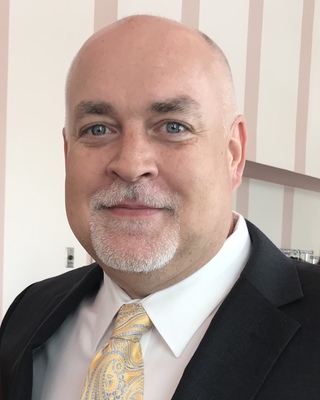
Now recruiting for an anxiety management group using Acceptance and Commitment Therapy (ACT). This evidence-based approach aims to change the relationship individuals have with unwanted or feared thoughts, feelings, images, memories, and physical/body sensations. Acceptance, mindfulness strategies, and much more are used to teach clients to decrease avoidance, reduce attachment to thoughts, focus on the present and develop psychological flexibility, or the ability to adapt to changing situations or "roll with the changes in life." Clients learn to clarify their goals and values and to commit to behavioral change strategies. Please contact Dr. Bean if interested!
We are a group of diverse, client-centered, trauma-informed, licensed professional therapists with over 100 years of combined clinical experience. Our goal is to come alongside you as you navigate challenges with renewed hope and confidence. Our therapists have a diverse background of clinical experiences from a multitude of settings such as inpatient/PHP programs, rehab centers, hospitals, military bases, home health agencies, higher education, public health, insurance companies, and non-profit organizations. Our collective experience offers our clients a holistic approach to treatment utilizing the most evidence-based treatment options and clinical expertise. learn more at Pllccounseling.associates

We are a group of diverse, client-centered, trauma-informed, licensed professional therapists with over 100 years of combined clinical experience. Our goal is to come alongside you as you navigate challenges with renewed hope and confidence. Our therapists have a diverse background of clinical experiences from a multitude of settings such as inpatient/PHP programs, rehab centers, hospitals, military bases, home health agencies, higher education, public health, insurance companies, and non-profit organizations. Our collective experience offers our clients a holistic approach to treatment utilizing the most evidence-based treatment options and clinical expertise. learn more at Pllccounseling.associates
This is a 4-week group that explores the domains of wellness. During our time, we will build a supportive, collaborative group that will explore tools for resiliency and coping within each domain. Depending on group dynamics, we might explore self-compassion, mindfulness, creativity, movement, and more. We also focus on SMART goal-setting to optimize our life experience. Get ready to live your best life!

This is a 4-week group that explores the domains of wellness. During our time, we will build a supportive, collaborative group that will explore tools for resiliency and coping within each domain. Depending on group dynamics, we might explore self-compassion, mindfulness, creativity, movement, and more. We also focus on SMART goal-setting to optimize our life experience. Get ready to live your best life!
The holidays are often linked to family traditions, cultural customs, and social expectations focused on love, laughter, and joy. However, for those who are grieving, the holiday season can bring up intense emotions and challenges. Grief impacts how you approach, prepare for, and experience the holidays. If you're grieving during this time, join us for an evening of community and support on Monday, December 8th, at Treasure Valley Therapy, LLC. Space is limited. Call or text (208) 352-0343 to reserve your spot today! $50 (*Insurance may apply).
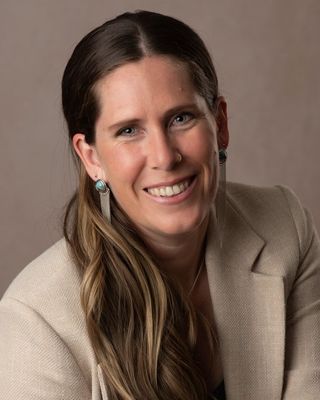
The holidays are often linked to family traditions, cultural customs, and social expectations focused on love, laughter, and joy. However, for those who are grieving, the holiday season can bring up intense emotions and challenges. Grief impacts how you approach, prepare for, and experience the holidays. If you're grieving during this time, join us for an evening of community and support on Monday, December 8th, at Treasure Valley Therapy, LLC. Space is limited. Call or text (208) 352-0343 to reserve your spot today! $50 (*Insurance may apply).
New attendees are welcome at any time. The 12 week curriculum is cyclical and ongoing. This group is court approved and we supply certificates upon completion. Please call to schedule a pre-screening appointment at (208) 515-7661. Indicators Anger & Stress Management May Benefit You Is your anger hurting you and the people around you? Are your emotions feeling out of control? Are you losing relationships because of your anger or stress? Do seemingly small problems tend to blow up into big problems?

New attendees are welcome at any time. The 12 week curriculum is cyclical and ongoing. This group is court approved and we supply certificates upon completion. Please call to schedule a pre-screening appointment at (208) 515-7661. Indicators Anger & Stress Management May Benefit You Is your anger hurting you and the people around you? Are your emotions feeling out of control? Are you losing relationships because of your anger or stress? Do seemingly small problems tend to blow up into big problems?
EMDR Intensives are provided in 8 hour, and 14 hour blocks of time over a condensed period of 1 week or weekend. The goal of an intensive is to make the most use of the processing time in longer sessions so we can expedite your progress toward feeling better. Please visit my website for offerings and to book a consult with me.

EMDR Intensives are provided in 8 hour, and 14 hour blocks of time over a condensed period of 1 week or weekend. The goal of an intensive is to make the most use of the processing time in longer sessions so we can expedite your progress toward feeling better. Please visit my website for offerings and to book a consult with me.
Has your partner been unfaithful in your marriage? Do you find it difficult to stop using pornography? LifeStar Boise is here to help. We offer sex addiction treatment services for those in and around the Boise, ID metro area. During group sessions, our curriculum based program, led by licensed counselors, provides you with the support and help you need to find recovery and healing. Our unique program is designed to not only to help the addict find recovery but to help the partner of the addict find healing too. For more information on our pornography addiction help services. Call 208-571-2723 for help NOW.

Has your partner been unfaithful in your marriage? Do you find it difficult to stop using pornography? LifeStar Boise is here to help. We offer sex addiction treatment services for those in and around the Boise, ID metro area. During group sessions, our curriculum based program, led by licensed counselors, provides you with the support and help you need to find recovery and healing. Our unique program is designed to not only to help the addict find recovery but to help the partner of the addict find healing too. For more information on our pornography addiction help services. Call 208-571-2723 for help NOW.
The Seven Principles Couples Program about what makes marriages succeed, and what happens when relationships deteriorate and fail, will encourage couples to get help in order to avoid the pitfalls of delaying or avoiding seeking assistance.
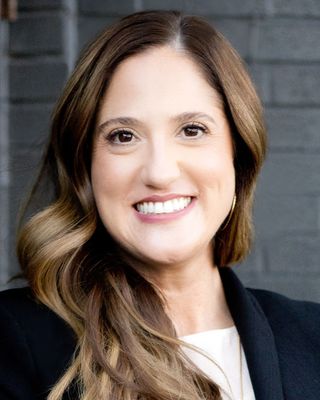
The Seven Principles Couples Program about what makes marriages succeed, and what happens when relationships deteriorate and fail, will encourage couples to get help in order to avoid the pitfalls of delaying or avoiding seeking assistance.
A Healing through the Stages of Grief support group is a safe, welcoming place where people understand the difficult emotions of grief. You’ll discover what to expect in the days ahead and what’s “normal” in grief. Since grief is not linear or orderly, you’ll learn helpful ways of coping with grief, and gain solid support through each and every stage of the grief process. You, ultimately, will learn how to control grief and to not let grief "win." Call 208-571-2723 to learn more about this group NOW.
A Healing through the Stages of Grief support group is a safe, welcoming place where people understand the difficult emotions of grief. You’ll discover what to expect in the days ahead and what’s “normal” in grief. Since grief is not linear or orderly, you’ll learn helpful ways of coping with grief, and gain solid support through each and every stage of the grief process. You, ultimately, will learn how to control grief and to not let grief "win." Call 208-571-2723 to learn more about this group NOW.
Join a processing group designed for men who want to move beyond surface-level talk. In this "here-and-now" environment, you'll gain real-time insights into how you relate to others and practice new ways of showing up in your life. What to expect: Direct support and comradery, focus on current emotions and interactions to improve outside relationships, and a safe space to test new behaviors and gain deep self-reflection.

Hosted by Wesley Peterson
Licensed Professional Counselor, MCoun, LPC
Group meets in Meridian, ID 83642
Join a processing group designed for men who want to move beyond surface-level talk. In this "here-and-now" environment, you'll gain real-time insights into how you relate to others and practice new ways of showing up in your life. What to expect: Direct support and comradery, focus on current emotions and interactions to improve outside relationships, and a safe space to test new behaviors and gain deep self-reflection.
Uzima Health Services offers a Dialectical Behavioral Therapy (DBT) group on Monday's from 11:00 am to 12:00 pm and Thursdays from 6:00 pm until 7:00 p.m. facilitated by Robert Franklin, LCSW. DBT groups typically run for 6 - 12 months and focus on skill building, including Distress Tolerance, Mindfulness, Emotional Regulation, and Interpersonal Effectiveness. The cost $25 for each session, but a sliding scale is available based on income. People can join at any time and repeat the group if they wish to do so. Call (208)869-9666 if you wish to attend.

Hosted by Robert L Franklin
Clinical Social Work/Therapist, LCSW, CCTP-II, DBT-C
Group meets in Boise, ID 83705
Uzima Health Services offers a Dialectical Behavioral Therapy (DBT) group on Monday's from 11:00 am to 12:00 pm and Thursdays from 6:00 pm until 7:00 p.m. facilitated by Robert Franklin, LCSW. DBT groups typically run for 6 - 12 months and focus on skill building, including Distress Tolerance, Mindfulness, Emotional Regulation, and Interpersonal Effectiveness. The cost $25 for each session, but a sliding scale is available based on income. People can join at any time and repeat the group if they wish to do so. Call (208)869-9666 if you wish to attend.
This free group is for ladies 50 and older who have been in abusive relationships with family members and would like to connect with others through a support group with some psychoeducational pieces. The first half hour is sharing in life through some coffee and group is 2 hours weekly.
This free group is for ladies 50 and older who have been in abusive relationships with family members and would like to connect with others through a support group with some psychoeducational pieces. The first half hour is sharing in life through some coffee and group is 2 hours weekly.
See more therapy options for 83706


FAQs - About Group Therapy and Support Groups
How can I find a support group in 83706?
To find a support group in your area, start by entering your city, zip code, or the name of the group into the search bar at the top of the page. When searching, consider whether you prefer an in-person or virtual group. This can help you decide how broad your geographic search should be. If you are open to virtual groups, you might want to search by state instead of just your city, especially if there are limited options nearby.
Once you complete your search, you can use the filters to narrow the results by selecting specialties (such as grief, trauma, or eating disorders), therapeutic approaches, age groups, and other criteria to find a group that best fits your needs.
How does group therapy work?
Group therapy is led by one or more trained therapists and provides a space where participants can process their experiences and learn from others facing similar challenges. Groups may focus on a specific issue—such as addiction, grief, physical illnesses, parenting, or caregiving—or they may center around a particular therapeutic approach, such as Cognitive Behavioral Therapy (CBT), social skill development, or Exposure Therapy. Some groups are also designed for specific populations, such as teens, veterans, or LGBTQ+ individuals.
It’s also important to distinguish group therapy from peer-led support groups, like Alcoholics Anonymous. While both can offer valuable support, therapy groups are typically led by licensed professionals and follow a more structured format. Therapy groups often meet for a fixed length of time with a consistent group of members, while many peer support groups meet for an indefinite period of time with members coming and going.
What are the benefits of group therapy?
Group therapy offers several important benefits. It brings together people facing similar challenges—whether related to mental health, physical health, or life transitions—and creates a supportive environment where participants can exchange feedback, share experiences, and learn from one another. Hearing different perspectives can help individuals discover new coping strategies and practical tools they may not have encountered on their own. Sharing personal experiences, such as coping with a serious illness or navigating family struggles, can also reduce feelings of isolation and foster a sense of connection and understanding. In addition to emotional support, group members often gain useful, real-world advice from peers who have faced similar situations.
Group therapy is typically more affordable than individual therapy and, for certain conditions, can be equally effective. Many groups also include structured activities—such as guided journaling, cognitive-behavioral exercises, or role-playing—to help participants develop concrete skills they can apply in daily life.
Is group therapy as effective as individual therapy?
It is difficult to make a blanket statement about the effectiveness of support groups, as they vary widely in focus and the conditions they address. However, support groups can be highly valuable in helping individuals gain emotional support and achieve meaningful treatment outcomes. For certain conditions, such as substance use, research has shown that group therapy can be particularly effective—sometimes just as effective as individual therapy—in supporting long-term recovery.
Many professionals attribute the effectiveness of group therapy to the unique benefits of the group setting, which fosters peer-to-peer learning and a sense of connection through shared experiences. Group settings also offer accountability and encouragement from both facilitators and fellow participants, which helps sustain motivation and supports continued progress. These factors together play a key role in promoting the overall effectiveness of group therapy.
How much does group therapy cost?
Group therapy is typically less expensive than individual therapy, with sessions typically costing between $50 and $75 each. In comparison, individual therapy can cost anywhere from $100 to $200 or more per session, even with insurance. Some therapists or organizations offer low-cost or free group therapy options, particularly through community centers or nonprofit organizations. In some cases, groups may require payment upfront for a set number of sessions, such as paying for six weekly sessions at the first meeting. However, many providers offer payment plans to help make participation more accessible if this upfront payment is required.
Does insurance cover group therapy?
As with individual therapy, insurance coverage for group therapy varies based on factors such as your specific insurance plan, the purpose of the group, your diagnosis, and whether the group provider is in-network. Many insurance plans cover group therapy sessions that address diagnosable mental health conditions, such as substance use disorders, anxiety, or depression.
However, groups that focus on topics not directly tied to a mental health diagnosis—such as parenting support or divorce recovery—are less likely to be covered. Because coverage can vary widely, it’s important to check with your insurance provider before joining a group to confirm whether the sessions will be covered and what out-of-pocket costs you may be responsible for.
How long does group therapy last?
The length of each group therapy session typically ranges from 45 minutes to two hours, depending on the therapy approach, the group’s goals, and how often the group meets. In some cases, group therapy is part of a larger treatment program, such as an Intensive Outpatient Program (IOP), where group sessions complement individual therapy and are scheduled as part of the program’s overall structure.
The duration of participation in a group also varies. Some groups are designed to be short-term, lasting anywhere from 6 to 24 weeks—for example, bereavement groups or skills-based groups like those using Dialectical Behavioral Therapy (DBT). Other groups may be longer-term, lasting a year or more, and some ongoing support groups meet indefinitely, allowing participants to stay as long as they find the group helpful.
What are the limitations of support groups?
Support groups offer many benefits, but they also have certain limitations. Unlike therapy groups, many support groups do not provide formal therapeutic treatment and are not led by licensed mental health professionals. For individuals seeking clinical treatment for specific mental health diagnoses—such as depression, eating disorders, or substance use—individual therapy or group therapy led by a licensed professional may offer more personalized and specialized care.
The effectiveness of a support group also depends heavily on the group’s participants and the overall group dynamic. When members engage respectfully and offer constructive support, the group can foster valuable peer-to-peer learning. However, if certain participants dominate discussions, provide inaccurate advice, or create conflict, it can disrupt the group’s sense of safety and reduce its effectiveness. Confidentiality can also be harder to maintain in support groups, particularly in open groups where participants can join or leave at any time. With new members regularly entering the group, it can be more difficult to build and sustain a consistent sense of trust and privacy.