Support Groups in 83422
We provide mental health therapy and executive function skill building for all ages.

Hosted by Teton Behavior Therapy
Clinical Social Work/Therapist, MSW, LCSW
Group meets in Driggs, ID 83422
We provide mental health therapy and executive function skill building for all ages.
This open group is for mental health professionals seeking connection, clinical support, professional supervision and guidance for demanding workloads in demanding times. All participants will be required to sign confidentiality statements at the time of the group meeting. Sliding fee available. Open to pre-licensed to seasoned mental health providers. Pre-registration is required to ensure space and group size is limited to 5 participants per session.

Hosted by Elizabeth Cheroutes
Clinical Social Work/Therapist, MSW, LCSW
Group meets in Driggs, ID 83422
This open group is for mental health professionals seeking connection, clinical support, professional supervision and guidance for demanding workloads in demanding times. All participants will be required to sign confidentiality statements at the time of the group meeting. Sliding fee available. Open to pre-licensed to seasoned mental health providers. Pre-registration is required to ensure space and group size is limited to 5 participants per session.
Online Groups
The Grief and Loss Support Group, offered through Hospice and Palliative Care of Eastern Idaho, is a free, community-based group open to anyone who has experienced the loss of a loved one. As a facilitator, I help create a welcoming and compassionate environment where participants can share their experiences, connect with others who are grieving, and explore healthy ways to cope. The group provides education about the grieving process, opportunities for reflection and discussion, and practical tools for navigating life after loss. Participants do not need to have received hospice services to attend, and all community members are welcome.
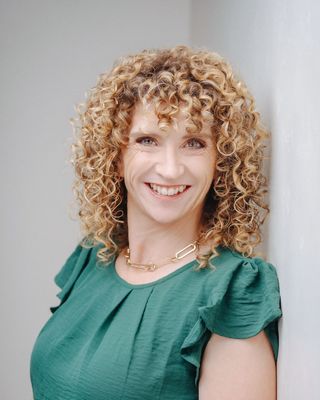
Hosted by Camille Moon Cook
Clinical Social Work/Therapist, LMSW
Group meets in Idaho Falls, ID 83401
The Grief and Loss Support Group, offered through Hospice and Palliative Care of Eastern Idaho, is a free, community-based group open to anyone who has experienced the loss of a loved one. As a facilitator, I help create a welcoming and compassionate environment where participants can share their experiences, connect with others who are grieving, and explore healthy ways to cope. The group provides education about the grieving process, opportunities for reflection and discussion, and practical tools for navigating life after loss. Participants do not need to have received hospice services to attend, and all community members are welcome.
In this psychoeducational workshop you will learn research proven ways to make your relationship thrive. This is intended for couples that are in committed relationships (you do not have to be married). It is great for newlyweds, premarital couples, and couples that have been together for sometime. There is an option for an in person workshop and a virtual workshop. Sign up here if you are interested: https://forms.gle/t21BEx7S4znNHJPJA

In this psychoeducational workshop you will learn research proven ways to make your relationship thrive. This is intended for couples that are in committed relationships (you do not have to be married). It is great for newlyweds, premarital couples, and couples that have been together for sometime. There is an option for an in person workshop and a virtual workshop. Sign up here if you are interested: https://forms.gle/t21BEx7S4znNHJPJA
Healing Springs Counseling LLC is a privately owned therapy clinic founded in 2023 by Jonathan Moses LCSW. Healing Springs Counseling’s mission is to help people overcome life’s challenges through effective approaches that encourage healing from the inside out.

Healing Springs Counseling LLC is a privately owned therapy clinic founded in 2023 by Jonathan Moses LCSW. Healing Springs Counseling’s mission is to help people overcome life’s challenges through effective approaches that encourage healing from the inside out.
This group is designed to allow men to connect with other men in a supportive, confidential environment that fosters personal growth and meaningful relationships. The goal is for participants to provide constructive feedback in a structured manner while practicing healthier, more authentic ways of communicating and relating to others. Participants will gain self-awareness and develop skills to navigate challenges related to trust, intimacy, boundaries, anxiety, and emotional expression without resorting to anger. Participants will gain insight into recurring relationship patterns and learn practical tools to build stronger connections at home, at work, and in their community. Great for those with high anxiety within relationships.
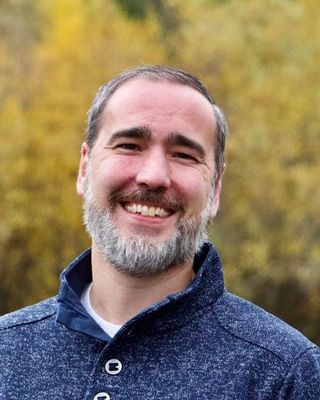
This group is designed to allow men to connect with other men in a supportive, confidential environment that fosters personal growth and meaningful relationships. The goal is for participants to provide constructive feedback in a structured manner while practicing healthier, more authentic ways of communicating and relating to others. Participants will gain self-awareness and develop skills to navigate challenges related to trust, intimacy, boundaries, anxiety, and emotional expression without resorting to anger. Participants will gain insight into recurring relationship patterns and learn practical tools to build stronger connections at home, at work, and in their community. Great for those with high anxiety within relationships.
Our weekly Mindfulness & Meditation Group meets Wednesdays from 7–8 PM and offers guided meditation, breathwork, and practical grounding skills in a calm, structured, non?therapy setting. Open to adults 18+, this drop?in group focuses on stress reduction, emotional regulation, and mind?body balance. Led by Stephen Howard, PhD (Saybrook University), the group continues unchanged as I move into my new office. Sessions are $20 each, payable at the door. I’m building the new registration list now, so feel free to contact me if you’d like to be added.

Our weekly Mindfulness & Meditation Group meets Wednesdays from 7–8 PM and offers guided meditation, breathwork, and practical grounding skills in a calm, structured, non?therapy setting. Open to adults 18+, this drop?in group focuses on stress reduction, emotional regulation, and mind?body balance. Led by Stephen Howard, PhD (Saybrook University), the group continues unchanged as I move into my new office. Sessions are $20 each, payable at the door. I’m building the new registration list now, so feel free to contact me if you’d like to be added.
Come join a nonjudgemental environment where you can share feelings with others who "get it." We are starting a book club for parents and grandparents experiencing no contact from their children. There are many good books out there with helpful information for us to find healing. We will pick a book, read it individually and then then get together once a month to talk about the things we found helpful, share our stories and support one another on this difficult journey. Please email me your contact information ASAP as the group size is limited to 10 participants. See you soon!
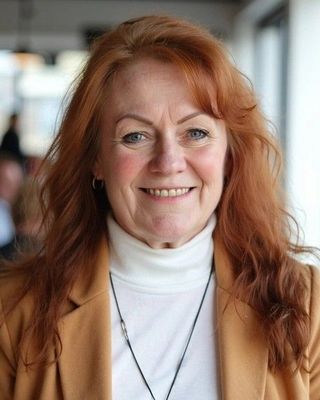
Hosted by Cindy Wade, LCPC Peaceful Empowerment Counseling
Licensed Professional Counselor, LCPC
Group meets in Pocatello, ID 83201
Come join a nonjudgemental environment where you can share feelings with others who "get it." We are starting a book club for parents and grandparents experiencing no contact from their children. There are many good books out there with helpful information for us to find healing. We will pick a book, read it individually and then then get together once a month to talk about the things we found helpful, share our stories and support one another on this difficult journey. Please email me your contact information ASAP as the group size is limited to 10 participants. See you soon!
This is a free group for Private Practice Individuals to come and discuss (using HIPPA compliance) cases that we would like feedback on, discuss difficulties in private practice, or run ideas by other clinicians. We meet the 3rd Friday of every month at my office, we hope to see you! If you have questions or concerns please reach out via call or text 208-557-1836.
This is a free group for Private Practice Individuals to come and discuss (using HIPPA compliance) cases that we would like feedback on, discuss difficulties in private practice, or run ideas by other clinicians. We meet the 3rd Friday of every month at my office, we hope to see you! If you have questions or concerns please reach out via call or text 208-557-1836.
Helping those struggling with substance learn to create freedom from use or addiction. Learn skills to prevent consistent or continuous relapse.

Hosted by Misty D Olsen
Licensed Professional Counselor, M COUN, LPC
Group meets in Pocatello, ID 83204
Helping those struggling with substance learn to create freedom from use or addiction. Learn skills to prevent consistent or continuous relapse.
Heartstone is a community-based children’s grief support program offered through Hospice and Palliative Care of Eastern Idaho for children and teens who have experienced the death of a loved one. The program provides a safe, supportive environment where young people can connect with peers who understand grief and learn that they are not alone. Through activities, creative expression, discussion, and play, participants explore emotions, develop healthy coping skills, and learn ways to navigate life after loss. Heartstone supports children and families as they adjust to change, honor their loved ones, and find connection, understanding, and hope together.
Hosted by Camille Moon Cook
Clinical Social Work/Therapist, LMSW
Group meets in Idaho Falls, ID 83402
Heartstone is a community-based children’s grief support program offered through Hospice and Palliative Care of Eastern Idaho for children and teens who have experienced the death of a loved one. The program provides a safe, supportive environment where young people can connect with peers who understand grief and learn that they are not alone. Through activities, creative expression, discussion, and play, participants explore emotions, develop healthy coping skills, and learn ways to navigate life after loss. Heartstone supports children and families as they adjust to change, honor their loved ones, and find connection, understanding, and hope together.
This group is for those who struggle to find peace within their body and soul. Are you constantly feeling not good enough? Do you punish yourself with workouts or restrict your eating with diet after diet? Is there a constant battle between your mind and body? You set goal after goal, only to let yourself down, yet again. This group is designed to help you strengthen your identity & purpose, learn healthy coping methods to life stressors, and use exercise and food for their natural purpose. You will learn skills to cut out the peaks and valleys that come with improving your lifestyle and health.
Hosted by Misty D Olsen
Licensed Professional Counselor, M COUN, LPC
Group meets in Pocatello, ID 83204
This group is for those who struggle to find peace within their body and soul. Are you constantly feeling not good enough? Do you punish yourself with workouts or restrict your eating with diet after diet? Is there a constant battle between your mind and body? You set goal after goal, only to let yourself down, yet again. This group is designed to help you strengthen your identity & purpose, learn healthy coping methods to life stressors, and use exercise and food for their natural purpose. You will learn skills to cut out the peaks and valleys that come with improving your lifestyle and health.
This is a group focused the recovery of both men and women for both addiction and betrayal trauma. Lifestar offers multiple options on days and times. This is a paid group. For more information please contact 208-313-7464

This is a group focused the recovery of both men and women for both addiction and betrayal trauma. Lifestar offers multiple options on days and times. This is a paid group. For more information please contact 208-313-7464
This weekly hybrid group offers a structured, clinician?facilitated space for veterans seeking grounding, connection, and practical coping skills. Support groups with clinical guidance are uncommon, and this format provides safety without trauma processing or recounting events. Drawing on my 17 years in the military, including 12 years as a USAF Chaplain, and extensive work with trauma, dissociation, and moral injury, the group focuses on regulation, identity recovery, and skills veterans can use daily. It blends peer support with evidence?informed tools for stability and connection. I’m building the new registration list now, so feel free to contact me to be added.
This weekly hybrid group offers a structured, clinician?facilitated space for veterans seeking grounding, connection, and practical coping skills. Support groups with clinical guidance are uncommon, and this format provides safety without trauma processing or recounting events. Drawing on my 17 years in the military, including 12 years as a USAF Chaplain, and extensive work with trauma, dissociation, and moral injury, the group focuses on regulation, identity recovery, and skills veterans can use daily. It blends peer support with evidence?informed tools for stability and connection. I’m building the new registration list now, so feel free to contact me to be added.
Partners of sexual addicts experience betrayal trauma, which has specific symptoms that are similar to PTSD. The discovery of addictive behaviors from the person you love can be one of the most painful attachment betrayal experiences a partner or spouse can ever go through. The feelings of hurt, confusion, anger, betrayal, and even numbness can be overwhelming. All partners deserve the chance to heal and restore a sense of balance, safety, peace, hope and serenity back into their lives, whether or not they decide to stay in the relationship. Let me help you heal from the pain of betrayal trauma.
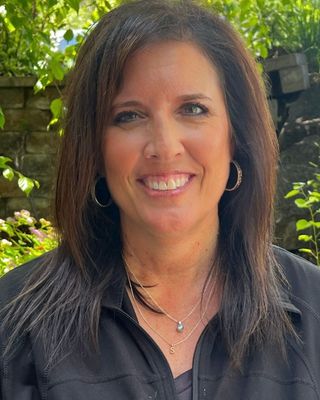
Partners of sexual addicts experience betrayal trauma, which has specific symptoms that are similar to PTSD. The discovery of addictive behaviors from the person you love can be one of the most painful attachment betrayal experiences a partner or spouse can ever go through. The feelings of hurt, confusion, anger, betrayal, and even numbness can be overwhelming. All partners deserve the chance to heal and restore a sense of balance, safety, peace, hope and serenity back into their lives, whether or not they decide to stay in the relationship. Let me help you heal from the pain of betrayal trauma.
Estrangement is a word that has become common in our society. Over 60 million families are affected by estranged/gone "no contact" children, in the USA alone. This epidemic is tearing families apart and breaking the hearts of parents and grandparents. In 2027 I will be offerring an online class geared to help navigate the pain and find peace while living through this difficult life event. The class will be 12 weeks long and offered virtually. Please let me know if you are interested and share the information with friends and family close or far away.
Hosted by Cindy Wade, LCPC Peaceful Empowerment Counseling
Licensed Professional Counselor, LCPC
Group meets in Pocatello, ID 83201
Estrangement is a word that has become common in our society. Over 60 million families are affected by estranged/gone "no contact" children, in the USA alone. This epidemic is tearing families apart and breaking the hearts of parents and grandparents. In 2027 I will be offerring an online class geared to help navigate the pain and find peace while living through this difficult life event. The class will be 12 weeks long and offered virtually. Please let me know if you are interested and share the information with friends and family close or far away.
This weekly group offers a rare, shame?free space for women navigating sexual addiction, hypersexuality, or patterns that feel out of control. Support for this issue is uncommon, and my dissertation work with survivors of CSA and SA informs a clear understanding of hyposexual, ambivalent, and hypersexual responses to trauma—as well as hypersexuality that develops independently over time. The group normalizes these experiences, reduces shame, and teaches women how to manage urges, understand patterns, and build healthier sexual regulation. I’m building the registration list now for those interested in joining.
This weekly group offers a rare, shame?free space for women navigating sexual addiction, hypersexuality, or patterns that feel out of control. Support for this issue is uncommon, and my dissertation work with survivors of CSA and SA informs a clear understanding of hyposexual, ambivalent, and hypersexual responses to trauma—as well as hypersexuality that develops independently over time. The group normalizes these experiences, reduces shame, and teaches women how to manage urges, understand patterns, and build healthier sexual regulation. I’m building the registration list now for those interested in joining.
It is difficult to be the Caregiver of a family member who has high mental health and physical health needs. This group will focus on tools to help with compassion fatigue and caregiver burnout. It will also assist in providing suggestions for external (community) resources and internal resources. This group will begin when I have a minimum of 5 interested individuals!

It is difficult to be the Caregiver of a family member who has high mental health and physical health needs. This group will focus on tools to help with compassion fatigue and caregiver burnout. It will also assist in providing suggestions for external (community) resources and internal resources. This group will begin when I have a minimum of 5 interested individuals!
You will never look at people in quite the same way again. Learn how to read expressions and map the minds of those you interact with daily. Recognize faces and feelings to improve your relationships, communication and confidence. This class is packed with unique insights and skills to read body language and micro expressions. Learn to read the language of emotion and connect more deeply to the people that impact your world. Call today to be added to the waiting list.

Hosted by Katie Leavitt
Licensed Professional Counselor, LPC, NCC, MA, MCoun
Group meets in Pocatello, ID 83201
You will never look at people in quite the same way again. Learn how to read expressions and map the minds of those you interact with daily. Recognize faces and feelings to improve your relationships, communication and confidence. This class is packed with unique insights and skills to read body language and micro expressions. Learn to read the language of emotion and connect more deeply to the people that impact your world. Call today to be added to the waiting list.
Franson Mental Health offers telehealth psychiatry services, specializing in psychiatric medication management and cognitive behavior therapy. We focus on addressing stress, anxiety, and depression in individuals managing chronic physical and mental illnesses. Our approach prioritizes skill acquisition before medication management, ensuring prescriptions align with each individual's specific needs. This client-centered approach tailors treatment plans to address unique goals. Sessions are 50 minutes long.

Hosted by Brenda B Franson
Psychiatric Nurse Practitioner, DNP, PMHNPBC
Group meets in Rexburg, ID 83440
Franson Mental Health offers telehealth psychiatry services, specializing in psychiatric medication management and cognitive behavior therapy. We focus on addressing stress, anxiety, and depression in individuals managing chronic physical and mental illnesses. Our approach prioritizes skill acquisition before medication management, ensuring prescriptions align with each individual's specific needs. This client-centered approach tailors treatment plans to address unique goals. Sessions are 50 minutes long.
See more therapy options for 83422

FAQs - About Group Therapy and Support Groups
How can I find a support group in 83422?
To find a support group in your area, start by entering your city, zip code, or the name of the group into the search bar at the top of the page. When searching, consider whether you prefer an in-person or virtual group. This can help you decide how broad your geographic search should be. If you are open to virtual groups, you might want to search by state instead of just your city, especially if there are limited options nearby.
Once you complete your search, you can use the filters to narrow the results by selecting specialties (such as grief, trauma, or eating disorders), therapeutic approaches, age groups, and other criteria to find a group that best fits your needs.
How does group therapy work?
Group therapy is led by one or more trained therapists and provides a space where participants can process their experiences and learn from others facing similar challenges. Groups may focus on a specific issue—such as addiction, grief, physical illnesses, parenting, or caregiving—or they may center around a particular therapeutic approach, such as Cognitive Behavioral Therapy (CBT), social skill development, or Exposure Therapy. Some groups are also designed for specific populations, such as teens, veterans, or LGBTQ+ individuals.
It’s also important to distinguish group therapy from peer-led support groups, like Alcoholics Anonymous. While both can offer valuable support, therapy groups are typically led by licensed professionals and follow a more structured format. Therapy groups often meet for a fixed length of time with a consistent group of members, while many peer support groups meet for an indefinite period of time with members coming and going.
What are the benefits of group therapy?
Group therapy offers several important benefits. It brings together people facing similar challenges—whether related to mental health, physical health, or life transitions—and creates a supportive environment where participants can exchange feedback, share experiences, and learn from one another. Hearing different perspectives can help individuals discover new coping strategies and practical tools they may not have encountered on their own. Sharing personal experiences, such as coping with a serious illness or navigating family struggles, can also reduce feelings of isolation and foster a sense of connection and understanding. In addition to emotional support, group members often gain useful, real-world advice from peers who have faced similar situations.
Group therapy is typically more affordable than individual therapy and, for certain conditions, can be equally effective. Many groups also include structured activities—such as guided journaling, cognitive-behavioral exercises, or role-playing—to help participants develop concrete skills they can apply in daily life.
Is group therapy as effective as individual therapy?
It is difficult to make a blanket statement about the effectiveness of support groups, as they vary widely in focus and the conditions they address. However, support groups can be highly valuable in helping individuals gain emotional support and achieve meaningful treatment outcomes. For certain conditions, such as substance use, research has shown that group therapy can be particularly effective—sometimes just as effective as individual therapy—in supporting long-term recovery.
Many professionals attribute the effectiveness of group therapy to the unique benefits of the group setting, which fosters peer-to-peer learning and a sense of connection through shared experiences. Group settings also offer accountability and encouragement from both facilitators and fellow participants, which helps sustain motivation and supports continued progress. These factors together play a key role in promoting the overall effectiveness of group therapy.
How much does group therapy cost?
Group therapy is typically less expensive than individual therapy, with sessions typically costing between $50 and $75 each. In comparison, individual therapy can cost anywhere from $100 to $200 or more per session, even with insurance. Some therapists or organizations offer low-cost or free group therapy options, particularly through community centers or nonprofit organizations. In some cases, groups may require payment upfront for a set number of sessions, such as paying for six weekly sessions at the first meeting. However, many providers offer payment plans to help make participation more accessible if this upfront payment is required.
Does insurance cover group therapy?
As with individual therapy, insurance coverage for group therapy varies based on factors such as your specific insurance plan, the purpose of the group, your diagnosis, and whether the group provider is in-network. Many insurance plans cover group therapy sessions that address diagnosable mental health conditions, such as substance use disorders, anxiety, or depression.
However, groups that focus on topics not directly tied to a mental health diagnosis—such as parenting support or divorce recovery—are less likely to be covered. Because coverage can vary widely, it’s important to check with your insurance provider before joining a group to confirm whether the sessions will be covered and what out-of-pocket costs you may be responsible for.
How long does group therapy last?
The length of each group therapy session typically ranges from 45 minutes to two hours, depending on the therapy approach, the group’s goals, and how often the group meets. In some cases, group therapy is part of a larger treatment program, such as an Intensive Outpatient Program (IOP), where group sessions complement individual therapy and are scheduled as part of the program’s overall structure.
The duration of participation in a group also varies. Some groups are designed to be short-term, lasting anywhere from 6 to 24 weeks—for example, bereavement groups or skills-based groups like those using Dialectical Behavioral Therapy (DBT). Other groups may be longer-term, lasting a year or more, and some ongoing support groups meet indefinitely, allowing participants to stay as long as they find the group helpful.
What are the limitations of support groups?
Support groups offer many benefits, but they also have certain limitations. Unlike therapy groups, many support groups do not provide formal therapeutic treatment and are not led by licensed mental health professionals. For individuals seeking clinical treatment for specific mental health diagnoses—such as depression, eating disorders, or substance use—individual therapy or group therapy led by a licensed professional may offer more personalized and specialized care.
The effectiveness of a support group also depends heavily on the group’s participants and the overall group dynamic. When members engage respectfully and offer constructive support, the group can foster valuable peer-to-peer learning. However, if certain participants dominate discussions, provide inaccurate advice, or create conflict, it can disrupt the group’s sense of safety and reduce its effectiveness. Confidentiality can also be harder to maintain in support groups, particularly in open groups where participants can join or leave at any time. With new members regularly entering the group, it can be more difficult to build and sustain a consistent sense of trust and privacy.