Support Groups in 80634
Unlock your potential with "StrongHusband Mastermind Pro." Join a brotherhood of men, receive expert coaching, and become your best self, married or divorced. Belong to a supportive community for accountability and encouragement. Progress in relationships, business, spirituality, parenting, and health. Connect with like-minded men for growth (<10/group). Create a clear life transformation strategy. Access the proven "StrongHusband Blueprint Program" for development. Experience deep brotherhood. Share challenges, victories, and insights in a safe space with like-minded men. ***NOTE: Building trust takes time. 3-month commitment required! Apply now for this transformative journey.
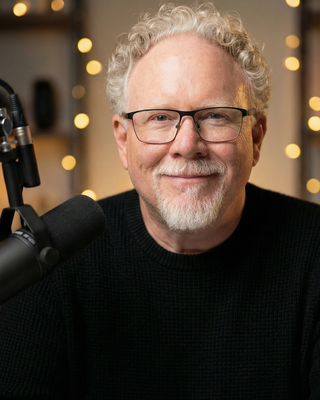
Unlock your potential with "StrongHusband Mastermind Pro." Join a brotherhood of men, receive expert coaching, and become your best self, married or divorced. Belong to a supportive community for accountability and encouragement. Progress in relationships, business, spirituality, parenting, and health. Connect with like-minded men for growth (<10/group). Create a clear life transformation strategy. Access the proven "StrongHusband Blueprint Program" for development. Experience deep brotherhood. Share challenges, victories, and insights in a safe space with like-minded men. ***NOTE: Building trust takes time. 3-month commitment required! Apply now for this transformative journey.
Adult DBT Group - Virtual
Hosted by Specialty Counseling & Consulting, LLC
Clinical Social Work/Therapist, LCSW
Group meets in Greeley, CO 80634
Adult DBT Group - Virtual
** I am not currently running a group. **

** I am not currently running a group. **
A place of healing an camaraderie for people who have survived abuse by a narcissistic partner. We'll use Dr. Ramani Durvasula's book "It's Not You" as our guiding text. Over the ten weeks, you'll learn important skills for moving on from a narcissistic relationship, armoring yourself against narcissistic abuse and manipulation in the future, and finding the confidence to live, love and be your most authentic self again.

A place of healing an camaraderie for people who have survived abuse by a narcissistic partner. We'll use Dr. Ramani Durvasula's book "It's Not You" as our guiding text. Over the ten weeks, you'll learn important skills for moving on from a narcissistic relationship, armoring yourself against narcissistic abuse and manipulation in the future, and finding the confidence to live, love and be your most authentic self again.
The Colorado Center for Trauma and Attachment serves individual, couples and families in northern Colorado. We provide specialized treatment for those who have suffered complex trauma, grief and loss.

Hosted by Andrea Shindle
Licensed Professional Counselor, MA, NCC, LPC
Group meets in Greeley, CO 80634
The Colorado Center for Trauma and Attachment serves individual, couples and families in northern Colorado. We provide specialized treatment for those who have suffered complex trauma, grief and loss.
Those who have experienced a past abortion often experience shame, questions, anger, and sometimes regret. This group is for women who would like to find healing, freedom, and forgiveness from their past abortion experience- even if it seems unreachable at times.
This group explores healing through the grief process with topics like anger, loss, depression, shame, forgiveness, and other related areas of grief. We use an eclectic approach including some experiential and art therapy techniques. Please contact me for more information about joining this group.

Hosted by Nichole Miller
Licensed Professional Counselor, MA, LPC, NCC
Group meets in Greeley, CO 80634
Those who have experienced a past abortion often experience shame, questions, anger, and sometimes regret. This group is for women who would like to find healing, freedom, and forgiveness from their past abortion experience- even if it seems unreachable at times.
This group explores healing through the grief process with topics like anger, loss, depression, shame, forgiveness, and other related areas of grief. We use an eclectic approach including some experiential and art therapy techniques. Please contact me for more information about joining this group.
The Wall experience is a critical part of the spiritual journey. Many times the Wall can feel lonely, confusing, dark, and full of questions.
Most importantly, the Wall experience brings us to a place of surrender and healing.
If you find yourself in the midst of a Wall experience... join us for this 2 day retreat as we process our experiences through prayer, discussion, & creativity.
Please call or email for more information.
Hosted by Nichole Miller
Licensed Professional Counselor, MA, LPC, NCC
Group meets in Greeley, CO 80634
The Wall experience is a critical part of the spiritual journey. Many times the Wall can feel lonely, confusing, dark, and full of questions.
Most importantly, the Wall experience brings us to a place of surrender and healing.
If you find yourself in the midst of a Wall experience... join us for this 2 day retreat as we process our experiences through prayer, discussion, & creativity.
Please call or email for more information.
Do you long to express yourself in creative ways but find that you get stuck in fear, perfectionism, or are just unsure of where to begin? Art journaling is a unique form of expression that uses a mixed-media approach which allows both the artist and non-artist to discover their own form of creativity. You'll quickly find that art journaling will help you process emotions, events, prayers, and aids in decision making and self-awareness. This workshop meets on a variety of Saturdays this fall and winter. Contact me for more information and to reserve your spot!
Hosted by Nichole Miller
Licensed Professional Counselor, MA, LPC, NCC
Group meets in Greeley, CO 80634
Do you long to express yourself in creative ways but find that you get stuck in fear, perfectionism, or are just unsure of where to begin? Art journaling is a unique form of expression that uses a mixed-media approach which allows both the artist and non-artist to discover their own form of creativity. You'll quickly find that art journaling will help you process emotions, events, prayers, and aids in decision making and self-awareness. This workshop meets on a variety of Saturdays this fall and winter. Contact me for more information and to reserve your spot!
Support Group forming for widows and widowers who have lost their spouse/partner to cancer. Coping strategies, challenges of resuming life alone and the profound impact of loss will be discussed in a safe space. Meeting days/times to be determined. Please call/text Liz if interested.

Support Group forming for widows and widowers who have lost their spouse/partner to cancer. Coping strategies, challenges of resuming life alone and the profound impact of loss will be discussed in a safe space. Meeting days/times to be determined. Please call/text Liz if interested.
This group is for men that are divorced only. Discussion topics will be driven by group members. Topic areas can include but not limited to: loss of family, starting over, loneliness, spirituality, anger, depression, and financial stability. My focus in this group will be to bring tools, resources, and coping strategies to support group members recovery from this life changing event in their lives.

This group is for men that are divorced only. Discussion topics will be driven by group members. Topic areas can include but not limited to: loss of family, starting over, loneliness, spirituality, anger, depression, and financial stability. My focus in this group will be to bring tools, resources, and coping strategies to support group members recovery from this life changing event in their lives.
More Groups Nearby
At Higher Sights Counseling we have a team of dedicated and trained psychotherapists who specialize in marital counseling, anxiety, depression, trauma/PTSD, family and other relationship issues, ADD/ADHD, and addiction/substance abuse. Our therapists use Cognitive Behavioral Therapy, Dialectical Behavioral Therapy, the Gottman Method, Emotionally Focused Therapy, and a combination of many more researched-based approaches specified for your unique needs. Visit us today at HigherSightsCounseling.com to learn more!

Hosted by My Dynamic Being, LLC
Clinical Social Work/Therapist, MSW , LCSW
Group meets in Fort Collins, CO 80524
At Higher Sights Counseling we have a team of dedicated and trained psychotherapists who specialize in marital counseling, anxiety, depression, trauma/PTSD, family and other relationship issues, ADD/ADHD, and addiction/substance abuse. Our therapists use Cognitive Behavioral Therapy, Dialectical Behavioral Therapy, the Gottman Method, Emotionally Focused Therapy, and a combination of many more researched-based approaches specified for your unique needs. Visit us today at HigherSightsCounseling.com to learn more!
A weekly group for people living with chronic illness to feel seen, supported, and understood— while processing the real stuff, building resilience, and finding hope alongside others who get it. In this group you can share what’s on your heart, process the emotional ups and downs, get and give support, explore coping tools, feel less alone and more empowered.
A weekly group for people living with chronic illness to feel seen, supported, and understood— while processing the real stuff, building resilience, and finding hope alongside others who get it. In this group you can share what’s on your heart, process the emotional ups and downs, get and give support, explore coping tools, feel less alone and more empowered.
A supportive space for LGBTQ+ teens and young adults exploring identity, self-worth, and relationships. This group focuses on empowerment, connection, and resilience. We use discussion, creative expression, and mindfulness to build confidence and community. All identities welcome. Format: Online (Colorado residents) Age Group: 16–30 Status: Now forming Cost: $40/session
Hosted by Kate LGBTQ Therapist in Colorado
Pre-Licensed Professional, MS
Group meets in Fort Collins, CO 80525
A supportive space for LGBTQ+ teens and young adults exploring identity, self-worth, and relationships. This group focuses on empowerment, connection, and resilience. We use discussion, creative expression, and mindfulness to build confidence and community. All identities welcome. Format: Online (Colorado residents) Age Group: 16–30 Status: Now forming Cost: $40/session
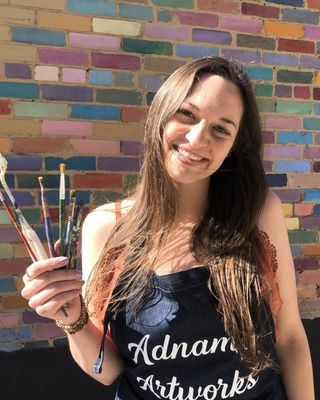
Creative Support is an art-based group for youth ages 14–17 to connect with others, explore self-expression, and discover more about themselves through the creative process. Through engaging art projects and group activities, teens have the opportunity to explore their identities, express emotions, build meaningful connections, and unwind in a welcoming, nonjudgmental environment. The group offers a safe and supportive space for youth to be their authentic selves, connect with peers, and receive support from a therapist. Please reach out about current offerings!
Hosted by restART studio - Art Therapy
Licensed Professional Counselor, LPC, LAC, ATR-BC
Group meets in Longmont, CO 80501
Creative Support is an art-based group for youth ages 14–17 to connect with others, explore self-expression, and discover more about themselves through the creative process. Through engaging art projects and group activities, teens have the opportunity to explore their identities, express emotions, build meaningful connections, and unwind in a welcoming, nonjudgmental environment. The group offers a safe and supportive space for youth to be their authentic selves, connect with peers, and receive support from a therapist. Please reach out about current offerings!
This group provides a supportive, confidential space for women in recovery from substance use and co-occurring mental health challenges. Participants explore emotional, relational, and identity-based aspects of recovery while building skills for regulation, self-trust, and connection. The group integrates evidence-based approaches with experiential practices, including mindfulness, values exploration, and boundary-setting, while addressing the impacts of trauma, shame, and attachment. Emphasis is placed on authenticity, mutual support, and self-compassion. Participants are encouraged to move at their own pace as they strengthen resilience, insight, and a sense of belonging in recovery.
This group provides a supportive, confidential space for women in recovery from substance use and co-occurring mental health challenges. Participants explore emotional, relational, and identity-based aspects of recovery while building skills for regulation, self-trust, and connection. The group integrates evidence-based approaches with experiential practices, including mindfulness, values exploration, and boundary-setting, while addressing the impacts of trauma, shame, and attachment. Emphasis is placed on authenticity, mutual support, and self-compassion. Participants are encouraged to move at their own pace as they strengthen resilience, insight, and a sense of belonging in recovery.
Lots of turmoil and major life decisions to be made in the young adult time frame. Pretty important to make the best decisions possible. This group is both an educational and support group. Will discuss career choice, life planning and college majors. Group will address issues regarding relationships, life choices, family situations and etc.

Hosted by Derek Filkins
Licensed Professional Counselor, MS, LPC
Group meets in Fort Collins, CO 80525
Lots of turmoil and major life decisions to be made in the young adult time frame. Pretty important to make the best decisions possible. This group is both an educational and support group. Will discuss career choice, life planning and college majors. Group will address issues regarding relationships, life choices, family situations and etc.
The clinical team at the Redpoint Center knows that clients need to apply new recovery skills in order to modify behaviors and establish healthy habits. This is why our clients participate in experiential groups. These groups take an individual out of education and into the application. Common examples found in our treatment setting include equine therapy, adventure-based therapy, yoga, mindfulness-based activities, and role-play exercises in psychodrama therapy.

The clinical team at the Redpoint Center knows that clients need to apply new recovery skills in order to modify behaviors and establish healthy habits. This is why our clients participate in experiential groups. These groups take an individual out of education and into the application. Common examples found in our treatment setting include equine therapy, adventure-based therapy, yoga, mindfulness-based activities, and role-play exercises in psychodrama therapy.
Our group will be open to adults 18 and older who have lost a significant person in their life. We are hear to help you support one another as you navigate this new journey in life without the physical presence of your loved one.

Hosted by Destination Hope Counseling of Colorado, LLC
Licensed Professional Counselor, MA, LPC
Group meets in Longmont, CO 80503
Our group will be open to adults 18 and older who have lost a significant person in their life. We are hear to help you support one another as you navigate this new journey in life without the physical presence of your loved one.
GROUPS for GIRLS The High School group meets on Mondays from 5-6:30 PM and the Middle School group starts Wednesdays from 4-5 PM Both groups require an 8 week commitment. Group topics will include, mindfulness, trusting your intuition, increasing self-esteem, healthy communication, sticking to your values, social media struggles, healthy relationships, healthy self-talk and more. Group participants will learn to use coping skills, emotion regulation techniques, as well as therapeutic journaling.
Hosted by Beyond the Mirror Counseling & Wellness
Licensed Professional Counselor, MEd, LPC, EMDR
Group meets in Fort Collins, CO 80524
GROUPS for GIRLS The High School group meets on Mondays from 5-6:30 PM and the Middle School group starts Wednesdays from 4-5 PM Both groups require an 8 week commitment. Group topics will include, mindfulness, trusting your intuition, increasing self-esteem, healthy communication, sticking to your values, social media struggles, healthy relationships, healthy self-talk and more. Group participants will learn to use coping skills, emotion regulation techniques, as well as therapeutic journaling.
Mindfulness & Safe and Sound Protocol (SSP) 10-week group for neurodivergent adults (ADHD, autism, anxiety & more) Neuro Arts! is a neurodivergent nervous system regulation program using music and polyvagal interventions. It combines evidence-based practices to support emotional regulation, focus, and well-being. Sessions include: Evidence Based Mindfulness techniques to improve attention and reduce stress. Expressive arts therapy: music creation, lyric writing. Safe and Sound Protocol listening therapy to reduce anxiety and support nervous system regulation.

Mindfulness & Safe and Sound Protocol (SSP) 10-week group for neurodivergent adults (ADHD, autism, anxiety & more) Neuro Arts! is a neurodivergent nervous system regulation program using music and polyvagal interventions. It combines evidence-based practices to support emotional regulation, focus, and well-being. Sessions include: Evidence Based Mindfulness techniques to improve attention and reduce stress. Expressive arts therapy: music creation, lyric writing. Safe and Sound Protocol listening therapy to reduce anxiety and support nervous system regulation.
See more therapy options for 80634


FAQs - About Group Therapy and Support Groups
How can I find a support group in 80634?
To find a support group in your area, start by entering your city, zip code, or the name of the group into the search bar at the top of the page. When searching, consider whether you prefer an in-person or virtual group. This can help you decide how broad your geographic search should be. If you are open to virtual groups, you might want to search by state instead of just your city, especially if there are limited options nearby.
Once you complete your search, you can use the filters to narrow the results by selecting specialties (such as grief, trauma, or eating disorders), therapeutic approaches, age groups, and other criteria to find a group that best fits your needs.
How does group therapy work?
Group therapy is led by one or more trained therapists and provides a space where participants can process their experiences and learn from others facing similar challenges. Groups may focus on a specific issue—such as addiction, grief, physical illnesses, parenting, or caregiving—or they may center around a particular therapeutic approach, such as Cognitive Behavioral Therapy (CBT), social skill development, or Exposure Therapy. Some groups are also designed for specific populations, such as teens, veterans, or LGBTQ+ individuals.
It’s also important to distinguish group therapy from peer-led support groups, like Alcoholics Anonymous. While both can offer valuable support, therapy groups are typically led by licensed professionals and follow a more structured format. Therapy groups often meet for a fixed length of time with a consistent group of members, while many peer support groups meet for an indefinite period of time with members coming and going.
What are the benefits of group therapy?
Group therapy offers several important benefits. It brings together people facing similar challenges—whether related to mental health, physical health, or life transitions—and creates a supportive environment where participants can exchange feedback, share experiences, and learn from one another. Hearing different perspectives can help individuals discover new coping strategies and practical tools they may not have encountered on their own. Sharing personal experiences, such as coping with a serious illness or navigating family struggles, can also reduce feelings of isolation and foster a sense of connection and understanding. In addition to emotional support, group members often gain useful, real-world advice from peers who have faced similar situations.
Group therapy is typically more affordable than individual therapy and, for certain conditions, can be equally effective. Many groups also include structured activities—such as guided journaling, cognitive-behavioral exercises, or role-playing—to help participants develop concrete skills they can apply in daily life.
Is group therapy as effective as individual therapy?
It is difficult to make a blanket statement about the effectiveness of support groups, as they vary widely in focus and the conditions they address. However, support groups can be highly valuable in helping individuals gain emotional support and achieve meaningful treatment outcomes. For certain conditions, such as substance use, research has shown that group therapy can be particularly effective—sometimes just as effective as individual therapy—in supporting long-term recovery.
Many professionals attribute the effectiveness of group therapy to the unique benefits of the group setting, which fosters peer-to-peer learning and a sense of connection through shared experiences. Group settings also offer accountability and encouragement from both facilitators and fellow participants, which helps sustain motivation and supports continued progress. These factors together play a key role in promoting the overall effectiveness of group therapy.
How much does group therapy cost?
Group therapy is typically less expensive than individual therapy, with sessions typically costing between $50 and $75 each. In comparison, individual therapy can cost anywhere from $100 to $200 or more per session, even with insurance. Some therapists or organizations offer low-cost or free group therapy options, particularly through community centers or nonprofit organizations. In some cases, groups may require payment upfront for a set number of sessions, such as paying for six weekly sessions at the first meeting. However, many providers offer payment plans to help make participation more accessible if this upfront payment is required.
Does insurance cover group therapy?
As with individual therapy, insurance coverage for group therapy varies based on factors such as your specific insurance plan, the purpose of the group, your diagnosis, and whether the group provider is in-network. Many insurance plans cover group therapy sessions that address diagnosable mental health conditions, such as substance use disorders, anxiety, or depression.
However, groups that focus on topics not directly tied to a mental health diagnosis—such as parenting support or divorce recovery—are less likely to be covered. Because coverage can vary widely, it’s important to check with your insurance provider before joining a group to confirm whether the sessions will be covered and what out-of-pocket costs you may be responsible for.
How long does group therapy last?
The length of each group therapy session typically ranges from 45 minutes to two hours, depending on the therapy approach, the group’s goals, and how often the group meets. In some cases, group therapy is part of a larger treatment program, such as an Intensive Outpatient Program (IOP), where group sessions complement individual therapy and are scheduled as part of the program’s overall structure.
The duration of participation in a group also varies. Some groups are designed to be short-term, lasting anywhere from 6 to 24 weeks—for example, bereavement groups or skills-based groups like those using Dialectical Behavioral Therapy (DBT). Other groups may be longer-term, lasting a year or more, and some ongoing support groups meet indefinitely, allowing participants to stay as long as they find the group helpful.
What are the limitations of support groups?
Support groups offer many benefits, but they also have certain limitations. Unlike therapy groups, many support groups do not provide formal therapeutic treatment and are not led by licensed mental health professionals. For individuals seeking clinical treatment for specific mental health diagnoses—such as depression, eating disorders, or substance use—individual therapy or group therapy led by a licensed professional may offer more personalized and specialized care.
The effectiveness of a support group also depends heavily on the group’s participants and the overall group dynamic. When members engage respectfully and offer constructive support, the group can foster valuable peer-to-peer learning. However, if certain participants dominate discussions, provide inaccurate advice, or create conflict, it can disrupt the group’s sense of safety and reduce its effectiveness. Confidentiality can also be harder to maintain in support groups, particularly in open groups where participants can join or leave at any time. With new members regularly entering the group, it can be more difficult to build and sustain a consistent sense of trust and privacy.