Support Groups in 80524
The Chronic Pain & Illness Therapy Group will help you rewire the neural networks that can cause chronic pain & other symptoms. This group is appropriate for individuals who have neuroplastic symptoms, including conditions like fibromyalgia, migraine, headache, long COVID, IBS, POTS, chronic pain syndromes, back & neck pain, EDS, & others. If interested, we'll contact you & conduct a free assessment to see if your symptoms are appropriate for this type of therapy. The group is for people living in Colorado & meets weekly online for 8 weeks starting 9/16/2026. See my website for more information.
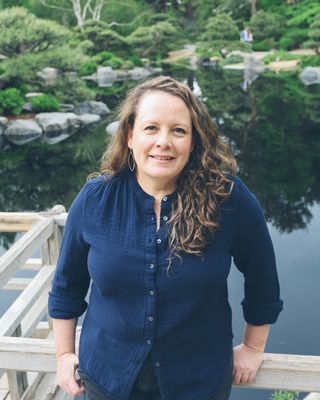
Hosted by Kelly Shea
Clinical Social Work/Therapist, LCSW, MSW
Group meets in Fort Collins, CO 80524
The Chronic Pain & Illness Therapy Group will help you rewire the neural networks that can cause chronic pain & other symptoms. This group is appropriate for individuals who have neuroplastic symptoms, including conditions like fibromyalgia, migraine, headache, long COVID, IBS, POTS, chronic pain syndromes, back & neck pain, EDS, & others. If interested, we'll contact you & conduct a free assessment to see if your symptoms are appropriate for this type of therapy. The group is for people living in Colorado & meets weekly online for 8 weeks starting 9/16/2026. See my website for more information.
At Higher Sights Counseling we have a team of dedicated and trained psychotherapists who specialize in marital counseling, anxiety, depression, trauma/PTSD, family and other relationship issues, ADD/ADHD, and addiction/substance abuse. Our therapists use Cognitive Behavioral Therapy, Dialectical Behavioral Therapy, the Gottman Method, Emotionally Focused Therapy, and a combination of many more researched-based approaches specified for your unique needs. Visit us today at HigherSightsCounseling.com to learn more!

Hosted by My Dynamic Being, LLC
Clinical Social Work/Therapist, MSW , LCSW
Group meets in Fort Collins, CO 80524
At Higher Sights Counseling we have a team of dedicated and trained psychotherapists who specialize in marital counseling, anxiety, depression, trauma/PTSD, family and other relationship issues, ADD/ADHD, and addiction/substance abuse. Our therapists use Cognitive Behavioral Therapy, Dialectical Behavioral Therapy, the Gottman Method, Emotionally Focused Therapy, and a combination of many more researched-based approaches specified for your unique needs. Visit us today at HigherSightsCounseling.com to learn more!
Struggling to find a therapist who's the right fit for you? This workshop can help you learn the ins and outs of what therapy actually is and your rights as a client, identify the kind of therapist and approach that fits you, access scripts for interviewing as well as breaking up with a therapist, and explore tools like worksheets, quizzes, and cheat sheets to help you start your therapy journey with confidence. Here's your soft launch into therapy. Join me Saturday, September 26th, 9a-11a PT.
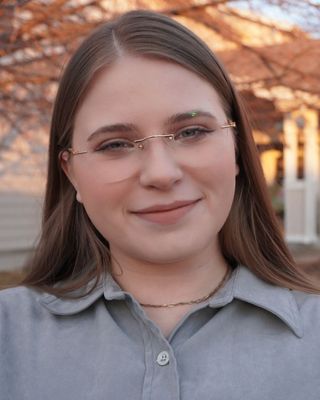
Hosted by Jasmine Quistorf
Licensed Professional Counselor Candidate, LPCC
Group meets in Fort Collins, CO 80524
Struggling to find a therapist who's the right fit for you? This workshop can help you learn the ins and outs of what therapy actually is and your rights as a client, identify the kind of therapist and approach that fits you, access scripts for interviewing as well as breaking up with a therapist, and explore tools like worksheets, quizzes, and cheat sheets to help you start your therapy journey with confidence. Here's your soft launch into therapy. Join me Saturday, September 26th, 9a-11a PT.
Our world is filled with messages about who women are and who we ought to be. With all of these external filters, it becomes increasingly hard to listen to our inner voice. As women our individual silence or hiding impacts the greater collective. Through reading, prompts, conversation, and meditation we will journey together. Lead by therapist, Lindy Pearson, The Circle of Women Group is a space where our individual and collective healing is co-created and witnessed. Many of us bear the wounds of relationships. Our wellness is found in our unity, not in our isolation.
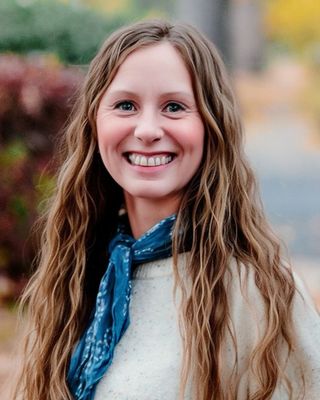
Hosted by Lindy Pearson Counseling
Licensed Professional Counselor, MA, LPC
Group meets in Fort Collins, CO 80524
Our world is filled with messages about who women are and who we ought to be. With all of these external filters, it becomes increasingly hard to listen to our inner voice. As women our individual silence or hiding impacts the greater collective. Through reading, prompts, conversation, and meditation we will journey together. Lead by therapist, Lindy Pearson, The Circle of Women Group is a space where our individual and collective healing is co-created and witnessed. Many of us bear the wounds of relationships. Our wellness is found in our unity, not in our isolation.
1) Mindfulness- you learn the art of focusing your attention on one thing at a time, and how to be fully present in the moment. 2) Emotional regulation- you learn how to experience and express your emotions in a safe and meaningful way. 3) Distress Tolerance- you learn how to tolerate and manage distressing emotions and situations by practicing new skills and behaviors including self-soothing, distracting, problem-solving and improving the moment. 4) Interpersonal Effectiveness- you learn how to build and maintain healthy relationships and how to achieve a greater sense of self respect.
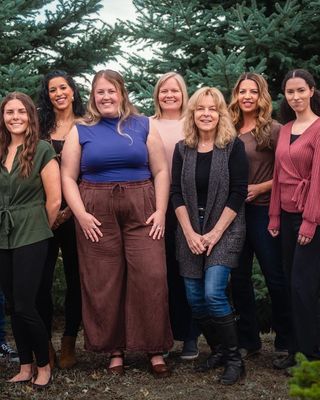
Hosted by Beyond the Mirror Counseling & Wellness
Licensed Professional Counselor, MEd, LPC, EMDR
Group meets in Fort Collins, CO 80524
1) Mindfulness- you learn the art of focusing your attention on one thing at a time, and how to be fully present in the moment. 2) Emotional regulation- you learn how to experience and express your emotions in a safe and meaningful way. 3) Distress Tolerance- you learn how to tolerate and manage distressing emotions and situations by practicing new skills and behaviors including self-soothing, distracting, problem-solving and improving the moment. 4) Interpersonal Effectiveness- you learn how to build and maintain healthy relationships and how to achieve a greater sense of self respect.
The Calm Corner is a biweekly, free virtual group focusing on mindfulness, wellness, grounding, and self-growth. This group is a welcoming space to slow down, connect, and learn practical tools for stress management and emotional well-being. Each meeting will offer approachable education, guided reflection, and practical skills you can use in everyday life.

Hosted by Jenna Grace Rushton
Clinical Social Work/Therapist, LCSW, LAC
Group meets in Fort Collins, CO 80524
The Calm Corner is a biweekly, free virtual group focusing on mindfulness, wellness, grounding, and self-growth. This group is a welcoming space to slow down, connect, and learn practical tools for stress management and emotional well-being. Each meeting will offer approachable education, guided reflection, and practical skills you can use in everyday life.
For doctoral-level clinicians accruing hours toward licensure: I offer general clinical supervision covering case conceptualization, clinical and ethical judgment, and the broader professional development of early-career practice. My approach is developmental, curious, and strength-based — supervision aimed at building genuine confidence, not just logging hours. For licensed psychologists seeking consultation or additional supervision: I offer focused work in my area of specialty — patterns of over-functioning, emotional caretaking, and self-doubt rooted in early family dynamics. Individual and group formats available. Reach out to schedule a consultation to discuss fit and rates.

For doctoral-level clinicians accruing hours toward licensure: I offer general clinical supervision covering case conceptualization, clinical and ethical judgment, and the broader professional development of early-career practice. My approach is developmental, curious, and strength-based — supervision aimed at building genuine confidence, not just logging hours. For licensed psychologists seeking consultation or additional supervision: I offer focused work in my area of specialty — patterns of over-functioning, emotional caretaking, and self-doubt rooted in early family dynamics. Individual and group formats available. Reach out to schedule a consultation to discuss fit and rates.
Currently screening participants for a monthly LCSW supervision group. Please contact me to schedule a supervision group screening appointment.

Hosted by Andrea Caggiano
Clinical Social Work/Therapist, LCSW, LAC, CST
Group meets in Fort Collins, CO 80524
Currently screening participants for a monthly LCSW supervision group. Please contact me to schedule a supervision group screening appointment.
As humans we embrace births and talk about the beauty of the beginning of life while we avoid talking about death as this is a death avoidant culture. This group will provide members the opportunity to reflect on life through talking about death. This group is for individuals with a terminal condition or someone close to them experiencing a terminal condition.

Hosted by Ardis Lo
Licensed Professional Counselor, MS, LPC-S, RPT-S, CTMH
Group meets in Fort Collins, CO 80524
As humans we embrace births and talk about the beauty of the beginning of life while we avoid talking about death as this is a death avoidant culture. This group will provide members the opportunity to reflect on life through talking about death. This group is for individuals with a terminal condition or someone close to them experiencing a terminal condition.
This group offers a supportive space to explore identity, relationships, and patterns that shape how you experience yourself and others. Through guided conversation and relational connection, participants gain insight into emotional responses, protective strategies, and early influences on self-development. Together, we gently uncover parts of the self that may feel hidden, overlooked, or disconnected, fostering greater self-awareness and compassion. This group is ideal for those seeking a deeper understanding of who they are, how they relate, and how past experiences influence present-day life, to build a more integrated and authentic sense of self.
Hosted by Lindy Pearson Counseling
Licensed Professional Counselor, MA, LPC
Group meets in Fort Collins, CO 80524
This group offers a supportive space to explore identity, relationships, and patterns that shape how you experience yourself and others. Through guided conversation and relational connection, participants gain insight into emotional responses, protective strategies, and early influences on self-development. Together, we gently uncover parts of the self that may feel hidden, overlooked, or disconnected, fostering greater self-awareness and compassion. This group is ideal for those seeking a deeper understanding of who they are, how they relate, and how past experiences influence present-day life, to build a more integrated and authentic sense of self.
GROUPS for GIRLS The High School group meets on Mondays from 5-6:30 PM and the Middle School group starts Wednesdays from 4-5 PM Both groups require an 8 week commitment. Group topics will include, mindfulness, trusting your intuition, increasing self-esteem, healthy communication, sticking to your values, social media struggles, healthy relationships, healthy self-talk and more. Group participants will learn to use coping skills, emotion regulation techniques, as well as therapeutic journaling.
Hosted by Beyond the Mirror Counseling & Wellness
Licensed Professional Counselor, MEd, LPC, EMDR
Group meets in Fort Collins, CO 80524
GROUPS for GIRLS The High School group meets on Mondays from 5-6:30 PM and the Middle School group starts Wednesdays from 4-5 PM Both groups require an 8 week commitment. Group topics will include, mindfulness, trusting your intuition, increasing self-esteem, healthy communication, sticking to your values, social media struggles, healthy relationships, healthy self-talk and more. Group participants will learn to use coping skills, emotion regulation techniques, as well as therapeutic journaling.
Women’s TELETHERAPY Group for Mindful Moments of Compassion It’s an interesting time in the world. There is ample time to sit with ourselves. This can be hard to do in some moments. It can feel lonely in some moments. This is a group for women to connect with other women during this time that feels more isolative. We will talk about creating mindful moments of compassion in relationship with ourselves, our lives, and others. This Group is open to all Colorado residents. WWW.BEYONDTHEMIRROR.ORG
Hosted by Beyond the Mirror Counseling & Wellness
Licensed Professional Counselor, MEd, LPC, EMDR
Group meets in Fort Collins, CO 80524
Women’s TELETHERAPY Group for Mindful Moments of Compassion It’s an interesting time in the world. There is ample time to sit with ourselves. This can be hard to do in some moments. It can feel lonely in some moments. This is a group for women to connect with other women during this time that feels more isolative. We will talk about creating mindful moments of compassion in relationship with ourselves, our lives, and others. This Group is open to all Colorado residents. WWW.BEYONDTHEMIRROR.ORG
Therapy On The Square offers virtual and in person caregiving groups focused on supporting caregivers in relationship building skills to increase knowledge and most importantly, connection with children in developmentally appropriate modality of care by teaching caregivers therapeutic skills and communication.
Hosted by Ardis Lo
Licensed Professional Counselor, MS, LPC-S, RPT-S, CTMH
Group meets in Fort Collins, CO 80524
Therapy On The Square offers virtual and in person caregiving groups focused on supporting caregivers in relationship building skills to increase knowledge and most importantly, connection with children in developmentally appropriate modality of care by teaching caregivers therapeutic skills and communication.
ADHD: Insight, Skills & Self-Acceptance is a biweekly virtual group for adults who want to better understand their ADHD, develop practical strategies, and let go of the shame that often comes from trying to function in systems that weren’t designed for their brains. Rather than focusing on simply “trying harder,” this group helps participants learn to work with their brains instead of against them. Topics include ADHD motivation and executive functioning, shame and internalized “shoulds,” task initiation, creating ADHD-friendly systems for everyday life, rejection sensitivity and intense emotions, burnout and fluctuating capacity, and masking and authenticity.
Hosted by Jenna Grace Rushton
Clinical Social Work/Therapist, LCSW, LAC
Group meets in Fort Collins, CO 80524
ADHD: Insight, Skills & Self-Acceptance is a biweekly virtual group for adults who want to better understand their ADHD, develop practical strategies, and let go of the shame that often comes from trying to function in systems that weren’t designed for their brains. Rather than focusing on simply “trying harder,” this group helps participants learn to work with their brains instead of against them. Topics include ADHD motivation and executive functioning, shame and internalized “shoulds,” task initiation, creating ADHD-friendly systems for everyday life, rejection sensitivity and intense emotions, burnout and fluctuating capacity, and masking and authenticity.
Helping individuals discover their power center, while learning to ways to take control of their different roles they move through within the day. Being purposeful while working within your own strengths and capabilities, improves your chances of living a life by choice rather than reacting to situations and people.

Hosted by Pamela Therease Iverson
Licensed Professional Counselor, LPC, CAS, EMDR
Group meets in Fort Collins, CO 80524
Helping individuals discover their power center, while learning to ways to take control of their different roles they move through within the day. Being purposeful while working within your own strengths and capabilities, improves your chances of living a life by choice rather than reacting to situations and people.
I have over 20 years of experience helping clients with Grief, Trauma and Sex Additions.

I have over 20 years of experience helping clients with Grief, Trauma and Sex Additions.
If you have experienced physical, sexual, or emotional abuse, please join us as we make positive steps toward healing in a community of women. All discussion will be in an atmosphere of safety and respect. Topics to be covered are: What it Means to be a Woman, Resources to Feel Better, Self-Esteem, Healthy Boundaries, Intimacy, Trust and Removing Guilt & Shame. The group also covers female sexuality and understanding trauma and abuse in relationships. Further topics: Decision Making, Trusting your Judgment and Healthy Communication Skills. For Colorado residents only. The group will run from Feb 26-Apr 29, 2024.

Hosted by Connie Mitchell
Licensed Professional Counselor, LPC, TMHC, EMDR, NCC
Group meets in Fort Collins, CO 80524
If you have experienced physical, sexual, or emotional abuse, please join us as we make positive steps toward healing in a community of women. All discussion will be in an atmosphere of safety and respect. Topics to be covered are: What it Means to be a Woman, Resources to Feel Better, Self-Esteem, Healthy Boundaries, Intimacy, Trust and Removing Guilt & Shame. The group also covers female sexuality and understanding trauma and abuse in relationships. Further topics: Decision Making, Trusting your Judgment and Healthy Communication Skills. For Colorado residents only. The group will run from Feb 26-Apr 29, 2024.
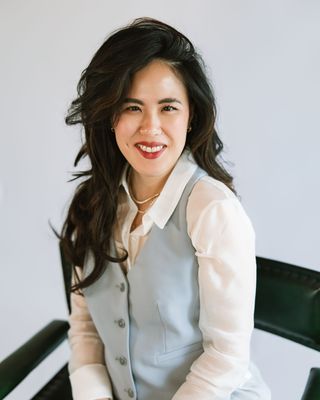
Hosted by Deborah Blythe
Marriage & Family Therapist, MS, LMFT
Group meets in Fort Collins, CO 80524
More Groups Nearby
In today's socio-cultural environment, those of us in helping/holistic professions, leadership roles, community organizing and caregiving often hold emotional space for others. If we are not also tending to our own hearts, we can experience burnout and a reliance on short-lived coping mechanisms that leave us feeling exhausted. This circle is designed for space holders as a sanctuary to realign, release what is not yours to hold, and reconnect with self-love and self-compassion. Addressing burnout isn't merely a wellness tool; it's a necessity that you truly deserve. Call for more details!
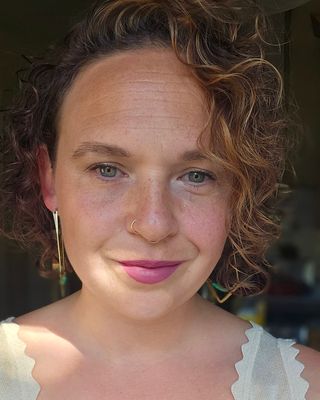
Hosted by Renee Wieszcholek
Clinical Social Work/Therapist, LCSW
Group meets in Fort Collins, CO 80521
In today's socio-cultural environment, those of us in helping/holistic professions, leadership roles, community organizing and caregiving often hold emotional space for others. If we are not also tending to our own hearts, we can experience burnout and a reliance on short-lived coping mechanisms that leave us feeling exhausted. This circle is designed for space holders as a sanctuary to realign, release what is not yours to hold, and reconnect with self-love and self-compassion. Addressing burnout isn't merely a wellness tool; it's a necessity that you truly deserve. Call for more details!
See more therapy options for 80524


FAQs - About Group Therapy and Support Groups
How can I find a support group in 80524?
To find a support group in your area, start by entering your city, zip code, or the name of the group into the search bar at the top of the page. When searching, consider whether you prefer an in-person or virtual group. This can help you decide how broad your geographic search should be. If you are open to virtual groups, you might want to search by state instead of just your city, especially if there are limited options nearby.
Once you complete your search, you can use the filters to narrow the results by selecting specialties (such as grief, trauma, or eating disorders), therapeutic approaches, age groups, and other criteria to find a group that best fits your needs.
How does group therapy work?
Group therapy is led by one or more trained therapists and provides a space where participants can process their experiences and learn from others facing similar challenges. Groups may focus on a specific issue—such as addiction, grief, physical illnesses, parenting, or caregiving—or they may center around a particular therapeutic approach, such as Cognitive Behavioral Therapy (CBT), social skill development, or Exposure Therapy. Some groups are also designed for specific populations, such as teens, veterans, or LGBTQ+ individuals.
It’s also important to distinguish group therapy from peer-led support groups, like Alcoholics Anonymous. While both can offer valuable support, therapy groups are typically led by licensed professionals and follow a more structured format. Therapy groups often meet for a fixed length of time with a consistent group of members, while many peer support groups meet for an indefinite period of time with members coming and going.
What are the benefits of group therapy?
Group therapy offers several important benefits. It brings together people facing similar challenges—whether related to mental health, physical health, or life transitions—and creates a supportive environment where participants can exchange feedback, share experiences, and learn from one another. Hearing different perspectives can help individuals discover new coping strategies and practical tools they may not have encountered on their own. Sharing personal experiences, such as coping with a serious illness or navigating family struggles, can also reduce feelings of isolation and foster a sense of connection and understanding. In addition to emotional support, group members often gain useful, real-world advice from peers who have faced similar situations.
Group therapy is typically more affordable than individual therapy and, for certain conditions, can be equally effective. Many groups also include structured activities—such as guided journaling, cognitive-behavioral exercises, or role-playing—to help participants develop concrete skills they can apply in daily life.
Is group therapy as effective as individual therapy?
It is difficult to make a blanket statement about the effectiveness of support groups, as they vary widely in focus and the conditions they address. However, support groups can be highly valuable in helping individuals gain emotional support and achieve meaningful treatment outcomes. For certain conditions, such as substance use, research has shown that group therapy can be particularly effective—sometimes just as effective as individual therapy—in supporting long-term recovery.
Many professionals attribute the effectiveness of group therapy to the unique benefits of the group setting, which fosters peer-to-peer learning and a sense of connection through shared experiences. Group settings also offer accountability and encouragement from both facilitators and fellow participants, which helps sustain motivation and supports continued progress. These factors together play a key role in promoting the overall effectiveness of group therapy.
How much does group therapy cost?
Group therapy is typically less expensive than individual therapy, with sessions typically costing between $50 and $75 each. In comparison, individual therapy can cost anywhere from $100 to $200 or more per session, even with insurance. Some therapists or organizations offer low-cost or free group therapy options, particularly through community centers or nonprofit organizations. In some cases, groups may require payment upfront for a set number of sessions, such as paying for six weekly sessions at the first meeting. However, many providers offer payment plans to help make participation more accessible if this upfront payment is required.
Does insurance cover group therapy?
As with individual therapy, insurance coverage for group therapy varies based on factors such as your specific insurance plan, the purpose of the group, your diagnosis, and whether the group provider is in-network. Many insurance plans cover group therapy sessions that address diagnosable mental health conditions, such as substance use disorders, anxiety, or depression.
However, groups that focus on topics not directly tied to a mental health diagnosis—such as parenting support or divorce recovery—are less likely to be covered. Because coverage can vary widely, it’s important to check with your insurance provider before joining a group to confirm whether the sessions will be covered and what out-of-pocket costs you may be responsible for.
How long does group therapy last?
The length of each group therapy session typically ranges from 45 minutes to two hours, depending on the therapy approach, the group’s goals, and how often the group meets. In some cases, group therapy is part of a larger treatment program, such as an Intensive Outpatient Program (IOP), where group sessions complement individual therapy and are scheduled as part of the program’s overall structure.
The duration of participation in a group also varies. Some groups are designed to be short-term, lasting anywhere from 6 to 24 weeks—for example, bereavement groups or skills-based groups like those using Dialectical Behavioral Therapy (DBT). Other groups may be longer-term, lasting a year or more, and some ongoing support groups meet indefinitely, allowing participants to stay as long as they find the group helpful.
What are the limitations of support groups?
Support groups offer many benefits, but they also have certain limitations. Unlike therapy groups, many support groups do not provide formal therapeutic treatment and are not led by licensed mental health professionals. For individuals seeking clinical treatment for specific mental health diagnoses—such as depression, eating disorders, or substance use—individual therapy or group therapy led by a licensed professional may offer more personalized and specialized care.
The effectiveness of a support group also depends heavily on the group’s participants and the overall group dynamic. When members engage respectfully and offer constructive support, the group can foster valuable peer-to-peer learning. However, if certain participants dominate discussions, provide inaccurate advice, or create conflict, it can disrupt the group’s sense of safety and reduce its effectiveness. Confidentiality can also be harder to maintain in support groups, particularly in open groups where participants can join or leave at any time. With new members regularly entering the group, it can be more difficult to build and sustain a consistent sense of trust and privacy.