Support Groups in 78238
Twinkle Peds Psych is a compassionate, behavioral health practice dedicated to supporting our clients through evidence-based psychiatric and psychological care. Our team includes Psychiatrists, PMHNPs, Psychologists, Licensed Professional Counselors, and Licensed Clinical Social Workers. We offer Psychiatric evaluation & medication management, Psychological evaluations, including ADHD and autism assessments (ADOS-2), Counseling and therapy (CBT, CPT, DBT-informed, play therapy), Treatment for anxiety, depression, PTSD, ADHD, bipolar disorder, OCD, autism, and behavioral concerns. Our team is committed to delivering high-quality, evidence-based care with warmth and cultural sensitivity. If you are seeking compassionate and comprehensive support, we are here to help. No waitlist.
Twinkle Peds Psych is a compassionate, behavioral health practice dedicated to supporting our clients through evidence-based psychiatric and psychological care. Our team includes Psychiatrists, PMHNPs, Psychologists, Licensed Professional Counselors, and Licensed Clinical Social Workers. We offer Psychiatric evaluation & medication management, Psychological evaluations, including ADHD and autism assessments (ADOS-2), Counseling and therapy (CBT, CPT, DBT-informed, play therapy), Treatment for anxiety, depression, PTSD, ADHD, bipolar disorder, OCD, autism, and behavioral concerns. Our team is committed to delivering high-quality, evidence-based care with warmth and cultural sensitivity. If you are seeking compassionate and comprehensive support, we are here to help. No waitlist.
More Groups Nearby
At San Antonio Pediatric & Adolescent Neuropsychology Specialists, we help families understand their child’s development through detailed neuropsychological evaluations and practical recommendations. We address academic, attention, emotional, and behavioral concerns with thoughtful, individualized care. In addition to assessments, we offer evidence-based therapy, academic tutoring, and executive functioning coaching for children, teens, parents, and adults. Our goal is to empower families with guidance and skills for success at home, school, and beyond.

Hosted by San Antonio Pediatric & Adolescent Neuropsychology
Psychologist, PsyD
Group meets in San Antonio, TX 78229
At San Antonio Pediatric & Adolescent Neuropsychology Specialists, we help families understand their child’s development through detailed neuropsychological evaluations and practical recommendations. We address academic, attention, emotional, and behavioral concerns with thoughtful, individualized care. In addition to assessments, we offer evidence-based therapy, academic tutoring, and executive functioning coaching for children, teens, parents, and adults. Our goal is to empower families with guidance and skills for success at home, school, and beyond.
get to know the basics of psychedelic assisted therapy and the importance of integration sessions.

Hosted by Alyssa Cedillo
Licensed Professional Counselor, MA, LPC-S, RPT-S, TX/CO
Group meets in San Antonio, TX 78212
get to know the basics of psychedelic assisted therapy and the importance of integration sessions.
Alpha Mike (Abort Mission): Veteran Society of Suicide Survivors (AM/VS3). Alpha Mike, a therapy group led by retired Army Major (Infantry), former Airborne Ranger (enlisted), with deployments to Colombia and Afghanistan. VS3’s mission: teach veterans the “How” of their suicide ideation; the pathway they took from situation normal to the terminal act of self-destruction. Suicide is a process, not impulsive, nor independent event; it is a decision, a derived ‘path of least resistance’ to end suffering, pain, guilt, shame, etc. Abort Mission! Consolidate and Reorganize, and Reconstitute; Take Charge of Your Life’s Mission!
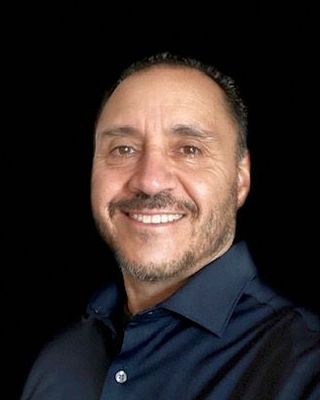
Hosted by Sergio R. Villarreal
Licensed Professional Counselor, LPC, MS, MA, MJA
Group meets in San Antonio, TX 78217
Alpha Mike (Abort Mission): Veteran Society of Suicide Survivors (AM/VS3). Alpha Mike, a therapy group led by retired Army Major (Infantry), former Airborne Ranger (enlisted), with deployments to Colombia and Afghanistan. VS3’s mission: teach veterans the “How” of their suicide ideation; the pathway they took from situation normal to the terminal act of self-destruction. Suicide is a process, not impulsive, nor independent event; it is a decision, a derived ‘path of least resistance’ to end suffering, pain, guilt, shame, etc. Abort Mission! Consolidate and Reorganize, and Reconstitute; Take Charge of Your Life’s Mission!
Process group for Veterans of all Eras to address difficulties adjusting to post-military life & Combat Trauma. Group Cognitive Processing Therapy (CPT) will be part of this group if there is group consensus.
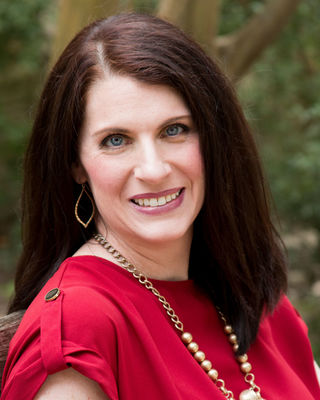
Hosted by Jamie Howard
Marriage & Family Therapist, PhD, LMFT, LCAS
Group meets in Bulverde, TX 78163
Process group for Veterans of all Eras to address difficulties adjusting to post-military life & Combat Trauma. Group Cognitive Processing Therapy (CPT) will be part of this group if there is group consensus.
A twelve-week group opportunity designed to explore the implications of our sexuality as women. There will be teaching, movie clips and conversations about what it means to be made in God's image as a woman.

Hosted by Jeanenne McCloskey
Licensed Professional Counselor, MA, LPC-S
Group meets in San Antonio, TX 78230
A twelve-week group opportunity designed to explore the implications of our sexuality as women. There will be teaching, movie clips and conversations about what it means to be made in God's image as a woman.
Shame Resilience works to address issues of underlying shame that often accompany trauma and eating disorders. You don't have to carry the shame.

Shame Resilience works to address issues of underlying shame that often accompany trauma and eating disorders. You don't have to carry the shame.
This is a couple workshop (for you and your partner) meant to start the healing process after finding out about intimacy betrayal- cheating, online adult addiction, emotional affairs, sexting habits, etc. The work is completed as a couple and includes 4 Individual sessions per person(1hrpersession)as well as 6 intensive couple sessions(3hrspersession). $5500 for 3-month package. If paid in full, $5000. Goals include disclosure of behaviors, development of communication and connection, promotion of safety within couple

Hosted by Cheryl Camarillo Helps Rebuild Relationships
Clinical Social Work/Therapist, LCSW
Group meets in San Antonio, TX 78213
This is a couple workshop (for you and your partner) meant to start the healing process after finding out about intimacy betrayal- cheating, online adult addiction, emotional affairs, sexting habits, etc. The work is completed as a couple and includes 4 Individual sessions per person(1hrpersession)as well as 6 intensive couple sessions(3hrspersession). $5500 for 3-month package. If paid in full, $5000. Goals include disclosure of behaviors, development of communication and connection, promotion of safety within couple
A space for couples to enhance their existing relationship, strengthen their foundation, and deepen their connection. One day Boot-Camp. $50.00-$95.00. Dates; 2/3/24, 5/25/24, 7/20/24 & 10/12/24 (Virtual and in-person options available). To register call us: 210.286.9339 or visit: https://rhapsodycounseling.com/events/
Hosted by Rhapsody Counseling and Wellness Center
Clinical Social Work/Therapist, EMDR, Imago
Group meets in San Antonio, TX 78249
A space for couples to enhance their existing relationship, strengthen their foundation, and deepen their connection. One day Boot-Camp. $50.00-$95.00. Dates; 2/3/24, 5/25/24, 7/20/24 & 10/12/24 (Virtual and in-person options available). To register call us: 210.286.9339 or visit: https://rhapsodycounseling.com/events/
Good relationships often credit their success to "good communication." Learn what good communication actually looks like and develop practical skills to strengthen if with your partner. This group runs for 2 Wednesday evenings, virtually. Counseling4Life facilitates this group twice a year. See GROUPS at www.counseling4lifellc.com for more information. Cost is free.

Hosted by Counseling4Life, LLC
Licensed Professional Counselor, LPC
Group meets in San Antonio, TX 78232
Good relationships often credit their success to "good communication." Learn what good communication actually looks like and develop practical skills to strengthen if with your partner. This group runs for 2 Wednesday evenings, virtually. Counseling4Life facilitates this group twice a year. See GROUPS at www.counseling4lifellc.com for more information. Cost is free.
Parenting issues involving difficult to manage children, keys to success in school, and method / resource sharing and refining for enhancing family environments.
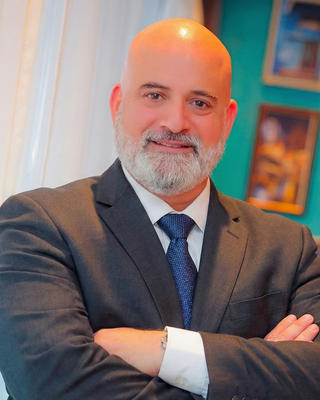
Hosted by Lucas Emilio Cantu
Licensed Professional Counselor, MA, LPC
Group meets in San Antonio, TX 78216
Parenting issues involving difficult to manage children, keys to success in school, and method / resource sharing and refining for enhancing family environments.
The Teen Creative Growth Group provides a supportive and engaging space for teens to explore emotions, build confidence, and connect with peers through creative activities and discussion. Using art, journaling, games, and other hands-on experiences, teens will develop healthy coping skills, strengthen self-esteem, improve communication, and learn effective ways to manage stress, anxiety, and life's challenges. This group encourages self-expression, personal growth, and meaningful connections in a safe, welcoming environment where teens can feel understood, supported, and empowered to be themselves.

Hosted by Ruth Castillo
Licensed Professional Counselor, MA, LPC
Group meets in San Antonio, TX 78213
The Teen Creative Growth Group provides a supportive and engaging space for teens to explore emotions, build confidence, and connect with peers through creative activities and discussion. Using art, journaling, games, and other hands-on experiences, teens will develop healthy coping skills, strengthen self-esteem, improve communication, and learn effective ways to manage stress, anxiety, and life's challenges. This group encourages self-expression, personal growth, and meaningful connections in a safe, welcoming environment where teens can feel understood, supported, and empowered to be themselves.
Court Ordered Drug and alcohol DWI Assessment options include in-person and on-line. We work with drug and alcohol addiction treatment centers in the San Antonio, TX area.

Hosted by Dr. Steven Gonzalez Bcba-D
Drug & Alcohol Counselor, PhD, BCBA-D, LBA, LCDC
Group meets in San Antonio, TX 78216
Court Ordered Drug and alcohol DWI Assessment options include in-person and on-line. We work with drug and alcohol addiction treatment centers in the San Antonio, TX area.
Have you experienced the trauma and pain of sexual betrayal--from pornography, emotional affairs, affairs, strip clubs, massage parlors, sexting or any type of sexual infidelity? Join us on a 31 week journey with our closed group to both support one another and learn how to heal the trauma that occurred whether it was recent or years ago. Create boundaries with consequences. Manage triggers and flooding. Articulate your needs and learn to communicate effectively. Practice creating a safe space to promote honesty and transparency in the relationship. Mostly gain the skills to feel safe moving forward--whatever that may be.

Hosted by Sherri Lambiase
Licensed Professional Counselor, LPC-S, CCSRRS
Group meets in San Antonio, TX 78258
Have you experienced the trauma and pain of sexual betrayal--from pornography, emotional affairs, affairs, strip clubs, massage parlors, sexting or any type of sexual infidelity? Join us on a 31 week journey with our closed group to both support one another and learn how to heal the trauma that occurred whether it was recent or years ago. Create boundaries with consequences. Manage triggers and flooding. Articulate your needs and learn to communicate effectively. Practice creating a safe space to promote honesty and transparency in the relationship. Mostly gain the skills to feel safe moving forward--whatever that may be.
Compassionate support for individuals navigating grief and loss. Whether you're coping with the death of a loved one, the end of a relationship, or any significant life change, I provide a safe and understanding space to help you process emotions and find healing. Together, we can explore ways to manage your grief and move forward at your own pace.

Compassionate support for individuals navigating grief and loss. Whether you're coping with the death of a loved one, the end of a relationship, or any significant life change, I provide a safe and understanding space to help you process emotions and find healing. Together, we can explore ways to manage your grief and move forward at your own pace.
Do you find yourself overthinking, avoiding situations where you might feel judged, or wanting closer connections but not knowing how? "Social Anxiety: Learn, Connect, Grow" is a small, support group for adults who want to address those challenges. The group is intended to help you connect with yourself and others in a more meaningful, authentic way. This is an in-person closed group with a maximum of six participants. Starting on November 3rd, the group will meet on Tuesday evenings from 6pm-7:30pm and will run for 8 sessions. Please email or see my website for more details.
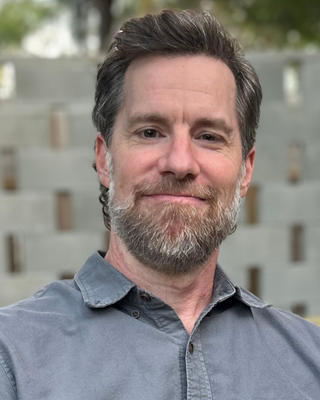
Do you find yourself overthinking, avoiding situations where you might feel judged, or wanting closer connections but not knowing how? "Social Anxiety: Learn, Connect, Grow" is a small, support group for adults who want to address those challenges. The group is intended to help you connect with yourself and others in a more meaningful, authentic way. This is an in-person closed group with a maximum of six participants. Starting on November 3rd, the group will meet on Tuesday evenings from 6pm-7:30pm and will run for 8 sessions. Please email or see my website for more details.
Our Adult Body Image & Body Kindness Group is a supportive and trauma-informed space for adults struggling with body image, self-worth, comparison, confidence, emotional eating patterns, or feeling disconnected from themselves. This group focuses on self-compassion, emotional wellness, healthier coping strategies, and building a kinder relationship with your body in a supportive and nonjudgmental environment. 6 week Group, Tuesdays, 5:30p-7:00pm, In person.

Our Adult Body Image & Body Kindness Group is a supportive and trauma-informed space for adults struggling with body image, self-worth, comparison, confidence, emotional eating patterns, or feeling disconnected from themselves. This group focuses on self-compassion, emotional wellness, healthier coping strategies, and building a kinder relationship with your body in a supportive and nonjudgmental environment. 6 week Group, Tuesdays, 5:30p-7:00pm, In person.
At San Antonio Pediatric & Adolescent Neuropsychology Specialists, we help families understand their child’s development through detailed neuropsychological evaluations and practical recommendations. We address academic, attention, emotional, and behavioral concerns with thoughtful, individualized care. In addition to assessments, we offer evidence-based therapy, academic tutoring, and executive functioning coaching for children, teens, parents, and adults. Our goal is to empower families with guidance and skills for success at home, school, and beyond.
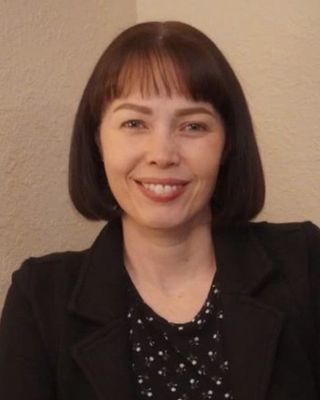
Hosted by San Antonio Pediatric & Adolescent Neuropsychology
Licensed Professional Counselor, MA, LPC
Group meets in San Antonio, TX 78229
At San Antonio Pediatric & Adolescent Neuropsychology Specialists, we help families understand their child’s development through detailed neuropsychological evaluations and practical recommendations. We address academic, attention, emotional, and behavioral concerns with thoughtful, individualized care. In addition to assessments, we offer evidence-based therapy, academic tutoring, and executive functioning coaching for children, teens, parents, and adults. Our goal is to empower families with guidance and skills for success at home, school, and beyond.
We’re made biologically and spiritually wired to connect with others! But sometimes, in our lives, we can feel disconnected and isolated from God. No one knows what you’ve been going through like those who’ve been through the same struggles. We offer three types of groups, Spirituality Connection, Premarital Counseling, and Divorce Support. These groups can be a great source of deep understanding, practical advice, spiritual growth, and a sense that You are not Alone!

Hosted by Maricruz Valdez
Licensed Professional Counselor, MA, CSC, LPC
Group meets in San Antonio, TX 78254
We’re made biologically and spiritually wired to connect with others! But sometimes, in our lives, we can feel disconnected and isolated from God. No one knows what you’ve been going through like those who’ve been through the same struggles. We offer three types of groups, Spirituality Connection, Premarital Counseling, and Divorce Support. These groups can be a great source of deep understanding, practical advice, spiritual growth, and a sense that You are not Alone!
Radically Open Dialectical Behavior Therapy (RO DBT) is a new evidence based treatment targeting a spectrum of disorders characterized by excessive self control, often referred to as overcontrol (OC). It is supported by 20 years of research. RO DBT treatment involves both individual treatment sessions and 30 skills training classes. The therapy targets maladaptive perfectionism, obsessional thinking, rumination, rigid behaviors, excessive self control, avoidance, and loneliness. Visit https://www.sanantoniodbtcbt.com for current class times.

Hosted by Center for Dialectical & Cognitive Behav Therapies
Licensed Professional Counselor, LMHC, LPC-S, LCSW, PsyD
Group meets in San Antonio, TX 78209
Radically Open Dialectical Behavior Therapy (RO DBT) is a new evidence based treatment targeting a spectrum of disorders characterized by excessive self control, often referred to as overcontrol (OC). It is supported by 20 years of research. RO DBT treatment involves both individual treatment sessions and 30 skills training classes. The therapy targets maladaptive perfectionism, obsessional thinking, rumination, rigid behaviors, excessive self control, avoidance, and loneliness. Visit https://www.sanantoniodbtcbt.com for current class times.
See more therapy options for 78238


FAQs - About Group Therapy and Support Groups
How can I find a support group in 78238?
To find a support group in your area, start by entering your city, zip code, or the name of the group into the search bar at the top of the page. When searching, consider whether you prefer an in-person or virtual group. This can help you decide how broad your geographic search should be. If you are open to virtual groups, you might want to search by state instead of just your city, especially if there are limited options nearby.
Once you complete your search, you can use the filters to narrow the results by selecting specialties (such as grief, trauma, or eating disorders), therapeutic approaches, age groups, and other criteria to find a group that best fits your needs.
How does group therapy work?
Group therapy is led by one or more trained therapists and provides a space where participants can process their experiences and learn from others facing similar challenges. Groups may focus on a specific issue—such as addiction, grief, physical illnesses, parenting, or caregiving—or they may center around a particular therapeutic approach, such as Cognitive Behavioral Therapy (CBT), social skill development, or Exposure Therapy. Some groups are also designed for specific populations, such as teens, veterans, or LGBTQ+ individuals.
It’s also important to distinguish group therapy from peer-led support groups, like Alcoholics Anonymous. While both can offer valuable support, therapy groups are typically led by licensed professionals and follow a more structured format. Therapy groups often meet for a fixed length of time with a consistent group of members, while many peer support groups meet for an indefinite period of time with members coming and going.
What are the benefits of group therapy?
Group therapy offers several important benefits. It brings together people facing similar challenges—whether related to mental health, physical health, or life transitions—and creates a supportive environment where participants can exchange feedback, share experiences, and learn from one another. Hearing different perspectives can help individuals discover new coping strategies and practical tools they may not have encountered on their own. Sharing personal experiences, such as coping with a serious illness or navigating family struggles, can also reduce feelings of isolation and foster a sense of connection and understanding. In addition to emotional support, group members often gain useful, real-world advice from peers who have faced similar situations.
Group therapy is typically more affordable than individual therapy and, for certain conditions, can be equally effective. Many groups also include structured activities—such as guided journaling, cognitive-behavioral exercises, or role-playing—to help participants develop concrete skills they can apply in daily life.
Is group therapy as effective as individual therapy?
It is difficult to make a blanket statement about the effectiveness of support groups, as they vary widely in focus and the conditions they address. However, support groups can be highly valuable in helping individuals gain emotional support and achieve meaningful treatment outcomes. For certain conditions, such as substance use, research has shown that group therapy can be particularly effective—sometimes just as effective as individual therapy—in supporting long-term recovery.
Many professionals attribute the effectiveness of group therapy to the unique benefits of the group setting, which fosters peer-to-peer learning and a sense of connection through shared experiences. Group settings also offer accountability and encouragement from both facilitators and fellow participants, which helps sustain motivation and supports continued progress. These factors together play a key role in promoting the overall effectiveness of group therapy.
How much does group therapy cost?
Group therapy is typically less expensive than individual therapy, with sessions typically costing between $50 and $75 each. In comparison, individual therapy can cost anywhere from $100 to $200 or more per session, even with insurance. Some therapists or organizations offer low-cost or free group therapy options, particularly through community centers or nonprofit organizations. In some cases, groups may require payment upfront for a set number of sessions, such as paying for six weekly sessions at the first meeting. However, many providers offer payment plans to help make participation more accessible if this upfront payment is required.
Does insurance cover group therapy?
As with individual therapy, insurance coverage for group therapy varies based on factors such as your specific insurance plan, the purpose of the group, your diagnosis, and whether the group provider is in-network. Many insurance plans cover group therapy sessions that address diagnosable mental health conditions, such as substance use disorders, anxiety, or depression.
However, groups that focus on topics not directly tied to a mental health diagnosis—such as parenting support or divorce recovery—are less likely to be covered. Because coverage can vary widely, it’s important to check with your insurance provider before joining a group to confirm whether the sessions will be covered and what out-of-pocket costs you may be responsible for.
How long does group therapy last?
The length of each group therapy session typically ranges from 45 minutes to two hours, depending on the therapy approach, the group’s goals, and how often the group meets. In some cases, group therapy is part of a larger treatment program, such as an Intensive Outpatient Program (IOP), where group sessions complement individual therapy and are scheduled as part of the program’s overall structure.
The duration of participation in a group also varies. Some groups are designed to be short-term, lasting anywhere from 6 to 24 weeks—for example, bereavement groups or skills-based groups like those using Dialectical Behavioral Therapy (DBT). Other groups may be longer-term, lasting a year or more, and some ongoing support groups meet indefinitely, allowing participants to stay as long as they find the group helpful.
What are the limitations of support groups?
Support groups offer many benefits, but they also have certain limitations. Unlike therapy groups, many support groups do not provide formal therapeutic treatment and are not led by licensed mental health professionals. For individuals seeking clinical treatment for specific mental health diagnoses—such as depression, eating disorders, or substance use—individual therapy or group therapy led by a licensed professional may offer more personalized and specialized care.
The effectiveness of a support group also depends heavily on the group’s participants and the overall group dynamic. When members engage respectfully and offer constructive support, the group can foster valuable peer-to-peer learning. However, if certain participants dominate discussions, provide inaccurate advice, or create conflict, it can disrupt the group’s sense of safety and reduce its effectiveness. Confidentiality can also be harder to maintain in support groups, particularly in open groups where participants can join or leave at any time. With new members regularly entering the group, it can be more difficult to build and sustain a consistent sense of trust and privacy.