Support Groups in 77002
Teen girls have fun in interactive sessions focusing on developing social skills to improve communication, emotional expression, and sense of self-worth to help them build healthy relationships. Teen girls are provided a safe space for honest conversations to practice real-world connections in a therapeutic and welcoming setting.

Hosted by Judith Alvarado
Licensed Professional Counselor, MEd, LPC, RPT
Group meets in Houston, TX 77002
Teen girls have fun in interactive sessions focusing on developing social skills to improve communication, emotional expression, and sense of self-worth to help them build healthy relationships. Teen girls are provided a safe space for honest conversations to practice real-world connections in a therapeutic and welcoming setting.
Treatment of mood disorders including depression, anxiety, addiction and others. Contact us for details.

Hosted by Leroy Scott
Licensed Professional Counselor, LPC, NCC, MS, LMHC
Group meets in Houston, TX 77002
Treatment of mood disorders including depression, anxiety, addiction and others. Contact us for details.
Parents of Teens participate in interactive sessions that bring parents together for mutual support and honest conversations. Parents of Teens learn parenting and effective communication skills needed to improve their family’s overall functioning. Parents of Teens are given a safe space to discuss their current challenges in a therapeutic setting.
Hosted by Judith Alvarado
Licensed Professional Counselor, MEd, LPC, RPT
Group meets in Houston, TX 77002
Parents of Teens participate in interactive sessions that bring parents together for mutual support and honest conversations. Parents of Teens learn parenting and effective communication skills needed to improve their family’s overall functioning. Parents of Teens are given a safe space to discuss their current challenges in a therapeutic setting.
Do you feel alone! Are you lost in the wilderness? Are you seeking a friend? Friends remind us that we are not alone. Friendships help us along the journey of life. Friends encourage us when we are down. Friends help us when we labor. Friends wage war against the enemy alongside us—and when we’re at our weakest, they defend us. Friends help us to keep going when the going gets rough. Our friendships should matter deeply to us because they matter deeply to God. You are welcome. Let's do life together as Godly friends.

Hosted by Dr. Edna O'Bryant
Drug & Alcohol Counselor, PhD, MC, MDiv, LCDC, CART
Group meets in Houston, TX 77002
Do you feel alone! Are you lost in the wilderness? Are you seeking a friend? Friends remind us that we are not alone. Friendships help us along the journey of life. Friends encourage us when we are down. Friends help us when we labor. Friends wage war against the enemy alongside us—and when we’re at our weakest, they defend us. Friends help us to keep going when the going gets rough. Our friendships should matter deeply to us because they matter deeply to God. You are welcome. Let's do life together as Godly friends.
Women participate in interactive sessions focusing on improving self-esteem and self-worth. Women are given a safe space to have honest conversations about unhealthy relationships, traumas, and parenting challenges in a therapeutic and confidential setting while receiving support from group. Focus: history of abuse and trauma.
Hosted by Judith Alvarado
Licensed Professional Counselor, MEd, LPC, RPT
Group meets in Houston, TX 77002
Women participate in interactive sessions focusing on improving self-esteem and self-worth. Women are given a safe space to have honest conversations about unhealthy relationships, traumas, and parenting challenges in a therapeutic and confidential setting while receiving support from group. Focus: history of abuse and trauma.
Come and book your session with me and let's grow together!

Come and book your session with me and let's grow together!
AM Recovery provides online, IOP group treatment for individuals looking for a supportive path to alcohol and drug recovery. Our team of licensed clinicians, create a safe and culturally competent environment for working professionals (18+). Our groups are conducted on a rolling basis, follow evidence-based curriculum, and explore a wide-range of areas proven to affect our sobriety. As the name suggest (AM Recovery), our groups are for early risers, giving individuals the opportunity to access needed help, while balancing work, family, and other personal responsibilities.

Hosted by Dr. Nicholas Hardy
Clinical Social Work/Therapist, PhD, LCSW
Group meets in Houston, TX 77002
AM Recovery provides online, IOP group treatment for individuals looking for a supportive path to alcohol and drug recovery. Our team of licensed clinicians, create a safe and culturally competent environment for working professionals (18+). Our groups are conducted on a rolling basis, follow evidence-based curriculum, and explore a wide-range of areas proven to affect our sobriety. As the name suggest (AM Recovery), our groups are for early risers, giving individuals the opportunity to access needed help, while balancing work, family, and other personal responsibilities.
Online therapy for those in Texas, Colorado and Florida! This group will consist of 7 sessions and each session will be 2 hours long. Brainspotting is a therapeutic approach that helps individuals access and process traumatic or difficult experiences. It can be helpful for people who are struggling with emotional or psychological issues. It is a type of therapy that is designed to help individuals access and process difficult emotions and memories that are often stored in the brain and body. Group brainspotting also utilizes components of theraplay, music and art. This group is cash pay only.

Online therapy for those in Texas, Colorado and Florida! This group will consist of 7 sessions and each session will be 2 hours long. Brainspotting is a therapeutic approach that helps individuals access and process traumatic or difficult experiences. It can be helpful for people who are struggling with emotional or psychological issues. It is a type of therapy that is designed to help individuals access and process difficult emotions and memories that are often stored in the brain and body. Group brainspotting also utilizes components of theraplay, music and art. This group is cash pay only.
More Groups Nearby
Substance use disorder, Relapse Prevention, Life Skills, Anger management, Parenting and Decision Making.

Hosted by Sherri Edwards Counseling & Associates
Drug & Alcohol Counselor, MS, LCDC, SAP, COPSD, CART
Group meets in Houston, TX 77054
Substance use disorder, Relapse Prevention, Life Skills, Anger management, Parenting and Decision Making.
From Surviving to Thriving is an 8-week trauma-informed healing group for Black men designed to support regulation, dignity, connection, and lasting growth. The program helps participants move beyond chronic survival patterns by learning nervous system stabilization, reclaiming identity beyond coping strategies, strengthening relational safety, and building sustainable daily practices. Grounded in somatic healing, CBT, and attachment-based principles, the group honors survival responses as adaptive while creating space for men to slow down, reconnect with themselves and others, and build lives rooted in choice, strength, and purpose.

Hosted by Drshonette R Jackson-Umeh
Licensed Professional Counselor, DR, LPC-S, LCDC, NAADAC, NCC
Group meets in Houston, TX 77098
From Surviving to Thriving is an 8-week trauma-informed healing group for Black men designed to support regulation, dignity, connection, and lasting growth. The program helps participants move beyond chronic survival patterns by learning nervous system stabilization, reclaiming identity beyond coping strategies, strengthening relational safety, and building sustainable daily practices. Grounded in somatic healing, CBT, and attachment-based principles, the group honors survival responses as adaptive while creating space for men to slow down, reconnect with themselves and others, and build lives rooted in choice, strength, and purpose.
This group helps young adults with Asperger's-type autism transition to adulthood. It is offered a part of The Adulting Program, which also includes a daily check-in at the office to help individuals get out of the house and prepare for adult life (e.g., school, work, job search, etc.). Also included in The Adulting Program is family therapy with parents and individual therapy. The program provides individualized goals with a daily action plan to move successfully move forward in life.

This group helps young adults with Asperger's-type autism transition to adulthood. It is offered a part of The Adulting Program, which also includes a daily check-in at the office to help individuals get out of the house and prepare for adult life (e.g., school, work, job search, etc.). Also included in The Adulting Program is family therapy with parents and individual therapy. The program provides individualized goals with a daily action plan to move successfully move forward in life.
We are passionate about creating an atmosphere of trust and safety where you can openly explore your thoughts, feelings, and behaviors without judgment. We actively engage in the therapeutic process and use a warm and empathetic style. We will guide you through a transformative experience & equip you with the tools needed to maintain your treatment gains. Our practice focuses primarily on: Individual and Couples Therapy, Interpersonal Relational Issues, Eating Disorders, Addiction Recovery, Depression, Anxiety, and Stress Reduction. We are trained in several modalities which have been supportive and useful in helping clients.
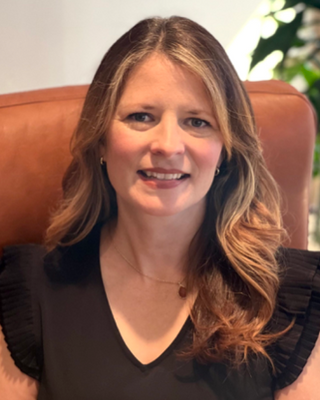
We are passionate about creating an atmosphere of trust and safety where you can openly explore your thoughts, feelings, and behaviors without judgment. We actively engage in the therapeutic process and use a warm and empathetic style. We will guide you through a transformative experience & equip you with the tools needed to maintain your treatment gains. Our practice focuses primarily on: Individual and Couples Therapy, Interpersonal Relational Issues, Eating Disorders, Addiction Recovery, Depression, Anxiety, and Stress Reduction. We are trained in several modalities which have been supportive and useful in helping clients.
Inviting you to engage with other parents and caregivers in an intentional and meaningful way. This group will provide the opportunity to gain skills and resources for parenting children ages 2-6 while also providing a therapeutic environment to discuss the challenges and struggles that come with this age group. Topics will include boundaries, discipline, co-parenting, emotion regulation, and many others. Looking for a diverse group of parents in regard to race, religion, gender, family makeup, sexual orientation, etc. to create a rich experience. Only one parent per family may join at this time. 8 group sessions beginning May 10.

Inviting you to engage with other parents and caregivers in an intentional and meaningful way. This group will provide the opportunity to gain skills and resources for parenting children ages 2-6 while also providing a therapeutic environment to discuss the challenges and struggles that come with this age group. Topics will include boundaries, discipline, co-parenting, emotion regulation, and many others. Looking for a diverse group of parents in regard to race, religion, gender, family makeup, sexual orientation, etc. to create a rich experience. Only one parent per family may join at this time. 8 group sessions beginning May 10.
You've said it clearly. You've said it calmly. You've said it frustrated. And somehow it still doesn't land. This small, private virtual group is for women who are tired of feeling unheard and ready to actually change the dynamic. Not venting sessions. Not commiserating. Practical tools for saying what you need in a way that finally gets through. We focus on Tone, Timing & Trust™ — the mechanics of communication that create connection instead of distance. Six weeks. Small group. Real skills. If you're ready to feel heard and stop carrying it alone, this is where you start.

Hosted by Delee D'Arcy
Marriage & Family Therapist, MA, LPC-S, LMFT-S
Group meets in Houston, TX 77058
You've said it clearly. You've said it calmly. You've said it frustrated. And somehow it still doesn't land. This small, private virtual group is for women who are tired of feeling unheard and ready to actually change the dynamic. Not venting sessions. Not commiserating. Practical tools for saying what you need in a way that finally gets through. We focus on Tone, Timing & Trust™ — the mechanics of communication that create connection instead of distance. Six weeks. Small group. Real skills. If you're ready to feel heard and stop carrying it alone, this is where you start.
Learn mindfulness, emotion regulation, distress tolerance, and interpersonal effectiveness skills in an immersive, dungeons and dragons campaign. The program also includes individual and family sessions.

Hosted by Katy DBT Center
Licensed Professional Counselor, MA, LPC, NCC
Group meets in Katy, TX 77450
Learn mindfulness, emotion regulation, distress tolerance, and interpersonal effectiveness skills in an immersive, dungeons and dragons campaign. The program also includes individual and family sessions.
This group is intended to allow members to heal and grow in community. The group container allows its members to reflect in ways not available in individual sessions.

Hosted by Linda Barnard
Licensed Professional Counselor, MS, LPC, EMDR-C, KAP
Group meets in Bellaire, TX 77401
This group is intended to allow members to heal and grow in community. The group container allows its members to reflect in ways not available in individual sessions.
Pregnancy and early postpartum can be such a wonderful and exciting time for new parents, however many women also experience increases in anxiety, depression, and relationship issues. In this group, we will explore common themes that effect your mental health during this unique time and use evidence-based methods to empower you to adapt in a healthy way to changes in your family, body, relationship, and lifestyle. Please let me know of your interest in this group by emailing info@emilyclairecounseling.com. Your first group session is free.

Hosted by Emily Gutierrez
Licensed Professional Counselor Associate, LPC-A
Group meets in Houston, TX 77070
Pregnancy and early postpartum can be such a wonderful and exciting time for new parents, however many women also experience increases in anxiety, depression, and relationship issues. In this group, we will explore common themes that effect your mental health during this unique time and use evidence-based methods to empower you to adapt in a healthy way to changes in your family, body, relationship, and lifestyle. Please let me know of your interest in this group by emailing info@emilyclairecounseling.com. Your first group session is free.
In this virtual 2 hour intensive you will learn about the intersection of trauma and attachment. Our attachment wounds are not pathological but leave imprints in our nervous systems that can be reactivated in our current and future attachments. If you repeat your trauma over and over, this intensive will help you identify triggers, beliefs, learn coping skills and boundaries to protect these imprints, leaving you with the ability to stop the cycle. eWorkbook can be found on my website tamaraallenlpc.com for $30.00. Contact me by email to see if this intensive would be helpful. tamaraallenlpc@gmail.com

Hosted by Tamara Allen Bush
Licensed Professional Counselor, CSAT-S, CMAT, LPC-S, ICGC-1
Group meets in Katy, TX 77450
In this virtual 2 hour intensive you will learn about the intersection of trauma and attachment. Our attachment wounds are not pathological but leave imprints in our nervous systems that can be reactivated in our current and future attachments. If you repeat your trauma over and over, this intensive will help you identify triggers, beliefs, learn coping skills and boundaries to protect these imprints, leaving you with the ability to stop the cycle. eWorkbook can be found on my website tamaraallenlpc.com for $30.00. Contact me by email to see if this intensive would be helpful. tamaraallenlpc@gmail.com
This seminar will help you to learn about the origins of your relationship model. You will learn how to develop healthy, updated relationship models that apply to who you are today. Share stories and find support as you change the way you see relationships. Call Scott for more information.

Hosted by Joseph Scott Anenberg
Licensed Professional Counselor, MA, LPC-S
Group meets in Houston, TX 77098
This seminar will help you to learn about the origins of your relationship model. You will learn how to develop healthy, updated relationship models that apply to who you are today. Share stories and find support as you change the way you see relationships. Call Scott for more information.
Our adult intensive outpatient program in Spring Texas offers a flexible and comprehensive approach to mental health treatment, allowing clients to continue working while receiving care. The program begins with a structured check-in process to ensure each participant's needs are promptly addressed. We utilize evidence-based assessments to track progress and growth, providing clear insights into each individual's development. Group counseling sessions focus on practicing DBT skills, helping adults process difficult thoughts, behaviors, and emotions in a supportive environment. This approach ensures immediate improvement while equipping participants with enduring skills for managing their mental health.

Our adult intensive outpatient program in Spring Texas offers a flexible and comprehensive approach to mental health treatment, allowing clients to continue working while receiving care. The program begins with a structured check-in process to ensure each participant's needs are promptly addressed. We utilize evidence-based assessments to track progress and growth, providing clear insights into each individual's development. Group counseling sessions focus on practicing DBT skills, helping adults process difficult thoughts, behaviors, and emotions in a supportive environment. This approach ensures immediate improvement while equipping participants with enduring skills for managing their mental health.
See more therapy options for 77002


FAQs - About Group Therapy and Support Groups
How can I find a support group in 77002?
To find a support group in your area, start by entering your city, zip code, or the name of the group into the search bar at the top of the page. When searching, consider whether you prefer an in-person or virtual group. This can help you decide how broad your geographic search should be. If you are open to virtual groups, you might want to search by state instead of just your city, especially if there are limited options nearby.
Once you complete your search, you can use the filters to narrow the results by selecting specialties (such as grief, trauma, or eating disorders), therapeutic approaches, age groups, and other criteria to find a group that best fits your needs.
How does group therapy work?
Group therapy is led by one or more trained therapists and provides a space where participants can process their experiences and learn from others facing similar challenges. Groups may focus on a specific issue—such as addiction, grief, physical illnesses, parenting, or caregiving—or they may center around a particular therapeutic approach, such as Cognitive Behavioral Therapy (CBT), social skill development, or Exposure Therapy. Some groups are also designed for specific populations, such as teens, veterans, or LGBTQ+ individuals.
It’s also important to distinguish group therapy from peer-led support groups, like Alcoholics Anonymous. While both can offer valuable support, therapy groups are typically led by licensed professionals and follow a more structured format. Therapy groups often meet for a fixed length of time with a consistent group of members, while many peer support groups meet for an indefinite period of time with members coming and going.
What are the benefits of group therapy?
Group therapy offers several important benefits. It brings together people facing similar challenges—whether related to mental health, physical health, or life transitions—and creates a supportive environment where participants can exchange feedback, share experiences, and learn from one another. Hearing different perspectives can help individuals discover new coping strategies and practical tools they may not have encountered on their own. Sharing personal experiences, such as coping with a serious illness or navigating family struggles, can also reduce feelings of isolation and foster a sense of connection and understanding. In addition to emotional support, group members often gain useful, real-world advice from peers who have faced similar situations.
Group therapy is typically more affordable than individual therapy and, for certain conditions, can be equally effective. Many groups also include structured activities—such as guided journaling, cognitive-behavioral exercises, or role-playing—to help participants develop concrete skills they can apply in daily life.
Is group therapy as effective as individual therapy?
It is difficult to make a blanket statement about the effectiveness of support groups, as they vary widely in focus and the conditions they address. However, support groups can be highly valuable in helping individuals gain emotional support and achieve meaningful treatment outcomes. For certain conditions, such as substance use, research has shown that group therapy can be particularly effective—sometimes just as effective as individual therapy—in supporting long-term recovery.
Many professionals attribute the effectiveness of group therapy to the unique benefits of the group setting, which fosters peer-to-peer learning and a sense of connection through shared experiences. Group settings also offer accountability and encouragement from both facilitators and fellow participants, which helps sustain motivation and supports continued progress. These factors together play a key role in promoting the overall effectiveness of group therapy.
How much does group therapy cost?
Group therapy is typically less expensive than individual therapy, with sessions typically costing between $50 and $75 each. In comparison, individual therapy can cost anywhere from $100 to $200 or more per session, even with insurance. Some therapists or organizations offer low-cost or free group therapy options, particularly through community centers or nonprofit organizations. In some cases, groups may require payment upfront for a set number of sessions, such as paying for six weekly sessions at the first meeting. However, many providers offer payment plans to help make participation more accessible if this upfront payment is required.
Does insurance cover group therapy?
As with individual therapy, insurance coverage for group therapy varies based on factors such as your specific insurance plan, the purpose of the group, your diagnosis, and whether the group provider is in-network. Many insurance plans cover group therapy sessions that address diagnosable mental health conditions, such as substance use disorders, anxiety, or depression.
However, groups that focus on topics not directly tied to a mental health diagnosis—such as parenting support or divorce recovery—are less likely to be covered. Because coverage can vary widely, it’s important to check with your insurance provider before joining a group to confirm whether the sessions will be covered and what out-of-pocket costs you may be responsible for.
How long does group therapy last?
The length of each group therapy session typically ranges from 45 minutes to two hours, depending on the therapy approach, the group’s goals, and how often the group meets. In some cases, group therapy is part of a larger treatment program, such as an Intensive Outpatient Program (IOP), where group sessions complement individual therapy and are scheduled as part of the program’s overall structure.
The duration of participation in a group also varies. Some groups are designed to be short-term, lasting anywhere from 6 to 24 weeks—for example, bereavement groups or skills-based groups like those using Dialectical Behavioral Therapy (DBT). Other groups may be longer-term, lasting a year or more, and some ongoing support groups meet indefinitely, allowing participants to stay as long as they find the group helpful.
What are the limitations of support groups?
Support groups offer many benefits, but they also have certain limitations. Unlike therapy groups, many support groups do not provide formal therapeutic treatment and are not led by licensed mental health professionals. For individuals seeking clinical treatment for specific mental health diagnoses—such as depression, eating disorders, or substance use—individual therapy or group therapy led by a licensed professional may offer more personalized and specialized care.
The effectiveness of a support group also depends heavily on the group’s participants and the overall group dynamic. When members engage respectfully and offer constructive support, the group can foster valuable peer-to-peer learning. However, if certain participants dominate discussions, provide inaccurate advice, or create conflict, it can disrupt the group’s sense of safety and reduce its effectiveness. Confidentiality can also be harder to maintain in support groups, particularly in open groups where participants can join or leave at any time. With new members regularly entering the group, it can be more difficult to build and sustain a consistent sense of trust and privacy.