Support Groups in 75752
A grief support group on a 14 week cycle to help those dealing with the loss of loved ones manage and cope. Utilizing the GriefShare group program, you can join a virtual or in person group at any point while they are meeting. The group is faith-based and religious focused, but this is not a requirement for attendees. Past attendees have ranged from 10 years post loss to just 1 month after losing their spouse or child. The group will be meeting in person on Wednesday afternoons beginning April 2nd, 2025.

A grief support group on a 14 week cycle to help those dealing with the loss of loved ones manage and cope. Utilizing the GriefShare group program, you can join a virtual or in person group at any point while they are meeting. The group is faith-based and religious focused, but this is not a requirement for attendees. Past attendees have ranged from 10 years post loss to just 1 month after losing their spouse or child. The group will be meeting in person on Wednesday afternoons beginning April 2nd, 2025.
More Groups Nearby
ETNH is happy to announce the addition of two seasoned counselors: Jocelyn Sipes LCSW and John P. Turner, LCSW. They will be able to expand coverage of services on Mondays, Wednesdays and Saturdays. Diane Gard, PhD psychologist is available Mon, Wed, Thursdays and by appointment. Together we can provide most types of therapies to a diverse population We are here to serve the community with services for individuals, couples, families and groups. Just call and we'll be happy to answer any questions you have.
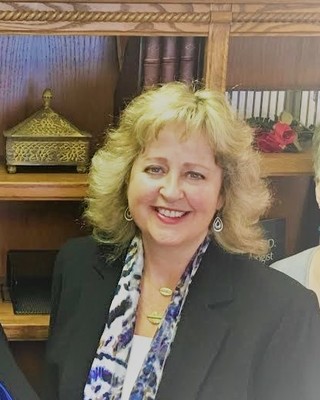
ETNH is happy to announce the addition of two seasoned counselors: Jocelyn Sipes LCSW and John P. Turner, LCSW. They will be able to expand coverage of services on Mondays, Wednesdays and Saturdays. Diane Gard, PhD psychologist is available Mon, Wed, Thursdays and by appointment. Together we can provide most types of therapies to a diverse population We are here to serve the community with services for individuals, couples, families and groups. Just call and we'll be happy to answer any questions you have.
We are a integrated team of about a dozen therapists who work with people to help them discover what they need to be live free and full lives.

Hosted by Chris M. Legg
Licensed Professional Counselor, MAMFC, MARE, LPCs
Group meets in Tyler, TX 75703
We are a integrated team of about a dozen therapists who work with people to help them discover what they need to be live free and full lives.
Alethia Family Counseling Center in Tyler, TX, is for individual adults, minors, or couples & families seeking therapy or mental health interventions to improve their overall quality of life. Alethia focuses on several modalities, including talk, person centered therapy. We are trained to preform EMDR for PTSD and CBT for depression.

Hosted by Ryan Scott Oakley
Licensed Professional Counselor, MAMFT, LPC-S
Group meets in Tyler, TX 75703
Alethia Family Counseling Center in Tyler, TX, is for individual adults, minors, or couples & families seeking therapy or mental health interventions to improve their overall quality of life. Alethia focuses on several modalities, including talk, person centered therapy. We are trained to preform EMDR for PTSD and CBT for depression.
Online and In-Person. Support group for trauma, crisis, domestic violence, abuse.

Hosted by Waltina Chavis
Drug & Alcohol Counselor, PhD(Stu, LCDC, ICADC
Group meets in Gun Barrel City, TX 75156
Online and In-Person. Support group for trauma, crisis, domestic violence, abuse.
We are an integrative team located in East Texas. With 14 counselors, a functional medicine practitioner, a wellness coach, Soul Care, massage, yoga instructors, our trauma-informed facility is equipped to help people with a holistic approach. We are also equipped for Intensives and Retreats for clients wanting to dig deeper and move through a phase of counseling quickly.

We are an integrative team located in East Texas. With 14 counselors, a functional medicine practitioner, a wellness coach, Soul Care, massage, yoga instructors, our trauma-informed facility is equipped to help people with a holistic approach. We are also equipped for Intensives and Retreats for clients wanting to dig deeper and move through a phase of counseling quickly.

Hosted by Rebekah Walker
Licensed Professional Counselor, LPC-S, RPTS
Group meets in Tyler, TX 75703

Hosted by True Path Counseling LLC/Evelyn Dillman Counseling
Marriage & Family Therapist, MS, LPC, LMFT
Group meets in Tyler, TX 75703
Online Groups
Helping people to reconnect with their bodies and most authentic selves, build relational safety, and honor their strengths through compassionate, trauma-informed, and clinically-grounded care.

Hosted by Kimberly Morris
Licensed Professional Counselor, MA, NCC, CAPPS
Group meets in Tyler, TX 75701
Helping people to reconnect with their bodies and most authentic selves, build relational safety, and honor their strengths through compassionate, trauma-informed, and clinically-grounded care.
Do opposites attract? Or, do birds of a feather flock together? Whether you're single or in a relationship, this workshop is for you. You'll learn about different ways psychologists have conceptualized personality. Understand what factors make up your personality and how personalities interact in a romantic relationship to make the relationship better or worse. Learn what factors to consider when choosing a partner or when dealing with your current partner. Go to my website to register for this workshop scheduled for 6/26/18.

Do opposites attract? Or, do birds of a feather flock together? Whether you're single or in a relationship, this workshop is for you. You'll learn about different ways psychologists have conceptualized personality. Understand what factors make up your personality and how personalities interact in a romantic relationship to make the relationship better or worse. Learn what factors to consider when choosing a partner or when dealing with your current partner. Go to my website to register for this workshop scheduled for 6/26/18.
Anger is instinctual, yes. It is an emotion that comes unbidden and we often don’t have a choice whether we would be angry or not. What we can do however, is take control of our anger when it comes.

Hosted by Kurt D. Winn
Licensed Professional Counselor, BS, MEd, MS, MA, LPC
Group meets in Lancaster, TX 75146
Anger is instinctual, yes. It is an emotion that comes unbidden and we often don’t have a choice whether we would be angry or not. What we can do however, is take control of our anger when it comes.
So much about ourselves is discovered through creative writing, and through this relaxing, restorative yoga, the much needed love for self grows. Meet Friday, Aug 19, 2022, 3-7pm at Lake Tawankoni house, enjoy the first group writing session, and a light dinner followed by Yoga Nidra for sleep. Saturday rise for yoga, breakfast, then we write! Vegetarian Lunch, free time, writing, and finally another relaxing yoga practice. Sunday we practice yoga, write, enjoy one more meal and a little time at the lake. Dr Tawni is a certified leader with the Amherst Writers & Artists Association. For couples and individuals - beginners to experts, come retreat.

So much about ourselves is discovered through creative writing, and through this relaxing, restorative yoga, the much needed love for self grows. Meet Friday, Aug 19, 2022, 3-7pm at Lake Tawankoni house, enjoy the first group writing session, and a light dinner followed by Yoga Nidra for sleep. Saturday rise for yoga, breakfast, then we write! Vegetarian Lunch, free time, writing, and finally another relaxing yoga practice. Sunday we practice yoga, write, enjoy one more meal and a little time at the lake. Dr Tawni is a certified leader with the Amherst Writers & Artists Association. For couples and individuals - beginners to experts, come retreat.
If you are a parent of a child ages 3-8, this 10 week VIRTUAL group is for you. The goal of Child Parent Relationship Therapy is to strengthen the quality of the parent-child attachment bond as a means of reducing child behavior problems and stress in the parent-child relationship. At the heart of CPRT is the premise that a secure parent child relationship is the essential factor for children's well-being. In a supportive group environment, parents learn skills to respond more effectively to their children's emotional and behavioral needs.

Hosted by Jessica Cofield
Licensed Professional Counselor, RPT, NCC
Group meets in McKinney, TX 75070
If you are a parent of a child ages 3-8, this 10 week VIRTUAL group is for you. The goal of Child Parent Relationship Therapy is to strengthen the quality of the parent-child attachment bond as a means of reducing child behavior problems and stress in the parent-child relationship. At the heart of CPRT is the premise that a secure parent child relationship is the essential factor for children's well-being. In a supportive group environment, parents learn skills to respond more effectively to their children's emotional and behavioral needs.
Are you tired of... Saying yes when you really mean no? Feeling drained from over-doing? Struggling with guilt when you try to prioritize your needs? Constantly putting others first?
You are not alone. In this group, you will: Learn how to set healthy boundaries without guilt. Reconnect with your voice, needs, and desires. Understand why setting boundaries feels hard. Build confidence in honoring yourself in relationships.
This group is for you if: You feel burned out from people-pleasing, struggle to speak up for yourself, and fear conflict or rejection.

Hosted by Jennifer Yeager
Marriage & Family Therapist, MA, LMFT-S, LPC-S, CSAT, EMDR
Group meets in Plano, TX 75093
Are you tired of... Saying yes when you really mean no? Feeling drained from over-doing? Struggling with guilt when you try to prioritize your needs? Constantly putting others first?
You are not alone. In this group, you will: Learn how to set healthy boundaries without guilt. Reconnect with your voice, needs, and desires. Understand why setting boundaries feels hard. Build confidence in honoring yourself in relationships.
This group is for you if: You feel burned out from people-pleasing, struggle to speak up for yourself, and fear conflict or rejection.
Welcome! This self-esteem support group is a safe, women-only space created to help us build lasting confidence from the inside out. Whether you're navigating self-doubt, learning to set boundaries, or simply want to feel more grounded in who you are, this group is here to support that journey. Together, we focus on personal growth, mutual encouragement, and celebrating progress—no matter how small. You're not alone, and you are welcome here, just as you are.

Hosted by Stephnie Chukwu
Licensed Professional Counselor, MEd, LPC, NCC
Group meets in Dallas, TX 75287
Welcome! This self-esteem support group is a safe, women-only space created to help us build lasting confidence from the inside out. Whether you're navigating self-doubt, learning to set boundaries, or simply want to feel more grounded in who you are, this group is here to support that journey. Together, we focus on personal growth, mutual encouragement, and celebrating progress—no matter how small. You're not alone, and you are welcome here, just as you are.
Enrolling for September 2026. This isn’t just another support group. It’s a 6-session skills-based, CBT-informed small group led by an experienced psychologist. The group is designed for young adults (19–35) who tend to avoid social situations, freeze up in conversations, or second-guess themselves—and who are ready to build confidence through practice in a supportive, small-group setting. Past clients have seen a 30-50% reduction in their symptoms. Think of it like a mini-mester for social confidence. Limited to 5 participants. Schedule a consultation to reserve your spot!
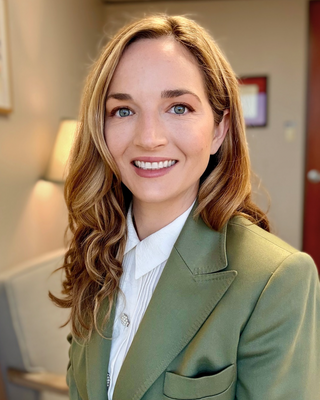
Enrolling for September 2026. This isn’t just another support group. It’s a 6-session skills-based, CBT-informed small group led by an experienced psychologist. The group is designed for young adults (19–35) who tend to avoid social situations, freeze up in conversations, or second-guess themselves—and who are ready to build confidence through practice in a supportive, small-group setting. Past clients have seen a 30-50% reduction in their symptoms. Think of it like a mini-mester for social confidence. Limited to 5 participants. Schedule a consultation to reserve your spot!
Teen social skills group. A safe place to learn and practice social skills in a fun and interactive environment. The group is facilitated by Dr. Verena Harter, PsyD. The group runs for about 10 weeks, with a new group starting every February, June, and September. Each session is $50.

Teen social skills group. A safe place to learn and practice social skills in a fun and interactive environment. The group is facilitated by Dr. Verena Harter, PsyD. The group runs for about 10 weeks, with a new group starting every February, June, and September. Each session is $50.
Seeking your clinical licensure can be an overwhelming experience. However, it does not have to be, let me walk beside you in this journey so you feel even more confident and competent in your clinical skills. Regardless of your current social work stage, I am here to support your goals!

Hosted by Conscious Freedom
Clinical Social Work/Therapist, LCSW-S, RPT-S
Group meets in Mansfield, TX 76063
Seeking your clinical licensure can be an overwhelming experience. However, it does not have to be, let me walk beside you in this journey so you feel even more confident and competent in your clinical skills. Regardless of your current social work stage, I am here to support your goals!
Future Kings is a support group for Black boys aged 11-14, providing a safe space to share experiences, build connections, and grow. Through mentorship, guidance, and community, we help members navigate challenges while promoting self-confidence, leadership, and personal development. Our sessions include discussions, workshops, and team-building activities that foster resilience and reinforce positive identity. Understanding the unique pressures Black teens face, we are committed to helping them develop the tools they need to succeed.
Hosted by Conscious Freedom
Clinical Social Work/Therapist, LCSW-S, RPT-S
Group meets in Mansfield, TX 76063
Future Kings is a support group for Black boys aged 11-14, providing a safe space to share experiences, build connections, and grow. Through mentorship, guidance, and community, we help members navigate challenges while promoting self-confidence, leadership, and personal development. Our sessions include discussions, workshops, and team-building activities that foster resilience and reinforce positive identity. Understanding the unique pressures Black teens face, we are committed to helping them develop the tools they need to succeed.
First responders live unique lives. Spouses of first responders are also some of the strongest and most courageous individuals I have ever met. Living with the rigors of having a partner who faces danger, trauma, fear, pain, and loss on a daily basis is no easy task. Helping first responder families work through their relationship struggles is our job, and we take it seriously. We all need a safe place and home should be it for all of us. Unfortunately for too many of us it isn't. Our group is co-facilitated by a male and female therapist.

Hosted by Brian Marc Simmons
Licensed Professional Counselor, MA, LPC, CH, EMDR
Group meets in Southlake, TX 76092
First responders live unique lives. Spouses of first responders are also some of the strongest and most courageous individuals I have ever met. Living with the rigors of having a partner who faces danger, trauma, fear, pain, and loss on a daily basis is no easy task. Helping first responder families work through their relationship struggles is our job, and we take it seriously. We all need a safe place and home should be it for all of us. Unfortunately for too many of us it isn't. Our group is co-facilitated by a male and female therapist.
See more therapy options for 75752

FAQs - About Group Therapy and Support Groups
How can I find a support group in 75752?
To find a support group in your area, start by entering your city, zip code, or the name of the group into the search bar at the top of the page. When searching, consider whether you prefer an in-person or virtual group. This can help you decide how broad your geographic search should be. If you are open to virtual groups, you might want to search by state instead of just your city, especially if there are limited options nearby.
Once you complete your search, you can use the filters to narrow the results by selecting specialties (such as grief, trauma, or eating disorders), therapeutic approaches, age groups, and other criteria to find a group that best fits your needs.
How does group therapy work?
Group therapy is led by one or more trained therapists and provides a space where participants can process their experiences and learn from others facing similar challenges. Groups may focus on a specific issue—such as addiction, grief, physical illnesses, parenting, or caregiving—or they may center around a particular therapeutic approach, such as Cognitive Behavioral Therapy (CBT), social skill development, or Exposure Therapy. Some groups are also designed for specific populations, such as teens, veterans, or LGBTQ+ individuals.
It’s also important to distinguish group therapy from peer-led support groups, like Alcoholics Anonymous. While both can offer valuable support, therapy groups are typically led by licensed professionals and follow a more structured format. Therapy groups often meet for a fixed length of time with a consistent group of members, while many peer support groups meet for an indefinite period of time with members coming and going.
What are the benefits of group therapy?
Group therapy offers several important benefits. It brings together people facing similar challenges—whether related to mental health, physical health, or life transitions—and creates a supportive environment where participants can exchange feedback, share experiences, and learn from one another. Hearing different perspectives can help individuals discover new coping strategies and practical tools they may not have encountered on their own. Sharing personal experiences, such as coping with a serious illness or navigating family struggles, can also reduce feelings of isolation and foster a sense of connection and understanding. In addition to emotional support, group members often gain useful, real-world advice from peers who have faced similar situations.
Group therapy is typically more affordable than individual therapy and, for certain conditions, can be equally effective. Many groups also include structured activities—such as guided journaling, cognitive-behavioral exercises, or role-playing—to help participants develop concrete skills they can apply in daily life.
Is group therapy as effective as individual therapy?
It is difficult to make a blanket statement about the effectiveness of support groups, as they vary widely in focus and the conditions they address. However, support groups can be highly valuable in helping individuals gain emotional support and achieve meaningful treatment outcomes. For certain conditions, such as substance use, research has shown that group therapy can be particularly effective—sometimes just as effective as individual therapy—in supporting long-term recovery.
Many professionals attribute the effectiveness of group therapy to the unique benefits of the group setting, which fosters peer-to-peer learning and a sense of connection through shared experiences. Group settings also offer accountability and encouragement from both facilitators and fellow participants, which helps sustain motivation and supports continued progress. These factors together play a key role in promoting the overall effectiveness of group therapy.
How much does group therapy cost?
Group therapy is typically less expensive than individual therapy, with sessions typically costing between $50 and $75 each. In comparison, individual therapy can cost anywhere from $100 to $200 or more per session, even with insurance. Some therapists or organizations offer low-cost or free group therapy options, particularly through community centers or nonprofit organizations. In some cases, groups may require payment upfront for a set number of sessions, such as paying for six weekly sessions at the first meeting. However, many providers offer payment plans to help make participation more accessible if this upfront payment is required.
Does insurance cover group therapy?
As with individual therapy, insurance coverage for group therapy varies based on factors such as your specific insurance plan, the purpose of the group, your diagnosis, and whether the group provider is in-network. Many insurance plans cover group therapy sessions that address diagnosable mental health conditions, such as substance use disorders, anxiety, or depression.
However, groups that focus on topics not directly tied to a mental health diagnosis—such as parenting support or divorce recovery—are less likely to be covered. Because coverage can vary widely, it’s important to check with your insurance provider before joining a group to confirm whether the sessions will be covered and what out-of-pocket costs you may be responsible for.
How long does group therapy last?
The length of each group therapy session typically ranges from 45 minutes to two hours, depending on the therapy approach, the group’s goals, and how often the group meets. In some cases, group therapy is part of a larger treatment program, such as an Intensive Outpatient Program (IOP), where group sessions complement individual therapy and are scheduled as part of the program’s overall structure.
The duration of participation in a group also varies. Some groups are designed to be short-term, lasting anywhere from 6 to 24 weeks—for example, bereavement groups or skills-based groups like those using Dialectical Behavioral Therapy (DBT). Other groups may be longer-term, lasting a year or more, and some ongoing support groups meet indefinitely, allowing participants to stay as long as they find the group helpful.
What are the limitations of support groups?
Support groups offer many benefits, but they also have certain limitations. Unlike therapy groups, many support groups do not provide formal therapeutic treatment and are not led by licensed mental health professionals. For individuals seeking clinical treatment for specific mental health diagnoses—such as depression, eating disorders, or substance use—individual therapy or group therapy led by a licensed professional may offer more personalized and specialized care.
The effectiveness of a support group also depends heavily on the group’s participants and the overall group dynamic. When members engage respectfully and offer constructive support, the group can foster valuable peer-to-peer learning. However, if certain participants dominate discussions, provide inaccurate advice, or create conflict, it can disrupt the group’s sense of safety and reduce its effectiveness. Confidentiality can also be harder to maintain in support groups, particularly in open groups where participants can join or leave at any time. With new members regularly entering the group, it can be more difficult to build and sustain a consistent sense of trust and privacy.