Support Groups in 75074
Currently recruiting for Fall teenage social groups. The groups will meet weekly for a total of 8-10 sessions and focus on social skills, anxiety and stress management, coping skills, emotional processing, self-confidence, and cognitive behavioral strategies. Appointments include a mix of 1-v-1, 3 person activities, whole group discussions and cinematherapy. Weekly group meetings are $65 and the intake appointment for group placement is $100. Contact me today for more details!
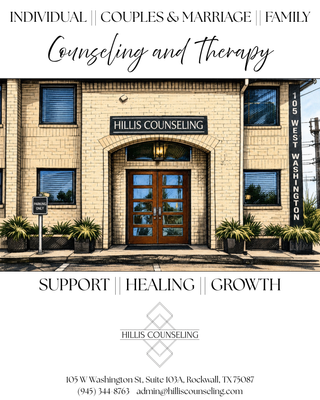
Hosted by Hillis Counseling, PLLC
Licensed Professional Counselor, MRC, LPC-S
Group meets in Plano, TX 75074
Currently recruiting for Fall teenage social groups. The groups will meet weekly for a total of 8-10 sessions and focus on social skills, anxiety and stress management, coping skills, emotional processing, self-confidence, and cognitive behavioral strategies. Appointments include a mix of 1-v-1, 3 person activities, whole group discussions and cinematherapy. Weekly group meetings are $65 and the intake appointment for group placement is $100. Contact me today for more details!
A space for those transitioning into adulthood to be their authentic selves, find and provide support, share resources, and build community.

A space for those transitioning into adulthood to be their authentic selves, find and provide support, share resources, and build community.
Unleash creativity, build connections, and explore personal growth through Aletheia Therapy’s innovative Dungeons & Dragons Therapy Group. Designed for young adults (21+), these immersive sessions combine role-playing with psychoanalytic insights to enhance relational skills and emotional resilience.

Hosted by Kayla Michelle Kroeker
Licensed Professional Counselor Associate, MA, LPC-A
Group meets in Plano, TX 75074
Unleash creativity, build connections, and explore personal growth through Aletheia Therapy’s innovative Dungeons & Dragons Therapy Group. Designed for young adults (21+), these immersive sessions combine role-playing with psychoanalytic insights to enhance relational skills and emotional resilience.
This group meets at noon and is about working on oneself within an atmosphere of support, inquiry and input. A therapeutic group occurs with confidentiality and learning by experience including how to be vulnerable, giving and hearing honest feedback, becoming aware of blind spots. Regularly we discuss topics— including hard ones—with emotional genuineness and humor.

This group meets at noon and is about working on oneself within an atmosphere of support, inquiry and input. A therapeutic group occurs with confidentiality and learning by experience including how to be vulnerable, giving and hearing honest feedback, becoming aware of blind spots. Regularly we discuss topics— including hard ones—with emotional genuineness and humor.
More Groups Nearby
The father wound, sometimes referred to as “daddy issues,” can be described as a persistent feeling that something is missing within oneself. It manifests as an emptiness or an unresolved thought or emotion that lingers. This wound often results from the absence or lack of a father’s positive influence or connection in a person’s life. Overcoming the father wound involves: Recognizing and validating one’s emotions, seeking therapy or counseling, developing self-worth, forgiveness and closure, and finding a path toward peace, whether through reconciliation or personal healing.

Hosted by A. J. Molina
Licensed Professional Counselor, MA-MAFT, LPC, CLC
Group meets in Euless, TX 76039
The father wound, sometimes referred to as “daddy issues,” can be described as a persistent feeling that something is missing within oneself. It manifests as an emptiness or an unresolved thought or emotion that lingers. This wound often results from the absence or lack of a father’s positive influence or connection in a person’s life. Overcoming the father wound involves: Recognizing and validating one’s emotions, seeking therapy or counseling, developing self-worth, forgiveness and closure, and finding a path toward peace, whether through reconciliation or personal healing.
Male group focused on relationships. Discussing and teaching skills needed to strengthen and maintain intimate relationships. Skills include how to effectively communicate with the woman in your life,controlling anger in heated conversations, and learning the love language of both partners in the relationship.
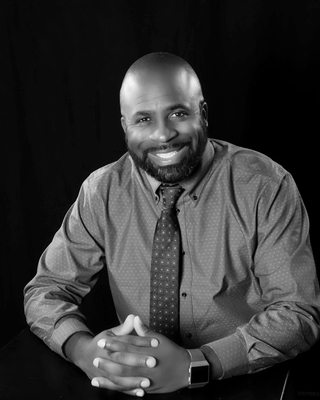
Hosted by Sedrick W Jackson
Clinical Social Work/Therapist, LCSW, ACC, CCM
Group meets in Arlington, TX 76006
Male group focused on relationships. Discussing and teaching skills needed to strengthen and maintain intimate relationships. Skills include how to effectively communicate with the woman in your life,controlling anger in heated conversations, and learning the love language of both partners in the relationship.
Confidential recovery group for couples overcoming the trauma of betrayal and infidelity. Group is limited to four couples at a time. This is a twelve week processing group, with a tailor made curriculum, that includes: full group time, split sessions between husbands and wives, check-ins, and professional and peer feedback. Groups are billed on the 1st of each month as a once-a-month fee of $250.

Hosted by Bruce Andrew Thomas
Marriage & Family Therapist, LPC, LMFT, CSAT
Group meets in Frisco, TX 75033
Confidential recovery group for couples overcoming the trauma of betrayal and infidelity. Group is limited to four couples at a time. This is a twelve week processing group, with a tailor made curriculum, that includes: full group time, split sessions between husbands and wives, check-ins, and professional and peer feedback. Groups are billed on the 1st of each month as a once-a-month fee of $250.
The way we communicate with others can improve our lives significantly. We have been teaching NVC for many years. By being present, learning to suspend judgment, learning to identify your own thoughts and needs, we are better able to actually connect with others without defensiveness and unhealthy explosive anger. Clients often ask how come they've never been taught this before? We've helped hundreds of clients improve both their own lives and relationships at home, school, work and in their communities.

Hosted by Rachel Meltzer
Licensed Professional Counselor, MA, LPC, S
Group meets in Richardson, TX 75081
The way we communicate with others can improve our lives significantly. We have been teaching NVC for many years. By being present, learning to suspend judgment, learning to identify your own thoughts and needs, we are better able to actually connect with others without defensiveness and unhealthy explosive anger. Clients often ask how come they've never been taught this before? We've helped hundreds of clients improve both their own lives and relationships at home, school, work and in their communities.
For adults, who have the desire to grow, gain insight and support to heal and discover their authentic selves. This group addresses the core issues of codependency as identified by Pia Mellody’s Developmental Immaturity model. The areas of healing include: Self-Esteem, Boundaries, Reality, Dependency and Moderation/Containment. Offering a safe, accepting, and understood environment to cultivate opportunities to try out and assess new ways of being with others and the self. This setting offers facilitated therapeutic support fostering growth toward the goal of moving out of loneliness and toward connection, discovering empowerment, and developing better relational tools.
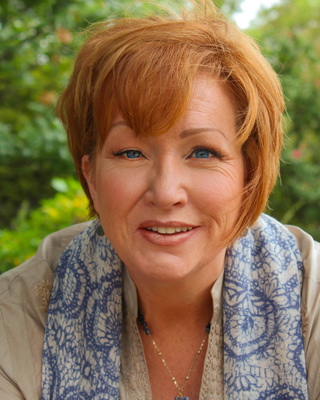
Hosted by Delta Shuman
Licensed Professional Counselor, LPC, CST, CPTT
Group meets in Dallas, TX 75219
For adults, who have the desire to grow, gain insight and support to heal and discover their authentic selves. This group addresses the core issues of codependency as identified by Pia Mellody’s Developmental Immaturity model. The areas of healing include: Self-Esteem, Boundaries, Reality, Dependency and Moderation/Containment. Offering a safe, accepting, and understood environment to cultivate opportunities to try out and assess new ways of being with others and the self. This setting offers facilitated therapeutic support fostering growth toward the goal of moving out of loneliness and toward connection, discovering empowerment, and developing better relational tools.
The journey through separation and divorce can be an overwhelmingly, emotional one...full of changes and conflicts. There's so much you have to do differently. How do you tell the child(ren)? How do you remain cordial to your spouse? What lessons have you learned? What will the future hold? How will you manage financially? Will you ever be ready date again? If these issues concern you, the Divorce Recovery group can help you cope with and grow through this difficult time. Limited space. Enroll now!

Hosted by Joyful Life Institute, Inc.
Marriage & Family Therapist, PhD, LMFT-S
Group meets in Lewisville, TX 75067
The journey through separation and divorce can be an overwhelmingly, emotional one...full of changes and conflicts. There's so much you have to do differently. How do you tell the child(ren)? How do you remain cordial to your spouse? What lessons have you learned? What will the future hold? How will you manage financially? Will you ever be ready date again? If these issues concern you, the Divorce Recovery group can help you cope with and grow through this difficult time. Limited space. Enroll now!
Office space available- Part Time: by the session/$15, 1/2 day-$45day, 1 day/week-$60/day. Full Time: Consistent 3-5 days weekly -$1000-1200/mo depending on office size chosen. Option to choose office space and self decorate with 3 year lease. Amenities: weekly cleaning, free Wi-Fi, client waiting room, therapist kitchen. A great location for clients to access with parking available. A 3 year lease for full time weekly 3-5 day needs is required. Feel send a message with any questions or if you would like to come and see the office, please email cindy@livingstrongcounselingcom.

Hosted by Cindy (Hyde) Monte
Licensed Professional Counselor, MA MFT, LPC, NACT, CPTT, CCTP-II
Group meets in Dallas, TX 75248
Office space available- Part Time: by the session/$15, 1/2 day-$45day, 1 day/week-$60/day. Full Time: Consistent 3-5 days weekly -$1000-1200/mo depending on office size chosen. Option to choose office space and self decorate with 3 year lease. Amenities: weekly cleaning, free Wi-Fi, client waiting room, therapist kitchen. A great location for clients to access with parking available. A 3 year lease for full time weekly 3-5 day needs is required. Feel send a message with any questions or if you would like to come and see the office, please email cindy@livingstrongcounselingcom.
Due to lack of space here, please inquire about the in person groups that will be held on Monday morning at 9am. I also have a virtual group that meets on Wednesday night at 6:30. Groups usually last about an hour. An assessment session is required prior to admittance. Instead of stuffing your anger, learn how to deal with the negative emotions, learn new coping methods and gain some of your life back. The group is part teaching, support, accountability. You are not alone when dealing with this issue. Send me a message to start the process.
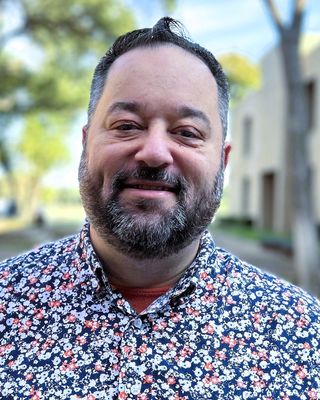
Hosted by Jeff Welskopf
Licensed Professional Counselor, LPCS, CAMS, ADHD-CC
Group meets in Dallas, TX 75209
Due to lack of space here, please inquire about the in person groups that will be held on Monday morning at 9am. I also have a virtual group that meets on Wednesday night at 6:30. Groups usually last about an hour. An assessment session is required prior to admittance. Instead of stuffing your anger, learn how to deal with the negative emotions, learn new coping methods and gain some of your life back. The group is part teaching, support, accountability. You are not alone when dealing with this issue. Send me a message to start the process.
This group is currently via HIPPA compliant teletherapy. Please call for more information.

This group is currently via HIPPA compliant teletherapy. Please call for more information.
Agency providing mental health services,including Psychiatric evaluations, Counseling services, Groups and medication management.

Agency providing mental health services,including Psychiatric evaluations, Counseling services, Groups and medication management.
Same fight, different day? Talk So It Lands is a four-hour Saturday workshop for couples who love each other and want to communicate better. Learn to raise hard topics gently, repair mid-argument, calm down when flooded, and stop re-fighting problems that can't be solved. Most practice happens privately with your partner, and you choose what you share. Only three couples per group. Led by a Gottman-trained couples therapist married 38 years. Educational, not therapy; not for couples in crisis. Second Saturday monthly, 9 a.m.–1 p.m., Dallas. $500 per couple.

Same fight, different day? Talk So It Lands is a four-hour Saturday workshop for couples who love each other and want to communicate better. Learn to raise hard topics gently, repair mid-argument, calm down when flooded, and stop re-fighting problems that can't be solved. Most practice happens privately with your partner, and you choose what you share. Only three couples per group. Led by a Gottman-trained couples therapist married 38 years. Educational, not therapy; not for couples in crisis. Second Saturday monthly, 9 a.m.–1 p.m., Dallas. $500 per couple.
Supporting women who’s spouse is sexually addicted.

Hosted by Christian Love Hutcheson
Marriage & Family Therapist, PhD, LMFT-S, LPC-S, CSAT-S, CCPS-S
Group meets in Southlake, TX 76092
Supporting women who’s spouse is sexually addicted.
I hope you will find that I have created a safe space for you to be able to talk openly, ask questions, explore gender, and feel safe to openly show up as your authentic self and be supported. The session fee is $45 and I also offer a 25% off, if you want to secure your place for 4 sessions at $135. This group meets on the 1st and 3rd Saturdays. We look forward to working with you as soon as you are ready.

I hope you will find that I have created a safe space for you to be able to talk openly, ask questions, explore gender, and feel safe to openly show up as your authentic self and be supported. The session fee is $45 and I also offer a 25% off, if you want to secure your place for 4 sessions at $135. This group meets on the 1st and 3rd Saturdays. We look forward to working with you as soon as you are ready.
Sex is a difficult topic for parents and teens. Parents - Are you struggling to find the words or even the courage to talk to your kids about sex? Teens - Are you having a difficult time bringing up the subject to your parents? In this group, anonymous questions, concerns, and difficulties are discussed and explored in a comfortable, safe environment. Teens are going to have questions, so let's give them the best answers from the right people.
Hosted by Dr. Trisha J Marroquin
Licensed Professional Counselor, PhD, LPC
Group meets in Flower Mound, TX 75028
Sex is a difficult topic for parents and teens. Parents - Are you struggling to find the words or even the courage to talk to your kids about sex? Teens - Are you having a difficult time bringing up the subject to your parents? In this group, anonymous questions, concerns, and difficulties are discussed and explored in a comfortable, safe environment. Teens are going to have questions, so let's give them the best answers from the right people.
This DBT skills training group is for adults only and is an essential part of the DBT treatment. The group format will include skills training in mindfulness, interpersonal effectiveness, emotional regulation, and distress tolerance skill sets. The group meets weekly and is currently accepting new members.

Hosted by New Perspective Counseling Services
Marriage & Family Therapist, LPC, LMFT, LCSW, RD
Group meets in Frisco, TX 75035
This DBT skills training group is for adults only and is an essential part of the DBT treatment. The group format will include skills training in mindfulness, interpersonal effectiveness, emotional regulation, and distress tolerance skill sets. The group meets weekly and is currently accepting new members.
ACCEPTING NEW REGISTRANTS! Dialectical Behavioral Therapy (DBT) is an evidenced-based cognitive behavioral treatment which alleviates emotional distress and suffering. Incorporating DBT techniques in one’s life often translates into increased self-concept, improved communication skills, healthier relationships, and a more meaningful existence. This group is open to adults interested in: Increasing awareness of thoughts, urges and feelings, increasing the ability to cope with intense emotion, decreasing impulsive and self-destructive behaviors, and learning how to effectively communicate needs.

ACCEPTING NEW REGISTRANTS! Dialectical Behavioral Therapy (DBT) is an evidenced-based cognitive behavioral treatment which alleviates emotional distress and suffering. Incorporating DBT techniques in one’s life often translates into increased self-concept, improved communication skills, healthier relationships, and a more meaningful existence. This group is open to adults interested in: Increasing awareness of thoughts, urges and feelings, increasing the ability to cope with intense emotion, decreasing impulsive and self-destructive behaviors, and learning how to effectively communicate needs.
See more therapy options for 75074


FAQs - About Group Therapy and Support Groups
How can I find a support group in 75074?
To find a support group in your area, start by entering your city, zip code, or the name of the group into the search bar at the top of the page. When searching, consider whether you prefer an in-person or virtual group. This can help you decide how broad your geographic search should be. If you are open to virtual groups, you might want to search by state instead of just your city, especially if there are limited options nearby.
Once you complete your search, you can use the filters to narrow the results by selecting specialties (such as grief, trauma, or eating disorders), therapeutic approaches, age groups, and other criteria to find a group that best fits your needs.
Once you complete your search, you can use the filters to narrow the results by selecting specialties (such as grief, trauma, or eating disorders), therapeutic approaches, age groups, and other criteria to find a group that best fits your needs.
How does group therapy work?
Group therapy is led by one or more trained therapists and provides a space where participants can process their experiences and learn from others facing similar challenges. Groups may focus on a specific issue—such as addiction, grief, physical illnesses, parenting, or caregiving—or they may center around a particular therapeutic approach, such as Cognitive Behavioral Therapy (CBT), social skill development, or Exposure Therapy. Some groups are also designed for specific populations, such as teens, veterans, or LGBTQ+ individuals.
It’s also important to distinguish group therapy from peer-led support groups, like Alcoholics Anonymous. While both can offer valuable support, therapy groups are typically led by licensed professionals and follow a more structured format. Therapy groups often meet for a fixed length of time with a consistent group of members, while many peer support groups meet for an indefinite period of time with members coming and going.
It’s also important to distinguish group therapy from peer-led support groups, like Alcoholics Anonymous. While both can offer valuable support, therapy groups are typically led by licensed professionals and follow a more structured format. Therapy groups often meet for a fixed length of time with a consistent group of members, while many peer support groups meet for an indefinite period of time with members coming and going.
What are the benefits of group therapy?
Group therapy offers several important benefits. It brings together people facing similar challenges—whether related to mental health, physical health, or life transitions—and creates a supportive environment where participants can exchange feedback, share experiences, and learn from one another. Hearing different perspectives can help individuals discover new coping strategies and practical tools they may not have encountered on their own. Sharing personal experiences, such as coping with a serious illness or navigating family struggles, can also reduce feelings of isolation and foster a sense of connection and understanding. In addition to emotional support, group members often gain useful, real-world advice from peers who have faced similar situations.
Group therapy is typically more affordable than individual therapy and, for certain conditions, can be equally effective. Many groups also include structured activities—such as guided journaling, cognitive-behavioral exercises, or role-playing—to help participants develop concrete skills they can apply in daily life.
Group therapy is typically more affordable than individual therapy and, for certain conditions, can be equally effective. Many groups also include structured activities—such as guided journaling, cognitive-behavioral exercises, or role-playing—to help participants develop concrete skills they can apply in daily life.
Is group therapy as effective as individual therapy?
It is difficult to make a blanket statement about the effectiveness of support groups, as they vary widely in focus and the conditions they address. However, support groups can be highly valuable in helping individuals gain emotional support and achieve meaningful treatment outcomes. For certain conditions, such as substance use, research has shown that group therapy can be particularly effective—sometimes just as effective as individual therapy—in supporting long-term recovery.
Many professionals attribute the effectiveness of group therapy to the unique benefits of the group setting, which fosters peer-to-peer learning and a sense of connection through shared experiences. Group settings also offer accountability and encouragement from both facilitators and fellow participants, which helps sustain motivation and supports continued progress. These factors together play a key role in promoting the overall effectiveness of group therapy.
Many professionals attribute the effectiveness of group therapy to the unique benefits of the group setting, which fosters peer-to-peer learning and a sense of connection through shared experiences. Group settings also offer accountability and encouragement from both facilitators and fellow participants, which helps sustain motivation and supports continued progress. These factors together play a key role in promoting the overall effectiveness of group therapy.
How much does group therapy cost?
Group therapy is typically less expensive than individual therapy, with sessions typically costing between $50 and $75 each. In comparison, individual therapy can cost anywhere from $100 to $200 or more per session, even with insurance. Some therapists or organizations offer low-cost or free group therapy options, particularly through community centers or nonprofit organizations. In some cases, groups may require payment upfront for a set number of sessions, such as paying for six weekly sessions at the first meeting. However, many providers offer payment plans to help make participation more accessible if this upfront payment is required.
Does insurance cover group therapy?
As with individual therapy, insurance coverage for group therapy varies based on factors such as your specific insurance plan, the purpose of the group, your diagnosis, and whether the group provider is in-network. Many insurance plans cover group therapy sessions that address diagnosable mental health conditions, such as substance use disorders, anxiety, or depression.
However, groups that focus on topics not directly tied to a mental health diagnosis—such as parenting support or divorce recovery—are less likely to be covered. Because coverage can vary widely, it’s important to check with your insurance provider before joining a group to confirm whether the sessions will be covered and what out-of-pocket costs you may be responsible for.
However, groups that focus on topics not directly tied to a mental health diagnosis—such as parenting support or divorce recovery—are less likely to be covered. Because coverage can vary widely, it’s important to check with your insurance provider before joining a group to confirm whether the sessions will be covered and what out-of-pocket costs you may be responsible for.
How long does group therapy last?
The length of each group therapy session typically ranges from 45 minutes to two hours, depending on the therapy approach, the group’s goals, and how often the group meets. In some cases, group therapy is part of a larger treatment program, such as an Intensive Outpatient Program (IOP), where group sessions complement individual therapy and are scheduled as part of the program’s overall structure.
The duration of participation in a group also varies. Some groups are designed to be short-term, lasting anywhere from 6 to 24 weeks—for example, bereavement groups or skills-based groups like those using Dialectical Behavioral Therapy (DBT). Other groups may be longer-term, lasting a year or more, and some ongoing support groups meet indefinitely, allowing participants to stay as long as they find the group helpful.
The duration of participation in a group also varies. Some groups are designed to be short-term, lasting anywhere from 6 to 24 weeks—for example, bereavement groups or skills-based groups like those using Dialectical Behavioral Therapy (DBT). Other groups may be longer-term, lasting a year or more, and some ongoing support groups meet indefinitely, allowing participants to stay as long as they find the group helpful.
What are the limitations of support groups?
Support groups offer many benefits, but they also have certain limitations. Unlike therapy groups, many support groups do not provide formal therapeutic treatment and are not led by licensed mental health professionals. For individuals seeking clinical treatment for specific mental health diagnoses—such as depression, eating disorders, or substance use—individual therapy or group therapy led by a licensed professional may offer more personalized and specialized care.
The effectiveness of a support group also depends heavily on the group’s participants and the overall group dynamic. When members engage respectfully and offer constructive support, the group can foster valuable peer-to-peer learning. However, if certain participants dominate discussions, provide inaccurate advice, or create conflict, it can disrupt the group’s sense of safety and reduce its effectiveness. Confidentiality can also be harder to maintain in support groups, particularly in open groups where participants can join or leave at any time. With new members regularly entering the group, it can be more difficult to build and sustain a consistent sense of trust and privacy.
The effectiveness of a support group also depends heavily on the group’s participants and the overall group dynamic. When members engage respectfully and offer constructive support, the group can foster valuable peer-to-peer learning. However, if certain participants dominate discussions, provide inaccurate advice, or create conflict, it can disrupt the group’s sense of safety and reduce its effectiveness. Confidentiality can also be harder to maintain in support groups, particularly in open groups where participants can join or leave at any time. With new members regularly entering the group, it can be more difficult to build and sustain a consistent sense of trust and privacy.