Support Groups in 73301
Please see above website for details, and sign up for the free mini-course to start learning and growing now. Video courses are created with quizzes, forms, templates, demonstrations so you don't have to wait to drive to an appointment and try to juggle your schedule. Current topics include ADHD and ODD, Asperger/Autism, Anxiety and Children, Anger and Children, Digital Culture and the Impact on Human Development, Struggle of the Gifted Child, Sibling Rivalry, Behavior Management at it's Best, Self-talk, Self-esteem, Self-control, Teaching Social Skills Through Play

Hosted by Brad Mason
Licensed Professional Counselor, LPC, LSSP, LPA
Group meets in Austin, TX 73301
Please see above website for details, and sign up for the free mini-course to start learning and growing now. Video courses are created with quizzes, forms, templates, demonstrations so you don't have to wait to drive to an appointment and try to juggle your schedule. Current topics include ADHD and ODD, Asperger/Autism, Anxiety and Children, Anger and Children, Digital Culture and the Impact on Human Development, Struggle of the Gifted Child, Sibling Rivalry, Behavior Management at it's Best, Self-talk, Self-esteem, Self-control, Teaching Social Skills Through Play
This group is for those who have lost loved ones and need a safe space to deal with what you've been experiencing. This is a VIRTUAL 8-week, therapeutic grief support group focused on healthy coping, learning how to incorporate Self-Care and ways to heal and grow through grief. During the group sessions, we teach you how to identify the stages of grief and loss and what to expect, how to heal, and ways to engage in authentic Self-Care as you grieve. We also incorporate art therapy during some of the sessions.

This group is for those who have lost loved ones and need a safe space to deal with what you've been experiencing. This is a VIRTUAL 8-week, therapeutic grief support group focused on healthy coping, learning how to incorporate Self-Care and ways to heal and grow through grief. During the group sessions, we teach you how to identify the stages of grief and loss and what to expect, how to heal, and ways to engage in authentic Self-Care as you grieve. We also incorporate art therapy during some of the sessions.
More Groups Nearby
Sacred Counseling presents . . .The Unrelenting Series: Living In, With and Beyond Unrelenting A three-part series discussing the impact of toxicity teaching you: 1. What is Unrelenting: naming it 2. What to do if you remain in Unrelenting: taming it 3. What does it mean to heal from Unrelenting: draining it from your heart, mind, and body Total Cost:$500 payable by cash, check, Venmo, PayPal , Zelle $200 deposit required to reserve and acquire pre-work packet Limited spots available Email Ragan VitaNuova at sacredcounselingtx@gmail.com
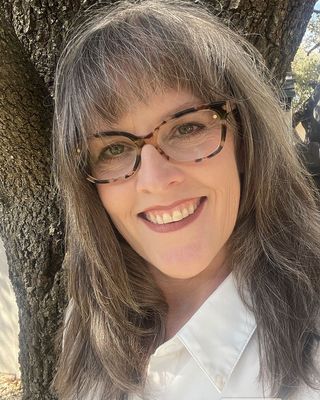
Hosted by Ragan J Vitanuova
Licensed Professional Counselor, MS, LPC-S
Group meets in Cedar Park, TX 78613
Sacred Counseling presents . . .The Unrelenting Series: Living In, With and Beyond Unrelenting A three-part series discussing the impact of toxicity teaching you: 1. What is Unrelenting: naming it 2. What to do if you remain in Unrelenting: taming it 3. What does it mean to heal from Unrelenting: draining it from your heart, mind, and body Total Cost:$500 payable by cash, check, Venmo, PayPal , Zelle $200 deposit required to reserve and acquire pre-work packet Limited spots available Email Ragan VitaNuova at sacredcounselingtx@gmail.com
A 10 week-long virtual group for adults with anxiety disorders/OCD who: -struggle with self-judgment and shame related to anxiety and OCD -want to improve their relationship with themselves -are open to meditation and mindfulness practices -are open to learning new self-compassion skills or practicing ones they’ve already learned Fee: $65 per week. Half of the payment will be collected by the first week of group and the other half during the fifth week of group. Day/Time: TBD We are currently recruiting for the waitlist for the fall Befriend Yourself group. Please contact marianne@anxietyaustin.com

A 10 week-long virtual group for adults with anxiety disorders/OCD who: -struggle with self-judgment and shame related to anxiety and OCD -want to improve their relationship with themselves -are open to meditation and mindfulness practices -are open to learning new self-compassion skills or practicing ones they’ve already learned Fee: $65 per week. Half of the payment will be collected by the first week of group and the other half during the fifth week of group. Day/Time: TBD We are currently recruiting for the waitlist for the fall Befriend Yourself group. Please contact marianne@anxietyaustin.com
CommunityArts has ongoing teen Art Therapy process groups for high school aged clients. These ongoing process groups are continually forming, renewing on a monthly basis. This means that these groups will continue with the same group members, creating a supportive, safe environment. They are open to teens ages 13 to 19.

Hosted by Wanda Montemayor
Licensed Professional Counselor, LPC-S, ATCS, ATR-BC, RPT-S, EMDR-C
Group meets in Austin, TX 78748
CommunityArts has ongoing teen Art Therapy process groups for high school aged clients. These ongoing process groups are continually forming, renewing on a monthly basis. This means that these groups will continue with the same group members, creating a supportive, safe environment. They are open to teens ages 13 to 19.
This small unique group provides a safe environment for the means for arresting the emotional disease of family alcoholism/addiction. This is done by sharing information and experiences with one another and by applying to their own lives, in whole or in part, the Twelve Steps which constitute the recovery program upon which Alcoholics Anonymous is founded. The 16 Week group will be facilitated by RJ Garcia and will use the ACOA 12 Step Workbook as a guide. Please contact RJ for more information with date and time plus any cost per session.

Hosted by Doable Recovery Institute
Drug & Alcohol Counselor, MA, LCDC
Group meets in Austin, TX 78759
This small unique group provides a safe environment for the means for arresting the emotional disease of family alcoholism/addiction. This is done by sharing information and experiences with one another and by applying to their own lives, in whole or in part, the Twelve Steps which constitute the recovery program upon which Alcoholics Anonymous is founded. The 16 Week group will be facilitated by RJ Garcia and will use the ACOA 12 Step Workbook as a guide. Please contact RJ for more information with date and time plus any cost per session.
A 6 week group designated to processing anxiety around social distancing, working from home, partner relationships, financial stability, as well as assistance with tolerating ambiguity. Group will be a place to share worries, encourage one another, and create a safe space to explore coping skills, identify triggers, and work through maladaptive patterns of behavior. Group will be held through telehealth platform.

A 6 week group designated to processing anxiety around social distancing, working from home, partner relationships, financial stability, as well as assistance with tolerating ambiguity. Group will be a place to share worries, encourage one another, and create a safe space to explore coping skills, identify triggers, and work through maladaptive patterns of behavior. Group will be held through telehealth platform.
Let’s support each other on this journey of an illness difficult to understand. We use mindfulness and yoga , writing and meditation
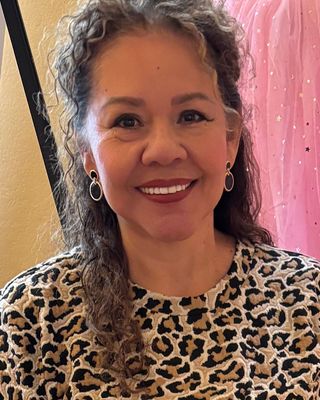
Let’s support each other on this journey of an illness difficult to understand. We use mindfulness and yoga , writing and meditation
Fostering can hold deep connection, uncertainty, grief, frustration, and hope—sometimes all at once. This process group offers active foster parents and guardians a supportive space to speak honestly about the emotional realities of fostering with people who understand. Whether you are newly licensed or have years of experience, you’ll have space to process challenges, explore relational and family dynamics, reduce isolation, and receive support without judgment. You do not have to navigate the system—or carry everything that comes with it—alone.

Hosted by Kasey Nightingale: Couples Therapist
Licensed Master Social Worker, LMSW
Group meets in Austin, TX 78704
Fostering can hold deep connection, uncertainty, grief, frustration, and hope—sometimes all at once. This process group offers active foster parents and guardians a supportive space to speak honestly about the emotional realities of fostering with people who understand. Whether you are newly licensed or have years of experience, you’ll have space to process challenges, explore relational and family dynamics, reduce isolation, and receive support without judgment. You do not have to navigate the system—or carry everything that comes with it—alone.
Would you like to connect more deeply to your dreams? Learn to lucid dream? Gain tools to reduce anxiety, depression, and work with past and present traumas? We will use techniques developed by leaders in the field of psychology to unlock hidden potential in the subconscious mind. Themes include: Shadow Work Lucid Dreaming Use of Symbols Awareness and Healthy Awareness of Projection. Working with dreams are one way to sharpen the tool of the mind. The key is inside us. All we have to do is know where to look and how to use what we find.

Hosted by Melissa Grogan
Licensed Professional Counselor Associate, MFA, MA, LPC-A
Group meets in Austin, TX 78704
Would you like to connect more deeply to your dreams? Learn to lucid dream? Gain tools to reduce anxiety, depression, and work with past and present traumas? We will use techniques developed by leaders in the field of psychology to unlock hidden potential in the subconscious mind. Themes include: Shadow Work Lucid Dreaming Use of Symbols Awareness and Healthy Awareness of Projection. Working with dreams are one way to sharpen the tool of the mind. The key is inside us. All we have to do is know where to look and how to use what we find.
The goal of this counseling group is to have a supportive place to become educated in research-based information about the trauma that comes with sexual betrayal in all forms. You will also come to understand the nature of sexual addiction/ compulsion. These deeper understandings allow you to view what is happening inside you as reasonable and expected. Often partners say things like “I just thought I was crazy.”

Hosted by Latina M Griffin
Clinical Social Work/Therapist, LCSW, CCPS, CSAT, EMDR, CCTP
Group meets in Round Rock, TX 78664
The goal of this counseling group is to have a supportive place to become educated in research-based information about the trauma that comes with sexual betrayal in all forms. You will also come to understand the nature of sexual addiction/ compulsion. These deeper understandings allow you to view what is happening inside you as reasonable and expected. Often partners say things like “I just thought I was crazy.”
This 4-week DBT + Sandtray group for children ages 8–11 combines DBT skills with sandtray activities to help children strengthen emotional regulation, coping skills, mindfulness, frustration tolerance, social skills, and healthy communication. The group is developmentally tailored to children using play-based, experiential, and interactive activities designed to increase emotional awareness and confidence in a supportive environment. Sandtray activities provide opportunities for self-expression, problem-solving, and emotional processing in a safe, engaging format. This group may benefit children experiencing anxiety, emotional dysregulation, social difficulties, ADHD, behavioral challenges, low self-esteem, or difficulty coping with stress or transitions.
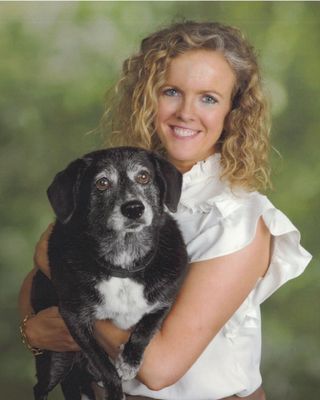
Hosted by Megan Yale
Licensed Professional Counselor, LPC-S, LMFT-S, LCDC, CCST
Group meets in Austin, TX 78754
This 4-week DBT + Sandtray group for children ages 8–11 combines DBT skills with sandtray activities to help children strengthen emotional regulation, coping skills, mindfulness, frustration tolerance, social skills, and healthy communication. The group is developmentally tailored to children using play-based, experiential, and interactive activities designed to increase emotional awareness and confidence in a supportive environment. Sandtray activities provide opportunities for self-expression, problem-solving, and emotional processing in a safe, engaging format. This group may benefit children experiencing anxiety, emotional dysregulation, social difficulties, ADHD, behavioral challenges, low self-esteem, or difficulty coping with stress or transitions.
We care about our clients and their families and feel like this is foundational for what our practice offers. We wanted our group to pace with Austin’s needs but maintain the welcoming atmosphere that clients have found unique over the years. We hope that when you visit us you feel embraced in a warm setting with a therapist that will use their expertise to engage you in the process. We are guided by many different theories, clinical modalities, and specialties. While therapy can be emotional work there is also joy and connection and laughter in many of our sessions.

Hosted by Cristi Henk Smith, LPC
Licensed Professional Counselor, MA, LPC, LPC-S
Group meets in Austin, TX 78748
We care about our clients and their families and feel like this is foundational for what our practice offers. We wanted our group to pace with Austin’s needs but maintain the welcoming atmosphere that clients have found unique over the years. We hope that when you visit us you feel embraced in a warm setting with a therapist that will use their expertise to engage you in the process. We are guided by many different theories, clinical modalities, and specialties. While therapy can be emotional work there is also joy and connection and laughter in many of our sessions.
This group will be based on number of people interested, so a start date is TBD. The group will focus on social media, peer pressures/relationships, anxiety, and mindfulness. The January group is for girls but later in the season there will be a boys group, if enough interested.

Hosted by Jennifer Lynn Randall
Licensed Professional Counselor, LPC
Group meets in Dripping Springs, TX 78620
This group will be based on number of people interested, so a start date is TBD. The group will focus on social media, peer pressures/relationships, anxiety, and mindfulness. The January group is for girls but later in the season there will be a boys group, if enough interested.
Ideal relationship partners aren't found, they're "made." We make them by discovering within ourselves what we need and want in a relationship and then communicating that in a relational way to our boyfriends and partners so that they can choose how to respond to us. If we're open to being influenced by their needs and wants, and they're open to our needs and wants, the relationship grows. If you're a gay man who wants to have healthier, happier, more loving relationships,then you can learn how to have that and more in this group.

Ideal relationship partners aren't found, they're "made." We make them by discovering within ourselves what we need and want in a relationship and then communicating that in a relational way to our boyfriends and partners so that they can choose how to respond to us. If we're open to being influenced by their needs and wants, and they're open to our needs and wants, the relationship grows. If you're a gay man who wants to have healthier, happier, more loving relationships,then you can learn how to have that and more in this group.
This process group helps members gain insight into their interpersonal dynamics, develop more effective communication styles, and build a deeper self-awareness. Group members will learn from others, share experiences, and build connections under the guidance of an experienced therapist.

This process group helps members gain insight into their interpersonal dynamics, develop more effective communication styles, and build a deeper self-awareness. Group members will learn from others, share experiences, and build connections under the guidance of an experienced therapist.
In-person, ongoing, closed process group. Practice connecting with your nervous system state while engaging socially in a professionally supported group. Increase capacity for emotional regulation, deepen connection with self and others through NARM-based processing in group. Beginning fall 2026.

In-person, ongoing, closed process group. Practice connecting with your nervous system state while engaging socially in a professionally supported group. Increase capacity for emotional regulation, deepen connection with self and others through NARM-based processing in group. Beginning fall 2026.
Work your heart out - literally - in the safety among others who have experienced heart ache, conflict or difficulty in their relationships. Focus will be on creating a supportive and accepting group to help each other build skills, insight, and tools for relating better with others, including fostering a healthy relationship with self. Activities and guidance offered by Relationship Clinic therapist to encourage weekly growth and confidence in all areas of relationships, romance, and commitment.

Hosted by Holly Rae Lawson
Licensed Professional Counselor, MS, LPC, PC
Group meets in Austin, TX 78703
Work your heart out - literally - in the safety among others who have experienced heart ache, conflict or difficulty in their relationships. Focus will be on creating a supportive and accepting group to help each other build skills, insight, and tools for relating better with others, including fostering a healthy relationship with self. Activities and guidance offered by Relationship Clinic therapist to encourage weekly growth and confidence in all areas of relationships, romance, and commitment.
In this group, the emphasis is on process: our reactions, urges, and beliefs evoked by others. By being in a warm group environment, we are able to discover and work with many parts of ourselves that impact our relationships. You can expect a rewarding experience of developing meaningful connection and rich insights. This group is ideal for people who: --feel stuck in their individual therapy --want to explore their most authentic selves --feel dissatisfied, anxious, or overwhelmed by social interactions in their lives --experience overwhelm, depression, anxiety, relationship difficulty, and/or low self-confidence --seek an affordable option for ongoing therapy.

In this group, the emphasis is on process: our reactions, urges, and beliefs evoked by others. By being in a warm group environment, we are able to discover and work with many parts of ourselves that impact our relationships. You can expect a rewarding experience of developing meaningful connection and rich insights. This group is ideal for people who: --feel stuck in their individual therapy --want to explore their most authentic selves --feel dissatisfied, anxious, or overwhelmed by social interactions in their lives --experience overwhelm, depression, anxiety, relationship difficulty, and/or low self-confidence --seek an affordable option for ongoing therapy.
The Self Compassion Lab is a 10 month group focused on building our intrinsic value through self-compassion practice, group work, and individual work. This will not be a traditional process therapy group but something of a hybrid between a workshop and experiential compassion lab. I believe in the power of community to change us. This would be a great fit for anyone who has been in therapy for a while and is ready to challenge themselves in some new and maybe awkward ways.

The Self Compassion Lab is a 10 month group focused on building our intrinsic value through self-compassion practice, group work, and individual work. This will not be a traditional process therapy group but something of a hybrid between a workshop and experiential compassion lab. I believe in the power of community to change us. This would be a great fit for anyone who has been in therapy for a while and is ready to challenge themselves in some new and maybe awkward ways.
See more therapy options for 73301


FAQs - About Group Therapy and Support Groups
How can I find a support group in 73301?
To find a support group in your area, start by entering your city, zip code, or the name of the group into the search bar at the top of the page. When searching, consider whether you prefer an in-person or virtual group. This can help you decide how broad your geographic search should be. If you are open to virtual groups, you might want to search by state instead of just your city, especially if there are limited options nearby.
Once you complete your search, you can use the filters to narrow the results by selecting specialties (such as grief, trauma, or eating disorders), therapeutic approaches, age groups, and other criteria to find a group that best fits your needs.
Once you complete your search, you can use the filters to narrow the results by selecting specialties (such as grief, trauma, or eating disorders), therapeutic approaches, age groups, and other criteria to find a group that best fits your needs.
How does group therapy work?
Group therapy is led by one or more trained therapists and provides a space where participants can process their experiences and learn from others facing similar challenges. Groups may focus on a specific issue—such as addiction, grief, physical illnesses, parenting, or caregiving—or they may center around a particular therapeutic approach, such as Cognitive Behavioral Therapy (CBT), social skill development, or Exposure Therapy. Some groups are also designed for specific populations, such as teens, veterans, or LGBTQ+ individuals.
It’s also important to distinguish group therapy from peer-led support groups, like Alcoholics Anonymous. While both can offer valuable support, therapy groups are typically led by licensed professionals and follow a more structured format. Therapy groups often meet for a fixed length of time with a consistent group of members, while many peer support groups meet for an indefinite period of time with members coming and going.
It’s also important to distinguish group therapy from peer-led support groups, like Alcoholics Anonymous. While both can offer valuable support, therapy groups are typically led by licensed professionals and follow a more structured format. Therapy groups often meet for a fixed length of time with a consistent group of members, while many peer support groups meet for an indefinite period of time with members coming and going.
What are the benefits of group therapy?
Group therapy offers several important benefits. It brings together people facing similar challenges—whether related to mental health, physical health, or life transitions—and creates a supportive environment where participants can exchange feedback, share experiences, and learn from one another. Hearing different perspectives can help individuals discover new coping strategies and practical tools they may not have encountered on their own. Sharing personal experiences, such as coping with a serious illness or navigating family struggles, can also reduce feelings of isolation and foster a sense of connection and understanding. In addition to emotional support, group members often gain useful, real-world advice from peers who have faced similar situations.
Group therapy is typically more affordable than individual therapy and, for certain conditions, can be equally effective. Many groups also include structured activities—such as guided journaling, cognitive-behavioral exercises, or role-playing—to help participants develop concrete skills they can apply in daily life.
Group therapy is typically more affordable than individual therapy and, for certain conditions, can be equally effective. Many groups also include structured activities—such as guided journaling, cognitive-behavioral exercises, or role-playing—to help participants develop concrete skills they can apply in daily life.
Is group therapy as effective as individual therapy?
It is difficult to make a blanket statement about the effectiveness of support groups, as they vary widely in focus and the conditions they address. However, support groups can be highly valuable in helping individuals gain emotional support and achieve meaningful treatment outcomes. For certain conditions, such as substance use, research has shown that group therapy can be particularly effective—sometimes just as effective as individual therapy—in supporting long-term recovery.
Many professionals attribute the effectiveness of group therapy to the unique benefits of the group setting, which fosters peer-to-peer learning and a sense of connection through shared experiences. Group settings also offer accountability and encouragement from both facilitators and fellow participants, which helps sustain motivation and supports continued progress. These factors together play a key role in promoting the overall effectiveness of group therapy.
Many professionals attribute the effectiveness of group therapy to the unique benefits of the group setting, which fosters peer-to-peer learning and a sense of connection through shared experiences. Group settings also offer accountability and encouragement from both facilitators and fellow participants, which helps sustain motivation and supports continued progress. These factors together play a key role in promoting the overall effectiveness of group therapy.
How much does group therapy cost?
Group therapy is typically less expensive than individual therapy, with sessions typically costing between $50 and $75 each. In comparison, individual therapy can cost anywhere from $100 to $200 or more per session, even with insurance. Some therapists or organizations offer low-cost or free group therapy options, particularly through community centers or nonprofit organizations. In some cases, groups may require payment upfront for a set number of sessions, such as paying for six weekly sessions at the first meeting. However, many providers offer payment plans to help make participation more accessible if this upfront payment is required.
Does insurance cover group therapy?
As with individual therapy, insurance coverage for group therapy varies based on factors such as your specific insurance plan, the purpose of the group, your diagnosis, and whether the group provider is in-network. Many insurance plans cover group therapy sessions that address diagnosable mental health conditions, such as substance use disorders, anxiety, or depression.
However, groups that focus on topics not directly tied to a mental health diagnosis—such as parenting support or divorce recovery—are less likely to be covered. Because coverage can vary widely, it’s important to check with your insurance provider before joining a group to confirm whether the sessions will be covered and what out-of-pocket costs you may be responsible for.
However, groups that focus on topics not directly tied to a mental health diagnosis—such as parenting support or divorce recovery—are less likely to be covered. Because coverage can vary widely, it’s important to check with your insurance provider before joining a group to confirm whether the sessions will be covered and what out-of-pocket costs you may be responsible for.
How long does group therapy last?
The length of each group therapy session typically ranges from 45 minutes to two hours, depending on the therapy approach, the group’s goals, and how often the group meets. In some cases, group therapy is part of a larger treatment program, such as an Intensive Outpatient Program (IOP), where group sessions complement individual therapy and are scheduled as part of the program’s overall structure.
The duration of participation in a group also varies. Some groups are designed to be short-term, lasting anywhere from 6 to 24 weeks—for example, bereavement groups or skills-based groups like those using Dialectical Behavioral Therapy (DBT). Other groups may be longer-term, lasting a year or more, and some ongoing support groups meet indefinitely, allowing participants to stay as long as they find the group helpful.
The duration of participation in a group also varies. Some groups are designed to be short-term, lasting anywhere from 6 to 24 weeks—for example, bereavement groups or skills-based groups like those using Dialectical Behavioral Therapy (DBT). Other groups may be longer-term, lasting a year or more, and some ongoing support groups meet indefinitely, allowing participants to stay as long as they find the group helpful.
What are the limitations of support groups?
Support groups offer many benefits, but they also have certain limitations. Unlike therapy groups, many support groups do not provide formal therapeutic treatment and are not led by licensed mental health professionals. For individuals seeking clinical treatment for specific mental health diagnoses—such as depression, eating disorders, or substance use—individual therapy or group therapy led by a licensed professional may offer more personalized and specialized care.
The effectiveness of a support group also depends heavily on the group’s participants and the overall group dynamic. When members engage respectfully and offer constructive support, the group can foster valuable peer-to-peer learning. However, if certain participants dominate discussions, provide inaccurate advice, or create conflict, it can disrupt the group’s sense of safety and reduce its effectiveness. Confidentiality can also be harder to maintain in support groups, particularly in open groups where participants can join or leave at any time. With new members regularly entering the group, it can be more difficult to build and sustain a consistent sense of trust and privacy.
The effectiveness of a support group also depends heavily on the group’s participants and the overall group dynamic. When members engage respectfully and offer constructive support, the group can foster valuable peer-to-peer learning. However, if certain participants dominate discussions, provide inaccurate advice, or create conflict, it can disrupt the group’s sense of safety and reduce its effectiveness. Confidentiality can also be harder to maintain in support groups, particularly in open groups where participants can join or leave at any time. With new members regularly entering the group, it can be more difficult to build and sustain a consistent sense of trust and privacy.