Support Groups in 55311
Yoga Calm is a program that teaches children how to calm their own body and better regulate their emotions as well as learn pro-social behavior and skills.
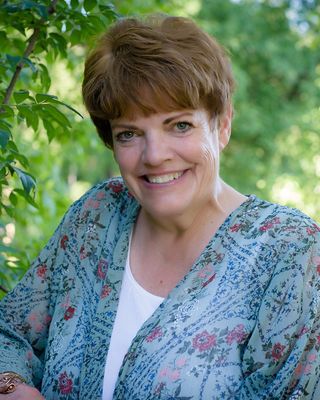
Hosted by Lynn M Marrs
Clinical Social Work/Therapist, L, I, C, S, W
Group meets in Maple Grove, MN 55311
Yoga Calm is a program that teaches children how to calm their own body and better regulate their emotions as well as learn pro-social behavior and skills.
Positive Discipline is based on the belief that all human beings have the basic need to belong and feel significant and that all behavior has a purpose and function. This way of parenting is very different than the typical thoughts on parenting and discipline. It is empowering for both the parent and the child. It treats the child and the parent respectfully and with dignity. The concepts and tools are simple, but it is not EASY. And it is worth the effort!
Hosted by Lynn M Marrs
Clinical Social Work/Therapist, L, I, C, S, W
Group meets in Maple Grove, MN 55311
Positive Discipline is based on the belief that all human beings have the basic need to belong and feel significant and that all behavior has a purpose and function. This way of parenting is very different than the typical thoughts on parenting and discipline. It is empowering for both the parent and the child. It treats the child and the parent respectfully and with dignity. The concepts and tools are simple, but it is not EASY. And it is worth the effort!
I am a certified supervisor for social workers who want to work toward a higher level of licensure. My experience includes working in residential care, in Hennepin County, in out-patient mental health and as a school social worker. I have over 20 years of professional experience. I'm happy to talk with you about your needs and goals to see if we are good fit.
Hosted by Lynn M Marrs
Clinical Social Work/Therapist, L, I, C, S, W
Group meets in Maple Grove, MN 55311
I am a certified supervisor for social workers who want to work toward a higher level of licensure. My experience includes working in residential care, in Hennepin County, in out-patient mental health and as a school social worker. I have over 20 years of professional experience. I'm happy to talk with you about your needs and goals to see if we are good fit.
More Groups Nearby
Moving somewhere new sounds exciting on paper, but the reality can feel lonely, disorienting, and heavy. It’s normal to miss your old routines, your favorite spots, and the people who just get you. New in Town is a supportive, 6-week space for adults navigating relocation and homesickness. We talk openly about the awkwardness of starting over, the ache of missing home, and how hard it can be to make real friends as an adult. Come as you are, share what’s on your heart, and find community with people who truly understand.

Moving somewhere new sounds exciting on paper, but the reality can feel lonely, disorienting, and heavy. It’s normal to miss your old routines, your favorite spots, and the people who just get you. New in Town is a supportive, 6-week space for adults navigating relocation and homesickness. We talk openly about the awkwardness of starting over, the ache of missing home, and how hard it can be to make real friends as an adult. Come as you are, share what’s on your heart, and find community with people who truly understand.
State-certified DBT skills training group that assists clients in learning how to tolerate life’s stressors and increase their ability to regulate emotions. Four primary modules are Mindfulness, Emotion Regulation, Interpersonal Effectiveness, and Distress Tolerance. Groups are 2.5 hours weekly with a max of 10 clients, and there are several options for clients with different needs. We offer groups Monday-Thursday, in-person or virtual, and at varying times. Please reach out to front desk for more information on times and availability: 763-412-0722.

State-certified DBT skills training group that assists clients in learning how to tolerate life’s stressors and increase their ability to regulate emotions. Four primary modules are Mindfulness, Emotion Regulation, Interpersonal Effectiveness, and Distress Tolerance. Groups are 2.5 hours weekly with a max of 10 clients, and there are several options for clients with different needs. We offer groups Monday-Thursday, in-person or virtual, and at varying times. Please reach out to front desk for more information on times and availability: 763-412-0722.
Our Telehealth DBT Group for Adolescents offers structured, virtual support through four six-week modules: Emotional Regulation, Middle Path Concepts, Distress Tolerance, and Interpersonal Relationships. Adolescents learn to manage emotions, balance acceptance and change, tolerate crises, and improve communication. Additional skills include Mindfulness, Self-Validation, Problem-Solving, and Coping Ahead. At the end of each module, a parent meeting provides updates and guidance on supporting growth. Join our group to help your adolescent develop essential skills for managing emotions, handling stress, and improving relationships in a supportive virtual setting.

Hosted by Echo Anne Althoff
Marriage & Family Therapist, LMFT, MS
Group meets in Maple Grove, MN 55369
Our Telehealth DBT Group for Adolescents offers structured, virtual support through four six-week modules: Emotional Regulation, Middle Path Concepts, Distress Tolerance, and Interpersonal Relationships. Adolescents learn to manage emotions, balance acceptance and change, tolerate crises, and improve communication. Additional skills include Mindfulness, Self-Validation, Problem-Solving, and Coping Ahead. At the end of each module, a parent meeting provides updates and guidance on supporting growth. Join our group to help your adolescent develop essential skills for managing emotions, handling stress, and improving relationships in a supportive virtual setting.
This is a group for folks with high dissociation who want to connect locally with other people with similar life experiences. This group meets once a month, on the second Saturday of the month, from 11am-12pm in person at our Eagan office. Sliding scale pricing $5-20 per person, per session.

This is a group for folks with high dissociation who want to connect locally with other people with similar life experiences. This group meets once a month, on the second Saturday of the month, from 11am-12pm in person at our Eagan office. Sliding scale pricing $5-20 per person, per session.
When • Wednesdays | 3 pm • July 8 – August 5 (No session July 22) This group is a supportive space for teen girls to explore mental health, build coping skills, and express themselves through creative activities. Together, we’ll focus on self-care, confidence, and connection in a welcoming, judgment-free environment.

Hosted by Therapy at Reach for Resources
Licensed Professional Counselor, LPCC
Group meets in Edina, MN 55439
When • Wednesdays | 3 pm • July 8 – August 5 (No session July 22) This group is a supportive space for teen girls to explore mental health, build coping skills, and express themselves through creative activities. Together, we’ll focus on self-care, confidence, and connection in a welcoming, judgment-free environment.
Kathleen is passionate about the value of preparation and support for life’s transitions. Her experience is that we are able to manage our life transitions best when we approach them thoughtfully and in a context of mutual support. Her intention is to bring together folks who are contemplating this next stage of their lives, and create an opportunity for learning together, sharing hopes/fears/wisdoms, and feeling (and being) more supported and resourced. The group will be a closed group of max 10 people, and will meet weekly for 4 weeks in person.
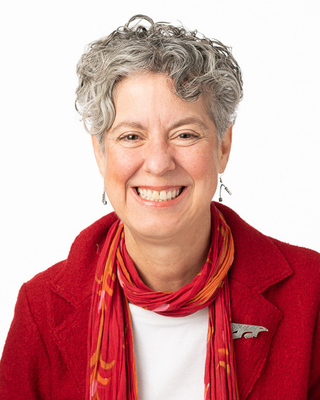
Hosted by Kathleen A Sullivan
Clinical Social Work/Therapist, MSW, LICSW
Group meets in Minneapolis, MN 55416
Kathleen is passionate about the value of preparation and support for life’s transitions. Her experience is that we are able to manage our life transitions best when we approach them thoughtfully and in a context of mutual support. Her intention is to bring together folks who are contemplating this next stage of their lives, and create an opportunity for learning together, sharing hopes/fears/wisdoms, and feeling (and being) more supported and resourced. The group will be a closed group of max 10 people, and will meet weekly for 4 weeks in person.
This is a DBT group of 8-10 participants, currently meeting in a hybrid format- some participants attend in person, and some attend virtually. Each group sessions focuses on practicing mindfulness and reviewing a new DBT skill each week. Group members give support to each other, although this is not an in-depth "process group". Instead, the group focuses on members practicing DBT skills to improve their lives and manage life's stressors.

This is a DBT group of 8-10 participants, currently meeting in a hybrid format- some participants attend in person, and some attend virtually. Each group sessions focuses on practicing mindfulness and reviewing a new DBT skill each week. Group members give support to each other, although this is not an in-depth "process group". Instead, the group focuses on members practicing DBT skills to improve their lives and manage life's stressors.
I facilitate two Friday morning online men's process groups that meet every other week for 2 hours. Topics include: changing roles for men, relationships, healing from loss, trauma, family of origin, parenting, divorce, mental health concerns, etc. I am careful to put the right mix of people together in each of my groups. These groups are ongoing; members stay in as long as it is helpful. We also meet in-person a few times per year for optional Saturday retreats.

I facilitate two Friday morning online men's process groups that meet every other week for 2 hours. Topics include: changing roles for men, relationships, healing from loss, trauma, family of origin, parenting, divorce, mental health concerns, etc. I am careful to put the right mix of people together in each of my groups. These groups are ongoing; members stay in as long as it is helpful. We also meet in-person a few times per year for optional Saturday retreats.
This will be a weekly support group for individuals who are separated/estranged from their family due to past emotional abuse and/or religious/political differences. Goal of the group will be to establish feelings of safety and rapport in the first half using games followed by the processing of grief and loss of family of origin in the second half. There will be ongoing coping skill resources provided as needed during processing.

Hosted by Taylor Ryan
Licensed Professional Clinical Counselor, MA, LPCC
Group meets in Minneapolis, MN 55401
This will be a weekly support group for individuals who are separated/estranged from their family due to past emotional abuse and/or religious/political differences. Goal of the group will be to establish feelings of safety and rapport in the first half using games followed by the processing of grief and loss of family of origin in the second half. There will be ongoing coping skill resources provided as needed during processing.
ICC is our highest level of service provided by our most experienced therapists. ICC was created to be efficient and effective for couples who need change now. Just like serious medical conditions, serious relationship crises like affairs and addiction require immediate and sufficient intervention. You and your partner work privately with an ICC-certified therapist for 15 hours in sessions that last 3-4 hours at a time. We offer this program in-person and online for your convenience! Your relationship is worth investing in.

Hosted by Relationship Therapy Center
Marriage & Family Therapist, MA, LMFT
Group meets in Saint Louis Park, MN 55416
ICC is our highest level of service provided by our most experienced therapists. ICC was created to be efficient and effective for couples who need change now. Just like serious medical conditions, serious relationship crises like affairs and addiction require immediate and sufficient intervention. You and your partner work privately with an ICC-certified therapist for 15 hours in sessions that last 3-4 hours at a time. We offer this program in-person and online for your convenience! Your relationship is worth investing in.
Always the leader. Always the strong one. Always moving forward. You see the hardest moments, make impossible decisions, and carry on - because that's the job and what you have trained so hard for. But you don't have to carry it all alone. Learn evidence based strategies to increase resiliency and manage stress of the job. Find ways to balance the competing demands of a busy home and professional life and find ways to keep the stress of the job at the door. Open to any physician and/or resident located across 40 states. See PSYPACT MAP for states: https://psypact.gov/page/psypactmap

Always the leader. Always the strong one. Always moving forward. You see the hardest moments, make impossible decisions, and carry on - because that's the job and what you have trained so hard for. But you don't have to carry it all alone. Learn evidence based strategies to increase resiliency and manage stress of the job. Find ways to balance the competing demands of a busy home and professional life and find ways to keep the stress of the job at the door. Open to any physician and/or resident located across 40 states. See PSYPACT MAP for states: https://psypact.gov/page/psypactmap
Have you been trying to have healthier relationships and reduce stress? This weekly group provides a space to process challenges and have accountability amongst peers to support the growth + change you desire. Group members have one thing in common - the desire to improve their relationships with the Self, loved ones, and others and to do it in an honest and open way. During these times of increased uncertainty and volatility, there is a need for strengthening as a collective. We will explore themes of masculinity, family, partners, loss, anger, pressure, love, intimacy, shame, needs and connection.

Have you been trying to have healthier relationships and reduce stress? This weekly group provides a space to process challenges and have accountability amongst peers to support the growth + change you desire. Group members have one thing in common - the desire to improve their relationships with the Self, loved ones, and others and to do it in an honest and open way. During these times of increased uncertainty and volatility, there is a need for strengthening as a collective. We will explore themes of masculinity, family, partners, loss, anger, pressure, love, intimacy, shame, needs and connection.
This 1 day, 7-hour course is for those students interested in deepening their skills as a Reiki Practitioner and furthering their study and commitment to the process of energy healing. Students will be trained in the art of Reiki Initiation and Attunement, learn and use three new symbols, and demonstrate their skill and knowledge regarding Reiki Healing. Course Content: Additional Symbols Buddhist Interpretation of Symbols Learn the Process of Passing Attunements
This 1 day, 7-hour course is for those students interested in deepening their skills as a Reiki Practitioner and furthering their study and commitment to the process of energy healing. Students will be trained in the art of Reiki Initiation and Attunement, learn and use three new symbols, and demonstrate their skill and knowledge regarding Reiki Healing. Course Content: Additional Symbols Buddhist Interpretation of Symbols Learn the Process of Passing Attunements
Overcome social anxiety! Learn the skills to help you feel more confident talking to others in social situations. Here is part of what you will learn: Self esteem skills, calming techniques, communication skills, interpersonal effectiveness, managing body sensations and much more.

Overcome social anxiety! Learn the skills to help you feel more confident talking to others in social situations. Here is part of what you will learn: Self esteem skills, calming techniques, communication skills, interpersonal effectiveness, managing body sensations and much more.
This group is designed to be 6 weeks closed group that aims to provide individuals with an environment that is supportive of their smoking cessation goals. It will offer a setting for members to share concerns and develop self-awareness through self-disclosure and feedback.

This group is designed to be 6 weeks closed group that aims to provide individuals with an environment that is supportive of their smoking cessation goals. It will offer a setting for members to share concerns and develop self-awareness through self-disclosure and feedback.
State-Certified, adherent Dialectical Behavior Therapy (DBT) is one of the leading examples of an evidence-based practice. DBT is a treatment that has been proven to be effective with people who struggle to tolerate distress effectively, who experience persistent, up-and-down emotional misery, and struggle with their relationships (either professionally / personally or both). All clients in this group identify as part of the queer community. It is a judgement-free, safe space. This group seeks to see, value, and serve the community that has often not been seen (supportively), valued (culturally), or served (within the mental health community).

State-Certified, adherent Dialectical Behavior Therapy (DBT) is one of the leading examples of an evidence-based practice. DBT is a treatment that has been proven to be effective with people who struggle to tolerate distress effectively, who experience persistent, up-and-down emotional misery, and struggle with their relationships (either professionally / personally or both). All clients in this group identify as part of the queer community. It is a judgement-free, safe space. This group seeks to see, value, and serve the community that has often not been seen (supportively), valued (culturally), or served (within the mental health community).
Adherent DBT skills groups for adolescents and their parents. 2 hours every Wednesday, Thursday night or Saturday morning. Adherent DBT group based on Marsha LInehan

Adherent DBT skills groups for adolescents and their parents. 2 hours every Wednesday, Thursday night or Saturday morning. Adherent DBT group based on Marsha LInehan
See more therapy options for 55311


FAQs - About Group Therapy and Support Groups
How can I find a support group in 55311?
To find a support group in your area, start by entering your city, zip code, or the name of the group into the search bar at the top of the page. When searching, consider whether you prefer an in-person or virtual group. This can help you decide how broad your geographic search should be. If you are open to virtual groups, you might want to search by state instead of just your city, especially if there are limited options nearby.
Once you complete your search, you can use the filters to narrow the results by selecting specialties (such as grief, trauma, or eating disorders), therapeutic approaches, age groups, and other criteria to find a group that best fits your needs.
How does group therapy work?
Group therapy is led by one or more trained therapists and provides a space where participants can process their experiences and learn from others facing similar challenges. Groups may focus on a specific issue—such as addiction, grief, physical illnesses, parenting, or caregiving—or they may center around a particular therapeutic approach, such as Cognitive Behavioral Therapy (CBT), social skill development, or Exposure Therapy. Some groups are also designed for specific populations, such as teens, veterans, or LGBTQ+ individuals.
It’s also important to distinguish group therapy from peer-led support groups, like Alcoholics Anonymous. While both can offer valuable support, therapy groups are typically led by licensed professionals and follow a more structured format. Therapy groups often meet for a fixed length of time with a consistent group of members, while many peer support groups meet for an indefinite period of time with members coming and going.
What are the benefits of group therapy?
Group therapy offers several important benefits. It brings together people facing similar challenges—whether related to mental health, physical health, or life transitions—and creates a supportive environment where participants can exchange feedback, share experiences, and learn from one another. Hearing different perspectives can help individuals discover new coping strategies and practical tools they may not have encountered on their own. Sharing personal experiences, such as coping with a serious illness or navigating family struggles, can also reduce feelings of isolation and foster a sense of connection and understanding. In addition to emotional support, group members often gain useful, real-world advice from peers who have faced similar situations.
Group therapy is typically more affordable than individual therapy and, for certain conditions, can be equally effective. Many groups also include structured activities—such as guided journaling, cognitive-behavioral exercises, or role-playing—to help participants develop concrete skills they can apply in daily life.
Is group therapy as effective as individual therapy?
It is difficult to make a blanket statement about the effectiveness of support groups, as they vary widely in focus and the conditions they address. However, support groups can be highly valuable in helping individuals gain emotional support and achieve meaningful treatment outcomes. For certain conditions, such as substance use, research has shown that group therapy can be particularly effective—sometimes just as effective as individual therapy—in supporting long-term recovery.
Many professionals attribute the effectiveness of group therapy to the unique benefits of the group setting, which fosters peer-to-peer learning and a sense of connection through shared experiences. Group settings also offer accountability and encouragement from both facilitators and fellow participants, which helps sustain motivation and supports continued progress. These factors together play a key role in promoting the overall effectiveness of group therapy.
How much does group therapy cost?
Group therapy is typically less expensive than individual therapy, with sessions typically costing between $50 and $75 each. In comparison, individual therapy can cost anywhere from $100 to $200 or more per session, even with insurance. Some therapists or organizations offer low-cost or free group therapy options, particularly through community centers or nonprofit organizations. In some cases, groups may require payment upfront for a set number of sessions, such as paying for six weekly sessions at the first meeting. However, many providers offer payment plans to help make participation more accessible if this upfront payment is required.
Does insurance cover group therapy?
As with individual therapy, insurance coverage for group therapy varies based on factors such as your specific insurance plan, the purpose of the group, your diagnosis, and whether the group provider is in-network. Many insurance plans cover group therapy sessions that address diagnosable mental health conditions, such as substance use disorders, anxiety, or depression.
However, groups that focus on topics not directly tied to a mental health diagnosis—such as parenting support or divorce recovery—are less likely to be covered. Because coverage can vary widely, it’s important to check with your insurance provider before joining a group to confirm whether the sessions will be covered and what out-of-pocket costs you may be responsible for.
How long does group therapy last?
The length of each group therapy session typically ranges from 45 minutes to two hours, depending on the therapy approach, the group’s goals, and how often the group meets. In some cases, group therapy is part of a larger treatment program, such as an Intensive Outpatient Program (IOP), where group sessions complement individual therapy and are scheduled as part of the program’s overall structure.
The duration of participation in a group also varies. Some groups are designed to be short-term, lasting anywhere from 6 to 24 weeks—for example, bereavement groups or skills-based groups like those using Dialectical Behavioral Therapy (DBT). Other groups may be longer-term, lasting a year or more, and some ongoing support groups meet indefinitely, allowing participants to stay as long as they find the group helpful.
What are the limitations of support groups?
Support groups offer many benefits, but they also have certain limitations. Unlike therapy groups, many support groups do not provide formal therapeutic treatment and are not led by licensed mental health professionals. For individuals seeking clinical treatment for specific mental health diagnoses—such as depression, eating disorders, or substance use—individual therapy or group therapy led by a licensed professional may offer more personalized and specialized care.
The effectiveness of a support group also depends heavily on the group’s participants and the overall group dynamic. When members engage respectfully and offer constructive support, the group can foster valuable peer-to-peer learning. However, if certain participants dominate discussions, provide inaccurate advice, or create conflict, it can disrupt the group’s sense of safety and reduce its effectiveness. Confidentiality can also be harder to maintain in support groups, particularly in open groups where participants can join or leave at any time. With new members regularly entering the group, it can be more difficult to build and sustain a consistent sense of trust and privacy.