Support Groups in 49007
Healing Path Counseling Services, LLC is a compassionate group practice supporting individuals, couples, and families through life’s challenges. Our experienced therapists work with children, teens, and adults, specializing in anxiety, depression, trauma, and relationships. We believe healing is a journey, and we’re honored to walk it with you—offering support, growth, and hope at every step.

Healing Path Counseling Services, LLC is a compassionate group practice supporting individuals, couples, and families through life’s challenges. Our experienced therapists work with children, teens, and adults, specializing in anxiety, depression, trauma, and relationships. We believe healing is a journey, and we’re honored to walk it with you—offering support, growth, and hope at every step.
Life Journey focuses on making a difference! We actively work with you to envision and create the life you want. All our therapists are readily available and responsive to the needs of clients. We believe you should make breakthroughs in therapy on a regular basis. You will see results and you will know our goal is to move you forward on your journey. We are active problem solvers who respect the sacrifice you are making to change your life. We promise to work hard to accomplish your therapeutic goals! Let's get started to see where your journey leads.....

Life Journey focuses on making a difference! We actively work with you to envision and create the life you want. All our therapists are readily available and responsive to the needs of clients. We believe you should make breakthroughs in therapy on a regular basis. You will see results and you will know our goal is to move you forward on your journey. We are active problem solvers who respect the sacrifice you are making to change your life. We promise to work hard to accomplish your therapeutic goals! Let's get started to see where your journey leads.....
We are recruiting 9-12 graders for our Mind Health Ambassadors Program. This is a 6 month training program to teach mental health awareness and mindful and yoga techniques so youth can be ambassadors in their own environments. $500 award upon completion of training. One year committment. Recruiting ends at the September 30, 2021 for this round. Check out website www.synergykzoo.org or call the office today.

Hosted by Valarie Cunningham/Synergy Health Center
Clinical Social Work/Therapist, DMin, LMSW
Group meets in Kalamazoo, MI 49007
We are recruiting 9-12 graders for our Mind Health Ambassadors Program. This is a 6 month training program to teach mental health awareness and mindful and yoga techniques so youth can be ambassadors in their own environments. $500 award upon completion of training. One year committment. Recruiting ends at the September 30, 2021 for this round. Check out website www.synergykzoo.org or call the office today.
More Groups Nearby
Join us at Meaningful Connections Counseling for a free body doubling/accountability group! Struggling to do the thing? Join our supportive body doubling group to work on something you've been meaning to do. Examples: homework, crossword puzzles, meditation, painting, taxes, answering emails, making appointments, etc. For more information please email us at: Leahconditlpc@gmail.com

Join us at Meaningful Connections Counseling for a free body doubling/accountability group! Struggling to do the thing? Join our supportive body doubling group to work on something you've been meaning to do. Examples: homework, crossword puzzles, meditation, painting, taxes, answering emails, making appointments, etc. For more information please email us at: Leahconditlpc@gmail.com
How can the principles of yin yoga teach us to inhabit our lives with both ease and vitality? How does stillness open space for authentic action to emerge? Join Indira for this four-part series. No prior yoga experience necessary. Please bring a yoga mat, a blanket or bolster, and a journal. If you have blocks, bring them along as well. Save your spot by texting 269.339.1240. No walk-ins: pre-registration is required.

How can the principles of yin yoga teach us to inhabit our lives with both ease and vitality? How does stillness open space for authentic action to emerge? Join Indira for this four-part series. No prior yoga experience necessary. Please bring a yoga mat, a blanket or bolster, and a journal. If you have blocks, bring them along as well. Save your spot by texting 269.339.1240. No walk-ins: pre-registration is required.
Enlightened Recovery offers a range of group sessions to support every step of the recovery journey. Psychoed groups provide essential mental health education and coping strategies. Didactic sessions deliver structured, informative lessons on recovery principles and wellness techniques. Recovery Skills groups focus on building practical tools to manage triggers and strengthen resilience. Process groups create a safe space for sharing experiences, exploring emotions, and fostering personal insights. Together, these groups form a comprehensive, supportive framework for lasting recovery.

Enlightened Recovery offers a range of group sessions to support every step of the recovery journey. Psychoed groups provide essential mental health education and coping strategies. Didactic sessions deliver structured, informative lessons on recovery principles and wellness techniques. Recovery Skills groups focus on building practical tools to manage triggers and strengthen resilience. Process groups create a safe space for sharing experiences, exploring emotions, and fostering personal insights. Together, these groups form a comprehensive, supportive framework for lasting recovery.
*Returning in 2022* The Anchored in Hope Postpartum group provides therapy, education and support for moms who are struggling with sleep issues, feeling overwhelmed, feeling isolated or alone, having increased anxiety, feeling guilt, sadness or irritability during the postpartum period. In a safe and supportive environment, women learn and share strategies for enhancing their sense of well-being and problem-solving abilities in a therapeutic setting. Topics covered include self-esteem, self-care, relationships, coping skills, building a healthy support network and feelings of depression and anxiety.
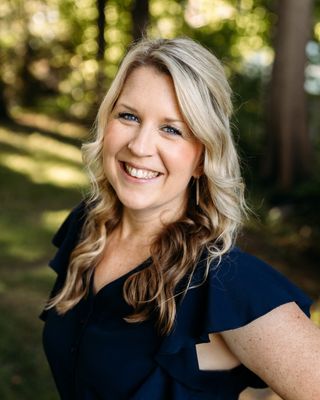
*Returning in 2022* The Anchored in Hope Postpartum group provides therapy, education and support for moms who are struggling with sleep issues, feeling overwhelmed, feeling isolated or alone, having increased anxiety, feeling guilt, sadness or irritability during the postpartum period. In a safe and supportive environment, women learn and share strategies for enhancing their sense of well-being and problem-solving abilities in a therapeutic setting. Topics covered include self-esteem, self-care, relationships, coping skills, building a healthy support network and feelings of depression and anxiety.
ADHD virtual support groups for youth using engaging, interactive, and structured activities to build social skills, focus, and confidence. Popular activities include collaborative online games, digital escape rooms, improvisational scenarios, and mindfulness exercises such as bubble breathing. These groups often include creative, hands-on projects, such as creating DIY stress balls, mixed-media art, and organizing digital "spaces" to enhance executive function.

ADHD virtual support groups for youth using engaging, interactive, and structured activities to build social skills, focus, and confidence. Popular activities include collaborative online games, digital escape rooms, improvisational scenarios, and mindfulness exercises such as bubble breathing. These groups often include creative, hands-on projects, such as creating DIY stress balls, mixed-media art, and organizing digital "spaces" to enhance executive function.
I offer group and individual supervision for LLPC's.
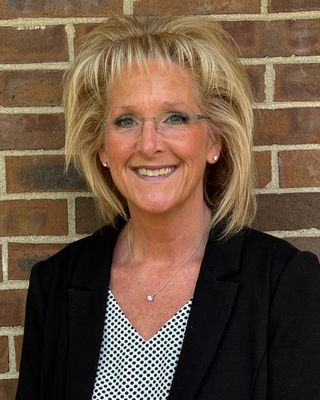
I offer group and individual supervision for LLPC's.
Our desire is to partner with our clients to bring hope and healing. We provide our clients with a safe, warm environment to work through their challenges with experienced, compassionate counselors. We focus on client-centered counseling and bring a faith-based approach to our work. Let us connect you with one of our counselors to help meet your needs. We provide online or in-person sessions.
Our desire is to partner with our clients to bring hope and healing. We provide our clients with a safe, warm environment to work through their challenges with experienced, compassionate counselors. We focus on client-centered counseling and bring a faith-based approach to our work. Let us connect you with one of our counselors to help meet your needs. We provide online or in-person sessions.
This group centers acceptance, authenticity, and community rather than trying to “fix” neurodivergence. This neuro-affirming therapy group is designed for adults who identify as neurodivergent (including ADHD, autistic, or questioning). Together we explore how our brains work, reduce shame, and develop supportive strategies for navigating a neurotypical world. Group starts 5/7/26 and runs for 6 weeks. Please email contact@monarchtherapykzoo.com to sign-up.

Hosted by Kate Zeigert
Clinical Social Work/Therapist, LMSW-C, CCTP
Group meets in Kalamazoo, MI 49008
This group centers acceptance, authenticity, and community rather than trying to “fix” neurodivergence. This neuro-affirming therapy group is designed for adults who identify as neurodivergent (including ADHD, autistic, or questioning). Together we explore how our brains work, reduce shame, and develop supportive strategies for navigating a neurotypical world. Group starts 5/7/26 and runs for 6 weeks. Please email contact@monarchtherapykzoo.com to sign-up.
I provide teachers with an opportunity to discuss their stresses related to teaching during the pandemic. I also provide mindfulness techniques and coping strategies to assist them in self-care.
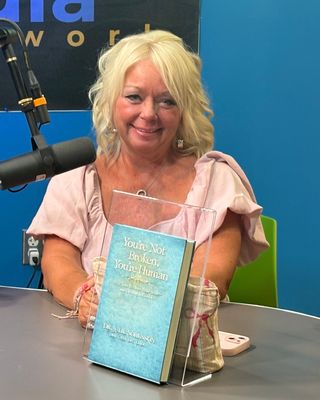
Hosted by Julie Sorenson
Licensed Professional Counselor, DMFT, MA, LPC
Group meets in Portage, MI 49024
I provide teachers with an opportunity to discuss their stresses related to teaching during the pandemic. I also provide mindfulness techniques and coping strategies to assist them in self-care.
Spravato® is the first prescription nasal spray, taken with an oral antidepressant, for: adults with treatment-resistant depression or for depressive symptoms in adults with with suicidal thoughts or actions. Those who took Spravato® and an oral antidepressant experienced greater reductions of depressive symptoms at four weeks. Spravato® is only can be given under the supervision of a provider in office setting, patient needs to be monitored for 2 hours after receiving treatment. Spravato® is covered by most commercial insurances, however a prior authorization will need to be obtained by provider's office. Schedule a consultation at www.kzootms.com.

Hosted by Kalamazoo TMS & Behavior Health
Psychiatrist, MD, MBBS, DDSc
Group meets in Portage, MI 49002
Spravato® is the first prescription nasal spray, taken with an oral antidepressant, for: adults with treatment-resistant depression or for depressive symptoms in adults with with suicidal thoughts or actions. Those who took Spravato® and an oral antidepressant experienced greater reductions of depressive symptoms at four weeks. Spravato® is only can be given under the supervision of a provider in office setting, patient needs to be monitored for 2 hours after receiving treatment. Spravato® is covered by most commercial insurances, however a prior authorization will need to be obtained by provider's office. Schedule a consultation at www.kzootms.com.
Finding freedom from porn addiction often feels like an impossible, lonely battle. But it doesn't have to be. Through our flagship recovery program, men and women are discovering a real path to healing. Over 31 weeks, this holistic journey combines reality and clinical science to guide you step by step. You won't walk this road alone; instead, you'll join a supportive, private community where daily check-ins keep you grounded, practical tools empower your daily life, and secure accountability helps you finally reclaim your freedom.
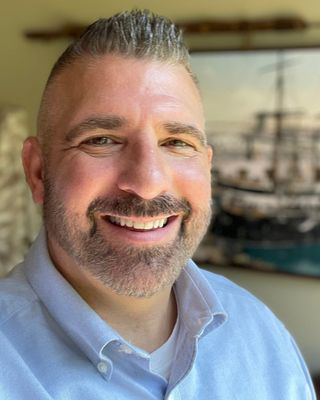
Hosted by Ray Brandon
Licensed Professional Counselor, MA, LPC, CSAT, NCC
Group meets in Kalamazoo, MI 49009
Finding freedom from porn addiction often feels like an impossible, lonely battle. But it doesn't have to be. Through our flagship recovery program, men and women are discovering a real path to healing. Over 31 weeks, this holistic journey combines reality and clinical science to guide you step by step. You won't walk this road alone; instead, you'll join a supportive, private community where daily check-ins keep you grounded, practical tools empower your daily life, and secure accountability helps you finally reclaim your freedom.
This group provides psycho-educational material and facilitated game, activity and role-play to explore issues concerning those with social anxiety and who may be on the Autism spectrum. This group targets a variety of issues from making and maintaining relationships and friendships, coping with anxiety, assertiveness and confidence, general self-management, conflict-resolution and teamwork.
This group provides psycho-educational material and facilitated game, activity and role-play to explore issues concerning those with social anxiety and who may be on the Autism spectrum. This group targets a variety of issues from making and maintaining relationships and friendships, coping with anxiety, assertiveness and confidence, general self-management, conflict-resolution and teamwork.
Ketamine was FDA approved an anesthetic agent in 1970. Ketamine infusion for treatment resistant depression is not approved by the FDA. If a person responds to ketamine, it can rapidly reduce suicidality (life-threatening thoughts and acts) and relieve other serious symptoms of depression. Ketamine also can be effective for treating depression combined with anxiety.It’s not entirely clear how ketamine works. Because it the novel mechanism, ketamine may be able to help people successfully manage depression when other treatments have not worked. Some of the side effect include high blood pressure, nausea and vomiting, perceptual disturbances and dissociation.
Hosted by Kalamazoo TMS & Behavior Health
Psychiatrist, MD, MBBS, DDSc
Group meets in Portage, MI 49002
Ketamine was FDA approved an anesthetic agent in 1970. Ketamine infusion for treatment resistant depression is not approved by the FDA. If a person responds to ketamine, it can rapidly reduce suicidality (life-threatening thoughts and acts) and relieve other serious symptoms of depression. Ketamine also can be effective for treating depression combined with anxiety.It’s not entirely clear how ketamine works. Because it the novel mechanism, ketamine may be able to help people successfully manage depression when other treatments have not worked. Some of the side effect include high blood pressure, nausea and vomiting, perceptual disturbances and dissociation.
Brain Body Therapy Group is offering an in person 8-week Pet Grief Group. This group is designed to help process emotions surrounding the loss of your pet. We hope to help participants alleviate the loneliness and sadness that comes with losing a beloved pet. The group will run Tuesdays from 5:00 PM to 6:30 PM starting Apr 4, 2023, ending May 16, 2023. The cost is $25 per group. We are located at 5380 Holiday Terrace, Stuite 28, Kalamazoo, MI. If interested in this group, please contact Danielle at 269-339-0963 or email danielle@brainbodytherapyservices.com.
Brain Body Therapy Group is offering an in person 8-week Pet Grief Group. This group is designed to help process emotions surrounding the loss of your pet. We hope to help participants alleviate the loneliness and sadness that comes with losing a beloved pet. The group will run Tuesdays from 5:00 PM to 6:30 PM starting Apr 4, 2023, ending May 16, 2023. The cost is $25 per group. We are located at 5380 Holiday Terrace, Stuite 28, Kalamazoo, MI. If interested in this group, please contact Danielle at 269-339-0963 or email danielle@brainbodytherapyservices.com.
Brain Body Therapy Group offers an Intensive Outpatient Program. Research demonstrates complex trauma resides in the body, changes the structure and neurobiology of the brain, and greatly influences behavioral patterns and conditioned responses. Brain Body Therapy Group believes in using evidence-based treatment modalities to effectively target co-occurring mental health concerns, addiction, and underlying trauma responses. Our IOP provides a structured group curriculum to assist clients in developing safety, skills for coping, and healthy relationships, which provides a solid foundation of skills that help individuals build a quality life.
Brain Body Therapy Group offers an Intensive Outpatient Program. Research demonstrates complex trauma resides in the body, changes the structure and neurobiology of the brain, and greatly influences behavioral patterns and conditioned responses. Brain Body Therapy Group believes in using evidence-based treatment modalities to effectively target co-occurring mental health concerns, addiction, and underlying trauma responses. Our IOP provides a structured group curriculum to assist clients in developing safety, skills for coping, and healthy relationships, which provides a solid foundation of skills that help individuals build a quality life.
Our parenting class helps everyday couples align their parenting styles, reduce conflict, and create a calmer home. You'll learn proven strategies to raise respectful, responsible children who listen out of mutual respect — not fear — and become a united team in the process.
Hosted by Ray Brandon
Licensed Professional Counselor, MA, LPC, CSAT, NCC
Group meets in Kalamazoo, MI 49009
Our parenting class helps everyday couples align their parenting styles, reduce conflict, and create a calmer home. You'll learn proven strategies to raise respectful, responsible children who listen out of mutual respect — not fear — and become a united team in the process.
Only persons engaged in comprehensive DBT are eligible for this Coping Skills group. The group focuses on coping skills enhancing effective communication, distress tolerance, emotion regulation, and mindfulness.

Only persons engaged in comprehensive DBT are eligible for this Coping Skills group. The group focuses on coping skills enhancing effective communication, distress tolerance, emotion regulation, and mindfulness.
See more therapy options for 49007


FAQs - About Group Therapy and Support Groups
How can I find a support group in 49007?
To find a support group in your area, start by entering your city, zip code, or the name of the group into the search bar at the top of the page. When searching, consider whether you prefer an in-person or virtual group. This can help you decide how broad your geographic search should be. If you are open to virtual groups, you might want to search by state instead of just your city, especially if there are limited options nearby.
Once you complete your search, you can use the filters to narrow the results by selecting specialties (such as grief, trauma, or eating disorders), therapeutic approaches, age groups, and other criteria to find a group that best fits your needs.
How does group therapy work?
Group therapy is led by one or more trained therapists and provides a space where participants can process their experiences and learn from others facing similar challenges. Groups may focus on a specific issue—such as addiction, grief, physical illnesses, parenting, or caregiving—or they may center around a particular therapeutic approach, such as Cognitive Behavioral Therapy (CBT), social skill development, or Exposure Therapy. Some groups are also designed for specific populations, such as teens, veterans, or LGBTQ+ individuals.
It’s also important to distinguish group therapy from peer-led support groups, like Alcoholics Anonymous. While both can offer valuable support, therapy groups are typically led by licensed professionals and follow a more structured format. Therapy groups often meet for a fixed length of time with a consistent group of members, while many peer support groups meet for an indefinite period of time with members coming and going.
What are the benefits of group therapy?
Group therapy offers several important benefits. It brings together people facing similar challenges—whether related to mental health, physical health, or life transitions—and creates a supportive environment where participants can exchange feedback, share experiences, and learn from one another. Hearing different perspectives can help individuals discover new coping strategies and practical tools they may not have encountered on their own. Sharing personal experiences, such as coping with a serious illness or navigating family struggles, can also reduce feelings of isolation and foster a sense of connection and understanding. In addition to emotional support, group members often gain useful, real-world advice from peers who have faced similar situations.
Group therapy is typically more affordable than individual therapy and, for certain conditions, can be equally effective. Many groups also include structured activities—such as guided journaling, cognitive-behavioral exercises, or role-playing—to help participants develop concrete skills they can apply in daily life.
Is group therapy as effective as individual therapy?
It is difficult to make a blanket statement about the effectiveness of support groups, as they vary widely in focus and the conditions they address. However, support groups can be highly valuable in helping individuals gain emotional support and achieve meaningful treatment outcomes. For certain conditions, such as substance use, research has shown that group therapy can be particularly effective—sometimes just as effective as individual therapy—in supporting long-term recovery.
Many professionals attribute the effectiveness of group therapy to the unique benefits of the group setting, which fosters peer-to-peer learning and a sense of connection through shared experiences. Group settings also offer accountability and encouragement from both facilitators and fellow participants, which helps sustain motivation and supports continued progress. These factors together play a key role in promoting the overall effectiveness of group therapy.
How much does group therapy cost?
Group therapy is typically less expensive than individual therapy, with sessions typically costing between $50 and $75 each. In comparison, individual therapy can cost anywhere from $100 to $200 or more per session, even with insurance. Some therapists or organizations offer low-cost or free group therapy options, particularly through community centers or nonprofit organizations. In some cases, groups may require payment upfront for a set number of sessions, such as paying for six weekly sessions at the first meeting. However, many providers offer payment plans to help make participation more accessible if this upfront payment is required.
Does insurance cover group therapy?
As with individual therapy, insurance coverage for group therapy varies based on factors such as your specific insurance plan, the purpose of the group, your diagnosis, and whether the group provider is in-network. Many insurance plans cover group therapy sessions that address diagnosable mental health conditions, such as substance use disorders, anxiety, or depression.
However, groups that focus on topics not directly tied to a mental health diagnosis—such as parenting support or divorce recovery—are less likely to be covered. Because coverage can vary widely, it’s important to check with your insurance provider before joining a group to confirm whether the sessions will be covered and what out-of-pocket costs you may be responsible for.
How long does group therapy last?
The length of each group therapy session typically ranges from 45 minutes to two hours, depending on the therapy approach, the group’s goals, and how often the group meets. In some cases, group therapy is part of a larger treatment program, such as an Intensive Outpatient Program (IOP), where group sessions complement individual therapy and are scheduled as part of the program’s overall structure.
The duration of participation in a group also varies. Some groups are designed to be short-term, lasting anywhere from 6 to 24 weeks—for example, bereavement groups or skills-based groups like those using Dialectical Behavioral Therapy (DBT). Other groups may be longer-term, lasting a year or more, and some ongoing support groups meet indefinitely, allowing participants to stay as long as they find the group helpful.
What are the limitations of support groups?
Support groups offer many benefits, but they also have certain limitations. Unlike therapy groups, many support groups do not provide formal therapeutic treatment and are not led by licensed mental health professionals. For individuals seeking clinical treatment for specific mental health diagnoses—such as depression, eating disorders, or substance use—individual therapy or group therapy led by a licensed professional may offer more personalized and specialized care.
The effectiveness of a support group also depends heavily on the group’s participants and the overall group dynamic. When members engage respectfully and offer constructive support, the group can foster valuable peer-to-peer learning. However, if certain participants dominate discussions, provide inaccurate advice, or create conflict, it can disrupt the group’s sense of safety and reduce its effectiveness. Confidentiality can also be harder to maintain in support groups, particularly in open groups where participants can join or leave at any time. With new members regularly entering the group, it can be more difficult to build and sustain a consistent sense of trust and privacy.