Support Groups in 48371
This open group meets every 2nd and 4th Saturday of month from 10am-12pm for teens ages 14-18. Through art, clients will be able to express positive feelings, externalize difficult emotions, and gain insight into any negative symptoms they may be experiencing.

Hosted by WillowsEdge Counseling & Healing Arts Center
Counselor, LPC, LLPC
Group meets in Oxford, MI 48371
This open group meets every 2nd and 4th Saturday of month from 10am-12pm for teens ages 14-18. Through art, clients will be able to express positive feelings, externalize difficult emotions, and gain insight into any negative symptoms they may be experiencing.
This open group meets every 2nd and 4th Saturday of month from 10am-12pm for teens ages 14-18. Through art, clients will be able to express positive feelings, externalize difficult emotions, and gain insight into any negative symptoms they may be experiencing.

Hosted by Willows Edge, Inc
Licensed Professional Counselor, MA, LPC, ATR
Group meets in Oxford, MI 48371
This open group meets every 2nd and 4th Saturday of month from 10am-12pm for teens ages 14-18. Through art, clients will be able to express positive feelings, externalize difficult emotions, and gain insight into any negative symptoms they may be experiencing.
This is a monthly support group for those caring for, but not limited to, aging adults, seniors, and adults with disabilities. We meet the 2nd Friday of each month and welcome family caregivers, professional caregivers, and anyone currently experiencing grief related to caregiving or loss. Open to the public, confidential, and FREE. Light refreshments will be served. Complimentary respite care is provided, allowing you to bring your loved one, including those living with dementia or other care needs, so you can fully participate while they engage in supervised activity. A virtual Zoom option is available. RSVP 586-372-8594.

Hosted by Malissa B Harris
Clinical Social Work/Therapist, LCSW, MSW, CMC
Group meets in Oxford, MI 48371
This is a monthly support group for those caring for, but not limited to, aging adults, seniors, and adults with disabilities. We meet the 2nd Friday of each month and welcome family caregivers, professional caregivers, and anyone currently experiencing grief related to caregiving or loss. Open to the public, confidential, and FREE. Light refreshments will be served. Complimentary respite care is provided, allowing you to bring your loved one, including those living with dementia or other care needs, so you can fully participate while they engage in supervised activity. A virtual Zoom option is available. RSVP 586-372-8594.
This open group meets every 2nd and 4th Saturday of month from 10am-12pm for teens ages 14-18. Through art, clients will be able to express positive feelings, externalize difficult emotions, and gain insight into any negative symptoms they may be experiencing.

Hosted by Karen Smigelski
Licensed Professional Counselor, MA, LPC, CAADC
Group meets in Oxford, MI 48371
This open group meets every 2nd and 4th Saturday of month from 10am-12pm for teens ages 14-18. Through art, clients will be able to express positive feelings, externalize difficult emotions, and gain insight into any negative symptoms they may be experiencing.
More Groups Nearby
A grief recovery support group that meets quarterly to offer support, encouragement for those who are dealing with traumatic loss and bereavement issues with male and female peers.
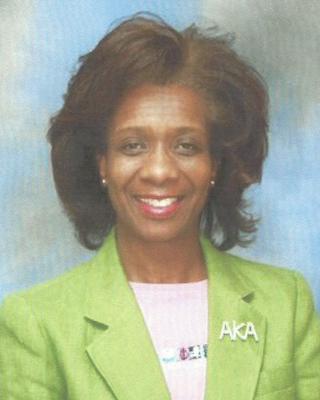
Hosted by Stegreg Youth & Family Services
Clinical Social Work/Therapist, LCSW
Group meets in Southfield, MI 48033
A grief recovery support group that meets quarterly to offer support, encouragement for those who are dealing with traumatic loss and bereavement issues with male and female peers.
A 4 part healing workshop series for building emotional awareness, releasing somatically stored trauma, & enhancing your connection to intuition through mind-body tools. 1/22- Coming Home to Self; 2/5 - Nervous System Regulation; 2/19- Embodied Intuition; 3/5 - Emotional Alchemy. Attend one for $40 or all 4 groups for $140

A 4 part healing workshop series for building emotional awareness, releasing somatically stored trauma, & enhancing your connection to intuition through mind-body tools. 1/22- Coming Home to Self; 2/5 - Nervous System Regulation; 2/19- Embodied Intuition; 3/5 - Emotional Alchemy. Attend one for $40 or all 4 groups for $140
Clients must schedule an intake and pre-register for this group. This in-person group runs for 6 weeks at the Best Life Therapy in Flint township. The group is for adults who have experienced the loss of a spouse, a significant other, an adult child, a sibling or individuals who have had multiple losses. We are currently creating a list of interested clients and will begin the next group when we have enough participants signed up. Vicky Alvarez, Best Life Therapy facilitates these groups. Please express your interest in the group with your therapist during your intake.
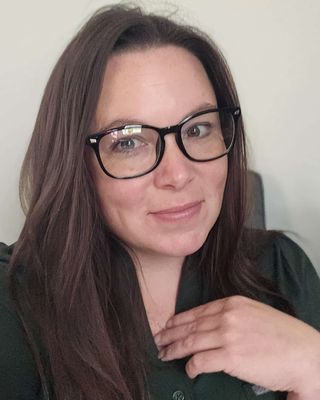
Clients must schedule an intake and pre-register for this group. This in-person group runs for 6 weeks at the Best Life Therapy in Flint township. The group is for adults who have experienced the loss of a spouse, a significant other, an adult child, a sibling or individuals who have had multiple losses. We are currently creating a list of interested clients and will begin the next group when we have enough participants signed up. Vicky Alvarez, Best Life Therapy facilitates these groups. Please express your interest in the group with your therapist during your intake.
The purpose of the group is: 1. Offer support related to substance use 2. Exchange knowledge regarding legal / court requirements 3. Facilitate reinstating licensure if needed 4. Provide letters to probation/ courts indicating attendance The group provides small group therapy (our groups are between 2-5 people), provide legal support, and fulfill the requirements for the court who often require a fully licensed psychotherapist (LMSW) and one that also has a CAADC, Certified Advanced Alcohol and Drug Counselor. This group takes insurance or out of pocket.

Hosted by Pam Sripada
Clinical Social Work/Therapist, LMSW, CAADC, EMDR--C
Group meets in Southfield, MI 48076
The purpose of the group is: 1. Offer support related to substance use 2. Exchange knowledge regarding legal / court requirements 3. Facilitate reinstating licensure if needed 4. Provide letters to probation/ courts indicating attendance The group provides small group therapy (our groups are between 2-5 people), provide legal support, and fulfill the requirements for the court who often require a fully licensed psychotherapist (LMSW) and one that also has a CAADC, Certified Advanced Alcohol and Drug Counselor. This group takes insurance or out of pocket.
The Women's Circle is a clinical support group that supports women experiencing grief and loss after the loss of a significant other, divorce or death. We will heal through sharing and caring.

The Women's Circle is a clinical support group that supports women experiencing grief and loss after the loss of a significant other, divorce or death. We will heal through sharing and caring.
If your license has been suspended for drinking and driving violations, or MIP's, or other substance abuse related convictions, you may be concerned about how to go about getting your driving privilege restored. Counselor Bob INC. can complete the evaluation the State of Michigan requires and help you apply for reinstatement of your driving privileges. Please call for details. (810) 547-1472 or 810-640-7087.

Hosted by Robert M King II
Licensed Professional Counselor, MA, LPC, CAADC
Group meets in Mount Morris, MI 48458
If your license has been suspended for drinking and driving violations, or MIP's, or other substance abuse related convictions, you may be concerned about how to go about getting your driving privilege restored. Counselor Bob INC. can complete the evaluation the State of Michigan requires and help you apply for reinstatement of your driving privileges. Please call for details. (810) 547-1472 or 810-640-7087.
Finding a play therapist is hard! This is a small group for kids ages 6-10 years old. Using play therapy techniques, I will help kids improve their self-esteem, process and identify their feelings, help improve social skills, and learn better manage peer conflicts. We will apply creative art therapy interventions , collaborative play skills, music, games, role playing, and discussions in a fun, safe, and supportive environment. Please contact me at (248) 781-8886 or Liz@choicesinsight.com to schedule a phone consultation. Group start January 2024. Space is limited!

Hosted by Liz DeLandsheer
Licensed Professional Counselor, MA, LPC
Group meets in Royal Oak, MI 48067
Finding a play therapist is hard! This is a small group for kids ages 6-10 years old. Using play therapy techniques, I will help kids improve their self-esteem, process and identify their feelings, help improve social skills, and learn better manage peer conflicts. We will apply creative art therapy interventions , collaborative play skills, music, games, role playing, and discussions in a fun, safe, and supportive environment. Please contact me at (248) 781-8886 or Liz@choicesinsight.com to schedule a phone consultation. Group start January 2024. Space is limited!
A safe place for educators to come together and discuss their ever-changing field. Whether you are in admin, or work directly with students, you are welcome to join in our group. Groups cycles every 3 months. Please direct message me if you're interested in being a part of the next cycle.

A safe place for educators to come together and discuss their ever-changing field. Whether you are in admin, or work directly with students, you are welcome to join in our group. Groups cycles every 3 months. Please direct message me if you're interested in being a part of the next cycle.
Virtual and in-person group supervision for LLPC and interns 1st Thursday of every month from10a-12n and the 3rd Thursday of every month from 6p-8p.

Hosted by Dove's Heart Counseling, LLC
Licensed Professional Counselor, PhD, LPC-S
Group meets in Detroit, MI 48235
Virtual and in-person group supervision for LLPC and interns 1st Thursday of every month from10a-12n and the 3rd Thursday of every month from 6p-8p.
New parents are often surprised at the strong feelings they have that aren't always positive. This group helps parents deal honestly with the stresses, worries and emotions that surface. Skills will be suggested and fine-tuned for those who want help making changes in the parenting environment.

Hosted by Tracey L Stulberg
Marriage & Family Therapist, PhD, LMFT
Group meets in Birmingham, MI 48009
New parents are often surprised at the strong feelings they have that aren't always positive. This group helps parents deal honestly with the stresses, worries and emotions that surface. Skills will be suggested and fine-tuned for those who want help making changes in the parenting environment.
This is a private group where therapists can enhance their knowledge, skills, and comprehension of trauma and dissociation. Participants receive feedback, support, and establish connections that will enhance their therapeutic practices, while also promoting their own well-being and resilience. Dr. Smith facilitates discussion and selects readings that are an integral part of this groups’ learning process.

This is a private group where therapists can enhance their knowledge, skills, and comprehension of trauma and dissociation. Participants receive feedback, support, and establish connections that will enhance their therapeutic practices, while also promoting their own well-being and resilience. Dr. Smith facilitates discussion and selects readings that are an integral part of this groups’ learning process.
As part of a combined intensive program, we work in the "hall of mirrors" called group therapy. One finds support, sees aspects of themselves in others, experiences their foibles in a safe setting and has the chance to repair their ways of being. Such groups meet once or twice per week depending on various criteria. While the idea may frighten some initially, it has proven to be a powerful tool in working through emotional difficulties. The leader has led thousands of hours of such groups in his professional career.

Hosted by Ronald J Hook
Clinical Social Work/Therapist, LMSW, CGP, CRT
Group meets in Southfield, MI 48034
As part of a combined intensive program, we work in the "hall of mirrors" called group therapy. One finds support, sees aspects of themselves in others, experiences their foibles in a safe setting and has the chance to repair their ways of being. Such groups meet once or twice per week depending on various criteria. While the idea may frighten some initially, it has proven to be a powerful tool in working through emotional difficulties. The leader has led thousands of hours of such groups in his professional career.
Relax … Restore … Rejuvenate ... In these specialized yoga classes at Bainbridge Center, attendees will explore yoga poses which incorporate linking breath with movement in a focused sequence of: seated, standing, balancing, belly and reclined postures. These classes are meant to: challenge the participant, gain strength and flexibility, detoxify and find the inner calm marked with an overall sense of wellbeing. Each session is intended to teach participants how to strengthen in certain yoga poses and thoroughly relax into the soothing, restorative postures. These therapeutic yoga sessions allow the practitioner to completely unwind and release to rest deeply in poses promoting restoration.

Relax … Restore … Rejuvenate ... In these specialized yoga classes at Bainbridge Center, attendees will explore yoga poses which incorporate linking breath with movement in a focused sequence of: seated, standing, balancing, belly and reclined postures. These classes are meant to: challenge the participant, gain strength and flexibility, detoxify and find the inner calm marked with an overall sense of wellbeing. Each session is intended to teach participants how to strengthen in certain yoga poses and thoroughly relax into the soothing, restorative postures. These therapeutic yoga sessions allow the practitioner to completely unwind and release to rest deeply in poses promoting restoration.
Due to concerns about COVID-19 and the need for social distancing, our plans for group therapy are delayed. Please check back as we look at ways to offer virtual groups.

Hosted by Beverly Hills Therapy Group
Treatment Center, MA, LPC
Group meets in Beverly Hills, MI 48025
Due to concerns about COVID-19 and the need for social distancing, our plans for group therapy are delayed. Please check back as we look at ways to offer virtual groups.
At Viewpoint Psychology and Wellness, our mission is to assist individuals of all ages and backgrounds in creating change for themselves and reaching their highest potential. Viewpoint is an outpatient Mental Health practice that provides psychological and psychiatric services. Whether you are looking for therapy and counseling, psychological assessment, diagnosis and testing, medication management or are interested in a health and wellness-based model, we are here to address your concerns and provide effective treatment. Our focus is on the needs of our clients and how we can help them achieve their goals.

At Viewpoint Psychology and Wellness, our mission is to assist individuals of all ages and backgrounds in creating change for themselves and reaching their highest potential. Viewpoint is an outpatient Mental Health practice that provides psychological and psychiatric services. Whether you are looking for therapy and counseling, psychological assessment, diagnosis and testing, medication management or are interested in a health and wellness-based model, we are here to address your concerns and provide effective treatment. Our focus is on the needs of our clients and how we can help them achieve their goals.
Introducing a sacred space for black women where you get to take ownership of your life and focus 100% on your own healing and health. IBW is a support & process group focused on the topics you bring to group each session to ensure it is always relevant and timely. The goal is to promote psychological insight and practice behavioral change in real time. Both group members and the facilitator (me!) share accountability for group process and engagement. *Comes with an e-book* - Sign up for a therapeutic meet-and-greet with Dr. Brandi today!

Introducing a sacred space for black women where you get to take ownership of your life and focus 100% on your own healing and health. IBW is a support & process group focused on the topics you bring to group each session to ensure it is always relevant and timely. The goal is to promote psychological insight and practice behavioral change in real time. Both group members and the facilitator (me!) share accountability for group process and engagement. *Comes with an e-book* - Sign up for a therapeutic meet-and-greet with Dr. Brandi today!
See more therapy options for 48371


FAQs - About Group Therapy and Support Groups
How can I find a support group in 48371?
To find a support group in your area, start by entering your city, zip code, or the name of the group into the search bar at the top of the page. When searching, consider whether you prefer an in-person or virtual group. This can help you decide how broad your geographic search should be. If you are open to virtual groups, you might want to search by state instead of just your city, especially if there are limited options nearby.
Once you complete your search, you can use the filters to narrow the results by selecting specialties (such as grief, trauma, or eating disorders), therapeutic approaches, age groups, and other criteria to find a group that best fits your needs.
Once you complete your search, you can use the filters to narrow the results by selecting specialties (such as grief, trauma, or eating disorders), therapeutic approaches, age groups, and other criteria to find a group that best fits your needs.
How does group therapy work?
Group therapy is led by one or more trained therapists and provides a space where participants can process their experiences and learn from others facing similar challenges. Groups may focus on a specific issue—such as addiction, grief, physical illnesses, parenting, or caregiving—or they may center around a particular therapeutic approach, such as Cognitive Behavioral Therapy (CBT), social skill development, or Exposure Therapy. Some groups are also designed for specific populations, such as teens, veterans, or LGBTQ+ individuals.
It’s also important to distinguish group therapy from peer-led support groups, like Alcoholics Anonymous. While both can offer valuable support, therapy groups are typically led by licensed professionals and follow a more structured format. Therapy groups often meet for a fixed length of time with a consistent group of members, while many peer support groups meet for an indefinite period of time with members coming and going.
It’s also important to distinguish group therapy from peer-led support groups, like Alcoholics Anonymous. While both can offer valuable support, therapy groups are typically led by licensed professionals and follow a more structured format. Therapy groups often meet for a fixed length of time with a consistent group of members, while many peer support groups meet for an indefinite period of time with members coming and going.
What are the benefits of group therapy?
Group therapy offers several important benefits. It brings together people facing similar challenges—whether related to mental health, physical health, or life transitions—and creates a supportive environment where participants can exchange feedback, share experiences, and learn from one another. Hearing different perspectives can help individuals discover new coping strategies and practical tools they may not have encountered on their own. Sharing personal experiences, such as coping with a serious illness or navigating family struggles, can also reduce feelings of isolation and foster a sense of connection and understanding. In addition to emotional support, group members often gain useful, real-world advice from peers who have faced similar situations.
Group therapy is typically more affordable than individual therapy and, for certain conditions, can be equally effective. Many groups also include structured activities—such as guided journaling, cognitive-behavioral exercises, or role-playing—to help participants develop concrete skills they can apply in daily life.
Group therapy is typically more affordable than individual therapy and, for certain conditions, can be equally effective. Many groups also include structured activities—such as guided journaling, cognitive-behavioral exercises, or role-playing—to help participants develop concrete skills they can apply in daily life.
Is group therapy as effective as individual therapy?
It is difficult to make a blanket statement about the effectiveness of support groups, as they vary widely in focus and the conditions they address. However, support groups can be highly valuable in helping individuals gain emotional support and achieve meaningful treatment outcomes. For certain conditions, such as substance use, research has shown that group therapy can be particularly effective—sometimes just as effective as individual therapy—in supporting long-term recovery.
Many professionals attribute the effectiveness of group therapy to the unique benefits of the group setting, which fosters peer-to-peer learning and a sense of connection through shared experiences. Group settings also offer accountability and encouragement from both facilitators and fellow participants, which helps sustain motivation and supports continued progress. These factors together play a key role in promoting the overall effectiveness of group therapy.
Many professionals attribute the effectiveness of group therapy to the unique benefits of the group setting, which fosters peer-to-peer learning and a sense of connection through shared experiences. Group settings also offer accountability and encouragement from both facilitators and fellow participants, which helps sustain motivation and supports continued progress. These factors together play a key role in promoting the overall effectiveness of group therapy.
How much does group therapy cost?
Group therapy is typically less expensive than individual therapy, with sessions typically costing between $50 and $75 each. In comparison, individual therapy can cost anywhere from $100 to $200 or more per session, even with insurance. Some therapists or organizations offer low-cost or free group therapy options, particularly through community centers or nonprofit organizations. In some cases, groups may require payment upfront for a set number of sessions, such as paying for six weekly sessions at the first meeting. However, many providers offer payment plans to help make participation more accessible if this upfront payment is required.
Does insurance cover group therapy?
As with individual therapy, insurance coverage for group therapy varies based on factors such as your specific insurance plan, the purpose of the group, your diagnosis, and whether the group provider is in-network. Many insurance plans cover group therapy sessions that address diagnosable mental health conditions, such as substance use disorders, anxiety, or depression.
However, groups that focus on topics not directly tied to a mental health diagnosis—such as parenting support or divorce recovery—are less likely to be covered. Because coverage can vary widely, it’s important to check with your insurance provider before joining a group to confirm whether the sessions will be covered and what out-of-pocket costs you may be responsible for.
However, groups that focus on topics not directly tied to a mental health diagnosis—such as parenting support or divorce recovery—are less likely to be covered. Because coverage can vary widely, it’s important to check with your insurance provider before joining a group to confirm whether the sessions will be covered and what out-of-pocket costs you may be responsible for.
How long does group therapy last?
The length of each group therapy session typically ranges from 45 minutes to two hours, depending on the therapy approach, the group’s goals, and how often the group meets. In some cases, group therapy is part of a larger treatment program, such as an Intensive Outpatient Program (IOP), where group sessions complement individual therapy and are scheduled as part of the program’s overall structure.
The duration of participation in a group also varies. Some groups are designed to be short-term, lasting anywhere from 6 to 24 weeks—for example, bereavement groups or skills-based groups like those using Dialectical Behavioral Therapy (DBT). Other groups may be longer-term, lasting a year or more, and some ongoing support groups meet indefinitely, allowing participants to stay as long as they find the group helpful.
The duration of participation in a group also varies. Some groups are designed to be short-term, lasting anywhere from 6 to 24 weeks—for example, bereavement groups or skills-based groups like those using Dialectical Behavioral Therapy (DBT). Other groups may be longer-term, lasting a year or more, and some ongoing support groups meet indefinitely, allowing participants to stay as long as they find the group helpful.
What are the limitations of support groups?
Support groups offer many benefits, but they also have certain limitations. Unlike therapy groups, many support groups do not provide formal therapeutic treatment and are not led by licensed mental health professionals. For individuals seeking clinical treatment for specific mental health diagnoses—such as depression, eating disorders, or substance use—individual therapy or group therapy led by a licensed professional may offer more personalized and specialized care.
The effectiveness of a support group also depends heavily on the group’s participants and the overall group dynamic. When members engage respectfully and offer constructive support, the group can foster valuable peer-to-peer learning. However, if certain participants dominate discussions, provide inaccurate advice, or create conflict, it can disrupt the group’s sense of safety and reduce its effectiveness. Confidentiality can also be harder to maintain in support groups, particularly in open groups where participants can join or leave at any time. With new members regularly entering the group, it can be more difficult to build and sustain a consistent sense of trust and privacy.
The effectiveness of a support group also depends heavily on the group’s participants and the overall group dynamic. When members engage respectfully and offer constructive support, the group can foster valuable peer-to-peer learning. However, if certain participants dominate discussions, provide inaccurate advice, or create conflict, it can disrupt the group’s sense of safety and reduce its effectiveness. Confidentiality can also be harder to maintain in support groups, particularly in open groups where participants can join or leave at any time. With new members regularly entering the group, it can be more difficult to build and sustain a consistent sense of trust and privacy.