Support Groups in 44074

Hosted by Randall K James
Clinical Social Work/Therapist, MA, ATR-BC, LSW
Group meets in Oberlin, OH 44074
More Groups Nearby
Social-Emotional Competency Skill Building Group is designed to help teach young children (ages 3-5, 6-9, 10-12) how to recognize their emotions and manage/express emotions in healthy ways. Educating young learners to develop healthy social skills to help form positive regard for self and others. It is supported by data and insight to the motivation and functions of such behaviors, with an understanding of brain development and mental health interventions to help children develop their social-emotional skills.

Hosted by Yvette Givand
Clinical Social Work/Therapist, MSW, LISW-S
Group meets in Strongsville, OH 44136
Social-Emotional Competency Skill Building Group is designed to help teach young children (ages 3-5, 6-9, 10-12) how to recognize their emotions and manage/express emotions in healthy ways. Educating young learners to develop healthy social skills to help form positive regard for self and others. It is supported by data and insight to the motivation and functions of such behaviors, with an understanding of brain development and mental health interventions to help children develop their social-emotional skills.
PMA Assessment and Counseling is a premier mental health practice offering holistic care to teens and adults in Cleveland, Ohio. The team is skilled in many therapies, all in support of their mission to provide customized treatments based on each person’s unique life challenges. Clients can easily access mental health care through in-person appointments and convenient telehealth visits. The team welcomes people from the LGBTQ+ and BIPOC communities.

PMA Assessment and Counseling is a premier mental health practice offering holistic care to teens and adults in Cleveland, Ohio. The team is skilled in many therapies, all in support of their mission to provide customized treatments based on each person’s unique life challenges. Clients can easily access mental health care through in-person appointments and convenient telehealth visits. The team welcomes people from the LGBTQ+ and BIPOC communities.
In 9 hours a week, we teach skills to increase your chance of attaining lasting recovery from compulsive use of drugs or alcohol. We help you develop weekly goals and reward you for meeting them. We assist managing internal cravings that are neurobiological in nature. We invite you see yourself honestly and love yourself for who you are, strengths and flaws included. We help you work through traumatic experiences that may block your recovery. Medication-assistance is available. We treat emotional disturbances that often accompany such use. We provide family information groups, and couples and family therapy as needed.

In 9 hours a week, we teach skills to increase your chance of attaining lasting recovery from compulsive use of drugs or alcohol. We help you develop weekly goals and reward you for meeting them. We assist managing internal cravings that are neurobiological in nature. We invite you see yourself honestly and love yourself for who you are, strengths and flaws included. We help you work through traumatic experiences that may block your recovery. Medication-assistance is available. We treat emotional disturbances that often accompany such use. We provide family information groups, and couples and family therapy as needed.
Becoming and living life as a Dad can be a wonderful, meaningful, life-changing experience… and it also can create serious challenges as you face a new set of expectations and requirements as a father. Beyond the very real “logistical gymnastics” that can be involved in parenting, you also face foundational questions: What does it mean to be a Dad? Who do you want to be as a Dad? How do you grow and change as a Dad as your kid(s) also grow? How does being a Dad now fit with other important roles and relationships in your life?

Hosted by Tate Counseling & Consulting
Licensed Professional Clinical Counselor, PhD, LMHC
Group meets in Rocky River, OH 44116
Becoming and living life as a Dad can be a wonderful, meaningful, life-changing experience… and it also can create serious challenges as you face a new set of expectations and requirements as a father. Beyond the very real “logistical gymnastics” that can be involved in parenting, you also face foundational questions: What does it mean to be a Dad? Who do you want to be as a Dad? How do you grow and change as a Dad as your kid(s) also grow? How does being a Dad now fit with other important roles and relationships in your life?
This is a 12 week confidential group developed for those struggling with explosive and persistent anger, or impulse control issues in intimate relationships. Our anger management groups meet the requirements of any referring court system, or agency. In addition, those who are struggling with marital issues or workplace relationships will find this resource a life saver. CCA is the leader in providing high quality, face to face online group counseling. Difficulty getting your anger under control? Join this group today and get your life back on track!
Hosted by Christian Counseling Associates of Eastern Ohio
Counselor, PhD
Group meets in Cleveland, OH 44109
This is a 12 week confidential group developed for those struggling with explosive and persistent anger, or impulse control issues in intimate relationships. Our anger management groups meet the requirements of any referring court system, or agency. In addition, those who are struggling with marital issues or workplace relationships will find this resource a life saver. CCA is the leader in providing high quality, face to face online group counseling. Difficulty getting your anger under control? Join this group today and get your life back on track!
Intuitive Art & Movement Group: a Trauma-focused Art and Movement based group for Somatic Healing and Community Connection. Goals will include mindfulness, building authenticity, presence and increasing tolerance for connecting to the self through the body.
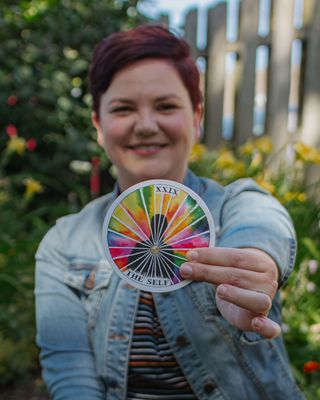
Intuitive Art & Movement Group: a Trauma-focused Art and Movement based group for Somatic Healing and Community Connection. Goals will include mindfulness, building authenticity, presence and increasing tolerance for connecting to the self through the body.
Thursday 7pm via ZOOM (VIRTUAL ONLY). Dialectical Behavior Therapy (DBT) assists folx with managing/regulating behavior, cognition, and emotion. Participants will assess behavior change abilities and complete a behavior chain analysis alongside learning skills for mindfulness, distress tolerance (including reality acceptance and crisis survival), emotion regulation (reducing vulnerability to negative emotions, understanding/naming emotions), and interpersonal effectiveness (building effective relationships and terminating/changing ineffective strategies). We can bill for insurance/copays or a self-pay option. Group will run for 12-15 weeks. Contact us for next cycle start date.
Thursday 7pm via ZOOM (VIRTUAL ONLY). Dialectical Behavior Therapy (DBT) assists folx with managing/regulating behavior, cognition, and emotion. Participants will assess behavior change abilities and complete a behavior chain analysis alongside learning skills for mindfulness, distress tolerance (including reality acceptance and crisis survival), emotion regulation (reducing vulnerability to negative emotions, understanding/naming emotions), and interpersonal effectiveness (building effective relationships and terminating/changing ineffective strategies). We can bill for insurance/copays or a self-pay option. Group will run for 12-15 weeks. Contact us for next cycle start date.
Join us every Wednesday morning for our men's sex addiction recovery group. This group is led by Spencer Kline - a licensed professional clinical counselor (LPCC) and certified sex addiction therapist (CSAT). The group utilizes the 30-task model of sexual recovery originally developed by Patrick Carnes. The text the group utilizes is Carnes' workbook "Facing the Shadow". Please contact the group leader for instructions on how to join this group.
Join us every Wednesday morning for our men's sex addiction recovery group. This group is led by Spencer Kline - a licensed professional clinical counselor (LPCC) and certified sex addiction therapist (CSAT). The group utilizes the 30-task model of sexual recovery originally developed by Patrick Carnes. The text the group utilizes is Carnes' workbook "Facing the Shadow". Please contact the group leader for instructions on how to join this group.
90-minute group for teens 13-18 and a parent/caregiver. Caregivers participate just as the teens do to really learn and generalize skills for themselves to be able to change dynamics at home and support their adolescent. Led by an expert skills trainer, we review the 5 modules: Mindfulness, Distress Tolerance, Emotion Regulation, Interpersonal Effectiveness, and Walking the Middle Path. The skills class encourages participation, though is run like a class and not a process group (for which teens can be hesitant). The group follows the format of: Mindfulness practice, homework review, and skill training/practice.

90-minute group for teens 13-18 and a parent/caregiver. Caregivers participate just as the teens do to really learn and generalize skills for themselves to be able to change dynamics at home and support their adolescent. Led by an expert skills trainer, we review the 5 modules: Mindfulness, Distress Tolerance, Emotion Regulation, Interpersonal Effectiveness, and Walking the Middle Path. The skills class encourages participation, though is run like a class and not a process group (for which teens can be hesitant). The group follows the format of: Mindfulness practice, homework review, and skill training/practice.
Getting the Love You Want is an internationally recognized workshop designed to connect, refresh, & restore the love & connection within your relationship. Facilitators David deBardelaben-Phillips & Clare Carr draw upon Imago Relationship Therapy, founded by Harville Hendrix and Helen LaKelly Hunt, to create an exciting weekend experience. Imago offers couples practical tools to deepen intimacy, strengthen friendship, and transform conflict into opportunities for connection and healing. This weekend will provide powerful insights and guided practices to help you build a more conscious, loving relationship. Friday, June 26 - 6pm-9pm; Saturday, June 27 - 9am-6:30pm; Sunday, June 28 - 9am-5:30pm.
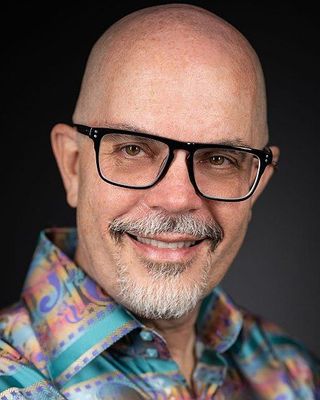
Getting the Love You Want is an internationally recognized workshop designed to connect, refresh, & restore the love & connection within your relationship. Facilitators David deBardelaben-Phillips & Clare Carr draw upon Imago Relationship Therapy, founded by Harville Hendrix and Helen LaKelly Hunt, to create an exciting weekend experience. Imago offers couples practical tools to deepen intimacy, strengthen friendship, and transform conflict into opportunities for connection and healing. This weekend will provide powerful insights and guided practices to help you build a more conscious, loving relationship. Friday, June 26 - 6pm-9pm; Saturday, June 27 - 9am-6:30pm; Sunday, June 28 - 9am-5:30pm.
At Tree of Life Therapy and Self - Care our goal is to help you become the best version of yourself. ? Through self-empowerment, self-care, and building self-esteem you can improve mental balance and live the life you desire. Join us as we help you create the life you have always wanted.

At Tree of Life Therapy and Self - Care our goal is to help you become the best version of yourself. ? Through self-empowerment, self-care, and building self-esteem you can improve mental balance and live the life you desire. Join us as we help you create the life you have always wanted.
This virtual group is for those who are struggling with eating disorders or are in recovery from an eating disorder and looking for additional support around meal times. This group takes place every Tuesday from 1-2pm and all you need is to bring yourself and your lunch. Therapeutic support will be provided and skill building is an ongoing topic addressed. Insurance may be accepted, please email jgarn@insightcounselingoh.com for more information.
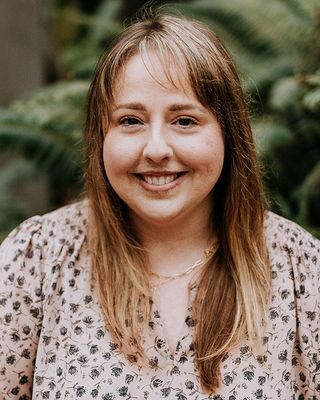
This virtual group is for those who are struggling with eating disorders or are in recovery from an eating disorder and looking for additional support around meal times. This group takes place every Tuesday from 1-2pm and all you need is to bring yourself and your lunch. Therapeutic support will be provided and skill building is an ongoing topic addressed. Insurance may be accepted, please email jgarn@insightcounselingoh.com for more information.
**This particular page is oriented toward our group practice. We are a group of counselors/family therapists who provide counseling to a diverse set of clients with a variety of concerns. Types of counseling utilized include: affirmative, child/adolescent, cognitive, couples, EMDR, exercise, existential, family systems, feminist, narrative, parent/child relationship, play, wellness, and many more.
**This particular page is oriented toward our group practice. We are a group of counselors/family therapists who provide counseling to a diverse set of clients with a variety of concerns. Types of counseling utilized include: affirmative, child/adolescent, cognitive, couples, EMDR, exercise, existential, family systems, feminist, narrative, parent/child relationship, play, wellness, and many more.
Our partial hospitalization group takes place daily from 9am-3:30pm and includes group therapy, individual therapy, family therapy, medication management, educational support, and other services that assist adolescents in need of intensive mental health support.
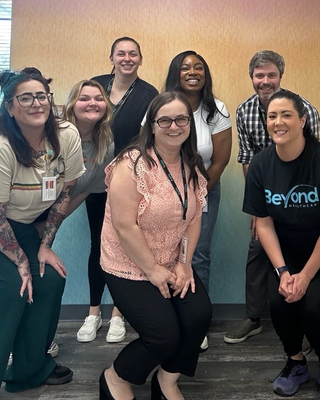
Our partial hospitalization group takes place daily from 9am-3:30pm and includes group therapy, individual therapy, family therapy, medication management, educational support, and other services that assist adolescents in need of intensive mental health support.
Intensive Outpatient Treatment exclusively for substance-dependent women who are pregnant.
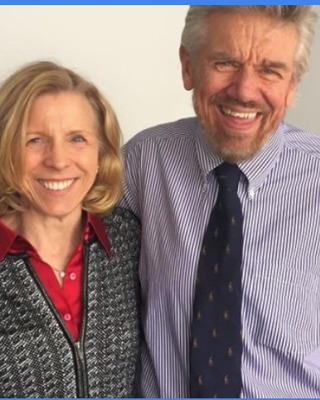
Intensive Outpatient Treatment exclusively for substance-dependent women who are pregnant.
Research shows the likelihood long-term recovery increases significantly if loved ones are actively involved. Families can sign up on HOPETRACKER.ORG for free access to a 10-session course on addiction. You also get a community of thousands of other families to offer advice on questions like "should I be prescription testing?" or "how do I know when they hit 'rock bottom'?"

Hosted by Ambrosia Treatment Center
Treatment Center, PsyD, LCSW, CCTSA, CCTSI
Group meets in Cleveland, OH 44102
Research shows the likelihood long-term recovery increases significantly if loved ones are actively involved. Families can sign up on HOPETRACKER.ORG for free access to a 10-session course on addiction. You also get a community of thousands of other families to offer advice on questions like "should I be prescription testing?" or "how do I know when they hit 'rock bottom'?"
? At Florence Kimbo, MD, LLC, our physicians, psychiatric nurse practitioners, licensed professional counselors, and social workers are adept in treating most psychiatric and mental health disorders using diagnostic skills, medication management, and individualized behavioral therapies for children, adolescents and adults.

Hosted by Saissy Kendig
Psychiatric Nurse Practitioner, PMHNP, BC
Group meets in Middleburg Heights, OH 44130
? At Florence Kimbo, MD, LLC, our physicians, psychiatric nurse practitioners, licensed professional counselors, and social workers are adept in treating most psychiatric and mental health disorders using diagnostic skills, medication management, and individualized behavioral therapies for children, adolescents and adults.
Beginning 11/6/2026, the first Friday of the month is a space for NeuroQueer folx to have a place to sign up for shared interests and meet monthly. The first session will be a meet and greet and opportunity to ask questions and sign up for activities. These will include, but not limited to, book club, Anime, Manga, crafting, Dungeons and Dragons one shot night, and others. This is a chance to meet others, make connections, and enjoy some fun. Cost is $25. Please contact us to be added to the list.

Beginning 11/6/2026, the first Friday of the month is a space for NeuroQueer folx to have a place to sign up for shared interests and meet monthly. The first session will be a meet and greet and opportunity to ask questions and sign up for activities. These will include, but not limited to, book club, Anime, Manga, crafting, Dungeons and Dragons one shot night, and others. This is a chance to meet others, make connections, and enjoy some fun. Cost is $25. Please contact us to be added to the list.
Cleveland Psychological Testing conducts objective, comprehensive, and evidence-based clinical and forensic psychological evaluations that withstand the strongest scrutiny. Competent. Honest. Fair. We will get it right! Owned and operated by Dr. Anthony Tarescavage, a nationally recognized expert in psychological assessment. The highest quality assessments at an affordable cost. Learn more at www.clevelandtesting.com/about

Cleveland Psychological Testing conducts objective, comprehensive, and evidence-based clinical and forensic psychological evaluations that withstand the strongest scrutiny. Competent. Honest. Fair. We will get it right! Owned and operated by Dr. Anthony Tarescavage, a nationally recognized expert in psychological assessment. The highest quality assessments at an affordable cost. Learn more at www.clevelandtesting.com/about
See more therapy options for 44074


FAQs - About Group Therapy and Support Groups
How can I find a support group in 44074?
To find a support group in your area, start by entering your city, zip code, or the name of the group into the search bar at the top of the page. When searching, consider whether you prefer an in-person or virtual group. This can help you decide how broad your geographic search should be. If you are open to virtual groups, you might want to search by state instead of just your city, especially if there are limited options nearby.
Once you complete your search, you can use the filters to narrow the results by selecting specialties (such as grief, trauma, or eating disorders), therapeutic approaches, age groups, and other criteria to find a group that best fits your needs.
Once you complete your search, you can use the filters to narrow the results by selecting specialties (such as grief, trauma, or eating disorders), therapeutic approaches, age groups, and other criteria to find a group that best fits your needs.
How does group therapy work?
Group therapy is led by one or more trained therapists and provides a space where participants can process their experiences and learn from others facing similar challenges. Groups may focus on a specific issue—such as addiction, grief, physical illnesses, parenting, or caregiving—or they may center around a particular therapeutic approach, such as Cognitive Behavioral Therapy (CBT), social skill development, or Exposure Therapy. Some groups are also designed for specific populations, such as teens, veterans, or LGBTQ+ individuals.
It’s also important to distinguish group therapy from peer-led support groups, like Alcoholics Anonymous. While both can offer valuable support, therapy groups are typically led by licensed professionals and follow a more structured format. Therapy groups often meet for a fixed length of time with a consistent group of members, while many peer support groups meet for an indefinite period of time with members coming and going.
It’s also important to distinguish group therapy from peer-led support groups, like Alcoholics Anonymous. While both can offer valuable support, therapy groups are typically led by licensed professionals and follow a more structured format. Therapy groups often meet for a fixed length of time with a consistent group of members, while many peer support groups meet for an indefinite period of time with members coming and going.
What are the benefits of group therapy?
Group therapy offers several important benefits. It brings together people facing similar challenges—whether related to mental health, physical health, or life transitions—and creates a supportive environment where participants can exchange feedback, share experiences, and learn from one another. Hearing different perspectives can help individuals discover new coping strategies and practical tools they may not have encountered on their own. Sharing personal experiences, such as coping with a serious illness or navigating family struggles, can also reduce feelings of isolation and foster a sense of connection and understanding. In addition to emotional support, group members often gain useful, real-world advice from peers who have faced similar situations.
Group therapy is typically more affordable than individual therapy and, for certain conditions, can be equally effective. Many groups also include structured activities—such as guided journaling, cognitive-behavioral exercises, or role-playing—to help participants develop concrete skills they can apply in daily life.
Group therapy is typically more affordable than individual therapy and, for certain conditions, can be equally effective. Many groups also include structured activities—such as guided journaling, cognitive-behavioral exercises, or role-playing—to help participants develop concrete skills they can apply in daily life.
Is group therapy as effective as individual therapy?
It is difficult to make a blanket statement about the effectiveness of support groups, as they vary widely in focus and the conditions they address. However, support groups can be highly valuable in helping individuals gain emotional support and achieve meaningful treatment outcomes. For certain conditions, such as substance use, research has shown that group therapy can be particularly effective—sometimes just as effective as individual therapy—in supporting long-term recovery.
Many professionals attribute the effectiveness of group therapy to the unique benefits of the group setting, which fosters peer-to-peer learning and a sense of connection through shared experiences. Group settings also offer accountability and encouragement from both facilitators and fellow participants, which helps sustain motivation and supports continued progress. These factors together play a key role in promoting the overall effectiveness of group therapy.
Many professionals attribute the effectiveness of group therapy to the unique benefits of the group setting, which fosters peer-to-peer learning and a sense of connection through shared experiences. Group settings also offer accountability and encouragement from both facilitators and fellow participants, which helps sustain motivation and supports continued progress. These factors together play a key role in promoting the overall effectiveness of group therapy.
How much does group therapy cost?
Group therapy is typically less expensive than individual therapy, with sessions typically costing between $50 and $75 each. In comparison, individual therapy can cost anywhere from $100 to $200 or more per session, even with insurance. Some therapists or organizations offer low-cost or free group therapy options, particularly through community centers or nonprofit organizations. In some cases, groups may require payment upfront for a set number of sessions, such as paying for six weekly sessions at the first meeting. However, many providers offer payment plans to help make participation more accessible if this upfront payment is required.
Does insurance cover group therapy?
As with individual therapy, insurance coverage for group therapy varies based on factors such as your specific insurance plan, the purpose of the group, your diagnosis, and whether the group provider is in-network. Many insurance plans cover group therapy sessions that address diagnosable mental health conditions, such as substance use disorders, anxiety, or depression.
However, groups that focus on topics not directly tied to a mental health diagnosis—such as parenting support or divorce recovery—are less likely to be covered. Because coverage can vary widely, it’s important to check with your insurance provider before joining a group to confirm whether the sessions will be covered and what out-of-pocket costs you may be responsible for.
However, groups that focus on topics not directly tied to a mental health diagnosis—such as parenting support or divorce recovery—are less likely to be covered. Because coverage can vary widely, it’s important to check with your insurance provider before joining a group to confirm whether the sessions will be covered and what out-of-pocket costs you may be responsible for.
How long does group therapy last?
The length of each group therapy session typically ranges from 45 minutes to two hours, depending on the therapy approach, the group’s goals, and how often the group meets. In some cases, group therapy is part of a larger treatment program, such as an Intensive Outpatient Program (IOP), where group sessions complement individual therapy and are scheduled as part of the program’s overall structure.
The duration of participation in a group also varies. Some groups are designed to be short-term, lasting anywhere from 6 to 24 weeks—for example, bereavement groups or skills-based groups like those using Dialectical Behavioral Therapy (DBT). Other groups may be longer-term, lasting a year or more, and some ongoing support groups meet indefinitely, allowing participants to stay as long as they find the group helpful.
The duration of participation in a group also varies. Some groups are designed to be short-term, lasting anywhere from 6 to 24 weeks—for example, bereavement groups or skills-based groups like those using Dialectical Behavioral Therapy (DBT). Other groups may be longer-term, lasting a year or more, and some ongoing support groups meet indefinitely, allowing participants to stay as long as they find the group helpful.
What are the limitations of support groups?
Support groups offer many benefits, but they also have certain limitations. Unlike therapy groups, many support groups do not provide formal therapeutic treatment and are not led by licensed mental health professionals. For individuals seeking clinical treatment for specific mental health diagnoses—such as depression, eating disorders, or substance use—individual therapy or group therapy led by a licensed professional may offer more personalized and specialized care.
The effectiveness of a support group also depends heavily on the group’s participants and the overall group dynamic. When members engage respectfully and offer constructive support, the group can foster valuable peer-to-peer learning. However, if certain participants dominate discussions, provide inaccurate advice, or create conflict, it can disrupt the group’s sense of safety and reduce its effectiveness. Confidentiality can also be harder to maintain in support groups, particularly in open groups where participants can join or leave at any time. With new members regularly entering the group, it can be more difficult to build and sustain a consistent sense of trust and privacy.
The effectiveness of a support group also depends heavily on the group’s participants and the overall group dynamic. When members engage respectfully and offer constructive support, the group can foster valuable peer-to-peer learning. However, if certain participants dominate discussions, provide inaccurate advice, or create conflict, it can disrupt the group’s sense of safety and reduce its effectiveness. Confidentiality can also be harder to maintain in support groups, particularly in open groups where participants can join or leave at any time. With new members regularly entering the group, it can be more difficult to build and sustain a consistent sense of trust and privacy.