Support Groups in 39301
Pathfinders Youth Group is an online therapeutic group for children ages 8–16 struggling with behavior challenges at home, school, or in the court system. Using creative activities, peer support, and skill development, participants learn to manage emotions, communicate effectively, and make healthier choices. The group fosters resilience, accountability, and self-confidence, while also guiding parents and guardians in strategies to support progress. Pathfinders provides a safe, structured online space where youth can discover new ways to succeed in school, relationships, and community life—building a positive foundation for the future. Email: info@magnoliaheartcounselingllc.com

Hosted by Dawn Wright
Licensed Professional Counselor, Ed S, LPC, NCC
Group meets in Meridian, MS 39301
Pathfinders Youth Group is an online therapeutic group for children ages 8–16 struggling with behavior challenges at home, school, or in the court system. Using creative activities, peer support, and skill development, participants learn to manage emotions, communicate effectively, and make healthier choices. The group fosters resilience, accountability, and self-confidence, while also guiding parents and guardians in strategies to support progress. Pathfinders provides a safe, structured online space where youth can discover new ways to succeed in school, relationships, and community life—building a positive foundation for the future. Email: info@magnoliaheartcounselingllc.com
More Groups Nearby
This is a group designed for those who are either struggling with substance use or currently in recovery from substance use. The group covers a wide range of topics that are unique for the understanding of addiction.

Hosted by Embrace Counseling Center, LLC
Licensed Professional Counselor, LPC
Group meets in Meridian, MS 39305
This is a group designed for those who are either struggling with substance use or currently in recovery from substance use. The group covers a wide range of topics that are unique for the understanding of addiction.
Online Groups
I offer several groups for men for a variety of issues. Please contact me for more details.

I offer several groups for men for a variety of issues. Please contact me for more details.
This group is for adolescents and young adults with addictions and co-morbid psychiatric disorders. It meets three times per week for 10 weeks. It also has a family component. Insurance accepted.

This group is for adolescents and young adults with addictions and co-morbid psychiatric disorders. It meets three times per week for 10 weeks. It also has a family component. Insurance accepted.
This four hour course is offered to help those with anxiety and trauma understand the mechanisms of what happens in the body and tools to manage those symptoms. We demystify and take the fear out of dealing with symptoms that may feel overwhelming. This is a didactic and experiential group where we practice skills in real time. You do not need to have prior experience with therapy to join this group.
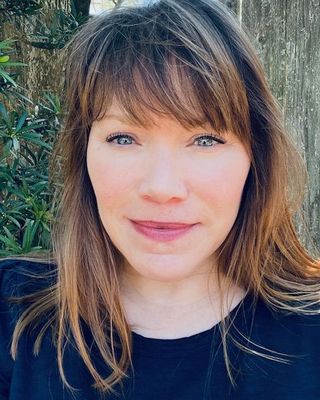
This four hour course is offered to help those with anxiety and trauma understand the mechanisms of what happens in the body and tools to manage those symptoms. We demystify and take the fear out of dealing with symptoms that may feel overwhelming. This is a didactic and experiential group where we practice skills in real time. You do not need to have prior experience with therapy to join this group.
We are Christian therapists who are deeply committed to confidentially help you reach your therapeutic goals with no judgment or hidden agenda. We understand that the best therapists work on themselves, and we love to join you on the journey of your identity and goals. http://www.magnoliacounselingmadison.com

We are Christian therapists who are deeply committed to confidentially help you reach your therapeutic goals with no judgment or hidden agenda. We understand that the best therapists work on themselves, and we love to join you on the journey of your identity and goals. http://www.magnoliacounselingmadison.com
This therapy group is designed for women recovering from significant relationship betrayals.
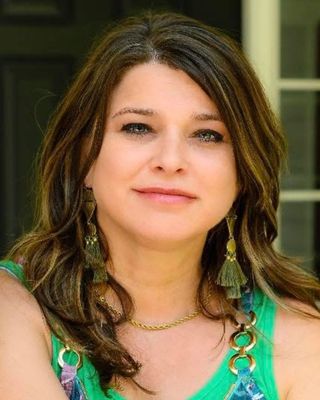
Hosted by Dr. Stephanie L Smith
Clinical Social Work/Therapist, CSAT, CAADC, LCSW
Group meets in Hattiesburg, MS 39402
This therapy group is designed for women recovering from significant relationship betrayals.
A Refuge is a Dual-Diagnosis Intensive Outpatient Program at Shephearst Meadows designed for women. In a culture of respect, we provide the solid foundation for building a life free from co-occurring addictions such as drug and alcohol, as well as process addictions, such as pornography, sex, gambling, and disordered eating. With physician support, women address painful patterns as they reclaim their lives and relationships. The program consists of nine hours of group therapy weekly, individual therapy, family therapy, and psychiatric care. Patients are encouraged to attend 12-step meetings and collaborate with a sponsor to enhance their recovery and sobriety.

A Refuge is a Dual-Diagnosis Intensive Outpatient Program at Shephearst Meadows designed for women. In a culture of respect, we provide the solid foundation for building a life free from co-occurring addictions such as drug and alcohol, as well as process addictions, such as pornography, sex, gambling, and disordered eating. With physician support, women address painful patterns as they reclaim their lives and relationships. The program consists of nine hours of group therapy weekly, individual therapy, family therapy, and psychiatric care. Patients are encouraged to attend 12-step meetings and collaborate with a sponsor to enhance their recovery and sobriety.
This group is for people who struggle with intense emotions and would like to learn to engage in mindfulness, distress tolerance skills, emotional regulation, and interpersonal effectiveness. It is a 12 week commitment that will help you navigate in all areas of life. This is not a drop in group but you can contact me to see when the next cohort will start.
This group is for people who struggle with intense emotions and would like to learn to engage in mindfulness, distress tolerance skills, emotional regulation, and interpersonal effectiveness. It is a 12 week commitment that will help you navigate in all areas of life. This is not a drop in group but you can contact me to see when the next cohort will start.
The Art Therapy offers a supportive space to explore emotions, reduce stress, and build self-awareness through creative expression. Guided by a clinician, participants use art to create mindfulness and gentle reflection to process experiences at their own pace. No artistic skill is required—just a willingness to engage in the healing process. This group helps adults strengthen emotional regulation, increase confidence, and connect with others in a safe, encouraging environment. Each session blends creativity, grounding, and therapeutic insight to support whole person wellness.
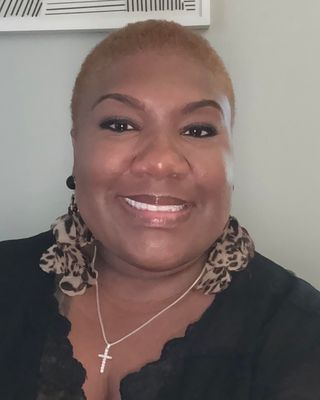
Hosted by Dr. Ranarda Wright
Licensed Professional Counselor, LPC, LPC-S
Group meets in Pearl, MS 39208
The Art Therapy offers a supportive space to explore emotions, reduce stress, and build self-awareness through creative expression. Guided by a clinician, participants use art to create mindfulness and gentle reflection to process experiences at their own pace. No artistic skill is required—just a willingness to engage in the healing process. This group helps adults strengthen emotional regulation, increase confidence, and connect with others in a safe, encouraging environment. Each session blends creativity, grounding, and therapeutic insight to support whole person wellness.
Counseling & Tea: Is a group devoted to creating support for women in their 20's who are dealing with work-life balance issues, dealing with self-doubt about their personal/love life, and having anxiety about life's hang ups.
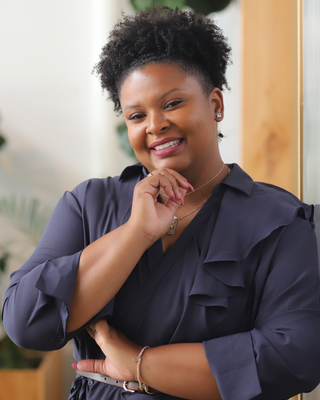
Hosted by Dr. Jerrilyn D Dixson-Stokes
Licensed Professional Counselor, LPC-S, BC-TMH, RPT-S, NCC
Group meets in Ridgeland, MS 39157
Counseling & Tea: Is a group devoted to creating support for women in their 20's who are dealing with work-life balance issues, dealing with self-doubt about their personal/love life, and having anxiety about life's hang ups.
Our clinicians specialize in the treatment of a variety of emotional and psychological issues. Our counselors are Board Certified Licensed Professional Counselors (LPCs) who also have advanced education and experience in treating trauma. Although trauma is often associated with Post-Traumatic Stress Disorder (PTSD), it impacts people in many different ways. It is a loss of connection -- to ourselves, our bodies,our families and the world around us. Our counselors are not only trained to treat PTSD, but also to help people overcome anxiety, depression, intrusive thoughts, phobias, mood disorders, and other important issues associated with the loss of connection.

Our clinicians specialize in the treatment of a variety of emotional and psychological issues. Our counselors are Board Certified Licensed Professional Counselors (LPCs) who also have advanced education and experience in treating trauma. Although trauma is often associated with Post-Traumatic Stress Disorder (PTSD), it impacts people in many different ways. It is a loss of connection -- to ourselves, our bodies,our families and the world around us. Our counselors are not only trained to treat PTSD, but also to help people overcome anxiety, depression, intrusive thoughts, phobias, mood disorders, and other important issues associated with the loss of connection.
Dedicated group of therapists helping individuals with Anxiety, ADHD and Aspergers

Hosted by Chris Webb
Licensed Professional Counselor, MS, DMin, LPC150
Group meets in Madison, MS 39110
Dedicated group of therapists helping individuals with Anxiety, ADHD and Aspergers
If you are in a relationship or getting to know someone who tells who to be friends with; tells you how to dress; gets jealous for no reason, drinks heavily or uses drugs, or tries to get you drunk; invades your personal space; is easily angered; or does not view you as an equal, group counseling for may be beneficial for you.
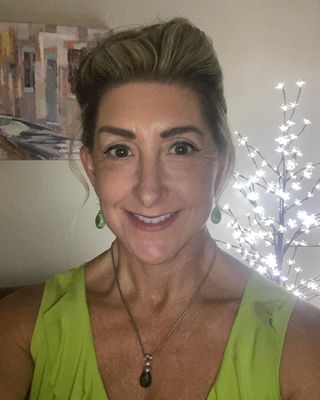
Hosted by Dr. Linda Kay Halbert-Rhea
Counselor, PhD, LPC, NCC, LPC-S
Group meets in Columbus, MS 39705
If you are in a relationship or getting to know someone who tells who to be friends with; tells you how to dress; gets jealous for no reason, drinks heavily or uses drugs, or tries to get you drunk; invades your personal space; is easily angered; or does not view you as an equal, group counseling for may be beneficial for you.
The group is designed to help individuals gain the skills necessary to navigate life's ups and downs. Life is full of challenges and delays that may frustrate, disappoint, or confuse us for a moment, but with the right tools, we can successfully cope with them and move on to life's next adventure. ( Must have 5 people registered for the group to operate.)

Hosted by Roslyn I Smith
Licensed Professional Counselor, MS, LPC-S, NCC
Group meets in Jackson, MS 39213
The group is designed to help individuals gain the skills necessary to navigate life's ups and downs. Life is full of challenges and delays that may frustrate, disappoint, or confuse us for a moment, but with the right tools, we can successfully cope with them and move on to life's next adventure. ( Must have 5 people registered for the group to operate.)
The vision of Men's RoundTable is to provide a safe environment for men to pursue spiritual, emotional, and relational growth. We offer a weekly forum that addresses relevant topics in a dynamic interactive style through the use of music, video, discussion, and lecture.
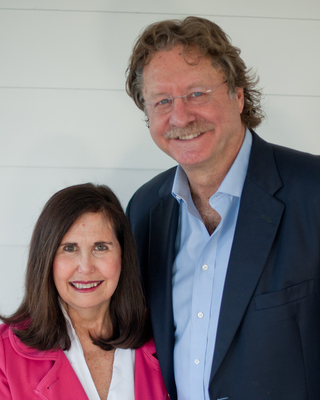
Hosted by Hardin Life Resources
Marriage & Family Therapist, MA, MDiv, LMFT, LPC
Group meets in Ridgeland, MS 39157
The vision of Men's RoundTable is to provide a safe environment for men to pursue spiritual, emotional, and relational growth. We offer a weekly forum that addresses relevant topics in a dynamic interactive style through the use of music, video, discussion, and lecture.
We have middle school, high school and young adult groups! We focus on practical life skills!
Hosted by Chris Webb
Licensed Professional Counselor, MS, DMin, LPC150
Group meets in Madison, MS 39110
We have middle school, high school and young adult groups! We focus on practical life skills!
A difficult relationship is much different from a destructive relationship. Life with a narcissist is not only difficult but can be destructive as well. One of the best ways to recover from narcissistic abuse is through a support group with others that are familiar with the same abuse. In this group, you will be empowered with your self worth and heal from the destruction that was brought about from the narcissist. Becoming educated and learning ways to move past these difficult personalities will promote a healthier and happier life.

Hosted by Sharon Nightengale
Psychiatric Nurse Practitioner, PMHNP, MSN, RN
Group meets in Hattiesburg, MS 39402
A difficult relationship is much different from a destructive relationship. Life with a narcissist is not only difficult but can be destructive as well. One of the best ways to recover from narcissistic abuse is through a support group with others that are familiar with the same abuse. In this group, you will be empowered with your self worth and heal from the destruction that was brought about from the narcissist. Becoming educated and learning ways to move past these difficult personalities will promote a healthier and happier life.
(Tuesdays 6–8 PM) In?person | Brandon, Mississippi A supportive, structured group for adults wanting to strengthen sobriety, manage triggers, and build stability. Find connection, accountability, and practical tools you can use right away. We focus on relapse prevention, emotional regulation, communication skills, rebuilding trust, and healthy routines. Faith?integrated support is available. This is an experiential group using guided role?play, sociodrama, and real?life practice — not lecture?style sessions. Led by Allen Johnson, LPC?S, CADC II, specializing in trauma?informed care and addiction recovery. Cost: $120/month Insurance: BCBS and Out of Network accepted Click “Email Me” to schedule a brief consultation.

Hosted by Allen Johnson
Licensed Professional Counselor, DPC, LPC-S, CADC II
Group meets in Brandon, MS 39042
(Tuesdays 6–8 PM) In?person | Brandon, Mississippi A supportive, structured group for adults wanting to strengthen sobriety, manage triggers, and build stability. Find connection, accountability, and practical tools you can use right away. We focus on relapse prevention, emotional regulation, communication skills, rebuilding trust, and healthy routines. Faith?integrated support is available. This is an experiential group using guided role?play, sociodrama, and real?life practice — not lecture?style sessions. Led by Allen Johnson, LPC?S, CADC II, specializing in trauma?informed care and addiction recovery. Cost: $120/month Insurance: BCBS and Out of Network accepted Click “Email Me” to schedule a brief consultation.
Beyond the Brokenness Mental Wellness Solutions is a comprehensive platform that goes beyond conventional mental health support. Our unique approach combines cutting-edge technology, personalized interventions, and a community-driven support system to empower individuals on their mental health journey

Hosted by Danyella Terrell
Clinical Social Work/Therapist, LCSW , LICSW
Group meets in Hattiesburg, MS 39401
Beyond the Brokenness Mental Wellness Solutions is a comprehensive platform that goes beyond conventional mental health support. Our unique approach combines cutting-edge technology, personalized interventions, and a community-driven support system to empower individuals on their mental health journey
See more therapy options for 39301


FAQs - About Group Therapy and Support Groups
How can I find a support group in 39301?
To find a support group in your area, start by entering your city, zip code, or the name of the group into the search bar at the top of the page. When searching, consider whether you prefer an in-person or virtual group. This can help you decide how broad your geographic search should be. If you are open to virtual groups, you might want to search by state instead of just your city, especially if there are limited options nearby.
Once you complete your search, you can use the filters to narrow the results by selecting specialties (such as grief, trauma, or eating disorders), therapeutic approaches, age groups, and other criteria to find a group that best fits your needs.
How does group therapy work?
Group therapy is led by one or more trained therapists and provides a space where participants can process their experiences and learn from others facing similar challenges. Groups may focus on a specific issue—such as addiction, grief, physical illnesses, parenting, or caregiving—or they may center around a particular therapeutic approach, such as Cognitive Behavioral Therapy (CBT), social skill development, or Exposure Therapy. Some groups are also designed for specific populations, such as teens, veterans, or LGBTQ+ individuals.
It’s also important to distinguish group therapy from peer-led support groups, like Alcoholics Anonymous. While both can offer valuable support, therapy groups are typically led by licensed professionals and follow a more structured format. Therapy groups often meet for a fixed length of time with a consistent group of members, while many peer support groups meet for an indefinite period of time with members coming and going.
What are the benefits of group therapy?
Group therapy offers several important benefits. It brings together people facing similar challenges—whether related to mental health, physical health, or life transitions—and creates a supportive environment where participants can exchange feedback, share experiences, and learn from one another. Hearing different perspectives can help individuals discover new coping strategies and practical tools they may not have encountered on their own. Sharing personal experiences, such as coping with a serious illness or navigating family struggles, can also reduce feelings of isolation and foster a sense of connection and understanding. In addition to emotional support, group members often gain useful, real-world advice from peers who have faced similar situations.
Group therapy is typically more affordable than individual therapy and, for certain conditions, can be equally effective. Many groups also include structured activities—such as guided journaling, cognitive-behavioral exercises, or role-playing—to help participants develop concrete skills they can apply in daily life.
Is group therapy as effective as individual therapy?
It is difficult to make a blanket statement about the effectiveness of support groups, as they vary widely in focus and the conditions they address. However, support groups can be highly valuable in helping individuals gain emotional support and achieve meaningful treatment outcomes. For certain conditions, such as substance use, research has shown that group therapy can be particularly effective—sometimes just as effective as individual therapy—in supporting long-term recovery.
Many professionals attribute the effectiveness of group therapy to the unique benefits of the group setting, which fosters peer-to-peer learning and a sense of connection through shared experiences. Group settings also offer accountability and encouragement from both facilitators and fellow participants, which helps sustain motivation and supports continued progress. These factors together play a key role in promoting the overall effectiveness of group therapy.
How much does group therapy cost?
Group therapy is typically less expensive than individual therapy, with sessions typically costing between $50 and $75 each. In comparison, individual therapy can cost anywhere from $100 to $200 or more per session, even with insurance. Some therapists or organizations offer low-cost or free group therapy options, particularly through community centers or nonprofit organizations. In some cases, groups may require payment upfront for a set number of sessions, such as paying for six weekly sessions at the first meeting. However, many providers offer payment plans to help make participation more accessible if this upfront payment is required.
Does insurance cover group therapy?
As with individual therapy, insurance coverage for group therapy varies based on factors such as your specific insurance plan, the purpose of the group, your diagnosis, and whether the group provider is in-network. Many insurance plans cover group therapy sessions that address diagnosable mental health conditions, such as substance use disorders, anxiety, or depression.
However, groups that focus on topics not directly tied to a mental health diagnosis—such as parenting support or divorce recovery—are less likely to be covered. Because coverage can vary widely, it’s important to check with your insurance provider before joining a group to confirm whether the sessions will be covered and what out-of-pocket costs you may be responsible for.
How long does group therapy last?
The length of each group therapy session typically ranges from 45 minutes to two hours, depending on the therapy approach, the group’s goals, and how often the group meets. In some cases, group therapy is part of a larger treatment program, such as an Intensive Outpatient Program (IOP), where group sessions complement individual therapy and are scheduled as part of the program’s overall structure.
The duration of participation in a group also varies. Some groups are designed to be short-term, lasting anywhere from 6 to 24 weeks—for example, bereavement groups or skills-based groups like those using Dialectical Behavioral Therapy (DBT). Other groups may be longer-term, lasting a year or more, and some ongoing support groups meet indefinitely, allowing participants to stay as long as they find the group helpful.
What are the limitations of support groups?
Support groups offer many benefits, but they also have certain limitations. Unlike therapy groups, many support groups do not provide formal therapeutic treatment and are not led by licensed mental health professionals. For individuals seeking clinical treatment for specific mental health diagnoses—such as depression, eating disorders, or substance use—individual therapy or group therapy led by a licensed professional may offer more personalized and specialized care.
The effectiveness of a support group also depends heavily on the group’s participants and the overall group dynamic. When members engage respectfully and offer constructive support, the group can foster valuable peer-to-peer learning. However, if certain participants dominate discussions, provide inaccurate advice, or create conflict, it can disrupt the group’s sense of safety and reduce its effectiveness. Confidentiality can also be harder to maintain in support groups, particularly in open groups where participants can join or leave at any time. With new members regularly entering the group, it can be more difficult to build and sustain a consistent sense of trust and privacy.