Support Groups in 35040
This is an "invitation only" private collaborative group focused on encouraging parents and offering insight into the difficulties of parenting and parenting styles. This group is a safe place for parents to speak candidly about pressures and issues that they are experiencing and possibly projecting onto their child(ren). Kids are also invited during appropriate sessions. This group will be held via Zoom and/or Microsoft Teams. The group will take place Saturday, February 24, 2024. If interested in attending this group please email from the profile page and you will be contacted and provided further instructions.

Hosted by Vernesia Womack
Licensed Professional Counselor, MA, LPC, NCC, BC-TMH
Group meets in Calera, AL 35040
This is an "invitation only" private collaborative group focused on encouraging parents and offering insight into the difficulties of parenting and parenting styles. This group is a safe place for parents to speak candidly about pressures and issues that they are experiencing and possibly projecting onto their child(ren). Kids are also invited during appropriate sessions. This group will be held via Zoom and/or Microsoft Teams. The group will take place Saturday, February 24, 2024. If interested in attending this group please email from the profile page and you will be contacted and provided further instructions.
More Groups Nearby
In our DBT skills training group, we learn the standard four modules of DBT skills: Mindfulness, Interpersonal Effectiveness, Emotion Regulation, and Distress Tolerance. The group meets weekly for 6 - 12 months, depending on the unique needs of the client and follows Marsha Linehan's standard DBT protocol closely. Group members are supported by group facilitators, as well as, by fellow group members, in a motivated, compassionate, and calm environment.

Hosted by The Wise Center for DBT
Clinical Social Work/Therapist, LICSW, PIP
Group meets in Birmingham, AL 35223
In our DBT skills training group, we learn the standard four modules of DBT skills: Mindfulness, Interpersonal Effectiveness, Emotion Regulation, and Distress Tolerance. The group meets weekly for 6 - 12 months, depending on the unique needs of the client and follows Marsha Linehan's standard DBT protocol closely. Group members are supported by group facilitators, as well as, by fellow group members, in a motivated, compassionate, and calm environment.
The Bringing Baby Home program offers a haven for new parents navigating the complex journey of child-rearing. Through evidence-based methods, we guide you in fostering both infant and parental well-being. Together, in a supportive space, parents learn to strengthen their relationship and develop nurturing skills to create a harmonious family foundation. Embracing this pivotal transition, our group empowers you to bond, grow, and thrive as a family unit amidst the joys and challenges of parenthood. Available in-person or online. Groups beginning throughout the year (minimum 3 couples needed to start a new group)

The Bringing Baby Home program offers a haven for new parents navigating the complex journey of child-rearing. Through evidence-based methods, we guide you in fostering both infant and parental well-being. Together, in a supportive space, parents learn to strengthen their relationship and develop nurturing skills to create a harmonious family foundation. Embracing this pivotal transition, our group empowers you to bond, grow, and thrive as a family unit amidst the joys and challenges of parenthood. Available in-person or online. Groups beginning throughout the year (minimum 3 couples needed to start a new group)
This group is designed for persons having difficulty managing conflict without verbal or physical aggression (losing your temper). The group is open to persons who are court ordered or agency mandated. Volunteer attendees are also welcomed.
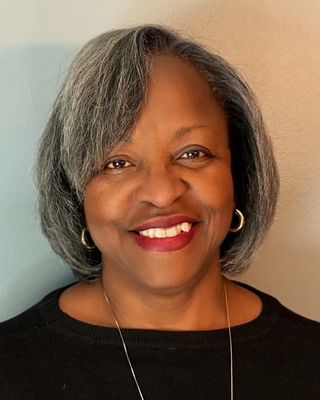
Hosted by Generations Counseling & Consulting Services, LLC
Licensed Professional Counselor, MEd, LPC-S
Group meets in Hueytown, AL 35023
This group is designed for persons having difficulty managing conflict without verbal or physical aggression (losing your temper). The group is open to persons who are court ordered or agency mandated. Volunteer attendees are also welcomed.
An 8-week educational and growth-oriented group for husbands who feel stuck or frustrated in their relationships with their wives and family. If you've already tried individual or couples counseling and are looking for something different, this may be it.

An 8-week educational and growth-oriented group for husbands who feel stuck or frustrated in their relationships with their wives and family. If you've already tried individual or couples counseling and are looking for something different, this may be it.
This is an ongoing series of classes designed to teach relationship skills such as conflict management, gender differences, roles and expectations, communication troubles, and how faith matters.

Hosted by Impact Family Counseling
Licensed Professional Counselor, LPC, NCC
Group meets in Birmingham, AL 35205
This is an ongoing series of classes designed to teach relationship skills such as conflict management, gender differences, roles and expectations, communication troubles, and how faith matters.
Our anger management group offers a supportive, structured space for adults to understand anger and develop healthier ways to respond. Participants learn to recognize triggers, identify early warning signs, manage stress, communicate assertively, and resolve conflict. Through guided discussion and practical exercises, members build emotional awareness, strengthen coping skills, and practice taking responsibility for their reactions. The focus is on making lasting changes that support healthier relationships and everyday well-being. Contact Warrior Wellness Group for scheduling, fees, and enrollment information.
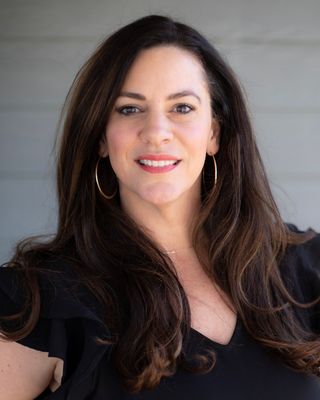
Hosted by Warrior Wellness Group
Licensed Professional Counselor, MA, LPC, LPC-S, NCC
Group meets in Alabaster, AL 35007
Our anger management group offers a supportive, structured space for adults to understand anger and develop healthier ways to respond. Participants learn to recognize triggers, identify early warning signs, manage stress, communicate assertively, and resolve conflict. Through guided discussion and practical exercises, members build emotional awareness, strengthen coping skills, and practice taking responsibility for their reactions. The focus is on making lasting changes that support healthier relationships and everyday well-being. Contact Warrior Wellness Group for scheduling, fees, and enrollment information.
Hope and Loss : A Grief Support Group is a small intimate group intended to build community through connection and a shared experience. This group will include coping skills, planning and developing new patterns and ways to move through changes to feel and connect with hope. This group will also come with a workbook that group members will get have to keep and revisit as often as they need or want. Potential members complete a brief screening before joining the group to ensure a good fit for everyone.
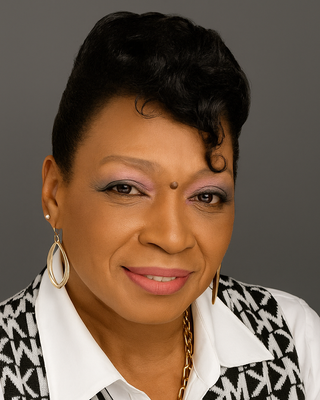
Hope and Loss : A Grief Support Group is a small intimate group intended to build community through connection and a shared experience. This group will include coping skills, planning and developing new patterns and ways to move through changes to feel and connect with hope. This group will also come with a workbook that group members will get have to keep and revisit as often as they need or want. Potential members complete a brief screening before joining the group to ensure a good fit for everyone.
Our substance use group offers a supportive, structured space for adults to explore how alcohol or drug use affects their lives and work toward healthier choices. Participants learn to recognize triggers, manage cravings, build coping skills, and reduce the risk of relapse. Through guided discussion and practical exercises, members strengthen self-awareness, develop support systems, and practice strategies for lasting change. We emphasize personal responsibility, connection, and progress in a respectful environment. Contact Warrior Wellness Group for scheduling, fees, and enrollment information.
Hosted by Warrior Wellness Group
Licensed Professional Counselor, MA, LPC, LPC-S, NCC
Group meets in Alabaster, AL 35007
Our substance use group offers a supportive, structured space for adults to explore how alcohol or drug use affects their lives and work toward healthier choices. Participants learn to recognize triggers, manage cravings, build coping skills, and reduce the risk of relapse. Through guided discussion and practical exercises, members strengthen self-awareness, develop support systems, and practice strategies for lasting change. We emphasize personal responsibility, connection, and progress in a respectful environment. Contact Warrior Wellness Group for scheduling, fees, and enrollment information.
Alabama Wellness provides DOT approved substance abuse evaluations for Federal Motor Carrier Safety Administration, Federal Railroad Administration, Federal Aviation Administration, Federal Transit Administration, Pipeline and Hazardous Materials Safety Administration, and United States Coast Guard. We provide professional evaluation services from Monday to Sunday. We can help you to start the process of returning to work. We have flexible schedules so give us a call to schedule your appointment at 205-795-3410

Hosted by Janet Stoudenmire-Smith
Licensed Professional Counselor, MS, NCC, LPC-S, ICADC, MAC SAP, MBA
Group meets in Birmingham, AL 35242
Alabama Wellness provides DOT approved substance abuse evaluations for Federal Motor Carrier Safety Administration, Federal Railroad Administration, Federal Aviation Administration, Federal Transit Administration, Pipeline and Hazardous Materials Safety Administration, and United States Coast Guard. We provide professional evaluation services from Monday to Sunday. We can help you to start the process of returning to work. We have flexible schedules so give us a call to schedule your appointment at 205-795-3410
I lead groups for betrayed spouses that run for 12 weeks at a time. Groups begin regularly throughout the year. This is an opportunity for betrayed spouses to connect with others, see they are not alone and find hope, healing, and their voice in a safe and therapeutic environment.
I lead groups for betrayed spouses that run for 12 weeks at a time. Groups begin regularly throughout the year. This is an opportunity for betrayed spouses to connect with others, see they are not alone and find hope, healing, and their voice in a safe and therapeutic environment.
No more than 6 active members at one time, focus is on skills training, open to all genders, adults only. All members must have an initial assessment and a group-screening session to determine if the client meets certain criteria & requirements to participate in the group.

Hosted by Leigh Miller Counseling, LLC
Licensed Professional Counselor, MA, LPC, MHSP
Group meets in Birmingham, AL 35243
No more than 6 active members at one time, focus is on skills training, open to all genders, adults only. All members must have an initial assessment and a group-screening session to determine if the client meets certain criteria & requirements to participate in the group.
Facing the Shadow Men’s Therapy Group will help you begin your recovery journey. It will help you understand your addictive cycle and how you can begin to change. It is educational and therapeutic. This group is based on the approaches, that provide healing from addictions and a strong roadmap towards recovery. We use the Task Centered approach that sets you up for success. We focus on the core issues related to addictions, while at the same time address sexuality from a therapeutic and restorative perspective.

Facing the Shadow Men’s Therapy Group will help you begin your recovery journey. It will help you understand your addictive cycle and how you can begin to change. It is educational and therapeutic. This group is based on the approaches, that provide healing from addictions and a strong roadmap towards recovery. We use the Task Centered approach that sets you up for success. We focus on the core issues related to addictions, while at the same time address sexuality from a therapeutic and restorative perspective.
A small private practice that recruits the brightest talent and best therapists in Birmingham. We specialize in pairing you with a caring professional, with exceptional experience, that is properly trained to help you in the most effecient and effective ways possible.
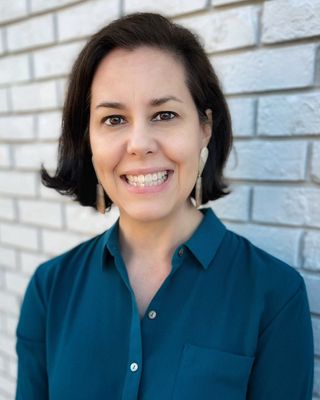
Hosted by Callie Mauldin
Licensed Professional Counselor, LPC
Group meets in Mountain Brook, AL 35223
A small private practice that recruits the brightest talent and best therapists in Birmingham. We specialize in pairing you with a caring professional, with exceptional experience, that is properly trained to help you in the most effecient and effective ways possible.
Begins: February 4th We will provide a warm and welcoming environment to build upon their coping mechanisms to overcome their social anxiety. Here are a few of the lessons: stress/emotion regulation; Communication skills, problem-solving skills, and self-esteem enrichment. Call us today to set up an interview - 205-558-9898
Hosted by Jill D. Strickland
Licensed Clinical Mental Health Counselor, MA, LCMHC
Group meets in Hoover, AL 35244
Begins: February 4th We will provide a warm and welcoming environment to build upon their coping mechanisms to overcome their social anxiety. Here are a few of the lessons: stress/emotion regulation; Communication skills, problem-solving skills, and self-esteem enrichment. Call us today to set up an interview - 205-558-9898
Couples will leave this marital enrichment workshop series with new skills that will enhance your communication and help you navigate situations in which you see things differently. Couples will also gain an understanding of different love languages and new strategies for couple connection.

Hosted by Judith Schulman-Miller
Clinical Social Work/Therapist, LCSW, LMFT
Group meets in Birmingham, AL 35223
Couples will leave this marital enrichment workshop series with new skills that will enhance your communication and help you navigate situations in which you see things differently. Couples will also gain an understanding of different love languages and new strategies for couple connection.
Insight Equine Therapy has two locations, one in Greystone Area off of Hwy 41 and another in Montevallo. We offer individual equine therapy sessions for child/adolescent/adult patients as well as therapeutic riding lessons. Equine therapy involves an individual therapist, a horse and an equine handler to help clients manage anxiety, mood, trauma, and relationship issues. Intake assessments completed at Perimeter Park office. All major insurances are accepted.

Hosted by Insight Therapeutic Services
Clinical Social Work/Therapist, LICSW, PIP
Group meets in Birmingham, AL 35243
Insight Equine Therapy has two locations, one in Greystone Area off of Hwy 41 and another in Montevallo. We offer individual equine therapy sessions for child/adolescent/adult patients as well as therapeutic riding lessons. Equine therapy involves an individual therapist, a horse and an equine handler to help clients manage anxiety, mood, trauma, and relationship issues. Intake assessments completed at Perimeter Park office. All major insurances are accepted.
Learn practical tools to better manage anger, reduce conflict, and respond thoughtfully instead of reacting impulsively. This supportive group helps participants identify triggers, understand the emotions beneath anger, improve communication, and develop healthier coping strategies. Using evidence-based techniques, members will build emotional regulation, problem-solving, and conflict resolution skills in a respectful, judgment-free environment. Whether you're attending voluntarily or to meet a court, workplace, or personal requirement, this group is designed to help you create lasting change, strengthen relationships, and gain greater control over your thoughts, emotions, and behaviors.

Hosted by Isabella Ashley
Licensed Professional Counselor, LPC, NCC
Group meets in Birmingham, AL 35203
Learn practical tools to better manage anger, reduce conflict, and respond thoughtfully instead of reacting impulsively. This supportive group helps participants identify triggers, understand the emotions beneath anger, improve communication, and develop healthier coping strategies. Using evidence-based techniques, members will build emotional regulation, problem-solving, and conflict resolution skills in a respectful, judgment-free environment. Whether you're attending voluntarily or to meet a court, workplace, or personal requirement, this group is designed to help you create lasting change, strengthen relationships, and gain greater control over your thoughts, emotions, and behaviors.
Begins: February 4th We will provide a warm and welcoming environment to build upon their coping mechanisms to overcome their social anxiety. Here are a few of the lessons: stress/emotion regulation; Communication skills, problem-solving skills, and self-esteem enrichment. Call us today to set up an interview - 205-558-9898
Hosted by Strickland Counseling, PLLC
Licensed Professional Counselor, LPC
Group meets in Hoover, AL 35244
Begins: February 4th We will provide a warm and welcoming environment to build upon their coping mechanisms to overcome their social anxiety. Here are a few of the lessons: stress/emotion regulation; Communication skills, problem-solving skills, and self-esteem enrichment. Call us today to set up an interview - 205-558-9898
Process Group: Let's Talk About It is a group where clients meet with other women to process life's issues. This group allows for each participant to share and receive feedback. Through this process women lear they are not alone and will gain strength through the process. Each group lasts for 6 weeks. The groups are closed, so connections are made and trust is developed. Call to get on the waiting list for the next group, which will start on October 16, 2017.
Hosted by Kimberly Williams Counseling, LLC
Licensed Professional Counselor, LPC, NCC
Group meets in Vestavia, AL 35243
Process Group: Let's Talk About It is a group where clients meet with other women to process life's issues. This group allows for each participant to share and receive feedback. Through this process women lear they are not alone and will gain strength through the process. Each group lasts for 6 weeks. The groups are closed, so connections are made and trust is developed. Call to get on the waiting list for the next group, which will start on October 16, 2017.
See more therapy options for 35040

FAQs - About Group Therapy and Support Groups
How can I find a support group in 35040?
To find a support group in your area, start by entering your city, zip code, or the name of the group into the search bar at the top of the page. When searching, consider whether you prefer an in-person or virtual group. This can help you decide how broad your geographic search should be. If you are open to virtual groups, you might want to search by state instead of just your city, especially if there are limited options nearby.
Once you complete your search, you can use the filters to narrow the results by selecting specialties (such as grief, trauma, or eating disorders), therapeutic approaches, age groups, and other criteria to find a group that best fits your needs.
Once you complete your search, you can use the filters to narrow the results by selecting specialties (such as grief, trauma, or eating disorders), therapeutic approaches, age groups, and other criteria to find a group that best fits your needs.
How does group therapy work?
Group therapy is led by one or more trained therapists and provides a space where participants can process their experiences and learn from others facing similar challenges. Groups may focus on a specific issue—such as addiction, grief, physical illnesses, parenting, or caregiving—or they may center around a particular therapeutic approach, such as Cognitive Behavioral Therapy (CBT), social skill development, or Exposure Therapy. Some groups are also designed for specific populations, such as teens, veterans, or LGBTQ+ individuals.
It’s also important to distinguish group therapy from peer-led support groups, like Alcoholics Anonymous. While both can offer valuable support, therapy groups are typically led by licensed professionals and follow a more structured format. Therapy groups often meet for a fixed length of time with a consistent group of members, while many peer support groups meet for an indefinite period of time with members coming and going.
It’s also important to distinguish group therapy from peer-led support groups, like Alcoholics Anonymous. While both can offer valuable support, therapy groups are typically led by licensed professionals and follow a more structured format. Therapy groups often meet for a fixed length of time with a consistent group of members, while many peer support groups meet for an indefinite period of time with members coming and going.
What are the benefits of group therapy?
Group therapy offers several important benefits. It brings together people facing similar challenges—whether related to mental health, physical health, or life transitions—and creates a supportive environment where participants can exchange feedback, share experiences, and learn from one another. Hearing different perspectives can help individuals discover new coping strategies and practical tools they may not have encountered on their own. Sharing personal experiences, such as coping with a serious illness or navigating family struggles, can also reduce feelings of isolation and foster a sense of connection and understanding. In addition to emotional support, group members often gain useful, real-world advice from peers who have faced similar situations.
Group therapy is typically more affordable than individual therapy and, for certain conditions, can be equally effective. Many groups also include structured activities—such as guided journaling, cognitive-behavioral exercises, or role-playing—to help participants develop concrete skills they can apply in daily life.
Group therapy is typically more affordable than individual therapy and, for certain conditions, can be equally effective. Many groups also include structured activities—such as guided journaling, cognitive-behavioral exercises, or role-playing—to help participants develop concrete skills they can apply in daily life.
Is group therapy as effective as individual therapy?
It is difficult to make a blanket statement about the effectiveness of support groups, as they vary widely in focus and the conditions they address. However, support groups can be highly valuable in helping individuals gain emotional support and achieve meaningful treatment outcomes. For certain conditions, such as substance use, research has shown that group therapy can be particularly effective—sometimes just as effective as individual therapy—in supporting long-term recovery.
Many professionals attribute the effectiveness of group therapy to the unique benefits of the group setting, which fosters peer-to-peer learning and a sense of connection through shared experiences. Group settings also offer accountability and encouragement from both facilitators and fellow participants, which helps sustain motivation and supports continued progress. These factors together play a key role in promoting the overall effectiveness of group therapy.
Many professionals attribute the effectiveness of group therapy to the unique benefits of the group setting, which fosters peer-to-peer learning and a sense of connection through shared experiences. Group settings also offer accountability and encouragement from both facilitators and fellow participants, which helps sustain motivation and supports continued progress. These factors together play a key role in promoting the overall effectiveness of group therapy.
How much does group therapy cost?
Group therapy is typically less expensive than individual therapy, with sessions typically costing between $50 and $75 each. In comparison, individual therapy can cost anywhere from $100 to $200 or more per session, even with insurance. Some therapists or organizations offer low-cost or free group therapy options, particularly through community centers or nonprofit organizations. In some cases, groups may require payment upfront for a set number of sessions, such as paying for six weekly sessions at the first meeting. However, many providers offer payment plans to help make participation more accessible if this upfront payment is required.
Does insurance cover group therapy?
As with individual therapy, insurance coverage for group therapy varies based on factors such as your specific insurance plan, the purpose of the group, your diagnosis, and whether the group provider is in-network. Many insurance plans cover group therapy sessions that address diagnosable mental health conditions, such as substance use disorders, anxiety, or depression.
However, groups that focus on topics not directly tied to a mental health diagnosis—such as parenting support or divorce recovery—are less likely to be covered. Because coverage can vary widely, it’s important to check with your insurance provider before joining a group to confirm whether the sessions will be covered and what out-of-pocket costs you may be responsible for.
However, groups that focus on topics not directly tied to a mental health diagnosis—such as parenting support or divorce recovery—are less likely to be covered. Because coverage can vary widely, it’s important to check with your insurance provider before joining a group to confirm whether the sessions will be covered and what out-of-pocket costs you may be responsible for.
How long does group therapy last?
The length of each group therapy session typically ranges from 45 minutes to two hours, depending on the therapy approach, the group’s goals, and how often the group meets. In some cases, group therapy is part of a larger treatment program, such as an Intensive Outpatient Program (IOP), where group sessions complement individual therapy and are scheduled as part of the program’s overall structure.
The duration of participation in a group also varies. Some groups are designed to be short-term, lasting anywhere from 6 to 24 weeks—for example, bereavement groups or skills-based groups like those using Dialectical Behavioral Therapy (DBT). Other groups may be longer-term, lasting a year or more, and some ongoing support groups meet indefinitely, allowing participants to stay as long as they find the group helpful.
The duration of participation in a group also varies. Some groups are designed to be short-term, lasting anywhere from 6 to 24 weeks—for example, bereavement groups or skills-based groups like those using Dialectical Behavioral Therapy (DBT). Other groups may be longer-term, lasting a year or more, and some ongoing support groups meet indefinitely, allowing participants to stay as long as they find the group helpful.
What are the limitations of support groups?
Support groups offer many benefits, but they also have certain limitations. Unlike therapy groups, many support groups do not provide formal therapeutic treatment and are not led by licensed mental health professionals. For individuals seeking clinical treatment for specific mental health diagnoses—such as depression, eating disorders, or substance use—individual therapy or group therapy led by a licensed professional may offer more personalized and specialized care.
The effectiveness of a support group also depends heavily on the group’s participants and the overall group dynamic. When members engage respectfully and offer constructive support, the group can foster valuable peer-to-peer learning. However, if certain participants dominate discussions, provide inaccurate advice, or create conflict, it can disrupt the group’s sense of safety and reduce its effectiveness. Confidentiality can also be harder to maintain in support groups, particularly in open groups where participants can join or leave at any time. With new members regularly entering the group, it can be more difficult to build and sustain a consistent sense of trust and privacy.
The effectiveness of a support group also depends heavily on the group’s participants and the overall group dynamic. When members engage respectfully and offer constructive support, the group can foster valuable peer-to-peer learning. However, if certain participants dominate discussions, provide inaccurate advice, or create conflict, it can disrupt the group’s sense of safety and reduce its effectiveness. Confidentiality can also be harder to maintain in support groups, particularly in open groups where participants can join or leave at any time. With new members regularly entering the group, it can be more difficult to build and sustain a consistent sense of trust and privacy.