Support Groups in 29681
Group identified for clients with PTSD and substance use issues.
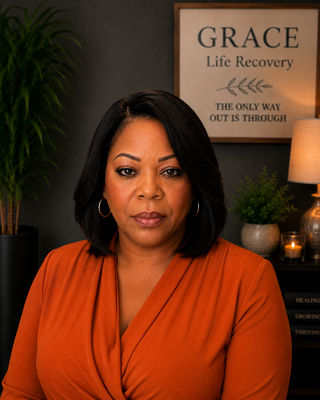
Hosted by Shelly L Atkinson
Licensed Professional Counselor, LPC/S, LAC, AADC, CS, SAE
Group meets in Simpsonville, SC 29681
Group identified for clients with PTSD and substance use issues.
A women's 18+ group about establishing healthy boundaries, healthy communication, and healthy relationships to create positive changes in current and future relationships. Being able to say "No" is one of the most empowering things you can do for yourself. Constantly feel as though you are a doormat for people? Feel that you are manipulated by your partner in your relationship or past relationships you've been in? This group will help to empower you to ensure your needs are also being met in relationships. The group will be 6 weeks & meet once/week. Cost $25/person per session.
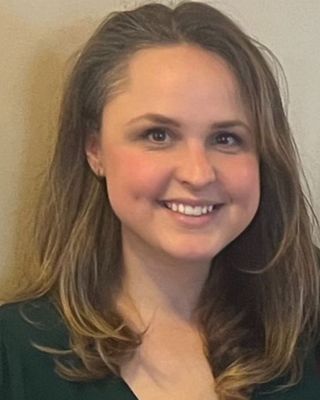
Hosted by Sarah (Pregel) Russell
Licensed Professional Counselor, EdS, MEd, LPC
Group meets in Simpsonville, SC 29681
A women's 18+ group about establishing healthy boundaries, healthy communication, and healthy relationships to create positive changes in current and future relationships. Being able to say "No" is one of the most empowering things you can do for yourself. Constantly feel as though you are a doormat for people? Feel that you are manipulated by your partner in your relationship or past relationships you've been in? This group will help to empower you to ensure your needs are also being met in relationships. The group will be 6 weeks & meet once/week. Cost $25/person per session.
Gender specific Groups designed for individuals who have addiction and Trauma issues.
Hosted by Shelly L Atkinson
Licensed Professional Counselor, LPC/S, LAC, AADC, CS, SAE
Group meets in Simpsonville, SC 29681
Gender specific Groups designed for individuals who have addiction and Trauma issues.
Group designed for individual seeking assistance with complying with DMV and legal system after getting driving related offenses.
Hosted by Shelly L Atkinson
Licensed Professional Counselor, LPC/S, LAC, AADC, CS, SAE
Group meets in Simpsonville, SC 29681
Group designed for individual seeking assistance with complying with DMV and legal system after getting driving related offenses.
More Groups Nearby
"Unmoored Counseling Collective provides professional and comprehensive psychotherapy/counseling services, education, and assessments that are consistent with research and science based in neurobiology of trauma and the impact on the brain. Clinicians at Unmoored Counseling Collective specialize in treating trauma disorders including but not limited to: dissociative disorders, PTSD, C-PTSD, Conversion disorders, Personality disorders, and Mood disorders. All programs of treatment are designed to meet the emotional, physical, and spiritual needs of our clients."
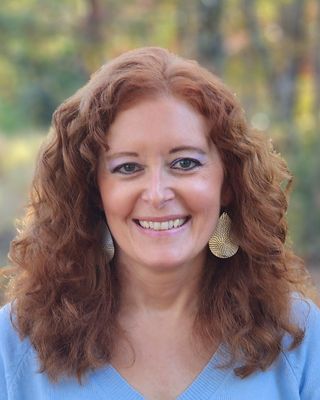
Hosted by Jessa Wilson
Licensed Professional Counselor Associate, MA, NCC, LPCA
Group meets in Greenville, SC 29607
"Unmoored Counseling Collective provides professional and comprehensive psychotherapy/counseling services, education, and assessments that are consistent with research and science based in neurobiology of trauma and the impact on the brain. Clinicians at Unmoored Counseling Collective specialize in treating trauma disorders including but not limited to: dissociative disorders, PTSD, C-PTSD, Conversion disorders, Personality disorders, and Mood disorders. All programs of treatment are designed to meet the emotional, physical, and spiritual needs of our clients."
In this psycho-educational and processing group, strategies and techniques for managing ADHD will be explored--whether in the academic, home, social, or work setting. Participants will feel validated as they share their concerns and can offer support to one another. Topics previously covered include: Stress Reduction; Career Decision Making; Goal Setting; Time Management; Organization, Self-Monitoring, Medication Management, and Social Judgment.

Hosted by Riner Counseling, LLC
Psychologist, PhD, EdS, MS, PMH-C, ART
Group meets in Greenville, SC 29605
In this psycho-educational and processing group, strategies and techniques for managing ADHD will be explored--whether in the academic, home, social, or work setting. Participants will feel validated as they share their concerns and can offer support to one another. Topics previously covered include: Stress Reduction; Career Decision Making; Goal Setting; Time Management; Organization, Self-Monitoring, Medication Management, and Social Judgment.
Groups are forming to address the various forms of disordered eating amongst teens and young adults. Body Image, self-esteem, balanced eating for fuel, moderation and self-care all amongst the topics addressed.
Young people learn from each other, the facilitator, as well as help each other find peace with food.

Hosted by Nilly Barr
Licensed Professional Counselor, MS, LPC, BCIM
Group meets in Greenville, SC 29601
Groups are forming to address the various forms of disordered eating amongst teens and young adults. Body Image, self-esteem, balanced eating for fuel, moderation and self-care all amongst the topics addressed.
Young people learn from each other, the facilitator, as well as help each other find peace with food.
This group is for women that feel overwhelmed by work, taking care of family or life in general. Maybe a crisis has occurred in your life that you haven't been able to recover from. Do you feel alone and as if no one understands? Here is your opportunity to engage and connect with other women that maybe facing obstacles in their lives. This group is a small intimate group where it safe to discuss issues and get equipped with healthy skills to help you manage life.
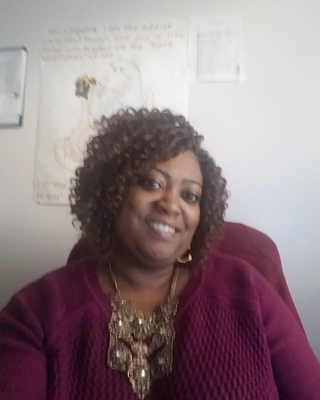
Hosted by Chandra Mills
Licensed Professional Counselor, LPC, LAC, AADC
Group meets in Greenville, SC 29601
This group is for women that feel overwhelmed by work, taking care of family or life in general. Maybe a crisis has occurred in your life that you haven't been able to recover from. Do you feel alone and as if no one understands? Here is your opportunity to engage and connect with other women that maybe facing obstacles in their lives. This group is a small intimate group where it safe to discuss issues and get equipped with healthy skills to help you manage life.
The most common problems diagnosed and treated by neurologists include strokes, epilepsy (seizures), headaches, dementias (Alzheimer's disease), multiple sclerosis, Parkinson's disease and various forms of pain. Neurologists may serve as consultants to other physicians as well as provide long-term care to patients with chronic neurologic disorders. Our office is aware that many neurological conditions can be accompanied by social discomfort and embarrassment; therefore, we emphasize sensitivity and discretion when dealing with all our patients.

The most common problems diagnosed and treated by neurologists include strokes, epilepsy (seizures), headaches, dementias (Alzheimer's disease), multiple sclerosis, Parkinson's disease and various forms of pain. Neurologists may serve as consultants to other physicians as well as provide long-term care to patients with chronic neurologic disorders. Our office is aware that many neurological conditions can be accompanied by social discomfort and embarrassment; therefore, we emphasize sensitivity and discretion when dealing with all our patients.
This group invites participants to tackle issues nearly everyone is concerned about: dieting, weight, body image and self-esteem. Supportive, educational and creative activities will be used to explore the connections between food, body and self.whether anorexia, bulimia, or binge eating disorder. Relapse prevention skills as well as a safe environment will be provided to help you in your recovery and overall healing process. * Due to COVID, groups are postponed.
Hosted by Riner Counseling, LLC
Psychologist, PhD, EdS, MS, PMH-C, ART
Group meets in Greenville, SC 29605
This group invites participants to tackle issues nearly everyone is concerned about: dieting, weight, body image and self-esteem. Supportive, educational and creative activities will be used to explore the connections between food, body and self.whether anorexia, bulimia, or binge eating disorder. Relapse prevention skills as well as a safe environment will be provided to help you in your recovery and overall healing process. * Due to COVID, groups are postponed.
Available to provide clinical supervision for LPCA who are in need of supervision hours to complete licensure requirements.
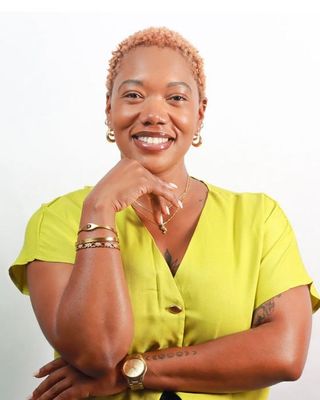
Hosted by Life Transitions Coaching & Wellness
Licensed Professional Counselor, LPCS, LCMHC, LAC, MAC
Group meets in Anderson, SC 29621
Available to provide clinical supervision for LPCA who are in need of supervision hours to complete licensure requirements.
"Breaking Up" is a normal life experience, so why is it so painful? Come join us for sharing and discussion of all manner of relationship issues, learn new skills, and make new friends. We are your safe place to go when people let you down and the going gets tough. We help you to mourn and grieve and later to rebuild when you are ready

"Breaking Up" is a normal life experience, so why is it so painful? Come join us for sharing and discussion of all manner of relationship issues, learn new skills, and make new friends. We are your safe place to go when people let you down and the going gets tough. We help you to mourn and grieve and later to rebuild when you are ready
Forensic evaluations for Civil amd Criminal cases.

Hosted by PsychoLegal Assessments,LLC Forensic Psychologist
Psychologist, PsyD, Forensi
Group meets in Piedmont, SC 29673
Forensic evaluations for Civil amd Criminal cases.
Level Up: The Social Reset is a skills-based group for teens designed to build emotional regulation, confidence, and healthy social connection. In a supportive, judgment-free environment, participants learn how to manage overwhelming feelings, communicate effectively, and navigate friendships with greater ease. This group blends practical tools with real-life application, helping teens feel more in control of their emotions and more connected in their relationships.
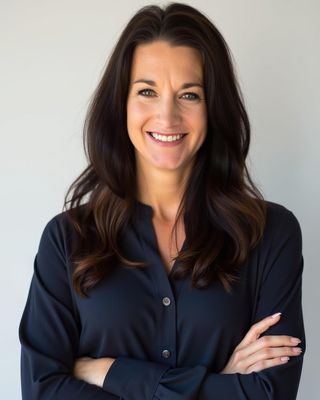
Hosted by Shanna Martin
Licensed Professional Counselor, MA, LPC
Group meets in Greenville, SC 29601
Level Up: The Social Reset is a skills-based group for teens designed to build emotional regulation, confidence, and healthy social connection. In a supportive, judgment-free environment, participants learn how to manage overwhelming feelings, communicate effectively, and navigate friendships with greater ease. This group blends practical tools with real-life application, helping teens feel more in control of their emotions and more connected in their relationships.
This weekly, ongoing group is for teenage girls (ages 14-16) who experience high levels of anxiety. Participants will learn strategies for tackling and reducing their anxiety in a welcoming, safe setting.
This weekly, ongoing group is for teenage girls (ages 14-16) who experience high levels of anxiety. Participants will learn strategies for tackling and reducing their anxiety in a welcoming, safe setting.
Dr. Lockard serves as a consultant and expert witness for military court proceedings. She has consulted and in some cases testified regarding sexual assault, pornography possession cases, memory and substance abuse, physical abuse of a child, general assault, and competence to waive rights. She has served as a consultant for both government and defense trial counsel
Hosted by PsychoLegal Assessments,LLC Forensic Psychologist
Psychologist, PsyD, Forensi
Group meets in Piedmont, SC 29673
Dr. Lockard serves as a consultant and expert witness for military court proceedings. She has consulted and in some cases testified regarding sexual assault, pornography possession cases, memory and substance abuse, physical abuse of a child, general assault, and competence to waive rights. She has served as a consultant for both government and defense trial counsel
A Radically Open Dialectical Behavior Therapy (RO-DBT) group is a structured skills training group designed for people who tend to cope with stress through overcontrol—such as excessive self-discipline, emotional inhibition, perfectionism, or difficulty connecting openly with others. This group is part of a comprehensive program.
Hosted by Upstate Integrative Mind Counseling
Licensed Professional Counselor
Group meets in Greenville, SC 29615
A Radically Open Dialectical Behavior Therapy (RO-DBT) group is a structured skills training group designed for people who tend to cope with stress through overcontrol—such as excessive self-discipline, emotional inhibition, perfectionism, or difficulty connecting openly with others. This group is part of a comprehensive program.
Beginning July 15, 2019, psychiatrists from this practice will provide free guidance to therapists and psychologists practicing in the Upstate (Anderson, Greenville, Spartanburg etc.) area.

Hosted by Taral Sharma, MD -Spartanburg, Greenville & Seneca
Psychiatrist, MD, MBA, FAPA, FABPM
Group meets in Anderson, SC 29621
Beginning July 15, 2019, psychiatrists from this practice will provide free guidance to therapists and psychologists practicing in the Upstate (Anderson, Greenville, Spartanburg etc.) area.
We meet you where you are and help you get where you want to go. We believe therapy is a collaborative process. Therapy is not to "fix" you, rather it is to encourage you and help you grow. You aren't too much to handle and you won't be judged for where you are on the journey, who you are, or what you have been through. We are here to partner along side of you. Flourishupstatecounseling.com
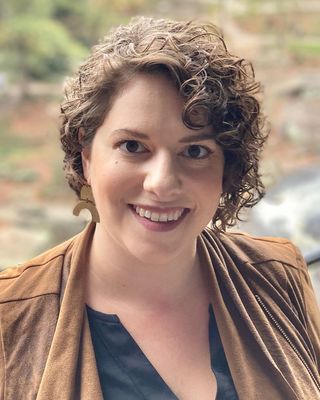
Hosted by Rebecca Phifer-Ball
Licensed Professional Counselor, LPC, MEd, EdS
Group meets in Greer, SC 29650
We meet you where you are and help you get where you want to go. We believe therapy is a collaborative process. Therapy is not to "fix" you, rather it is to encourage you and help you grow. You aren't too much to handle and you won't be judged for where you are on the journey, who you are, or what you have been through. We are here to partner along side of you. Flourishupstatecounseling.com
This group meets weekly and satisfies the Seventh Judicial Circuit Solicitor's Office and Department of Social Services requirements for anger management (6 to 13 weeks). Classes focus on conflict resolution, coping skills, and communication skills and learning how to change the cycle of anger.

Hosted by Susan Lea
Marriage & Family Therapist, LMFT, LMFTS, CGP
Group meets in Spartanburg, SC 29306
This group meets weekly and satisfies the Seventh Judicial Circuit Solicitor's Office and Department of Social Services requirements for anger management (6 to 13 weeks). Classes focus on conflict resolution, coping skills, and communication skills and learning how to change the cycle of anger.
See more therapy options for 29681


FAQs - About Group Therapy and Support Groups
How can I find a support group in 29681?
To find a support group in your area, start by entering your city, zip code, or the name of the group into the search bar at the top of the page. When searching, consider whether you prefer an in-person or virtual group. This can help you decide how broad your geographic search should be. If you are open to virtual groups, you might want to search by state instead of just your city, especially if there are limited options nearby.
Once you complete your search, you can use the filters to narrow the results by selecting specialties (such as grief, trauma, or eating disorders), therapeutic approaches, age groups, and other criteria to find a group that best fits your needs.
Once you complete your search, you can use the filters to narrow the results by selecting specialties (such as grief, trauma, or eating disorders), therapeutic approaches, age groups, and other criteria to find a group that best fits your needs.
How does group therapy work?
Group therapy is led by one or more trained therapists and provides a space where participants can process their experiences and learn from others facing similar challenges. Groups may focus on a specific issue—such as addiction, grief, physical illnesses, parenting, or caregiving—or they may center around a particular therapeutic approach, such as Cognitive Behavioral Therapy (CBT), social skill development, or Exposure Therapy. Some groups are also designed for specific populations, such as teens, veterans, or LGBTQ+ individuals.
It’s also important to distinguish group therapy from peer-led support groups, like Alcoholics Anonymous. While both can offer valuable support, therapy groups are typically led by licensed professionals and follow a more structured format. Therapy groups often meet for a fixed length of time with a consistent group of members, while many peer support groups meet for an indefinite period of time with members coming and going.
It’s also important to distinguish group therapy from peer-led support groups, like Alcoholics Anonymous. While both can offer valuable support, therapy groups are typically led by licensed professionals and follow a more structured format. Therapy groups often meet for a fixed length of time with a consistent group of members, while many peer support groups meet for an indefinite period of time with members coming and going.
What are the benefits of group therapy?
Group therapy offers several important benefits. It brings together people facing similar challenges—whether related to mental health, physical health, or life transitions—and creates a supportive environment where participants can exchange feedback, share experiences, and learn from one another. Hearing different perspectives can help individuals discover new coping strategies and practical tools they may not have encountered on their own. Sharing personal experiences, such as coping with a serious illness or navigating family struggles, can also reduce feelings of isolation and foster a sense of connection and understanding. In addition to emotional support, group members often gain useful, real-world advice from peers who have faced similar situations.
Group therapy is typically more affordable than individual therapy and, for certain conditions, can be equally effective. Many groups also include structured activities—such as guided journaling, cognitive-behavioral exercises, or role-playing—to help participants develop concrete skills they can apply in daily life.
Group therapy is typically more affordable than individual therapy and, for certain conditions, can be equally effective. Many groups also include structured activities—such as guided journaling, cognitive-behavioral exercises, or role-playing—to help participants develop concrete skills they can apply in daily life.
Is group therapy as effective as individual therapy?
It is difficult to make a blanket statement about the effectiveness of support groups, as they vary widely in focus and the conditions they address. However, support groups can be highly valuable in helping individuals gain emotional support and achieve meaningful treatment outcomes. For certain conditions, such as substance use, research has shown that group therapy can be particularly effective—sometimes just as effective as individual therapy—in supporting long-term recovery.
Many professionals attribute the effectiveness of group therapy to the unique benefits of the group setting, which fosters peer-to-peer learning and a sense of connection through shared experiences. Group settings also offer accountability and encouragement from both facilitators and fellow participants, which helps sustain motivation and supports continued progress. These factors together play a key role in promoting the overall effectiveness of group therapy.
Many professionals attribute the effectiveness of group therapy to the unique benefits of the group setting, which fosters peer-to-peer learning and a sense of connection through shared experiences. Group settings also offer accountability and encouragement from both facilitators and fellow participants, which helps sustain motivation and supports continued progress. These factors together play a key role in promoting the overall effectiveness of group therapy.
How much does group therapy cost?
Group therapy is typically less expensive than individual therapy, with sessions typically costing between $50 and $75 each. In comparison, individual therapy can cost anywhere from $100 to $200 or more per session, even with insurance. Some therapists or organizations offer low-cost or free group therapy options, particularly through community centers or nonprofit organizations. In some cases, groups may require payment upfront for a set number of sessions, such as paying for six weekly sessions at the first meeting. However, many providers offer payment plans to help make participation more accessible if this upfront payment is required.
Does insurance cover group therapy?
As with individual therapy, insurance coverage for group therapy varies based on factors such as your specific insurance plan, the purpose of the group, your diagnosis, and whether the group provider is in-network. Many insurance plans cover group therapy sessions that address diagnosable mental health conditions, such as substance use disorders, anxiety, or depression.
However, groups that focus on topics not directly tied to a mental health diagnosis—such as parenting support or divorce recovery—are less likely to be covered. Because coverage can vary widely, it’s important to check with your insurance provider before joining a group to confirm whether the sessions will be covered and what out-of-pocket costs you may be responsible for.
However, groups that focus on topics not directly tied to a mental health diagnosis—such as parenting support or divorce recovery—are less likely to be covered. Because coverage can vary widely, it’s important to check with your insurance provider before joining a group to confirm whether the sessions will be covered and what out-of-pocket costs you may be responsible for.
How long does group therapy last?
The length of each group therapy session typically ranges from 45 minutes to two hours, depending on the therapy approach, the group’s goals, and how often the group meets. In some cases, group therapy is part of a larger treatment program, such as an Intensive Outpatient Program (IOP), where group sessions complement individual therapy and are scheduled as part of the program’s overall structure.
The duration of participation in a group also varies. Some groups are designed to be short-term, lasting anywhere from 6 to 24 weeks—for example, bereavement groups or skills-based groups like those using Dialectical Behavioral Therapy (DBT). Other groups may be longer-term, lasting a year or more, and some ongoing support groups meet indefinitely, allowing participants to stay as long as they find the group helpful.
The duration of participation in a group also varies. Some groups are designed to be short-term, lasting anywhere from 6 to 24 weeks—for example, bereavement groups or skills-based groups like those using Dialectical Behavioral Therapy (DBT). Other groups may be longer-term, lasting a year or more, and some ongoing support groups meet indefinitely, allowing participants to stay as long as they find the group helpful.
What are the limitations of support groups?
Support groups offer many benefits, but they also have certain limitations. Unlike therapy groups, many support groups do not provide formal therapeutic treatment and are not led by licensed mental health professionals. For individuals seeking clinical treatment for specific mental health diagnoses—such as depression, eating disorders, or substance use—individual therapy or group therapy led by a licensed professional may offer more personalized and specialized care.
The effectiveness of a support group also depends heavily on the group’s participants and the overall group dynamic. When members engage respectfully and offer constructive support, the group can foster valuable peer-to-peer learning. However, if certain participants dominate discussions, provide inaccurate advice, or create conflict, it can disrupt the group’s sense of safety and reduce its effectiveness. Confidentiality can also be harder to maintain in support groups, particularly in open groups where participants can join or leave at any time. With new members regularly entering the group, it can be more difficult to build and sustain a consistent sense of trust and privacy.
The effectiveness of a support group also depends heavily on the group’s participants and the overall group dynamic. When members engage respectfully and offer constructive support, the group can foster valuable peer-to-peer learning. However, if certain participants dominate discussions, provide inaccurate advice, or create conflict, it can disrupt the group’s sense of safety and reduce its effectiveness. Confidentiality can also be harder to maintain in support groups, particularly in open groups where participants can join or leave at any time. With new members regularly entering the group, it can be more difficult to build and sustain a consistent sense of trust and privacy.