Support Groups in 28401
Using art therapy and metaphors/symbology/existential prompts. The Lost i re-ignites our pilot light for more energy, peace, and connection.

Hosted by Maureen Noble
Licensed Clinical Mental Health Counselor, LCMHC
Group meets in Wilmington, NC 28401
Using art therapy and metaphors/symbology/existential prompts. The Lost i re-ignites our pilot light for more energy, peace, and connection.
This is a support group for parents who have adopted young children who have been in foster care. It meets once per month, the third Thursday at 11am. There is no cost to participants. Neely Poelling facilitates the group with Shelley.
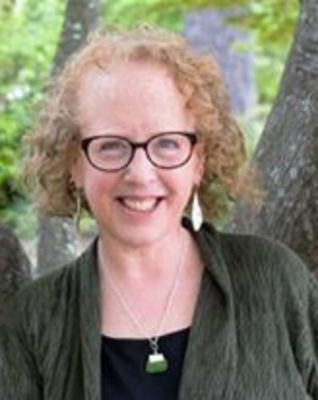
Hosted by Shelley Chambers
Clinical Social Work/Therapist, LCSW, MSW
Group meets in Wilmington, NC 28401
This is a support group for parents who have adopted young children who have been in foster care. It meets once per month, the third Thursday at 11am. There is no cost to participants. Neely Poelling facilitates the group with Shelley.
ACCEPTING NEW CLIENTS: DBT weekly skills group. Group meets weekly- Wednesday's from 6:00pm-7:30pm to discuss the 4 skill modules of DBT: emotion regulation, interpersonal effectiveness, mindfulness, and distress tolerance. Participants in the group must be connected with an individual therapist or in the process of finding individual therapy services. For more information about weekly skills group and the process of joining the group please contact 910-343-6890. $25 per session attended, self-pay.

ACCEPTING NEW CLIENTS: DBT weekly skills group. Group meets weekly- Wednesday's from 6:00pm-7:30pm to discuss the 4 skill modules of DBT: emotion regulation, interpersonal effectiveness, mindfulness, and distress tolerance. Participants in the group must be connected with an individual therapist or in the process of finding individual therapy services. For more information about weekly skills group and the process of joining the group please contact 910-343-6890. $25 per session attended, self-pay.
Clinical Supervision Group, for provisionally-licensed Licensed Clinical Social Worker, and Licensed Clinical Addictions Specialist candidates

Hosted by Tab Ballis
Clinical Social Work/Therapist, LCSW, LCAS, CCS
Group meets in Wilmington, NC 28401
Clinical Supervision Group, for provisionally-licensed Licensed Clinical Social Worker, and Licensed Clinical Addictions Specialist candidates
Counseling Private Practice. https://findingbalancelc.com/

Hosted by Andrew Brady
Licensed Clinical Mental Health Counselor, LCMHC
Group meets in Wilmington, NC 28401
Counseling Private Practice. https://findingbalancelc.com/
Men's group is open to clients who are in various stages of working through Porn/Sex Addiction. Whether you are in early treatment or have sobriety - Men's Group is a supportive atmosphere to share, learn, grow and gain acceptance.

Hosted by Lisa Layman
Licensed Professional Counselor, MA, LCMHC, (FMR, CSAT), NCC
Group meets in Wilmington, NC 28401
Men's group is open to clients who are in various stages of working through Porn/Sex Addiction. Whether you are in early treatment or have sobriety - Men's Group is a supportive atmosphere to share, learn, grow and gain acceptance.
Retreat for your soul! As increasing light of spring beckons us to awaken, it is great time to clear old energy, beliefs, and patterns. Join s as we explore the journey to uncover "the lost i" through art, meditation, journaling, and plant seeds of intention... INCLUDES journey provisions, lunch, art journals, supplies, tea ceremony, and more!! Space is limited - rsvp soon!

Hosted by Lisa Beresnyak
Drug & Alcohol Counselor, MS, LCAS, RYT
Group meets in Wilmington, NC 28401
Retreat for your soul! As increasing light of spring beckons us to awaken, it is great time to clear old energy, beliefs, and patterns. Join s as we explore the journey to uncover "the lost i" through art, meditation, journaling, and plant seeds of intention... INCLUDES journey provisions, lunch, art journals, supplies, tea ceremony, and more!! Space is limited - rsvp soon!
Group training and supervision is available for the use of The GATE Model: An Addictions Assessment Tool.
Hosted by Tab Ballis
Clinical Social Work/Therapist, LCSW, LCAS, CCS
Group meets in Wilmington, NC 28401
Group training and supervision is available for the use of The GATE Model: An Addictions Assessment Tool.
Our mission is to provide a safe and nonjudgemental Forum for men 18 years old and up. A supportive presence. Group provides a platform in which participants can address their personal and social concerns. Group participants are encouraged to address their thoughts, feelings and to process the responses of others providing positive feedback.

Hosted by Monumental Foundations PLLC
Licensed Clinical Mental Health Counselor Supervisor, LCMHCS, LCAS, CCS, CCMHC, NCC
Group meets in Wilmington, NC 28401
Our mission is to provide a safe and nonjudgemental Forum for men 18 years old and up. A supportive presence. Group provides a platform in which participants can address their personal and social concerns. Group participants are encouraged to address their thoughts, feelings and to process the responses of others providing positive feedback.
Interpersonal support group for young adults (18-35ish) in the Wilmington area. This group provides a safe environment to delve into the complexities of managing mental health during young adulthood. It offers opportunities for both gaining and giving support, fostering community, and more. In person, $10 out-of-pocket. Biweekly Tuesdays 6-8pm
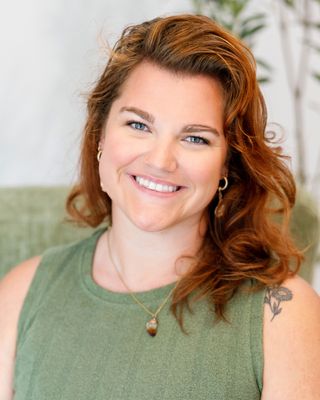
Hosted by Jayme Sampler
Licensed Clinical Mental Health Counselor, LCMHC
Group meets in Wilmington, NC 28401
Interpersonal support group for young adults (18-35ish) in the Wilmington area. This group provides a safe environment to delve into the complexities of managing mental health during young adulthood. It offers opportunities for both gaining and giving support, fostering community, and more. In person, $10 out-of-pocket. Biweekly Tuesdays 6-8pm
Feeling overwhelmed by your wedding planning? Are your family and friends causing more stress than support? Are financial concerns adding to the pressure? You're not alone. Join my therapy group, designed to help you stay calm and confident as you navigate the emotional ups and downs leading up to your big day. Gain valuable tools to reduce stress, increase joy, set healthy boundaries with loved ones, and connect with others who are going through the same experience. When: Monthly sessions beginning on Saturday, January 25, 2025. Where: 217 N. 5th Ave, Suite #101 Cost: $45 per session.

Hosted by Nicole Pipitone
Licensed Clinical Mental Health Counselor, MAAT, LPC, LCMHC, CEDS
Group meets in Wilmington, NC 28401
Feeling overwhelmed by your wedding planning? Are your family and friends causing more stress than support? Are financial concerns adding to the pressure? You're not alone. Join my therapy group, designed to help you stay calm and confident as you navigate the emotional ups and downs leading up to your big day. Gain valuable tools to reduce stress, increase joy, set healthy boundaries with loved ones, and connect with others who are going through the same experience. When: Monthly sessions beginning on Saturday, January 25, 2025. Where: 217 N. 5th Ave, Suite #101 Cost: $45 per session.
More Groups Nearby
Integrative, ongoing and effective group for the treatment substance abuse and mental health, and for those committed to ending their drug use and beginning a period of recovery. This group aims to reduce symptoms, achieve sobriety, and maintain recovery by offering members an opportunity to discuss their problems without judgment, teaching healthy coping skills to manage daily stressors, facilitating support and motivation to enhance optimism and self-worth, educating members about the recovery process, empowering individuals to talk about their issues, and listening to them carefully and respectfully. Each member will learn strategies to develop independence from drugs.

Hosted by Joseph Rengifo
Licensed Professional Counselor, MA, LCMHC, CCMC, CSOT
Group meets in Wilmington, NC 28403
Integrative, ongoing and effective group for the treatment substance abuse and mental health, and for those committed to ending their drug use and beginning a period of recovery. This group aims to reduce symptoms, achieve sobriety, and maintain recovery by offering members an opportunity to discuss their problems without judgment, teaching healthy coping skills to manage daily stressors, facilitating support and motivation to enhance optimism and self-worth, educating members about the recovery process, empowering individuals to talk about their issues, and listening to them carefully and respectfully. Each member will learn strategies to develop independence from drugs.
Group supervision for clinicians seeking licensure or certification with the Substance Abuse Board
Hosted by Monumental Foundations PLLC
Licensed Clinical Mental Health Counselor Supervisor, LCMHCS, LCAS, CCS, CCMHC, NCC
Group meets in Wilmington, NC 28403
Group supervision for clinicians seeking licensure or certification with the Substance Abuse Board
Enhance your bond with hands on activities to support feeding, sleeping, and infant interaction. This group is designed for parents and their pre-crawling babies and utilizes coaching, education, play and bodywork therapy. Meet friends, build your community of support, and nurture the foundation of your parent-child relationship. This group meets weekly. Please contact me for more info.

Enhance your bond with hands on activities to support feeding, sleeping, and infant interaction. This group is designed for parents and their pre-crawling babies and utilizes coaching, education, play and bodywork therapy. Meet friends, build your community of support, and nurture the foundation of your parent-child relationship. This group meets weekly. Please contact me for more info.
Providing clinical supervision for LCMHC licensure.

Providing clinical supervision for LCMHC licensure.
IOP is designed for those stepping down from higher levels of care (residential or partial hospitalization) who can live independently, but need more support as they transition out of intensive treatment. Likewise, those clients in outpatient therapy needing additional structure to their treatment course can benefit from the three day-a-week program which includes individual care and group therapy.

Hosted by Chrysalis Center for Counseling & Eating Disorder
Treatment Center, LPA, LPC, CEDS
Group meets in Wilmington, NC 28403
IOP is designed for those stepping down from higher levels of care (residential or partial hospitalization) who can live independently, but need more support as they transition out of intensive treatment. Likewise, those clients in outpatient therapy needing additional structure to their treatment course can benefit from the three day-a-week program which includes individual care and group therapy.
The monthly women's walking group goes to different parks and engages in different activities from crafts to beach cleanups. It started out to help with women experiencing isolation due to depression and anxiety issues. It has become a community of strong, empowered women who understand and support one another. Processing emotions and issues in nature provides a safe, calming effect similar to the therapy called EMDR.
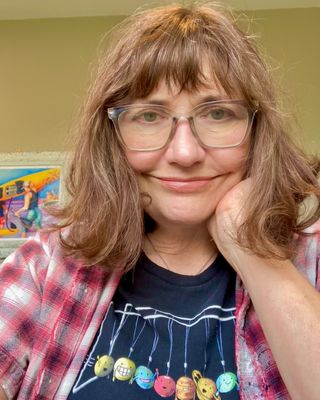
The monthly women's walking group goes to different parks and engages in different activities from crafts to beach cleanups. It started out to help with women experiencing isolation due to depression and anxiety issues. It has become a community of strong, empowered women who understand and support one another. Processing emotions and issues in nature provides a safe, calming effect similar to the therapy called EMDR.
Reparenting 101, is designed for individuals who: feel stuck in patterns of people-pleasing, find it difficult to prioritize "me time" and commit to personal growth, struggle with guilt and fear around disappointing others or saying "no," and frequently worry about others' responses to their needs and emotions. If these resonate with you, there might be unprocessed emotional burdens that you are still carrying that need to be released, and YOU hold the key to this healing. Reparenting 101 can support you on this journey.
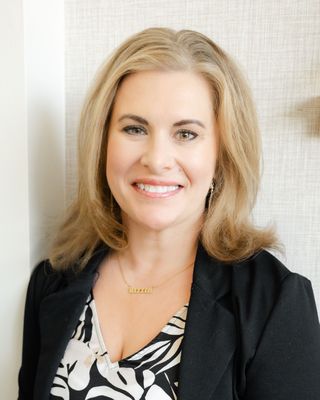
Hosted by Janelle Fleck
Licensed Clinical Mental Health Counselor, MAEd, LCMHC, QS
Group meets in Wilmington, NC 28403
Reparenting 101, is designed for individuals who: feel stuck in patterns of people-pleasing, find it difficult to prioritize "me time" and commit to personal growth, struggle with guilt and fear around disappointing others or saying "no," and frequently worry about others' responses to their needs and emotions. If these resonate with you, there might be unprocessed emotional burdens that you are still carrying that need to be released, and YOU hold the key to this healing. Reparenting 101 can support you on this journey.
A small group format where men support men who engage in similiar patterns of unhealthy romantic relationships. I am in the process of establishing this group. Please call (201 485 9558) prior to coming to ensure the group has begun. I am seeking a group of 5 men. Currently there are two confirmed. The day and hour of the week is subject to change based on group desire.

Hosted by Cathy Ann Cosentino
Marriage & Family Therapist, LMFT, Esq
Group meets in Wilmington, NC 28412
A small group format where men support men who engage in similiar patterns of unhealthy romantic relationships. I am in the process of establishing this group. Please call (201 485 9558) prior to coming to ensure the group has begun. I am seeking a group of 5 men. Currently there are two confirmed. The day and hour of the week is subject to change based on group desire.
This support group is for weight loss surgery patients at 18 months out from surgery. Maintaining motivation, self-care, appetite awareness, mindful eating, combating emotional eating, and dealing with relapses are commonly addressed.

Hosted by Kelly Broadwater
Licensed Clinical Mental Health Counselor, LPA, LCMHC, CEDS-S
Group meets in Wilmington, NC 28403
This support group is for weight loss surgery patients at 18 months out from surgery. Maintaining motivation, self-care, appetite awareness, mindful eating, combating emotional eating, and dealing with relapses are commonly addressed.
See more therapy options for 28401


FAQs - About Group Therapy and Support Groups
How can I find a support group in 28401?
To find a support group in your area, start by entering your city, zip code, or the name of the group into the search bar at the top of the page. When searching, consider whether you prefer an in-person or virtual group. This can help you decide how broad your geographic search should be. If you are open to virtual groups, you might want to search by state instead of just your city, especially if there are limited options nearby.
Once you complete your search, you can use the filters to narrow the results by selecting specialties (such as grief, trauma, or eating disorders), therapeutic approaches, age groups, and other criteria to find a group that best fits your needs.
How does group therapy work?
Group therapy is led by one or more trained therapists and provides a space where participants can process their experiences and learn from others facing similar challenges. Groups may focus on a specific issue—such as addiction, grief, physical illnesses, parenting, or caregiving—or they may center around a particular therapeutic approach, such as Cognitive Behavioral Therapy (CBT), social skill development, or Exposure Therapy. Some groups are also designed for specific populations, such as teens, veterans, or LGBTQ+ individuals.
It’s also important to distinguish group therapy from peer-led support groups, like Alcoholics Anonymous. While both can offer valuable support, therapy groups are typically led by licensed professionals and follow a more structured format. Therapy groups often meet for a fixed length of time with a consistent group of members, while many peer support groups meet for an indefinite period of time with members coming and going.
What are the benefits of group therapy?
Group therapy offers several important benefits. It brings together people facing similar challenges—whether related to mental health, physical health, or life transitions—and creates a supportive environment where participants can exchange feedback, share experiences, and learn from one another. Hearing different perspectives can help individuals discover new coping strategies and practical tools they may not have encountered on their own. Sharing personal experiences, such as coping with a serious illness or navigating family struggles, can also reduce feelings of isolation and foster a sense of connection and understanding. In addition to emotional support, group members often gain useful, real-world advice from peers who have faced similar situations.
Group therapy is typically more affordable than individual therapy and, for certain conditions, can be equally effective. Many groups also include structured activities—such as guided journaling, cognitive-behavioral exercises, or role-playing—to help participants develop concrete skills they can apply in daily life.
Is group therapy as effective as individual therapy?
It is difficult to make a blanket statement about the effectiveness of support groups, as they vary widely in focus and the conditions they address. However, support groups can be highly valuable in helping individuals gain emotional support and achieve meaningful treatment outcomes. For certain conditions, such as substance use, research has shown that group therapy can be particularly effective—sometimes just as effective as individual therapy—in supporting long-term recovery.
Many professionals attribute the effectiveness of group therapy to the unique benefits of the group setting, which fosters peer-to-peer learning and a sense of connection through shared experiences. Group settings also offer accountability and encouragement from both facilitators and fellow participants, which helps sustain motivation and supports continued progress. These factors together play a key role in promoting the overall effectiveness of group therapy.
How much does group therapy cost?
Group therapy is typically less expensive than individual therapy, with sessions typically costing between $50 and $75 each. In comparison, individual therapy can cost anywhere from $100 to $200 or more per session, even with insurance. Some therapists or organizations offer low-cost or free group therapy options, particularly through community centers or nonprofit organizations. In some cases, groups may require payment upfront for a set number of sessions, such as paying for six weekly sessions at the first meeting. However, many providers offer payment plans to help make participation more accessible if this upfront payment is required.
Does insurance cover group therapy?
As with individual therapy, insurance coverage for group therapy varies based on factors such as your specific insurance plan, the purpose of the group, your diagnosis, and whether the group provider is in-network. Many insurance plans cover group therapy sessions that address diagnosable mental health conditions, such as substance use disorders, anxiety, or depression.
However, groups that focus on topics not directly tied to a mental health diagnosis—such as parenting support or divorce recovery—are less likely to be covered. Because coverage can vary widely, it’s important to check with your insurance provider before joining a group to confirm whether the sessions will be covered and what out-of-pocket costs you may be responsible for.
How long does group therapy last?
The length of each group therapy session typically ranges from 45 minutes to two hours, depending on the therapy approach, the group’s goals, and how often the group meets. In some cases, group therapy is part of a larger treatment program, such as an Intensive Outpatient Program (IOP), where group sessions complement individual therapy and are scheduled as part of the program’s overall structure.
The duration of participation in a group also varies. Some groups are designed to be short-term, lasting anywhere from 6 to 24 weeks—for example, bereavement groups or skills-based groups like those using Dialectical Behavioral Therapy (DBT). Other groups may be longer-term, lasting a year or more, and some ongoing support groups meet indefinitely, allowing participants to stay as long as they find the group helpful.
What are the limitations of support groups?
Support groups offer many benefits, but they also have certain limitations. Unlike therapy groups, many support groups do not provide formal therapeutic treatment and are not led by licensed mental health professionals. For individuals seeking clinical treatment for specific mental health diagnoses—such as depression, eating disorders, or substance use—individual therapy or group therapy led by a licensed professional may offer more personalized and specialized care.
The effectiveness of a support group also depends heavily on the group’s participants and the overall group dynamic. When members engage respectfully and offer constructive support, the group can foster valuable peer-to-peer learning. However, if certain participants dominate discussions, provide inaccurate advice, or create conflict, it can disrupt the group’s sense of safety and reduce its effectiveness. Confidentiality can also be harder to maintain in support groups, particularly in open groups where participants can join or leave at any time. With new members regularly entering the group, it can be more difficult to build and sustain a consistent sense of trust and privacy.