Support Groups in 28054
Petals & Power is a supportive group for women ages 18 and older seeking connection, encouragement, and personal growth. Whether you're navigating relationships, parenting, career demands, life transitions, or healing from past experiences, this group provides a safe, judgment-free space to share, learn, and grow. Through meaningful conversations and mutual support, participants build resilience, strengthen coping skills, gain new perspectives, and develop healthy relationships while finding encouragement from women walking similar journeys.
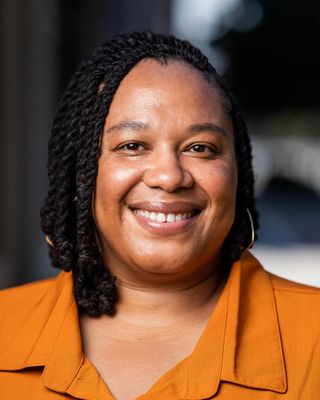
Hosted by Samantha Gingles
Licensed Clinical Mental Health Counselor, MS, LCMHC, NCC
Group meets in Gastonia, NC 28054
Petals & Power is a supportive group for women ages 18 and older seeking connection, encouragement, and personal growth. Whether you're navigating relationships, parenting, career demands, life transitions, or healing from past experiences, this group provides a safe, judgment-free space to share, learn, and grow. Through meaningful conversations and mutual support, participants build resilience, strengthen coping skills, gain new perspectives, and develop healthy relationships while finding encouragement from women walking similar journeys.
Sessions are set by client and Counselor to fit your time needs
Hosted by The Groves Counseling Center
Licensed Professional Counselor, MA, MDiv, LPCS
Group meets in Gastonia, NC 28054
Sessions are set by client and Counselor to fit your time needs
Our upcoming neurodivergent support group is for late-diagnosed or self-identified adults navigating ADHD, autism, sensory differences, and masking fatigue. This space is affirming, inclusive, and built for real connection—not performance. Together, we’ll explore identity, unlearn shame, and build self-understanding through open conversation, creative tools, and nervous system care. You don’t have to figure it all out alone. Fill out the Form If Interested: https://forms.gle/B3v8Zz2Jy4Mdfyds5

Hosted by Journey Counseling PLLC
Clinical Social Work/Therapist, MSW, LCSW, LISW-CP
Group meets in Gastonia, NC 28054
Our upcoming neurodivergent support group is for late-diagnosed or self-identified adults navigating ADHD, autism, sensory differences, and masking fatigue. This space is affirming, inclusive, and built for real connection—not performance. Together, we’ll explore identity, unlearn shame, and build self-understanding through open conversation, creative tools, and nervous system care. You don’t have to figure it all out alone. Fill out the Form If Interested: https://forms.gle/B3v8Zz2Jy4Mdfyds5
Delivering healing through facing the correlation between complex trauma and spirituality.
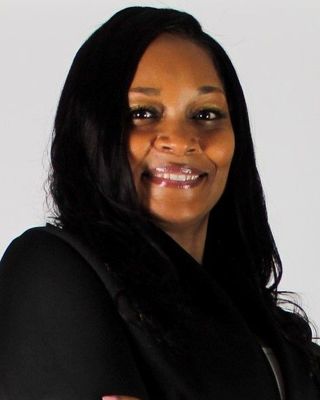
Hosted by Amia C. Briscoe
Licensed Clinical Mental Health Counselor, MA, LCMHCS, LCAS-A
Group meets in Gastonia, NC 28054
Delivering healing through facing the correlation between complex trauma and spirituality.
Using CBT (Cognitive Behavioral Therapy, Therapist treats those in need of learning to understand and identify triggers for anger. Client will develop and learn to practice coping skills that will help them think, feel, and behave differently in response to anger. Learning to be calmer and in more control and reacting with more appropriate behaviors. This group is created for teens and adults. other groups offered are Triple P Parenting for adults, and Substance abuse groups for children and adults.
Using CBT (Cognitive Behavioral Therapy, Therapist treats those in need of learning to understand and identify triggers for anger. Client will develop and learn to practice coping skills that will help them think, feel, and behave differently in response to anger. Learning to be calmer and in more control and reacting with more appropriate behaviors. This group is created for teens and adults. other groups offered are Triple P Parenting for adults, and Substance abuse groups for children and adults.
This therapeutic group is designed for youth ages 12–16 who may be struggling with anxiety, depression, low self-esteem, emotional overwhelm, life transitions, family changes, peer stressors, or difficulties adjusting to everyday challenges.
Hosted by Samantha Gingles
Licensed Clinical Mental Health Counselor, MS, LCMHC, NCC
Group meets in Gastonia, NC 28054
This therapeutic group is designed for youth ages 12–16 who may be struggling with anxiety, depression, low self-esteem, emotional overwhelm, life transitions, family changes, peer stressors, or difficulties adjusting to everyday challenges.
The Relationship Lunch & Learn invites couples to slow down, share a meal, and intentionally focus on their connection. Each gathering offers a relaxed atmosphere where partners can enjoy good food, meaningful conversation, and community with others invested in growth. Sessions blend guided discussion with psychoeducation on topics like communication, conflict repair, and intimacy. Couples explore what helps relationships stay steady and connected through the natural ebb and flow of life. This is not therapy, but a guided learning experience designed to nurture connection—in everyday, approachable ways. Call 704 864 8046 to learn more
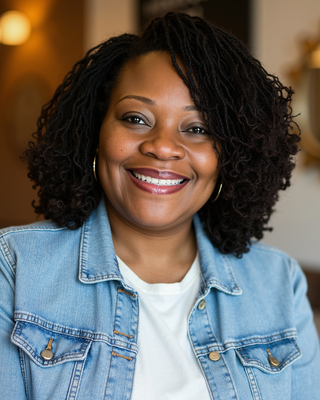
Hosted by Essential Journey Wellness
Clinical Social Work/Therapist, LCSW, QS
Group meets in Gastonia, NC 28054
The Relationship Lunch & Learn invites couples to slow down, share a meal, and intentionally focus on their connection. Each gathering offers a relaxed atmosphere where partners can enjoy good food, meaningful conversation, and community with others invested in growth. Sessions blend guided discussion with psychoeducation on topics like communication, conflict repair, and intimacy. Couples explore what helps relationships stay steady and connected through the natural ebb and flow of life. This is not therapy, but a guided learning experience designed to nurture connection—in everyday, approachable ways. Call 704 864 8046 to learn more
We’ll trade the therapy couch for the open air of Bali. This group experience invites individuals and couples to explore growth through connection, curiosity, and adventure. You will engage in guided discussions, mindfulness practices, and experiential learning woven through the rhythms of travel. We’ll share meals visit sacred temples, and participate in cultural activities that remind us how healing expands when we step beyond routine. Morning reflections and evening circles will offer time for insight, integration, and community. Join us for a chance to slow down, listen deeply, and reconnect with what truly matters.
Hosted by Essential Journey Wellness
Clinical Social Work/Therapist, LCSW, QS
Group meets in Gastonia, NC 28054
We’ll trade the therapy couch for the open air of Bali. This group experience invites individuals and couples to explore growth through connection, curiosity, and adventure. You will engage in guided discussions, mindfulness practices, and experiential learning woven through the rhythms of travel. We’ll share meals visit sacred temples, and participate in cultural activities that remind us how healing expands when we step beyond routine. Morning reflections and evening circles will offer time for insight, integration, and community. Join us for a chance to slow down, listen deeply, and reconnect with what truly matters.

Hosted by Illuminate Therapy center, PLLC
Clinical Social Work/Therapist, MSSA, LCSW
Group meets in Gastonia, NC 28054
More Groups Nearby
This group is for leaders seeking to sharpen their leadership skills. This is a 4 month segment of learning about leadership. We will meet monthly (virtually). I am so eagerly excited to help support you in your growth. Feel free to call my office at the number in my profile or email me hello@verondabellamy.com

Hosted by Veronda Bellamy
Licensed Clinical Mental Health Counselor, LCMHCS, NCC, MS, LPC
Group meets in Charlotte, NC 28262
This group is for leaders seeking to sharpen their leadership skills. This is a 4 month segment of learning about leadership. We will meet monthly (virtually). I am so eagerly excited to help support you in your growth. Feel free to call my office at the number in my profile or email me hello@verondabellamy.com
You wonder if this is typical, if other kids do the same. Your little one just doesn't seem as social as the other kids. It feels like they already have no friends. They play alone, or right next to another child, but they never interact. Or maybe, your child seems bossy. They are hitting, pushing, biting, it's a mess. You feel like they might get kicked out of preschool- or they already have been. You want a play group that can teach them to play nice and be nice.

Hosted by Michelle M. Tolison
Lic Clinical Mental Health Counselor Supervisor, LCMHCQS, RPT-S, LPC, MS
Group meets in Charlotte, NC 28210
You wonder if this is typical, if other kids do the same. Your little one just doesn't seem as social as the other kids. It feels like they already have no friends. They play alone, or right next to another child, but they never interact. Or maybe, your child seems bossy. They are hitting, pushing, biting, it's a mess. You feel like they might get kicked out of preschool- or they already have been. You want a play group that can teach them to play nice and be nice.
Our FREE, virtual Family Education Group is held on Facebook Live two Sundays each month at 7:00pm EST. In these sessions we will provide insight into the struggles that come with mental health and substance use issues. Joining is easy through the following link: www.facebook.com/TheBlanchardInstitute

Hosted by The Blanchard Institute
Treatment Center, LCAS, CSI, MA
Group meets in Charlotte, NC 28210
Our FREE, virtual Family Education Group is held on Facebook Live two Sundays each month at 7:00pm EST. In these sessions we will provide insight into the struggles that come with mental health and substance use issues. Joining is easy through the following link: www.facebook.com/TheBlanchardInstitute
Carolina Integrative Counseling believes that individualized care is essential for positive outcomes. At CIC we recognize that every person has distinct needs, preferences, and strengths. Through collaborative efforts with our clients, we co-create personalized treatment plans that empower them to take an active role in their mental health journey. We utilize evidence based therapeutic modalities that are tailored to meet each client’s needs and strengths.

Hosted by Kaity Barnhill
Licensed Clinical Mental Health Counselor, MA, LCMHC
Group meets in Cornelius, NC 28031
Carolina Integrative Counseling believes that individualized care is essential for positive outcomes. At CIC we recognize that every person has distinct needs, preferences, and strengths. Through collaborative efforts with our clients, we co-create personalized treatment plans that empower them to take an active role in their mental health journey. We utilize evidence based therapeutic modalities that are tailored to meet each client’s needs and strengths.
A free, in-person, monthly support group for adults who are grieving the death of a loved one. This group provides a safe, supportive space to process your thoughts and feelings of grief, learn what to expect in grief, and discover coping tools to help you better manage your grief. This group is not limited to the first year after the loss, because grief remains. The group meets every 2nd Thursday night at 6pm at Minti Coworking and Conference in Mint Hill, NC. Please text or email to register.
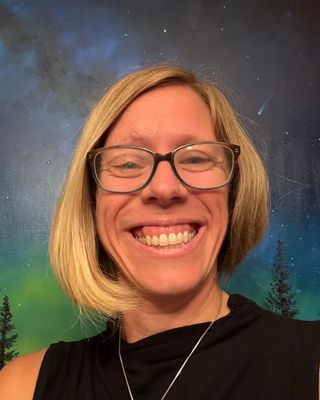
A free, in-person, monthly support group for adults who are grieving the death of a loved one. This group provides a safe, supportive space to process your thoughts and feelings of grief, learn what to expect in grief, and discover coping tools to help you better manage your grief. This group is not limited to the first year after the loss, because grief remains. The group meets every 2nd Thursday night at 6pm at Minti Coworking and Conference in Mint Hill, NC. Please text or email to register.
Like all relationships, the parent-child relationship isn’t immune to struggles, but when the challenges are overwhelming, extra support may be needed. If it feels like your family’s life revolves around conflict, it may be time to reset your approach to feel empowered as a parent. A trusting, respect-oriented relationship is at the core of successful discipline and repairing conflict is dependent on the attachment between guardian and child. Discipline doesn’t need to weaken the bond between your relationship with your child. Discipline isn’t finished until the parent and child are united, stronger than before.

Hosted by Davidson Family Therapy
Counselor, LCMHC, LCMHCA, LCAS, MSW, LMFTA
Group meets in Cornelius, NC 28031
Like all relationships, the parent-child relationship isn’t immune to struggles, but when the challenges are overwhelming, extra support may be needed. If it feels like your family’s life revolves around conflict, it may be time to reset your approach to feel empowered as a parent. A trusting, respect-oriented relationship is at the core of successful discipline and repairing conflict is dependent on the attachment between guardian and child. Discipline doesn’t need to weaken the bond between your relationship with your child. Discipline isn’t finished until the parent and child are united, stronger than before.
The curriculum used for this group is from the Life Model. We utilize this neurotheology approach to build joyful and life giving connection with one another and reflect healthy and accurate identity to each member. Personal life experiences are shared intermittently as group members feel strong enough to lean on one another for support which moves them into deeper freedom and recovery. The idea is for members to utilize the group to find a place of connection and safety so that they can find their true identity.

Hosted by Monica L Mouer
Licensed Professional Counselor, MS, LCMHCS, CSAT-S, EMDR
Group meets in Davidson, NC 28036
The curriculum used for this group is from the Life Model. We utilize this neurotheology approach to build joyful and life giving connection with one another and reflect healthy and accurate identity to each member. Personal life experiences are shared intermittently as group members feel strong enough to lean on one another for support which moves them into deeper freedom and recovery. The idea is for members to utilize the group to find a place of connection and safety so that they can find their true identity.
Kaleidoscope Counseling is a therapy practice dedicated to counseling by providing unbiased counseling to assist in the mental wellness of individuals and couples. Our counselors are versed in the treatment of couple counseling, anxiety and management of depression along with other mental health issues.

Hosted by Nedra Glover Tawwab
Clinical Social Work/Therapist, MSW, LCSW
Group meets in Charlotte, NC 28204
Kaleidoscope Counseling is a therapy practice dedicated to counseling by providing unbiased counseling to assist in the mental wellness of individuals and couples. Our counselors are versed in the treatment of couple counseling, anxiety and management of depression along with other mental health issues.
Group will cover several topics over 8-10 weeks. Topics include: stress management, healthy relationships, steering clear of addictive behavior, building and maintaining healthy routines, self-care skills and time for process/discussion.

Group will cover several topics over 8-10 weeks. Topics include: stress management, healthy relationships, steering clear of addictive behavior, building and maintaining healthy routines, self-care skills and time for process/discussion.
These groups serve those needing to improve their sense of self and social skills. Clients will learn about themselves and their relational skills while gaining inner confidence and self acceptance. Each group will have 3-6 participants of the same age range and are offered for pre-teens, adolescents, and adults. Groups will consist of ground-based equine activities and are not a riding based experience. Groups are offered in Huntersville at a private farm near Gilead Road. No horse experience is necessary.

Hosted by Caitlyn Yesavage
Clinical Social Work/Therapist, MSW, LCSW
Group meets in Huntersville, NC 28078
These groups serve those needing to improve their sense of self and social skills. Clients will learn about themselves and their relational skills while gaining inner confidence and self acceptance. Each group will have 3-6 participants of the same age range and are offered for pre-teens, adolescents, and adults. Groups will consist of ground-based equine activities and are not a riding based experience. Groups are offered in Huntersville at a private farm near Gilead Road. No horse experience is necessary.
I work with nurses as they complete treatment and begin the process of working with the Board of Nursing and returning to work. We address topics such as shame, guilt, compassion fatigue, burnout, perfectionism, relapse prevention, family issues and how to deal with feelings appropriately. This aftercare program is approved by the NC Board of Nursing.

Hosted by Connie Mele
Drug & Alcohol Counselor, RN, APRN, CARN-AP, LCAS, FIAAN
Group meets in Charlotte, NC 28203
I work with nurses as they complete treatment and begin the process of working with the Board of Nursing and returning to work. We address topics such as shame, guilt, compassion fatigue, burnout, perfectionism, relapse prevention, family issues and how to deal with feelings appropriately. This aftercare program is approved by the NC Board of Nursing.
See more therapy options for 28054


FAQs - About Group Therapy and Support Groups
How can I find a support group in 28054?
To find a support group in your area, start by entering your city, zip code, or the name of the group into the search bar at the top of the page. When searching, consider whether you prefer an in-person or virtual group. This can help you decide how broad your geographic search should be. If you are open to virtual groups, you might want to search by state instead of just your city, especially if there are limited options nearby.
Once you complete your search, you can use the filters to narrow the results by selecting specialties (such as grief, trauma, or eating disorders), therapeutic approaches, age groups, and other criteria to find a group that best fits your needs.
How does group therapy work?
Group therapy is led by one or more trained therapists and provides a space where participants can process their experiences and learn from others facing similar challenges. Groups may focus on a specific issue—such as addiction, grief, physical illnesses, parenting, or caregiving—or they may center around a particular therapeutic approach, such as Cognitive Behavioral Therapy (CBT), social skill development, or Exposure Therapy. Some groups are also designed for specific populations, such as teens, veterans, or LGBTQ+ individuals.
It’s also important to distinguish group therapy from peer-led support groups, like Alcoholics Anonymous. While both can offer valuable support, therapy groups are typically led by licensed professionals and follow a more structured format. Therapy groups often meet for a fixed length of time with a consistent group of members, while many peer support groups meet for an indefinite period of time with members coming and going.
What are the benefits of group therapy?
Group therapy offers several important benefits. It brings together people facing similar challenges—whether related to mental health, physical health, or life transitions—and creates a supportive environment where participants can exchange feedback, share experiences, and learn from one another. Hearing different perspectives can help individuals discover new coping strategies and practical tools they may not have encountered on their own. Sharing personal experiences, such as coping with a serious illness or navigating family struggles, can also reduce feelings of isolation and foster a sense of connection and understanding. In addition to emotional support, group members often gain useful, real-world advice from peers who have faced similar situations.
Group therapy is typically more affordable than individual therapy and, for certain conditions, can be equally effective. Many groups also include structured activities—such as guided journaling, cognitive-behavioral exercises, or role-playing—to help participants develop concrete skills they can apply in daily life.
Is group therapy as effective as individual therapy?
It is difficult to make a blanket statement about the effectiveness of support groups, as they vary widely in focus and the conditions they address. However, support groups can be highly valuable in helping individuals gain emotional support and achieve meaningful treatment outcomes. For certain conditions, such as substance use, research has shown that group therapy can be particularly effective—sometimes just as effective as individual therapy—in supporting long-term recovery.
Many professionals attribute the effectiveness of group therapy to the unique benefits of the group setting, which fosters peer-to-peer learning and a sense of connection through shared experiences. Group settings also offer accountability and encouragement from both facilitators and fellow participants, which helps sustain motivation and supports continued progress. These factors together play a key role in promoting the overall effectiveness of group therapy.
How much does group therapy cost?
Group therapy is typically less expensive than individual therapy, with sessions typically costing between $50 and $75 each. In comparison, individual therapy can cost anywhere from $100 to $200 or more per session, even with insurance. Some therapists or organizations offer low-cost or free group therapy options, particularly through community centers or nonprofit organizations. In some cases, groups may require payment upfront for a set number of sessions, such as paying for six weekly sessions at the first meeting. However, many providers offer payment plans to help make participation more accessible if this upfront payment is required.
Does insurance cover group therapy?
As with individual therapy, insurance coverage for group therapy varies based on factors such as your specific insurance plan, the purpose of the group, your diagnosis, and whether the group provider is in-network. Many insurance plans cover group therapy sessions that address diagnosable mental health conditions, such as substance use disorders, anxiety, or depression.
However, groups that focus on topics not directly tied to a mental health diagnosis—such as parenting support or divorce recovery—are less likely to be covered. Because coverage can vary widely, it’s important to check with your insurance provider before joining a group to confirm whether the sessions will be covered and what out-of-pocket costs you may be responsible for.
How long does group therapy last?
The length of each group therapy session typically ranges from 45 minutes to two hours, depending on the therapy approach, the group’s goals, and how often the group meets. In some cases, group therapy is part of a larger treatment program, such as an Intensive Outpatient Program (IOP), where group sessions complement individual therapy and are scheduled as part of the program’s overall structure.
The duration of participation in a group also varies. Some groups are designed to be short-term, lasting anywhere from 6 to 24 weeks—for example, bereavement groups or skills-based groups like those using Dialectical Behavioral Therapy (DBT). Other groups may be longer-term, lasting a year or more, and some ongoing support groups meet indefinitely, allowing participants to stay as long as they find the group helpful.
What are the limitations of support groups?
Support groups offer many benefits, but they also have certain limitations. Unlike therapy groups, many support groups do not provide formal therapeutic treatment and are not led by licensed mental health professionals. For individuals seeking clinical treatment for specific mental health diagnoses—such as depression, eating disorders, or substance use—individual therapy or group therapy led by a licensed professional may offer more personalized and specialized care.
The effectiveness of a support group also depends heavily on the group’s participants and the overall group dynamic. When members engage respectfully and offer constructive support, the group can foster valuable peer-to-peer learning. However, if certain participants dominate discussions, provide inaccurate advice, or create conflict, it can disrupt the group’s sense of safety and reduce its effectiveness. Confidentiality can also be harder to maintain in support groups, particularly in open groups where participants can join or leave at any time. With new members regularly entering the group, it can be more difficult to build and sustain a consistent sense of trust and privacy.