Support Groups in 23235
Dialectical Behavioral Therapy (DBT) addresses & treats extreme emotional intensity. It is a combination between traditional cognitive behavioral therapy & eastern philosophy. That eastern philosophy is meditation, self-acceptance, and walking the middle path. It is blended with cognitive behavior therapy concepts, such as looking at how one’s thinking impacts their emotional experience & their environment. It helps adolescents learn how to find balance between acceptance & maintaining a strong commitment to change. The group provides a platform for teens to learn & practice skills for mindfulness, emotion regulation, distress tolerance, walking the middle path, and interpersonal effectiveness. Each module is 6 weeks.

Hosted by Lighthouse Behavioral Health Center, LLC
Licensed Professional Counselor, LPC
Group meets in Richmond, VA 23235
Dialectical Behavioral Therapy (DBT) addresses & treats extreme emotional intensity. It is a combination between traditional cognitive behavioral therapy & eastern philosophy. That eastern philosophy is meditation, self-acceptance, and walking the middle path. It is blended with cognitive behavior therapy concepts, such as looking at how one’s thinking impacts their emotional experience & their environment. It helps adolescents learn how to find balance between acceptance & maintaining a strong commitment to change. The group provides a platform for teens to learn & practice skills for mindfulness, emotion regulation, distress tolerance, walking the middle path, and interpersonal effectiveness. Each module is 6 weeks.
Helping survivors overcome the trauma, shame and stigma of sexual abuse. This group meets weekly for 12 weeks. This is a closed group.

Hosted by Center of Hope, Wholeness & Recovery, LLC
Pastoral Counselor, PhD, CPC
Group meets in North Chesterfield, VA 23235
Helping survivors overcome the trauma, shame and stigma of sexual abuse. This group meets weekly for 12 weeks. This is a closed group.
This is an interactive 6 week class to support all of you-- mind/body/spirit-- in your recovery from stress and trauma. You will learn tools and receive support for lessening anxiety, depression and fear while growing in your sense of connection to self and others. You will leave with ideas that go beyond cognitive behavior therapy so that you can experience a felt sense of peace and well being in both your mind and body while sensing a greater connection to others. Currently being offered online.
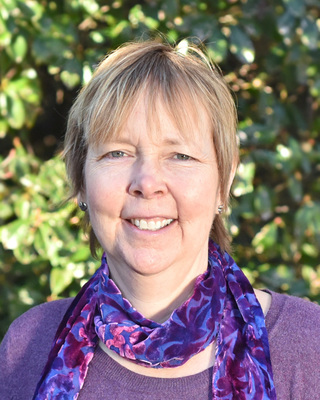
Hosted by Waller Thompson
Licensed Professional Counselor, EdD, LPC, SEP, NARM
Group meets in Richmond, VA 23235
This is an interactive 6 week class to support all of you-- mind/body/spirit-- in your recovery from stress and trauma. You will learn tools and receive support for lessening anxiety, depression and fear while growing in your sense of connection to self and others. You will leave with ideas that go beyond cognitive behavior therapy so that you can experience a felt sense of peace and well being in both your mind and body while sensing a greater connection to others. Currently being offered online.
Offered through virtual services the anxiety coping skills group is designed specifically for teens aged 13-15, who are dealing with a range of anxiety disorders. The group aims to provide them with skills to effectively manage the symptoms of anxiety by increasing resiliency, focusing on personal strengths, and improving social/ communication skills. This group empowers teens to reduce or eliminate destructive anxiety and its accompanying symptoms. The objectives of this therapy group include enhancing the clients understanding of anxiety, how it shapes our thinking and ways to counteract its influence.

Hosted by Virginia Counseling Associates
Marriage & Family Therapist, LPC, LMFT
Group meets in Richmond, VA 23235
Offered through virtual services the anxiety coping skills group is designed specifically for teens aged 13-15, who are dealing with a range of anxiety disorders. The group aims to provide them with skills to effectively manage the symptoms of anxiety by increasing resiliency, focusing on personal strengths, and improving social/ communication skills. This group empowers teens to reduce or eliminate destructive anxiety and its accompanying symptoms. The objectives of this therapy group include enhancing the clients understanding of anxiety, how it shapes our thinking and ways to counteract its influence.
Monthly groups for teen girls who experience anxiety, depression, peer relationship issues, communication issues, identity concerns, and child/parent conflicts. Please call or email for more details. >>> Monthly group held last Saturday of each month<<<<

Hosted by Take Time for You, LLC
Licensed Professional Counselor, MS, CRC, LPC
Group meets in North Chesterfield, VA 23235
Monthly groups for teen girls who experience anxiety, depression, peer relationship issues, communication issues, identity concerns, and child/parent conflicts. Please call or email for more details. >>> Monthly group held last Saturday of each month<<<<
Dialectical Behavior Therapy Skills Group
Dialectical Behavior Therapy Skills Group
Connected Within™ is a structured psychotherapy group for highly sensitive, high-functioning adults who feel stuck despite having insight. It’s designed to help you move from overthinking, over-functioning, and over-giving into feeling calm, confident, and connected. This group offers a supportive space with like-minded people where you can practice new ways of relating as you interact with others in the group—building self-trust, strengthening boundaries, and regulating your nervous system. With guidance and support, you’ll learn to notice, shift, and embody meaningful change so it carries into your everyday life and relationships.

Hosted by Kristin Sage
Licensed Professional Counselor, MEd, LPC, LMFT
Group meets in North Chesterfield, VA 23235
Connected Within™ is a structured psychotherapy group for highly sensitive, high-functioning adults who feel stuck despite having insight. It’s designed to help you move from overthinking, over-functioning, and over-giving into feeling calm, confident, and connected. This group offers a supportive space with like-minded people where you can practice new ways of relating as you interact with others in the group—building self-trust, strengthening boundaries, and regulating your nervous system. With guidance and support, you’ll learn to notice, shift, and embody meaningful change so it carries into your everyday life and relationships.
We teach dialectial behavior therapy skills: Interpersonal Effectiveness, Distress Tolerance, Emotion Regulation, Core Mindfulness. We accept all people and ages for this group and try to make it as comfortable as possible.

We teach dialectial behavior therapy skills: Interpersonal Effectiveness, Distress Tolerance, Emotion Regulation, Core Mindfulness. We accept all people and ages for this group and try to make it as comfortable as possible.
Guided practices and group process to transform the root of craving and suffering, connect with community, and deepen your recovery. Although addiction takes so much from our lives, the process of recovery - inviting courage, compassion, present moment attunement, and the right kind of supports - offers great potential for personal transformation, including deep healing of past wounding, and a deeper sense of who you are, and what your purpose is in this world. The group will explore the deeper waters of addiction and recovery. All addictions welcome (e.g. substances, food, sex, thought, technology, gambling, relationships, spending).
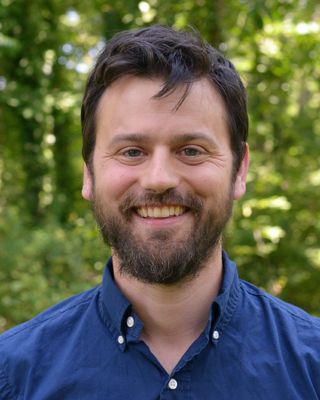
Guided practices and group process to transform the root of craving and suffering, connect with community, and deepen your recovery. Although addiction takes so much from our lives, the process of recovery - inviting courage, compassion, present moment attunement, and the right kind of supports - offers great potential for personal transformation, including deep healing of past wounding, and a deeper sense of who you are, and what your purpose is in this world. The group will explore the deeper waters of addiction and recovery. All addictions welcome (e.g. substances, food, sex, thought, technology, gambling, relationships, spending).
Dialectical Behavior Therapy addresses and treats extreme emotional intensity & behaviors. It is a combination between traditional cognitive behavioral therapy & eastern philosophy. That eastern philosophy is meditation, self-acceptance, & walking the middle path. It is blended with cognitive behavior therapy concepts, such as looking at how one’s thinking impacts their emotional experience, environment, & behaviors. It helps individuals learn how to find balance between acceptance & maintaining a strong commitment to change and improve overall quality of life & relationships. The group provides a platform for individuals to learn & practice skills for mindfulness, emotion regulation, distress tolerance, walking the middle path, & interpersonal effectiveness.
Hosted by Lighthouse Behavioral Health Center, LLC
Licensed Professional Counselor, LPC
Group meets in Richmond, VA 23235
Dialectical Behavior Therapy addresses and treats extreme emotional intensity & behaviors. It is a combination between traditional cognitive behavioral therapy & eastern philosophy. That eastern philosophy is meditation, self-acceptance, & walking the middle path. It is blended with cognitive behavior therapy concepts, such as looking at how one’s thinking impacts their emotional experience, environment, & behaviors. It helps individuals learn how to find balance between acceptance & maintaining a strong commitment to change and improve overall quality of life & relationships. The group provides a platform for individuals to learn & practice skills for mindfulness, emotion regulation, distress tolerance, walking the middle path, & interpersonal effectiveness.
A small group for Teens and Adults that focus on changing unhealthy thoughts, beliefs, attitudes, behaviors, improve emotional regulation, and create a suite of coping strategies to solve problematic issues.
Hosted by Center of Hope, Wholeness & Recovery, LLC
Pastoral Counselor, PhD, CPC
Group meets in North Chesterfield, VA 23235
A small group for Teens and Adults that focus on changing unhealthy thoughts, beliefs, attitudes, behaviors, improve emotional regulation, and create a suite of coping strategies to solve problematic issues.
Come together with other parents in a warm and supportive environment, connecting to your abilities in becoming more grounded in yourself, more regulate in your day, and more connected to your child(ren). Experience how: Mind-body practice, Expressive art making, Understanding the nervous system, Working with relationship and attachment patterns, and polyvagal theory - can support your journey as a parent!

Hosted by Becky Jacobson
Licensed Professional Counselor, LPC, ATR, LMT
Group meets in Richmond, VA 23235
Come together with other parents in a warm and supportive environment, connecting to your abilities in becoming more grounded in yourself, more regulate in your day, and more connected to your child(ren). Experience how: Mind-body practice, Expressive art making, Understanding the nervous system, Working with relationship and attachment patterns, and polyvagal theory - can support your journey as a parent!
Help adolescents & teenagers understand their feelings of grief &/or loss, recognize the signs & stages of it, and know its ok to embrace it.
Hosted by Center of Hope, Wholeness & Recovery, LLC
Pastoral Counselor, PhD, CPC
Group meets in North Chesterfield, VA 23235
Help adolescents & teenagers understand their feelings of grief &/or loss, recognize the signs & stages of it, and know its ok to embrace it.
Our Creative Expression Group will focus on challenging negative thoughts, fostering identity exploration, improving self-esteem, and building resilience through the use of art therapy. The group is for adolescents ages 13-17.
Hosted by Lighthouse Behavioral Health Center, LLC
Licensed Professional Counselor, LPC
Group meets in Richmond, VA 23235
Our Creative Expression Group will focus on challenging negative thoughts, fostering identity exploration, improving self-esteem, and building resilience through the use of art therapy. The group is for adolescents ages 13-17.
Join in-person to share, tap into compassion, and connect with other women navigating life-altering loss. We meet for 90 minutes 2nd & 4th Saturdays in-person in North Chesterfield. Our format begins with journaling, a brief guided self-compassion practice, and ample time for sharing. This peer support group is open to all women navigating any life-altering loss, perinatal loss, or illness-related struggle who want to include themselves in their own compassion. Facilitation provided by Olga Montgomery, LCSW, radically compassionate women’s grief therapist and owner of Voyager Counseling. No cost, RSVP required!
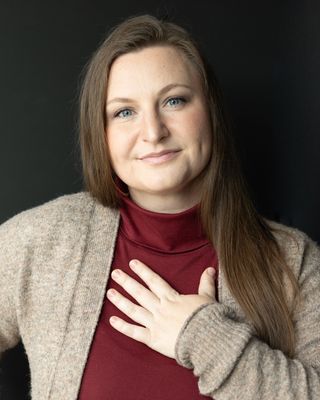
Hosted by Olga Montgomery
Clinical Social Work/Therapist, LCSW
Group meets in North Chesterfield, VA 23235
Join in-person to share, tap into compassion, and connect with other women navigating life-altering loss. We meet for 90 minutes 2nd & 4th Saturdays in-person in North Chesterfield. Our format begins with journaling, a brief guided self-compassion practice, and ample time for sharing. This peer support group is open to all women navigating any life-altering loss, perinatal loss, or illness-related struggle who want to include themselves in their own compassion. Facilitation provided by Olga Montgomery, LCSW, radically compassionate women’s grief therapist and owner of Voyager Counseling. No cost, RSVP required!
Free, online, radically compassionate peer support group for women grieving, mothering, and living with any life-altering loss, including loss of a beloved person, pet, perinatal loss, infertility, diagnosis or progression of life-altering illness. This group is structured for cultivating self-compassion and sharing ‘in the I’ about grief feelings and experiences. This women’s group offers accepting space for all aspects of you and all aspects of your grief to be shared, heard, and supported. Kindle connection with other women also naming their grief and seeking support in community. No cost. Facilitation provided by a licensed therapist and grief specialist.
Hosted by Olga Montgomery
Clinical Social Work/Therapist, LCSW
Group meets in North Chesterfield, VA 23235
Free, online, radically compassionate peer support group for women grieving, mothering, and living with any life-altering loss, including loss of a beloved person, pet, perinatal loss, infertility, diagnosis or progression of life-altering illness. This group is structured for cultivating self-compassion and sharing ‘in the I’ about grief feelings and experiences. This women’s group offers accepting space for all aspects of you and all aspects of your grief to be shared, heard, and supported. Kindle connection with other women also naming their grief and seeking support in community. No cost. Facilitation provided by a licensed therapist and grief specialist.
An in-person group for those caregiving and loving someone with a serious or terminal illness. All diagnoses and stages of experience welcome. This group is a space to vent, receive support, share resources, be heard, be understood, and be taken care of. We meet once monthly, totally free. Meets at the same place and time as the RVA Serious & Terminal Illness Support Group (facilitated by Jennifer Jurlando). This caregivers group is sponsored and facilitated by Olga Montgomery, LCSW, CAGCS, at Voyager Counseling.
Hosted by Olga Montgomery
Clinical Social Work/Therapist, LCSW
Group meets in North Chesterfield, VA 23235
An in-person group for those caregiving and loving someone with a serious or terminal illness. All diagnoses and stages of experience welcome. This group is a space to vent, receive support, share resources, be heard, be understood, and be taken care of. We meet once monthly, totally free. Meets at the same place and time as the RVA Serious & Terminal Illness Support Group (facilitated by Jennifer Jurlando). This caregivers group is sponsored and facilitated by Olga Montgomery, LCSW, CAGCS, at Voyager Counseling.
A bi-weekly, in-person, drop-in process group for adults ages 18+. Given the challenges faced by our shared humanity, a greater connection to a conscious community and one's true self is more important than ever. Learn the foundations of IFS and be guided in working with the parts of yourself that are a challenge in daily life and relationships. $35 drop-in fee.

Hosted by Chelsea Muth
Licensed Professional Counselor, PhD, MA, LPC
Group meets in North Chesterfield, VA 23235
A bi-weekly, in-person, drop-in process group for adults ages 18+. Given the challenges faced by our shared humanity, a greater connection to a conscious community and one's true self is more important than ever. Learn the foundations of IFS and be guided in working with the parts of yourself that are a challenge in daily life and relationships. $35 drop-in fee.
INQUIRE IF INTERESTED. Times and days will be determined by interest. Living with a chronic illness, chronic pain, or an invisible disability impacts far more than just your physical health. The constant weight of pacing, managing medical fatigue, and dealing with a world that expects constant productivity can feel deeply isolating. This therapist-led support group is designed as a safe, zero-pressure space for individuals navigating long-term or unknown health conditions. We focus on emotional validation, coping with the grief of lifestyle changes, processing medical trauma or gas-lighting, and building community with people who truly "get it.".

INQUIRE IF INTERESTED. Times and days will be determined by interest. Living with a chronic illness, chronic pain, or an invisible disability impacts far more than just your physical health. The constant weight of pacing, managing medical fatigue, and dealing with a world that expects constant productivity can feel deeply isolating. This therapist-led support group is designed as a safe, zero-pressure space for individuals navigating long-term or unknown health conditions. We focus on emotional validation, coping with the grief of lifestyle changes, processing medical trauma or gas-lighting, and building community with people who truly "get it.".

Hosted by Brian Mcclinton
Marriage & Family Therapist, MS, LPC, LMFT
Group meets in Bon Air, VA 23235
See more therapy options for 23235


FAQs - About Group Therapy and Support Groups
How can I find a support group in 23235?
To find a support group in your area, start by entering your city, zip code, or the name of the group into the search bar at the top of the page. When searching, consider whether you prefer an in-person or virtual group. This can help you decide how broad your geographic search should be. If you are open to virtual groups, you might want to search by state instead of just your city, especially if there are limited options nearby.
Once you complete your search, you can use the filters to narrow the results by selecting specialties (such as grief, trauma, or eating disorders), therapeutic approaches, age groups, and other criteria to find a group that best fits your needs.
How does group therapy work?
Group therapy is led by one or more trained therapists and provides a space where participants can process their experiences and learn from others facing similar challenges. Groups may focus on a specific issue—such as addiction, grief, physical illnesses, parenting, or caregiving—or they may center around a particular therapeutic approach, such as Cognitive Behavioral Therapy (CBT), social skill development, or Exposure Therapy. Some groups are also designed for specific populations, such as teens, veterans, or LGBTQ+ individuals.
It’s also important to distinguish group therapy from peer-led support groups, like Alcoholics Anonymous. While both can offer valuable support, therapy groups are typically led by licensed professionals and follow a more structured format. Therapy groups often meet for a fixed length of time with a consistent group of members, while many peer support groups meet for an indefinite period of time with members coming and going.
What are the benefits of group therapy?
Group therapy offers several important benefits. It brings together people facing similar challenges—whether related to mental health, physical health, or life transitions—and creates a supportive environment where participants can exchange feedback, share experiences, and learn from one another. Hearing different perspectives can help individuals discover new coping strategies and practical tools they may not have encountered on their own. Sharing personal experiences, such as coping with a serious illness or navigating family struggles, can also reduce feelings of isolation and foster a sense of connection and understanding. In addition to emotional support, group members often gain useful, real-world advice from peers who have faced similar situations.
Group therapy is typically more affordable than individual therapy and, for certain conditions, can be equally effective. Many groups also include structured activities—such as guided journaling, cognitive-behavioral exercises, or role-playing—to help participants develop concrete skills they can apply in daily life.
Is group therapy as effective as individual therapy?
It is difficult to make a blanket statement about the effectiveness of support groups, as they vary widely in focus and the conditions they address. However, support groups can be highly valuable in helping individuals gain emotional support and achieve meaningful treatment outcomes. For certain conditions, such as substance use, research has shown that group therapy can be particularly effective—sometimes just as effective as individual therapy—in supporting long-term recovery.
Many professionals attribute the effectiveness of group therapy to the unique benefits of the group setting, which fosters peer-to-peer learning and a sense of connection through shared experiences. Group settings also offer accountability and encouragement from both facilitators and fellow participants, which helps sustain motivation and supports continued progress. These factors together play a key role in promoting the overall effectiveness of group therapy.
How much does group therapy cost?
Group therapy is typically less expensive than individual therapy, with sessions typically costing between $50 and $75 each. In comparison, individual therapy can cost anywhere from $100 to $200 or more per session, even with insurance. Some therapists or organizations offer low-cost or free group therapy options, particularly through community centers or nonprofit organizations. In some cases, groups may require payment upfront for a set number of sessions, such as paying for six weekly sessions at the first meeting. However, many providers offer payment plans to help make participation more accessible if this upfront payment is required.
Does insurance cover group therapy?
As with individual therapy, insurance coverage for group therapy varies based on factors such as your specific insurance plan, the purpose of the group, your diagnosis, and whether the group provider is in-network. Many insurance plans cover group therapy sessions that address diagnosable mental health conditions, such as substance use disorders, anxiety, or depression.
However, groups that focus on topics not directly tied to a mental health diagnosis—such as parenting support or divorce recovery—are less likely to be covered. Because coverage can vary widely, it’s important to check with your insurance provider before joining a group to confirm whether the sessions will be covered and what out-of-pocket costs you may be responsible for.
How long does group therapy last?
The length of each group therapy session typically ranges from 45 minutes to two hours, depending on the therapy approach, the group’s goals, and how often the group meets. In some cases, group therapy is part of a larger treatment program, such as an Intensive Outpatient Program (IOP), where group sessions complement individual therapy and are scheduled as part of the program’s overall structure.
The duration of participation in a group also varies. Some groups are designed to be short-term, lasting anywhere from 6 to 24 weeks—for example, bereavement groups or skills-based groups like those using Dialectical Behavioral Therapy (DBT). Other groups may be longer-term, lasting a year or more, and some ongoing support groups meet indefinitely, allowing participants to stay as long as they find the group helpful.
What are the limitations of support groups?
Support groups offer many benefits, but they also have certain limitations. Unlike therapy groups, many support groups do not provide formal therapeutic treatment and are not led by licensed mental health professionals. For individuals seeking clinical treatment for specific mental health diagnoses—such as depression, eating disorders, or substance use—individual therapy or group therapy led by a licensed professional may offer more personalized and specialized care.
The effectiveness of a support group also depends heavily on the group’s participants and the overall group dynamic. When members engage respectfully and offer constructive support, the group can foster valuable peer-to-peer learning. However, if certain participants dominate discussions, provide inaccurate advice, or create conflict, it can disrupt the group’s sense of safety and reduce its effectiveness. Confidentiality can also be harder to maintain in support groups, particularly in open groups where participants can join or leave at any time. With new members regularly entering the group, it can be more difficult to build and sustain a consistent sense of trust and privacy.