Support Groups in 20716
Solutions Life Coaching Services is a Center dedicated to holistic well-being and sustainability. Our clinicians use various techniques to enable our clients to reach their goals and truly enjoy life.

Hosted by Solutions Life Coaching
Licensed Clinical Professional Counselor, MA, NCC, LCPC, LPC
Group meets in Bowie, MD 20716
Solutions Life Coaching Services is a Center dedicated to holistic well-being and sustainability. Our clinicians use various techniques to enable our clients to reach their goals and truly enjoy life.
You will learn to deepen your leadership and clinical skills. Your supervisee will learn to have a solution talk instead of a problem talk with you and their clients. Client will demonstrate confidence in executing their goals as they partner with worker. You will experience a warm and friendly environment and peer support. You learning will include but not limited to, role play, didiatic, lecture and homework assignment. Your experience will challenge you to be the best you in the work that you do. Together we can make a difference.

Hosted by Creating Lasting Solutions
Clinical Social Work/Therapist, LICSW, LCSW-C
Group meets in Bowie, MD 20716
You will learn to deepen your leadership and clinical skills. Your supervisee will learn to have a solution talk instead of a problem talk with you and their clients. Client will demonstrate confidence in executing their goals as they partner with worker. You will experience a warm and friendly environment and peer support. You learning will include but not limited to, role play, didiatic, lecture and homework assignment. Your experience will challenge you to be the best you in the work that you do. Together we can make a difference.
A time set aside to only engage in trauma work - specifically EMDR in an intensive format. Doing EMDR in an intensive style (2-4.5 hours per session) invites you to find relief faster maximizing your healing. An intensive can help you feel less triggered or activated around traumatic events or adverse life experiences rather quickly while, at the same time, helping you learn skills to manage or regulate your nervous system. Inquire here:
www.nylutherapeuticsolutions.com
4-6 group sessions using low-dose ketamine to get to the root of various issues. Groups are no more than 4 people. Groups are centered around themes like: postpartum depression, trauma narratives, treatment resistant depression, anxiety, and more.
4-6 group sessions using low-dose ketamine to get to the root of various issues. Groups are no more than 4 people. Groups are centered around themes like: postpartum depression, trauma narratives, treatment resistant depression, anxiety, and more.
This group is designed for children who are challenged by anxieties. Please contact us for days and times.

Hosted by Beverly R Sargent
Licensed Professional Counselor, PhD, NCC, LCPC
Group meets in Bowie, MD 20716
This group is designed for children who are challenged by anxieties. Please contact us for days and times.
More Groups Nearby
Supporting peer relationships, working through anxiety, and thinking about peers' inner worlds (mentalization and theory of mind) via shared affinities like Minecraft, anime, board games, movies, art, and science.

Supporting peer relationships, working through anxiety, and thinking about peers' inner worlds (mentalization and theory of mind) via shared affinities like Minecraft, anime, board games, movies, art, and science.
Join our Adolescent Peer Group - a safe space for teens to explore and grow. Using Internal Family Systems and Mentalization Theory, we focus on building empathy and addressing crucial teen issues like relationships, academics, identity, and self-esteem. Topics include coping skills, social skills, acceptance, boundaries, self-worth, overcoming fear, and anger management. Elevate communication and resilience. #AdolescentSupport #PeerGroupTherapy #EmpathyBuilding

Join our Adolescent Peer Group - a safe space for teens to explore and grow. Using Internal Family Systems and Mentalization Theory, we focus on building empathy and addressing crucial teen issues like relationships, academics, identity, and self-esteem. Topics include coping skills, social skills, acceptance, boundaries, self-worth, overcoming fear, and anger management. Elevate communication and resilience. #AdolescentSupport #PeerGroupTherapy #EmpathyBuilding
Our Substance Abuse Program offers a tailored approach, ensuring that our experience clinicians deliver empathic interventions. Family Participation: Clinicians strive to incorporate parents and families into the treatment program, helping to increase trust in the family and re-establish clear and healthy behaviors. Counseling: During one-on-one counseling sessions, teens work with their ACS counselor to set treatment goals, build accountability, develop coping skills, and learn about underlying triggers to substance use. 12-Step Approach: This approach is a proven treatment process that offers teens a support system and tools towards sobriety, including AA/NA or other recovery meetings.

Hosted by The Institute for Emotional Regulation, LLC.
Clinical Social Work/Therapist, LCSW-C, LICSW, CTT, MAC
Group meets in Waldorf, MD 20602
Our Substance Abuse Program offers a tailored approach, ensuring that our experience clinicians deliver empathic interventions. Family Participation: Clinicians strive to incorporate parents and families into the treatment program, helping to increase trust in the family and re-establish clear and healthy behaviors. Counseling: During one-on-one counseling sessions, teens work with their ACS counselor to set treatment goals, build accountability, develop coping skills, and learn about underlying triggers to substance use. 12-Step Approach: This approach is a proven treatment process that offers teens a support system and tools towards sobriety, including AA/NA or other recovery meetings.
This fully adherent 24-week skills group meets in person in Chevy Chase on Fridays with a virtual option and covers all four modules of Dialectical Behavior Therapy skills: Core Mindfulness, Distress Tolerance, Emotion Regulation, and Interpersonal Effectiveness.

This fully adherent 24-week skills group meets in person in Chevy Chase on Fridays with a virtual option and covers all four modules of Dialectical Behavior Therapy skills: Core Mindfulness, Distress Tolerance, Emotion Regulation, and Interpersonal Effectiveness.
Weekly therapy group for clients who are dealing with divorce and parenting challenges. Having a supportive nonjudgemental space to learn to cope with challenging transitions and develop healthy coping skills to build a life worth living.

Hosted by Healing By Design LLC
Clinical Social Work/Therapist, LCSW-C
Group meets in Chevy Chase, MD 20815
Weekly therapy group for clients who are dealing with divorce and parenting challenges. Having a supportive nonjudgemental space to learn to cope with challenging transitions and develop healthy coping skills to build a life worth living.
Group supervision provides extra support for your clinical knowledge and a setting to have support and clinical advice while being supported by other clinicians who provide a variety of input and ideas. Validation and support from supervisors and peers can help during the busy, difficult, first few years in the field. I provide clinical supervision to LMSW and LGPC clinicians in Md. I have experience working/supervising clinicians who work with high-risk clients, crisis management, and challenging populations. I am trained in DBT/CBT/TF-CBT. I've worked in: substance use clinics, hospitals, IOPs, and private practice.

Group supervision provides extra support for your clinical knowledge and a setting to have support and clinical advice while being supported by other clinicians who provide a variety of input and ideas. Validation and support from supervisors and peers can help during the busy, difficult, first few years in the field. I provide clinical supervision to LMSW and LGPC clinicians in Md. I have experience working/supervising clinicians who work with high-risk clients, crisis management, and challenging populations. I am trained in DBT/CBT/TF-CBT. I've worked in: substance use clinics, hospitals, IOPs, and private practice.
We believe that family involvement is integral and necessary for the successful recovery of our clients. A person exists within a family and should be treated within the context of the family. To improve the quality of life as a family, it’s essential to involve the entire family in treatment through individual family therapy and multi-family groups.

Hosted by Sandstone Care Teen Residential Treatment Center
Treatment Center, MD, LPC, LAC, CAC-III, CSAC-A
Group meets in Crownsville, MD 21032
We believe that family involvement is integral and necessary for the successful recovery of our clients. A person exists within a family and should be treated within the context of the family. To improve the quality of life as a family, it’s essential to involve the entire family in treatment through individual family therapy and multi-family groups.
We offer several support groups for those in recovery or needing more support for an eating disorder. Group members will work on identifying the emotions underlying their eating disorders, discuss how body image impacts their behaviors, self-talk, and emotions and explore barriers to recovery. All groups are virtual at this time. Current offerings: Teen: Wednesdays 7-8pm; On waitlist for Adult ED groups.

We offer several support groups for those in recovery or needing more support for an eating disorder. Group members will work on identifying the emotions underlying their eating disorders, discuss how body image impacts their behaviors, self-talk, and emotions and explore barriers to recovery. All groups are virtual at this time. Current offerings: Teen: Wednesdays 7-8pm; On waitlist for Adult ED groups.
This group offers support to women and their partners who are pregnant again following a termination for medical reasons. Any stage of pregnancy welcome. Topics include managing anxiety and fear in a subsequent pregnancy, managin grief alongside joy, and how to manage medical visits and other difficult milestones in pregnancy.

This group offers support to women and their partners who are pregnant again following a termination for medical reasons. Any stage of pregnancy welcome. Topics include managing anxiety and fear in a subsequent pregnancy, managin grief alongside joy, and how to manage medical visits and other difficult milestones in pregnancy.
The Aging and Wellness Group is an ongoing co-ed therapy group specifically for older adults who are adjusting to life transitions in the phase of life following retirement. Themes include identity issues, meaning & purpose, changes in social network and family dynamics, age-related health concerns, grief & loss, and caregiving stressors. The group is led by Dr. Selena Snow, an experienced licensed clinical psychologist at The Snow Psychology Group. Individual intake session and an initial three-month commitment are required to join. Eligible for insurance reimbursement.
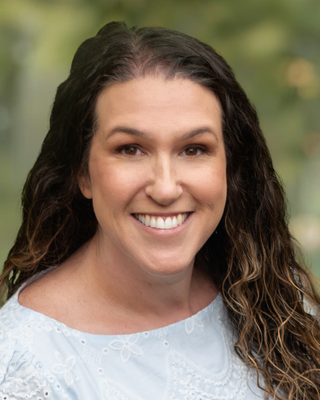
The Aging and Wellness Group is an ongoing co-ed therapy group specifically for older adults who are adjusting to life transitions in the phase of life following retirement. Themes include identity issues, meaning & purpose, changes in social network and family dynamics, age-related health concerns, grief & loss, and caregiving stressors. The group is led by Dr. Selena Snow, an experienced licensed clinical psychologist at The Snow Psychology Group. Individual intake session and an initial three-month commitment are required to join. Eligible for insurance reimbursement.
The teenage years are challenging for teens and their parents. Teens face many new pressures and may not always react in the healthiest ways to the problems they encounter. In some cases, teens may need counseling to help them cope with their problems. Some of the struggles teens face are a normal part of growing up, like dealing with peer groups, experimenting with new ideas, and going through changes in mood, identity, and interests. Support groups help teens through some of these issues by providing a safe setting to express themselves, and creating an environment that is structured and supportive.

The teenage years are challenging for teens and their parents. Teens face many new pressures and may not always react in the healthiest ways to the problems they encounter. In some cases, teens may need counseling to help them cope with their problems. Some of the struggles teens face are a normal part of growing up, like dealing with peer groups, experimenting with new ideas, and going through changes in mood, identity, and interests. Support groups help teens through some of these issues by providing a safe setting to express themselves, and creating an environment that is structured and supportive.
This virtual peer support and education group is for women navigating the emotional side of perimenopause and menopause. Together, we explore common experiences such as anxiety, sleep disruption, mood changes, overwhelm, brain fog, shifting relationships, changing family roles, and the broader transitions of midlife. Led by Alexis de la Rosa, LGPC, NCC, the group combines guided discussion, research-informed education, and connection with other women in a similar season of life. This is peer support and education, not psychotherapy or medical care. Open to women in Maryland, Virginia, and Washington, DC. Meets on select Wednesdays from noon to 1pm ET.

This virtual peer support and education group is for women navigating the emotional side of perimenopause and menopause. Together, we explore common experiences such as anxiety, sleep disruption, mood changes, overwhelm, brain fog, shifting relationships, changing family roles, and the broader transitions of midlife. Led by Alexis de la Rosa, LGPC, NCC, the group combines guided discussion, research-informed education, and connection with other women in a similar season of life. This is peer support and education, not psychotherapy or medical care. Open to women in Maryland, Virginia, and Washington, DC. Meets on select Wednesdays from noon to 1pm ET.
Women's support group focusing on empowering, strengthening, and challenging negative thoughts, feelings and behaviors due to various circumstances (relationship issues, perceived failures, etc). The group incorporates CBT and active movement as a part of treatment.

Hosted by Speight Counseling Services
Licensed Clinical Professional Counselor, LPC, LCPC
Group meets in Temple Hills, MD 20748
Women's support group focusing on empowering, strengthening, and challenging negative thoughts, feelings and behaviors due to various circumstances (relationship issues, perceived failures, etc). The group incorporates CBT and active movement as a part of treatment.
The focus of this group is to reflect on clinical work. receive support to foster learning, navigate ethical issues, identify strengths, do you develop knowledge in working in private practice settings, learn, proper clinical documentation, increase ability to address issues in the workplace, including salary, negotiation, create a plan to address challenges, work towards clinical licensure and facilitate professional development. This weekly group is $100. Group takes place during the day and evenings. Barbara Adika is a Maryland board approved supervisor.

Hosted by Clinical Supervision and Private Practice Startup
Licensed Clinical Professional Counselor, LCPC, LPC
Group meets in Gaithersburg, MD 20878
The focus of this group is to reflect on clinical work. receive support to foster learning, navigate ethical issues, identify strengths, do you develop knowledge in working in private practice settings, learn, proper clinical documentation, increase ability to address issues in the workplace, including salary, negotiation, create a plan to address challenges, work towards clinical licensure and facilitate professional development. This weekly group is $100. Group takes place during the day and evenings. Barbara Adika is a Maryland board approved supervisor.
LifeForce Yoga ( LFY) is intentionally designed to work with and manage the mood by yoga teacher, Amy Weintraub, MFA, E RYT-500. The LFY practices support students in self regulation and many of the yoga techniques can be done from a chair, in bed and do not require a yoga mat. LifeForce Yoga interweaves the power of ancient discipline with current scientific findings to help you release what's no longer serving you- without the story attached! The fundamental belief is that all we need is already in us. We clear obstructions through voice, breath and movement.

Hosted by Laurie Thorner
Clinical Social Work/Therapist, MSW, LCSW-C, OSW, RYT200
Group meets in Columbia, MD 21046
LifeForce Yoga ( LFY) is intentionally designed to work with and manage the mood by yoga teacher, Amy Weintraub, MFA, E RYT-500. The LFY practices support students in self regulation and many of the yoga techniques can be done from a chair, in bed and do not require a yoga mat. LifeForce Yoga interweaves the power of ancient discipline with current scientific findings to help you release what's no longer serving you- without the story attached! The fundamental belief is that all we need is already in us. We clear obstructions through voice, breath and movement.
See more therapy options for 20716


FAQs - About Group Therapy and Support Groups
How can I find a support group in 20716?
To find a support group in your area, start by entering your city, zip code, or the name of the group into the search bar at the top of the page. When searching, consider whether you prefer an in-person or virtual group. This can help you decide how broad your geographic search should be. If you are open to virtual groups, you might want to search by state instead of just your city, especially if there are limited options nearby.
Once you complete your search, you can use the filters to narrow the results by selecting specialties (such as grief, trauma, or eating disorders), therapeutic approaches, age groups, and other criteria to find a group that best fits your needs.
Once you complete your search, you can use the filters to narrow the results by selecting specialties (such as grief, trauma, or eating disorders), therapeutic approaches, age groups, and other criteria to find a group that best fits your needs.
How does group therapy work?
Group therapy is led by one or more trained therapists and provides a space where participants can process their experiences and learn from others facing similar challenges. Groups may focus on a specific issue—such as addiction, grief, physical illnesses, parenting, or caregiving—or they may center around a particular therapeutic approach, such as Cognitive Behavioral Therapy (CBT), social skill development, or Exposure Therapy. Some groups are also designed for specific populations, such as teens, veterans, or LGBTQ+ individuals.
It’s also important to distinguish group therapy from peer-led support groups, like Alcoholics Anonymous. While both can offer valuable support, therapy groups are typically led by licensed professionals and follow a more structured format. Therapy groups often meet for a fixed length of time with a consistent group of members, while many peer support groups meet for an indefinite period of time with members coming and going.
It’s also important to distinguish group therapy from peer-led support groups, like Alcoholics Anonymous. While both can offer valuable support, therapy groups are typically led by licensed professionals and follow a more structured format. Therapy groups often meet for a fixed length of time with a consistent group of members, while many peer support groups meet for an indefinite period of time with members coming and going.
What are the benefits of group therapy?
Group therapy offers several important benefits. It brings together people facing similar challenges—whether related to mental health, physical health, or life transitions—and creates a supportive environment where participants can exchange feedback, share experiences, and learn from one another. Hearing different perspectives can help individuals discover new coping strategies and practical tools they may not have encountered on their own. Sharing personal experiences, such as coping with a serious illness or navigating family struggles, can also reduce feelings of isolation and foster a sense of connection and understanding. In addition to emotional support, group members often gain useful, real-world advice from peers who have faced similar situations.
Group therapy is typically more affordable than individual therapy and, for certain conditions, can be equally effective. Many groups also include structured activities—such as guided journaling, cognitive-behavioral exercises, or role-playing—to help participants develop concrete skills they can apply in daily life.
Group therapy is typically more affordable than individual therapy and, for certain conditions, can be equally effective. Many groups also include structured activities—such as guided journaling, cognitive-behavioral exercises, or role-playing—to help participants develop concrete skills they can apply in daily life.
Is group therapy as effective as individual therapy?
It is difficult to make a blanket statement about the effectiveness of support groups, as they vary widely in focus and the conditions they address. However, support groups can be highly valuable in helping individuals gain emotional support and achieve meaningful treatment outcomes. For certain conditions, such as substance use, research has shown that group therapy can be particularly effective—sometimes just as effective as individual therapy—in supporting long-term recovery.
Many professionals attribute the effectiveness of group therapy to the unique benefits of the group setting, which fosters peer-to-peer learning and a sense of connection through shared experiences. Group settings also offer accountability and encouragement from both facilitators and fellow participants, which helps sustain motivation and supports continued progress. These factors together play a key role in promoting the overall effectiveness of group therapy.
Many professionals attribute the effectiveness of group therapy to the unique benefits of the group setting, which fosters peer-to-peer learning and a sense of connection through shared experiences. Group settings also offer accountability and encouragement from both facilitators and fellow participants, which helps sustain motivation and supports continued progress. These factors together play a key role in promoting the overall effectiveness of group therapy.
How much does group therapy cost?
Group therapy is typically less expensive than individual therapy, with sessions typically costing between $50 and $75 each. In comparison, individual therapy can cost anywhere from $100 to $200 or more per session, even with insurance. Some therapists or organizations offer low-cost or free group therapy options, particularly through community centers or nonprofit organizations. In some cases, groups may require payment upfront for a set number of sessions, such as paying for six weekly sessions at the first meeting. However, many providers offer payment plans to help make participation more accessible if this upfront payment is required.
Does insurance cover group therapy?
As with individual therapy, insurance coverage for group therapy varies based on factors such as your specific insurance plan, the purpose of the group, your diagnosis, and whether the group provider is in-network. Many insurance plans cover group therapy sessions that address diagnosable mental health conditions, such as substance use disorders, anxiety, or depression.
However, groups that focus on topics not directly tied to a mental health diagnosis—such as parenting support or divorce recovery—are less likely to be covered. Because coverage can vary widely, it’s important to check with your insurance provider before joining a group to confirm whether the sessions will be covered and what out-of-pocket costs you may be responsible for.
However, groups that focus on topics not directly tied to a mental health diagnosis—such as parenting support or divorce recovery—are less likely to be covered. Because coverage can vary widely, it’s important to check with your insurance provider before joining a group to confirm whether the sessions will be covered and what out-of-pocket costs you may be responsible for.
How long does group therapy last?
The length of each group therapy session typically ranges from 45 minutes to two hours, depending on the therapy approach, the group’s goals, and how often the group meets. In some cases, group therapy is part of a larger treatment program, such as an Intensive Outpatient Program (IOP), where group sessions complement individual therapy and are scheduled as part of the program’s overall structure.
The duration of participation in a group also varies. Some groups are designed to be short-term, lasting anywhere from 6 to 24 weeks—for example, bereavement groups or skills-based groups like those using Dialectical Behavioral Therapy (DBT). Other groups may be longer-term, lasting a year or more, and some ongoing support groups meet indefinitely, allowing participants to stay as long as they find the group helpful.
The duration of participation in a group also varies. Some groups are designed to be short-term, lasting anywhere from 6 to 24 weeks—for example, bereavement groups or skills-based groups like those using Dialectical Behavioral Therapy (DBT). Other groups may be longer-term, lasting a year or more, and some ongoing support groups meet indefinitely, allowing participants to stay as long as they find the group helpful.
What are the limitations of support groups?
Support groups offer many benefits, but they also have certain limitations. Unlike therapy groups, many support groups do not provide formal therapeutic treatment and are not led by licensed mental health professionals. For individuals seeking clinical treatment for specific mental health diagnoses—such as depression, eating disorders, or substance use—individual therapy or group therapy led by a licensed professional may offer more personalized and specialized care.
The effectiveness of a support group also depends heavily on the group’s participants and the overall group dynamic. When members engage respectfully and offer constructive support, the group can foster valuable peer-to-peer learning. However, if certain participants dominate discussions, provide inaccurate advice, or create conflict, it can disrupt the group’s sense of safety and reduce its effectiveness. Confidentiality can also be harder to maintain in support groups, particularly in open groups where participants can join or leave at any time. With new members regularly entering the group, it can be more difficult to build and sustain a consistent sense of trust and privacy.
The effectiveness of a support group also depends heavily on the group’s participants and the overall group dynamic. When members engage respectfully and offer constructive support, the group can foster valuable peer-to-peer learning. However, if certain participants dominate discussions, provide inaccurate advice, or create conflict, it can disrupt the group’s sense of safety and reduce its effectiveness. Confidentiality can also be harder to maintain in support groups, particularly in open groups where participants can join or leave at any time. With new members regularly entering the group, it can be more difficult to build and sustain a consistent sense of trust and privacy.