Support Groups in 11001
A newly forming support group will discuss Conflicts around acceptance, Religious/Moral attitudes, Anger, Guilt, Stigma, Health concerns (HIV/AIDS), Attitudes of neighbors, friends & family, Same-sex Marriage.

A newly forming support group will discuss Conflicts around acceptance, Religious/Moral attitudes, Anger, Guilt, Stigma, Health concerns (HIV/AIDS), Attitudes of neighbors, friends & family, Same-sex Marriage.
(VIRTUAL GROUP) Feeling worried, stressed, or anxious? You are not alone! At Ray of Light Mental Health Counseling, our online ACT Group for Anxiety provides a supportive and transformative space designed to help individuals navigate the challenges of anxiety. It is a 8-session group that meets weekly via Zoom for 90 minutes. Topics include: 1) present-moment awareness, 2) cognitive defusion, 3) self-as-context, 4) acceptance, 5) values, and 6) committed action. This group offers a unique opportunity to connect with others, explore effective coping strategies, and foster personal growth! Sign up using this link: https://forms.gle/b9dX9TjyT21s1Aj9A

(VIRTUAL GROUP) Feeling worried, stressed, or anxious? You are not alone! At Ray of Light Mental Health Counseling, our online ACT Group for Anxiety provides a supportive and transformative space designed to help individuals navigate the challenges of anxiety. It is a 8-session group that meets weekly via Zoom for 90 minutes. Topics include: 1) present-moment awareness, 2) cognitive defusion, 3) self-as-context, 4) acceptance, 5) values, and 6) committed action. This group offers a unique opportunity to connect with others, explore effective coping strategies, and foster personal growth! Sign up using this link: https://forms.gle/b9dX9TjyT21s1Aj9A
More Groups Nearby
I'm excited to be forming new intensive group experiences for people ranging ages 20's - 60's who want to learn how to better relate to others. We'll work largely in the here-and-now through gentle, but challenging, honest feedback, self-reflection, experimenting with new behaviors, and understanding that our histories don't need to define us. Though my groups are supportive, we work to challenge defenses and make internal changes as well as behavioral ones. Free consult to see if it's a good fit for you! Scheduled for Tuesday evenings, but if this one fills up, can add Wed/Thurs.

I'm excited to be forming new intensive group experiences for people ranging ages 20's - 60's who want to learn how to better relate to others. We'll work largely in the here-and-now through gentle, but challenging, honest feedback, self-reflection, experimenting with new behaviors, and understanding that our histories don't need to define us. Though my groups are supportive, we work to challenge defenses and make internal changes as well as behavioral ones. Free consult to see if it's a good fit for you! Scheduled for Tuesday evenings, but if this one fills up, can add Wed/Thurs.
Within a safe and structured process which is facilitated by Dr. Opitz, participants take turns sharing their own dreams and discussing them together to gain insight and self-awareness. The person sharing the dream is always in charge of how much they share. Other group members free-associate to the dream sharing what it brings to mind for them. The experience for all participants in these groups tends to be one of profound connectedness with other group members and greater sense of curiosity and self-acceptance.

Within a safe and structured process which is facilitated by Dr. Opitz, participants take turns sharing their own dreams and discussing them together to gain insight and self-awareness. The person sharing the dream is always in charge of how much they share. Other group members free-associate to the dream sharing what it brings to mind for them. The experience for all participants in these groups tends to be one of profound connectedness with other group members and greater sense of curiosity and self-acceptance.
DBT recognizes that patient problems are often the result of skill deficits and so increasing individual capabilities through skills training is a major focus of DBT. DBT skills are aimed directly at reducing problems that stem from patterns of instability in emotional regulation, as well as difficulties in impulse control, interpersonal relationships, and self-esteem.
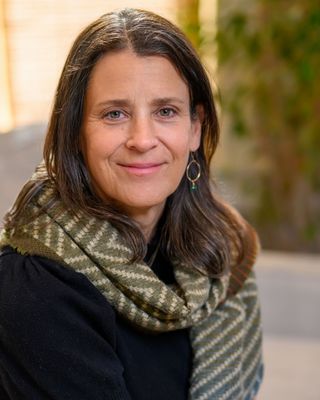
Hosted by Nicole Wagner
Clinical Social Work/Therapist, LCSW-R, CPD
Group meets in White Plains, NY 10607
DBT recognizes that patient problems are often the result of skill deficits and so increasing individual capabilities through skills training is a major focus of DBT. DBT skills are aimed directly at reducing problems that stem from patterns of instability in emotional regulation, as well as difficulties in impulse control, interpersonal relationships, and self-esteem.
The TGNC Support Group is a supportive space open to all adults who identify as transgender, gender nonconforming, or non-binary. This group aims to create a safe, supportive space for TGNC people to connect with one another and navigate the unique challenges of our community. The group explores topics surrounding identity, intersectionality, relationship building, and daily stressors. Members have various goals, but share a commitment to their own and each other's growth. Cost $10.

The TGNC Support Group is a supportive space open to all adults who identify as transgender, gender nonconforming, or non-binary. This group aims to create a safe, supportive space for TGNC people to connect with one another and navigate the unique challenges of our community. The group explores topics surrounding identity, intersectionality, relationship building, and daily stressors. Members have various goals, but share a commitment to their own and each other's growth. Cost $10.
Are you a gay man seeking deeper connection and meaning in the city? This long-term, in-person group offers a compassionate space to heal from the burdens of being queer in a straight world. Together, we’ll create a supportive environment where vulnerability is honored and your mind, body, and heart can be seen and heard. We’ll explore living authentically, intersectionality, boundaries, dating apps, adult attachment, sex positivity, and the neurobiology of connection. If you want a gentle place to land, be understood, and grow in intimacy and courage, this group is for you.
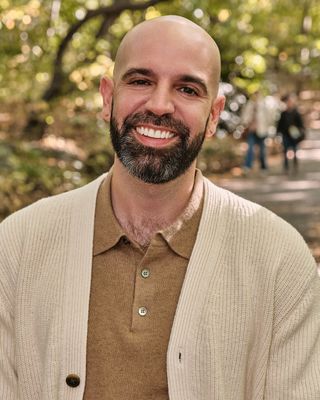
Hosted by Mark Mineo - EMDR, Anxiety, Trauma, LGBTQ+
Clinical Social Work/Therapist, LCSW
Group meets in New York, NY 10016
Are you a gay man seeking deeper connection and meaning in the city? This long-term, in-person group offers a compassionate space to heal from the burdens of being queer in a straight world. Together, we’ll create a supportive environment where vulnerability is honored and your mind, body, and heart can be seen and heard. We’ll explore living authentically, intersectionality, boundaries, dating apps, adult attachment, sex positivity, and the neurobiology of connection. If you want a gentle place to land, be understood, and grow in intimacy and courage, this group is for you.
We explore how to be more effective, connected, and secure in our relationships (whether you are single or partnered), identifying cycles and patterns in order to have greater access to love for ourselves and others. Duration: Weekly on Mondays from 2:30PM-4:00PM- 90 minutes. Where: meets via Zoom. Who: Open to women, 18 and up. Cost: $100 per group session (monthly superbill provided). Please note this is an intensive big deep dive group. If you are looking for surface level--this ain't it.
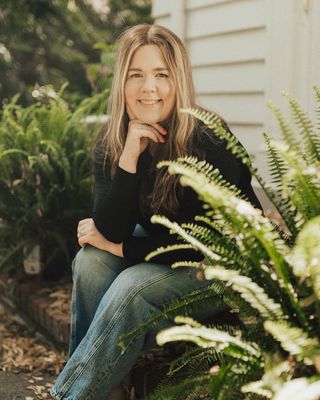
Hosted by Relationship And Trauma Therapist Sarah Nunes
Clinical Social Work/Therapist, NIC, LCSW
Group meets in New York, NY 10013
We explore how to be more effective, connected, and secure in our relationships (whether you are single or partnered), identifying cycles and patterns in order to have greater access to love for ourselves and others. Duration: Weekly on Mondays from 2:30PM-4:00PM- 90 minutes. Where: meets via Zoom. Who: Open to women, 18 and up. Cost: $100 per group session (monthly superbill provided). Please note this is an intensive big deep dive group. If you are looking for surface level--this ain't it.
Graduating soon or 0–3 years out? A space to talk about what you want, what the field has looked like so far, and how to get from here to wherever you want to go. Bring your questions, ideas, doubts, and half-baked plans. Reach out for a brief screening.

Graduating soon or 0–3 years out? A space to talk about what you want, what the field has looked like so far, and how to get from here to wherever you want to go. Bring your questions, ideas, doubts, and half-baked plans. Reach out for a brief screening.
Our mission at NG Mental Health Counseling is to provide each client with a safe space to explore their feelings, identify their strengths, and gain coping skills to improve their life. Therapists at NG Mental Health Counseling are passionate and committed to your mental health. We are happy and motivated to help you through all life's challenges with the attention and care you deserve.

Our mission at NG Mental Health Counseling is to provide each client with a safe space to explore their feelings, identify their strengths, and gain coping skills to improve their life. Therapists at NG Mental Health Counseling are passionate and committed to your mental health. We are happy and motivated to help you through all life's challenges with the attention and care you deserve.
Student athletes (and former student-athletes/recent college graduates) face unique challenges that are sometimes difficult to talk about. This is a forum for discussing these challenges and healthy coping mechanisms so that you can continue to love your sport, and yourself. As a former Division I athlete, I get it--I'll serve as the group mediator and encourage insightful, honest discussion of real issues.

Student athletes (and former student-athletes/recent college graduates) face unique challenges that are sometimes difficult to talk about. This is a forum for discussing these challenges and healthy coping mechanisms so that you can continue to love your sport, and yourself. As a former Division I athlete, I get it--I'll serve as the group mediator and encourage insightful, honest discussion of real issues.
Offer your child the opporunity to socialize with like minded peers and learn to see themselves with positivity! Your child will learn executive function tools, emotional regulation techniques, and most importantly, how to identify their strengths. Kids with ADHD hear over 20,000 negative messages by the age of 12. Let's emopwer them to flood themselves with 20,000 positive messages and move forward toward positive emotional growth, self esteem building and success. This group will meet once weekly for an hour. The group will be 6 weeks ($40 per session) with options to join a drop in thereafter.

Hosted by ADHD Training Center
Clinical Social Work/Therapist, LCSWR
Group meets in Jericho, NY 11753
Offer your child the opporunity to socialize with like minded peers and learn to see themselves with positivity! Your child will learn executive function tools, emotional regulation techniques, and most importantly, how to identify their strengths. Kids with ADHD hear over 20,000 negative messages by the age of 12. Let's emopwer them to flood themselves with 20,000 positive messages and move forward toward positive emotional growth, self esteem building and success. This group will meet once weekly for an hour. The group will be 6 weeks ($40 per session) with options to join a drop in thereafter.
Interpersonal relationship group of 8 members with diverse backgrounds. Focus on process orientation and exploration of present issues, past issues and traumas. Use of Gestalt, IFS, EMDR, and bodywork skills.

Interpersonal relationship group of 8 members with diverse backgrounds. Focus on process orientation and exploration of present issues, past issues and traumas. Use of Gestalt, IFS, EMDR, and bodywork skills.
When I work with couples, we all meet together in my office where the couple seeking relationship/marriage/couples therapy is seated across from me in "a love seat" that hangs right over the Henry Hudson River. Immediately the couple is soothed and empowered by the water view which is breathtakin!. My goal for almost all my couples is to have them learn skills and techniques so that they can begin communicating in a way that will help them reinvent their relationship when they leave my office. I want my couples leaving with hope.

Hosted by Riverdale Therapy & Counseling Services
Clinical Social Work/Therapist, RLCSW
Group meets in Bronx, NY 10471
When I work with couples, we all meet together in my office where the couple seeking relationship/marriage/couples therapy is seated across from me in "a love seat" that hangs right over the Henry Hudson River. Immediately the couple is soothed and empowered by the water view which is breathtakin!. My goal for almost all my couples is to have them learn skills and techniques so that they can begin communicating in a way that will help them reinvent their relationship when they leave my office. I want my couples leaving with hope.
Group is the antidote to the isolation and loneliness of modernity and social media. This is an intimate in person process group where members from diverse backgrounds engage in progressive emotional communication with each other. Members confront their repetitive avoidance patterns and increase their capacity to stay connected to others.

Group is the antidote to the isolation and loneliness of modernity and social media. This is an intimate in person process group where members from diverse backgrounds engage in progressive emotional communication with each other. Members confront their repetitive avoidance patterns and increase their capacity to stay connected to others.
The D&D Social Skills Group uses the fun and collaborative world of Dungeons & Dragons to help teens build confidence, communication, problem-solving, and teamwork skills. Guided by a licensed therapist, participants create characters, navigate adventures, and explore real-world social situations through storytelling and roleplay. This supportive group fosters creativity, empathy, and connection—all while having fun in a safe, inclusive environment.

Hosted by Dandelion Wellness Counseling
Clinical Social Work/Therapist, LCSW
Group meets in West Islip, NY 11795
The D&D Social Skills Group uses the fun and collaborative world of Dungeons & Dragons to help teens build confidence, communication, problem-solving, and teamwork skills. Guided by a licensed therapist, participants create characters, navigate adventures, and explore real-world social situations through storytelling and roleplay. This supportive group fosters creativity, empathy, and connection—all while having fun in a safe, inclusive environment.
Support and process group for moms.

Hosted by Spotless Mind Mental Health Counseling, PLLC
Counselor, LMHC, CASAC-T
Group meets in Hauppauge, NY 11788
Support and process group for moms.
Do you know a child who has difficulty connecting with his/her peers, is shy or needs help initiating conversation with peers or adults? We have the skills for that! Groups are now forming. Our goal is to promote social skills that enable children to be connected with others in a meaningful way.

Do you know a child who has difficulty connecting with his/her peers, is shy or needs help initiating conversation with peers or adults? We have the skills for that! Groups are now forming. Our goal is to promote social skills that enable children to be connected with others in a meaningful way.
This 6-week group, facilitated by Dr. Basha Silver, will meet on Tuesdays at 11am or noon (depending on group members' preference) and will begin on November 18th. The group will meet virtually (with the option to hold one meeting in-person) and is open to individuals over 18 who are residents of New York. It will allow women navigating infertility to connect with and support other women going through the emotional ups and downs of fertility treatment. Topics covered in the group will include self-care, coping with anxiety and grief, identity shifts, and how to navigate challenging social dynamics with friends and family.

This 6-week group, facilitated by Dr. Basha Silver, will meet on Tuesdays at 11am or noon (depending on group members' preference) and will begin on November 18th. The group will meet virtually (with the option to hold one meeting in-person) and is open to individuals over 18 who are residents of New York. It will allow women navigating infertility to connect with and support other women going through the emotional ups and downs of fertility treatment. Topics covered in the group will include self-care, coping with anxiety and grief, identity shifts, and how to navigate challenging social dynamics with friends and family.
Embracing Equanimity is a NYC-based Mental Health Wellness company with a unique take on addressing nuanced challenges in the Modern-day Mental Health Field. Whether it be through Private Practice, Adjunctive Therapies, Supervision, or Consulting, is it our goal to support the Mental Health Field by empowering Clinicians/Therapists in the work that they feel most passionately about. In offering a multi faceted array of services, we hope that our Practice can support clients with any number of services; both in a traditional Brick & Mortar Private Practice & through our broader professional efforts in the field.

Embracing Equanimity is a NYC-based Mental Health Wellness company with a unique take on addressing nuanced challenges in the Modern-day Mental Health Field. Whether it be through Private Practice, Adjunctive Therapies, Supervision, or Consulting, is it our goal to support the Mental Health Field by empowering Clinicians/Therapists in the work that they feel most passionately about. In offering a multi faceted array of services, we hope that our Practice can support clients with any number of services; both in a traditional Brick & Mortar Private Practice & through our broader professional efforts in the field.
See more therapy options for 11001


FAQs - About Group Therapy and Support Groups
How can I find a support group in 11001?
To find a support group in your area, start by entering your city, zip code, or the name of the group into the search bar at the top of the page. When searching, consider whether you prefer an in-person or virtual group. This can help you decide how broad your geographic search should be. If you are open to virtual groups, you might want to search by state instead of just your city, especially if there are limited options nearby.
Once you complete your search, you can use the filters to narrow the results by selecting specialties (such as grief, trauma, or eating disorders), therapeutic approaches, age groups, and other criteria to find a group that best fits your needs.
How does group therapy work?
Group therapy is led by one or more trained therapists and provides a space where participants can process their experiences and learn from others facing similar challenges. Groups may focus on a specific issue—such as addiction, grief, physical illnesses, parenting, or caregiving—or they may center around a particular therapeutic approach, such as Cognitive Behavioral Therapy (CBT), social skill development, or Exposure Therapy. Some groups are also designed for specific populations, such as teens, veterans, or LGBTQ+ individuals.
It’s also important to distinguish group therapy from peer-led support groups, like Alcoholics Anonymous. While both can offer valuable support, therapy groups are typically led by licensed professionals and follow a more structured format. Therapy groups often meet for a fixed length of time with a consistent group of members, while many peer support groups meet for an indefinite period of time with members coming and going.
What are the benefits of group therapy?
Group therapy offers several important benefits. It brings together people facing similar challenges—whether related to mental health, physical health, or life transitions—and creates a supportive environment where participants can exchange feedback, share experiences, and learn from one another. Hearing different perspectives can help individuals discover new coping strategies and practical tools they may not have encountered on their own. Sharing personal experiences, such as coping with a serious illness or navigating family struggles, can also reduce feelings of isolation and foster a sense of connection and understanding. In addition to emotional support, group members often gain useful, real-world advice from peers who have faced similar situations.
Group therapy is typically more affordable than individual therapy and, for certain conditions, can be equally effective. Many groups also include structured activities—such as guided journaling, cognitive-behavioral exercises, or role-playing—to help participants develop concrete skills they can apply in daily life.
Is group therapy as effective as individual therapy?
It is difficult to make a blanket statement about the effectiveness of support groups, as they vary widely in focus and the conditions they address. However, support groups can be highly valuable in helping individuals gain emotional support and achieve meaningful treatment outcomes. For certain conditions, such as substance use, research has shown that group therapy can be particularly effective—sometimes just as effective as individual therapy—in supporting long-term recovery.
Many professionals attribute the effectiveness of group therapy to the unique benefits of the group setting, which fosters peer-to-peer learning and a sense of connection through shared experiences. Group settings also offer accountability and encouragement from both facilitators and fellow participants, which helps sustain motivation and supports continued progress. These factors together play a key role in promoting the overall effectiveness of group therapy.
How much does group therapy cost?
Group therapy is typically less expensive than individual therapy, with sessions typically costing between $50 and $75 each. In comparison, individual therapy can cost anywhere from $100 to $200 or more per session, even with insurance. Some therapists or organizations offer low-cost or free group therapy options, particularly through community centers or nonprofit organizations. In some cases, groups may require payment upfront for a set number of sessions, such as paying for six weekly sessions at the first meeting. However, many providers offer payment plans to help make participation more accessible if this upfront payment is required.
Does insurance cover group therapy?
As with individual therapy, insurance coverage for group therapy varies based on factors such as your specific insurance plan, the purpose of the group, your diagnosis, and whether the group provider is in-network. Many insurance plans cover group therapy sessions that address diagnosable mental health conditions, such as substance use disorders, anxiety, or depression.
However, groups that focus on topics not directly tied to a mental health diagnosis—such as parenting support or divorce recovery—are less likely to be covered. Because coverage can vary widely, it’s important to check with your insurance provider before joining a group to confirm whether the sessions will be covered and what out-of-pocket costs you may be responsible for.
How long does group therapy last?
The length of each group therapy session typically ranges from 45 minutes to two hours, depending on the therapy approach, the group’s goals, and how often the group meets. In some cases, group therapy is part of a larger treatment program, such as an Intensive Outpatient Program (IOP), where group sessions complement individual therapy and are scheduled as part of the program’s overall structure.
The duration of participation in a group also varies. Some groups are designed to be short-term, lasting anywhere from 6 to 24 weeks—for example, bereavement groups or skills-based groups like those using Dialectical Behavioral Therapy (DBT). Other groups may be longer-term, lasting a year or more, and some ongoing support groups meet indefinitely, allowing participants to stay as long as they find the group helpful.
What are the limitations of support groups?
Support groups offer many benefits, but they also have certain limitations. Unlike therapy groups, many support groups do not provide formal therapeutic treatment and are not led by licensed mental health professionals. For individuals seeking clinical treatment for specific mental health diagnoses—such as depression, eating disorders, or substance use—individual therapy or group therapy led by a licensed professional may offer more personalized and specialized care.
The effectiveness of a support group also depends heavily on the group’s participants and the overall group dynamic. When members engage respectfully and offer constructive support, the group can foster valuable peer-to-peer learning. However, if certain participants dominate discussions, provide inaccurate advice, or create conflict, it can disrupt the group’s sense of safety and reduce its effectiveness. Confidentiality can also be harder to maintain in support groups, particularly in open groups where participants can join or leave at any time. With new members regularly entering the group, it can be more difficult to build and sustain a consistent sense of trust and privacy.