Support Groups in 10940
Group meets weekly for 90 minutes to support members in active healthy intentional coping w loss and bereavement. Anyone in grief age 16 or older is welcome. We have prompts for discussion and occasional art therapy projects or other group activities and sometimes a guest speaker. Naturally grieving people express and exhibit sadness, anger, loss, and solemnity at times but we try to keep the tone light when possible and the focus on supporting each other and adapting to a new reality not solely the pain.

Group meets weekly for 90 minutes to support members in active healthy intentional coping w loss and bereavement. Anyone in grief age 16 or older is welcome. We have prompts for discussion and occasional art therapy projects or other group activities and sometimes a guest speaker. Naturally grieving people express and exhibit sadness, anger, loss, and solemnity at times but we try to keep the tone light when possible and the focus on supporting each other and adapting to a new reality not solely the pain.
What do you do when you and your partner have communicated the same words over and over again? and you don't feel heard, or better yet understood? What you're experiencing is “ verbal stuck-ness ”. I invite you to "Paint How You Feel" , a two-part series couple workshop, 8/15 & 8/22, that will provide you and your partner a creative way to communicate your emotions, develop self-awareness, and gain insight in your relationship. This event will combine art with couple group therapy, with the purpose of navigating the stuck points in relationships. One Love, TWB

Hosted by Therapist Without Borders
Clinical Social Work/Therapist, CST, LCSW, LCSW-R
Group meets in Middletown, NY 10940
What do you do when you and your partner have communicated the same words over and over again? and you don't feel heard, or better yet understood? What you're experiencing is “ verbal stuck-ness ”. I invite you to "Paint How You Feel" , a two-part series couple workshop, 8/15 & 8/22, that will provide you and your partner a creative way to communicate your emotions, develop self-awareness, and gain insight in your relationship. This event will combine art with couple group therapy, with the purpose of navigating the stuck points in relationships. One Love, TWB
OASAS and DMV approved treatment for individuals with DWI

OASAS and DMV approved treatment for individuals with DWI
This group helps to empower victims of domestic violence and give them a safe place filled with supports. Through positive therapeutic practices, social and emotional activities, and powerful discussion groups clients are empowered by learning to identify abuse in its different forms. Clients learn different strategies to prevent or de-escalate the situation before it manifests. However, if the client is the abuser, through discussion and activities they will learn to target their abusive behaviors and strategies to change their behaviors.
This group helps to empower victims of domestic violence and give them a safe place filled with supports. Through positive therapeutic practices, social and emotional activities, and powerful discussion groups clients are empowered by learning to identify abuse in its different forms. Clients learn different strategies to prevent or de-escalate the situation before it manifests. However, if the client is the abuser, through discussion and activities they will learn to target their abusive behaviors and strategies to change their behaviors.
Holding a Grudge against someone? No matter what, you just can't forgive the person who did you wrong. Angry with someone who is in jail? moved? or passed away? How can you ever forgive them for what they have done? How can you get over it? Come to the Conflict Resolution Group and learn strategies to let go.
Holding a Grudge against someone? No matter what, you just can't forgive the person who did you wrong. Angry with someone who is in jail? moved? or passed away? How can you ever forgive them for what they have done? How can you get over it? Come to the Conflict Resolution Group and learn strategies to let go.
Our support groups offer a safe, evidence-based environment for grievers to take effective and lasting action, no matter the type of loss experienced. These groups are led by Certified Grief Recovery Method Specialists, trained and certified by the Grief Recovery Institute. This Group will run for 8-weeks on Tuesdays. Seating is expected to fill so please call to reserve your spot today. The investment is only $600 for the 8-weeks and can be paid in up to 3 installments. Health Savings Accounts (HSA) or credit cards can be used. ACCEPTED INSURANCES CAN BE USED FOR GROUP SESSIONS.
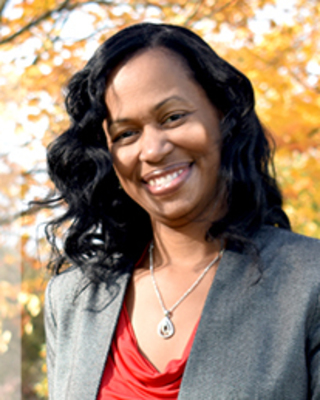
Hosted by Dr. Tenise M. Wall
Clinical Social Work/Therapist, PhD, LCSW, ACSW, CASAC-M
Group meets in Middletown, NY 10940
Our support groups offer a safe, evidence-based environment for grievers to take effective and lasting action, no matter the type of loss experienced. These groups are led by Certified Grief Recovery Method Specialists, trained and certified by the Grief Recovery Institute. This Group will run for 8-weeks on Tuesdays. Seating is expected to fill so please call to reserve your spot today. The investment is only $600 for the 8-weeks and can be paid in up to 3 installments. Health Savings Accounts (HSA) or credit cards can be used. ACCEPTED INSURANCES CAN BE USED FOR GROUP SESSIONS.
More Groups Nearby
You deserve private space to explore the celebrations and struggles of motherhood including shifts in identity and relationships, capacity for self-care, new emotions, and your connection with your baby. Eight themed weekly support groups designed to provide education, peer support, and coping skills. Babies under 9 months are welcome. You are not alone! Call today to schedule an individual intake with the group facilitator Shanti Grumbine, LMSW, to learn more: Call 845-202-3138.

Hosted by Thompson Counseling Services LCSW, PLLC
Clinical Social Work/Therapist, LCSWR
Group meets in New Paltz, NY 12561
You deserve private space to explore the celebrations and struggles of motherhood including shifts in identity and relationships, capacity for self-care, new emotions, and your connection with your baby. Eight themed weekly support groups designed to provide education, peer support, and coping skills. Babies under 9 months are welcome. You are not alone! Call today to schedule an individual intake with the group facilitator Shanti Grumbine, LMSW, to learn more: Call 845-202-3138.
Drawing from Imago Relationship Therapy and Nonviolent Communication, mindfulness, and creative therapeutic practices, this group helps participants develop awareness, and practical skills for more conscious loving relationships. Loving Relationships is for anyone who wants to heal habitual relational patterns, learn new effective ways to communicate and cultivate a more harmonious loving connection. Come with your partner, your relative, your friend, or come by yourself and learn the underling keys that can transform all of your relationships. Led by an Advanced Imago Relationship Therapist and a Certified Imago Facilitator.

Hosted by Bonnie Hirschhorn
Clinical Social Work/Therapist, LP, NCPsyA, LCSW, LCAT, BC-ATR
Group meets in New Paltz, NY 12561
Drawing from Imago Relationship Therapy and Nonviolent Communication, mindfulness, and creative therapeutic practices, this group helps participants develop awareness, and practical skills for more conscious loving relationships. Loving Relationships is for anyone who wants to heal habitual relational patterns, learn new effective ways to communicate and cultivate a more harmonious loving connection. Come with your partner, your relative, your friend, or come by yourself and learn the underling keys that can transform all of your relationships. Led by an Advanced Imago Relationship Therapist and a Certified Imago Facilitator.
In this general counseling/relationship issues group you can address any issue that you are struggling with. All challenges are welcome to be raised. You will receive support and input about your struggle and be treated with kindness and respect.You will be able to create a vision, experiment with new behaviors, identify strengths and weaknesses, understand relationships patterns, learn assertivenss and conflict resolution skills, give and receive input, reduce isolation, improve communication skills, raise confidence and self esteem and improve relationships. If you would like a published article that I wrote emailed to you please request it.

In this general counseling/relationship issues group you can address any issue that you are struggling with. All challenges are welcome to be raised. You will receive support and input about your struggle and be treated with kindness and respect.You will be able to create a vision, experiment with new behaviors, identify strengths and weaknesses, understand relationships patterns, learn assertivenss and conflict resolution skills, give and receive input, reduce isolation, improve communication skills, raise confidence and self esteem and improve relationships. If you would like a published article that I wrote emailed to you please request it.
The ever winding path along the journey of fertility is wrought with challenges and stressors that bring roller coaster feelings such as heartache, excitement, confusion, anticipation, anxiety, grief, and so much more. While each individual's experiences differ, the emotions and moments are often shared. Group members can feel understood through receiving (and giving) support in a nonjudgmental and compassionate circle. Talk therapy, mindfulness, and mind/body experiences will support the process of easing the stress. This circle is for any female identifying person who is currently walking the journey of fertility. Sessions run for 6 weeks.

Hosted by Karla Karpowicz
Creative Arts Therapist, MA, LCAT, BC-DMT, RYT
Group meets in Newburgh, NY 12550
The ever winding path along the journey of fertility is wrought with challenges and stressors that bring roller coaster feelings such as heartache, excitement, confusion, anticipation, anxiety, grief, and so much more. While each individual's experiences differ, the emotions and moments are often shared. Group members can feel understood through receiving (and giving) support in a nonjudgmental and compassionate circle. Talk therapy, mindfulness, and mind/body experiences will support the process of easing the stress. This circle is for any female identifying person who is currently walking the journey of fertility. Sessions run for 6 weeks.
Age specific groups that address several areas and topics like confidence and courage, anxiety and stress, loss and trauma as well as social interactions and emotional regulation skills. Groups held various days and times of the week as week as well as weekends and time out of school.

Hosted by Melissa Bianchini
Clinical Social Work/Therapist, LCSW
Group meets in Hopewell Junction, NY 12533
Age specific groups that address several areas and topics like confidence and courage, anxiety and stress, loss and trauma as well as social interactions and emotional regulation skills. Groups held various days and times of the week as week as well as weekends and time out of school.
Dating is hard in general, but dating in the Hudson Valley has its own set of challenges. We wanted to create a space where it can be talked about with other people who get it. A six-week group for women and queer people starting in-person in Newburgh, February 7th-March 13th

Dating is hard in general, but dating in the Hudson Valley has its own set of challenges. We wanted to create a space where it can be talked about with other people who get it. A six-week group for women and queer people starting in-person in Newburgh, February 7th-March 13th
Weekly groups meet to practice techniques to reduce stress, increase focus and feelings of well being.
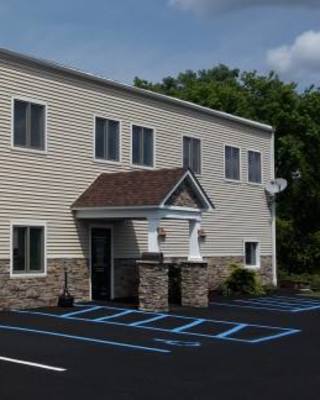
Hosted by Dr. Michele Winchester-Vega & Associates
Clinical Social Work/Therapist, DSW, LCSW-R, ACSW, LMHC, LMFT
Group meets in New Windsor, NY 12553
Weekly groups meet to practice techniques to reduce stress, increase focus and feelings of well being.
Learning to love yourself and increase your self esteem is a PROCESS. It does not happen overnight. It is a journey that is different for everyone, but if you stick to the process with compassion and kindness for yourself, it is POSSIBLE to heal your relationship with food, your body, and yourself. You can get back to living a fulfilling life without the obsessive thinking about food, weight, or appearances.

Learning to love yourself and increase your self esteem is a PROCESS. It does not happen overnight. It is a journey that is different for everyone, but if you stick to the process with compassion and kindness for yourself, it is POSSIBLE to heal your relationship with food, your body, and yourself. You can get back to living a fulfilling life without the obsessive thinking about food, weight, or appearances.
Grounding Resilience in Training (GRIT) groups are small (4-8 participants), weekly, month-long, LMSW facilitated, peer-to-peer supportive ‘programming with a purpose,’ designed for specific populations. Participants gain social support, grounding/self-regulation skills, and horsepersonship skills that can prepare them to volunteer and work in therapeutic equestrianism.

Grounding Resilience in Training (GRIT) groups are small (4-8 participants), weekly, month-long, LMSW facilitated, peer-to-peer supportive ‘programming with a purpose,’ designed for specific populations. Participants gain social support, grounding/self-regulation skills, and horsepersonship skills that can prepare them to volunteer and work in therapeutic equestrianism.
8-Week Virtual Group for Young Adults (ages 18-24). Thursdays from 7:30-8:30pm. Facilitated by Courtney Dunn, LCSW. Do you feel stressed about all the changes and responsibilities in your life? Are you struggling with your first year of college? From college into your first job? Join us for a supportive group where you'll learn strategies to cope with life transitions using your mind and body. A safe space for LGBTQIA+ and gender-expansive folks.
8-Week Virtual Group for Young Adults (ages 18-24). Thursdays from 7:30-8:30pm. Facilitated by Courtney Dunn, LCSW. Do you feel stressed about all the changes and responsibilities in your life? Are you struggling with your first year of college? From college into your first job? Join us for a supportive group where you'll learn strategies to cope with life transitions using your mind and body. A safe space for LGBTQIA+ and gender-expansive folks.
Art is an amazing medium for therapy which encourages the creator to process their thoughts and feelings creatively. Children especially respond to this technique as it is a means to express oneself when the language is not yet developed. This group aims to teach your child about emotional identification, emotional regulation, and mindfulness practices all through fun, creative art projects. It will provide a safe space for your child to explore their thoughts and feelings while creating social connections with others. No artistic talent is required! All materials will be provided.

Art is an amazing medium for therapy which encourages the creator to process their thoughts and feelings creatively. Children especially respond to this technique as it is a means to express oneself when the language is not yet developed. This group aims to teach your child about emotional identification, emotional regulation, and mindfulness practices all through fun, creative art projects. It will provide a safe space for your child to explore their thoughts and feelings while creating social connections with others. No artistic talent is required! All materials will be provided.
Grounding Resilience in Training (GRIT) groups are small (4-8 participants), weekly, month-long, LMSW facilitated, peer-to-peer supportive ‘programming with a purpose,’ designed for specific populations. Participants gain social support, grounding/self-regulation skills, and horsepersonship skills that can prepare them to volunteer and work in therapeutic equestrianism.
Grounding Resilience in Training (GRIT) groups are small (4-8 participants), weekly, month-long, LMSW facilitated, peer-to-peer supportive ‘programming with a purpose,’ designed for specific populations. Participants gain social support, grounding/self-regulation skills, and horsepersonship skills that can prepare them to volunteer and work in therapeutic equestrianism.
Mindfulness is a high level and very effective coping and healing skill. Practicing mindfulness through group discussion, exercises and education will help each participant integrate it to have it become a more natural and automatic go to when struggling with challenges.

Hosted by Caren Redlich
Clinical Social Work/Therapist, MA, MSSW, LCSW, SIFI
Group meets in Suffern, NY 10901
Mindfulness is a high level and very effective coping and healing skill. Practicing mindfulness through group discussion, exercises and education will help each participant integrate it to have it become a more natural and automatic go to when struggling with challenges.
Group for women over fifty focusing on the unique challenges and transitions in women’s lives.

Group for women over fifty focusing on the unique challenges and transitions in women’s lives.
See more therapy options for 10940


FAQs - About Group Therapy and Support Groups
How can I find a support group in 10940?
To find a support group in your area, start by entering your city, zip code, or the name of the group into the search bar at the top of the page. When searching, consider whether you prefer an in-person or virtual group. This can help you decide how broad your geographic search should be. If you are open to virtual groups, you might want to search by state instead of just your city, especially if there are limited options nearby.
Once you complete your search, you can use the filters to narrow the results by selecting specialties (such as grief, trauma, or eating disorders), therapeutic approaches, age groups, and other criteria to find a group that best fits your needs.
Once you complete your search, you can use the filters to narrow the results by selecting specialties (such as grief, trauma, or eating disorders), therapeutic approaches, age groups, and other criteria to find a group that best fits your needs.
How does group therapy work?
Group therapy is led by one or more trained therapists and provides a space where participants can process their experiences and learn from others facing similar challenges. Groups may focus on a specific issue—such as addiction, grief, physical illnesses, parenting, or caregiving—or they may center around a particular therapeutic approach, such as Cognitive Behavioral Therapy (CBT), social skill development, or Exposure Therapy. Some groups are also designed for specific populations, such as teens, veterans, or LGBTQ+ individuals.
It’s also important to distinguish group therapy from peer-led support groups, like Alcoholics Anonymous. While both can offer valuable support, therapy groups are typically led by licensed professionals and follow a more structured format. Therapy groups often meet for a fixed length of time with a consistent group of members, while many peer support groups meet for an indefinite period of time with members coming and going.
It’s also important to distinguish group therapy from peer-led support groups, like Alcoholics Anonymous. While both can offer valuable support, therapy groups are typically led by licensed professionals and follow a more structured format. Therapy groups often meet for a fixed length of time with a consistent group of members, while many peer support groups meet for an indefinite period of time with members coming and going.
What are the benefits of group therapy?
Group therapy offers several important benefits. It brings together people facing similar challenges—whether related to mental health, physical health, or life transitions—and creates a supportive environment where participants can exchange feedback, share experiences, and learn from one another. Hearing different perspectives can help individuals discover new coping strategies and practical tools they may not have encountered on their own. Sharing personal experiences, such as coping with a serious illness or navigating family struggles, can also reduce feelings of isolation and foster a sense of connection and understanding. In addition to emotional support, group members often gain useful, real-world advice from peers who have faced similar situations.
Group therapy is typically more affordable than individual therapy and, for certain conditions, can be equally effective. Many groups also include structured activities—such as guided journaling, cognitive-behavioral exercises, or role-playing—to help participants develop concrete skills they can apply in daily life.
Group therapy is typically more affordable than individual therapy and, for certain conditions, can be equally effective. Many groups also include structured activities—such as guided journaling, cognitive-behavioral exercises, or role-playing—to help participants develop concrete skills they can apply in daily life.
Is group therapy as effective as individual therapy?
It is difficult to make a blanket statement about the effectiveness of support groups, as they vary widely in focus and the conditions they address. However, support groups can be highly valuable in helping individuals gain emotional support and achieve meaningful treatment outcomes. For certain conditions, such as substance use, research has shown that group therapy can be particularly effective—sometimes just as effective as individual therapy—in supporting long-term recovery.
Many professionals attribute the effectiveness of group therapy to the unique benefits of the group setting, which fosters peer-to-peer learning and a sense of connection through shared experiences. Group settings also offer accountability and encouragement from both facilitators and fellow participants, which helps sustain motivation and supports continued progress. These factors together play a key role in promoting the overall effectiveness of group therapy.
Many professionals attribute the effectiveness of group therapy to the unique benefits of the group setting, which fosters peer-to-peer learning and a sense of connection through shared experiences. Group settings also offer accountability and encouragement from both facilitators and fellow participants, which helps sustain motivation and supports continued progress. These factors together play a key role in promoting the overall effectiveness of group therapy.
How much does group therapy cost?
Group therapy is typically less expensive than individual therapy, with sessions typically costing between $50 and $75 each. In comparison, individual therapy can cost anywhere from $100 to $200 or more per session, even with insurance. Some therapists or organizations offer low-cost or free group therapy options, particularly through community centers or nonprofit organizations. In some cases, groups may require payment upfront for a set number of sessions, such as paying for six weekly sessions at the first meeting. However, many providers offer payment plans to help make participation more accessible if this upfront payment is required.
Does insurance cover group therapy?
As with individual therapy, insurance coverage for group therapy varies based on factors such as your specific insurance plan, the purpose of the group, your diagnosis, and whether the group provider is in-network. Many insurance plans cover group therapy sessions that address diagnosable mental health conditions, such as substance use disorders, anxiety, or depression.
However, groups that focus on topics not directly tied to a mental health diagnosis—such as parenting support or divorce recovery—are less likely to be covered. Because coverage can vary widely, it’s important to check with your insurance provider before joining a group to confirm whether the sessions will be covered and what out-of-pocket costs you may be responsible for.
However, groups that focus on topics not directly tied to a mental health diagnosis—such as parenting support or divorce recovery—are less likely to be covered. Because coverage can vary widely, it’s important to check with your insurance provider before joining a group to confirm whether the sessions will be covered and what out-of-pocket costs you may be responsible for.
How long does group therapy last?
The length of each group therapy session typically ranges from 45 minutes to two hours, depending on the therapy approach, the group’s goals, and how often the group meets. In some cases, group therapy is part of a larger treatment program, such as an Intensive Outpatient Program (IOP), where group sessions complement individual therapy and are scheduled as part of the program’s overall structure.
The duration of participation in a group also varies. Some groups are designed to be short-term, lasting anywhere from 6 to 24 weeks—for example, bereavement groups or skills-based groups like those using Dialectical Behavioral Therapy (DBT). Other groups may be longer-term, lasting a year or more, and some ongoing support groups meet indefinitely, allowing participants to stay as long as they find the group helpful.
The duration of participation in a group also varies. Some groups are designed to be short-term, lasting anywhere from 6 to 24 weeks—for example, bereavement groups or skills-based groups like those using Dialectical Behavioral Therapy (DBT). Other groups may be longer-term, lasting a year or more, and some ongoing support groups meet indefinitely, allowing participants to stay as long as they find the group helpful.
What are the limitations of support groups?
Support groups offer many benefits, but they also have certain limitations. Unlike therapy groups, many support groups do not provide formal therapeutic treatment and are not led by licensed mental health professionals. For individuals seeking clinical treatment for specific mental health diagnoses—such as depression, eating disorders, or substance use—individual therapy or group therapy led by a licensed professional may offer more personalized and specialized care.
The effectiveness of a support group also depends heavily on the group’s participants and the overall group dynamic. When members engage respectfully and offer constructive support, the group can foster valuable peer-to-peer learning. However, if certain participants dominate discussions, provide inaccurate advice, or create conflict, it can disrupt the group’s sense of safety and reduce its effectiveness. Confidentiality can also be harder to maintain in support groups, particularly in open groups where participants can join or leave at any time. With new members regularly entering the group, it can be more difficult to build and sustain a consistent sense of trust and privacy.
The effectiveness of a support group also depends heavily on the group’s participants and the overall group dynamic. When members engage respectfully and offer constructive support, the group can foster valuable peer-to-peer learning. However, if certain participants dominate discussions, provide inaccurate advice, or create conflict, it can disrupt the group’s sense of safety and reduce its effectiveness. Confidentiality can also be harder to maintain in support groups, particularly in open groups where participants can join or leave at any time. With new members regularly entering the group, it can be more difficult to build and sustain a consistent sense of trust and privacy.